Longevity Foods
Explore the world of longevity foods, their benefits, and how they can support your health.
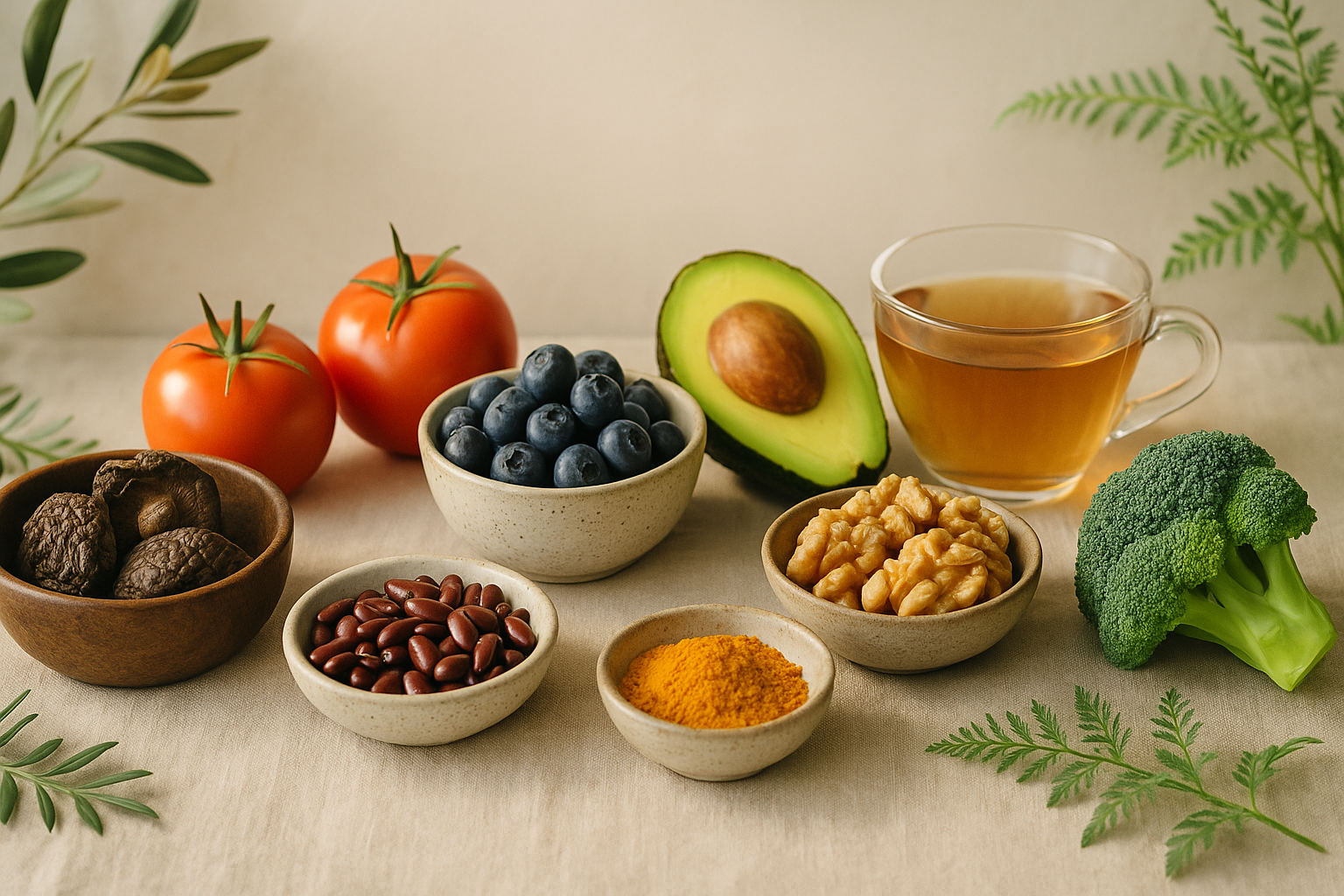
Discover the power of longevity foods, their active compounds, traditional uses, and modern research insights to enhance your health and vitality.
What It Is
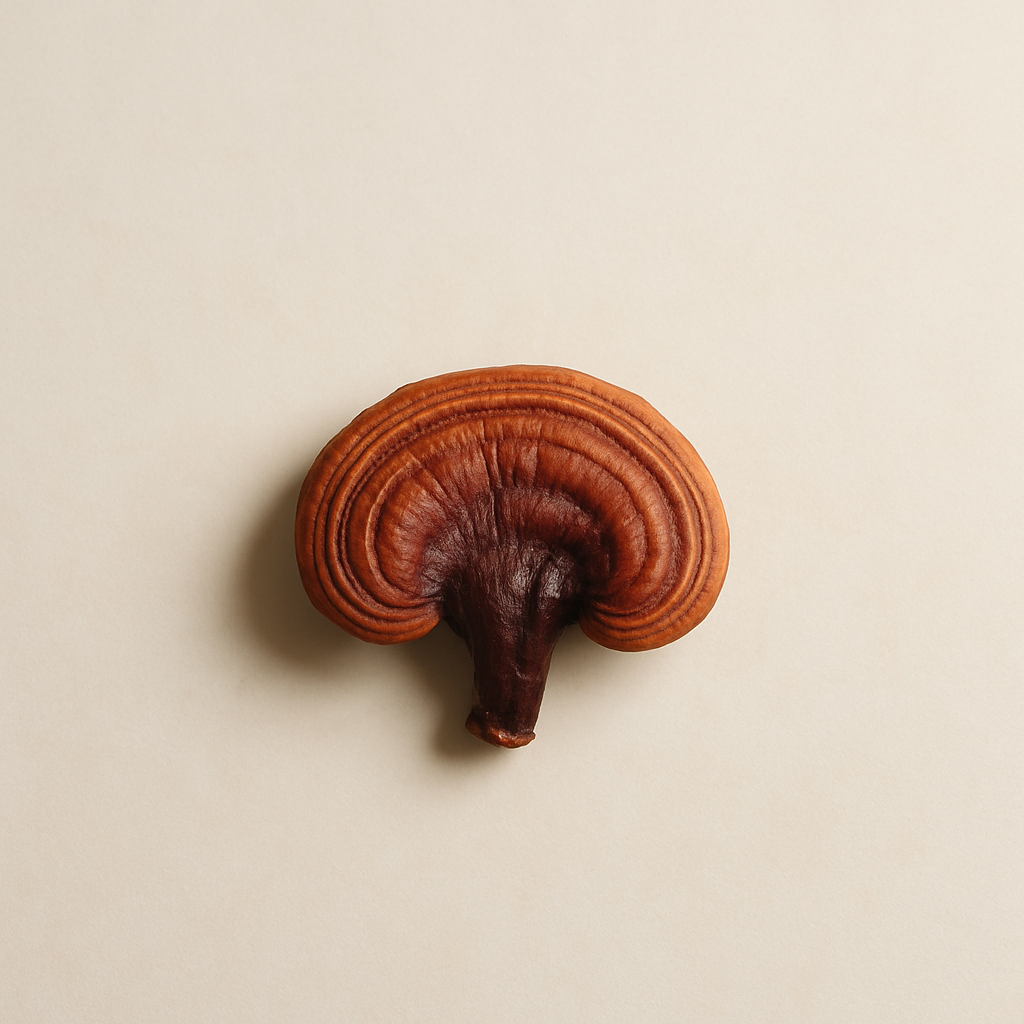
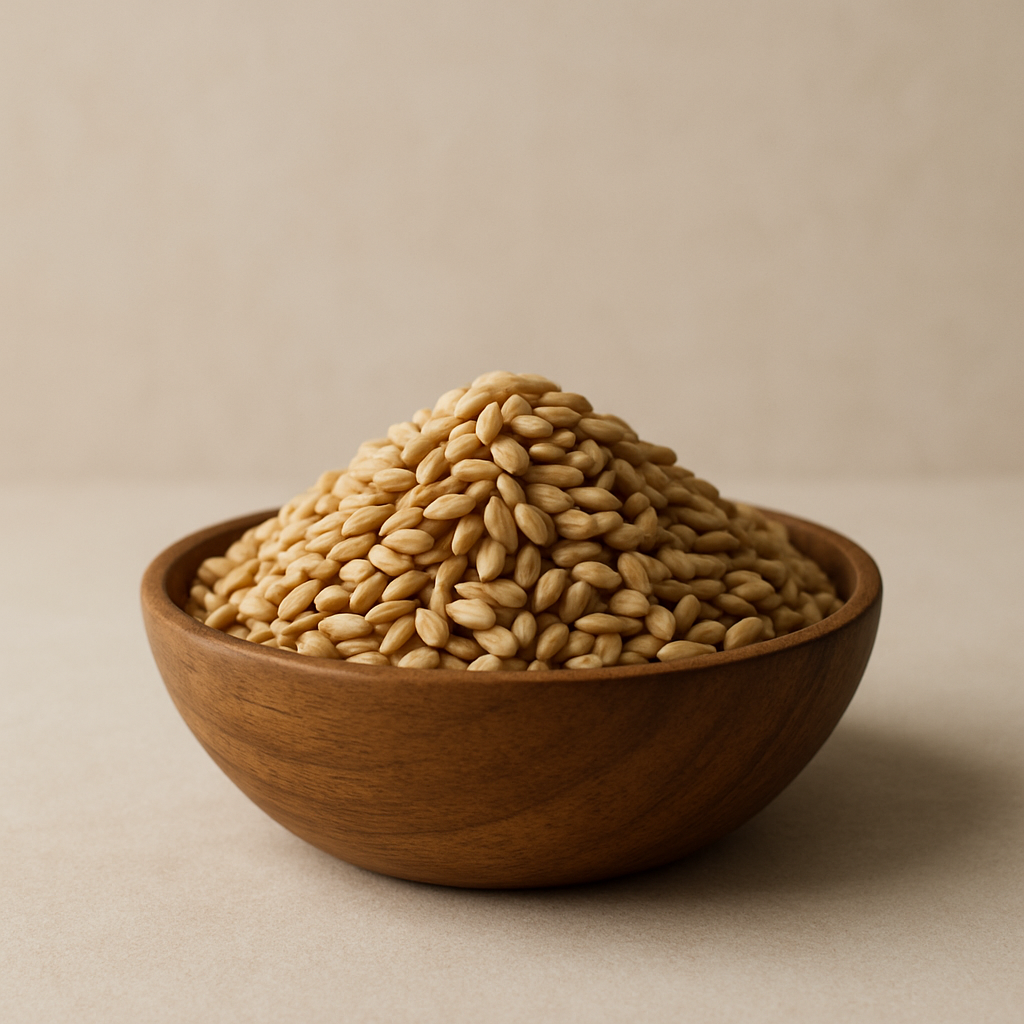
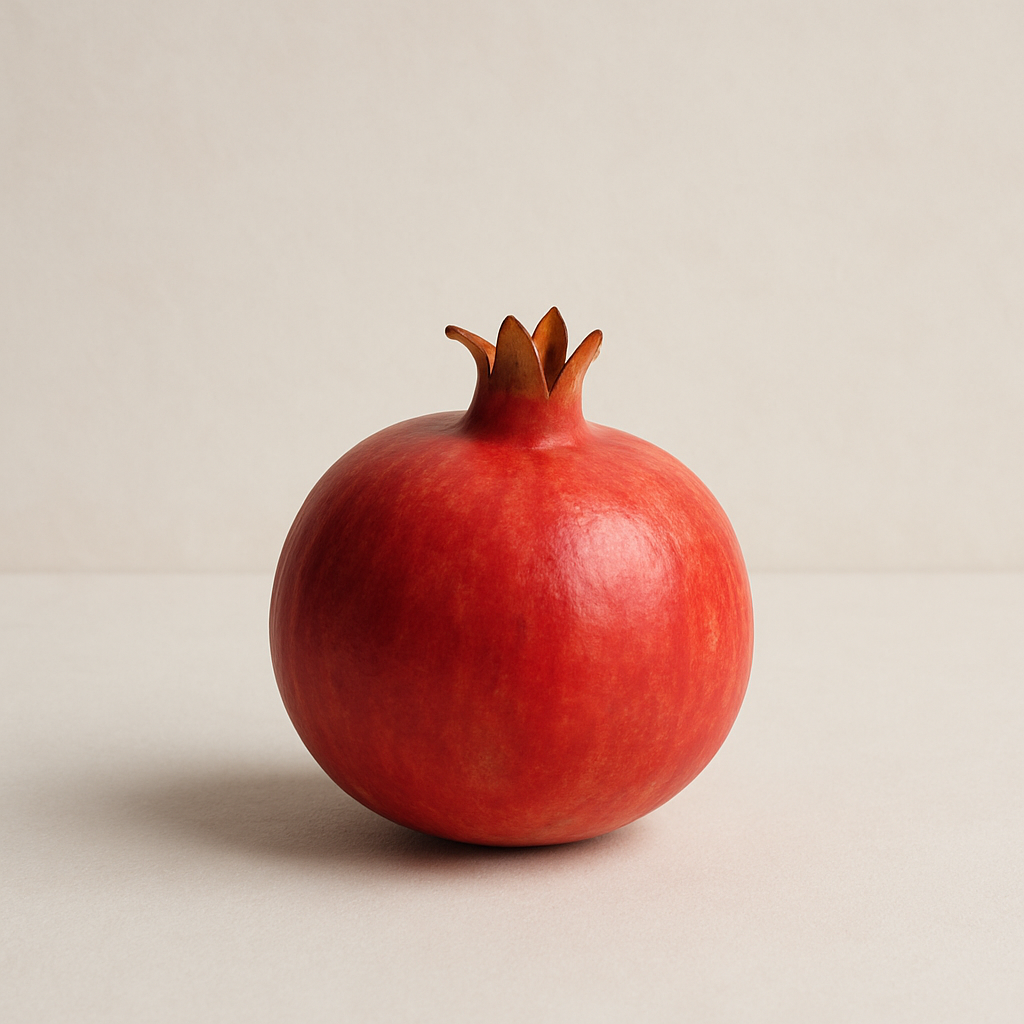
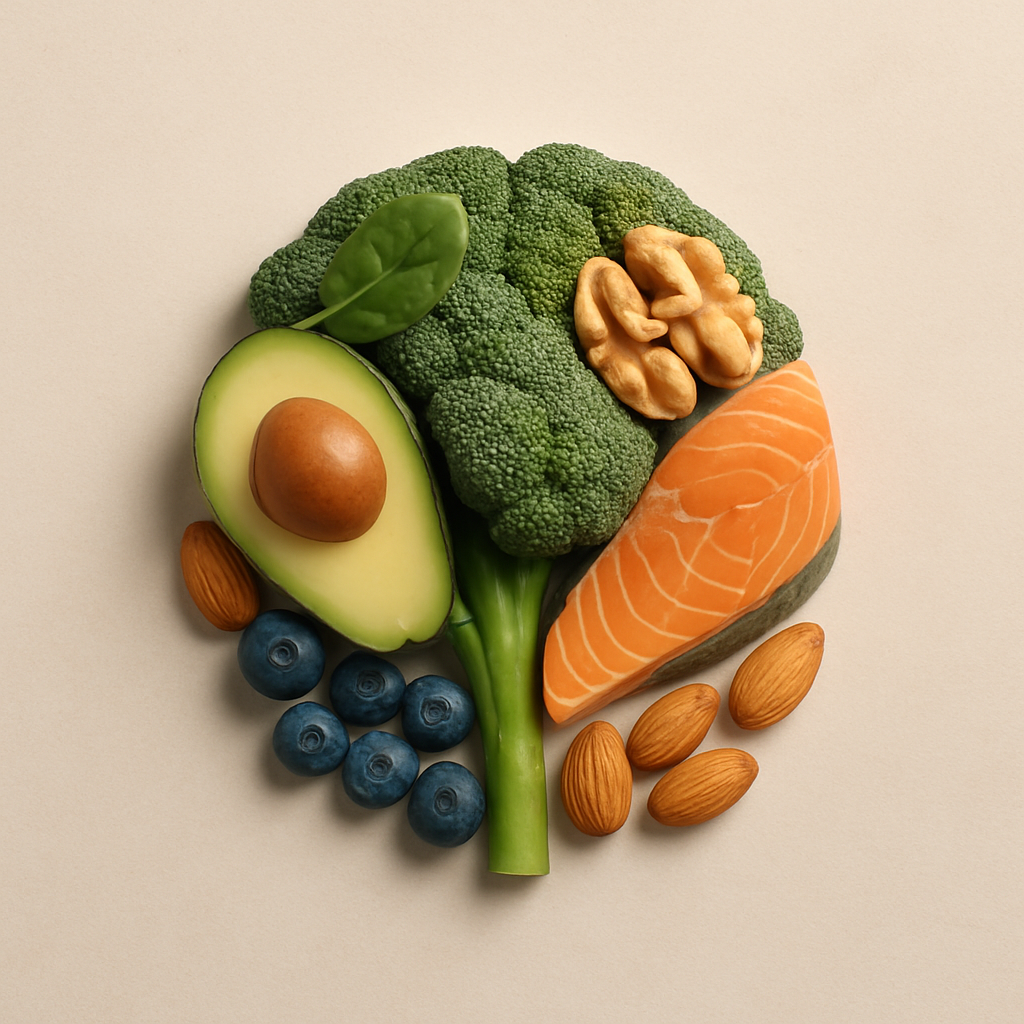
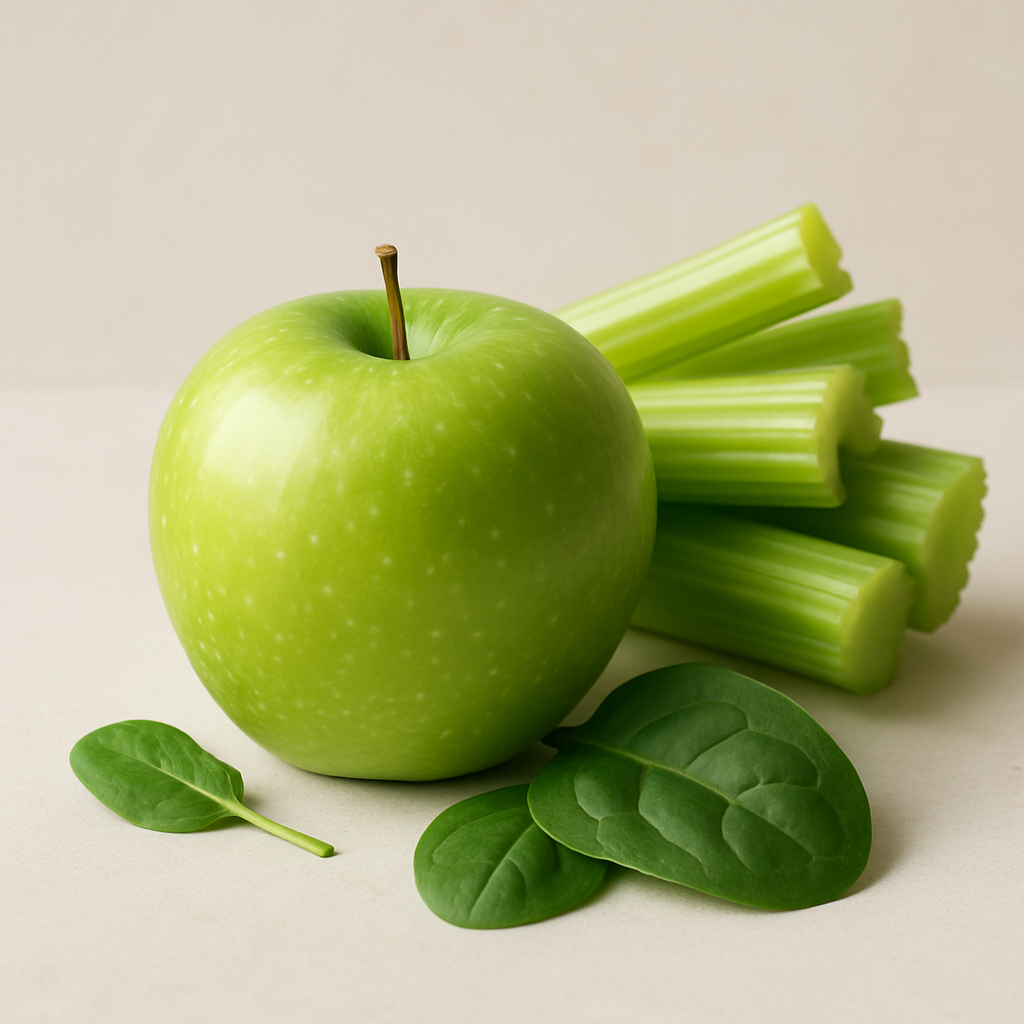
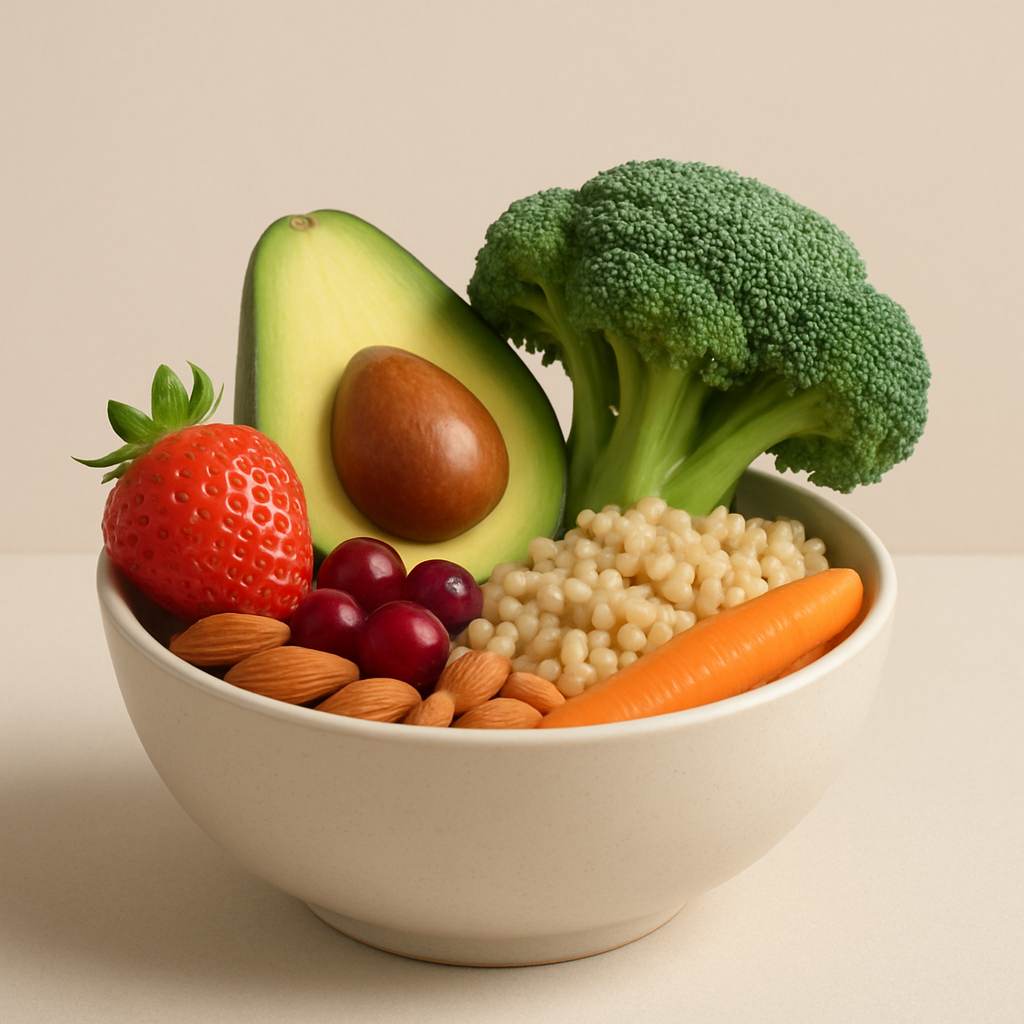
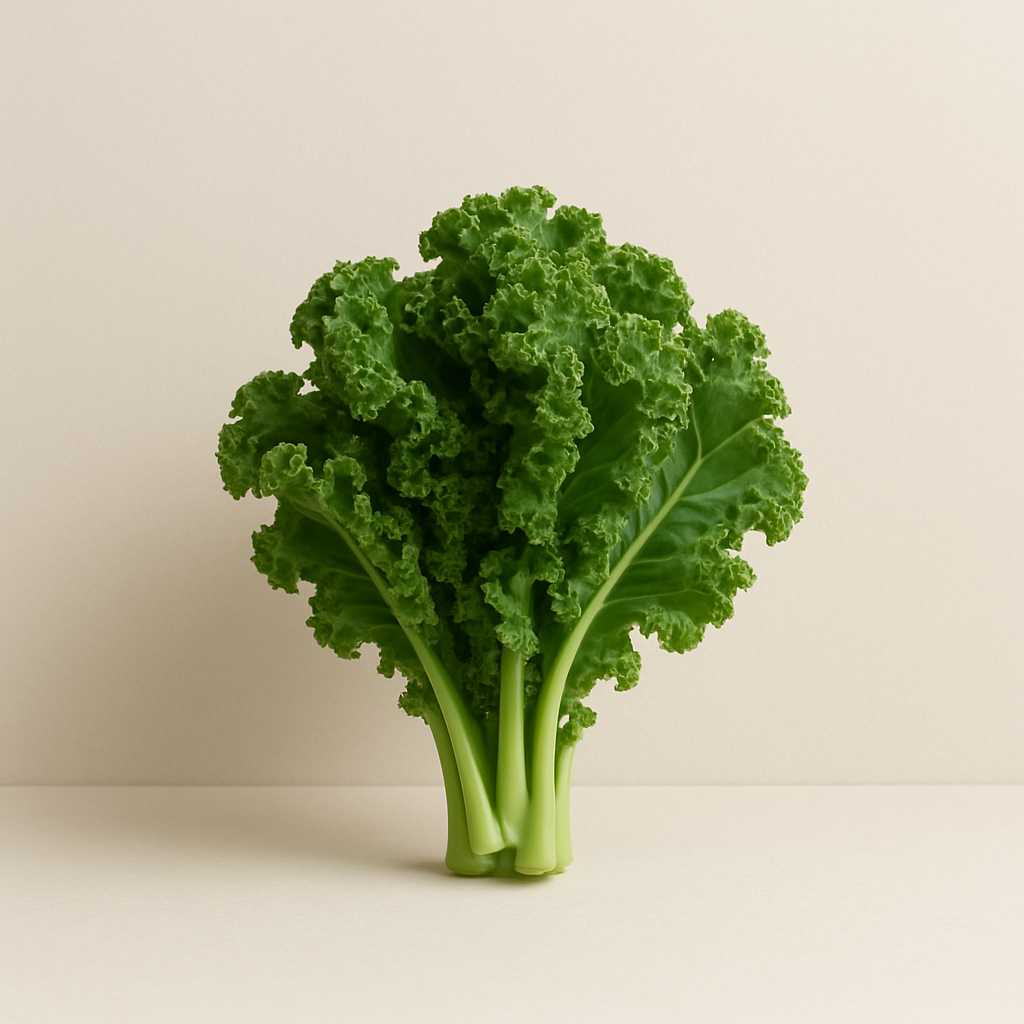
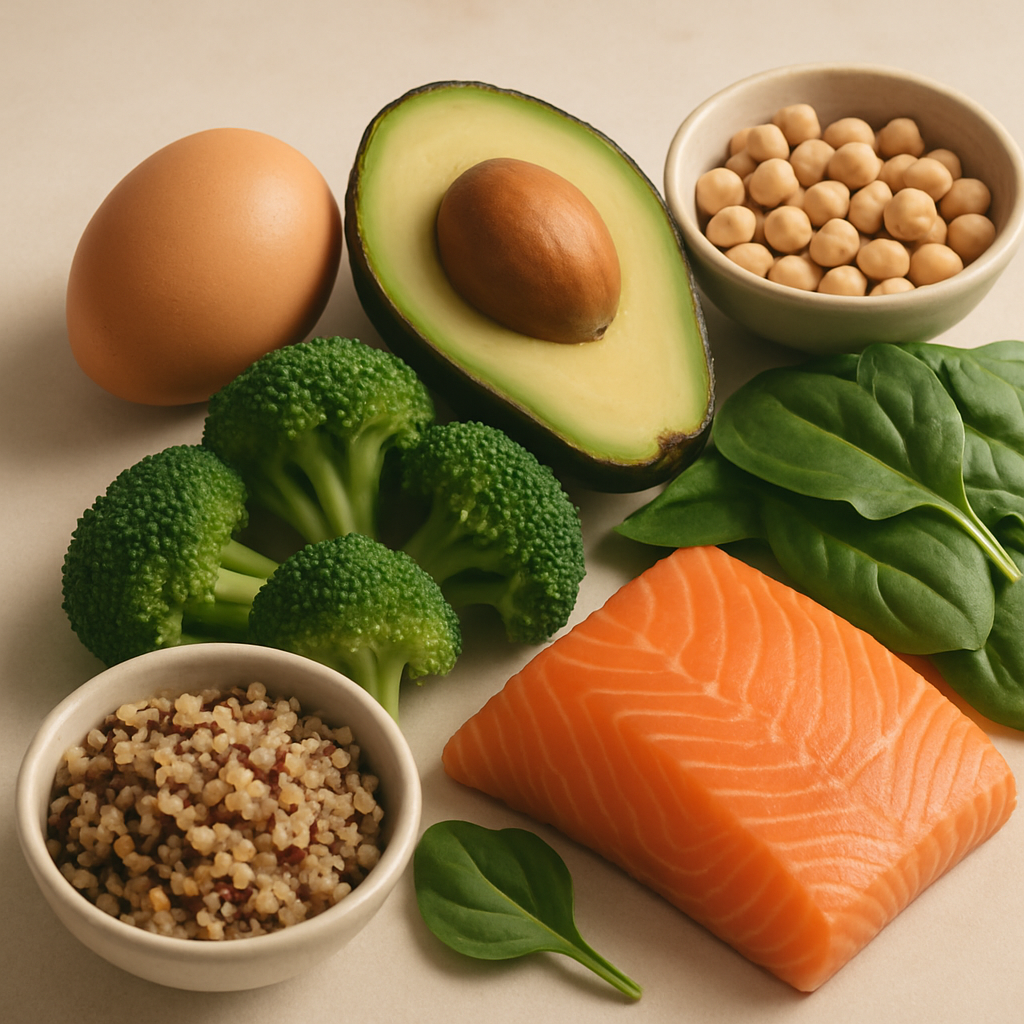
Longevity foods are specific types of foods that are believed to promote a longer, healthier life. These foods are often rich in nutrients, antioxidants, and other bioactive compounds that may contribute to overall well-being and longevity. Examples include berries, leafy greens, nuts, seeds, and certain herbs. The concept of longevity foods is rooted in various cultural traditions where specific diets are linked to lower rates of chronic diseases and increased lifespan.
Key Active Compounds & Mechanisms
Longevity foods are packed with various active compounds that contribute to their health benefits. Some of the most notable include:
- Polyphenols: Found in fruits and vegetables, these compounds have antioxidant properties that help combat oxidative stress.
- Omega-3 Fatty Acids: Present in fatty fish and flaxseeds, omega-3s are known to reduce inflammation and support heart health.
- Vitamins and Minerals: Essential nutrients like vitamins A, C, E, and minerals such as magnesium and zinc play vital roles in bodily functions.
- Fiber: High-fiber foods, including whole grains and legumes, support digestive health and may help regulate blood sugar levels.
Traditional Uses
Throughout history, different cultures have utilized specific foods to promote health and longevity. For instance:
- Blueberries (Vaccinium corymbosum): Used by Native Americans for their antioxidant properties and believed to enhance vitality.
- Green Tea (Camellia sinensis): A staple in Asian cultures, green tea is celebrated for its health benefits and is often linked to longevity.
- Turmeric (Curcuma longa): Known in Ayurvedic medicine for its anti-inflammatory properties, turmeric is often consumed as a spice or tea.
What Modern Research Suggests
Recent studies have begun to validate the traditional uses of longevity foods. Research suggests that diets rich in these foods may lead to:
- Reduced risk of chronic illnesses such as heart disease, diabetes, and certain cancers.
- Improved cognitive function and lower rates of neurodegenerative diseases.
- Enhanced immune function and overall vitality.
However, while preliminary evidence is promising, more extensive clinical trials are needed to fully understand the mechanisms and effects.
Functional Actions
Longevity foods exhibit several functional actions that contribute to health and well-being:
- Antioxidant Activity: Protects cells from oxidative damage.
- Anti-inflammatory Effects: Reduces inflammation, which is linked to various chronic diseases.
- Cardiovascular Support: Improves heart health by reducing cholesterol levels and blood pressure.
Body Systems Supported
Incorporating longevity foods into your diet can support multiple body systems, including:
- Cardiovascular System: Promotes heart health and circulation.
- Immune System: Enhances the body's ability to fight infections.
- Digestive System: Improves gut health and nutrient absorption.
- Nervous System: Supports cognitive function and mental health.
Common Forms & Educational Dosing Ranges
Longevity foods can be consumed in various forms, including:
- Whole Foods: Fresh fruits, vegetables, nuts, and seeds should be included daily.
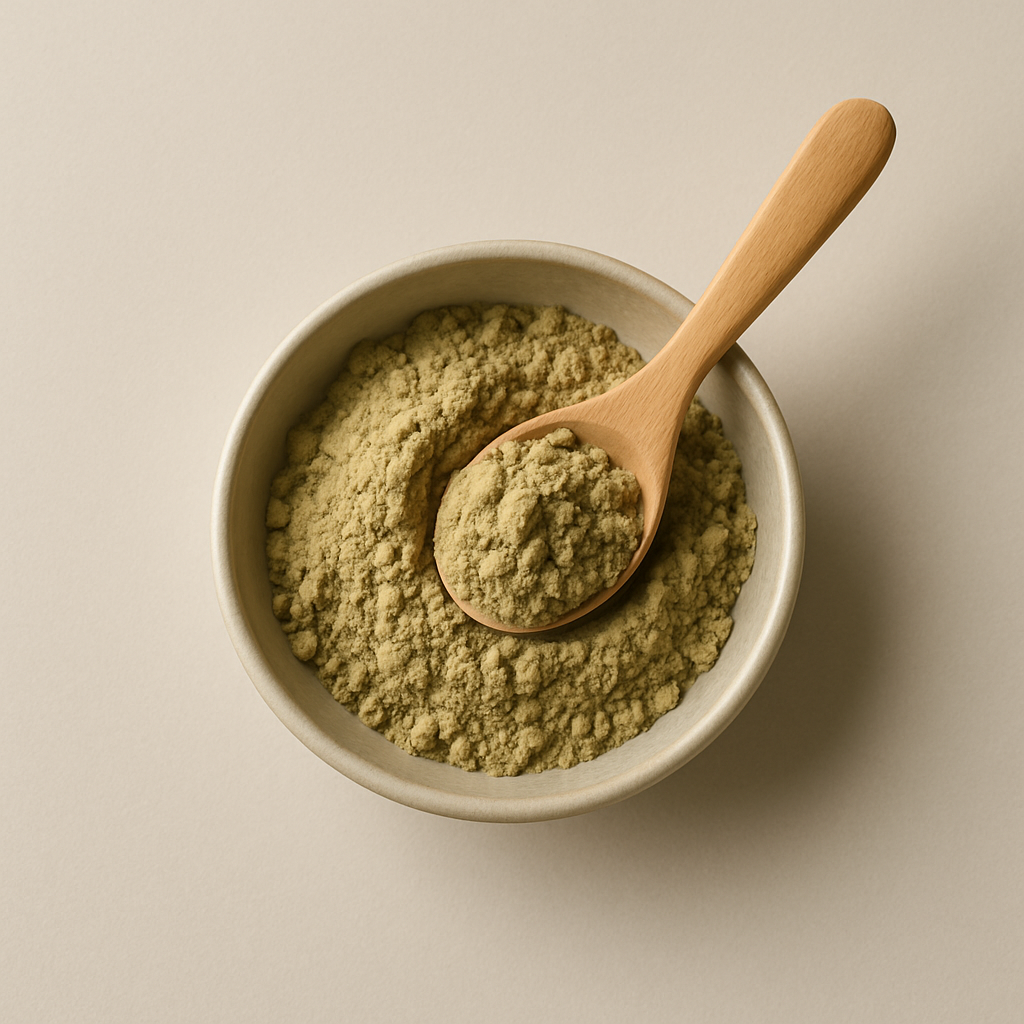
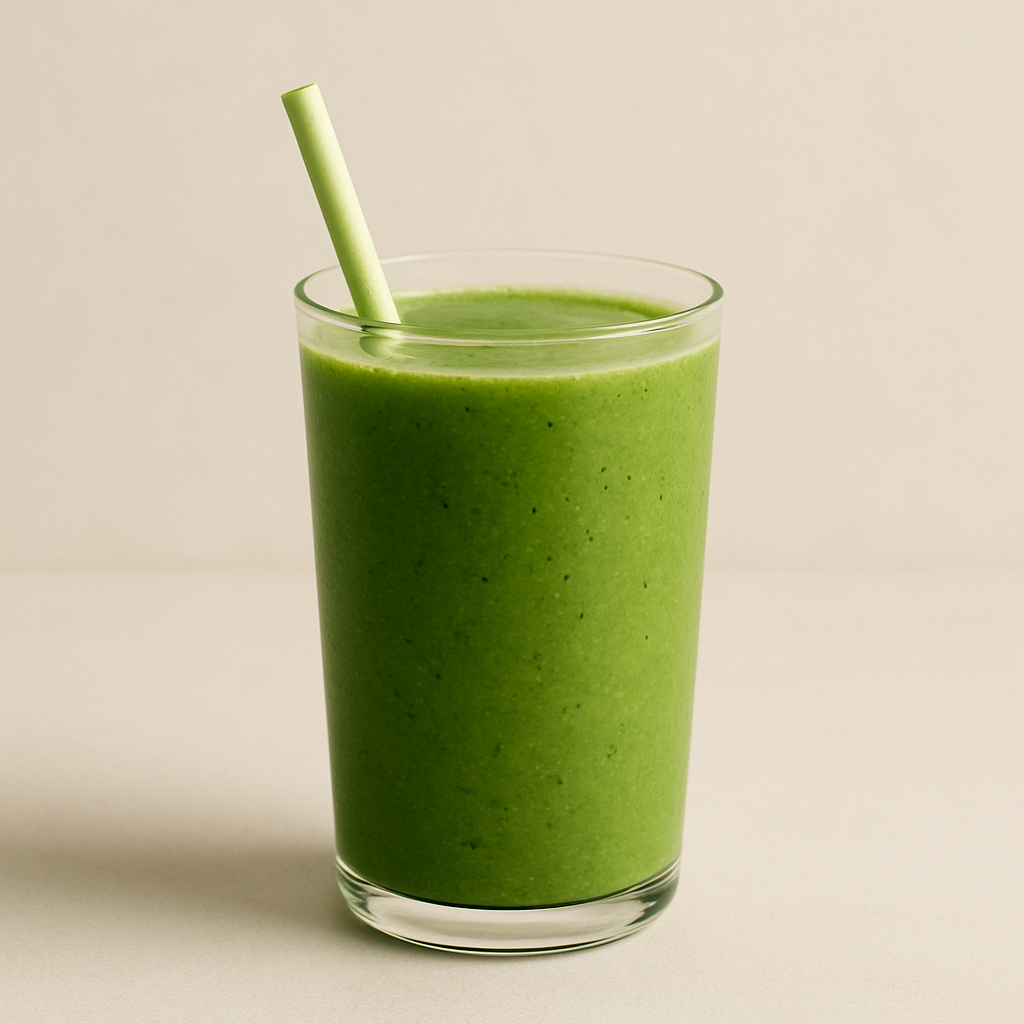
- Powdered Supplements: Such as spirulina or green powder, taken as directed on packaging.
- Teas: Green tea or herbal infusions, typically 1-3 cups per day.
It is essential to follow recommended servings as part of a balanced diet.
Safety, Contraindications & Interactions
While longevity foods are generally safe for most individuals, there are some considerations:
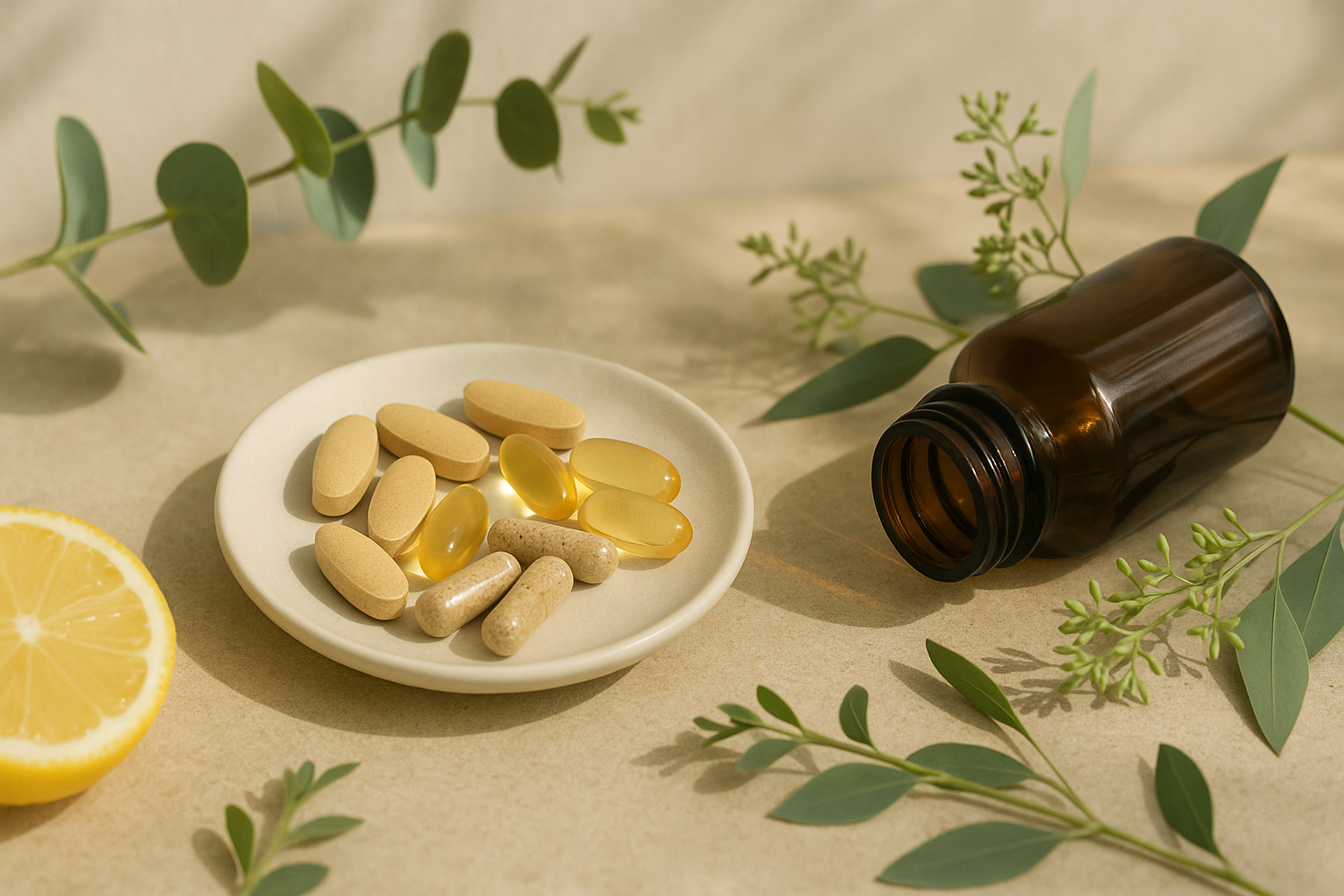
- High doses of certain supplements, such as vitamin E, can interact with blood-thinning medications.
- Those with allergies should be cautious with foods like nuts and certain fruits.
- Consult with a healthcare provider if you are pregnant, nursing, or have underlying health conditions.
Pairs Well With
To enhance the benefits of longevity foods, consider pairing them with:
- Healthy Fats: Such as olive oil or avocado, which can improve nutrient absorption.
- Whole Grains: Like quinoa or brown rice, for added fiber and nutrients.
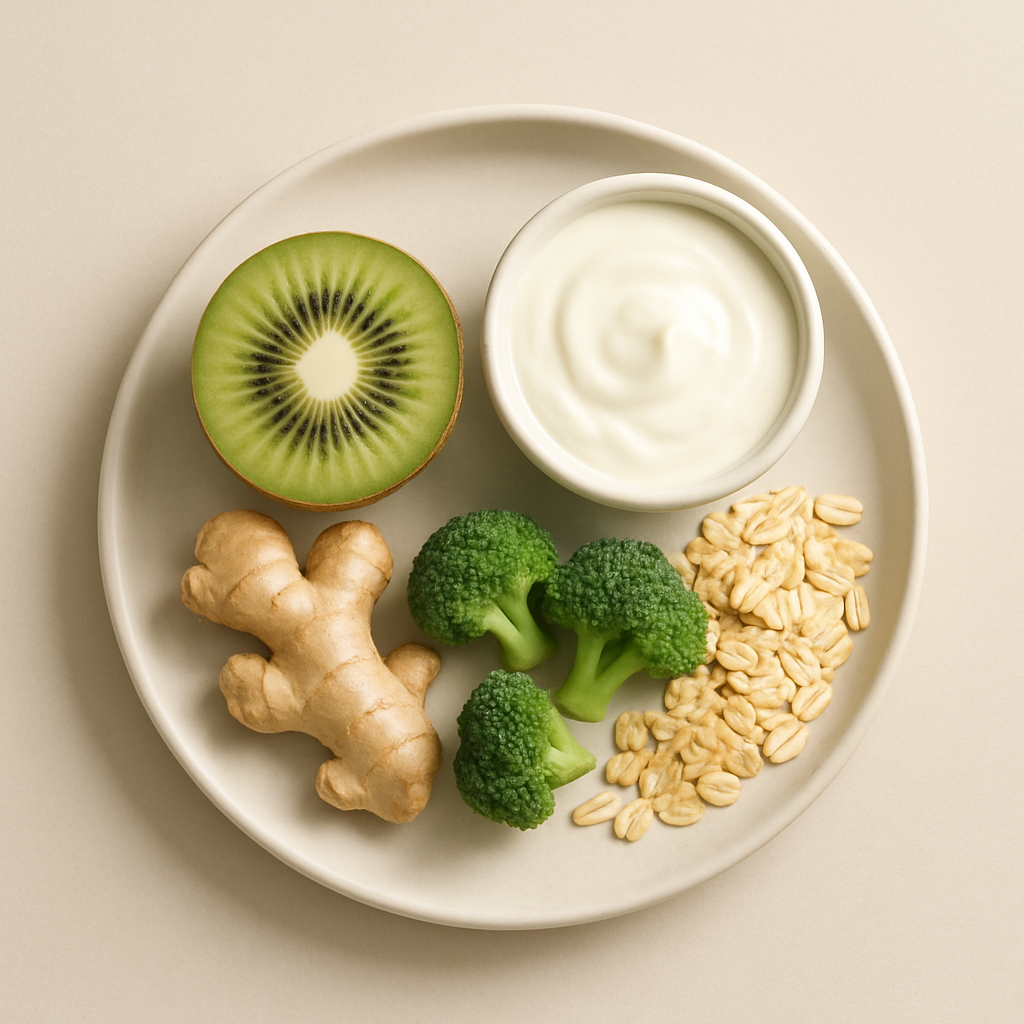
- Fermented Foods: Such as yogurt or kimchi, to support gut health.
FAQs (5)
- What are longevity foods? Longevity foods are nutrient-dense foods that may promote a longer and healthier life.
- How can I incorporate longevity foods into my diet? Include a variety of fruits, vegetables, nuts, and whole grains in your daily meals.
- Are there any risks associated with longevity foods? Generally safe, but some individuals may experience allergies or interactions with medications.
- Can I take supplements instead of whole foods? Whole foods are preferred for their comprehensive nutrient profile, but supplements can be used as a complementary approach.
- How often should I consume longevity foods? Aim for daily consumption as part of a balanced diet for optimal health benefits.
Frequently asked
What are longevity foods?
Longevity foods are nutrient-dense foods that may promote a longer and healthier life.
How can I incorporate longevity foods into my diet?
Include a variety of fruits, vegetables, nuts, and whole grains in your daily meals.
Are there any risks associated with longevity foods?
Generally safe, but some individuals may experience allergies or interactions with medications.
Can I take supplements instead of whole foods?
Whole foods are preferred for their comprehensive nutrient profile, but supplements can be used as a complementary approach.
How often should I consume longevity foods?
Aim for daily consumption as part of a balanced diet for optimal health benefits.