Greens
Discover the benefits of greens as a superfood, including their active compounds, traditional uses, and modern research findings.
Explore the world of greens in the superfoods category, uncovering their active compounds, traditional uses, modern research, and safety considerations.
What It Is
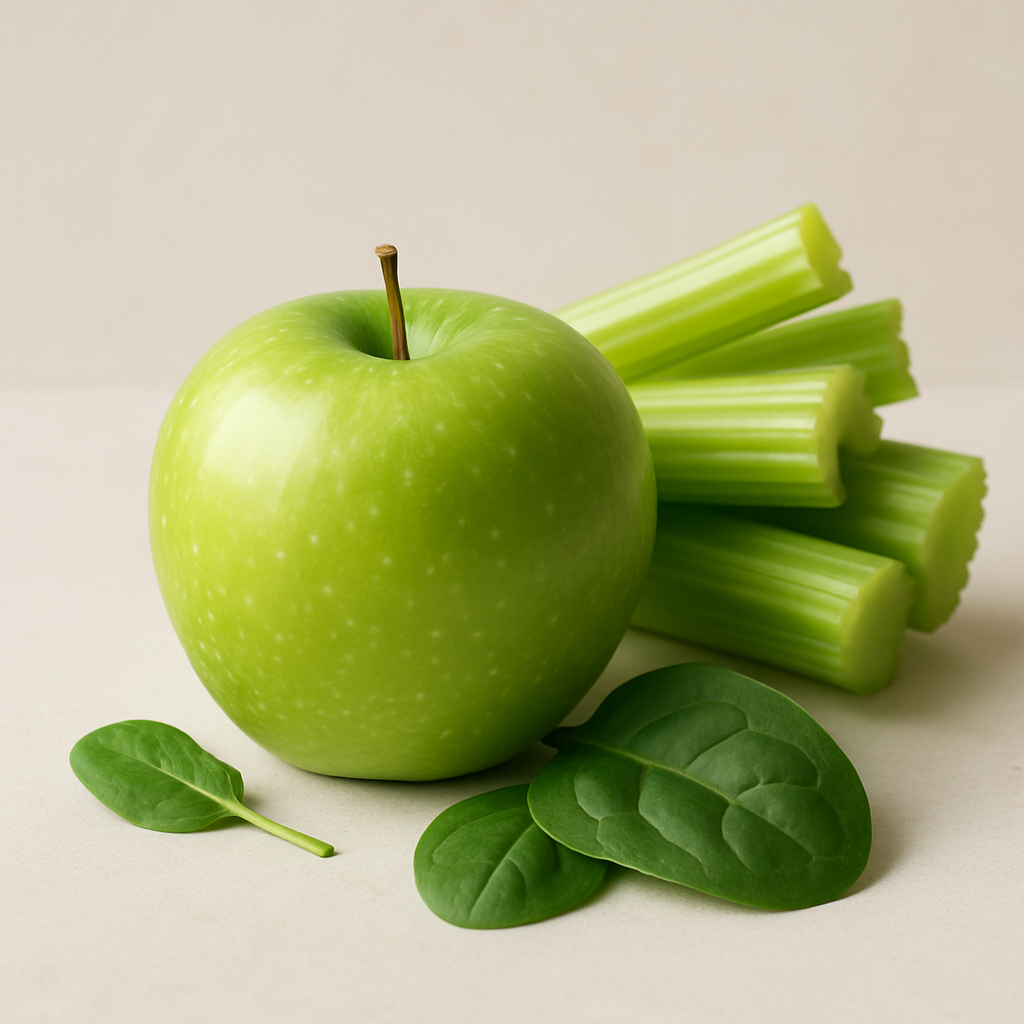
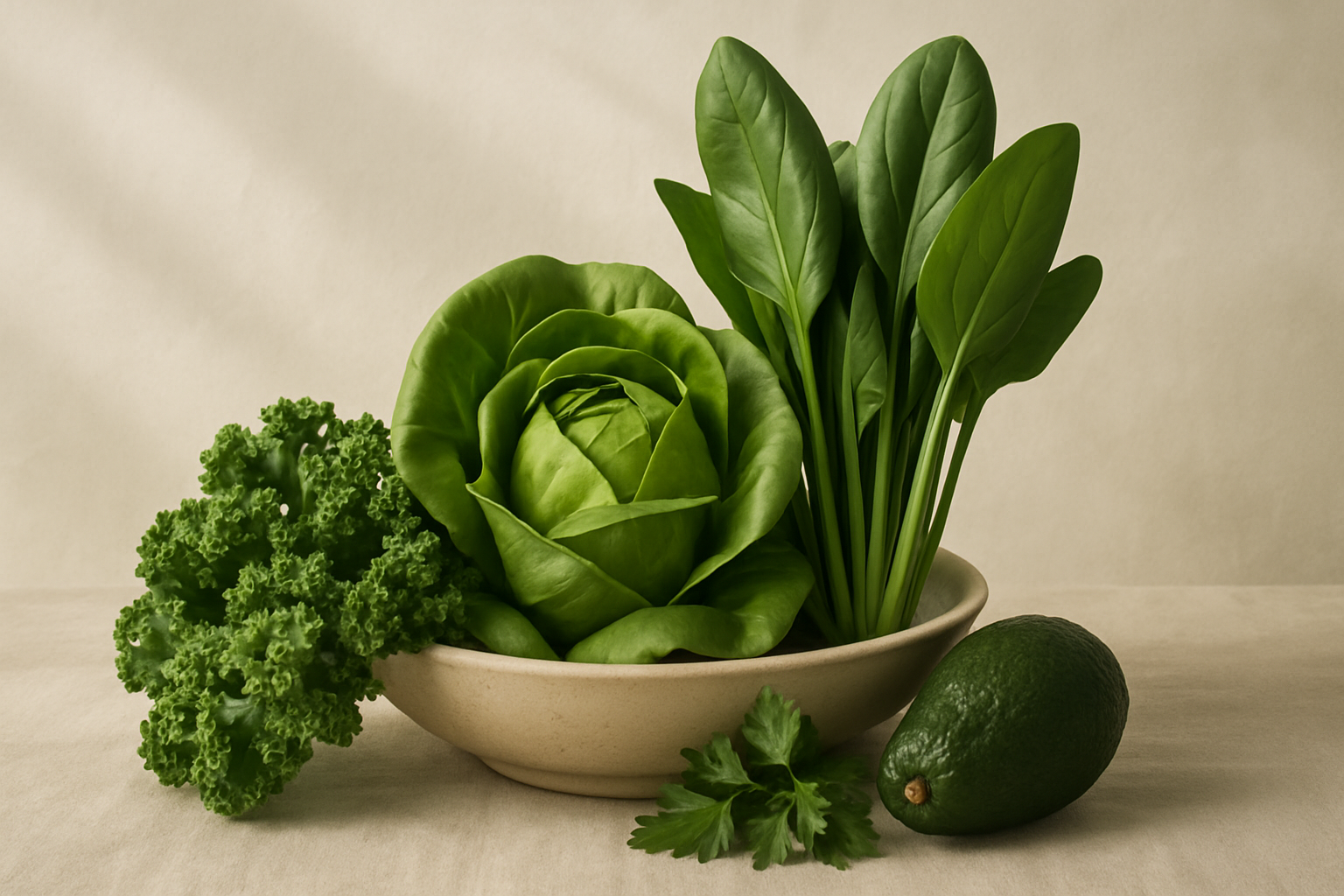
Greens, a term often used to describe leafy green vegetables, include a variety of nutrient-rich plants such as kale (Brassica oleracea), spinach (Spinacia oleracea), and Swiss chard (Beta vulgaris subsp. cicla). These plants are celebrated for their vibrant colors, robust flavors, and dense nutritional profiles, making them essential components of a healthy diet.
Key Active Compounds & Mechanisms
Greens are packed with a range of bioactive compounds that contribute to their health-promoting properties. Some of the key active compounds include:
- Vitamins: Greens are rich in vitamins A, C, E, and K, which play crucial roles in immune function, skin health, and blood clotting.
- Minerals: They provide essential minerals such as calcium, magnesium, and potassium, vital for bone health and muscle function.
- Antioxidants: Compounds like flavonoids and carotenoids help combat oxidative stress, reducing inflammation and protecting cells.
- Fiber: The high fiber content promotes digestive health and aids in maintaining a healthy weight.
Traditional Uses
Historically, greens have been utilized in various cultures for their nutritional and medicinal properties. In Ancient Egypt, greens like lettuce were revered as sacred, while in Traditional Chinese Medicine, various leafy greens were used to promote balance and harmony within the body. Indigenous cultures often incorporated wild greens into their diets for both sustenance and healing, recognizing their importance in maintaining health and vitality.
What Modern Research Suggests
Contemporary studies have begun to explore the potential health benefits of greens. Preliminary research suggests that regular consumption of leafy greens may be associated with:
- Reduced risk of chronic diseases, including heart disease and certain cancers.
- Improved cognitive function and a potential decrease in cognitive decline.
- Enhanced gut health due to their high fiber content.
While more extensive clinical trials are needed to solidify these findings, the current evidence encourages the inclusion of greens in a balanced diet.
Functional Actions
Greens are known for their multifaceted functional actions, including:
- Anti-inflammatory: The antioxidants in greens help reduce inflammation in the body.
- Detoxification: Greens support liver function and assist in the body’s natural detoxification processes.
- Digestive health: The fiber content in greens promotes regular bowel movements and supports gut flora.
Body Systems Supported
Incorporating greens into your diet can benefit multiple body systems:
- Circulatory system: The high vitamin K content supports healthy blood clotting.
- Digestive system: Fiber aids in digestion and helps prevent constipation.
- Immune system: Antioxidants and vitamins strengthen immune response.
Common Forms & Educational Dosing Ranges
Greens can be consumed in various forms, including fresh, frozen, powdered, or as supplements. Here are some common forms and suggested dosing ranges:
- Fresh greens: Aim for at least 2-3 cups of mixed greens per day in salads or smoothies.
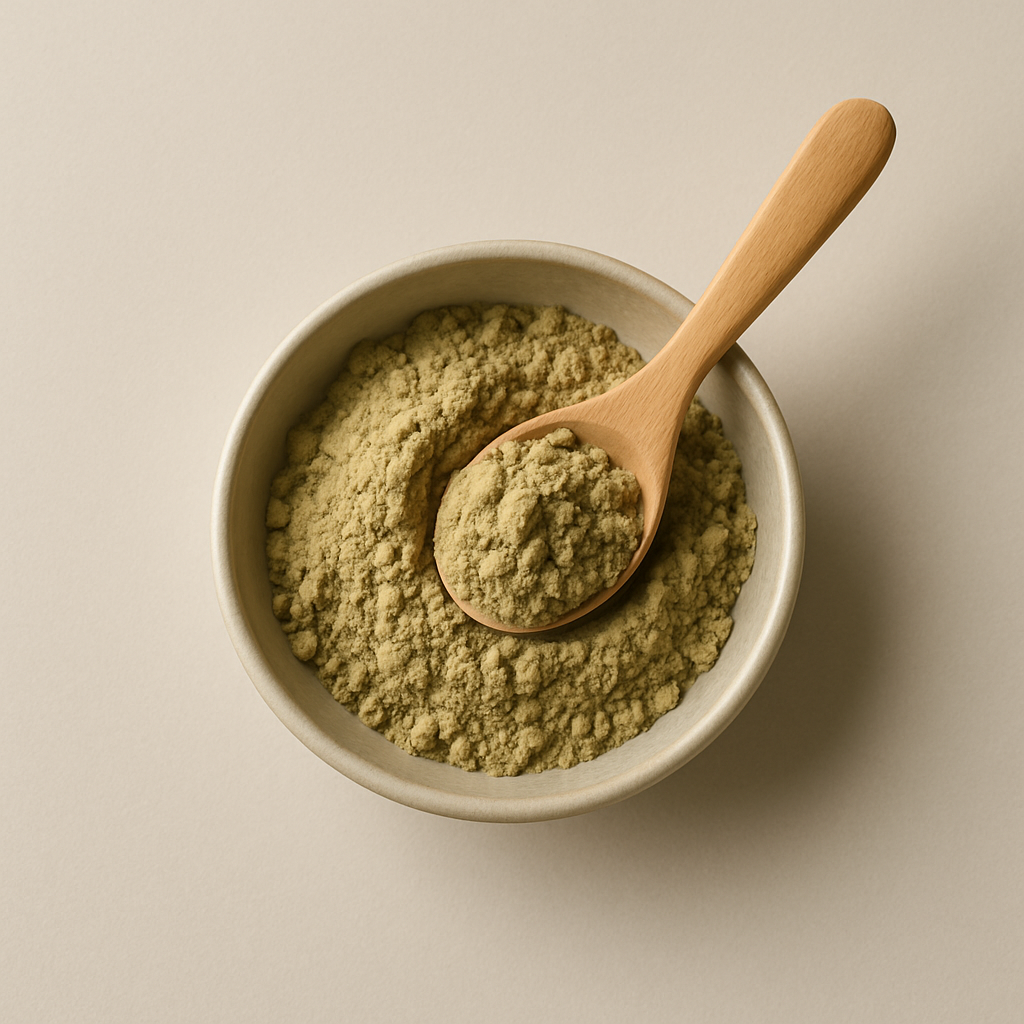
- Powdered greens: Typically, 1-2 teaspoons mixed into water or smoothies can provide concentrated nutrients.
- Capsules or tablets: Follow label instructions, usually recommending 1-2 servings per day.
Safety, Contraindications & Interactions
While greens are generally safe for most individuals, certain precautions should be taken:
- Individuals on anticoagulant medications (e.g., warfarin) should monitor their vitamin K intake, as it can interfere with blood-thinning medications.
- People with certain kidney conditions should consult with a healthcare provider regarding high potassium intake from greens.
Pairs Well With
Greens can complement a variety of foods and flavors, enhancing their nutritional profile:
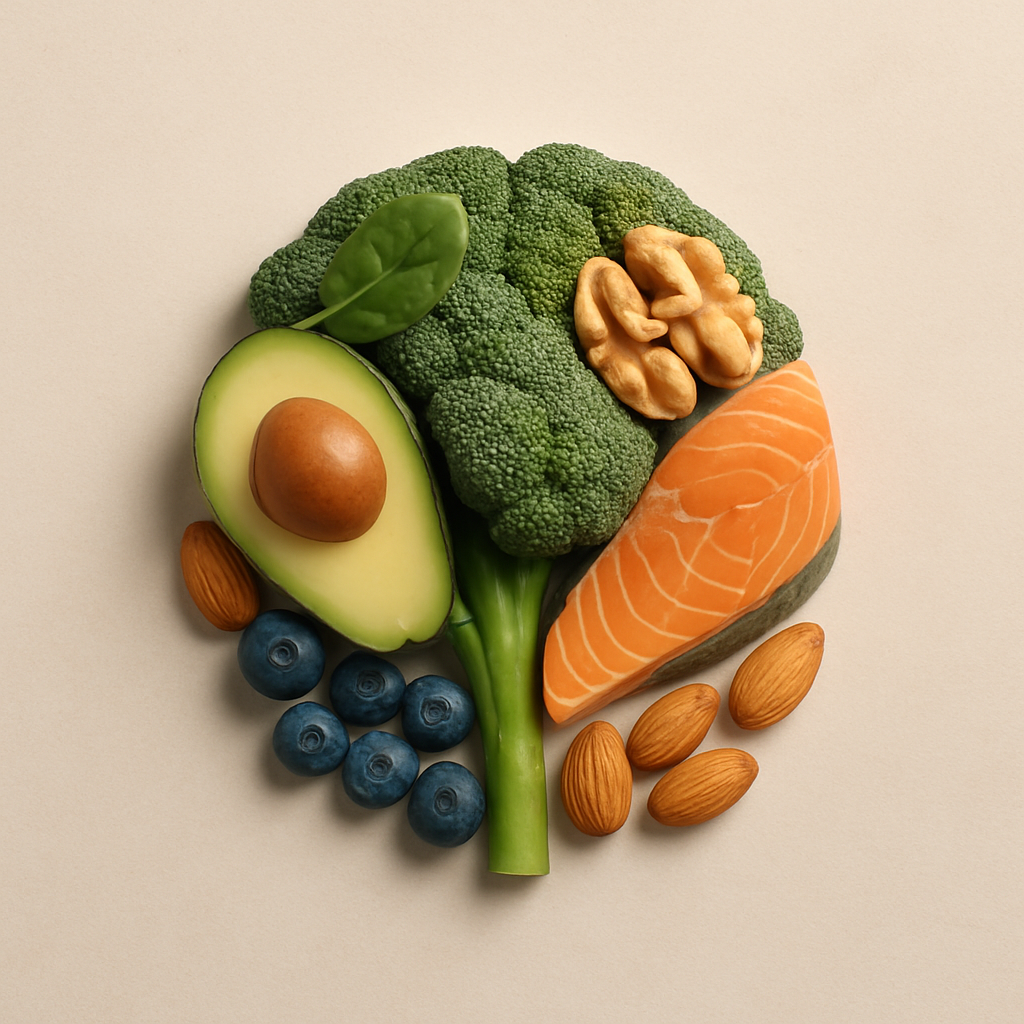
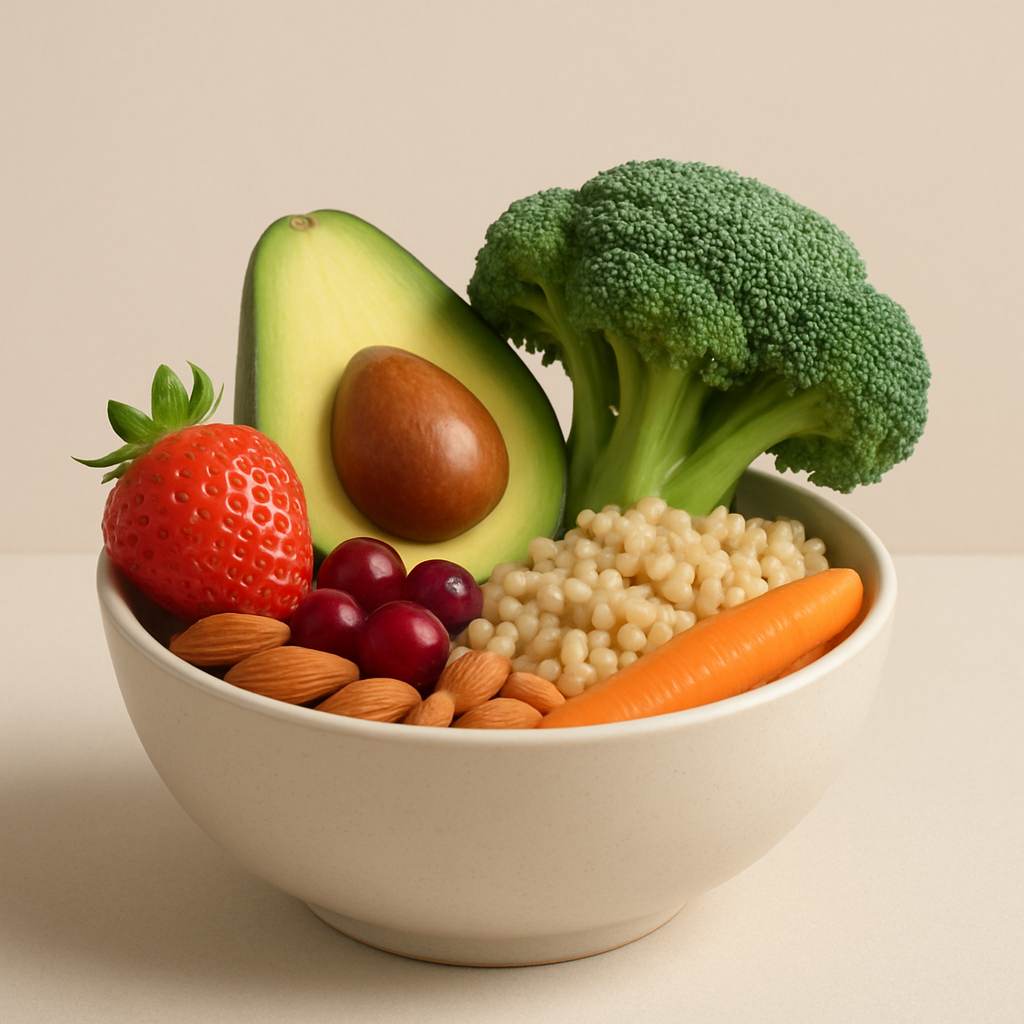
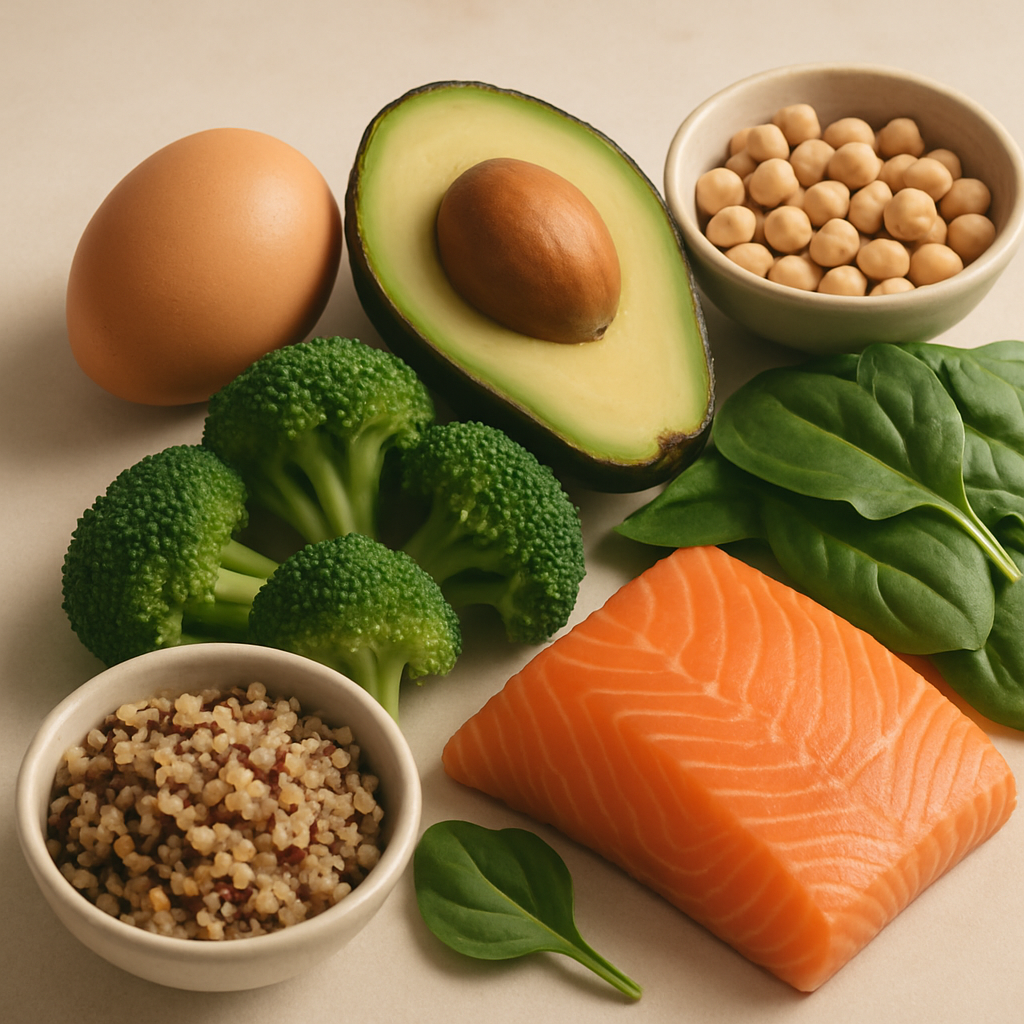
- Healthy fats: Pair with avocado or olive oil to improve the absorption of fat-soluble vitamins.
- Proteins: Combine with lean proteins like chicken or legumes for a balanced meal.
- Citrus fruits: Adding lemon or orange can enhance the flavor and vitamin C content, aiding iron absorption from greens.
FAQs (5)
- What are the best greens to include in my diet? Popular choices include kale, spinach, Swiss chard, and collard greens, all of which are nutrient-dense.
- Can I consume too many greens? While generally safe, excessive intake can lead to digestive discomfort and, in rare cases, nutrient imbalances.
- Are frozen greens as nutritious as fresh? Yes, frozen greens can retain most of their nutrients and are a convenient option.
- How can I incorporate more greens into my meals? Add greens to smoothies, salads, soups, and stir-fries for added nutrition.
- Are there any specific greens to avoid? Some wild greens can be toxic. It's essential to ensure that any wild greens are correctly identified before consumption.
Frequently asked
What are the best greens to include in my diet?
Popular choices include kale, spinach, Swiss chard, and collard greens, all of which are nutrient-dense.
Can I consume too many greens?
While generally safe, excessive intake can lead to digestive discomfort and, in rare cases, nutrient imbalances.
Are frozen greens as nutritious as fresh?
Yes, frozen greens can retain most of their nutrients and are a convenient option.
How can I incorporate more greens into my meals?
Add greens to smoothies, salads, soups, and stir-fries for added nutrition.
Are there any specific greens to avoid?
Some wild greens can be toxic. It's essential to ensure that any wild greens are correctly identified before consumption.