Plant Nutrition
Discover the benefits of plant nutrition, including its active compounds, historical uses, and modern applications in health and wellness.

Explore the world of plant nutrition within the realm of superfoods. This guide delves into key compounds, traditional uses, modern research, and more for those looking to enhance their health naturally.
What It Is
Plant nutrition refers to the study of the essential elements absorbed by plants to promote growth, health, and vitality. It includes understanding how plants utilize minerals, vitamins, and other nutrients to develop their structures and functions. Key components of plant nutrition are derived from various superfoods, which are nutrient-dense foods believed to provide health benefits beyond basic nutrition.
Key Active Compounds & Mechanisms
Superfoods are rich in a variety of active compounds that contribute to their health benefits. Some of the most notable include:
- Antioxidants: Compounds such as flavonoids and polyphenols help combat oxidative stress by neutralizing free radicals.
- Vitamins: Essential vitamins like vitamin C and E play crucial roles in immune function and skin health.
- Minerals: Elements like magnesium, calcium, and iron are vital for numerous bodily functions, including muscle contraction and oxygen transport.
- Phytochemicals: These are bioactive compounds found in plants that can reduce inflammation and support overall health.
Traditional Uses
Throughout history, various cultures have utilized plants and their compounds for nutrition and medicinal purposes. For example:
- Turmeric (Curcuma longa): Used in Ayurvedic medicine for its anti-inflammatory properties.
- Garlic (Allium sativum): Employed in traditional Chinese medicine for its ability to enhance immune function.
- Spirulina (Arthrospira platensis): An ancient food source for Aztec civilizations, known for its high protein and nutrient content.
What Modern Research Suggests
Recent studies have begun to validate the benefits of plant nutrition. Research has indicated that:
- Antioxidants found in superfoods may lower the risk of chronic diseases.
- Phytochemicals can play a role in preventing inflammation-related conditions.
- Vitamin-rich foods contribute to improved mental health and cognitive function.
However, it is essential to approach these findings with caution and consult healthcare professionals regarding supplementation.
Functional Actions
The functional actions of plant nutrition are diverse and can include:
- Supporting immune health through the consumption of vitamin-rich foods.
- Promoting digestive health with fiber-rich superfoods.
- Enhancing skin health with antioxidants and anti-inflammatory compounds.
Body Systems Supported
Plant nutrition can support various body systems, including:
- Immune System: Strengthened by antioxidants and vitamins.
- Digestive System: Enhanced by fiber and prebiotics found in many superfoods.
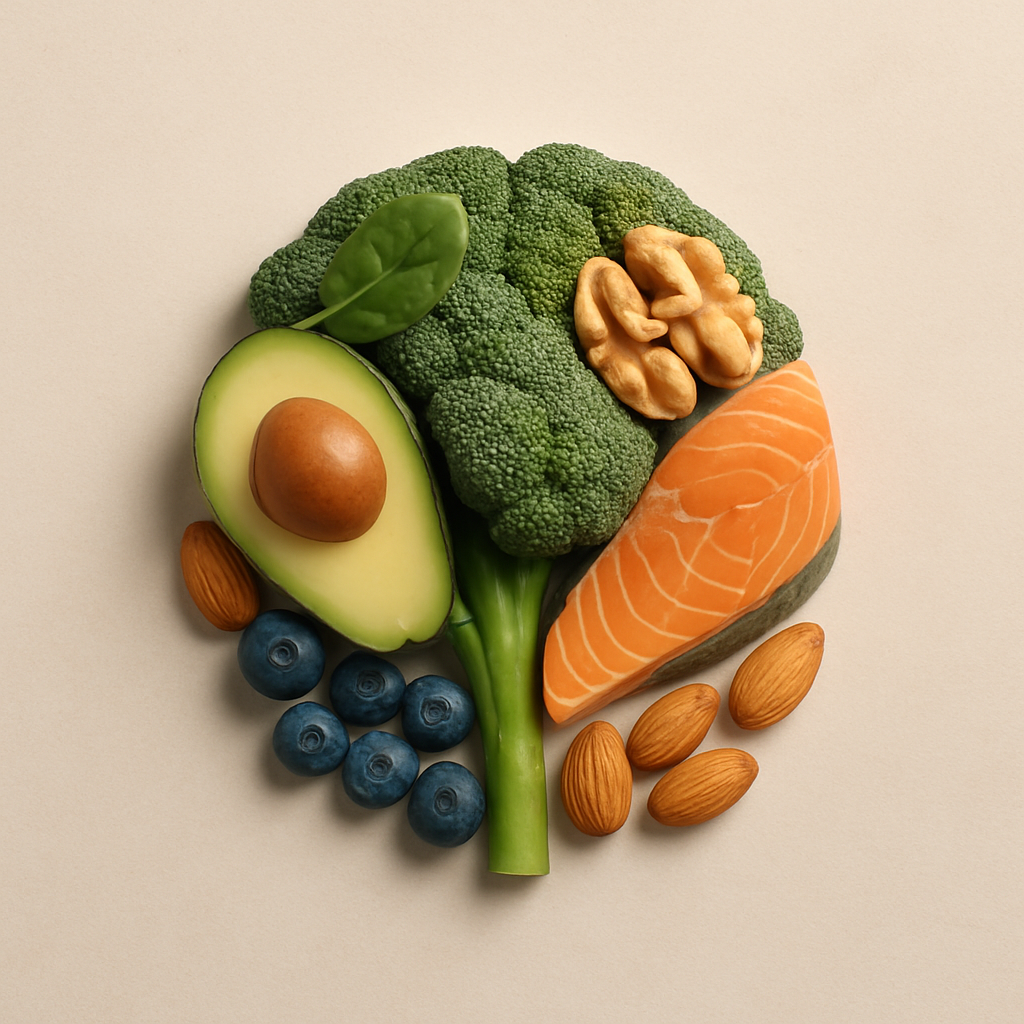
- Cardiovascular System: Supported by omega-3 fatty acids and low-glycemic foods that promote heart health.
Common Forms & Educational Dosing Ranges
Superfoods can be consumed in various forms, including:
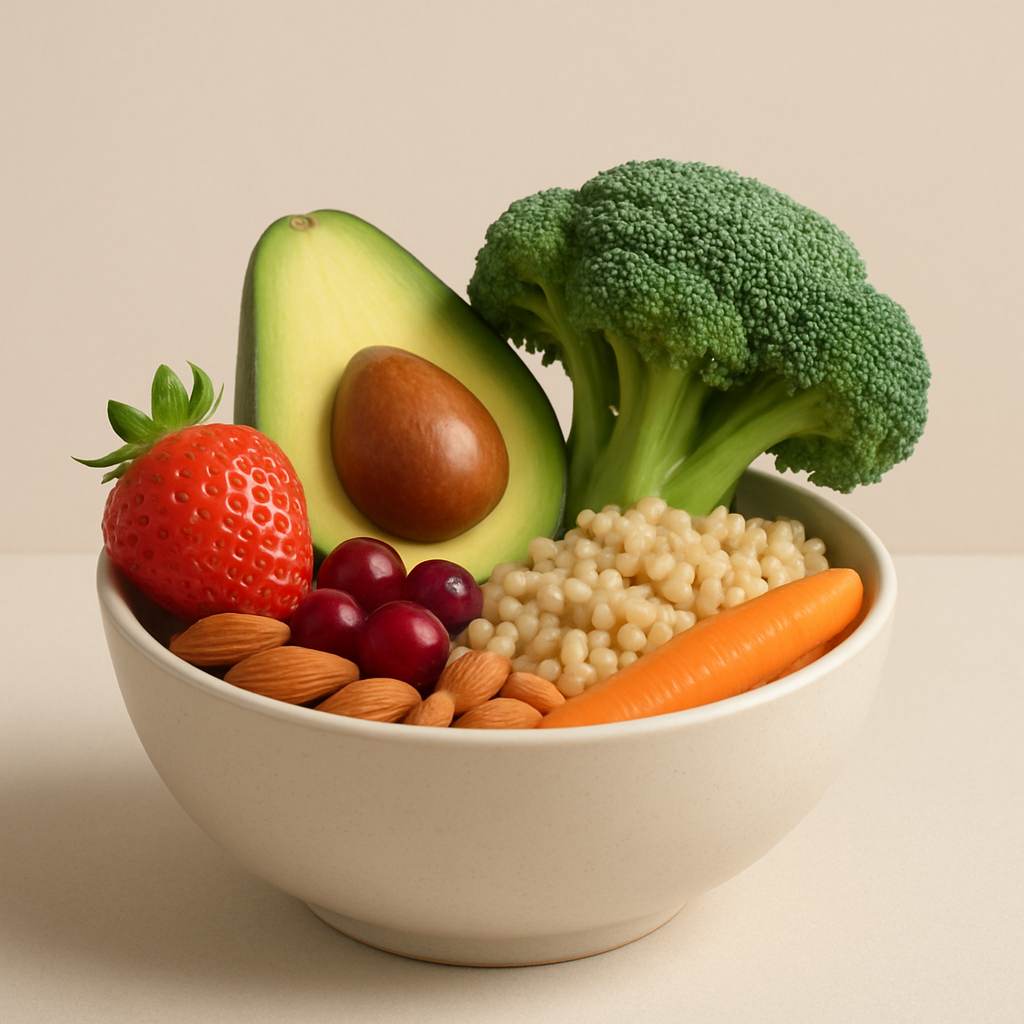
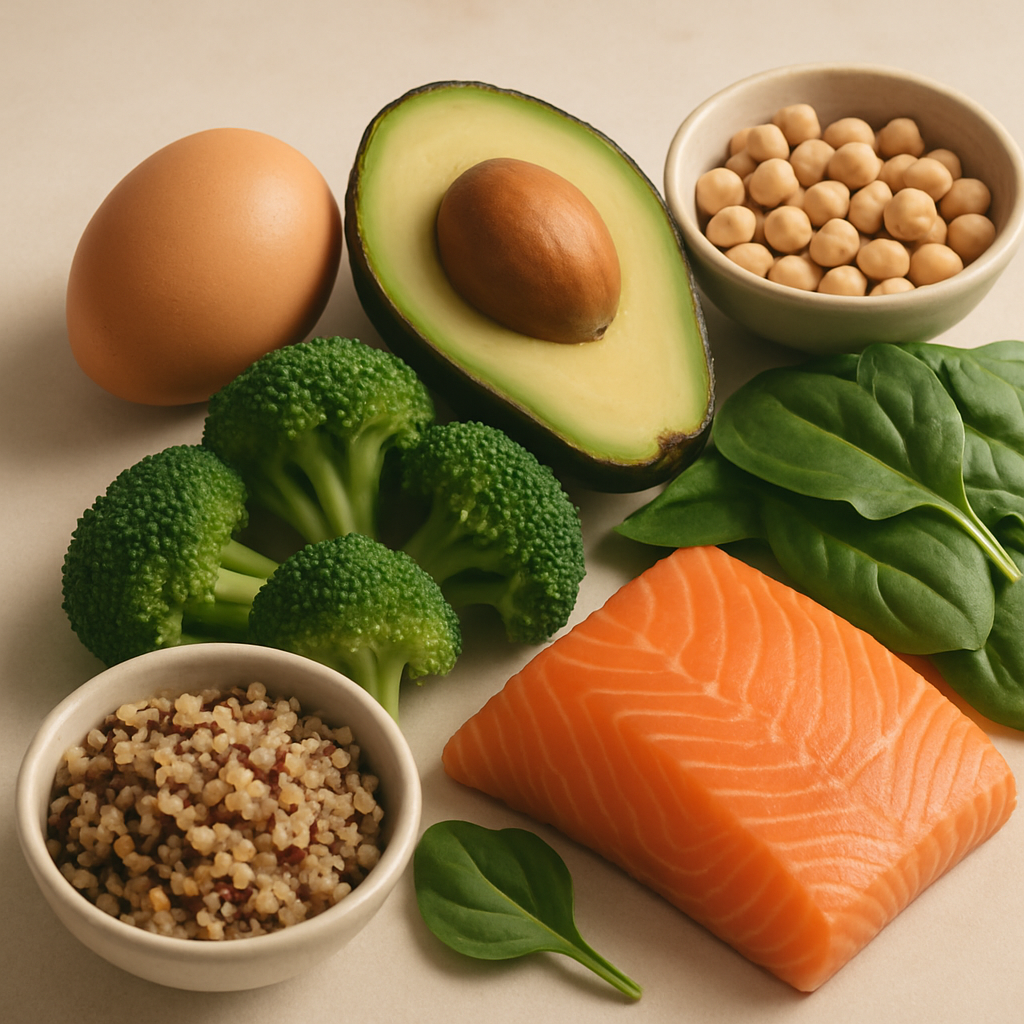
- Whole Foods: Fresh fruits, vegetables, nuts, and seeds.
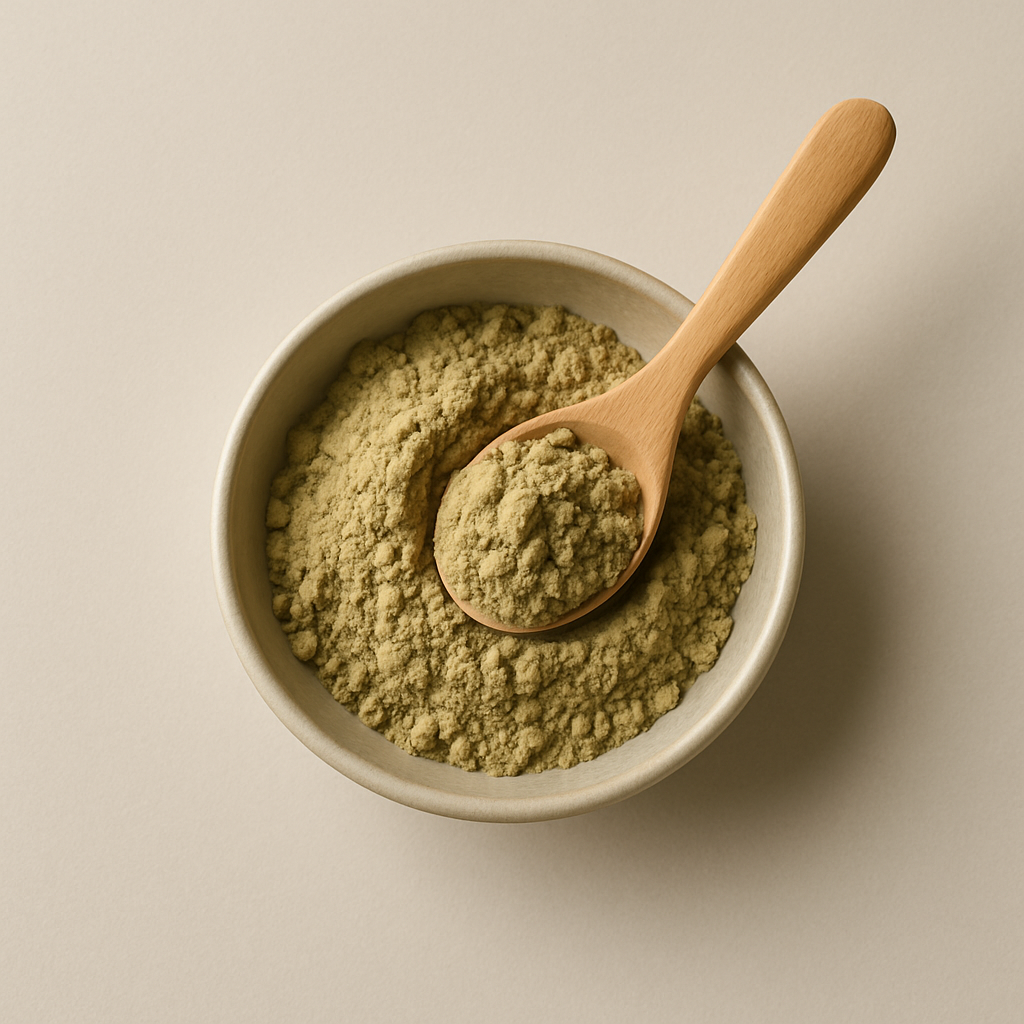
- Powders: Such as spirulina or acai berry powder, typically used in smoothies.
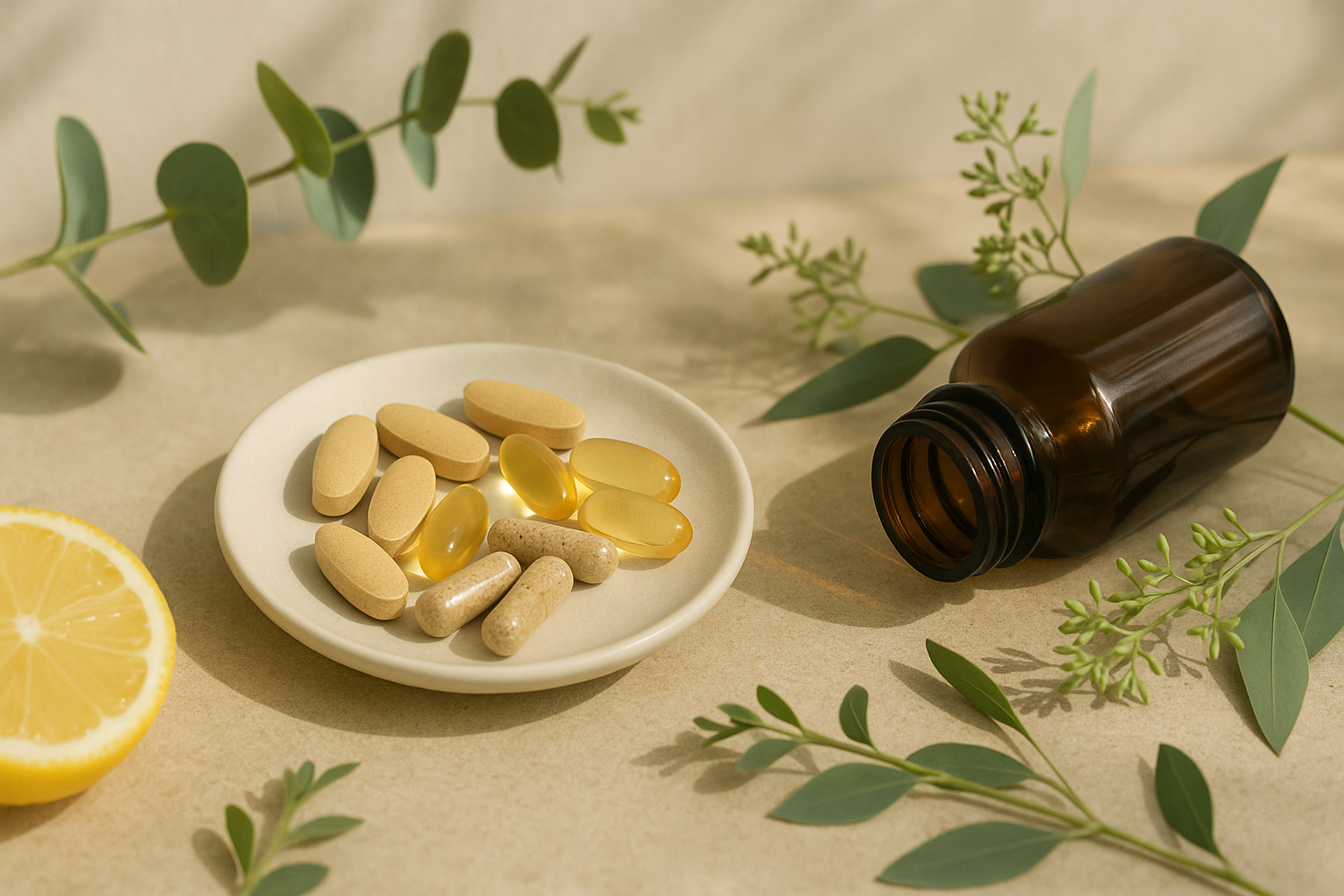
- Capsules: Often used for concentrated extracts of herbs or other nutrients.
Educational dosing ranges can vary widely depending on the specific superfood and its intended use; consulting with a healthcare provider is advisable for personalized recommendations.
Safety, Contraindications & Interactions
While superfoods are generally safe for most individuals, certain precautions should be taken:
- Some superfoods may interact with medications, particularly blood thinners (e.g., garlic).
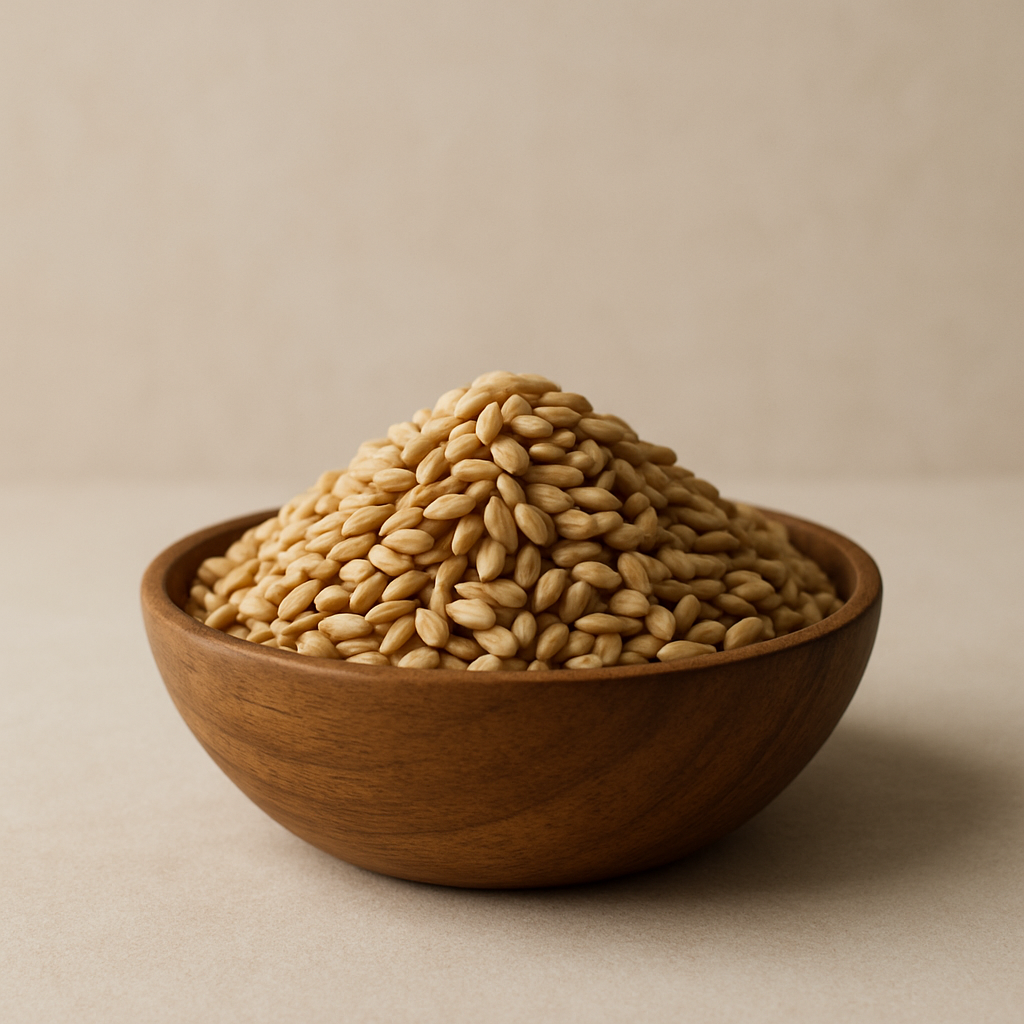
- Individuals with allergies should be cautious with foods like nuts or gluten-containing grains.
- Consulting a healthcare professional is recommended for those on prescription medications or with underlying health conditions.
Pairs Well With
To maximize the benefits of plant nutrition, consider combining superfoods:
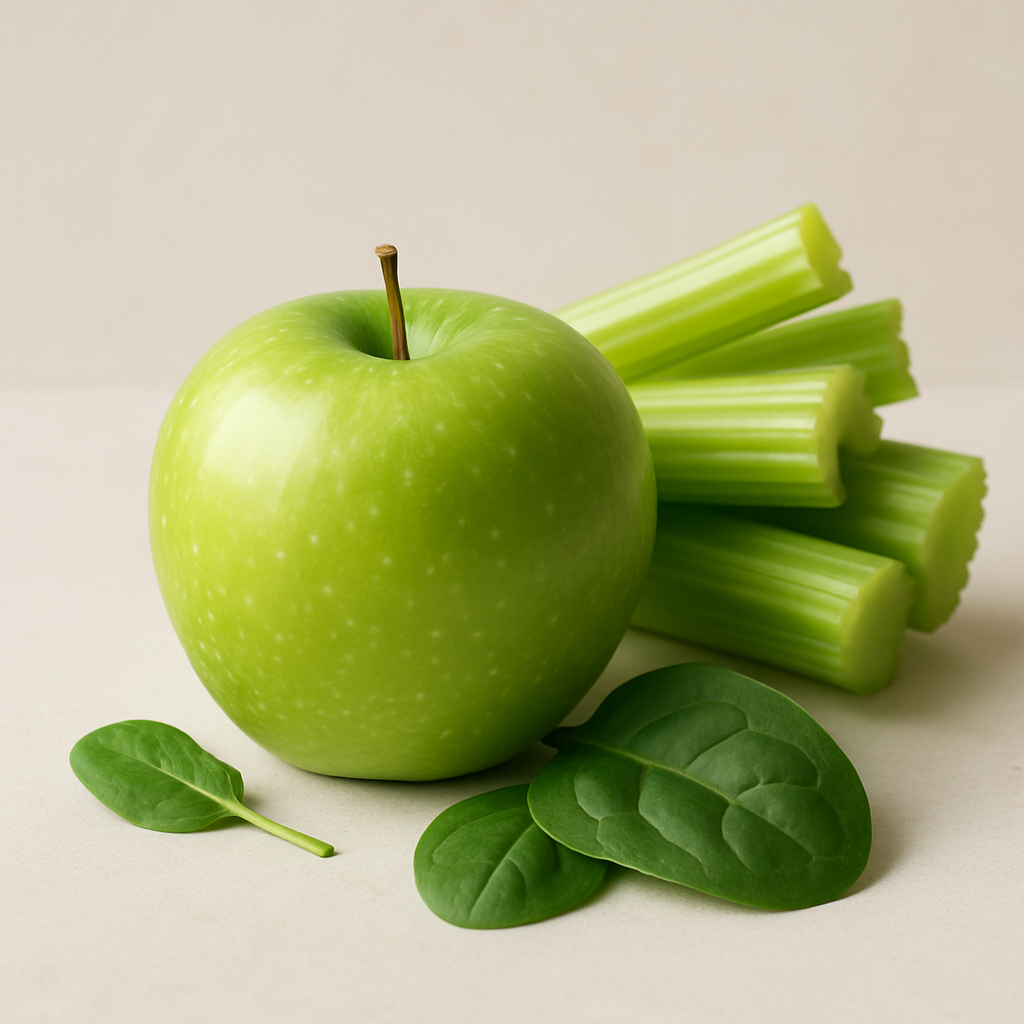
- Leafy Greens: Pair with citrus fruits for enhanced iron absorption.
- Nut Butters: Combine with whole grain bread for a balanced meal.
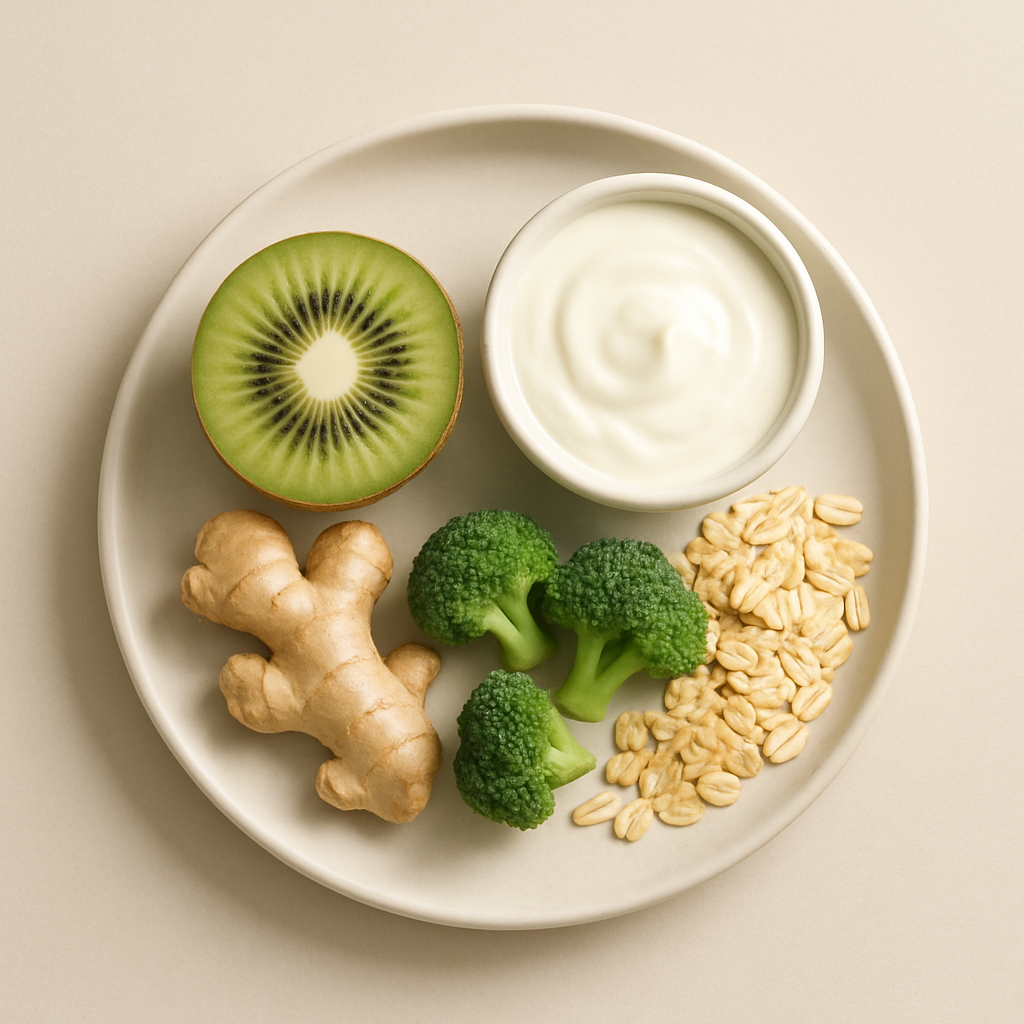
- Seeds: Mix with yogurt for a nourishing breakfast or snack.
FAQs (5)
- What are superfoods? Superfoods are nutrient-rich foods that provide health benefits beyond basic nutrition.
- How can I incorporate more superfoods into my diet? Add fresh fruits, vegetables, nuts, seeds, and whole grains to meals and snacks.
- Are there any risks associated with superfoods? Some superfoods can interact with medications or cause allergic reactions; consult a healthcare provider for guidance.
- Can I get the benefits of superfoods from supplements? While supplements can provide concentrated nutrients, whole foods are generally the best source for overall health.
- Is there a recommended daily intake of superfoods? There is no standard recommendation; focus on a varied diet that includes multiple servings of fruits and vegetables daily.
Frequently asked
What are superfoods?
Superfoods are nutrient-rich foods that provide health benefits beyond basic nutrition.
How can I incorporate more superfoods into my diet?
Add fresh fruits, vegetables, nuts, seeds, and whole grains to meals and snacks.
Are there any risks associated with superfoods?
Some superfoods can interact with medications or cause allergic reactions; consult a healthcare provider for guidance.
Can I get the benefits of superfoods from supplements?
While supplements can provide concentrated nutrients, whole foods are generally the best source for overall health.
Is there a recommended daily intake of superfoods?
There is no standard recommendation; focus on a varied diet that includes multiple servings of fruits and vegetables daily.