Adaptogenic Foods
Delve into the world of adaptogenic foods, their key compounds, traditional uses, modern research findings, and how they can support your health and well-being.
Explore the benefits, traditional uses, and modern research surrounding adaptogenic foods, their functional actions, and how they support various body systems. Discover common forms, safety considerations, and FAQs to enhance your understanding of these remarkable superfoods.
What It Is
Adaptogenic foods are natural substances that help the body adapt to stress, support physiological functions, and promote homeostasis. These foods, often derived from plants, are believed to enhance the body's resilience against various stressors, both physical and emotional. Examples include herbs like Rhodiola rosea (Rhodiola) and Withania somnifera (Ashwagandha), which are recognized for their adaptogenic properties.
Key Active Compounds & Mechanisms
Adaptogenic foods contain a variety of active compounds that contribute to their effects. These may include:
- Rosavins in Rhodiola: Known for their potential to improve energy and reduce fatigue.
- Withanolides in Ashwagandha: Compounds that may help stabilize stress responses and enhance mood.
- Flavonoids: Antioxidant-rich compounds found in many adaptogenic foods that can support overall health.
The mechanisms through which these compounds operate involve modulating the hypothalamic-pituitary-adrenal (HPA) axis, which plays a significant role in the body’s stress response.
Traditional Uses
Historically, adaptogenic foods have been utilized in various cultures for their health-promoting properties. For example:
- Rhodiola: Used in traditional Russian and Scandinavian medicine to enhance physical and mental performance.
- Ashwagandha: A staple in Ayurvedic medicine, employed for centuries to combat stress and improve vitality.
- Holy Basil (Ocimum sanctum): Revered in Indian culture for its ability to promote mental balance and emotional well-being.
These ancient practices showcase the long-standing recognition of these foods in supporting overall health.
What Modern Research Suggests
Contemporary studies on adaptogenic foods are still emerging, but some preliminary evidence supports their use. Research indicates that:
- Rhodiola may enhance endurance and reduce symptoms of fatigue.
- Ashwagandha has been linked to reduced anxiety and improved cognitive function.
- Holy Basil has shown promise in reducing stress and anxiety levels in some studies.
While these findings are promising, more extensive clinical trials are needed to fully understand the efficacy and safety of these adaptogens.
Functional Actions
Adaptogenic foods are known for several functional actions, including:
- Stress Reduction: Helping the body cope with stressors and promoting emotional balance.
- Energy Enhancement: Supporting physical endurance and reducing fatigue.
- Immune Support: Potentially boosting immune function during stressful periods.
These actions contribute to their reputation as powerful allies in maintaining overall health.
Body Systems Supported
Adaptogenic foods can support various body systems, including:
- Nervous System: Helping to regulate stress responses and improve mental clarity.
- Endocrine System: Supporting hormonal balance and adrenal function.
- Immune System: Enhancing the body’s natural defenses against illness and disease.
This multi-system support underscores their value in holistic health approaches.
Common Forms & Educational Dosing Ranges
Adaptogenic foods can be found in various forms, including:
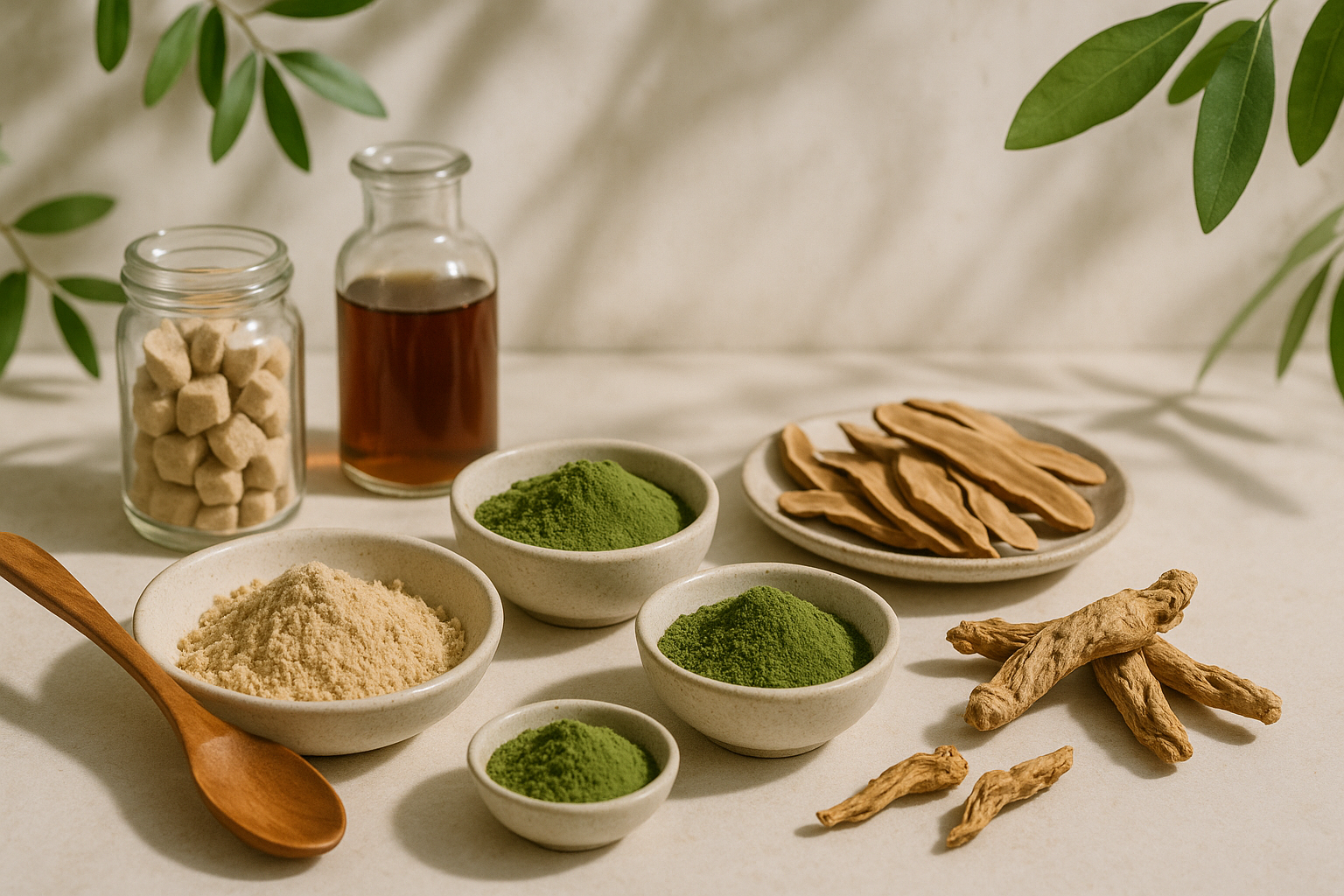
- Powders: Often added to smoothies or beverages.
- Capsules: Convenient for those who prefer a quick and easy option.
- Tinctures: Liquid extracts that can be taken alone or mixed with water.
While dosages can vary, a general guideline for common adaptogens might be:
- Rhodiola: 200-400 mg daily.
- Ashwagandha: 300-500 mg daily.
- Holy Basil: 300-600 mg daily.
It is always advisable to consult with a healthcare professional before starting any new supplement regimen.
Safety, Contraindications & Interactions
While generally considered safe for most people, there are some considerations to keep in mind:
- Rhodiola: May interact with antidepressants and medications that affect blood sugar levels.
- Ashwagandha: Should be used cautiously in individuals with autoimmune diseases or those taking sedatives.
- Holy Basil: May affect blood sugar and should be monitored in individuals with diabetes.
Always consult a healthcare provider, especially if you are pregnant, nursing, or on medication.
Pairs Well With
To enhance the benefits of adaptogenic foods, they can be paired with:
- Nut Milk: For a creamy, nutritious beverage.
- Green Smoothies: To boost overall nutrient intake and flavor.
- Herbal Teas: To create calming and restorative drinks.
These combinations can help integrate adaptogens into your daily routine.
FAQs (5)
- What are adaptogenic foods? Adaptogenic foods are natural substances that help the body adapt to stress and promote overall well-being.
- How do adaptogens work? They modulate the stress response, particularly through the HPA axis, helping the body maintain balance.
- Are there any side effects of adaptogenic foods? While generally safe, some may cause mild digestive upset or interact with certain medications.
- How can I incorporate adaptogens into my diet? They can be added to smoothies, teas, or taken in supplement form.
- Who should avoid adaptogenic foods? Individuals with certain health conditions or those taking specific medications should consult a healthcare provider before use.
Frequently asked
What are adaptogenic foods?
Adaptogenic foods are natural substances that help the body adapt to stress and promote overall well-being.
How do adaptogens work?
They modulate the stress response, particularly through the HPA axis, helping the body maintain balance.
Are there any side effects of adaptogenic foods?
While generally safe, some may cause mild digestive upset or interact with certain medications.
How can I incorporate adaptogens into my diet?
They can be added to smoothies, teas, or taken in supplement form.
Who should avoid adaptogenic foods?
Individuals with certain health conditions or those taking specific medications should consult a healthcare provider before use.