Immune Foods
Discover the powerful immune foods that can enhance your health, their historical significance, and how they work in the body.
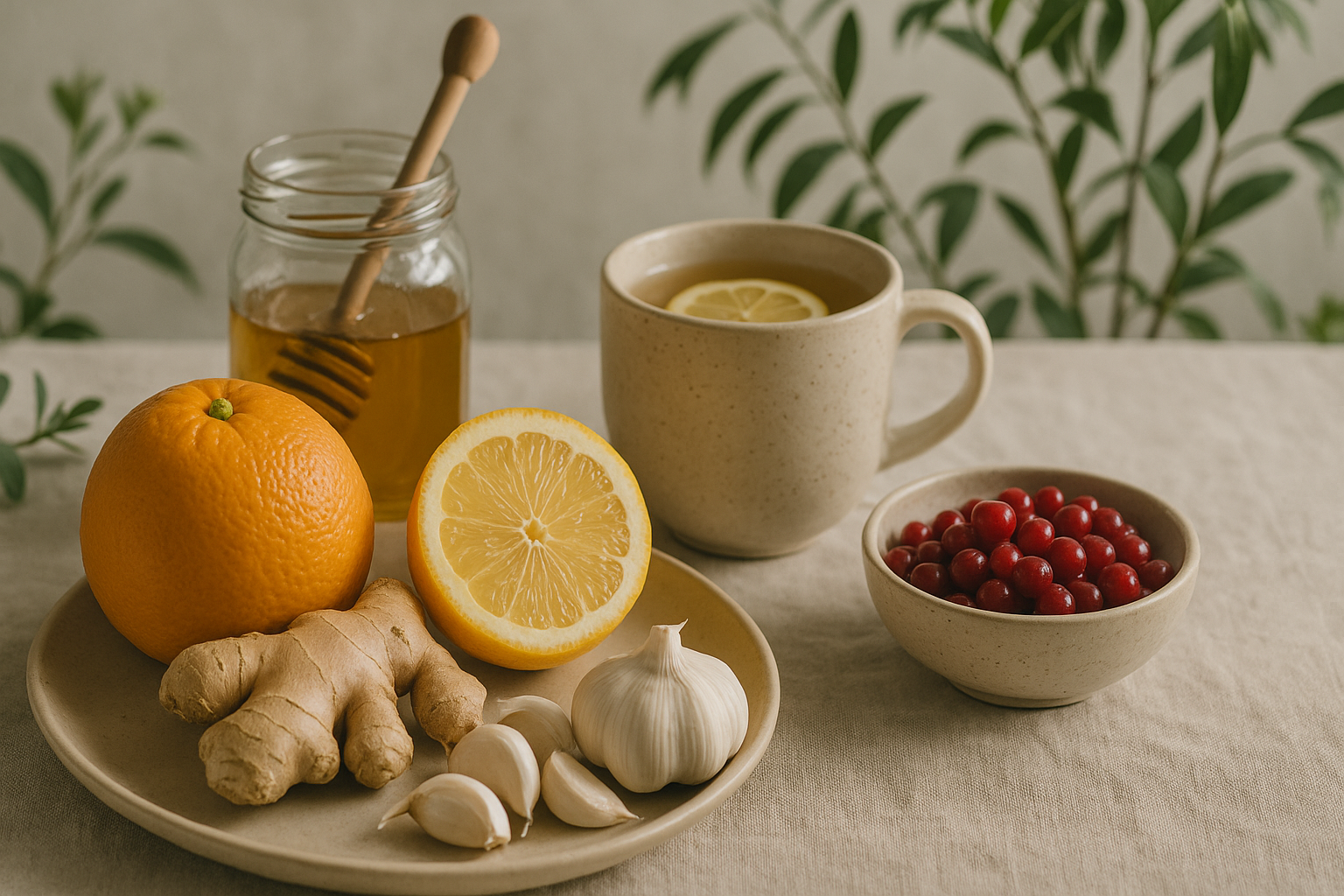
Explore the world of immune-boosting foods, their traditional uses, modern research, and how they benefit your overall health.
What It Is
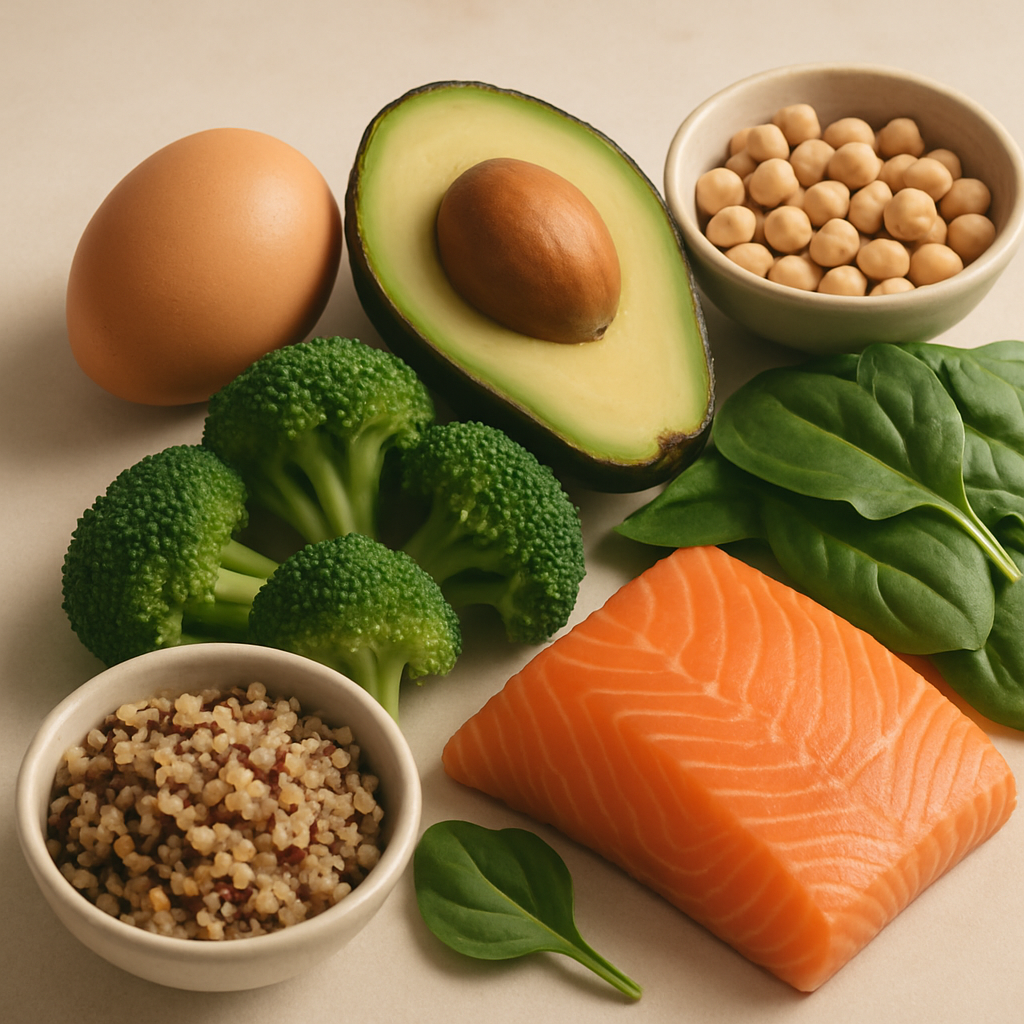
Immune foods refer to a variety of natural foods that are known to support and enhance the immune system. These foods often contain a rich array of vitamins, minerals, antioxidants, and phytochemicals that play a crucial role in immune function. Common examples include fruits, vegetables, nuts, seeds, legumes, and herbs. While there is no single food that can commonly explored immunity, a diet rich in these nutrient-dense options can help maintain a robust immune response.
Key Active Compounds & Mechanisms
Immune foods contain several key active compounds that contribute to their beneficial effects:
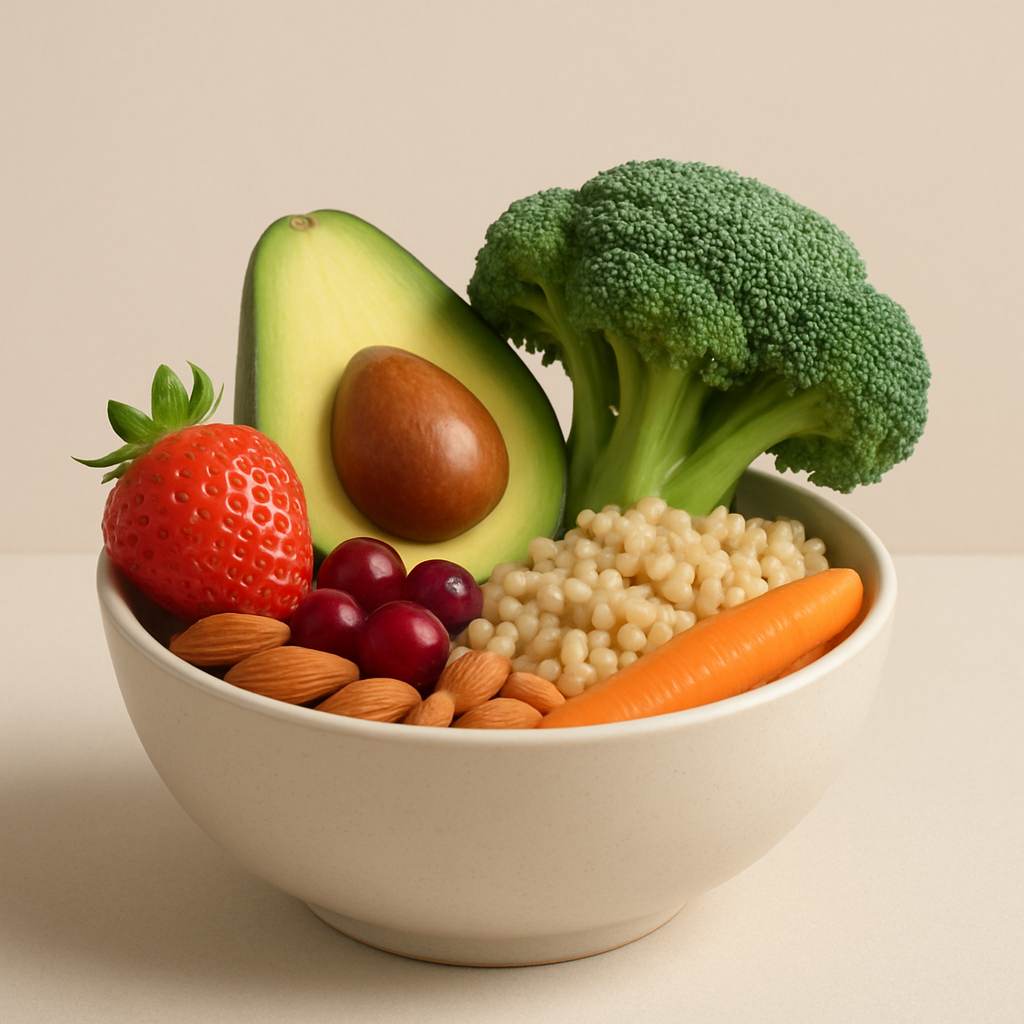
- Vitamin C: Found in citrus fruits, strawberries, and bell peppers, vitamin C is known for its role in supporting various cellular functions of the immune system.
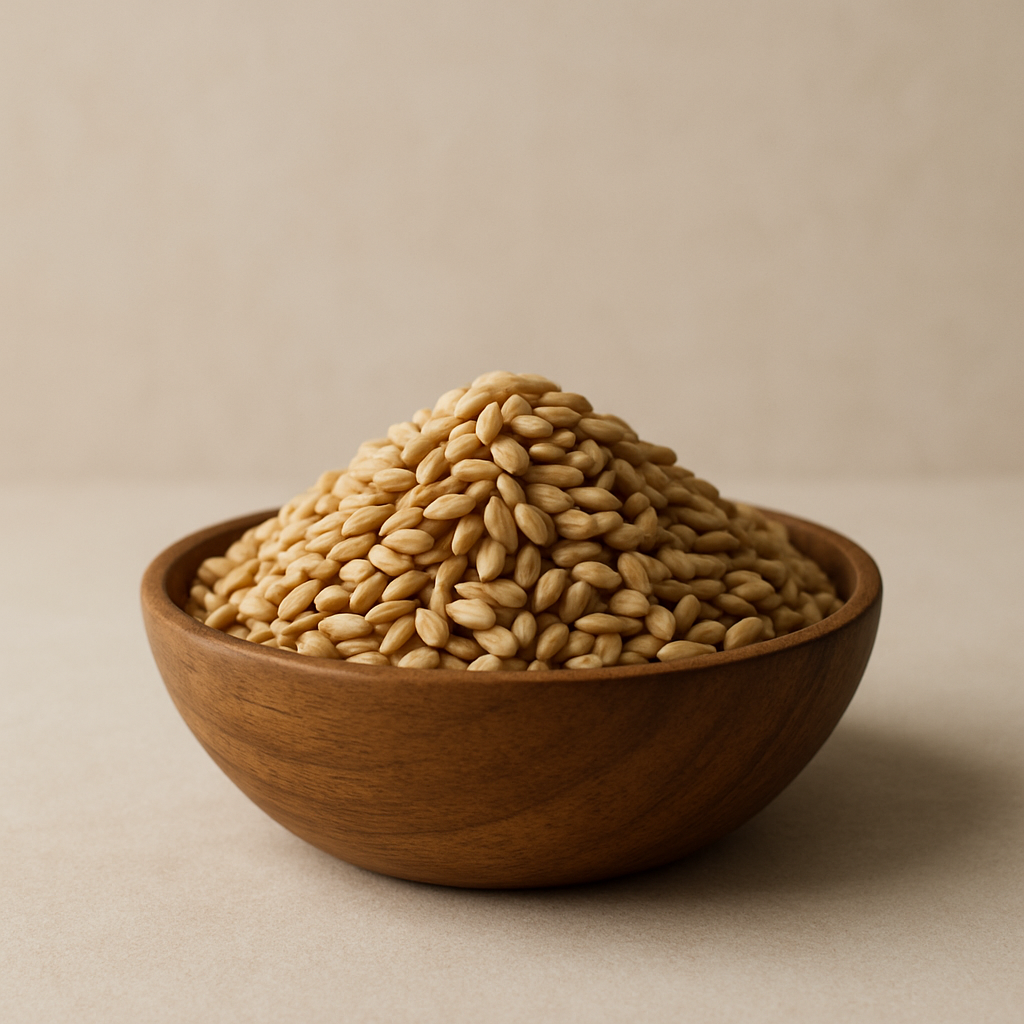
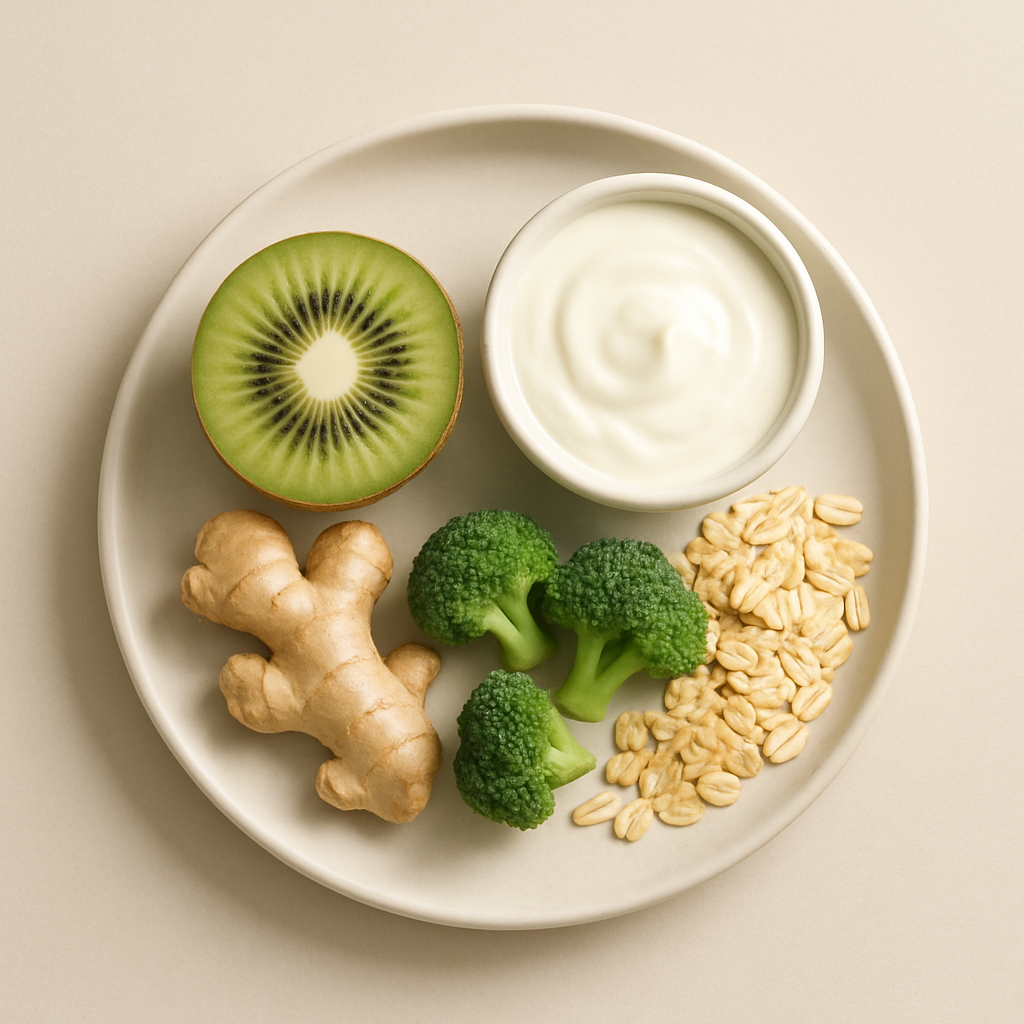
- Beta-glucans: These are naturally occurring polysaccharides found in oats, barley, and mushrooms that enhance the immune response by activating immune cells.
- Zinc: Present in nuts, seeds, and legumes, zinc is crucial for immune cell development and function.
- Antioxidants: Foods rich in antioxidants, such as berries and green tea, help combat oxidative stress, which can weaken immune function.
- Polyphenols: Found in foods like dark chocolate, berries, and green tea, polyphenols have anti-inflammatory properties that support immune health.
Traditional Uses
Throughout history, many cultures have relied on specific foods to enhance their immunity. For example:
- Garlic (Allium sativum): Used in ancient Egypt and traditional Chinese medicine, garlic has been valued for its antimicrobial and immune-boosting properties.
- Elderberry (Sambucus nigra): Traditionally used by Native Americans, elderberry has a long history of use for respiratory infections and immune support.
- Ginger (Zingiber officinale): In Ayurvedic medicine, ginger has been used as a warming herb to stimulate digestion and enhance immune function.
What Modern Research Suggests
Contemporary studies have begun to validate many traditional uses of immune foods. For example:
- Research supports the role of vitamin C in reducing the duration and severity of colds.
- Studies on elderberry have shown that it may reduce flu symptoms when taken early in the course of infection.
- Beta-glucans have been found to enhance the immune response in various clinical studies, suggesting their effectiveness in supporting immune health.
Functional Actions
Immune foods serve multiple functional actions within the body:
- Enhancing the production and activity of immune cells.
- Reducing inflammation throughout the body.
- Providing essential nutrients that support overall health and well-being.
- Promoting the growth of beneficial gut bacteria, which plays a vital role in the immune system.
Body Systems Supported
Consuming immune foods supports several body systems, including:
- The Immune System: Directly boosts immune cell function and response.
- The Digestive System: Enhances gut health, which is closely linked to immune function.
- The Respiratory System: May help protect against infections and inflammation in the respiratory tract.
- The Endocrine System: Supports hormonal balance, which can impact immune function.
Common Forms & Educational Dosing Ranges
Immune foods can be consumed in various forms, including:
- Fresh or dried fruits and vegetables: Aim for at least 5 servings per day.
- Herbal teas: Such as echinacea or elderberry, can be taken as directed on the packaging.
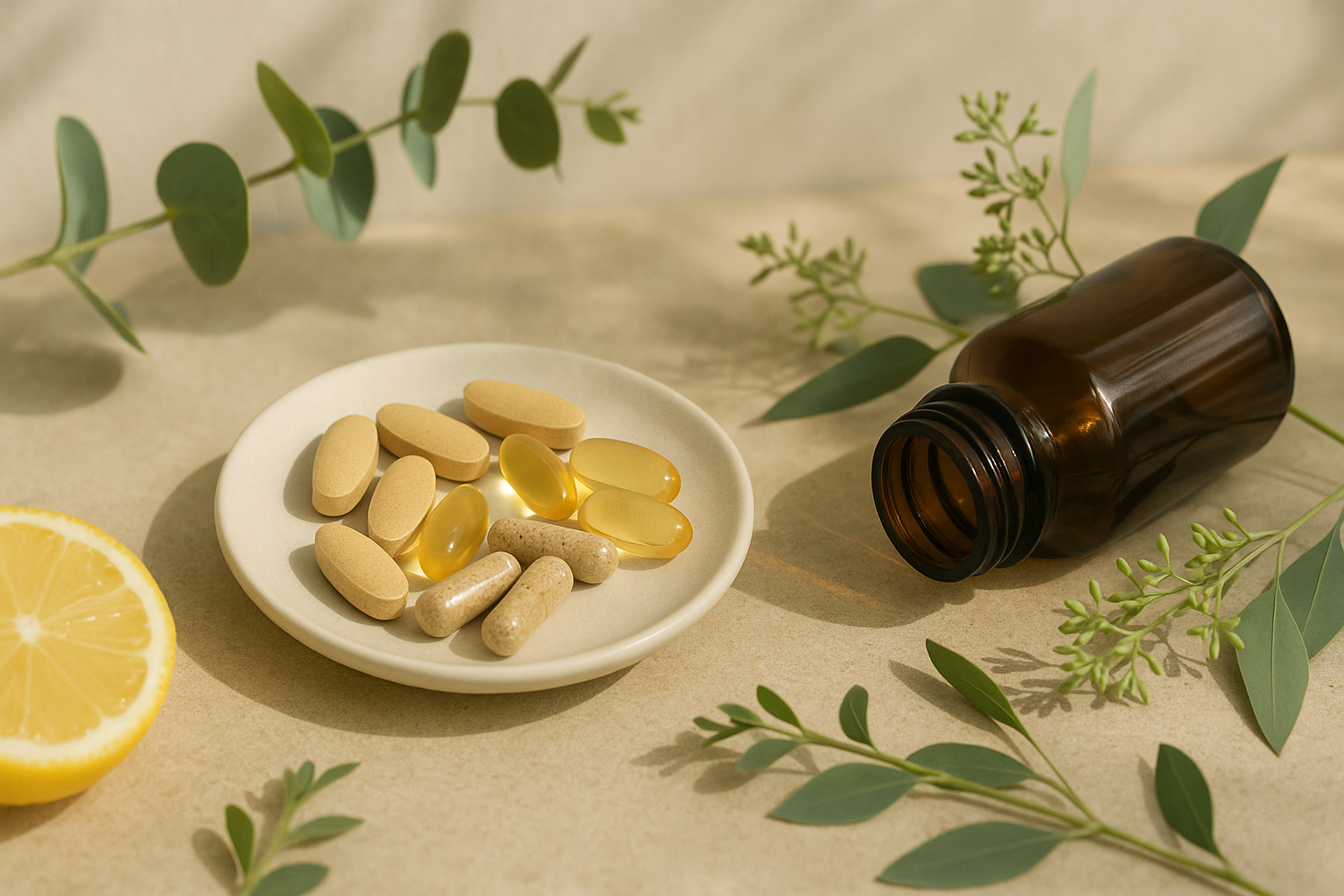
- Supplement forms: Vitamin C, zinc, or elderberry extracts may be taken in doses as recommended by a healthcare professional.
Safety, Contraindications & Interactions
While immune foods are generally safe, some considerations include:
- Garlic: May interact with blood-thinning medications.
- Zinc supplements: High doses can lead to adverse effects and should be taken with caution.
- Elderberry: Should be used cautiously in individuals with autoimmune conditions.
Pairs Well With
To maximize the benefits of immune foods, consider pairing them with:
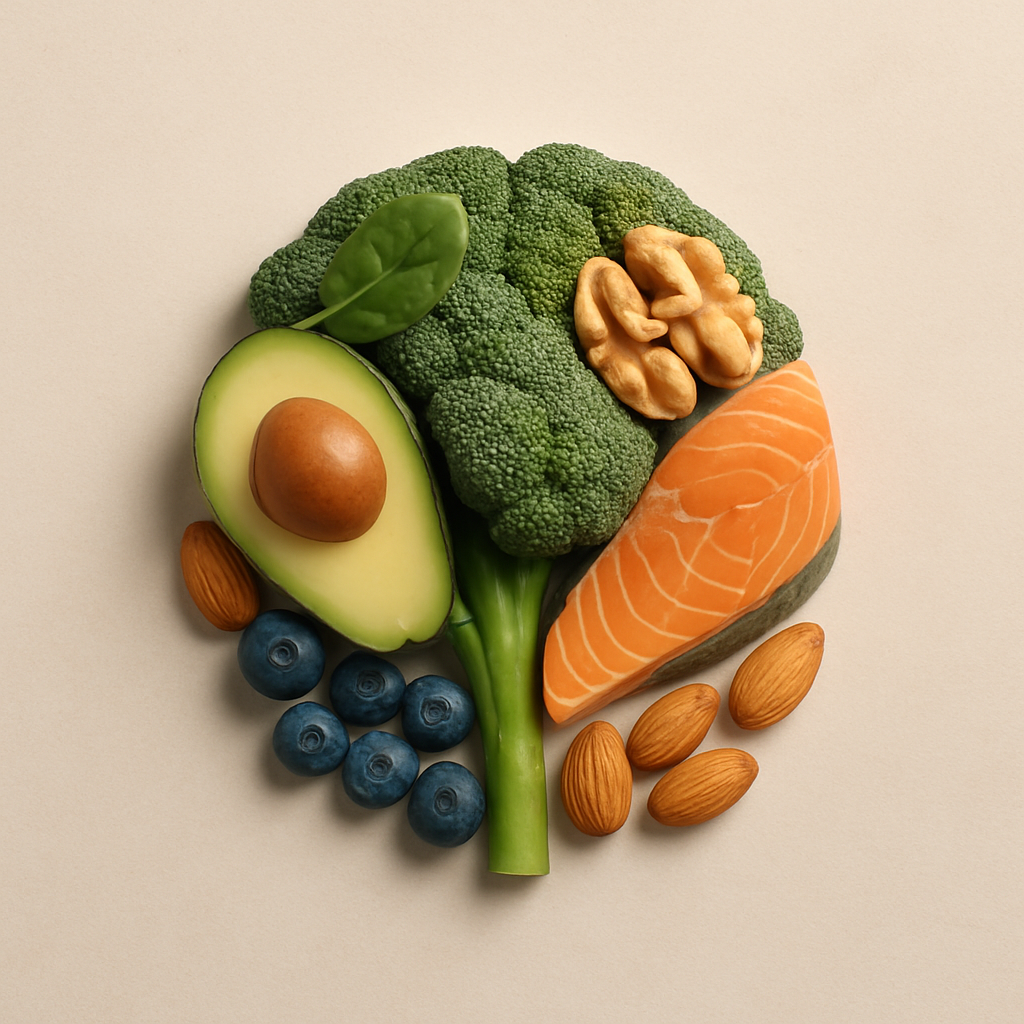
- Healthy fats: Such as olive oil or avocados, to enhance nutrient absorption.
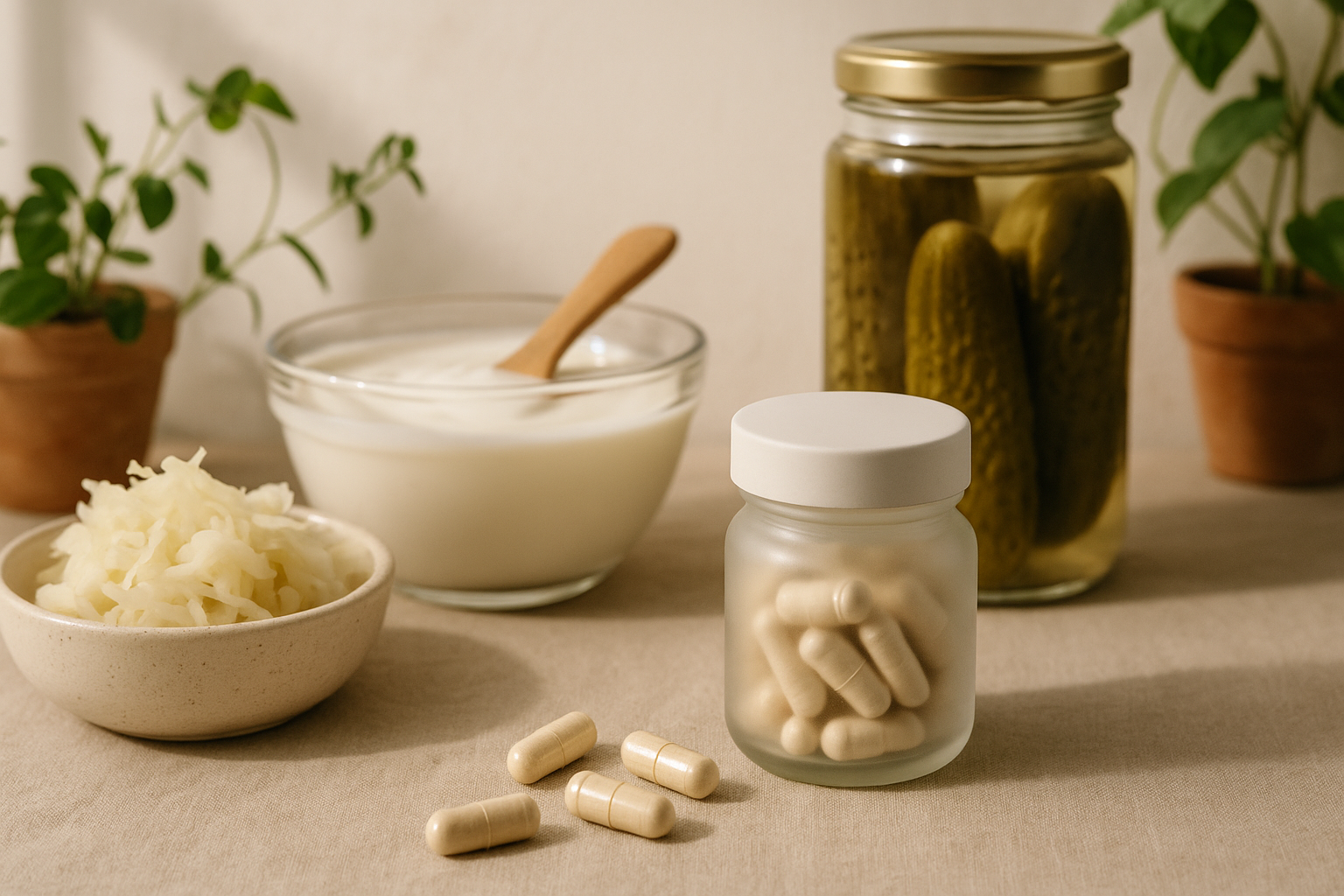
- Fermented foods: Like yogurt or kimchi, to support gut health.
- Protein sources: Including lean meats, legumes, and nuts, for overall nutritional balance.
FAQs
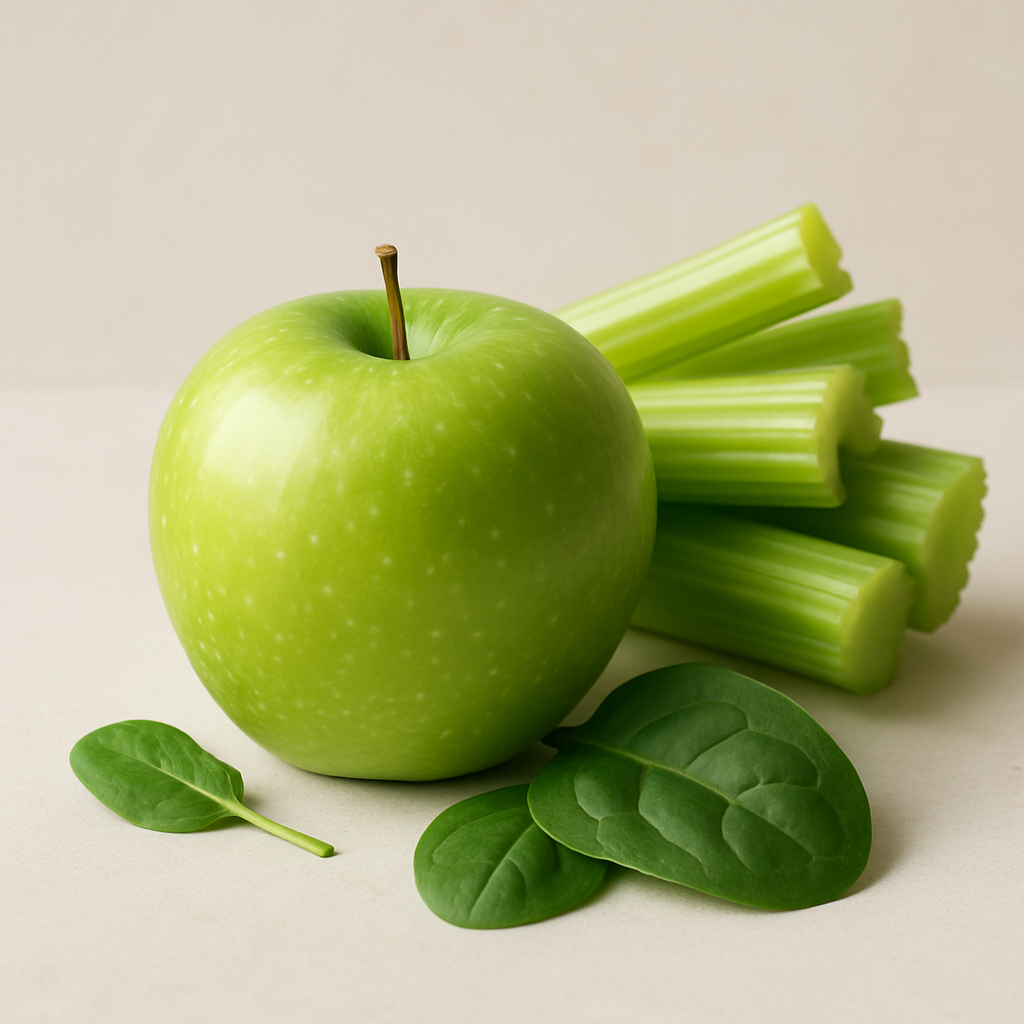
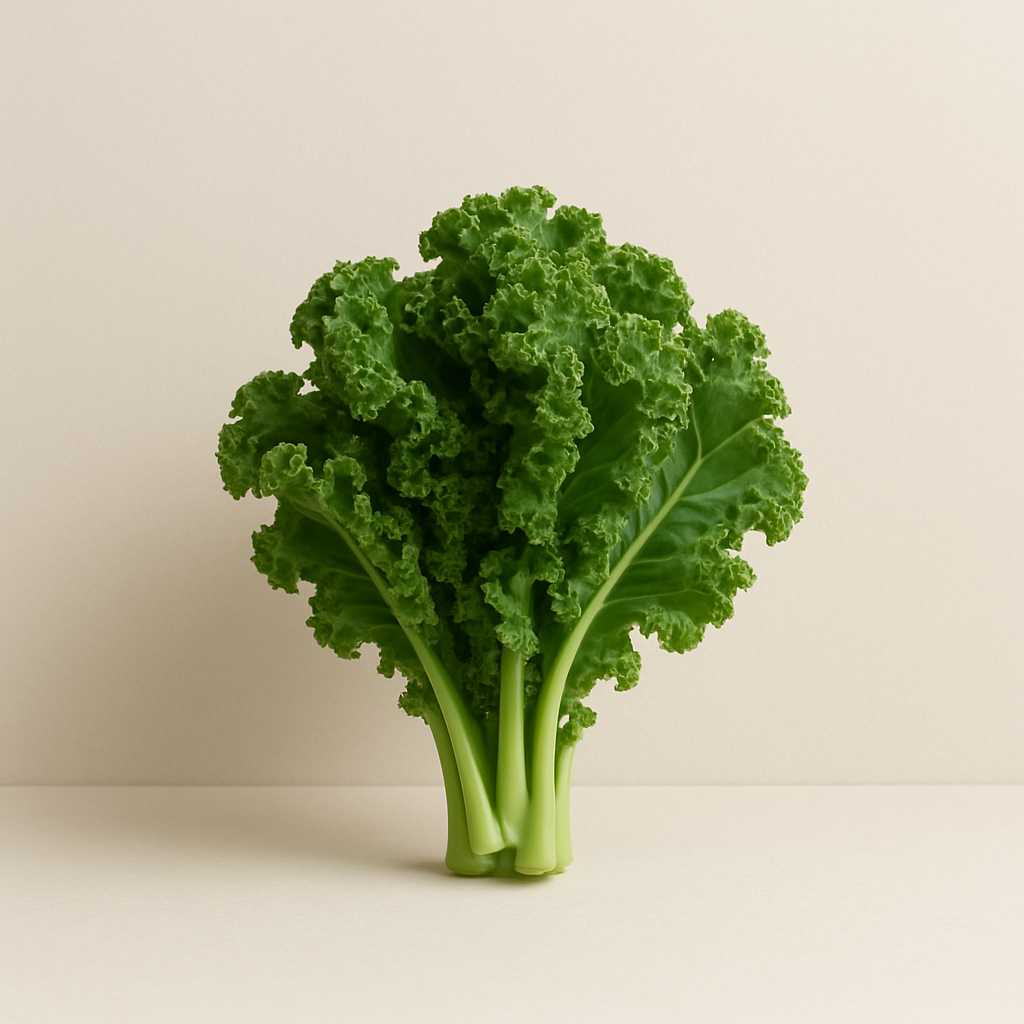
- What are the best immune-boosting foods? Foods rich in vitamin C, zinc, and antioxidants, such as citrus fruits, nuts, and leafy greens, are excellent choices.
- How can I incorporate immune foods into my diet? Aim to include a variety of colorful fruits and vegetables, herbs, and whole grains daily.
- Can immune foods prevent illness? While they cannot commonly explored prevention, a diet rich in these foods can support overall immune health.
- How quickly can I see benefits from consuming immune foods? Benefits may be observed over time with consistent dietary changes, particularly in overall health and wellness.
- Is it safe to take supplements for immune support? Consult with a healthcare professional before starting any supplements to ensure they are appropriate for your individual health needs.
Frequently asked
What are the best immune-boosting foods?
Foods rich in vitamin C, zinc, and antioxidants, such as citrus fruits, nuts, and leafy greens, are excellent choices.
How can I incorporate immune foods into my diet?
Aim to include a variety of colorful fruits and vegetables, herbs, and whole grains daily.
Can immune foods prevent illness?
While they cannot guarantee prevention, a diet rich in these foods can support overall immune health.
How quickly can I see benefits from consuming immune foods?
Benefits may be observed over time with consistent dietary changes, particularly in overall health and wellness.
Is it safe to take supplements for immune support?
Consult with a healthcare professional before starting any supplements to ensure they are appropriate for your individual health needs.