Wellness Smoothies
Discover the world of wellness smoothies, their ingredients, and health benefits.
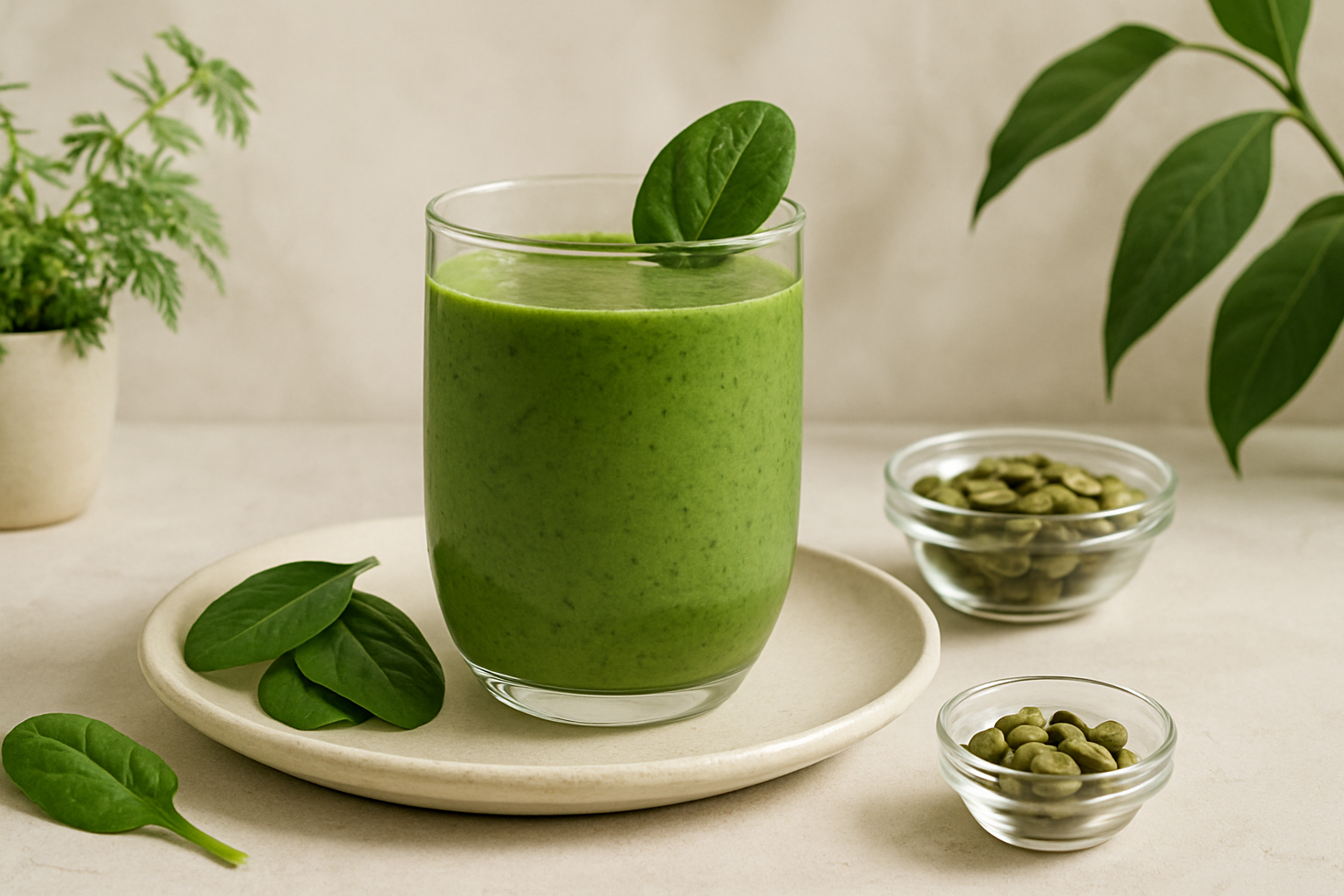
Explore the benefits of wellness smoothies made from superfoods, their active compounds, traditional uses, modern research insights, and more.
What It Is
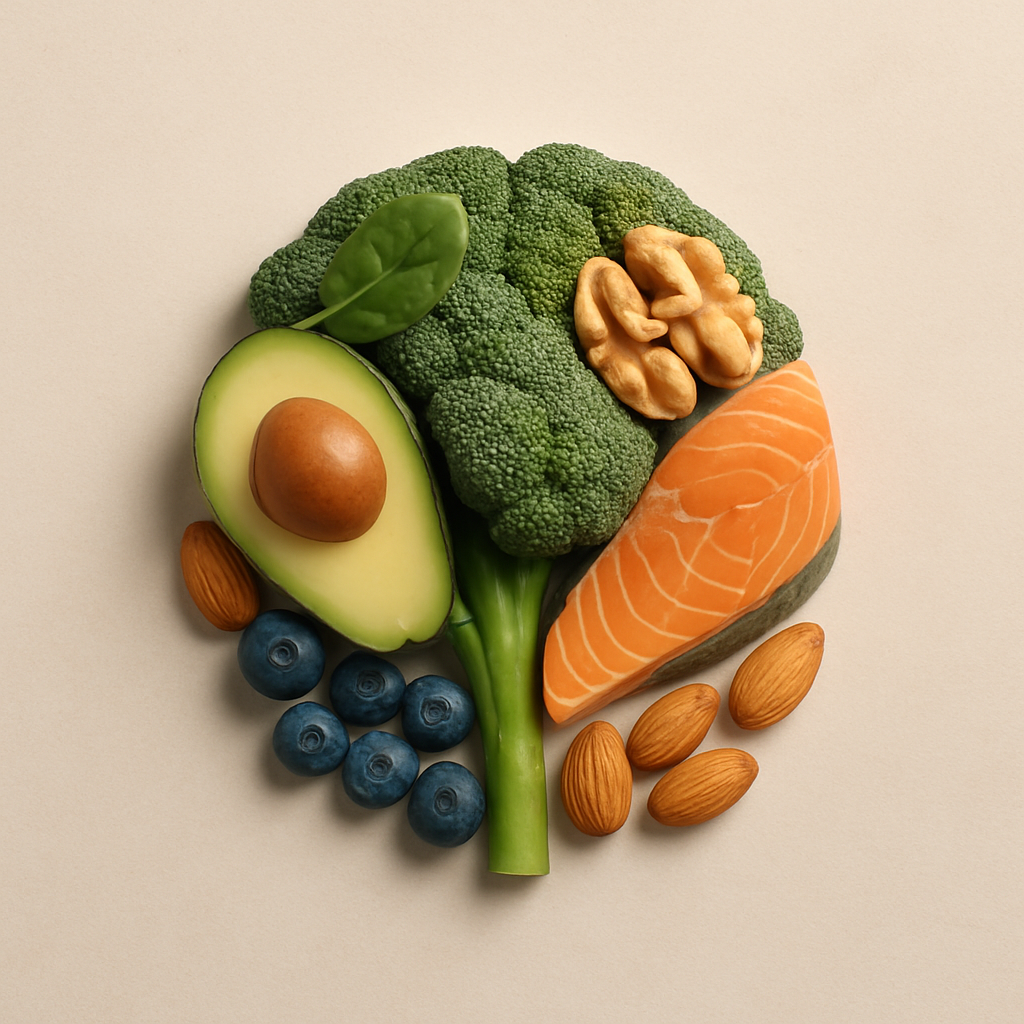
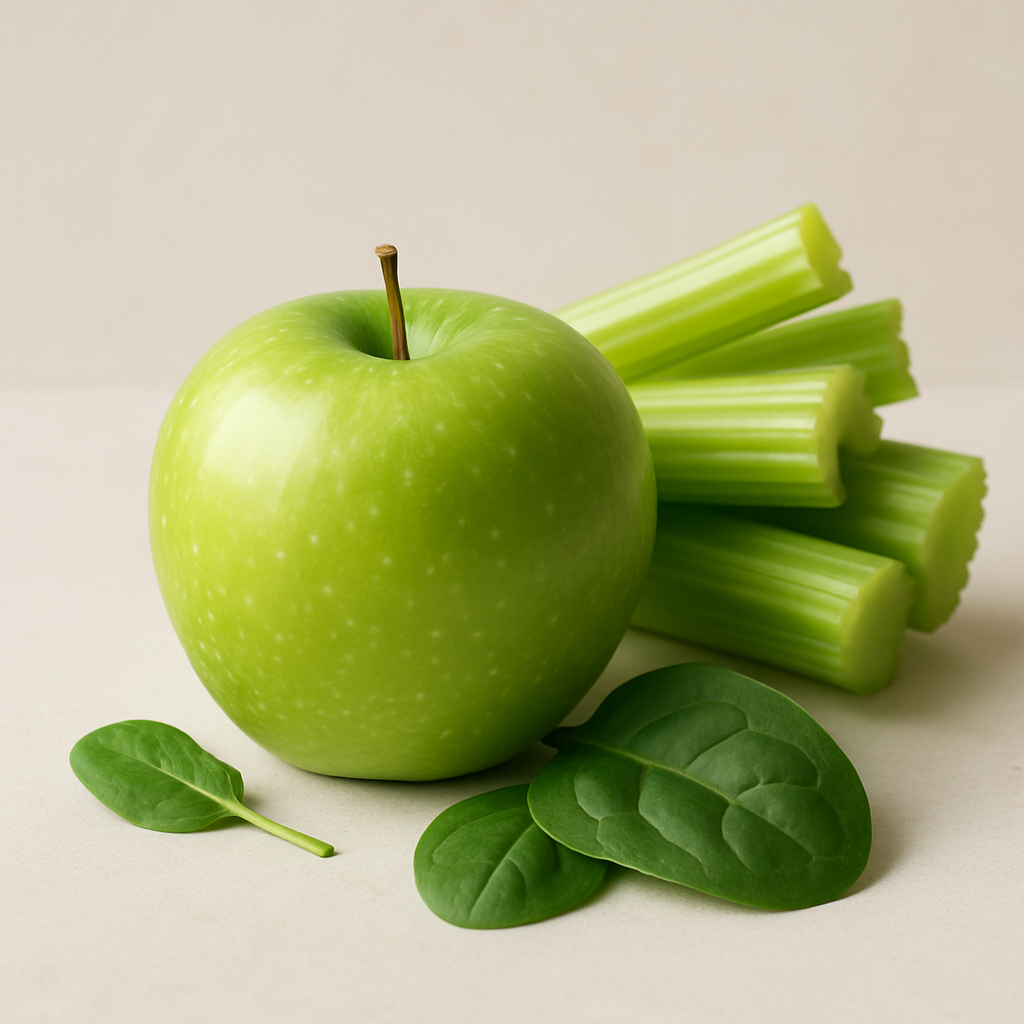
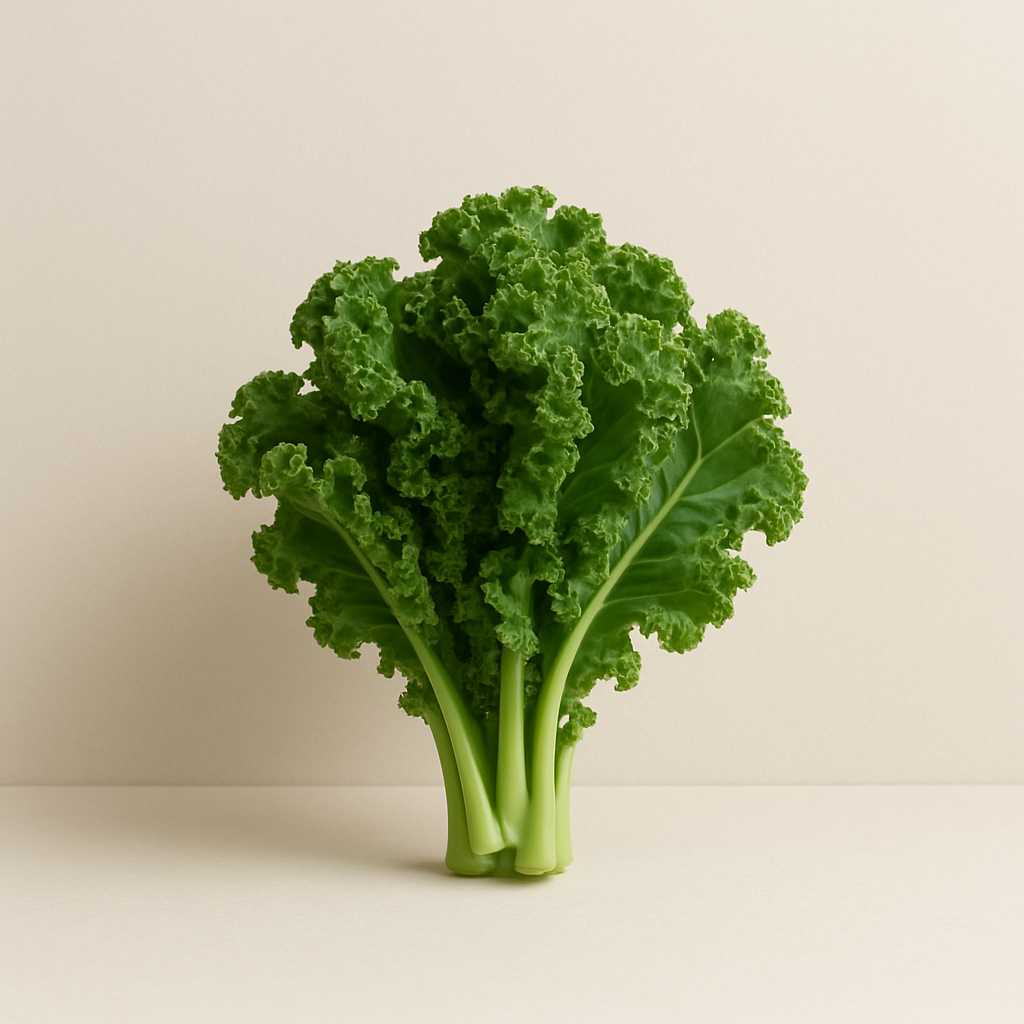
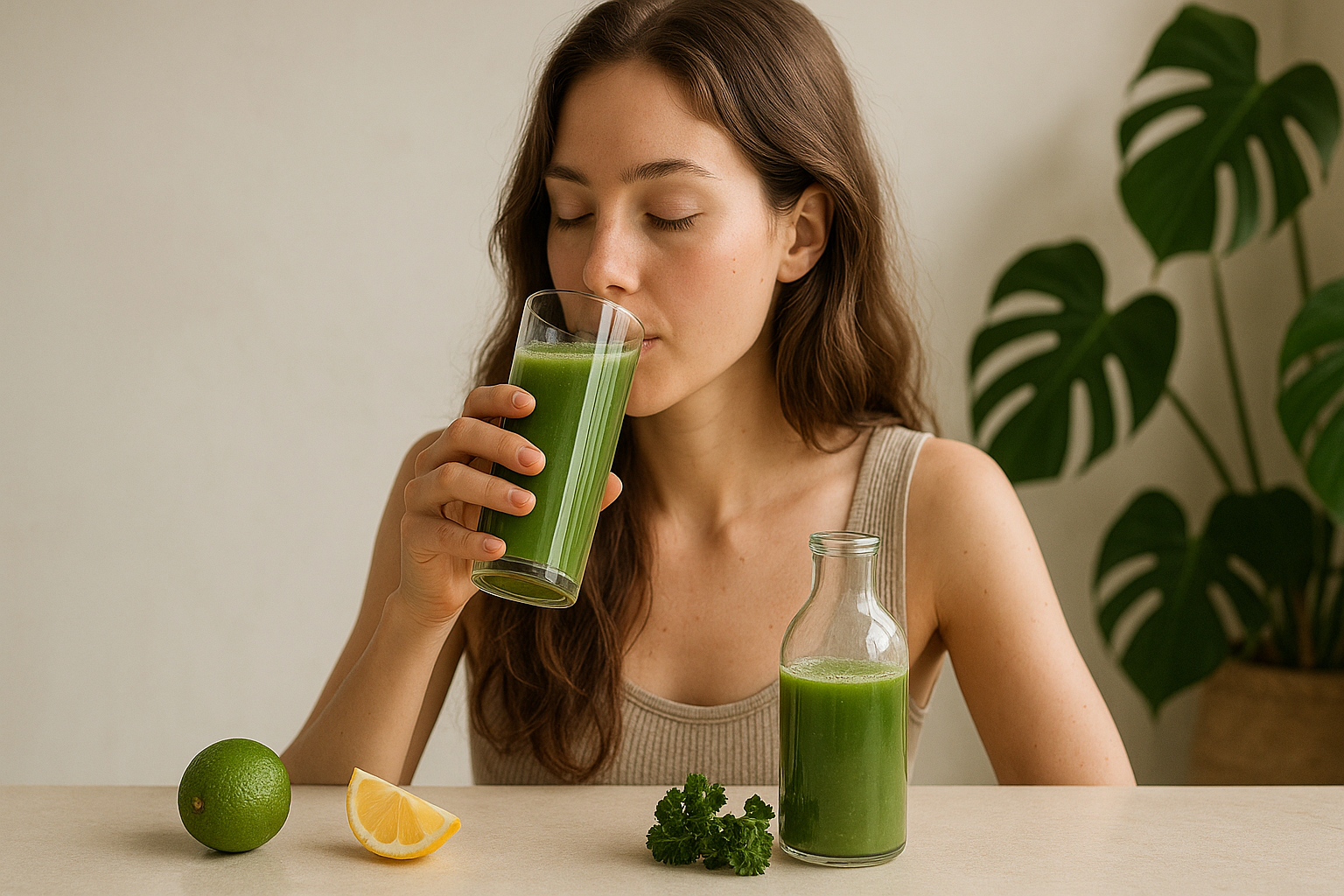
Wellness smoothies are nutritious beverages made by blending various superfoods, fruits, vegetables, and liquids to create a health-boosting drink. These smoothies are designed to provide essential vitamins, minerals, and antioxidants that support overall well-being. Superfoods often included in wellness smoothies may consist of ingredients such as spinach (Spinacia oleracea), kale (Brassica oleracea var. sabellica), chia seeds (Salvia hispanica), and berries, among others.
Key Active Compounds & Mechanisms
Wellness smoothies are rich in a variety of active compounds that contribute to their health benefits. Some key components include:
- Antioxidants: Found in fruits and vegetables, antioxidants help combat oxidative stress and inflammation in the body.
- Vitamins: Essential for various bodily functions, vitamins such as A, C, D, and E support immune function and skin health.
- Minerals: Nutrients like magnesium, calcium, and potassium are vital for muscle function and overall cellular health.
- Fiber: Found in many fruits and vegetables, fiber aids in digestion and promotes gut health.
- Omega-3 Fatty Acids: Present in chia seeds and flaxseeds, these healthy fats support heart and brain health.
Traditional Uses
Historically, many of the ingredients used in wellness smoothies have been integral to various cultures' diets for their health-promoting properties. For example:
- Spinach: Used since ancient times in Mediterranean diets, it is valued for its high nutrient content.
- Berries: Consumed by indigenous peoples for their antioxidant properties and natural sweetness.
- Chia Seeds: Used by the ancient Aztecs and Mayans as a source of energy and nutrition.
What Modern Research Suggests
Recent studies highlight the potential health benefits of the ingredients commonly used in wellness smoothies. Research indicates that:
- Consuming smoothies rich in fruits and vegetables can improve nutrient intake and may reduce the risk of chronic diseases.
- High-antioxidant ingredients may support cardiovascular health and improve overall well-being.
However, while promising, more extensive clinical trials are necessary for definitive conclusions.
Functional Actions
The functional actions of wellness smoothies include:
- Detoxification: Ingredients like leafy greens help the body may help with toxins.
- Energy Boost: Natural sugars from fruits provide a quick energy source.
- Hydration: Smoothies often contain high water content, aiding in maintaining hydration levels.
- Weight Management: High fiber content can promote satiety, aiding in weight loss efforts.
Body Systems Supported
Wellness smoothies can support various body systems, including:
- Digestive System: High fiber content aids digestion and promotes gut health.
- Immune System: Vitamins and antioxidants help bolster immune function.
- Cardiovascular System: Ingredients rich in omega-3s and antioxidants support heart health.
- Skin Health: Nutrients in berries and greens contribute to healthy skin.
Common Forms & Educational Dosing Ranges
Wellness smoothies are typically consumed as drinks made from blended whole foods. For optimal benefits:
- Incorporate at least 1-2 servings of fruits or vegetables per smoothie.
- Add a source of protein, such as yogurt or protein powder, for a balanced meal.
- Use healthy fats like nut butters or seeds for added nutrition.
Safety, Contraindications & Interactions
While wellness smoothies are generally safe for most people, it is important to consider:
- Individuals on blood thinners should consult a healthcare provider before consuming high amounts of vitamin K-rich greens like kale and spinach.
- People with allergies should be cautious of added ingredients such as nuts or dairy.
Pairs Well With
To enhance the nutritional profile and flavor of wellness smoothies, consider pairing them with:
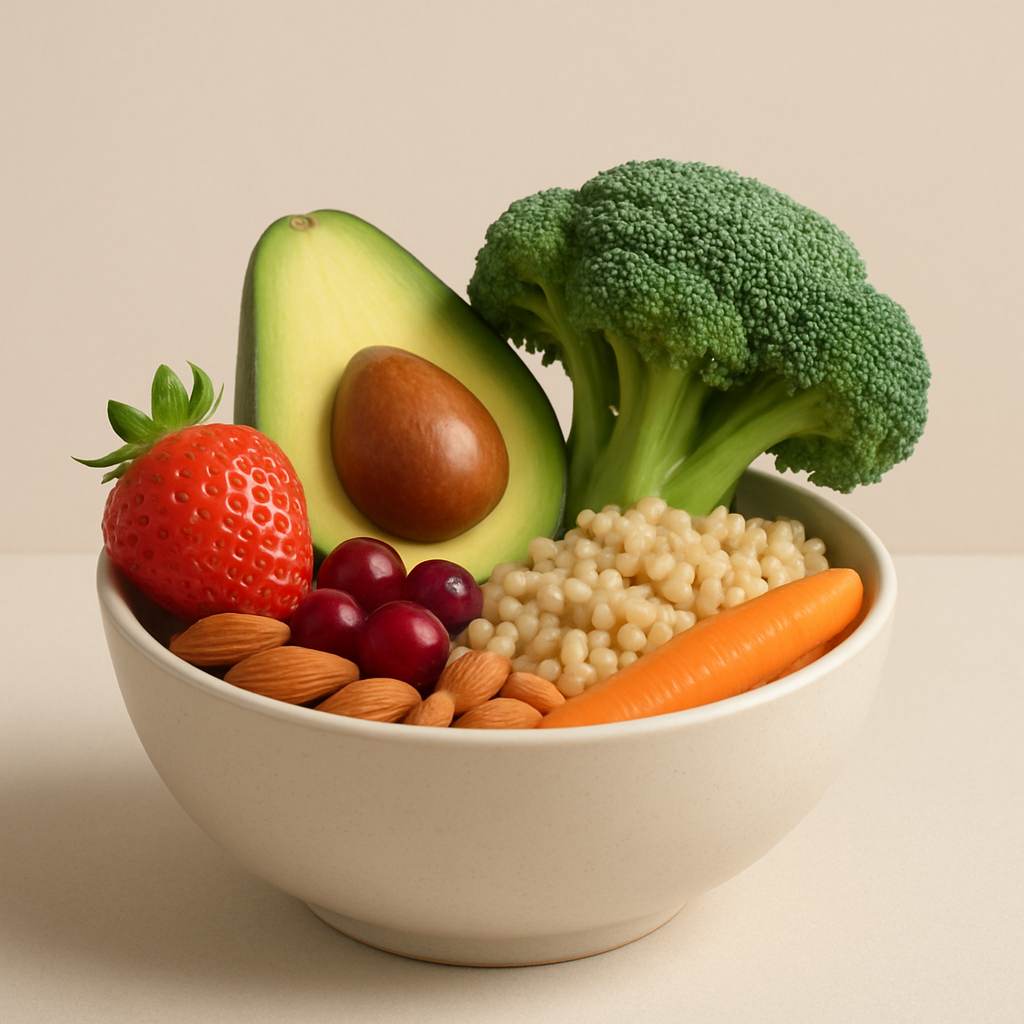
- Nuts and Seeds: Almonds, walnuts, and flaxseeds for added healthy fats.
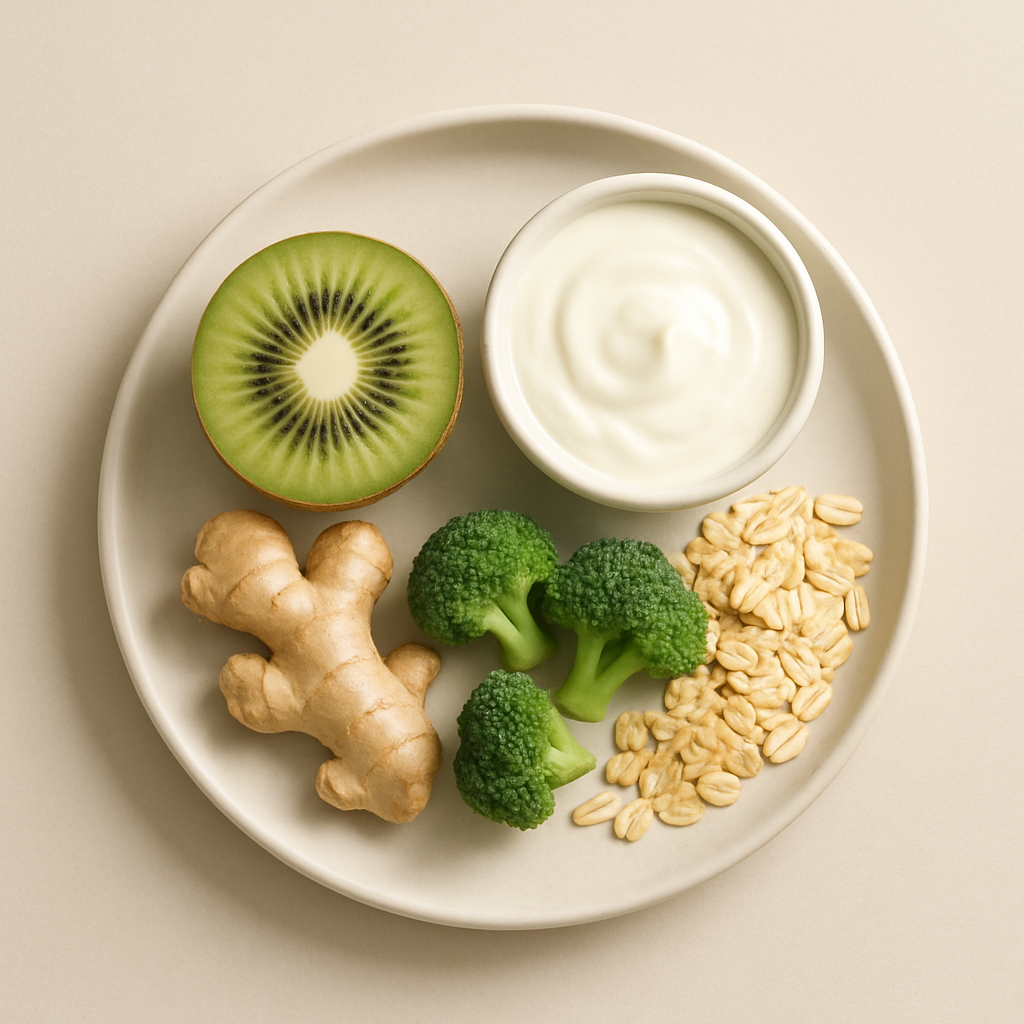
- Yogurt: For probiotics and creaminess.
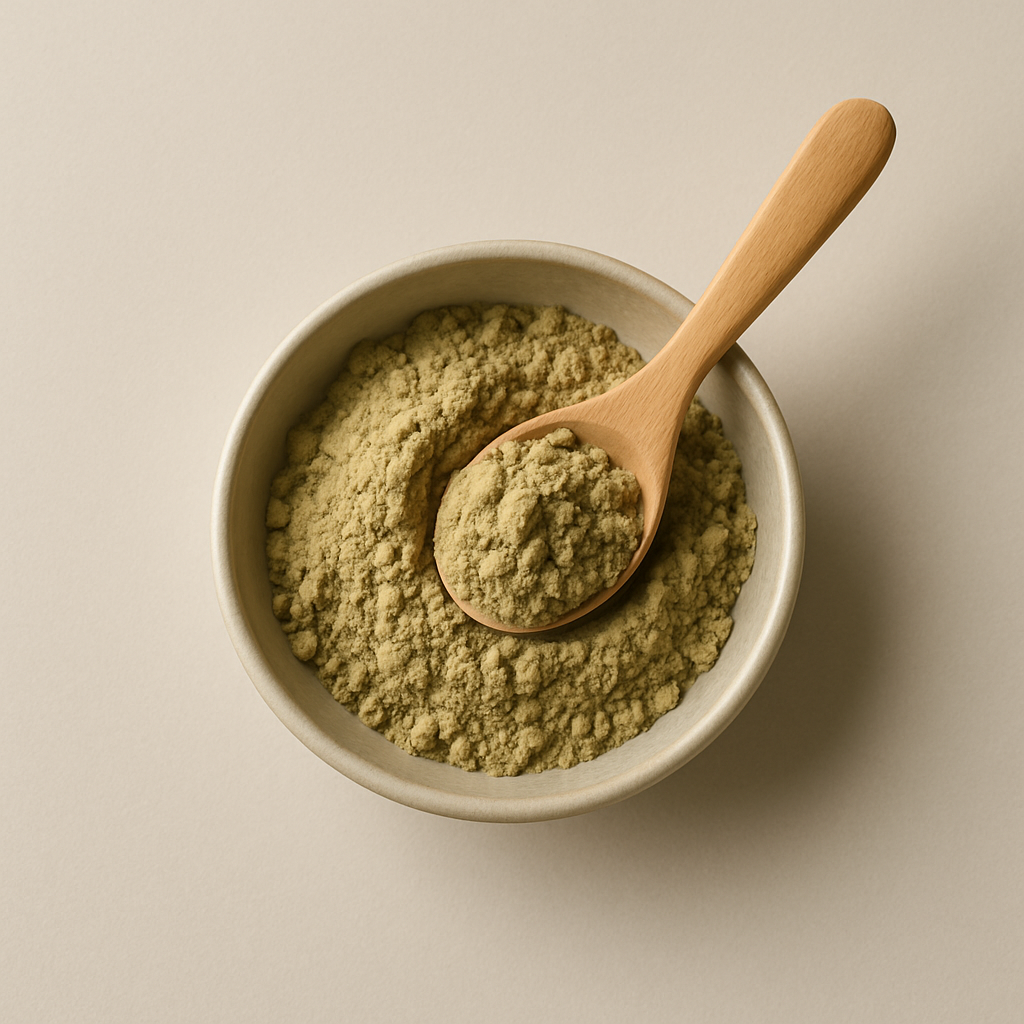
- Superfood Powders: Spirulina, maca, or acai for additional health benefits.
FAQs (5)
- Can I use frozen fruits in my smoothies? Yes, frozen fruits are a great option and can make your smoothie colder and creamier.
- How often should I drink wellness smoothies? Incorporating them as part of a balanced diet several times a week can be beneficial.
- Are wellness smoothies suitable for kids? Yes, they can be a nutritious option for children, especially when made with fruits they enjoy.
- Can I meal prep smoothies? Absolutely! You can prepare smoothie packs in advance and freeze them for convenience.
- What is the best time to drink a smoothie? They can be consumed anytime, but many people enjoy them as a healthy breakfast or post-workout snack.
Frequently asked
Can I use frozen fruits in my smoothies?
Yes, frozen fruits are a great option and can make your smoothie colder and creamier.
How often should I drink wellness smoothies?
Incorporating them as part of a balanced diet several times a week can be beneficial.
Are wellness smoothies suitable for kids?
Yes, they can be a nutritious option for children, especially when made with fruits they enjoy.
Can I meal prep smoothies?
Absolutely! You can prepare smoothie packs in advance and freeze them for convenience.
What is the best time to drink a smoothie?
They can be consumed anytime, but many people enjoy them as a healthy breakfast or post-workout snack.