Energy Foods
Explore the world of energy foods, nutrient-rich superfoods that boost vitality and support overall wellness. Discover their benefits, traditional uses, and how to incorporate them into your daily routine.
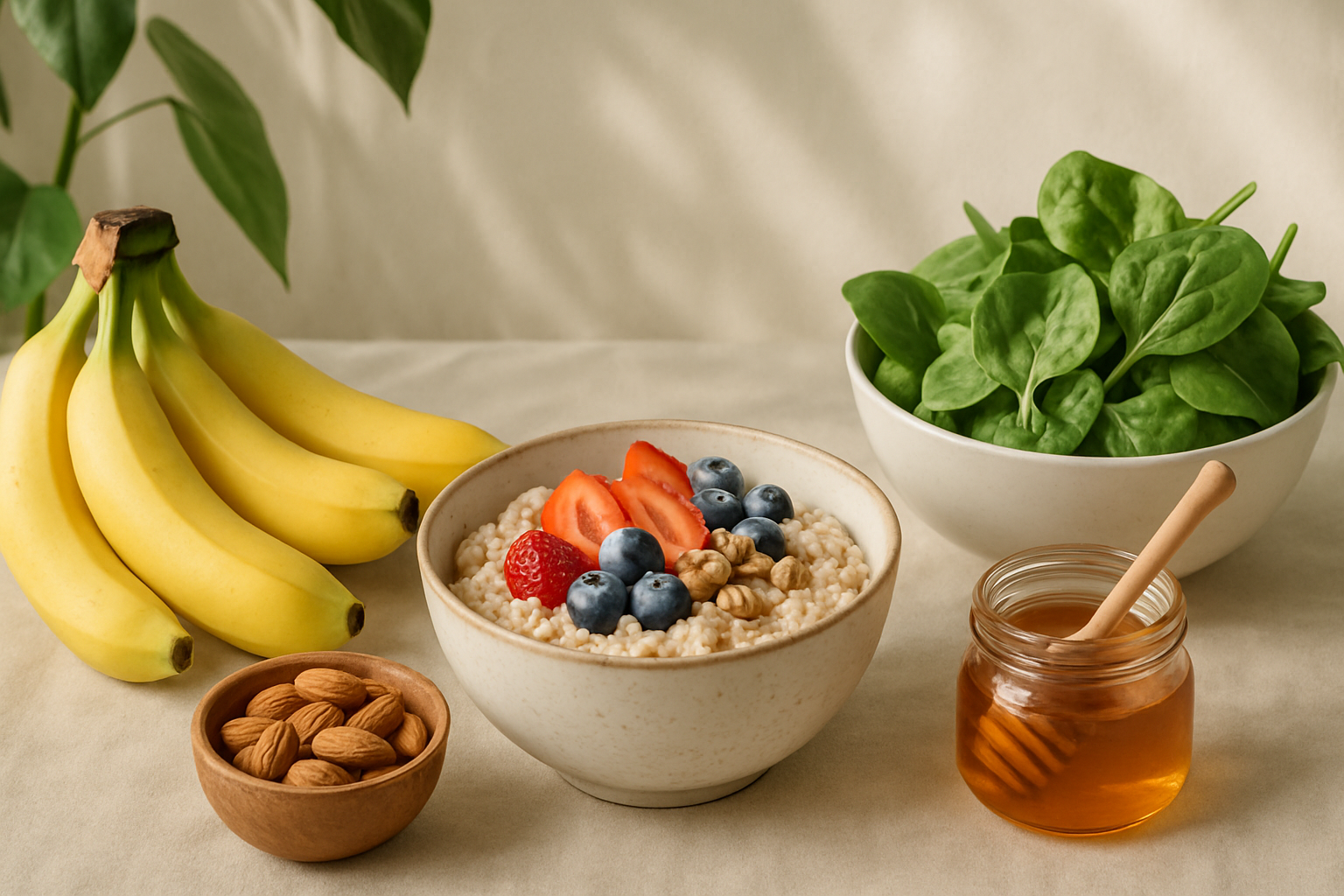
Energy foods are nutrient-dense superfoods that support physical and mental energy levels. They include various natural ingredients known for their energizing properties, such as maca, spirulina, and chia seeds. This subcategory explores their benefits, traditional uses, and modern applications, providing a comprehensive guide to incorporating them into your diet for enhanced vitality.
What It Is
Energy foods refer to a category of nutrient-dense superfoods that are known for their ability to enhance physical and mental energy levels. These foods typically contain a high concentration of vitamins, minerals, and other bioactive compounds that help sustain energy and combat fatigue. Common examples of energy foods include maca (Lepidium meyenii), spirulina (Arthrospira platensis), chia seeds (Salvia hispanica), and quinoa (Chenopodium quinoa). These foods are often integrated into diets to provide a natural boost in energy without the crash associated with processed sugars or stimulants.
Key Active Compounds & Mechanisms
The energizing effects of these superfoods can be attributed to various active compounds:
- Maca: Rich in amino acids, vitamins B, C, and E, and minerals like iron and calcium, maca is believed to enhance stamina and energy levels.
- Spirulina: A powerful source of protein, vitamins B1, B2, and B3, and antioxidants, spirulina supports energy metabolism and reduces fatigue.
- Chia Seeds: High in omega-3 fatty acids, fiber, protein, and various micronutrients, chia seeds provide sustained energy release and hydration.
- Quinoa: A complete protein that contains all nine essential amino acids, quinoa also provides carbohydrates and minerals that contribute to energy production.
Traditional Uses
Many energy foods have a long history of traditional use in various cultures around the world:
- Maca: Originating from the Andes mountains in Peru, maca has been used for centuries by indigenous people to enhance energy, stamina, and fertility.
- Spirulina: Used by ancient civilizations like the Aztecs, spirulina was consumed for its high protein content and energizing properties.
- Chia Seeds: Historically consumed by the ancient Mayans and Aztecs, chia seeds were valued for their ability to provide endurance during long journeys.
- Quinoa: Referred to as the “mother grain” by the Incas, quinoa was a staple food that provided energy and nourishment to ancient populations.
What Modern Research Suggests
Modern research has begun to explore the potential health benefits of these energy foods:
- Studies on maca have shown that it may improve exercise performance and reduce feelings of fatigue.
- Research on spirulina indicates that it may enhance endurance and recovery in athletes.
- Chia seeds have been linked to improved hydration and sustained energy levels during prolonged physical activity.
- Quinoa’s high protein content and its status as a complete protein have been recognized for their role in energy metabolism.
Functional Actions
The functional actions of energy foods primarily focus on:
- Enhancing physical and mental stamina
- Reducing fatigue and promoting recovery
- Supporting metabolic processes
- Providing hydration and nutrient replenishment
Body Systems Supported
Energy foods play a significant role in supporting various body systems, including:
- Muscular System: By providing essential nutrients that fuel muscle activity.
- Nervous System: Supporting cognitive function and mental clarity through nutrient-rich profiles.
- Digestive System: Promoting healthy digestion with fiber-rich options like chia seeds and quinoa.
- Endocrine System: Helping regulate energy levels and hormonal balance, particularly with maca.
Common Forms & Educational Dosing Ranges
Energy foods can be consumed in various forms, including:
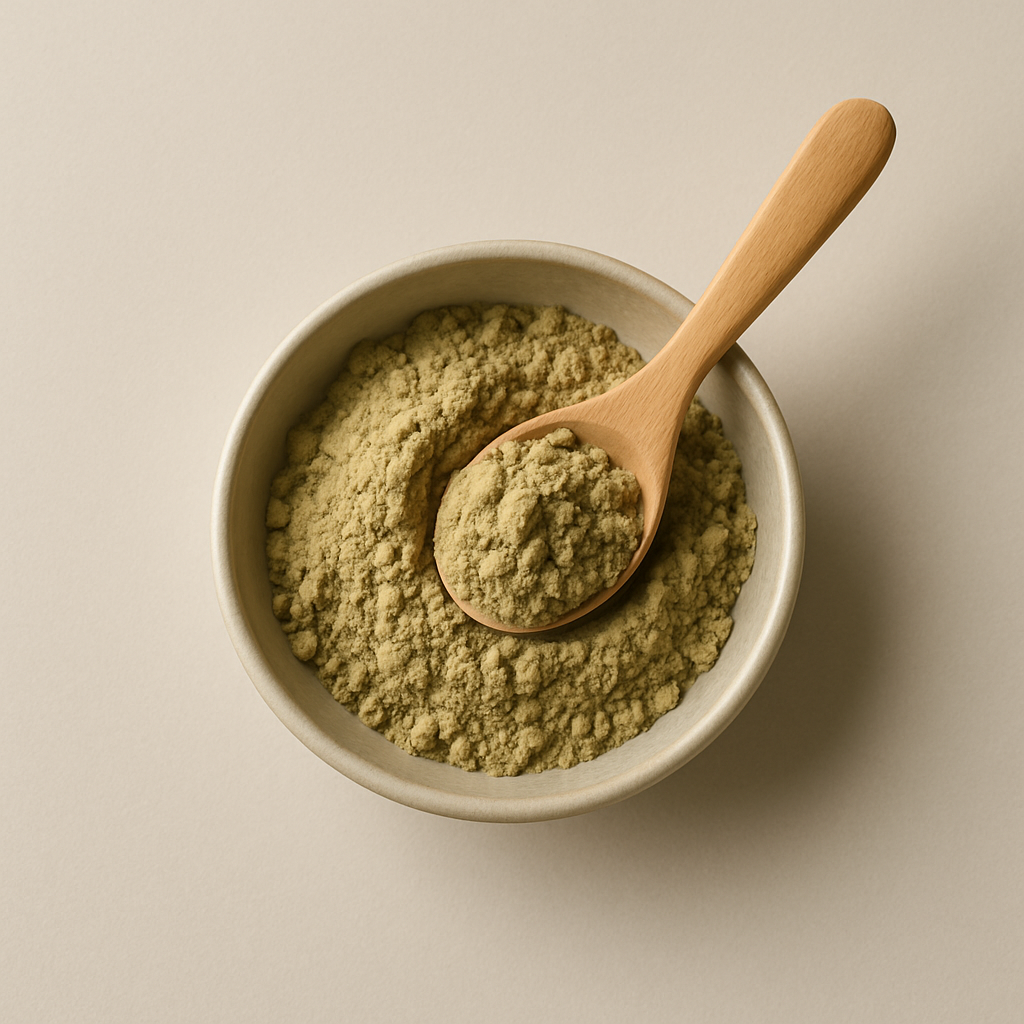
- Maca: Powder (1-3 teaspoons daily), capsules (500-1000 mg)
- Spirulina: Powder (1-3 grams daily), tablets (500 mg each)
- Chia Seeds: Whole seeds (1-2 tablespoons), soaked in water or added to smoothies
- Quinoa: Cooked grains (1/2 to 1 cup per serving)
Safety, Contraindications & Interactions
While energy foods are generally safe for most individuals, certain precautions should be considered:
- Maca: May affect hormone levels; consult a healthcare provider if pregnant, nursing, or taking hormone-related medications.
- Spirulina: Individuals with autoimmune disorders should use caution, as it can stimulate the immune system.
- Chia Seeds: High in fiber; excessive consumption may cause digestive discomfort. Drink plenty of water.
- Quinoa: Generally safe, but individuals with saponin allergies should avoid it.
Pairs Well With
To maximize the benefits of energy foods, consider pairing them with:
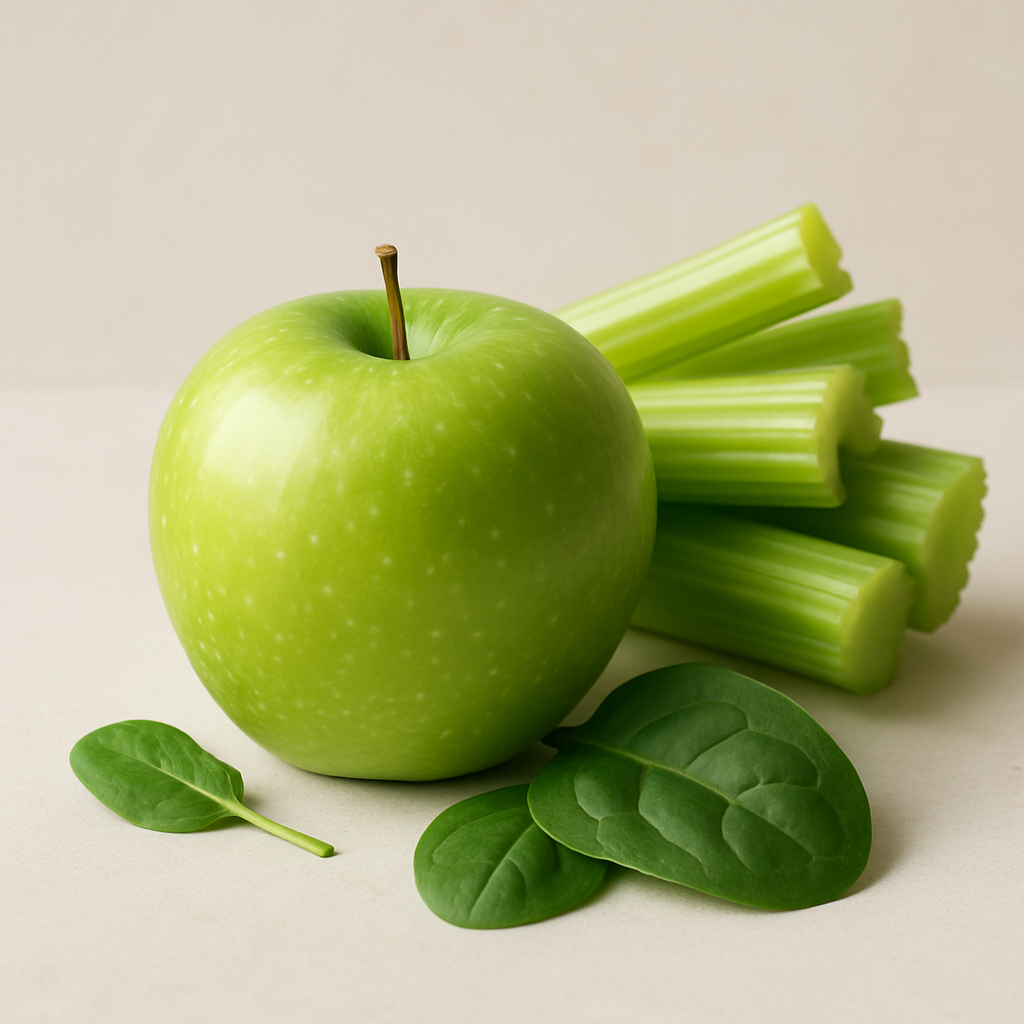
- Fruits: Bananas, berries, or apples for added vitamins and natural sugars.
- Nut Butters: Almond or peanut butter for healthy fats and protein.
- Yogurt or Plant-Based Milk: For a creamy texture and probiotic benefits.
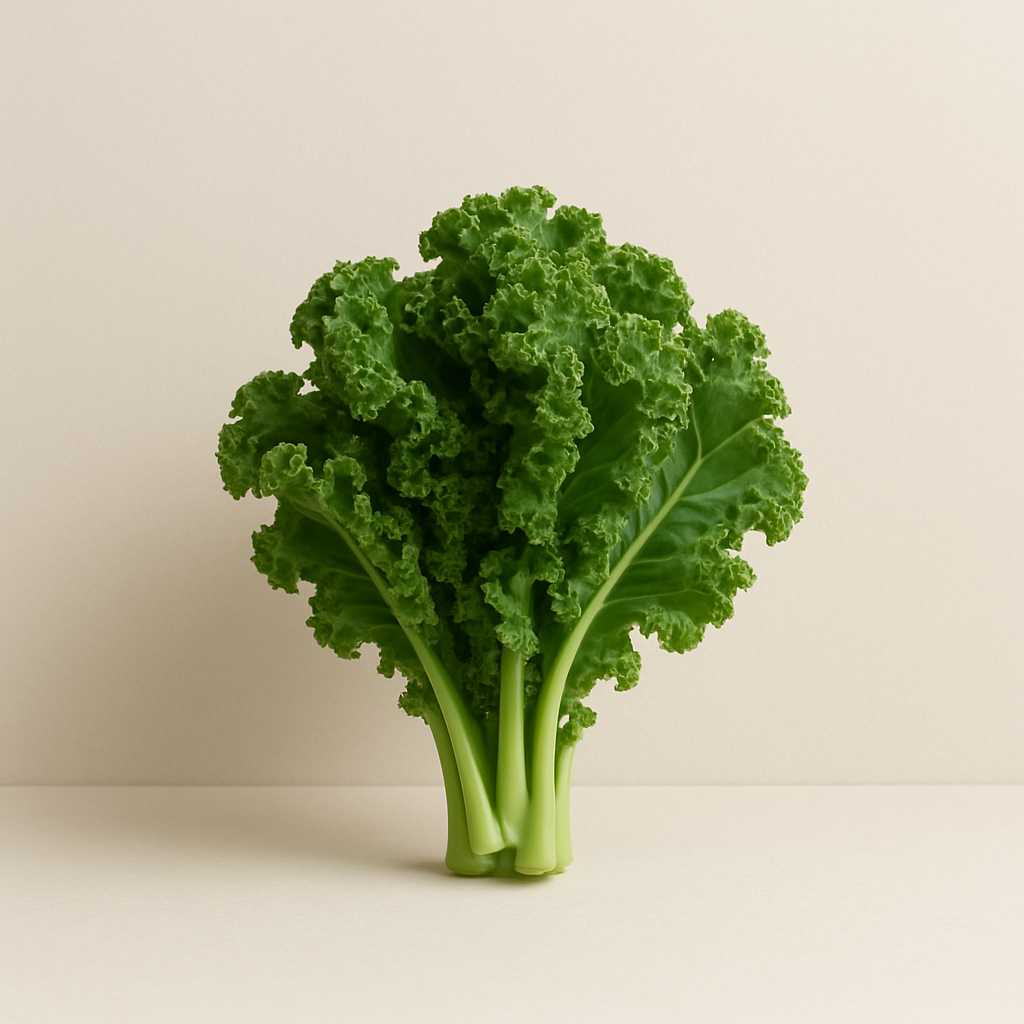
- Leafy Greens: Spinach or kale to increase nutrient density in smoothies or bowls.
FAQs (5)
- What are energy foods? Energy foods are nutrient-rich superfoods like maca, spirulina, and chia seeds that help boost physical and mental energy levels.
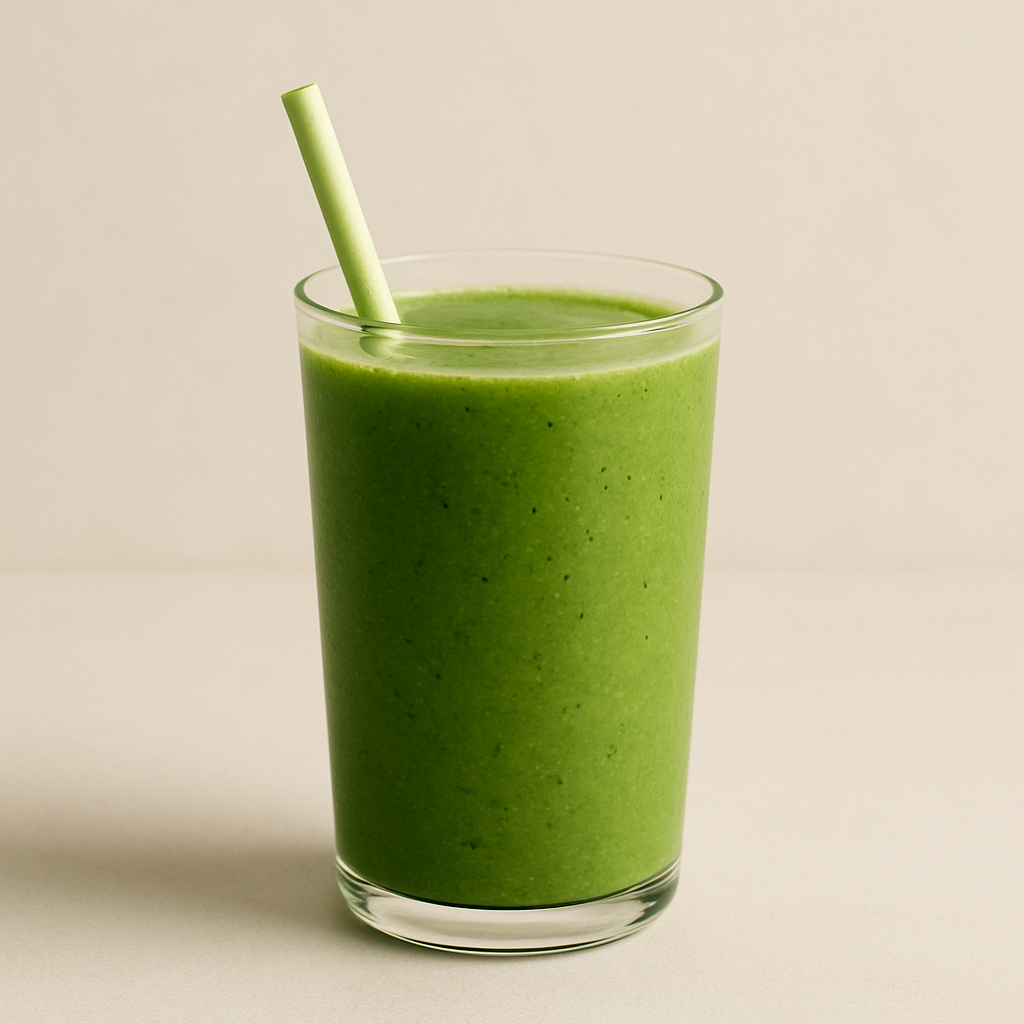
- How do I incorporate energy foods into my diet? You can add energy foods to smoothies, oatmeal, salads, or enjoy them as snacks.
- Are there any side effects to energy foods? Generally safe, but some individuals may experience digestive discomfort or hormonal changes; consult a healthcare provider if unsure.
- Can energy foods help with fatigue? Yes, many energy foods are designed to enhance stamina and reduce feelings of fatigue.
- Are energy foods suitable for everyone? Most people can safely consume energy foods, but those with specific health concerns should consult a healthcare professional.
Frequently asked
What are energy foods?
Energy foods are nutrient-rich superfoods like maca, spirulina, and chia seeds that help boost physical and mental energy levels.
How do I incorporate energy foods into my diet?
You can add energy foods to smoothies, oatmeal, salads, or enjoy them as snacks.
Are there any side effects to energy foods?
Generally safe, but some individuals may experience digestive discomfort or hormonal changes; consult a healthcare provider if unsure.
Can energy foods help with fatigue?
Yes, many energy foods are designed to enhance stamina and reduce feelings of fatigue.
Are energy foods suitable for everyone?
Most people can safely consume energy foods, but those with specific health concerns should consult a healthcare professional.