Ancient Superfoods
Delve into ancient superfoods, their health benefits, and how they can support your wellness journey.
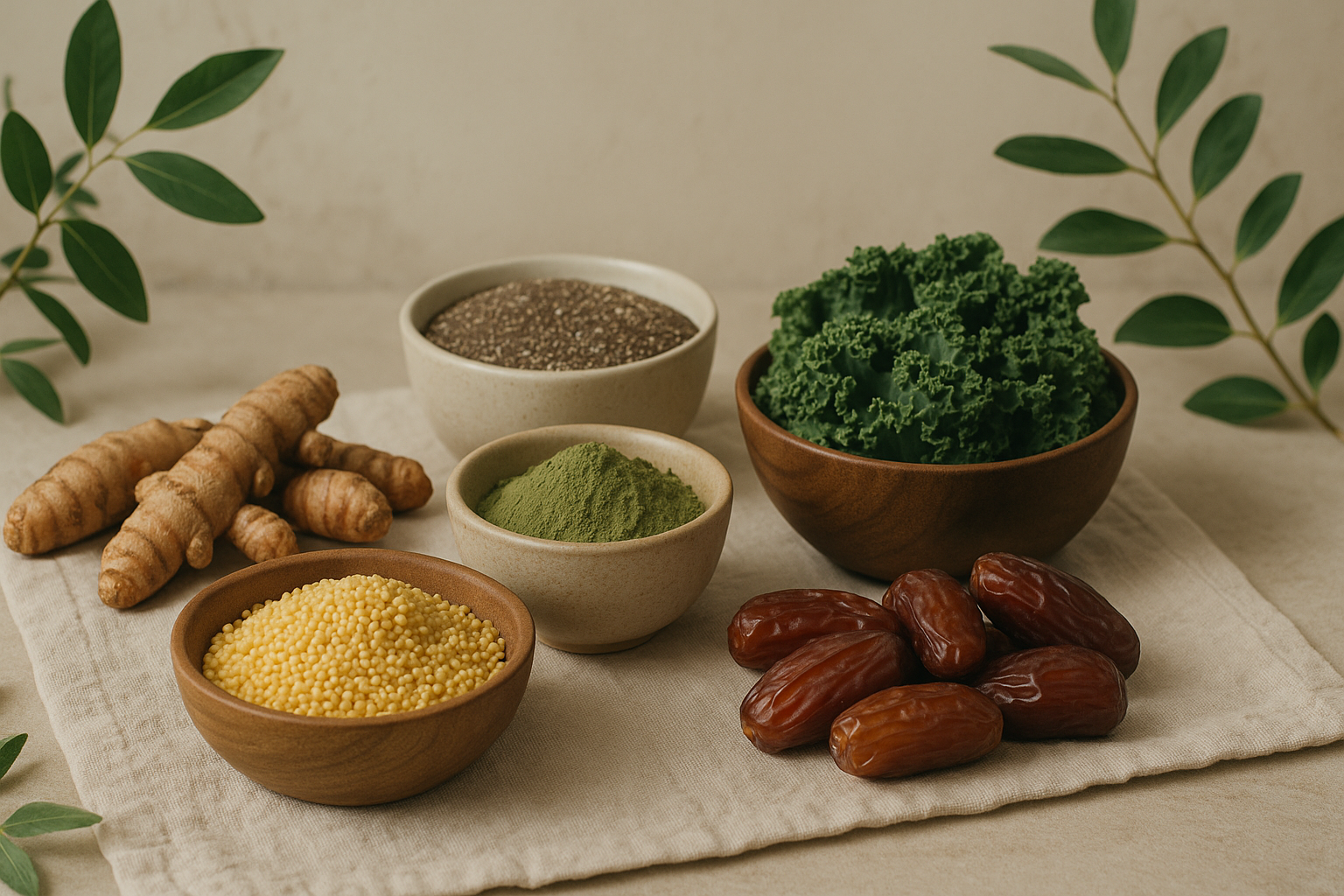
Explore the ancient superfoods that have been revered for their health benefits throughout history. Discover their active compounds, traditional uses, modern research, and more.
What It Is
Ancient superfoods refer to nutrient-rich foods that have been used for centuries in traditional cultures for their health benefits. These foods, often derived from plants, grains, and seeds, are recognized for their high concentrations of vitamins, minerals, antioxidants, and other bioactive compounds. Examples of ancient superfoods include quinoa (Chenopodium quinoa), spirulina (Arthrospira platensis), and goji berries (Lycium barbarum). Each of these foods has a rich history of use in various cultures, contributing to their reputation as superfoods.
Key Active Compounds & Mechanisms
Ancient superfoods are packed with various bioactive compounds that provide numerous health benefits. Here are some key components:
- Quinoa: Contains complete proteins, fiber, and essential amino acids.
- Spirulina: Rich in proteins, vitamins B1, B2, B3, copper, and iron, as well as antioxidants like phycocyanin.
- Goji Berries: High in vitamins A and C, antioxidants, and carotenoids.
These compounds work synergistically to support various bodily functions, including immune support, energy production, and overall cellular health.
Traditional Uses
Throughout history, ancient superfoods have played significant roles in the diets and medicinal practices of various cultures:
- Quinoa: Used by the Incas in South America as a staple food and considered sacred.
- Spirulina: Consumed by ancient Aztecs and African tribes for its high protein content and energy-boosting properties.
- Goji Berries: Used in Traditional Chinese Medicine for thousands of years to enhance longevity and improve vision.
These foods were often utilized not just for sustenance, but also for their perceived health benefits, showcasing the bridge between ancient wisdom and modern dietary practices.
What Modern Research Suggests
Modern scientific research has begun to validate many of the traditional uses of ancient superfoods. While further studies are needed, some preliminary findings include:
- Quinoa is praised for its high protein content and ability to support weight management.
- Spirulina has shown potential in enhancing immunity and reducing inflammation.
- Goji berries may improve eye health and boost antioxidant levels in the body.
Although these findings are promising, it is essential to approach them with caution, as more extensive research is required to establish definitive health claims.
Functional Actions
The functional actions of ancient superfoods are varied and impactful. They are known to:
- Support digestive health through high fiber content.
- Enhance energy levels and stamina.
- Boost antioxidant levels in the body, protecting against oxidative stress.
- Support immune function and overall health.
These actions are attributed to their rich nutrient profiles and the presence of phytochemicals that promote health.
Body Systems Supported
Ancient superfoods can support multiple body systems, including:
- Digestive System: High fiber content aids in digestion and gut health.
- Immune System: Antioxidants and vitamins bolster immune function.
- Nervous System: Nutritional components contribute to brain health and cognitive function.
- Circulatory System: Nutrients may support cardiovascular health and circulation.
A balanced intake of these superfoods can lead to comprehensive health benefits across these systems.
Common Forms & Educational Dosing Ranges
Ancient superfoods are available in various forms:
- Quinoa: Cooked as a grain, available as flour, or in snack form.
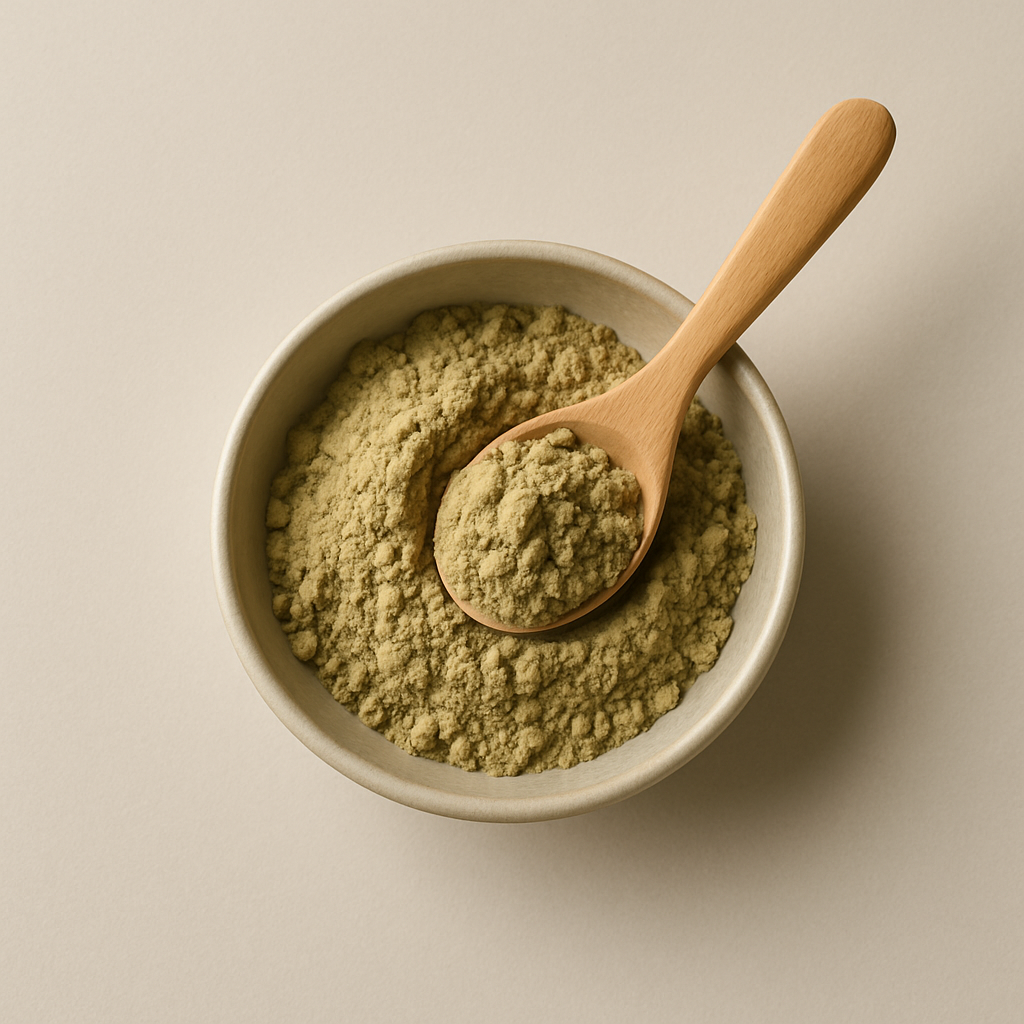
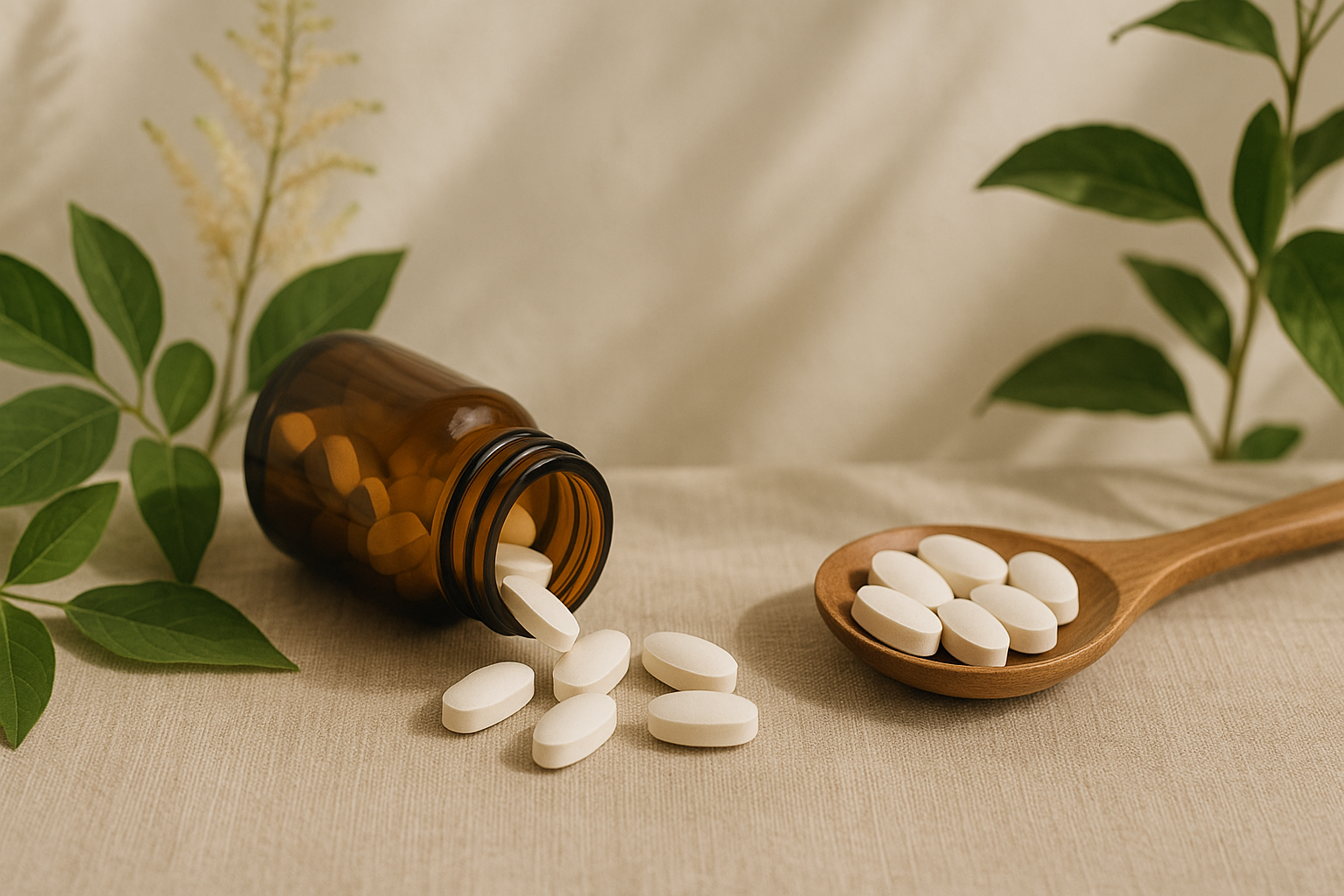
- Spirulina: Often found in powder form, tablets, or capsules.
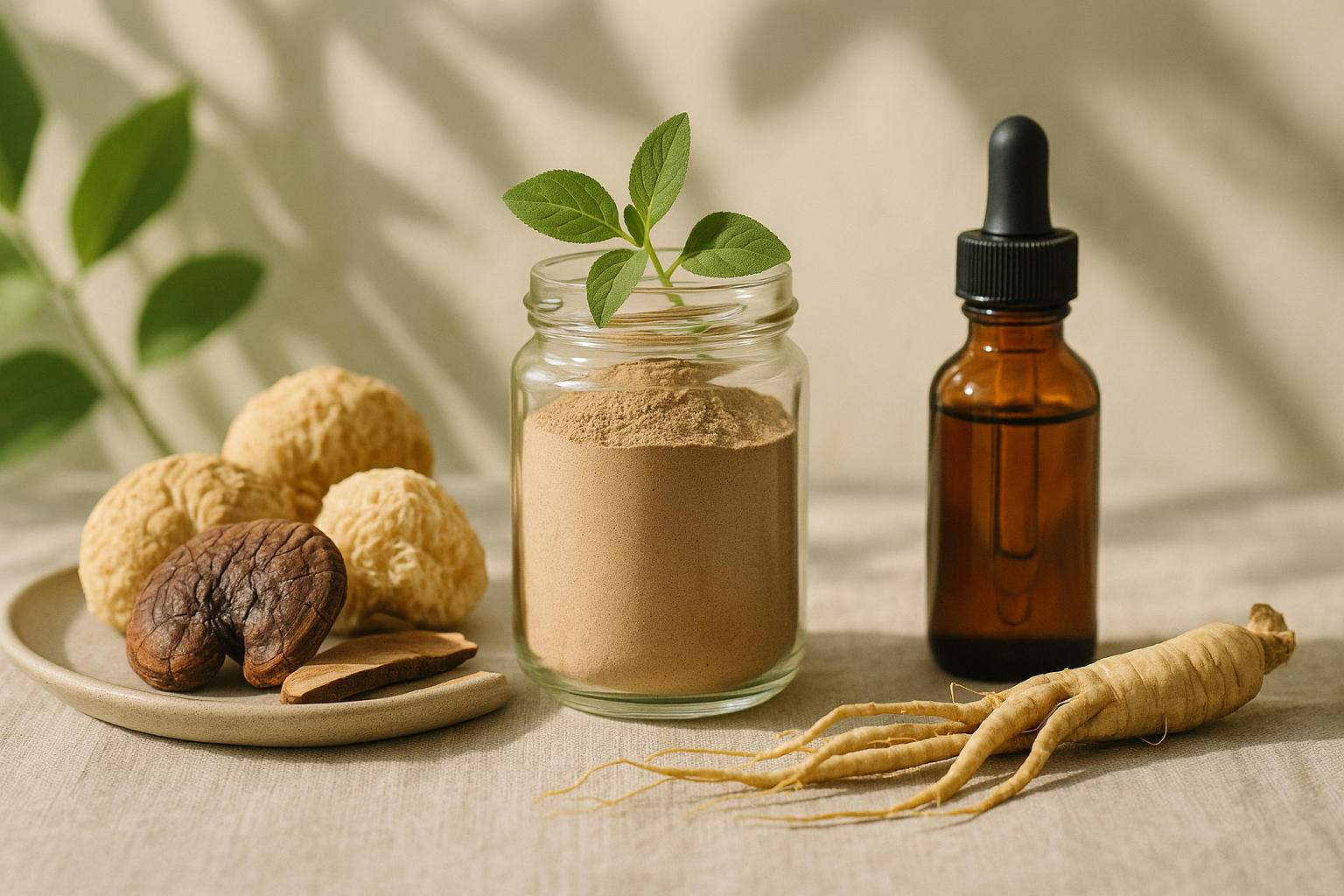
- Goji Berries: Available dried, in juice form, or as powder.
Educational dosing ranges include:
- Quinoa: 1 cup cooked per day.
- Spirulina: 1-3 grams per day, depending on the form.
- Goji Berries: 20-30 grams per day.
It is advisable to start with smaller doses and gradually increase as tolerated.
Safety, Contraindications & Interactions
While ancient superfoods are generally considered safe for most people, some precautions should be noted:
- Quinoa: May cause allergic reactions in sensitive individuals.
- Spirulina: Should be avoided by those with autoimmune diseases, as it may stimulate the immune system.
- Goji Berries: May interact with blood thinners and diabetes medications.
Always consult a healthcare provider before adding new supplements to your diet, especially if you are on medication.
Pairs Well With
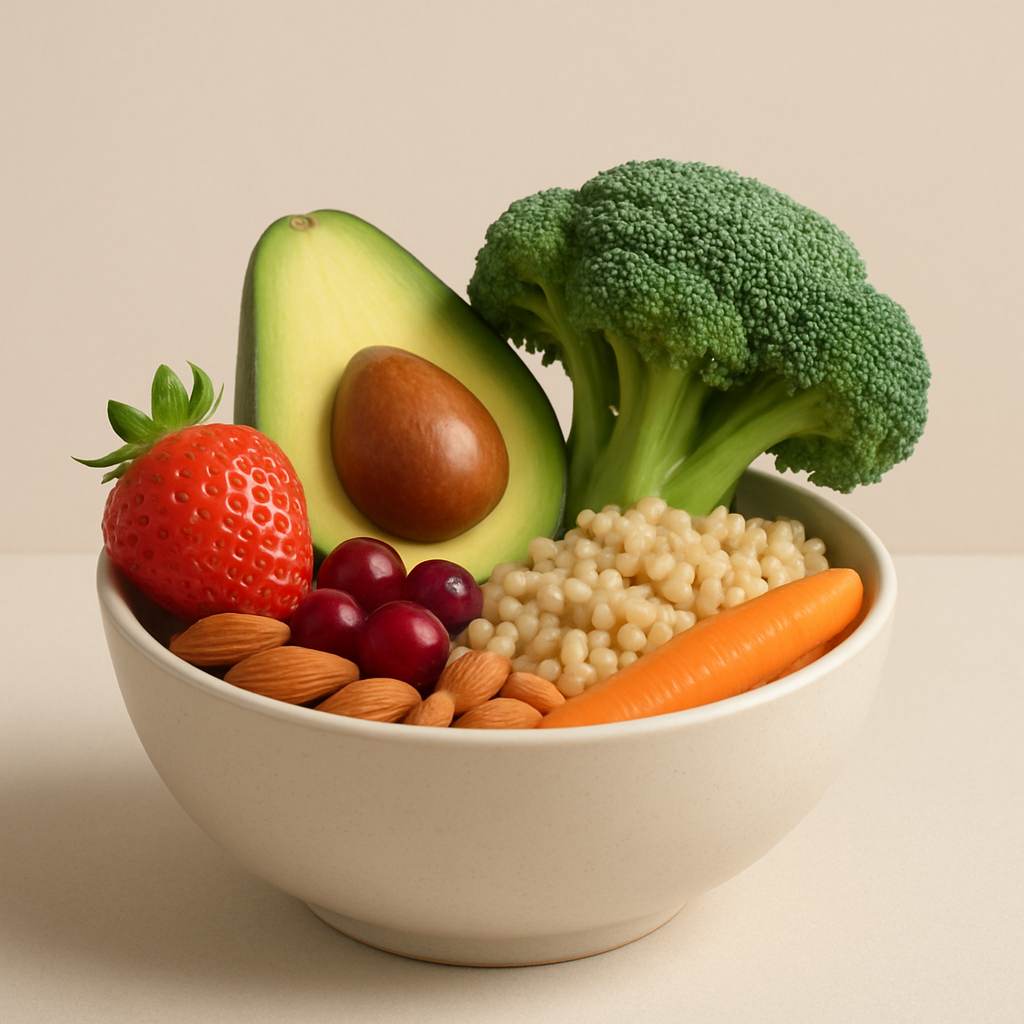
Ancient superfoods can be easily incorporated into various diets and pair well with:
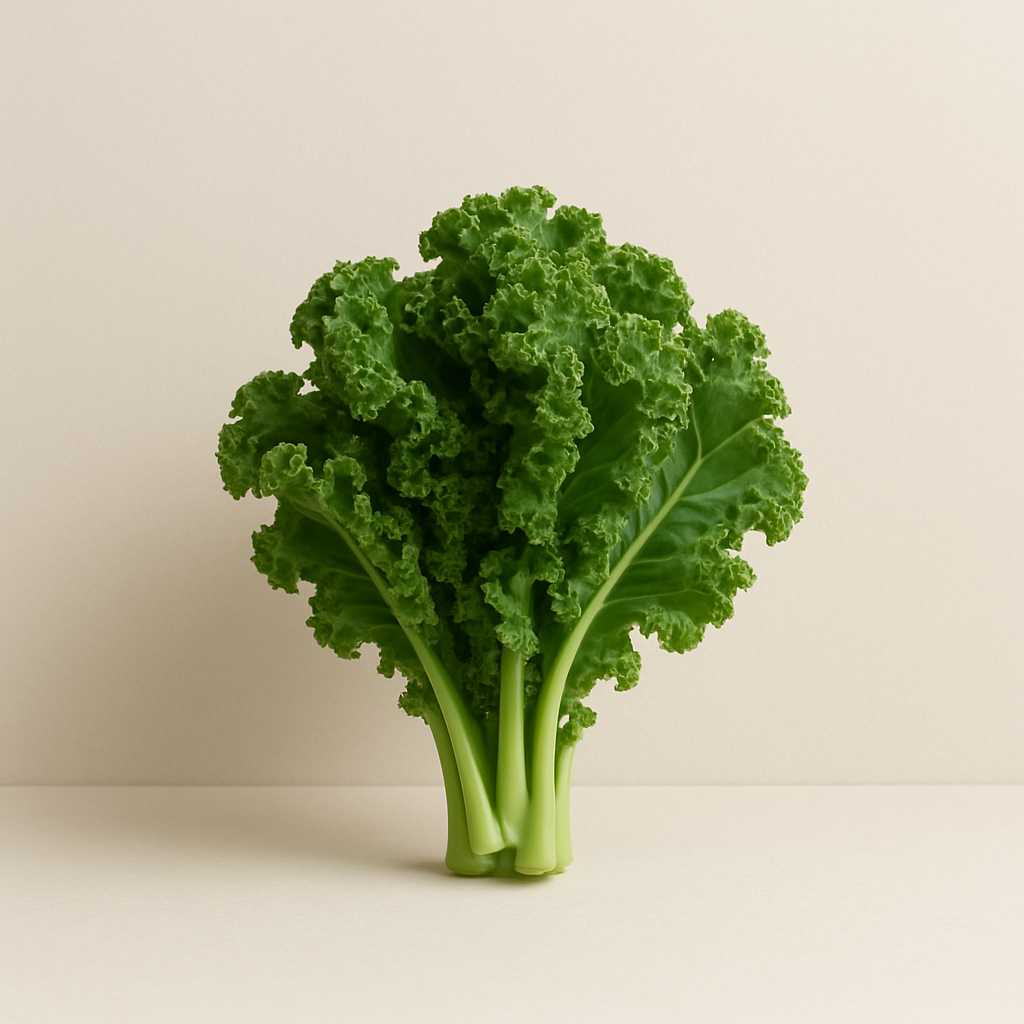
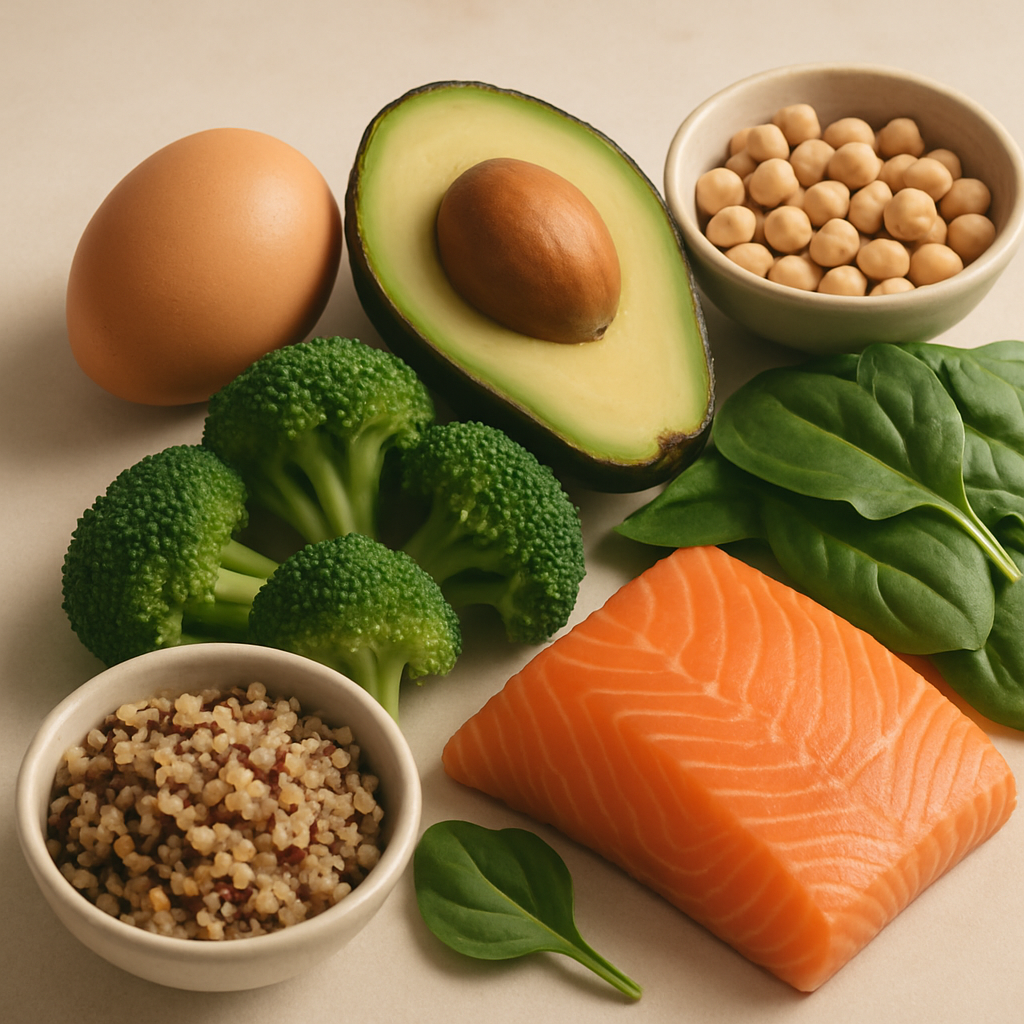
- Leafy greens for salads.
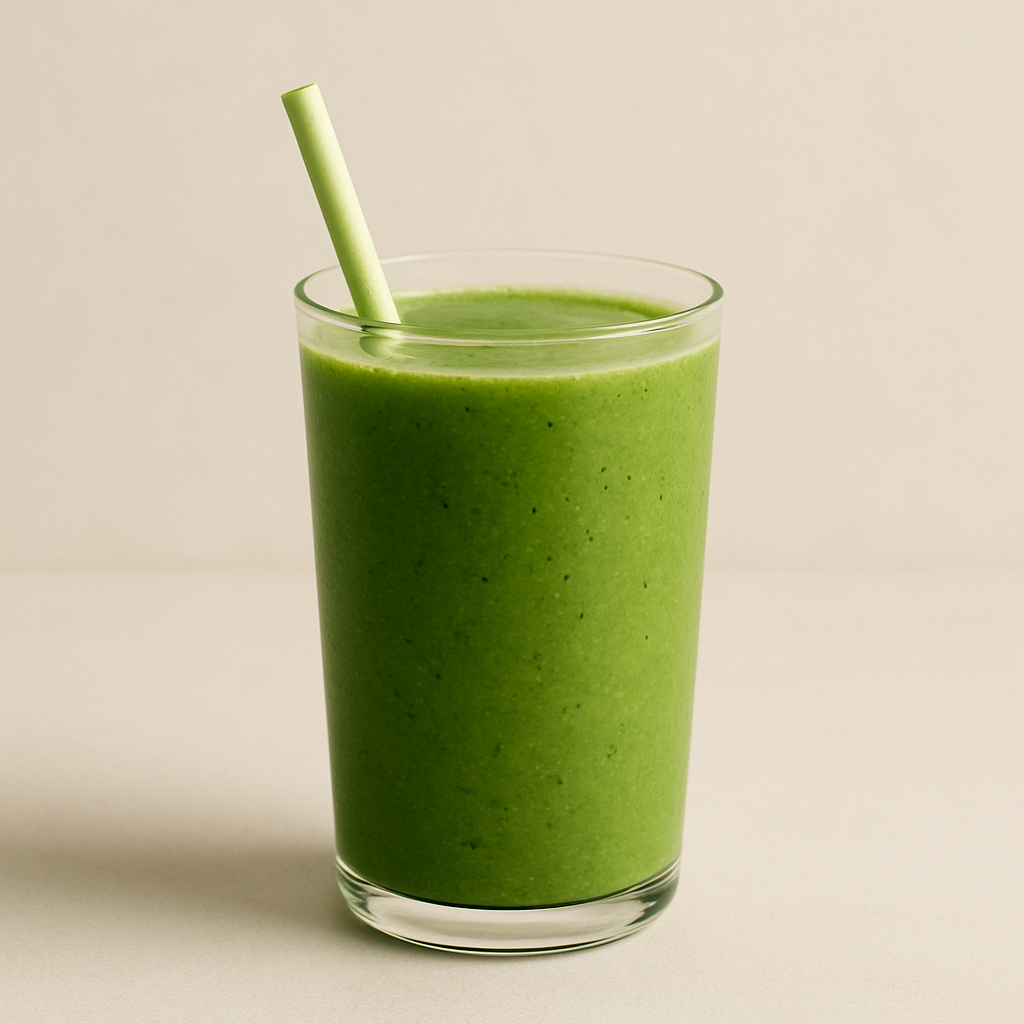
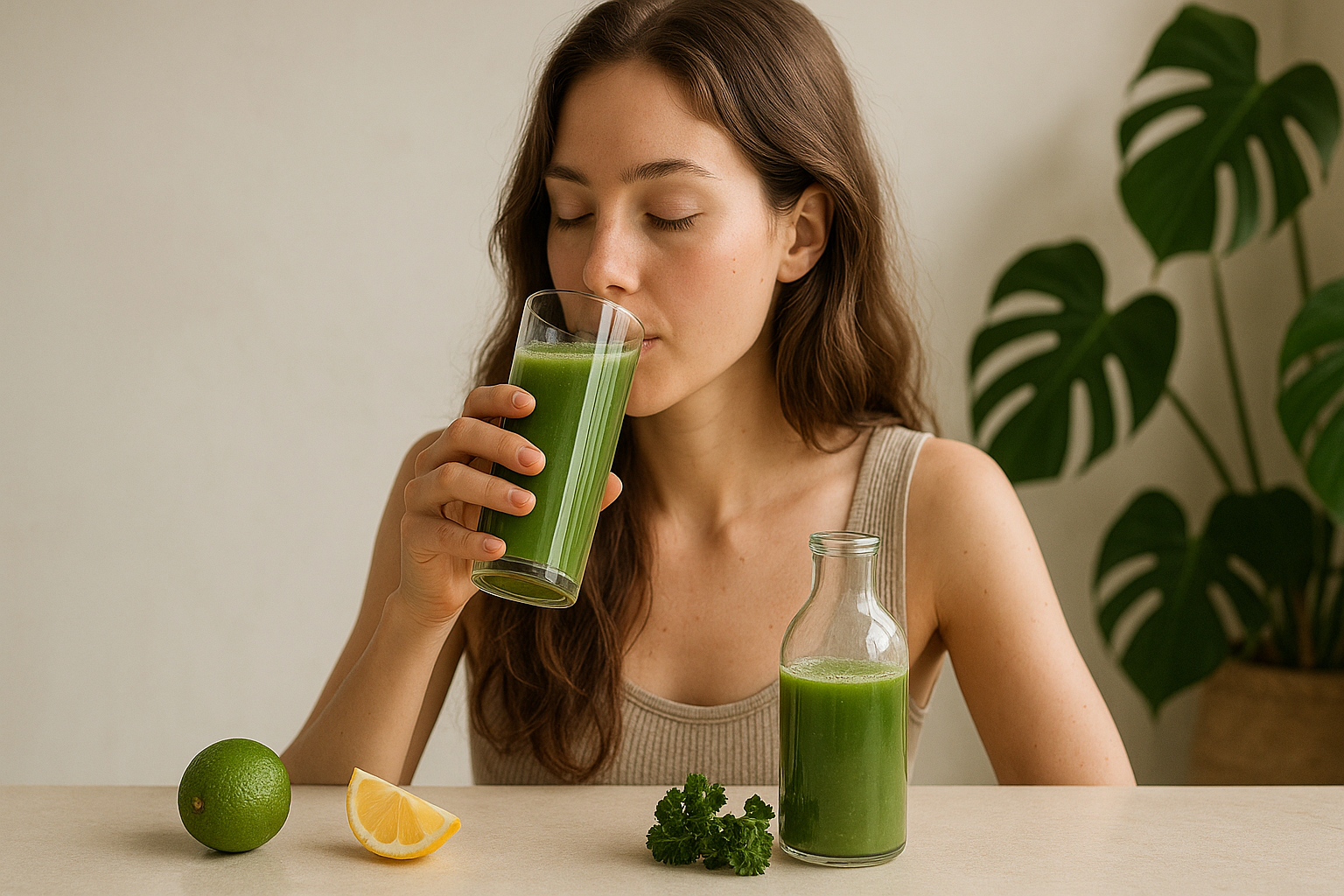
- Fruits for smoothies.
- Whole grains for balanced meals.
- Nuts and seeds for enhanced nutrition.
Combining these superfoods with other nutrient-dense foods can maximize their health benefits.
FAQs (5)
1. Are ancient superfoods safe for everyone?
While many are safe, it is essential to consider individual allergies and potential interactions with medications.
2. How can I incorporate ancient superfoods into my diet?
You can add them to smoothies, salads, and meals or consume them as snacks.
3. Can ancient superfoods help with weight loss?
They are nutrient-dense and may support weight management when incorporated into a balanced diet.
4. What is the best way to prepare quinoa?
Quinoa can be boiled in water or broth and served as a side dish, in salads, or as a base for various recipes.
5. Are there any side effects associated with spirulina?
Some individuals may experience mild digestive upset, and it should be avoided by those with certain health conditions.
Frequently asked
Are ancient superfoods safe for everyone?
While many are safe, it is essential to consider individual allergies and potential interactions with medications.
How can I incorporate ancient superfoods into my diet?
You can add them to smoothies, salads, and meals or consume them as snacks.
Can ancient superfoods help with weight loss?
They are nutrient-dense and may support weight management when incorporated into a balanced diet.
What is the best way to prepare quinoa?
Quinoa can be boiled in water or broth and served as a side dish, in salads, or as a base for various recipes.
Are there any side effects associated with spirulina?
Some individuals may experience mild digestive upset, and it should be avoided by those with certain health conditions.