Functional Foods
Learn about functional foods, their mechanisms, historical uses, modern research insights, and safety considerations.
Explore the world of functional foods, discovering their benefits, active compounds, traditional uses, and potential interactions.
What It Is
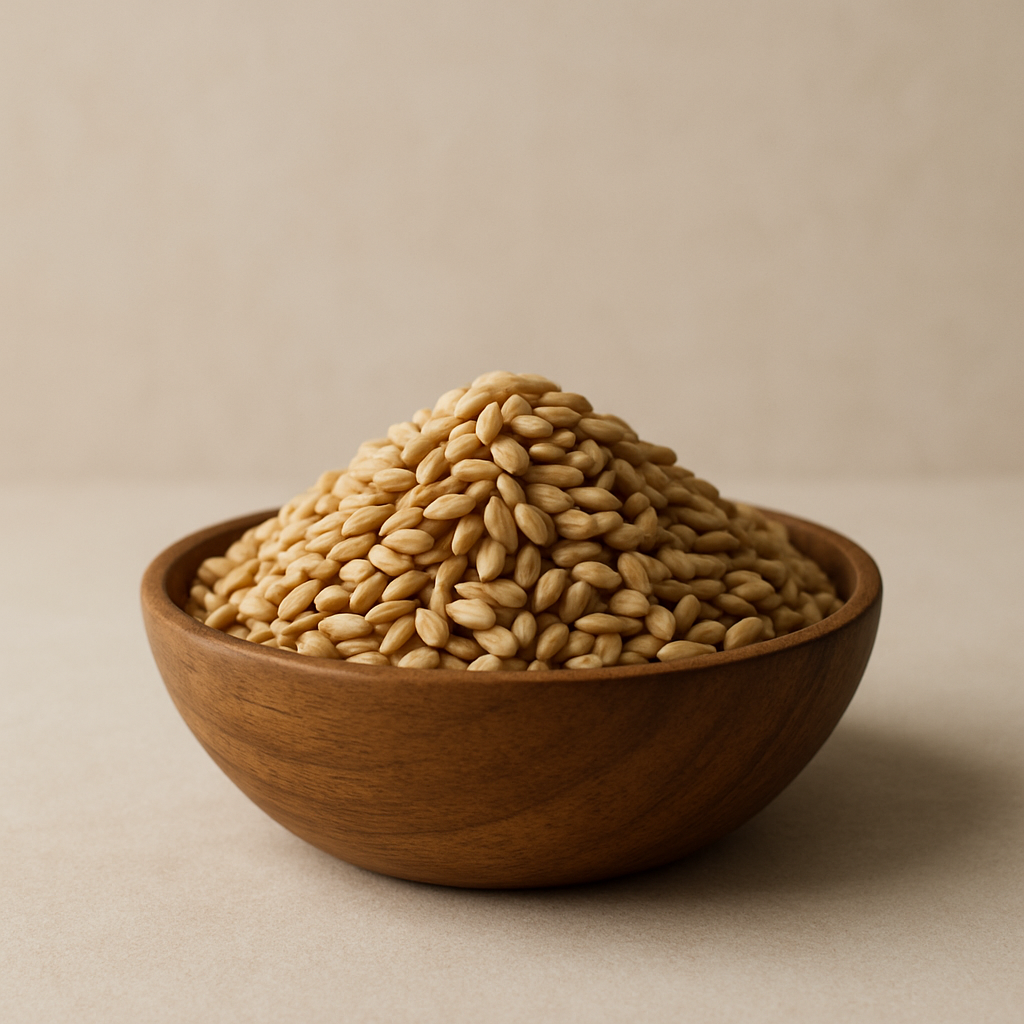
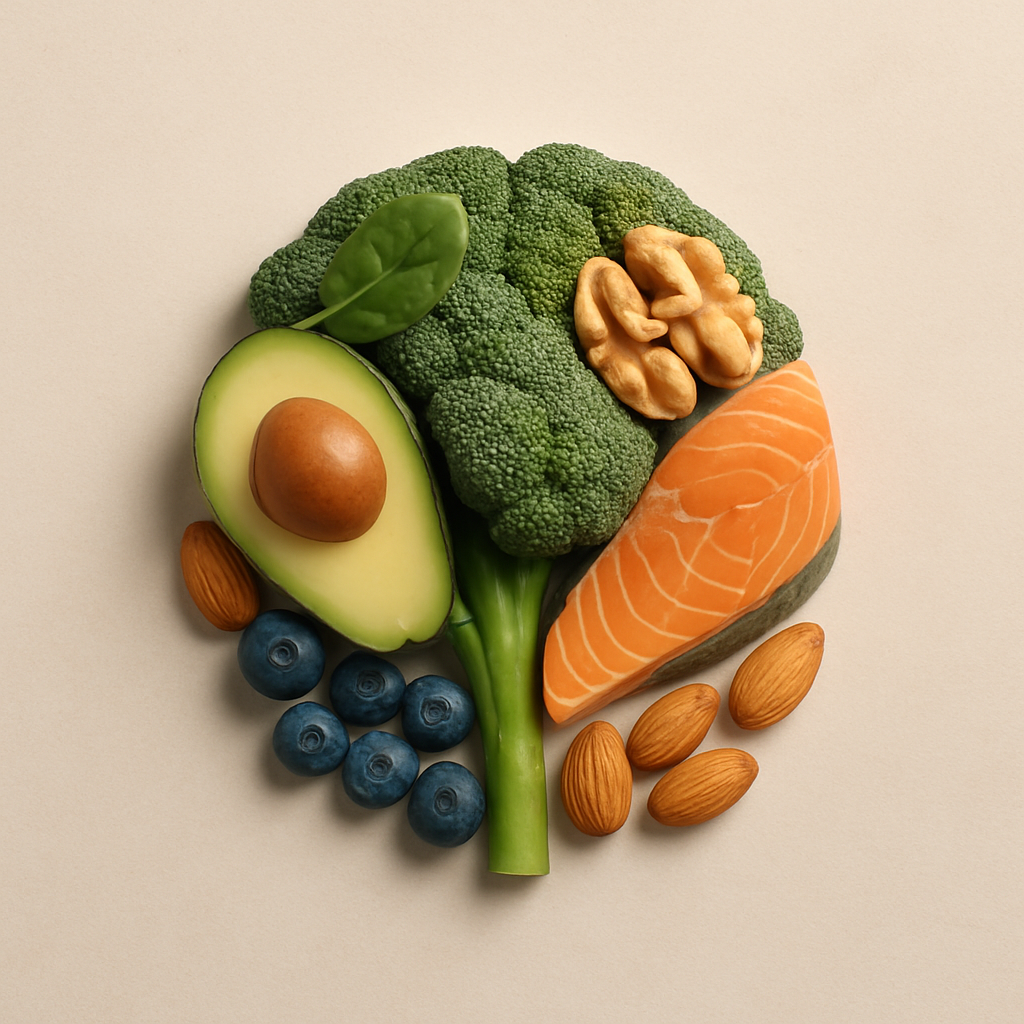
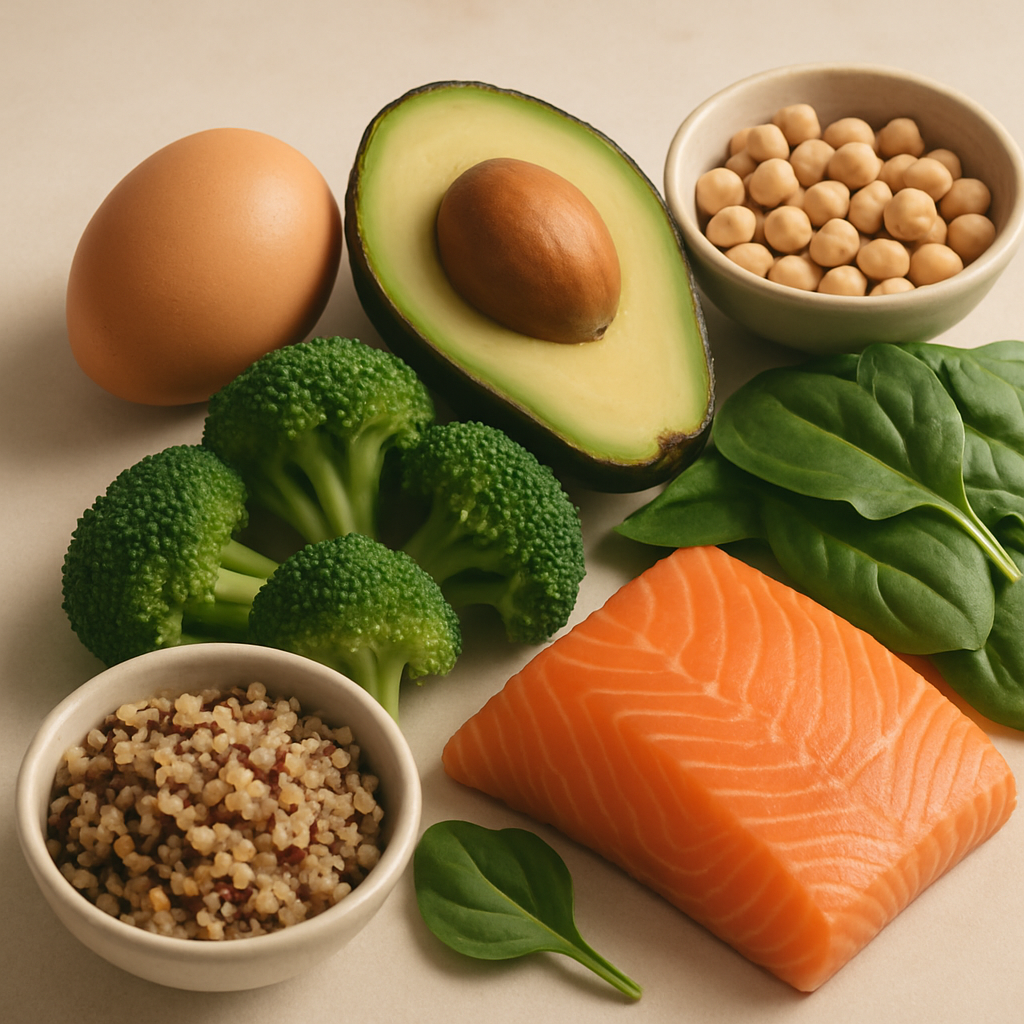
Functional foods are foods that have a beneficial effect on health beyond basic nutrition. They contain bioactive compounds that may promote health and reduce the risk of disease. Common examples include oats, berries, nuts, and fermented foods. These foods can be classified as whole foods or fortified foods, and they often contain active compounds that contribute to their health benefits.
Key Active Compounds & Mechanisms
Functional foods are rich in various bioactive compounds, each contributing to their potential health benefits. Some key active compounds include:
- Flavonoids: Found in fruits and vegetables, these compounds have antioxidant properties that may protect against chronic diseases.
- Omega-3 Fatty Acids: Present in fatty fish, flaxseeds, and walnuts, they support heart and brain health.
- Probiotics: Live bacteria found in fermented foods like yogurt and kefir, which promote gut health.
- Fiber: Found in whole grains, fruits, and vegetables, fiber aids digestion and can help lower cholesterol levels.
- Phenolic Compounds: Present in foods like berries, nuts, and spices, they exhibit anti-inflammatory and antioxidant effects.
Traditional Uses
Throughout history, various cultures have utilized functional foods for their health benefits. For instance:
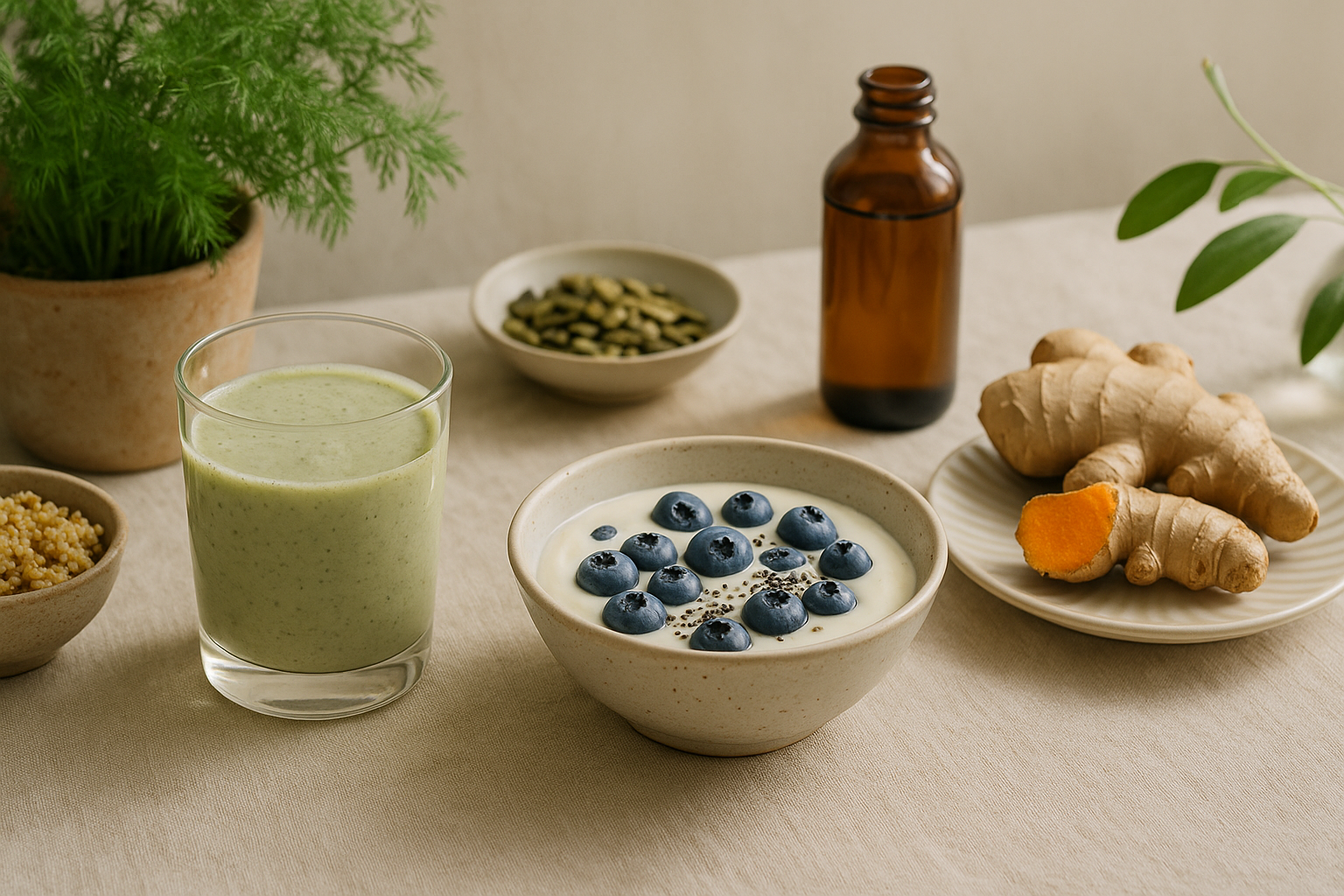
- Traditional Chinese Medicine has long used ginger (Zingiber officinale) for digestive health and reducing inflammation.
- In India, turmeric (Curcuma longa) has been valued for centuries for its anti-inflammatory and antioxidant properties.
- Native American cultures have used blueberries (Vaccinium spp.) for their health benefits, particularly for urinary tract health.
- The Mediterranean diet emphasizes the consumption of olive oil (Olea europaea), known for its heart-health benefits.
What Modern Research Suggests
Modern research is beginning to validate many of the traditional uses of functional foods. Preliminary studies and clinical trials suggest that:
- Probiotics may help improve gut health and boost the immune system.
- Omega-3 fatty acids can reduce inflammation and lower the risk of heart disease.
- Flavonoids may contribute to improved cognitive function and reduced risk of neurodegenerative diseases.
- Regular consumption of whole grains is associated with lower risks of type 2 diabetes and cardiovascular diseases.
Functional Actions
Functional foods exhibit various actions that contribute to health benefits, including:
- Antioxidant: Protects cells from oxidative stress and damage.
- Anti-inflammatory: Reduces inflammation, which is linked to many chronic diseases.
- Digestive Health: Supports healthy digestion and gut flora.
- Heart Health: Promotes cardiovascular health by lowering cholesterol and blood pressure.
- Weight Management: Aids in maintaining a healthy weight through satiation and metabolism support.
Body Systems Supported
Functional foods can support various body systems, including:
- Digestive System: Through high fiber content and probiotics.
- Immune System: By enhancing gut health and providing antioxidants.
- Cardiovascular System: Via omega-3 fatty acids and fiber, which promote heart health.
- Nervous System: Through compounds that support cognitive function and mental health.
- Musculoskeletal System: By providing anti-inflammatory benefits that may help with joint health.
Common Forms & Educational Dosing Ranges
Functional foods can be consumed in various forms, including:
- Whole Foods: Fresh fruits, vegetables, whole grains, and nuts.
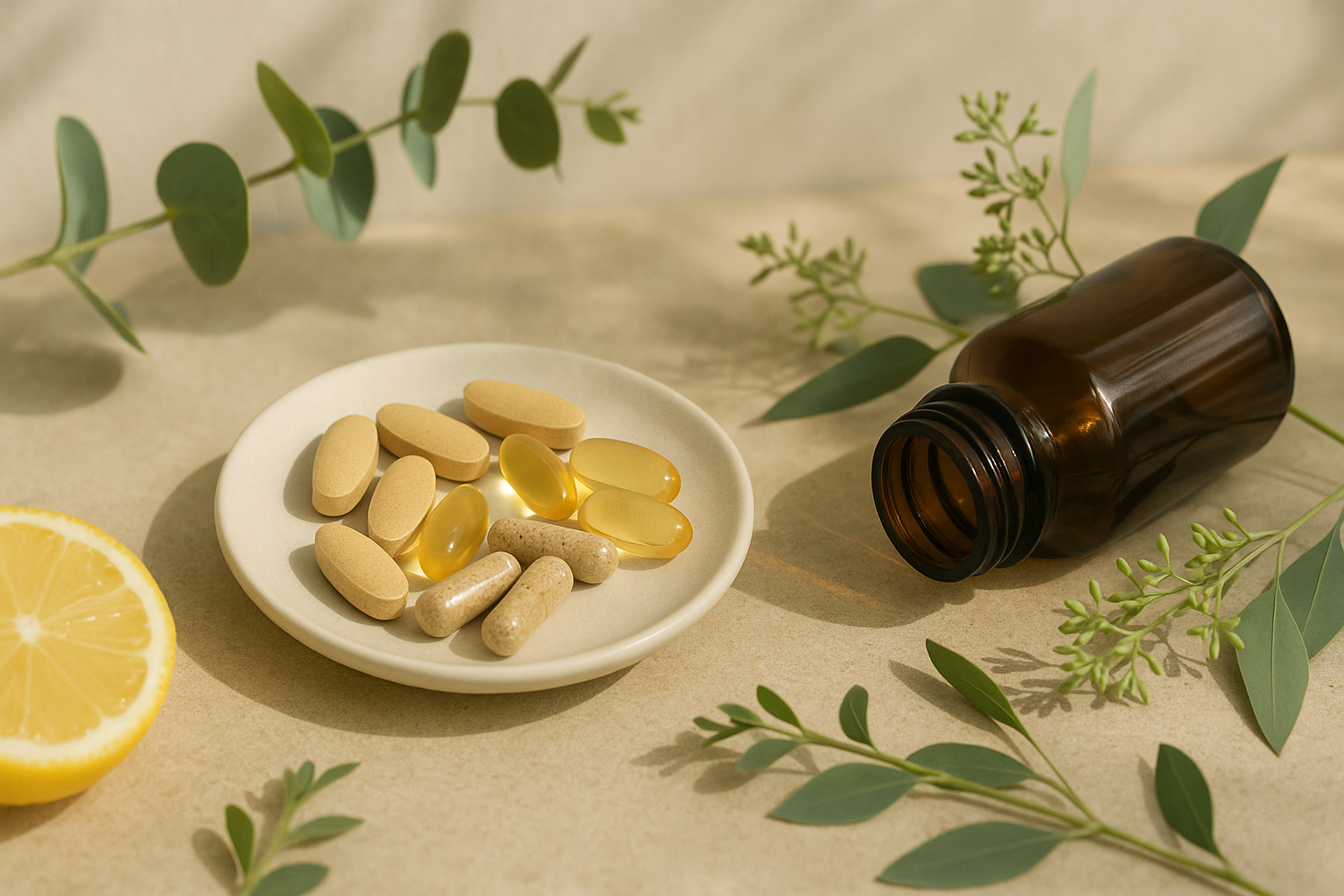
- Supplements: Capsules or powders containing specific compounds like omega-3s or probiotics.
- Fortified Foods: Foods enhanced with additional nutrients, such as calcium-fortified orange juice.
- Fermented Foods: Yogurt, kefir, kimchi, and sauerkraut that contain live beneficial bacteria.
While there are no strict dosing guidelines for functional foods, incorporating a variety of these foods into a balanced diet is generally recommended.
Safety, Contraindications & Interactions
While functional foods are generally safe for most people, there are certain considerations to keep in mind:
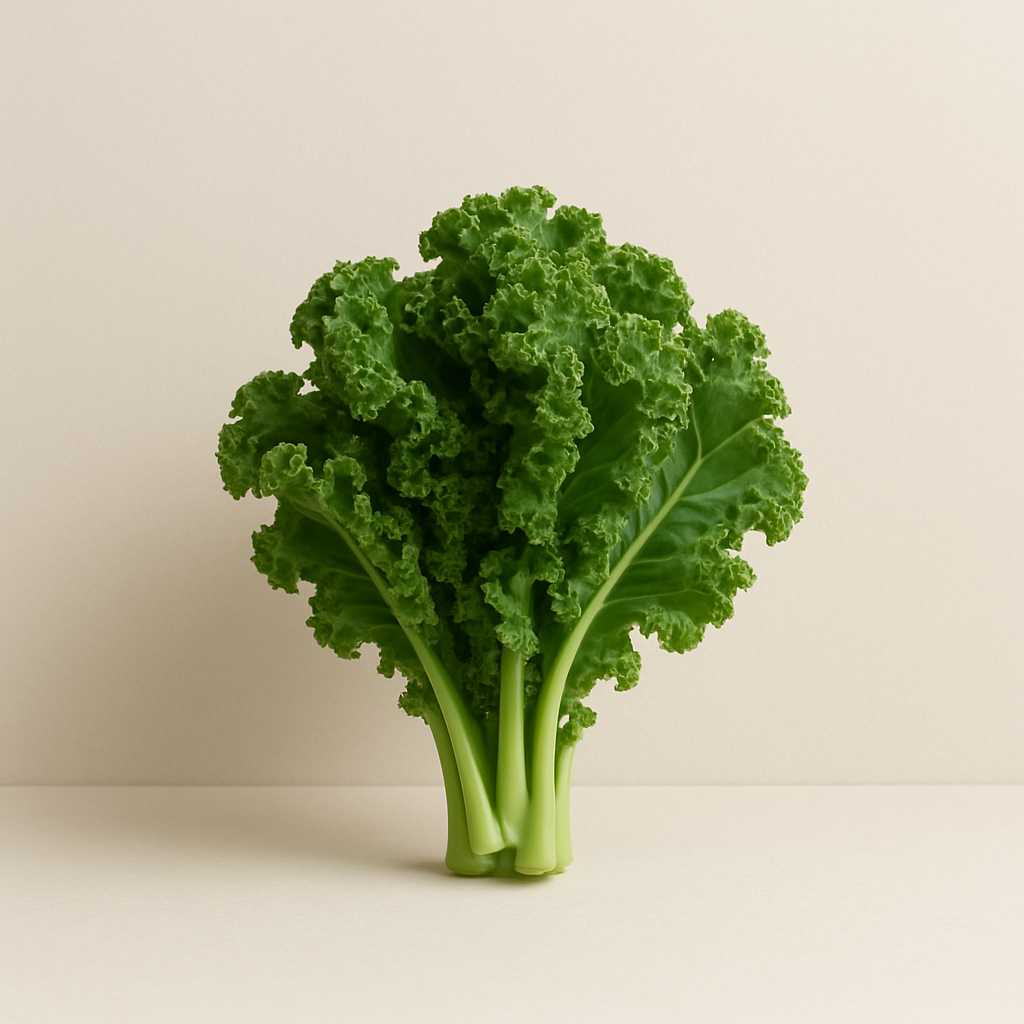
- Individuals taking blood thinners should consult a healthcare provider before increasing intake of vitamin K-rich foods like leafy greens.
- People with allergies should be cautious with foods like nuts and shellfish.
- Those with lactose intolerance should choose lactose-free dairy products or plant-based alternatives.
- Some probiotics may interact with immunosuppressive medications; consultation with a healthcare provider is advisable.
Pairs Well With
Functional foods can be combined to enhance their health benefits. For example:
- Oatmeal topped with berries provides a fiber-rich breakfast with antioxidants.
- Salmon paired with leafy greens offers omega-3s and essential vitamins.
- Yogurt with honey and nuts creates a probiotic-rich snack.
- Turmeric added to smoothies or soups enhances anti-inflammatory properties.
FAQs (5)
- What are functional foods? Functional foods are foods that provide health benefits beyond basic nutrition.
- How can I incorporate functional foods into my diet? Include a variety of fruits, vegetables, whole grains, and fermented foods in your meals.
- Are functional foods safe for everyone? Generally, yes, but individuals with specific health conditions should consult a healthcare provider.
- Can functional foods prevent diseases? While they may reduce risk factors, they should not replace medical treatments.
- What is the best way to consume functional foods? Aim for a balanced diet rich in a diversity of whole foods for optimal benefits.
Frequently asked
What are functional foods?
Functional foods are foods that provide health benefits beyond basic nutrition.
How can I incorporate functional foods into my diet?
Include a variety of fruits, vegetables, whole grains, and fermented foods in your meals.
Are functional foods safe for everyone?
Generally, yes, but individuals with specific health conditions should consult a healthcare provider.
Can functional foods prevent diseases?
While they may reduce risk factors, they should not replace medical treatments.
What is the best way to consume functional foods?
Aim for a balanced diet rich in a diversity of whole foods for optimal benefits.