Digestive Foods
Discover the power of digestive foods as superfoods, their health benefits, traditional uses, and modern research insights.
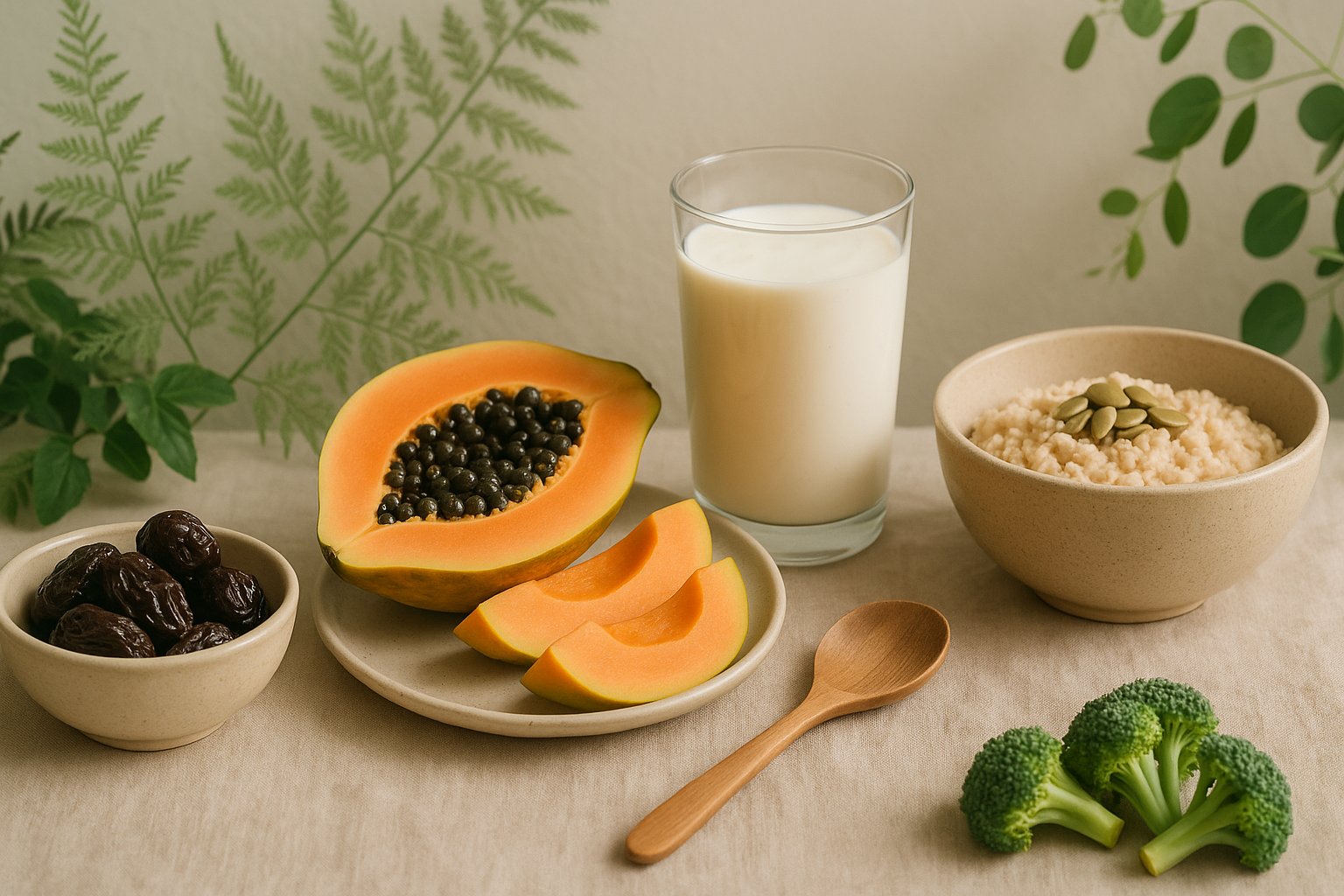
This page explores the world of digestive superfoods, detailing their benefits, traditional uses, modern research, and safe usage guidelines.
What It Is
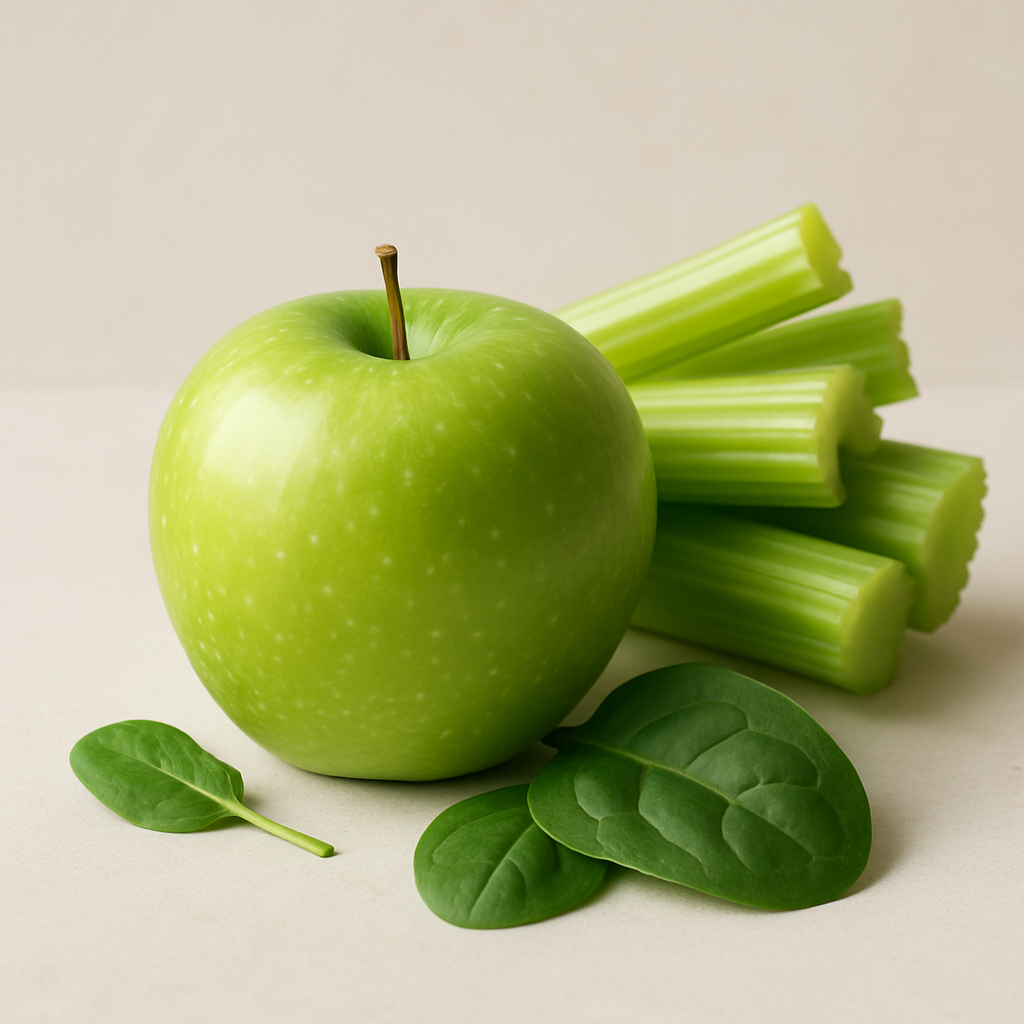
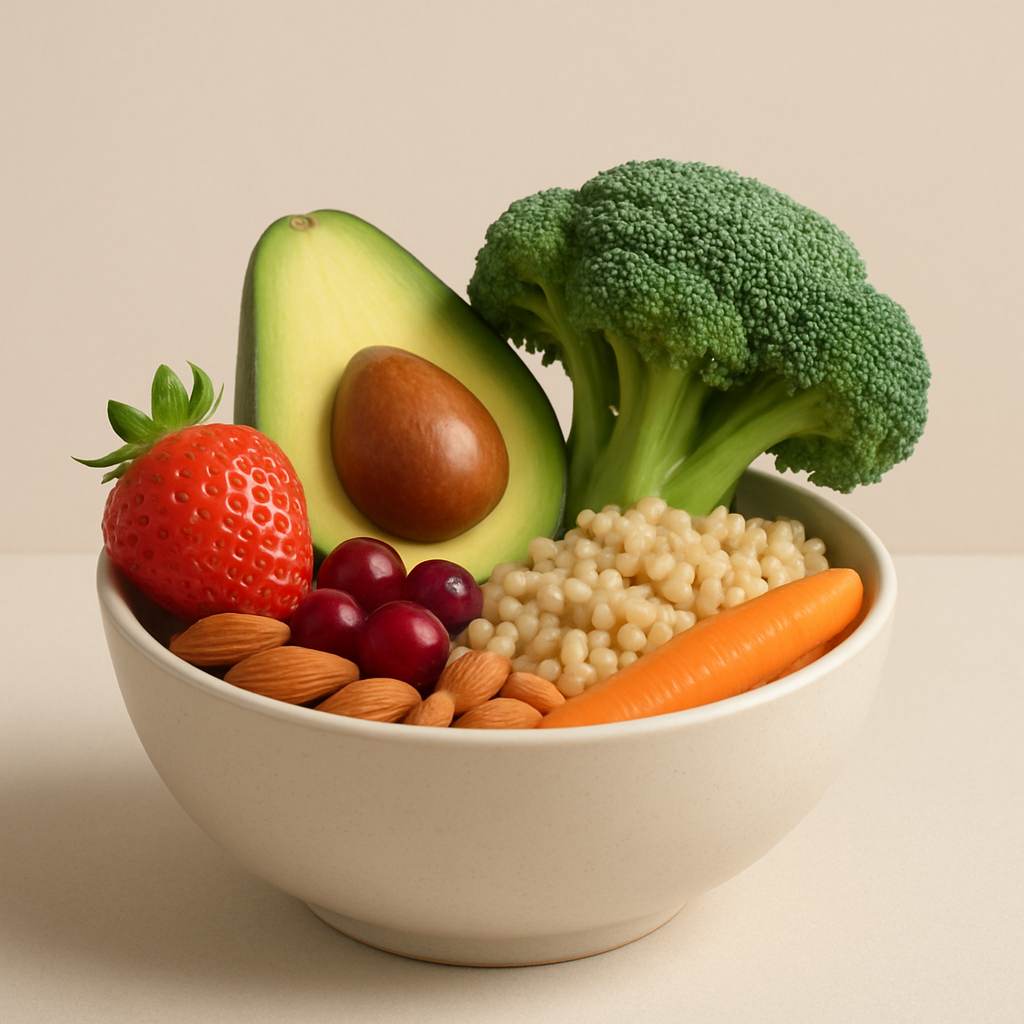
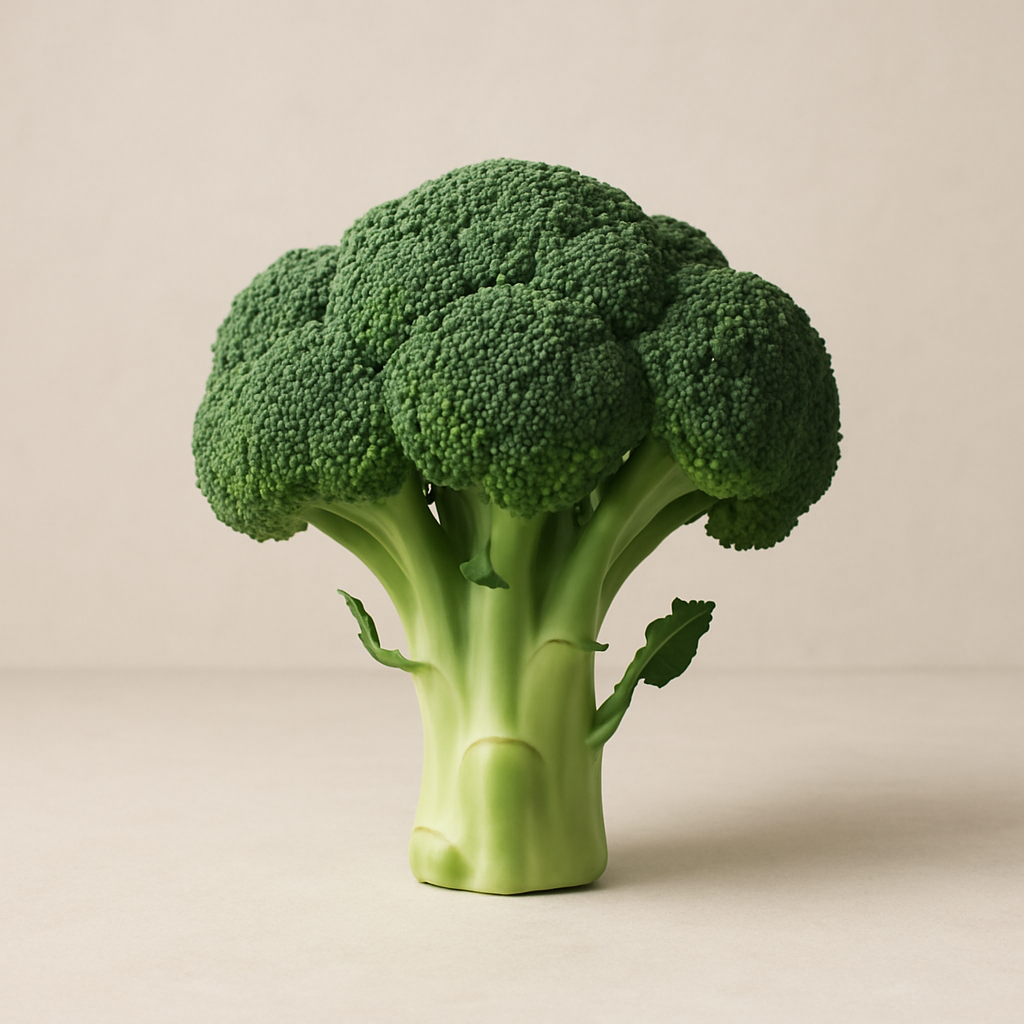
Digestive foods are natural substances that support the digestive system and promote overall gastrointestinal health. These foods often contain specific compounds that enhance digestion, improve nutrient absorption, and maintain a balanced gut microbiome. Common examples of digestive foods include fermented products like yogurt (Lactobacillus bulgaricus) and kefir (Kefir grains), along with fiber-rich fruits and vegetables such as apples (Malus domestica) and broccoli (Brassica oleracea var. italica).
Key Active Compounds & Mechanisms
Digestive foods are rich in several key compounds that contribute to their beneficial effects:
- Probiotics: Live bacteria that support gut health and improve digestion by restoring the natural balance of bacteria in the gut.
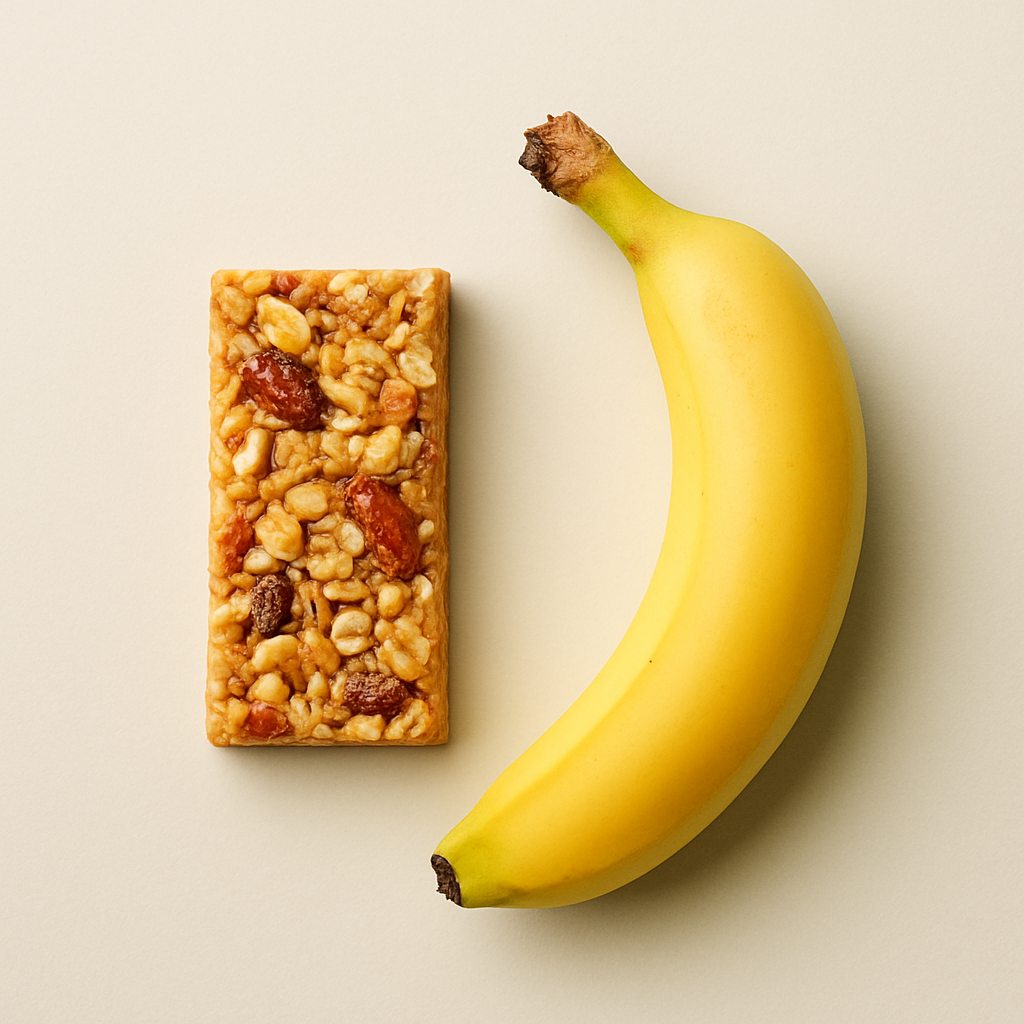
- Prebiotics: Non-digestible fibers found in foods like bananas (Musa spp.) and asparagus (Asparagus officinalis) that nourish beneficial gut bacteria.
- Digestive Enzymes: Natural enzymes that aid in the breakdown of food, found in foods like pineapples (Ananas comosus) and papayas (Carica papaya).
- Fiber: Essential for regular bowel movements and overall gut health, found abundantly in whole grains, fruits, and vegetables.
Traditional Uses
Throughout history, various cultures have utilized specific foods to enhance digestion. For instance:
- In traditional Chinese medicine, ginger (Zingiber officinale) has been used to alleviate digestive issues and promote stomach health.
- In Ayurvedic practices, spices like cumin (Cuminum cyminum) and coriander (Coriandrum sativum) have been employed to aid digestion and stimulate appetite.
- The use of fermented foods, such as sauerkraut and kimchi, dates back centuries in many cultures for their digestive benefits.
What Modern Research Suggests
Modern studies support many traditional uses of digestive foods, highlighting their benefits:
- Research has shown that probiotics can help manage symptoms of irritable bowel syndrome (IBS) and improve gut health.
- Studies indicate that prebiotics can enhance the growth of beneficial bacteria and improve digestive function.
- Clinical trials have found that fiber-rich diets are associated with reduced risk of digestive disorders.
Functional Actions
The functional actions of digestive foods include:
- Improving gut flora balance through the introduction of probiotics.
- Enhancing nutrient absorption by breaking down complex food particles.
- Regulating bowel movements and alleviating constipation through adequate fiber intake.
- Reducing bloating and discomfort by promoting efficient digestion.
Body Systems Supported
Digestive foods primarily support the following body systems:
- Digestive System: They enhance digestion and nutrient absorption.
- Immune System: A healthy gut microbiome supports overall immunity.
- Metabolic System: Efficient digestion aids metabolic processes and weight management.
Common Forms & Educational Dosing Ranges
Digestive foods can be consumed in various forms:
- Yogurt: 1 cup daily for probiotic benefits.
- Kefir: 1 cup daily to support gut health.
- Fiber supplements: 25-30 grams of fiber daily from food sources or supplements.
- Fermented vegetables: 1-2 servings per day for digestive support.
Safety, Contraindications & Interactions
While digestive foods are generally safe, there are some considerations:
- Individuals with lactose intolerance should avoid dairy-based probiotics.
- Excessive fiber intake can lead to gastrointestinal discomfort; gradually increase fiber in the diet.
- Probiotics may interact with immunosuppressive medications; consult a healthcare provider if taking such medications.
Pairs Well With
Digestive foods can be paired with various ingredients for enhanced benefits:
- Fruits: Pair yogurt with berries for a fiber and probiotic-rich snack.
- Herbs and Spices: Combine ginger or mint (Mentha spp.) with meals to aid digestion.
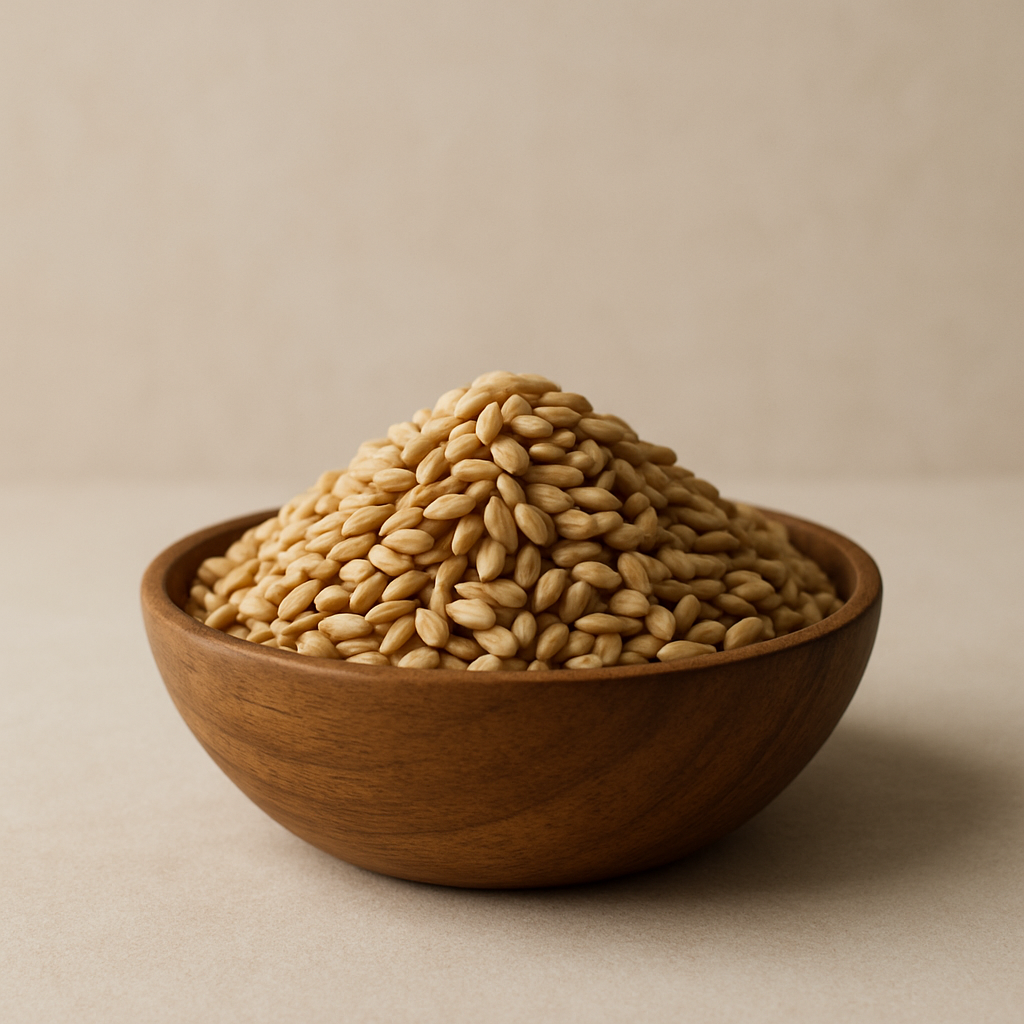
- Whole Grains: Incorporate oats (Avena sativa) or brown rice (Oryza sativa) for added fiber.
FAQs (5)
- What are digestive foods? Digestive foods are natural substances that promote gut health and improve digestion.
- How do probiotics work? Probiotics restore the natural balance of gut bacteria, aiding digestion and overall health.
- Can I get enough fiber from my diet? Yes, consuming a variety of fruits, vegetables, and whole grains typically provides adequate fiber.
- Are fermented foods safe for everyone? Most people can safely consume fermented foods, but those with certain health conditions should consult a healthcare provider.
- How can I improve my digestion naturally? Incorporate digestive foods, stay hydrated, and maintain a balanced diet rich in fiber.
Frequently asked
What are digestive foods?
Digestive foods are natural substances that promote gut health and improve digestion.
How do probiotics work?
Probiotics restore the natural balance of gut bacteria, aiding digestion and overall health.
Can I get enough fiber from my diet?
Yes, consuming a variety of fruits, vegetables, and whole grains typically provides adequate fiber.
Are fermented foods safe for everyone?
Most people can safely consume fermented foods, but those with certain health conditions should consult a healthcare provider.
How can I improve my digestion naturally?
Incorporate digestive foods, stay hydrated, and maintain a balanced diet rich in fiber.