Antioxidant Foods
Learn about antioxidant foods, their key compounds, historical uses, modern research, and practical ways to incorporate them into your diet.
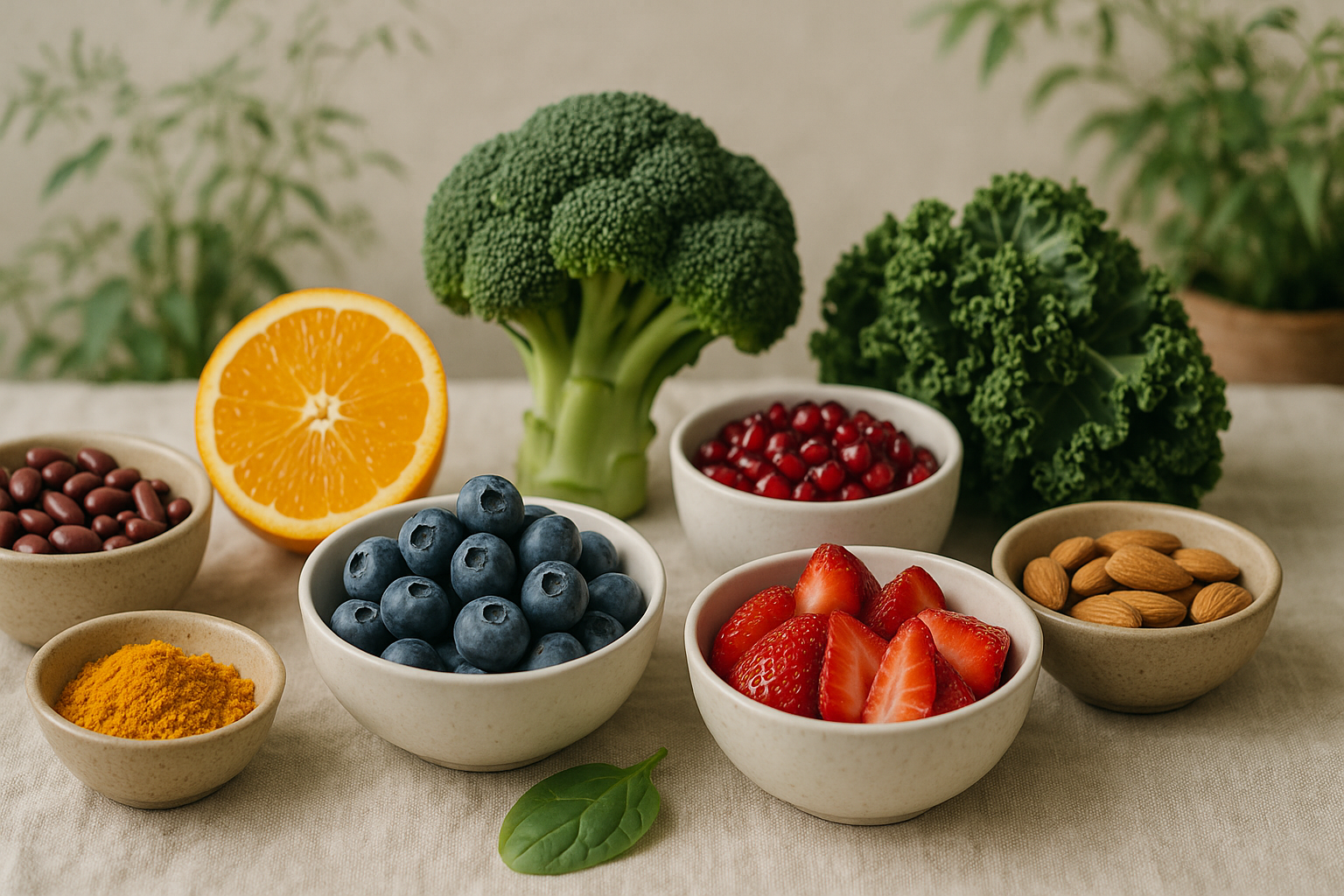
Explore the world of antioxidant foods, their benefits, and how they support overall health. Discover traditional uses, modern research, and practical tips for incorporating these superfoods into your diet.
What It Is
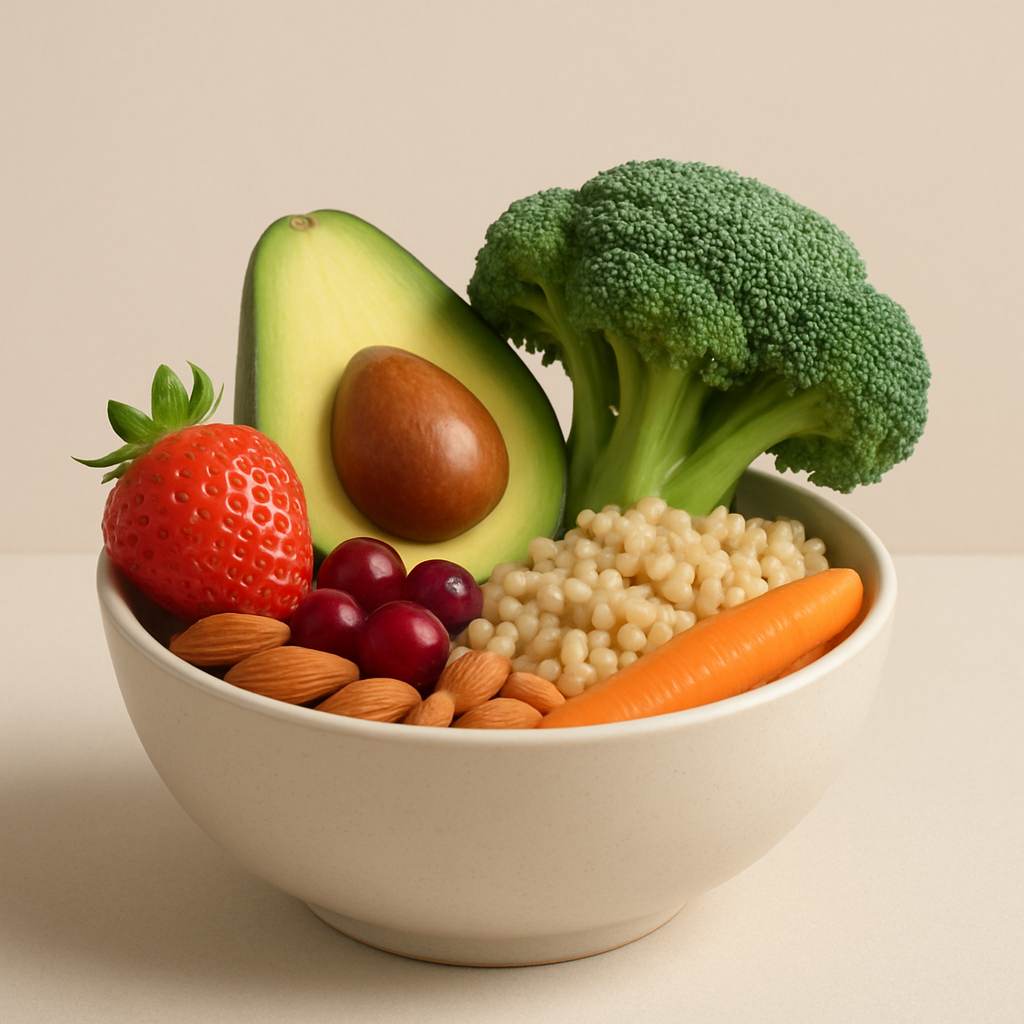
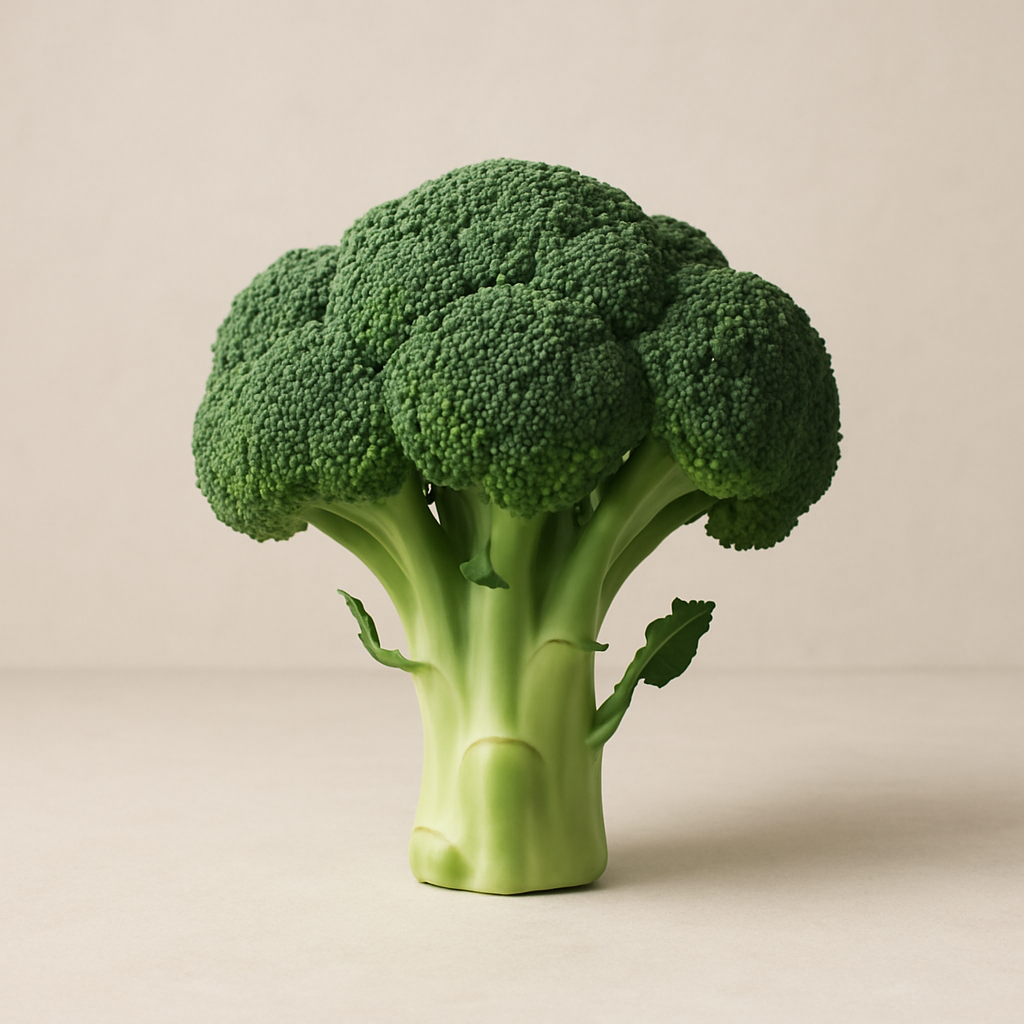
Antioxidant foods are rich in compounds that help neutralize free radicals in the body, which can cause oxidative stress and damage to cells. These foods are typically derived from plants and are known for their health-promoting properties. Common examples include fruits, vegetables, nuts, seeds, and spices. Some of the most well-known antioxidant-rich foods include berries (such as blueberries and raspberries), dark chocolate (Theobroma cacao), green tea (Camellia sinensis), and a variety of colorful vegetables.
Key Active Compounds & Mechanisms
The key active compounds in antioxidant foods include:
- Flavonoids: Found in fruits, vegetables, and beverages like tea, flavonoids are known for their ability to scavenge free radicals.
- Vitamins: Vitamins C (ascorbic acid) and E (tocopherol) are potent antioxidants that help protect cell membranes from oxidative damage.
- Carotenoids: These pigments found in carrots, sweet potatoes, and spinach are effective at neutralizing free radicals and supporting eye health.
- Selenium: An essential mineral that plays a critical role in antioxidant enzyme function.
These compounds work synergistically to enhance the body’s defenses against oxidative stress, thereby contributing to overall health and well-being.
Traditional Uses
Historically, antioxidant-rich foods have been utilized in various cultures for their health benefits. For example, the use of turmeric (Curcuma longa) in Ayurvedic medicine highlights its anti-inflammatory and antioxidant properties. In traditional Chinese medicine, goji berries (Lycium barbarum) are celebrated for their supposed longevity and vitality benefits. Ancient cultures often recognized the power of natural foods, using them not only for nutrition but also for their healing properties.
What Modern Research Suggests
Modern research has begun to validate many of the traditional uses of antioxidant foods. Studies have indicated that diets rich in antioxidants may help reduce the risk of chronic diseases such as heart disease, certain cancers, and neurodegenerative disorders. However, while there is promising evidence, it is important to note that research is ongoing and results can vary. Consuming a variety of antioxidant-rich foods is generally encouraged for optimal health.
Functional Actions
The functional actions of antioxidant foods include:
- Neutralizing free radicals to reduce oxidative stress.
- Supporting immune function by enhancing the body's natural defenses.
- Promoting skin health by protecting against UV damage and aging.
- Improving cardiovascular health by reducing inflammation and improving endothelial function.
These actions contribute to the overall health benefits of including these foods in your diet.
Body Systems Supported
Antioxidant foods support various body systems, including:
- Immune System: Enhanced immune response due to improved cellular health.
- Cardiovascular System: Reduced risk factors for heart disease, including cholesterol levels and blood pressure.
- Neurological System: Potential protective effects against cognitive decline and neurodegenerative diseases.
- Integumentary System: Improved skin health and reduced signs of aging.
Common Forms & Educational Dosing Ranges
Antioxidant foods can be consumed in various forms, including:
- Fresh fruits and vegetables
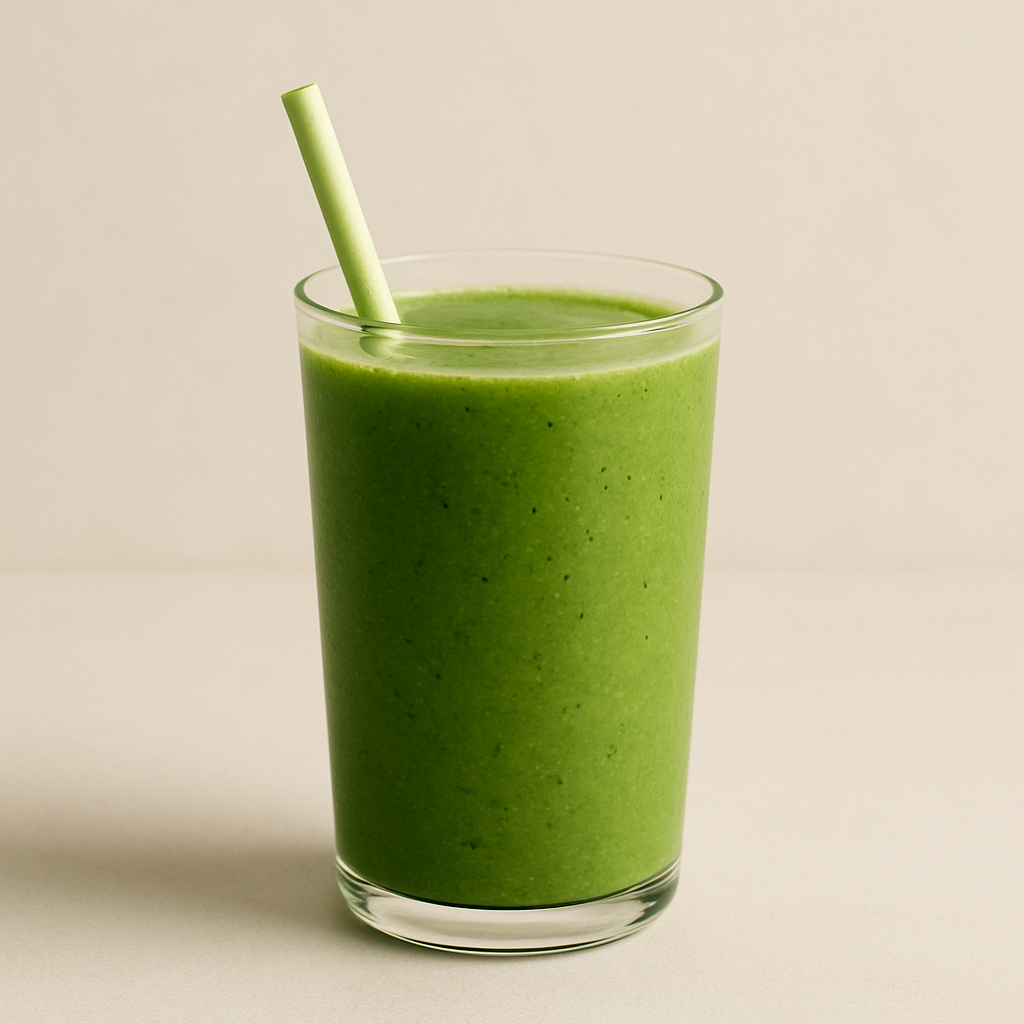
- Juices and smoothies
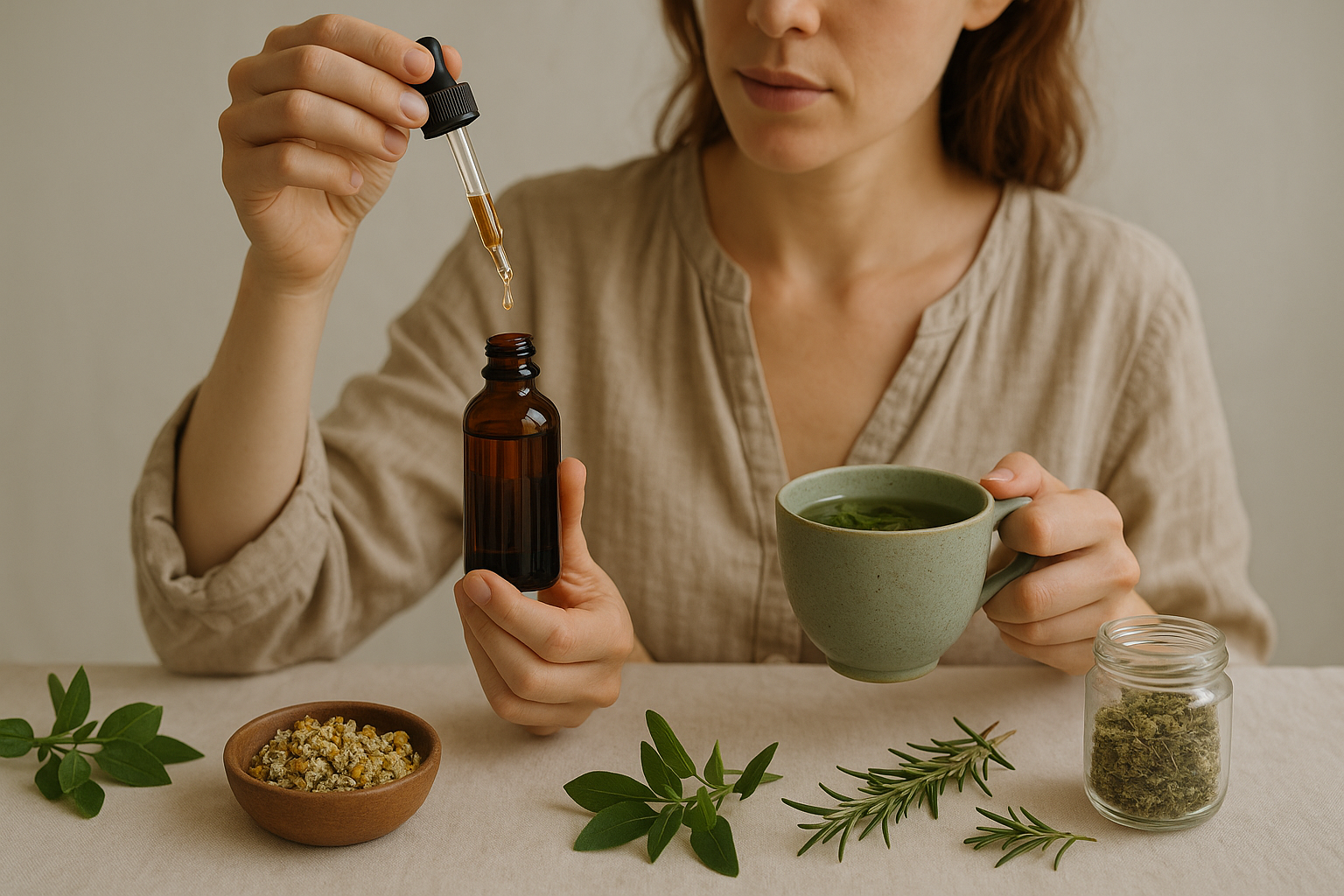
- Herbal teas
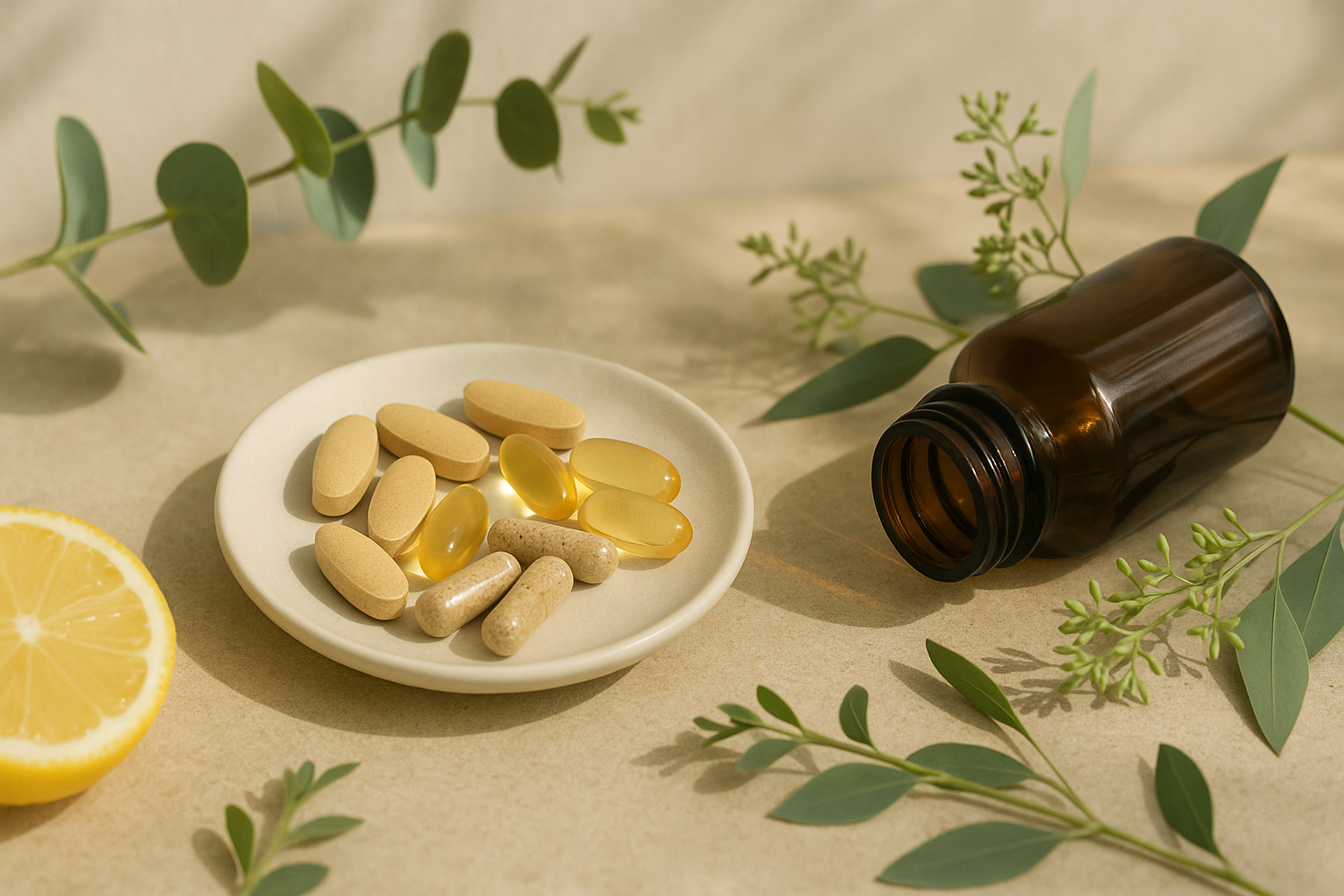
- Supplements (e.g., vitamin C, vitamin E, and selenium)
While whole foods are preferred, supplements may be beneficial in certain situations. It is recommended to consume a balanced diet rich in fruits and vegetables to achieve optimal antioxidant levels. Educational dosing ranges for supplements can vary, and it is best to consult with a health professional for personalized advice.
Safety, Contraindications & Interactions
While antioxidant foods are generally safe for most individuals, there are some considerations to keep in mind:
- High doses of vitamin E supplements may increase the risk of bleeding, particularly in individuals taking anticoagulant medications.
- Excessive vitamin C may cause gastrointestinal distress in some people.
- Individuals with specific health conditions or those on certain medications should consult with a healthcare provider before significantly increasing their intake of antioxidant supplements.
Pairs Well With
To enhance the absorption and effectiveness of antioxidants, consider pairing antioxidant-rich foods with:
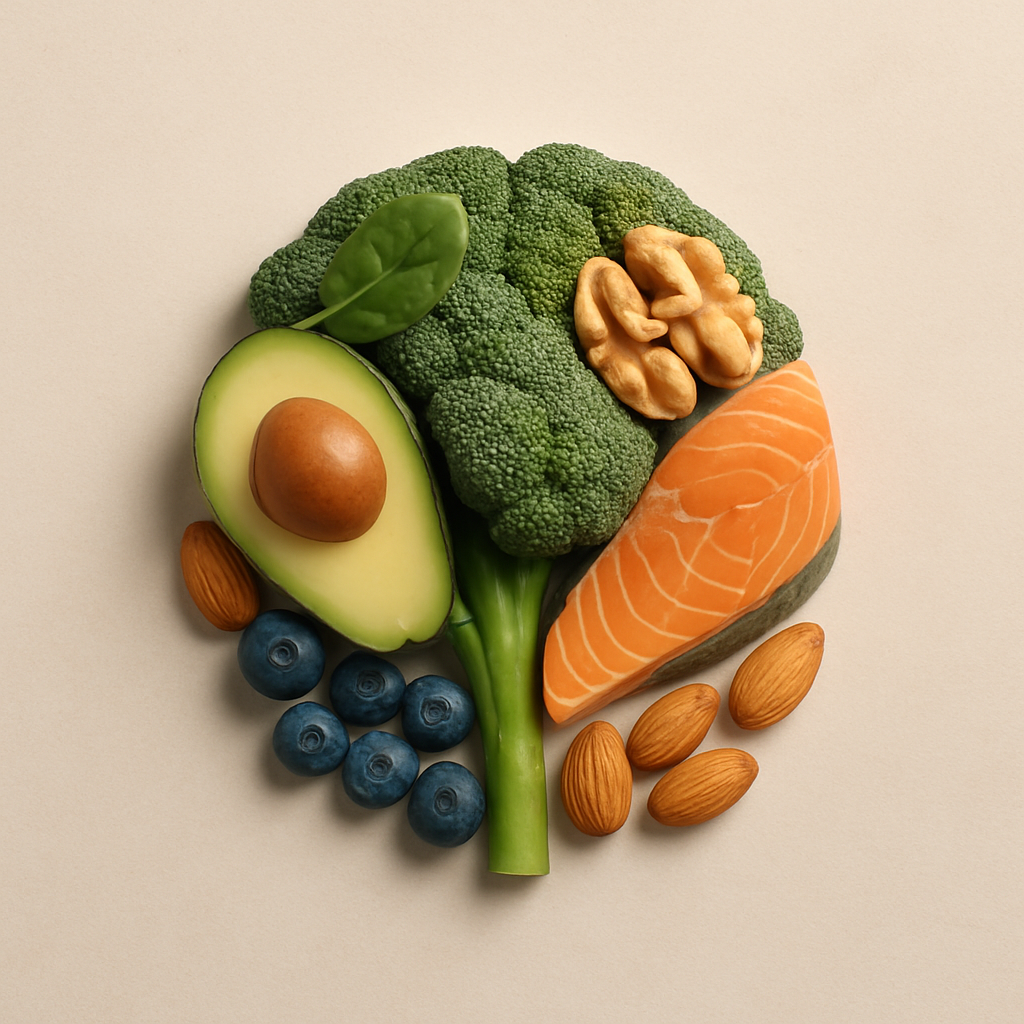
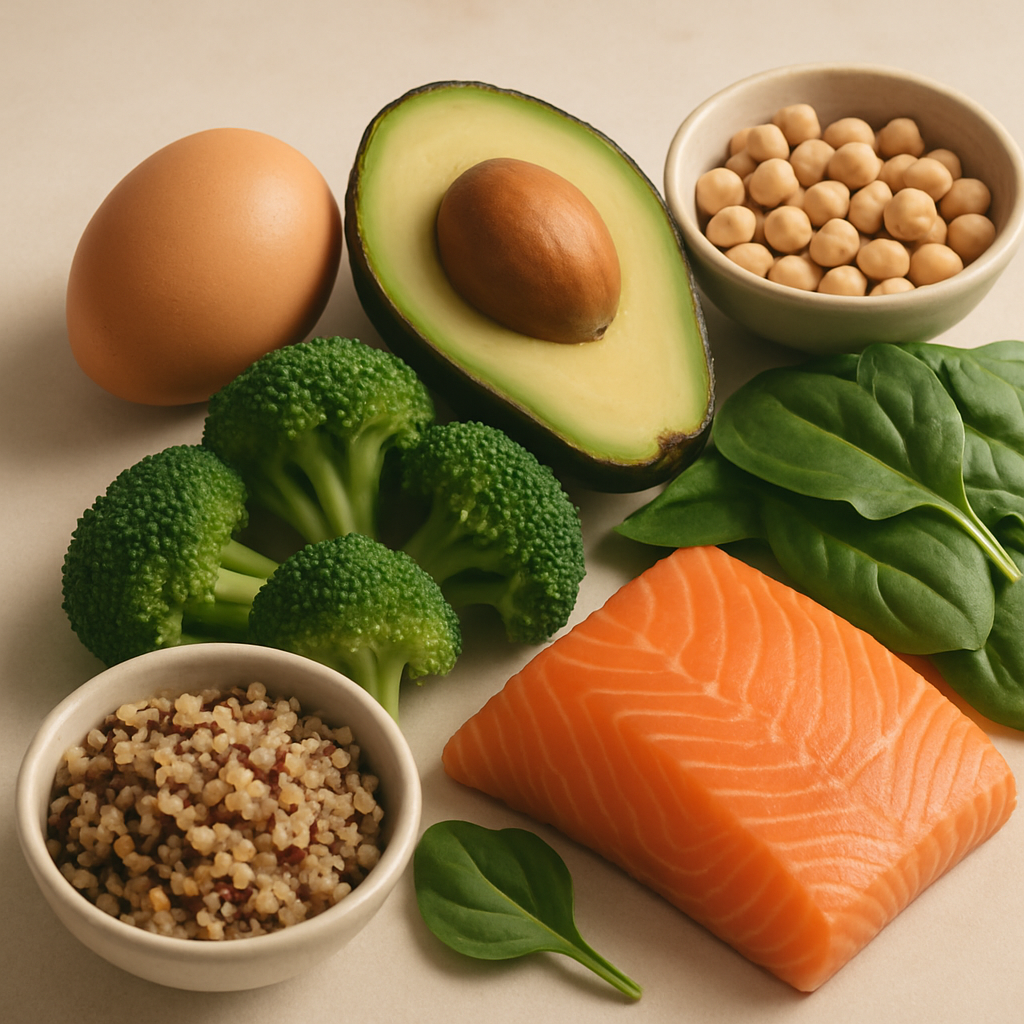
- Healthy fats (e.g., olive oil, avocados) to improve carotenoid absorption.
- Other fruits and vegetables to provide a broader spectrum of nutrients.
- Protein sources (e.g., nuts, seeds) to create balanced meals.
FAQs (5)
- What are the best sources of antioxidants? The best sources of antioxidants include berries, nuts, dark chocolate, green tea, and colorful vegetables.
- Can I get enough antioxidants from my diet? Yes, a diverse diet rich in fruits and vegetables typically provides adequate antioxidants.
- Are antioxidant supplements effective? While some supplements can be beneficial, whole food sources are generally preferred for optimal health benefits.
- How do antioxidants affect aging? Antioxidants may help slow the aging process by reducing oxidative damage to cells.
- Is it safe to consume high amounts of antioxidants? While whole foods are safe, high doses of supplements may have risks and should be approached with caution.
Frequently asked
What are the best sources of antioxidants?
The best sources of antioxidants include berries, nuts, dark chocolate, green tea, and colorful vegetables.
Can I get enough antioxidants from my diet?
Yes, a diverse diet rich in fruits and vegetables typically provides adequate antioxidants.
Are antioxidant supplements effective?
While some supplements can be beneficial, whole food sources are generally preferred for optimal health benefits.
How do antioxidants affect aging?
Antioxidants may help slow the aging process by reducing oxidative damage to cells.
Is it safe to consume high amounts of antioxidants?
While whole foods are safe, high doses of supplements may have risks and should be approached with caution.