Protein Superfoods
Dive into protein superfoods, their active compounds, traditional uses, and how they can support your health.
Explore the world of protein superfoods, their benefits, and how they can enhance your overall health. Discover traditional uses, modern research, and practical dosing guidelines.
What It Is
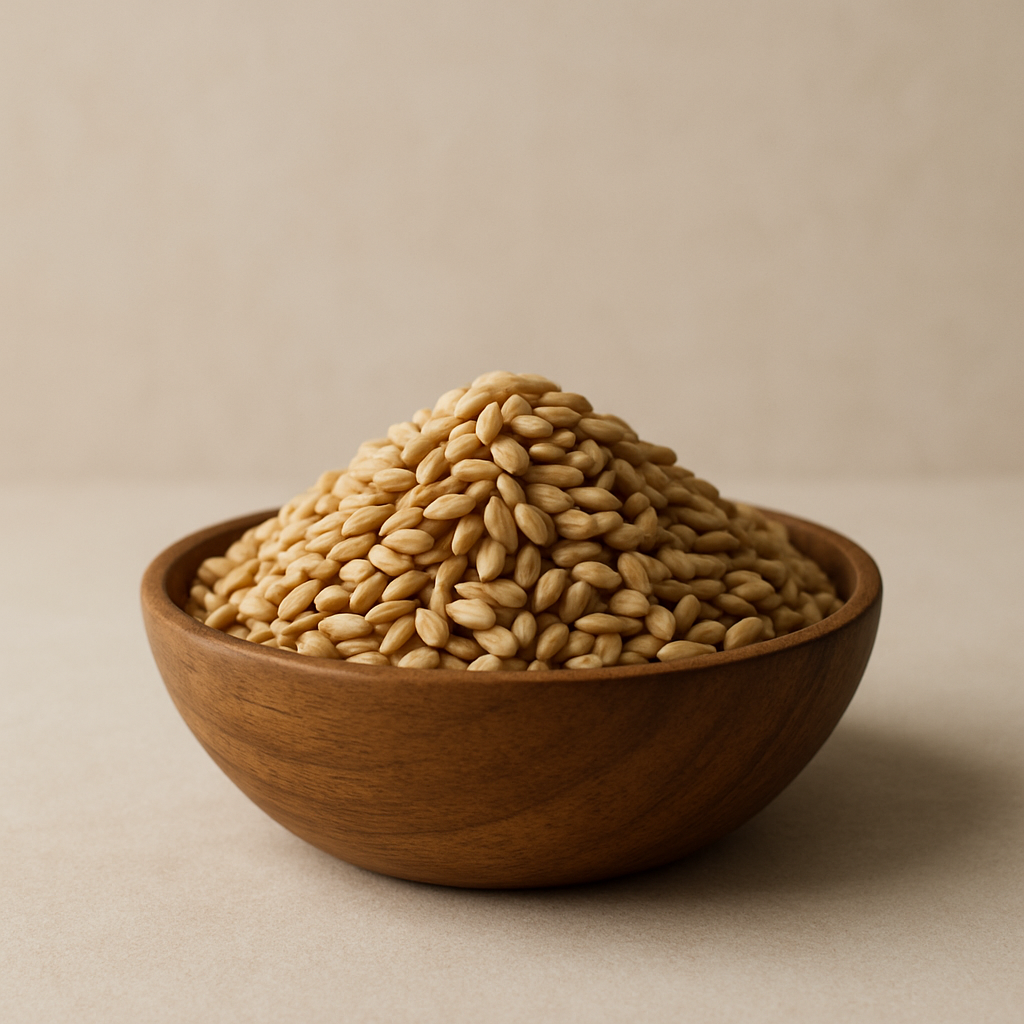
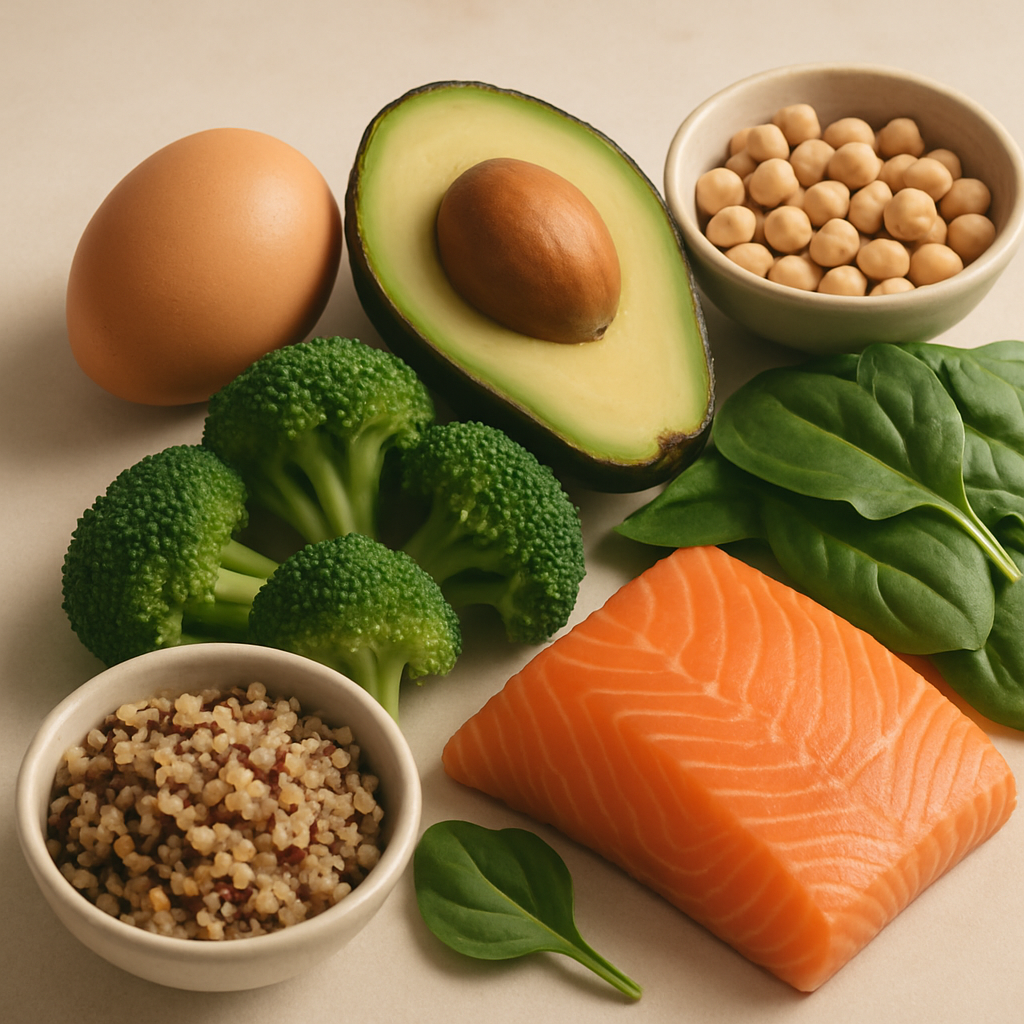
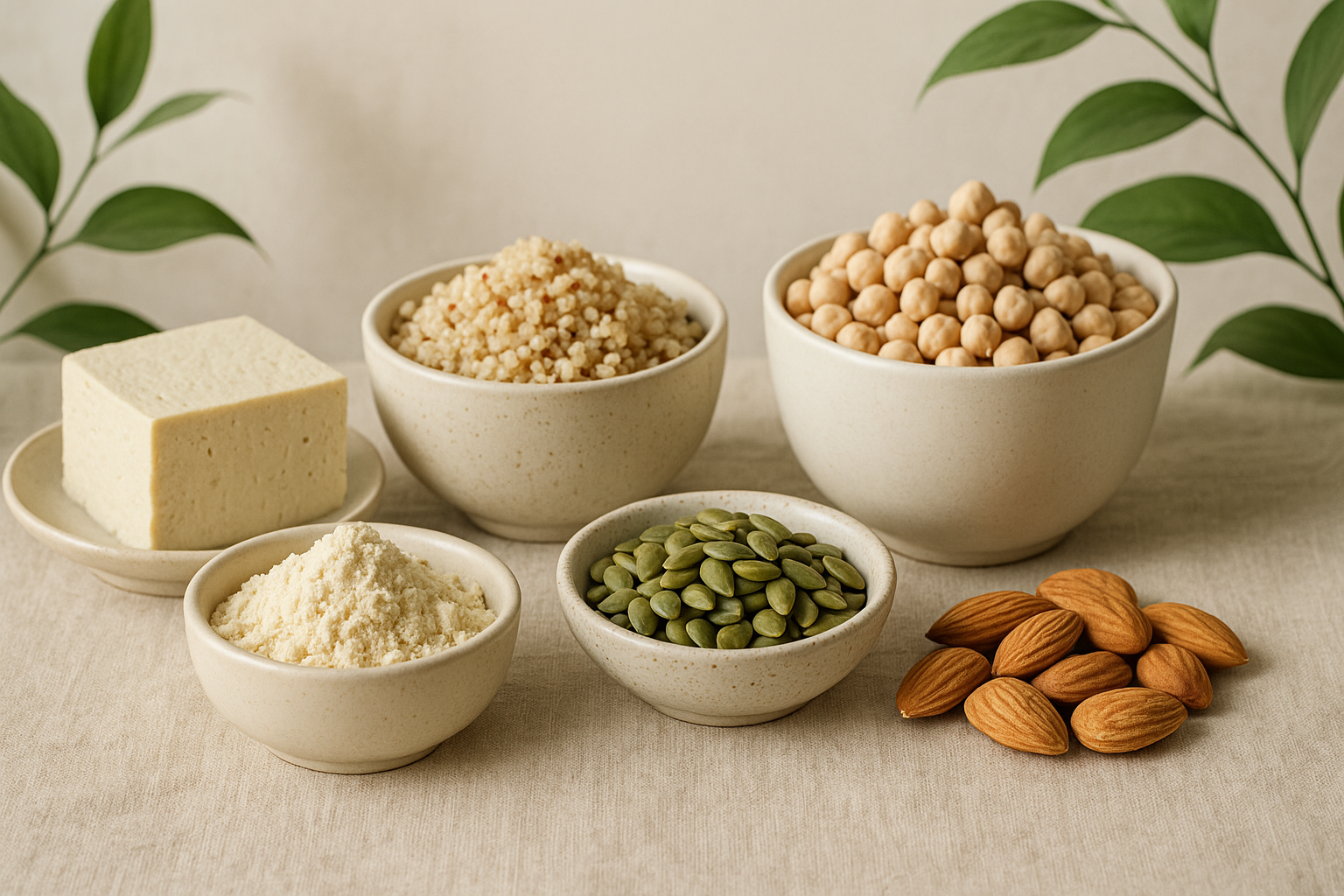
Protein superfoods are nutrient-dense foods that are exceptionally high in protein content while also providing a rich array of vitamins, minerals, and antioxidants. These superfoods can come from both animal and plant sources and are known for their ability to support muscle health, weight management, and overall vitality. Some popular examples include quinoa (Chenopodium quinoa), spirulina (Arthrospira platensis), hemp seeds (Cannabis sativa), and chia seeds (Salvia hispanica).
Key Active Compounds & Mechanisms
Protein superfoods contain various active compounds that contribute to their health benefits. These include:
- Proteins: Essential amino acids necessary for muscle repair and growth.
- Vitamins: Such as B vitamins, which play a crucial role in energy metabolism.
- Minerals: Iron and magnesium, important for oxygen transport and muscle function.
- Antioxidants: Compounds like flavonoids that help combat oxidative stress.
The presence of these compounds works synergistically to enhance metabolic processes, support immune function, and promote overall well-being.
Traditional Uses
Historically, many cultures have recognized the value of protein superfoods. For instance:
- Quinoa: Used by the Inca civilization as a staple food, revered for its high protein content and nutritional profile.
- Spirulina: Consumed by ancient civilizations such as the Aztecs, who valued it as a source of energy and nutrition.
- Hemp seeds: Have been used for centuries in various cultures for their nutritional and medicinal properties.
- Chia seeds: Utilized by the Aztecs and Mayans for endurance and energy.
These traditional uses highlight the long-standing recognition of protein superfoods as vital components of a healthy diet.
What Modern Research Suggests
Modern research has begun to validate the benefits of protein superfoods, with studies indicating their potential to:
- Support muscle synthesis and repair due to their high-quality protein.
- Assist in weight management by promoting satiety.
- Enhance energy levels and endurance, particularly in athletes.
- Provide anti-inflammatory effects, contributing to overall health.
While these findings are promising, more extensive clinical trials are needed to fully understand the extent of their benefits and mechanisms.
Functional Actions
The functional actions of protein superfoods include:
- Muscle Support: Assist in muscle growth and repair.
- Weight Management: Aid in controlling appetite and promoting a healthy metabolism.
- Energy Boost: Provide sustained energy for physical and mental activities.
- Anti-inflammatory Effects: Help reduce inflammation in the body.
These actions make protein superfoods a valuable addition to a balanced diet.
Body Systems Supported
Protein superfoods support several body systems, including:
- Muscular System: Essential for muscle repair and building strength.
- Nervous System: Support cognitive function and mental clarity.
- Immune System: Boost overall immune response due to their nutrient density.
- Digestive System: Provide dietary fiber, supporting gut health.
Incorporating these foods into your diet can promote holistic health and wellness.
Common Forms & Educational Dosing Ranges
Protein superfoods are available in various forms, including:
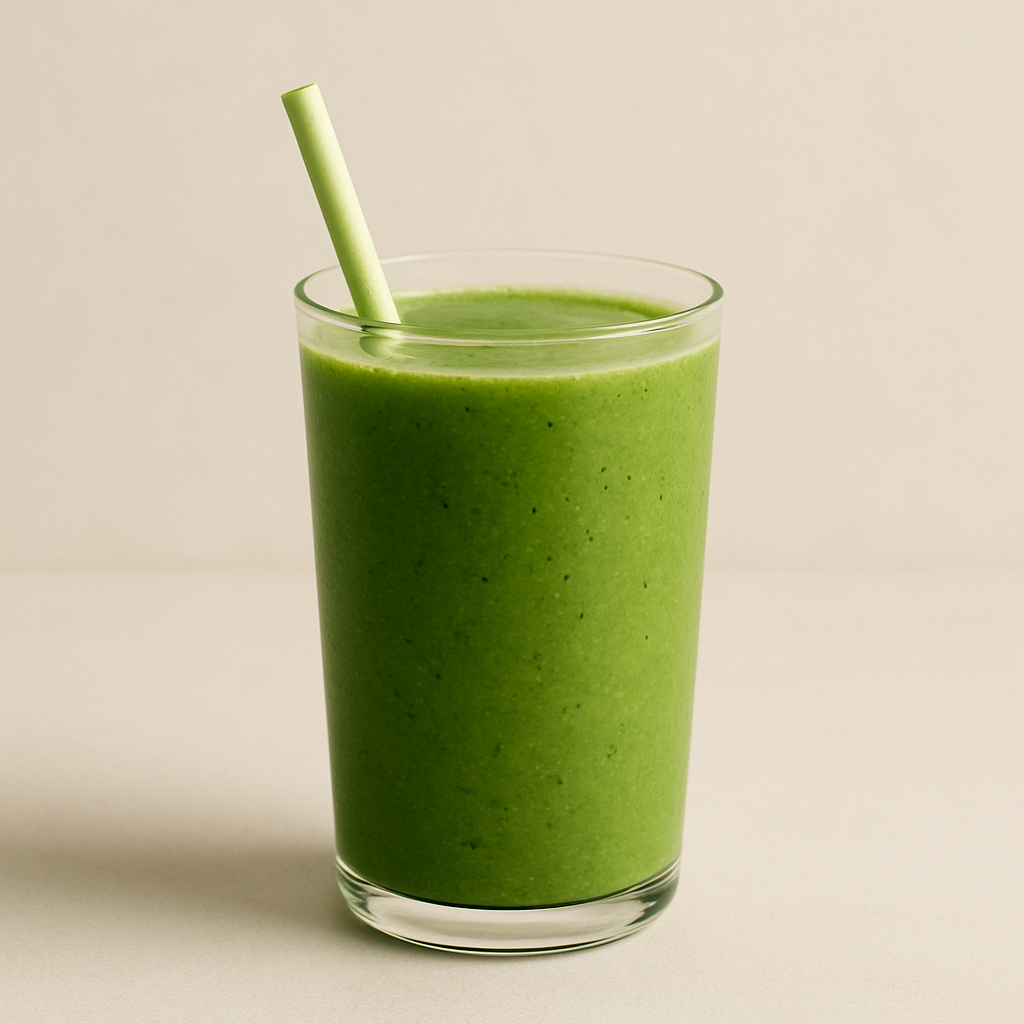
- Powders: Protein powders from sources like whey, pea, or hemp, typically used in smoothies.
- Seeds: Whole seeds like chia and hemp that can be added to meals.
- Flakes: Spirulina flakes for incorporation into dishes.
Educational dosing ranges may vary, but general guidelines suggest:
- Quinoa: 1 cup cooked per serving.
- Spirulina: 1-3 grams daily.
- Hemp seeds: 2-3 tablespoons daily.
- Chia seeds: 1-2 tablespoons daily.
Always consult with a healthcare professional for personalized recommendations.
Safety, Contraindications & Interactions
While protein superfoods are generally safe, there are some considerations to keep in mind:
- Allergic Reactions: Individuals with allergies to specific seeds or proteins should avoid those superfoods.
- Digestive Issues: Some may experience bloating or discomfort if consuming large amounts of high-fiber seeds.
- Medications: Protein superfoods may interact with certain medications, such as:
- Blood thinners: High vitamin K content in some seeds may affect blood clotting.
Consulting with a healthcare provider is advisable if you are on medications or have underlying health conditions.
Pairs Well With
To enhance the nutritional profile and flavor, protein superfoods can be paired with:
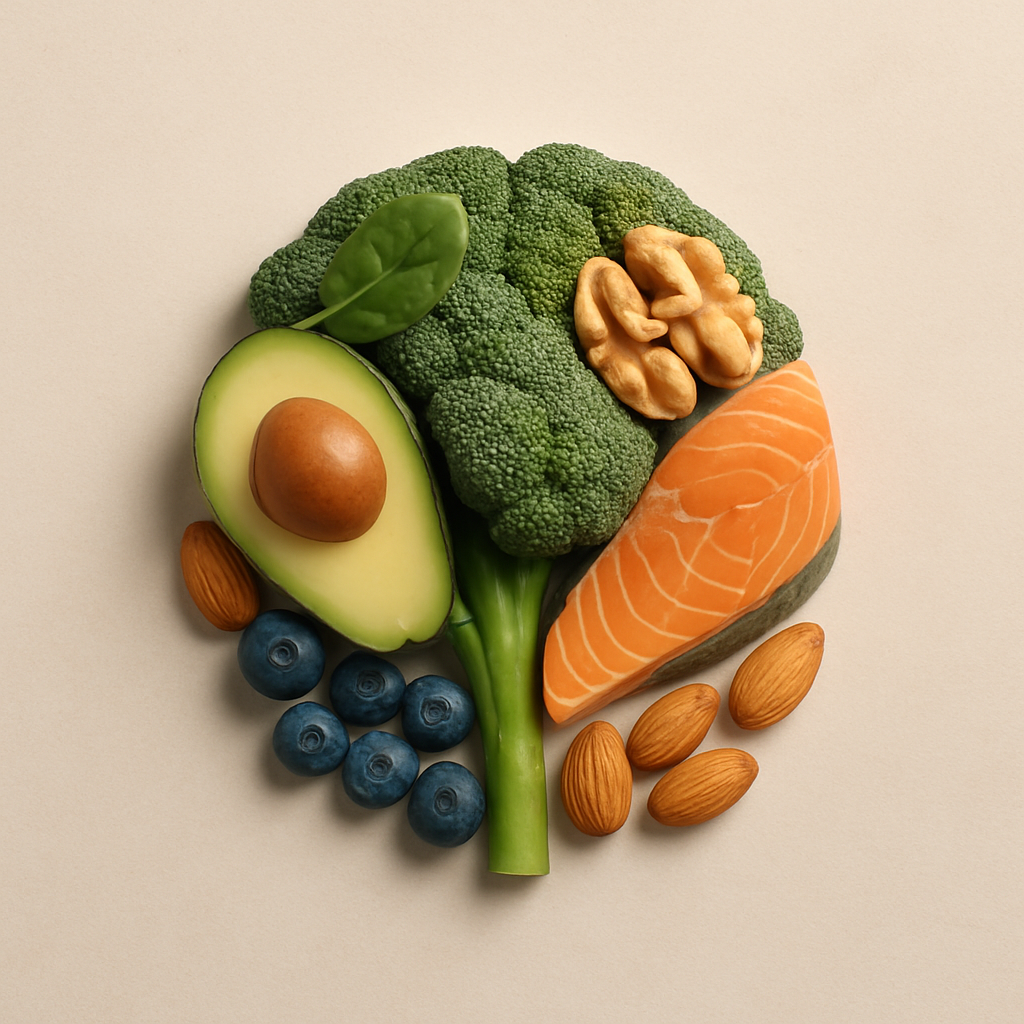
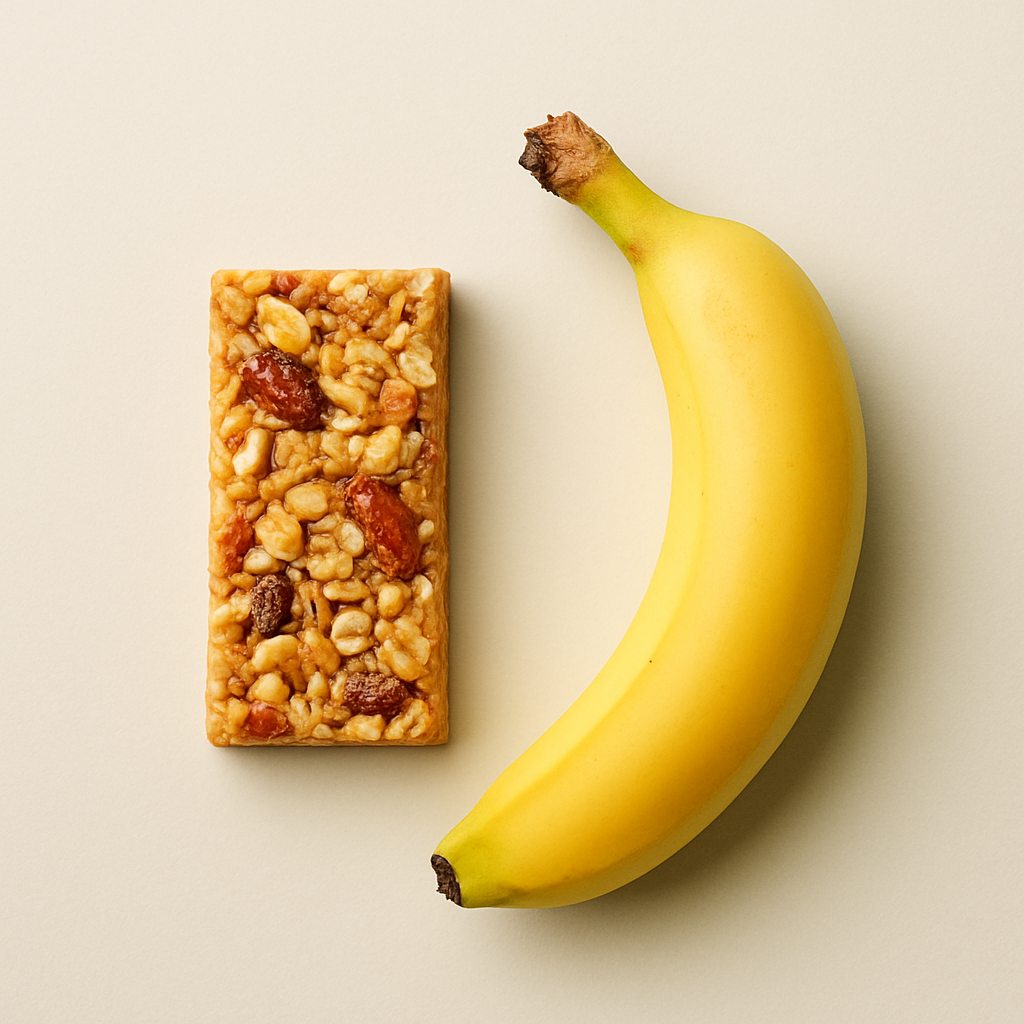
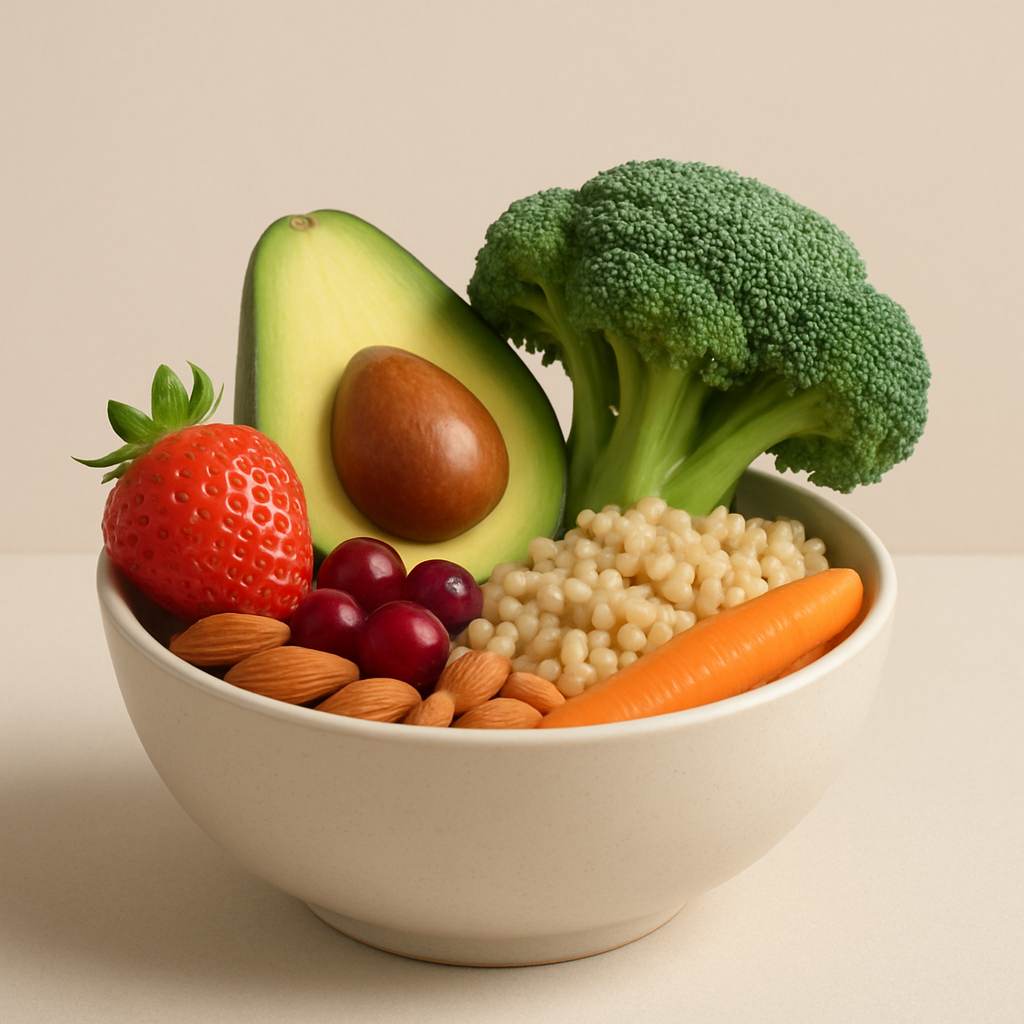
- Fruits: Berries and bananas for smoothies.
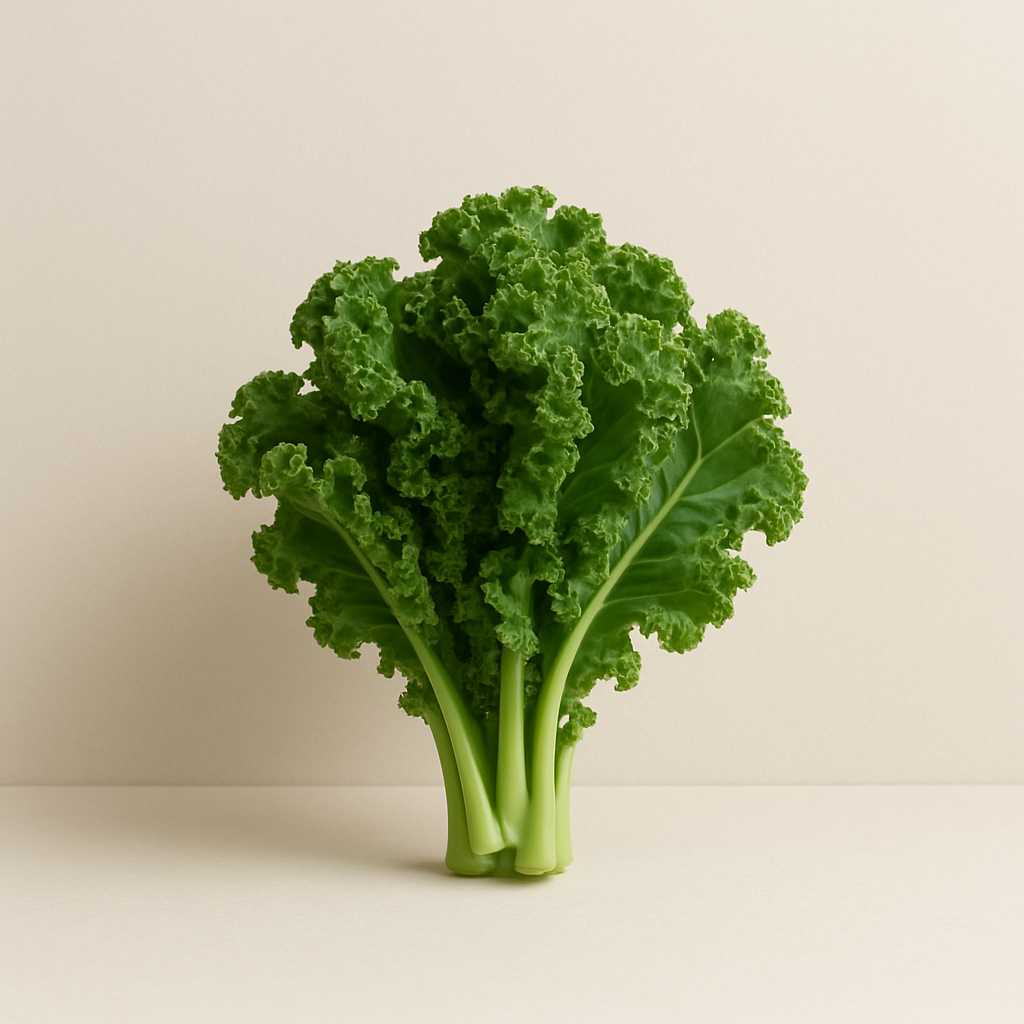
- Vegetables: Leafy greens for nutritious salads.
- Nuts: Almonds or walnuts for added healthy fats.
- Plant-Based Milk: Almond or coconut milk for smoothies and protein shakes.
These combinations can create delicious and nutritious meals or snacks.
FAQs (5)
- What are the best protein superfoods? Some of the best include quinoa, spirulina, chia seeds, and hemp seeds.
- How can I incorporate protein superfoods into my diet? You can add them to smoothies, salads, or baked goods for an extra nutritional boost.
- Are protein superfoods suitable for everyone? Most people can enjoy them, but those with specific allergies should exercise caution.
- Can protein superfoods help with weight loss? Yes, they can promote satiety and support a healthy metabolism.
- How much protein superfood should I consume daily? It varies by type, but moderate amounts are generally recommended; consult a healthcare provider for personalized advice.
Frequently asked
What are the best protein superfoods?
Some of the best include quinoa, spirulina, chia seeds, and hemp seeds.
How can I incorporate protein superfoods into my diet?
You can add them to smoothies, salads, or baked goods for an extra nutritional boost.
Are protein superfoods suitable for everyone?
Most people can enjoy them, but those with specific allergies should exercise caution.
Can protein superfoods help with weight loss?
Yes, they can promote satiety and support a healthy metabolism.
How much protein superfood should I consume daily?
It varies by type, but moderate amounts are generally recommended; consult a healthcare provider for personalized advice.