Nutrient-Dense Foods
Explore the world of nutrient-dense foods, their health benefits, historical uses, and how they can support your wellness journey.
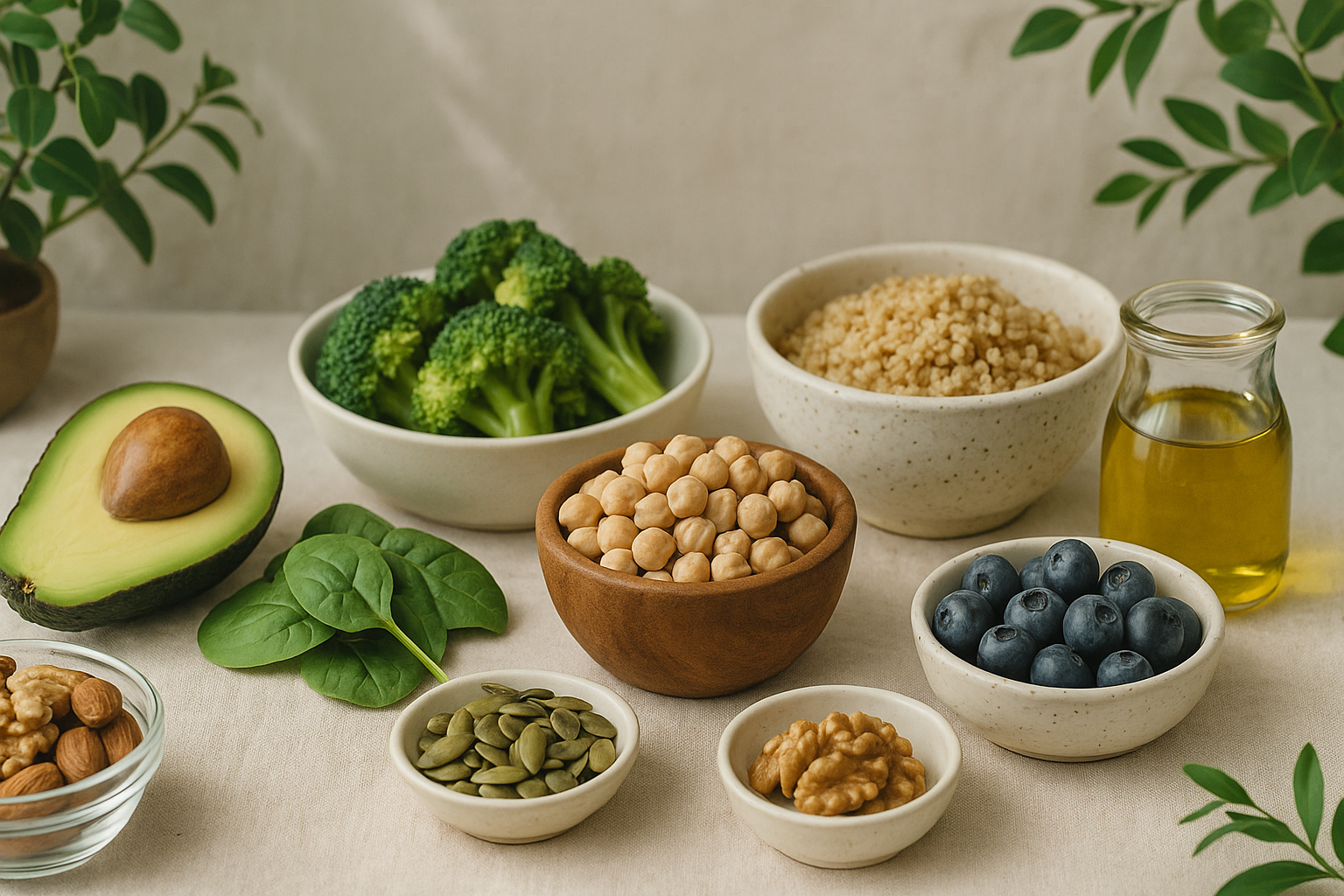
Nutrient-dense foods are integral to the superfoods category, offering a wealth of vitamins, minerals, and other beneficial compounds that support overall health. This guide explores their definition, historical significance, modern research, and practical applications.
What It Is
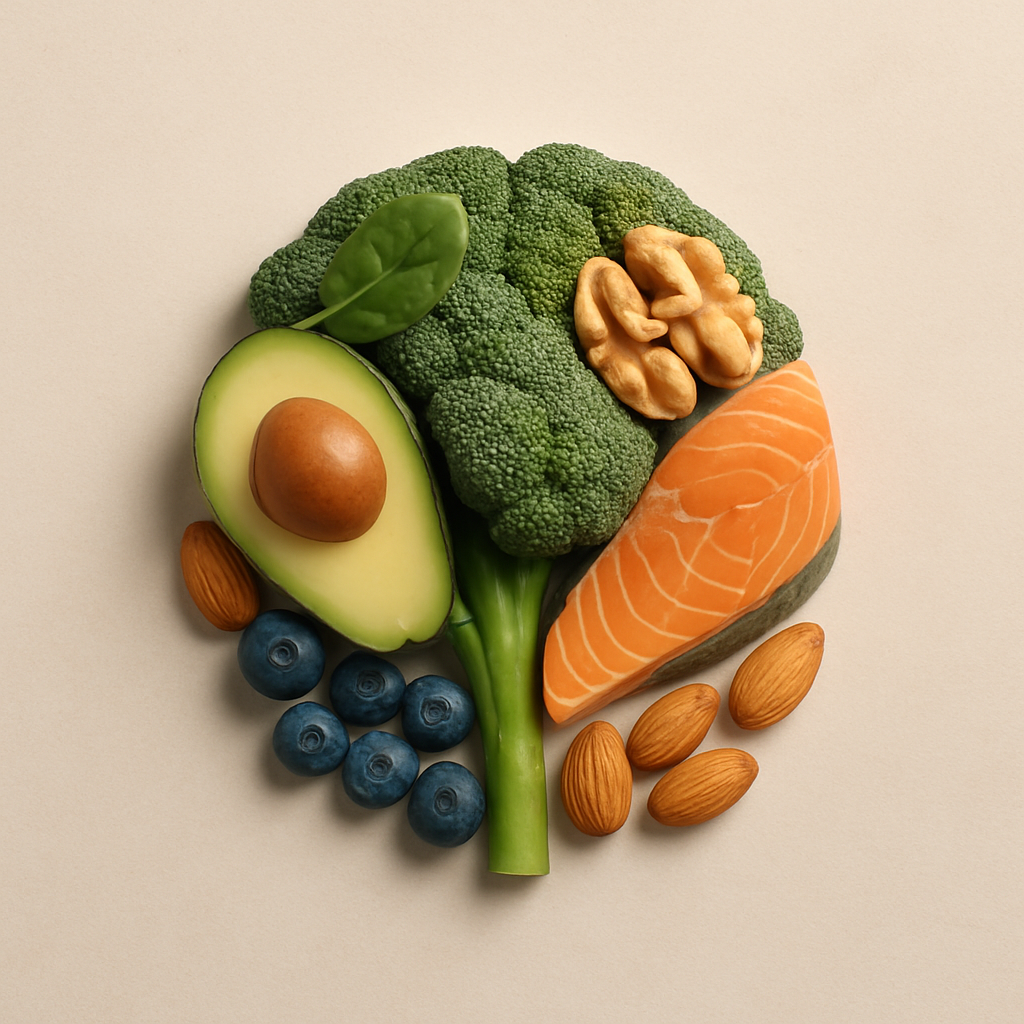
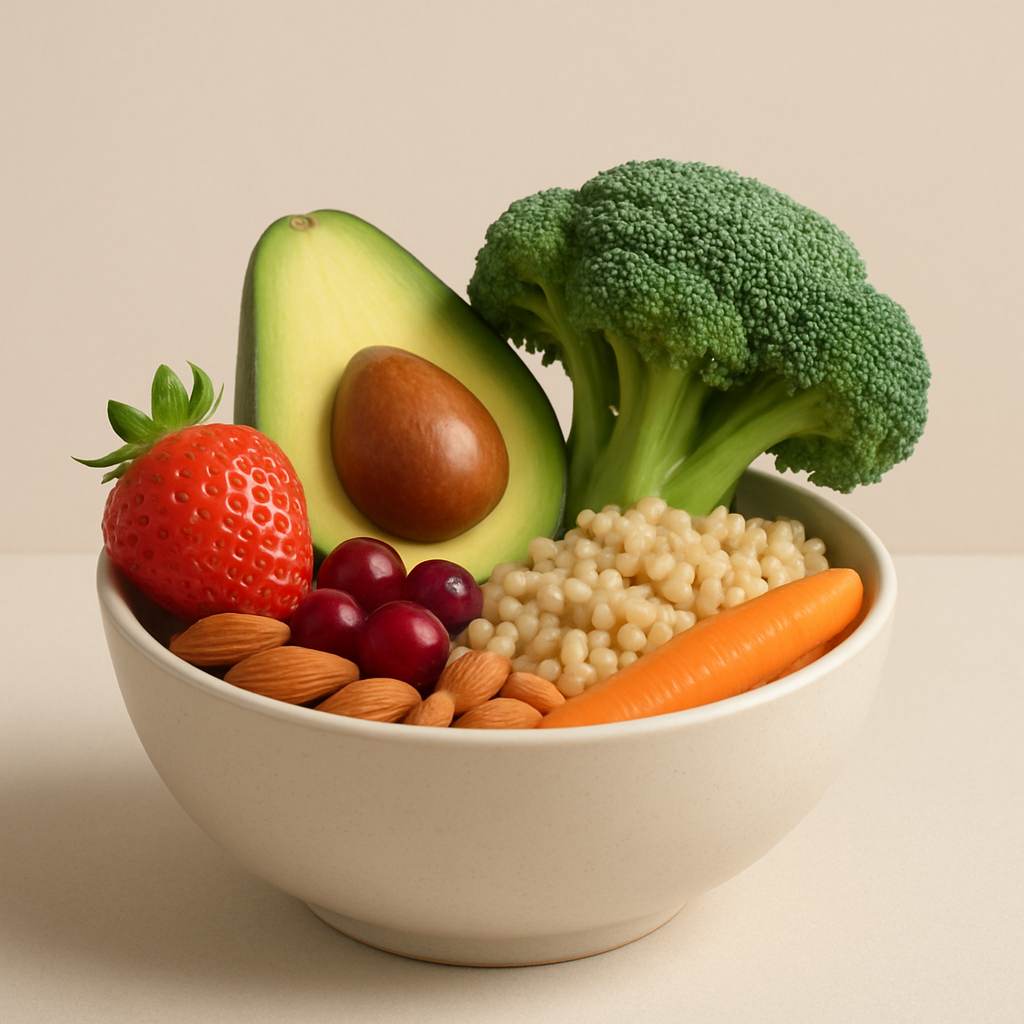
Nutrient-dense foods are those that provide a high amount of nutrients relative to their calorie content. This category includes a variety of foods that are rich in vitamins, minerals, antioxidants, and other beneficial compounds while being lower in calories. Examples of nutrient-dense foods include leafy greens, berries, nuts, seeds, and fatty fish. The term 'nutrient-dense' is often associated with whole, unprocessed foods that promote overall health and wellness.
Key Active Compounds & Mechanisms
Nutrient-dense foods are packed with a variety of active compounds that contribute to their health benefits. These may include:
- Vitamins: Essential for numerous bodily functions, including immune support and energy production.
- Minerals: Important for bone health, muscle function, and hydration.
- Antioxidants: Compounds like flavonoids and carotenoids that help combat oxidative stress in the body.
- Omega-3 Fatty Acids: Found in fatty fish, these are crucial for heart and brain health.
- Fiber: Supports digestive health and can aid in maintaining a healthy weight.
Traditional Uses
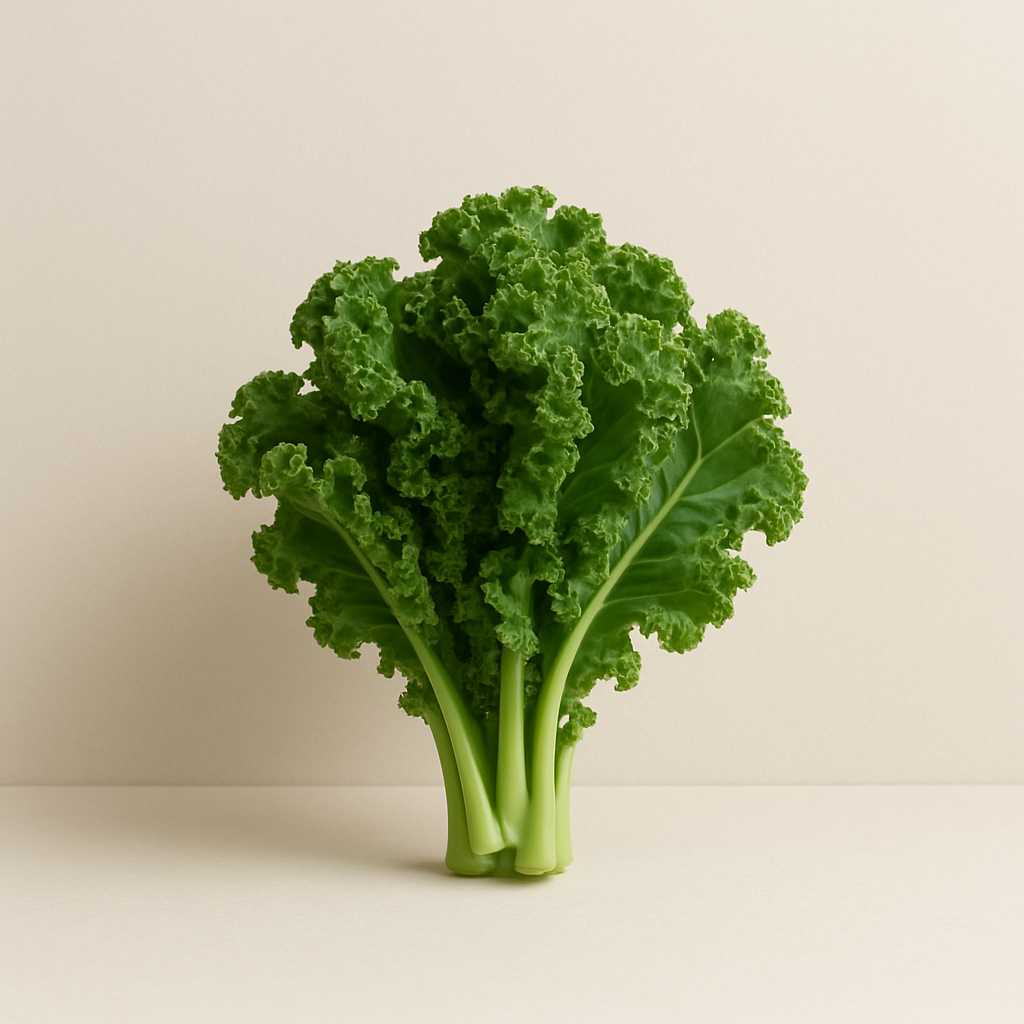
Historically, nutrient-dense foods have been integral to various cultures around the world. For instance, the use of leafy greens such as kale (Brassica oleracea var. sabellica) dates back to ancient Roman times, where it was valued for its nutritional benefits. Similarly, ancient civilizations often relied on nuts and seeds as staple sources of energy and nutrition. These foods have been utilized in traditional medicine systems, such as Ayurveda and Traditional Chinese Medicine, where they are often prescribed to enhance vitality and overall health.
What Modern Research Suggests
Modern research continues to explore the health benefits of nutrient-dense foods. Studies suggest that diets rich in these foods may be associated with lower risks of chronic diseases such as heart disease, diabetes, and certain types of cancer. For instance, research has indicated that increased consumption of fruits and vegetables can lead to improved cardiovascular health. However, it is important to approach these findings with caution, as individual responses can vary, and more research is needed to establish definitive conclusions.
Functional Actions
Nutrient-dense foods can provide a range of functional actions that support health, including:
- Anti-inflammatory effects: Many nutrient-dense foods contain compounds that help reduce inflammation in the body.
- Immune support: Vitamins and minerals found in these foods play a crucial role in maintaining a healthy immune system.
- Digestive health: Foods high in fiber promote healthy digestion and gut health.
- Weight management: Their low-calorie density and high nutrient content can help in maintaining a healthy weight.
Body Systems Supported
Nutrient-dense foods support various body systems, including:
- Cardiovascular system: Nutrient-dense foods, particularly those rich in omega-3 fatty acids and antioxidants, can improve heart health.
- Digestive system: High fiber content promotes healthy digestion and regularity.
- Immune system: Vitamins A, C, D, and E, along with minerals like zinc, are vital for immune function.
- Nervous system: Nutrient-dense foods provide essential nutrients that support brain health and cognitive function.
Common Forms & Educational Dosing Ranges
Nutrient-dense foods can be consumed in various forms, including:
- Whole foods: Fresh fruits, vegetables, whole grains, nuts, and seeds.
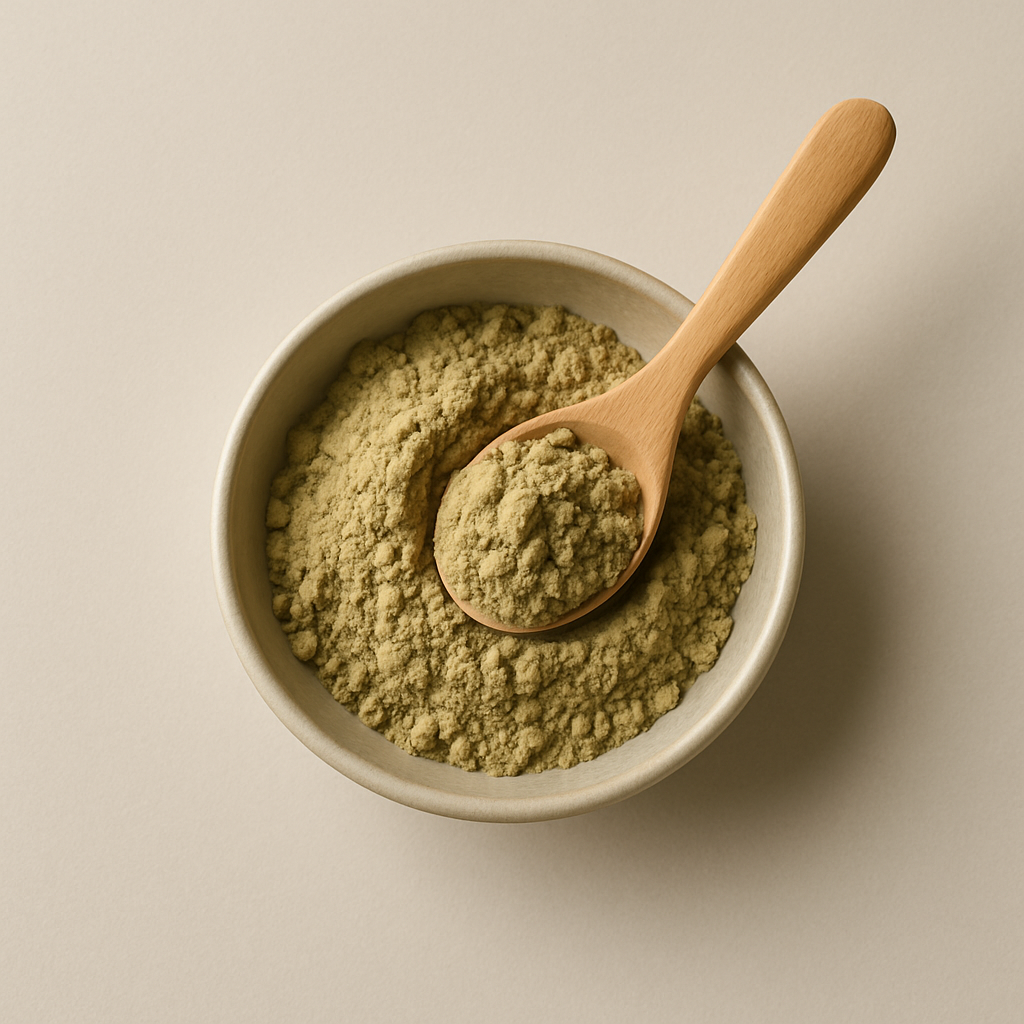
- Powders: Nutrient-dense powders derived from superfoods are popular for smoothies and health supplements.
- Capsules: Some nutrient-dense extracts are available in capsule form, particularly for those who may find it challenging to incorporate them into their diet.
While there are no specific dosing ranges for whole foods, it is generally recommended to consume a variety of these foods daily as part of a balanced diet.
Safety, Contraindications & Interactions
Nutrient-dense foods are typically safe for most individuals. However, some considerations include:
- Allergies: Certain nutrient-dense foods, such as nuts and seeds, can trigger allergic reactions in sensitive individuals.
- Medication interactions: Some foods may interact with medications; for example, leafy greens high in vitamin K can affect blood thinners like warfarin.
- Oxalates: Foods like spinach (Spinacia oleracea) contain oxalates, which can affect calcium absorption and may be a concern for individuals prone to kidney stones.
Pairs Well With
Nutrient-dense foods can be easily incorporated into various meals. Here are some ideal pairings:
- Leafy greens: Pair well with healthy fats like olive oil or avocado for better nutrient absorption.
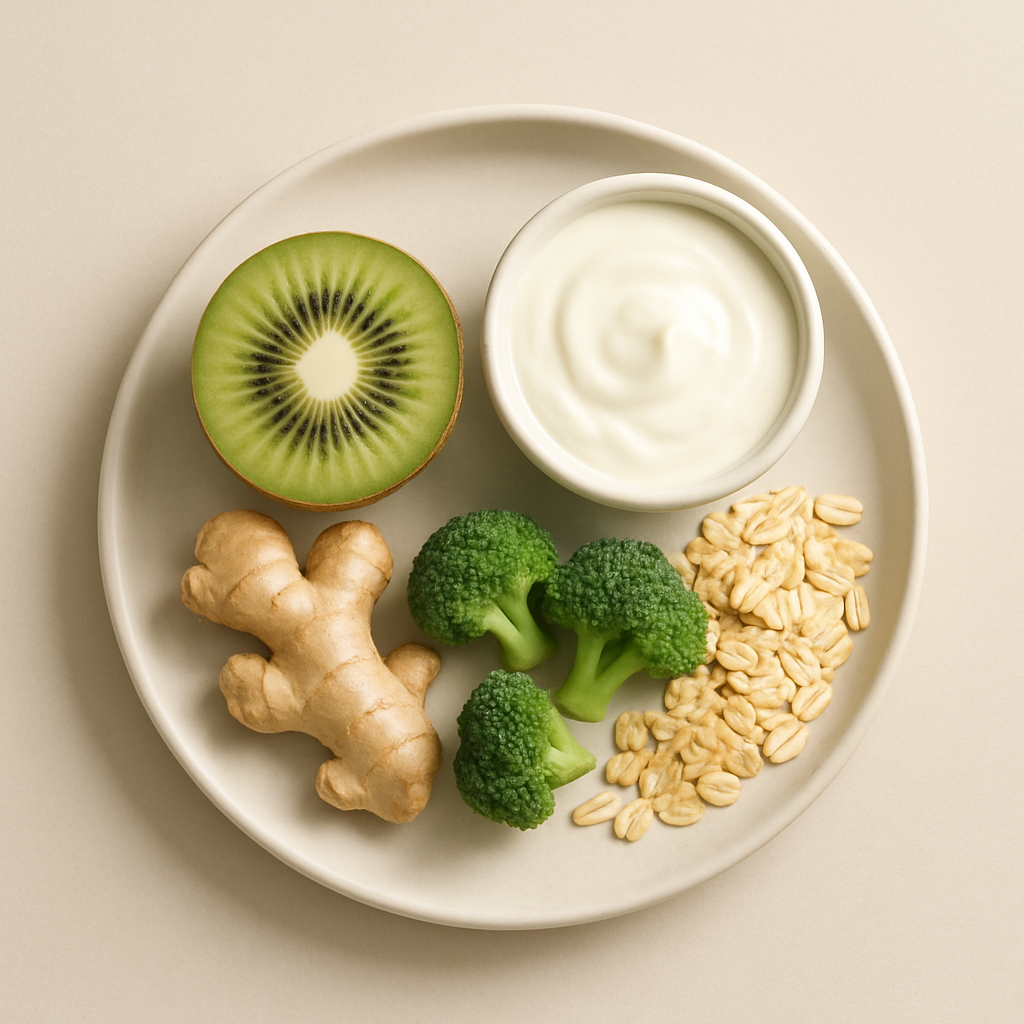
- Berries: Delicious with yogurt or oatmeal, enhancing both flavor and nutrition.
- Nuts and seeds: Great additions to salads, smoothies, or as snacks for added protein and healthy fats.
- Fatty fish: Can be complemented with citrus fruits to enhance flavor and nutrient intake.
FAQs (5)
- What are some examples of nutrient-dense foods? Common examples include leafy greens, berries, nuts, seeds, and fatty fish.
- How can I incorporate more nutrient-dense foods into my diet? Start by adding a variety of fruits and vegetables to your meals and snacks, and consider whole grains and healthy fats.
- Are nutrient-dense foods safe for everyone? Generally, yes, but individuals with allergies or certain medical conditions should consult with a healthcare provider.
- Can nutrient-dense foods help with weight loss? Yes, their low calorie density and high nutrient content can support weight management efforts.
- How do nutrient-dense foods impact overall health? They provide essential nutrients that support various body systems, potentially reducing the risk of chronic diseases.
Frequently asked
What are some examples of nutrient-dense foods?
Common examples include leafy greens, berries, nuts, seeds, and fatty fish.
How can I incorporate more nutrient-dense foods into my diet?
Start by adding a variety of fruits and vegetables to your meals and snacks, and consider whole grains and healthy fats.
Are nutrient-dense foods safe for everyone?
Generally, yes, but individuals with allergies or certain medical conditions should consult with a healthcare provider.
Can nutrient-dense foods help with weight loss?
Yes, their low calorie density and high nutrient content can support weight management efforts.
How do nutrient-dense foods impact overall health?
They provide essential nutrients that support various body systems, potentially reducing the risk of chronic diseases.