Fermented Foods
Discover the benefits of fermented foods for gut support, including their traditional uses, active compounds, and safety considerations.

Explore the world of fermented foods, their benefits for gut health, and traditional and modern uses, along with safety and pairing recommendations.
What It Is
Fermented foods are foods that have undergone a process of lacto-fermentation, where natural bacteria feed on the sugars and starches in the food, creating beneficial probiotics and enhancing the food's nutritional profile. Common examples include yogurt, sauerkraut, kimchi, kefir, and miso. This process not only preserves the food but also increases its digestibility and nutritional value.
Key Active Compounds & Mechanisms
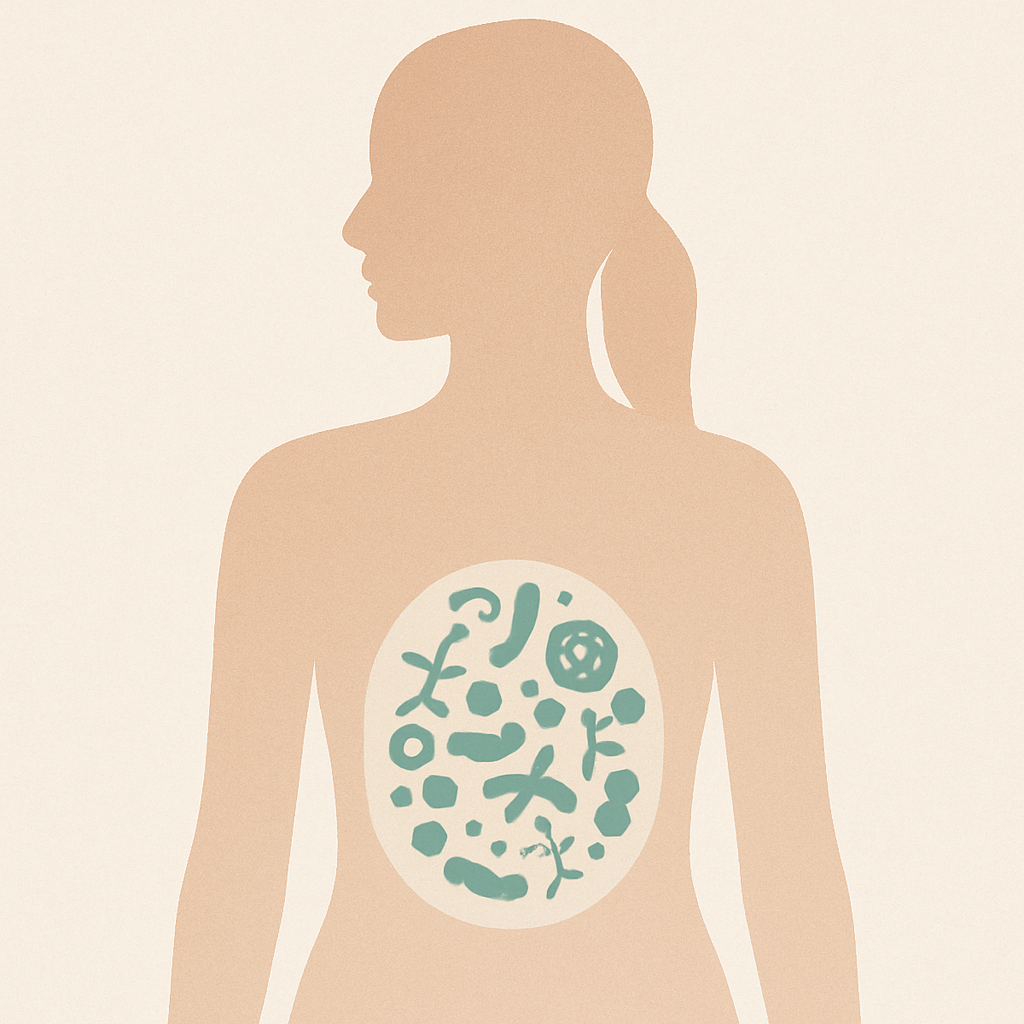
The key active compounds in fermented foods are probiotics, which are live microorganisms that provide health benefits when consumed in adequate amounts. These include various strains of bacteria, such as Lactobacillus, Bifidobacterium, and Streptococcus. Additionally, fermented foods contain bioactive compounds such as vitamins, minerals, and short-chain fatty acids that contribute to their health-promoting properties. The mechanisms by which these compounds operate include:
- Enhancing gut microbiota diversity
- Strengthening the intestinal barrier
- Modulating immune responses
- Improving nutrient absorption
Traditional Uses
Historically, fermented foods have been integral to many cultures around the world. Ancient civilizations recognized the benefits of fermentation for preservation and health. For example:
- In ancient China, fermented soy products like miso and tempeh have been consumed for thousands of years.
- Kimchi has been a staple in Korean cuisine, valued for its probiotic content and contribution to digestive health.
- The consumption of yogurt dates back to the Middle East and Central Asia, where it was used not only as a food source but also for its medicinal properties.
What Modern Research Suggests
Modern research has begun to validate many of the traditional claims associated with fermented foods. Studies suggest that regular consumption of fermented foods can:
- Improve gut health by increasing beneficial gut bacteria.
- Enhance immune function.
- Possibly reduce the risk of certain chronic diseases, including obesity and type 2 diabetes.
However, more research is needed to fully understand the extent of these benefits and the specific strains of probiotics that are most effective.
Functional Actions
Fermented foods exhibit several functional actions that support overall health, including:
- **Digestive Health**: Probiotics help maintain a balanced gut microbiome, which is crucial for digestion.
- **Immune Support**: Fermented foods can enhance immune function by promoting the growth of beneficial bacteria.
- **Nutrient Absorption**: The fermentation process can increase the bioavailability of certain nutrients, making them easier for the body to absorb.
Body Systems Supported
Fermented foods primarily support:
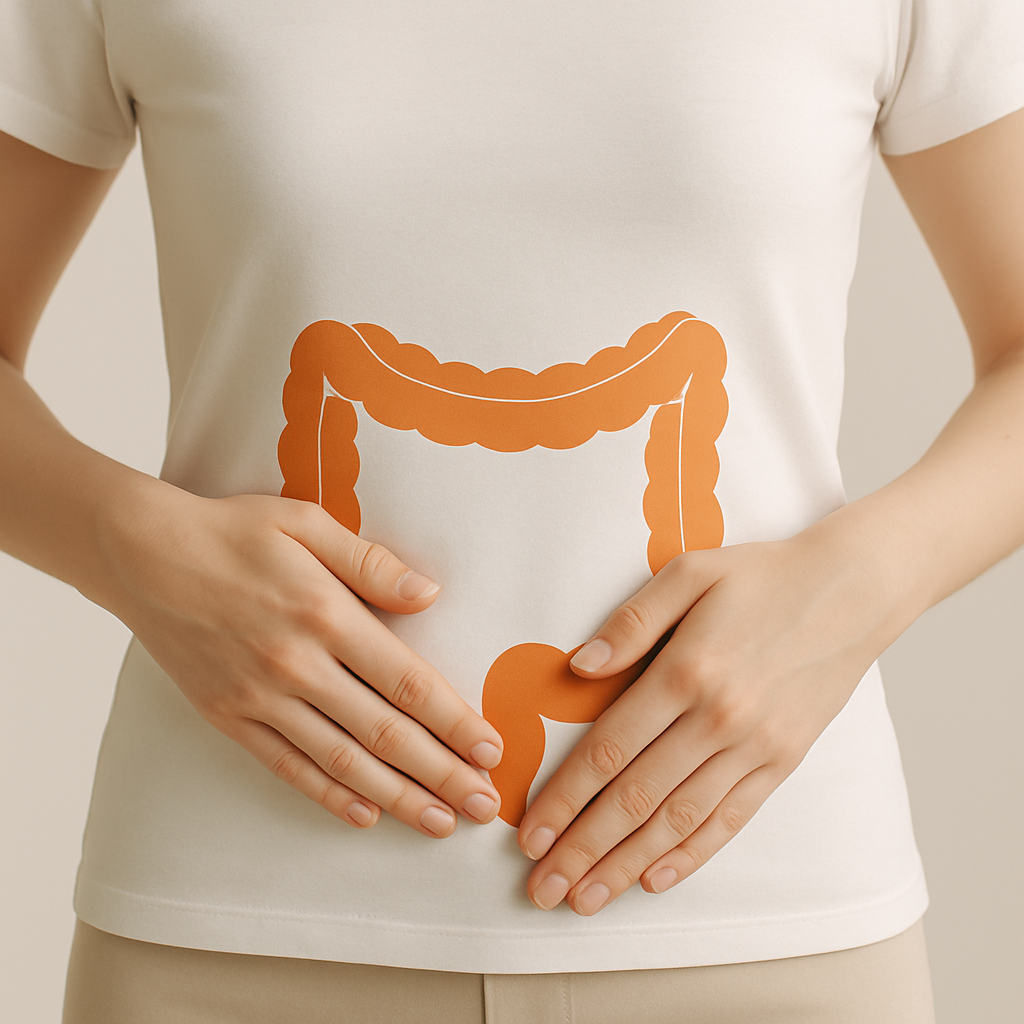
- **Digestive System**: By promoting gut health and regularity.
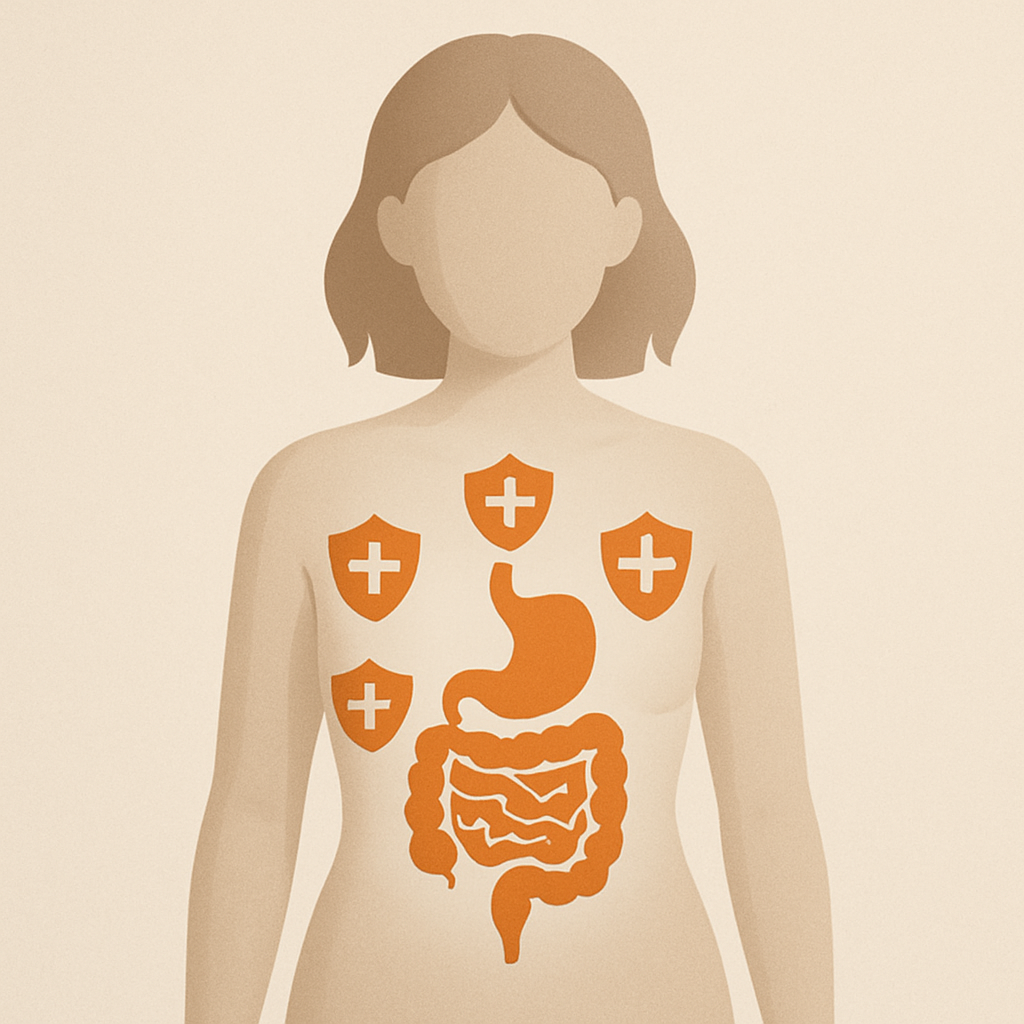
- **Immune System**: By enhancing the body's natural defenses against pathogens.
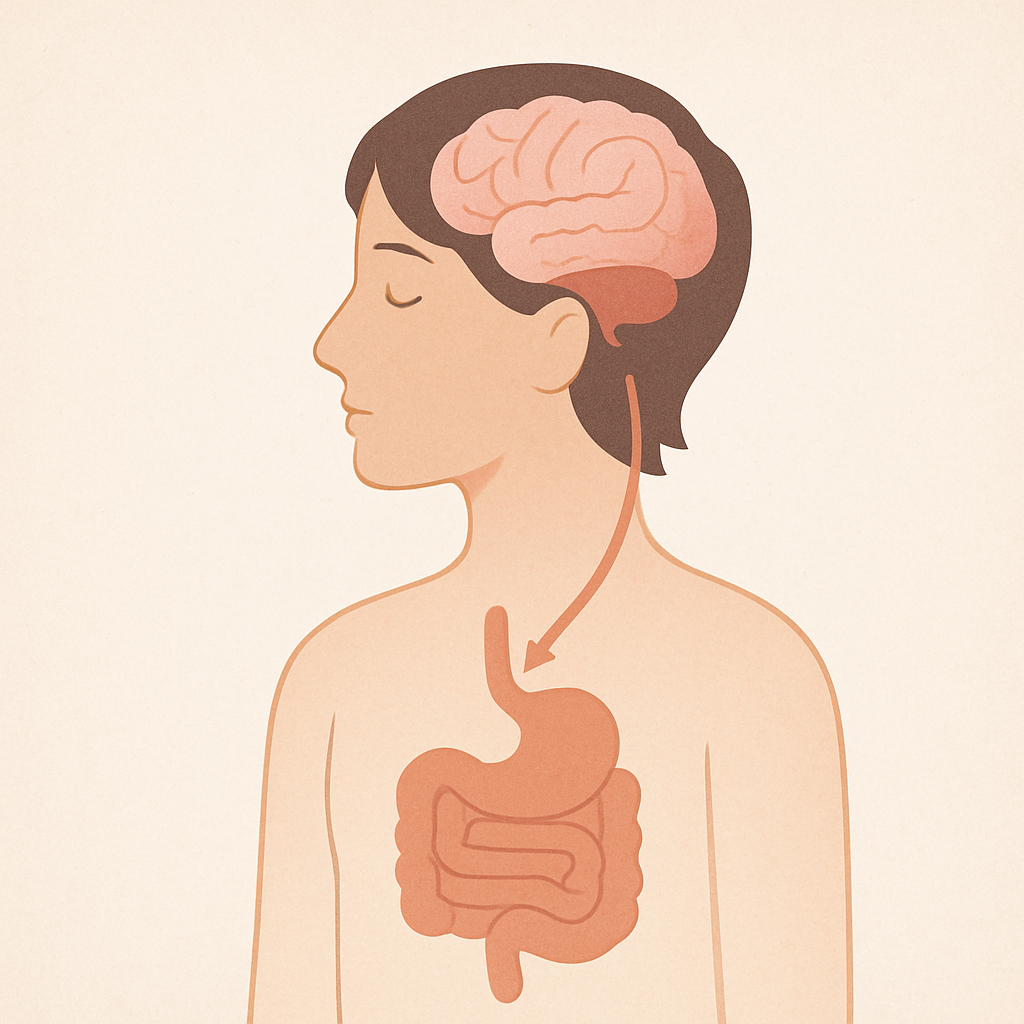
- **Nervous System**: Some studies suggest a link between gut health and mental well-being, often referred to as the gut-brain axis.
Common Forms & Educational Dosing Ranges
Fermented foods can be consumed in various forms, including:
- **Yogurt**: Typically consumed in servings of 150-250 grams per day.
- **Sauerkraut**: A serving size of about 30-100 grams is recommended.
- **Kimchi**: Often consumed in smaller quantities, around 50 grams a day.
- **Kefir**: About 100-200 ml per day is a common dosage.
Individual tolerance can vary, so it's advisable to start with smaller amounts and increase gradually.
Safety, Contraindications & Interactions
Fermented foods are generally safe for most people, but there are some considerations:
- **Digestive Sensitivity**: Individuals with a history of digestive issues may experience bloating or discomfort when first introducing fermented foods.
- **Histamine Sensitivity**: Fermented foods can contain high levels of histamine, which may trigger reactions in sensitive individuals.
- **Medication Interactions**: If you are on immunosuppressive medications or have compromised immune systems, consult a healthcare provider before increasing probiotic intake.
Pairs Well With
Fermented foods can be paired with various ingredients to enhance their flavors and health benefits:
- **Fresh Vegetables**: Combining sauerkraut with salads or vegetable dishes.
- **Whole Grains**: Fermented grains can complement dishes like rice or quinoa.
- **Proteins**: Yogurt and kefir can be paired with fruits or nuts for a nutritious snack.
FAQs (5)
- What are the best fermented foods for gut health? Foods like yogurt, kefir, sauerkraut, and kimchi are considered highly beneficial for gut health.
- How often should I consume fermented foods? It is advisable to include fermented foods in your diet daily, starting with small servings.
- Can fermented foods help with lactose intolerance? Many individuals with lactose intolerance find that fermented dairy products like yogurt are easier to digest due to the presence of probiotics.
- Are there any side effects of consuming fermented foods? Some people may experience bloating or digestive discomfort, especially when first introducing these foods into their diet.
- Can fermented foods replace probiotics? While fermented foods contain probiotics, they should not completely replace probiotic supplements if specific strains are needed for therapeutic purposes.
Frequently asked
What are the best fermented foods for gut health?
Foods like yogurt, kefir, sauerkraut, and kimchi are considered highly beneficial for gut health.
How often should I consume fermented foods?
It is advisable to include fermented foods in your diet daily, starting with small servings.
Can fermented foods help with lactose intolerance?
Many individuals with lactose intolerance find that fermented dairy products like yogurt are easier to digest due to the presence of probiotics.
Are there any side effects of consuming fermented foods?
Some people may experience bloating or digestive discomfort, especially when first introducing these foods into their diet.
Can fermented foods replace probiotics?
While fermented foods contain probiotics, they should not completely replace probiotic supplements if specific strains are needed for therapeutic purposes.