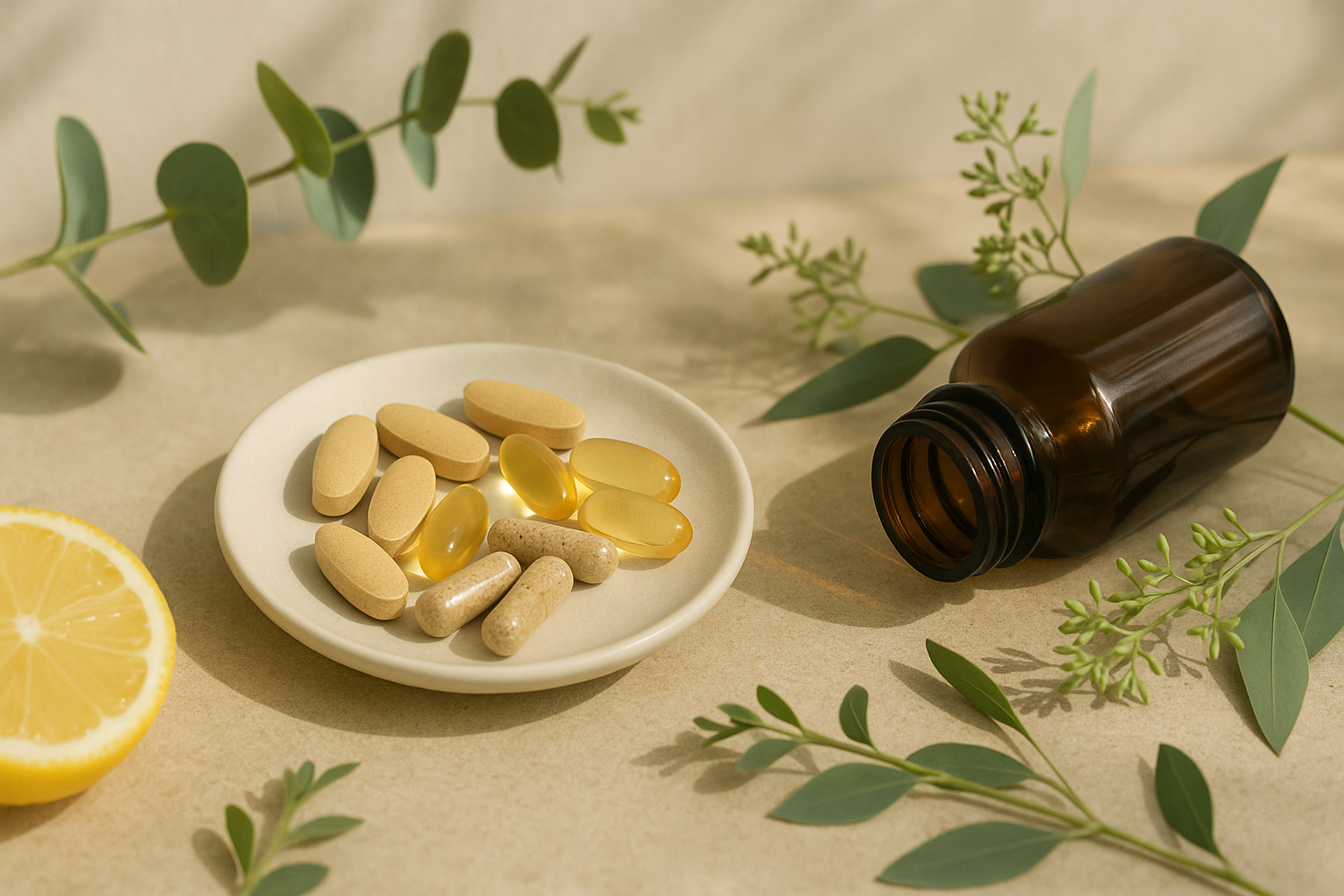
Functional Gut Health
Unlock the secrets of functional gut health and how it supports overall wellness through natural remedies and probiotics.

Explore the essential aspects of functional gut health, including its definition, active compounds, traditional uses, modern research insights, functional actions, supported body systems, common forms, safety considerations, and complementary remedies.
What It Is
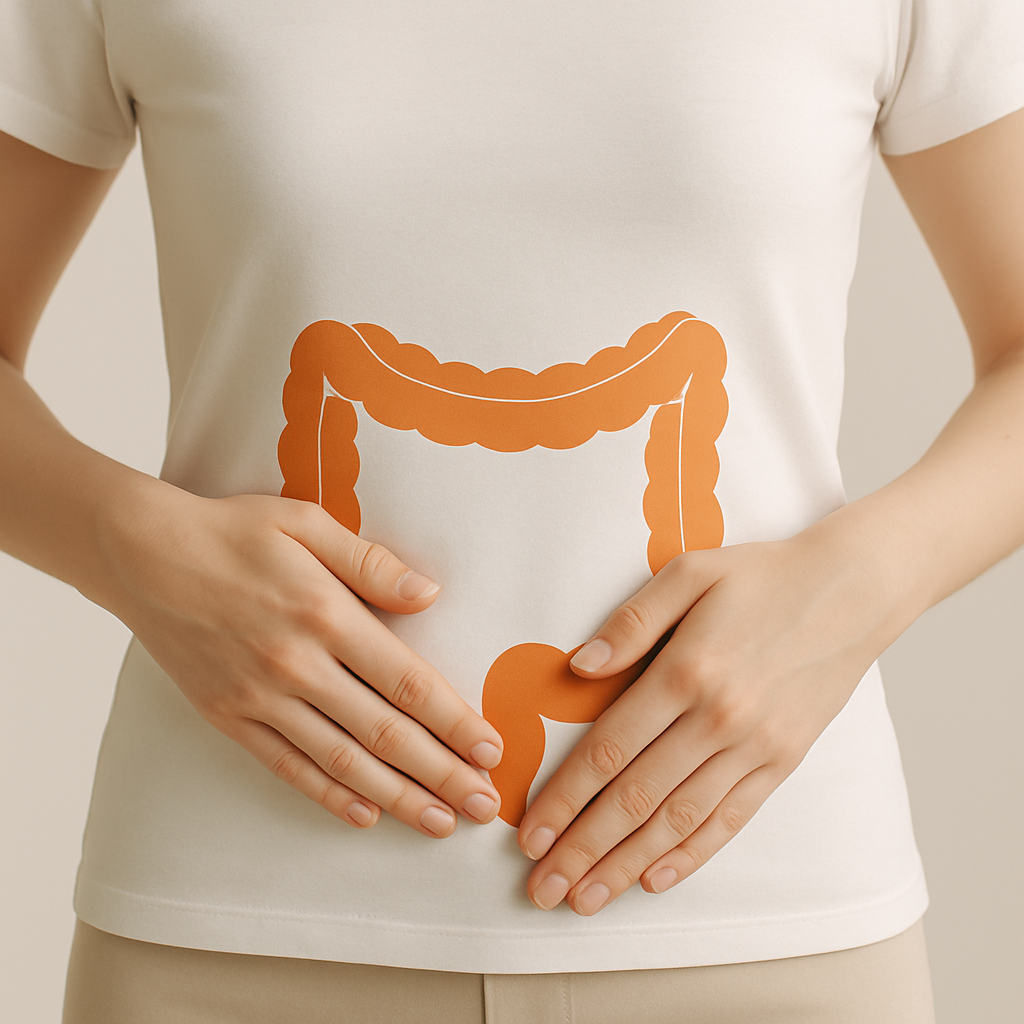
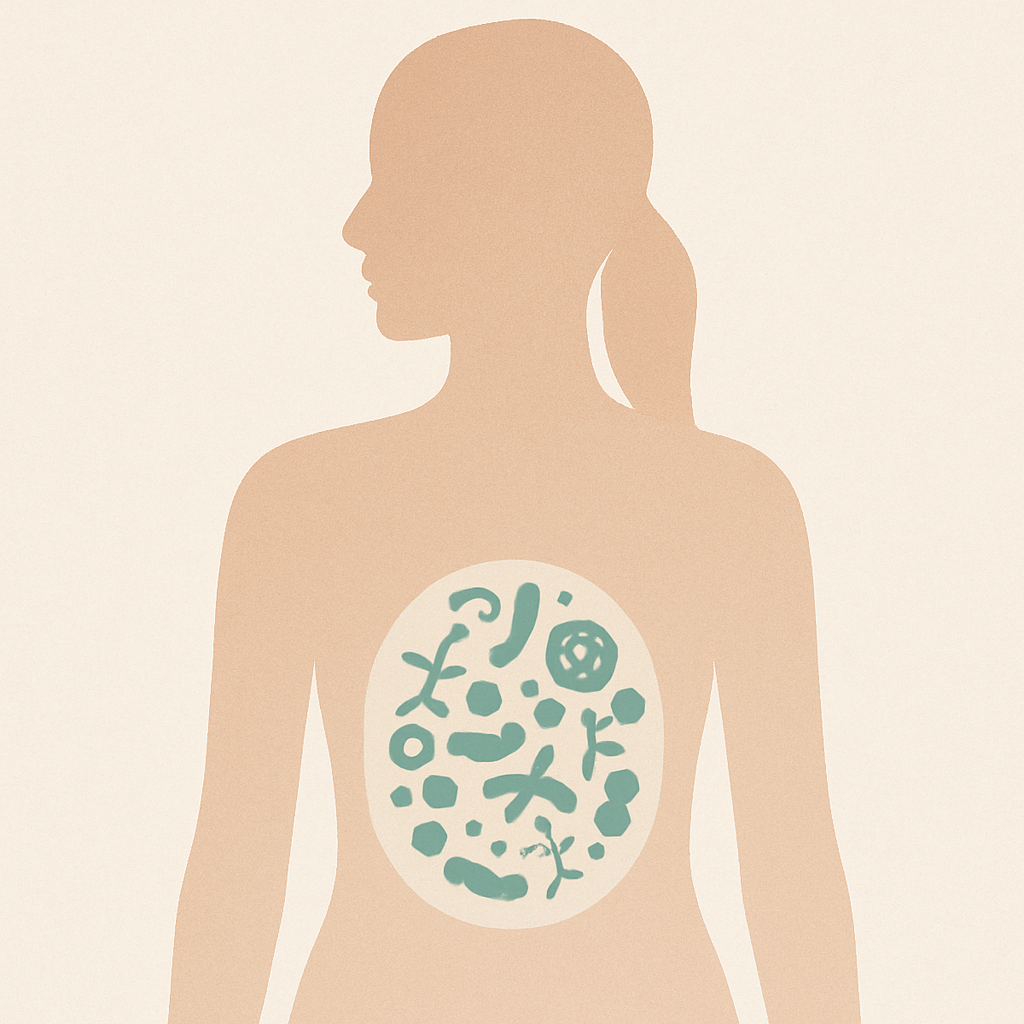
Functional gut health refers to the optimal functioning of the gastrointestinal (GI) tract, which plays a crucial role in digestion, nutrient absorption, and overall wellness. It encompasses a balance of beneficial gut bacteria, proper gut motility, and a healthy gut lining, contributing to the body's ability to process food and may help with waste efficiently. Maintaining functional gut health is essential for preventing digestive disorders and supporting overall health.
Key Active Compounds & Mechanisms
Several key compounds contribute to functional gut health:
- Probiotics: Live microorganisms that, when consumed in adequate amounts, confer health benefits to the host. Common strains include Lactobacillus and Bifidobacterium.
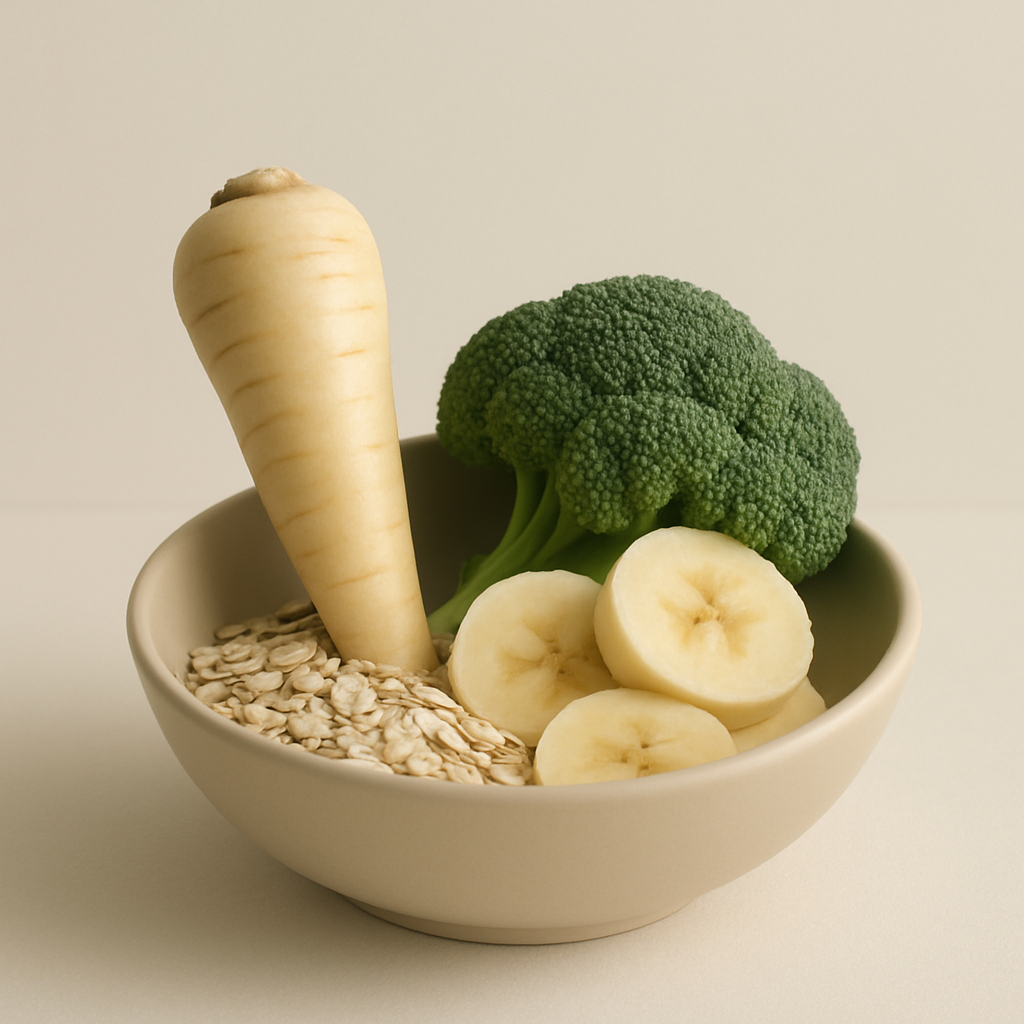
- Prebiotics: Non-digestible food ingredients that promote the growth of beneficial bacteria in the gut, such as inulin and fructooligosaccharides.
- Short-chain fatty acids (SCFAs): Produced by the fermentation of dietary fibers by gut bacteria, SCFAs play a vital role in maintaining gut health and reducing inflammation.
Traditional Uses
Throughout history, various cultures have recognized the importance of gut health. Ancient civilizations utilized fermented foods, such as yogurt and kimchi, to promote digestive health. Ayurvedic practices emphasized the balance of digestive fire (Agni) and the consumption of spices like ginger and turmeric to enhance digestion. Similarly, Traditional Chinese Medicine often employed herbal formulas that supported the spleen and stomach to maintain digestive harmony.
What Modern Research Suggests
Recent studies have begun to validate traditional practices surrounding gut health. Research indicates that a diverse gut microbiome is linked to improved digestion and immunity. Probiotics have been shown to alleviate symptoms of irritable bowel syndrome (IBS) and improve gut barrier function. Additionally, the role of prebiotics in promoting beneficial gut flora is increasingly recognized, highlighting their potential in preventing digestive disorders.
Functional Actions
Functional gut health supports several mechanisms:
- Improved Digestion: A balanced gut microbiome aids in breaking down food and absorbing nutrients.
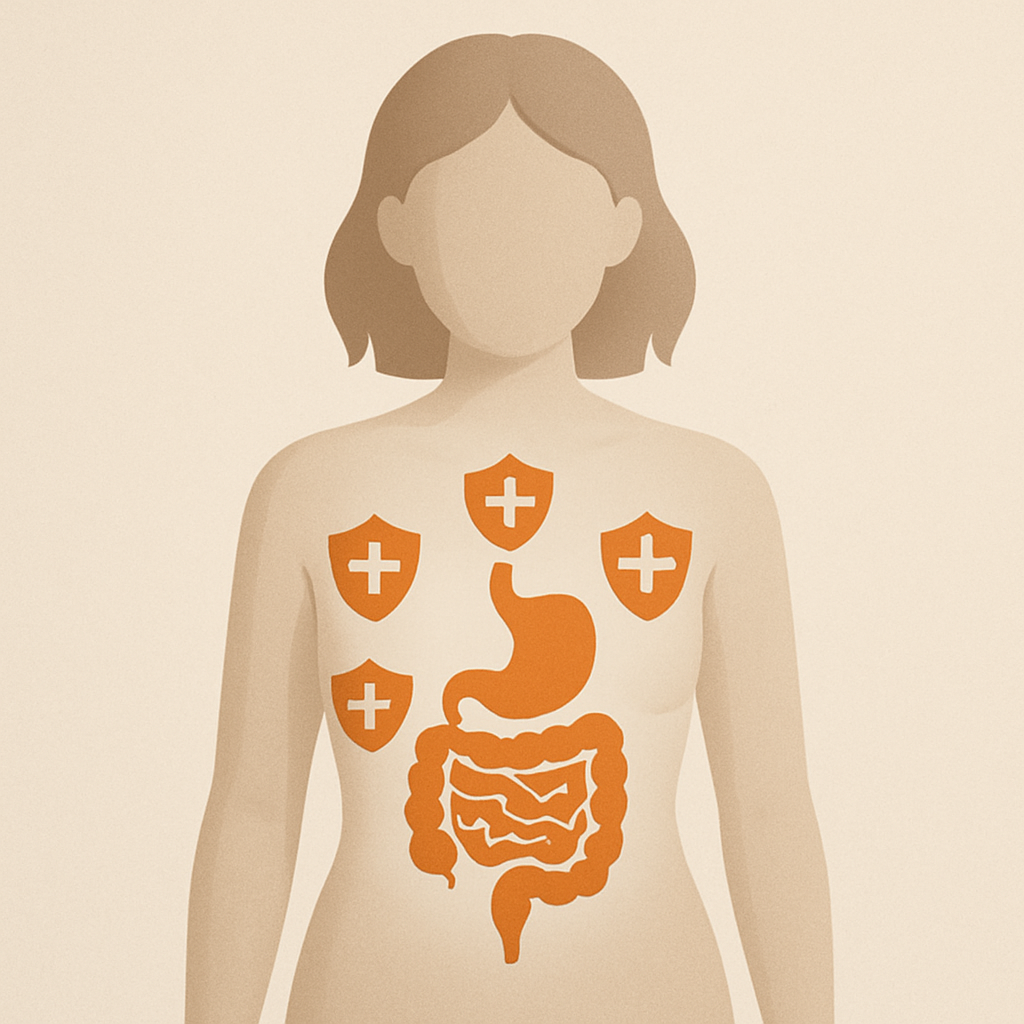
- Enhanced Immune Function: A healthy gut is essential for a robust immune system, as a significant portion of immune cells resides in the gut.
- Reduced Inflammation: SCFAs produced by gut bacteria can help reduce inflammation in the gut and throughout the body.
Body Systems Supported
Functional gut health primarily supports the digestive system but extends its benefits to other body systems:
- Immune System: A healthy gut microbiome supports immune function and helps protect against pathogens.
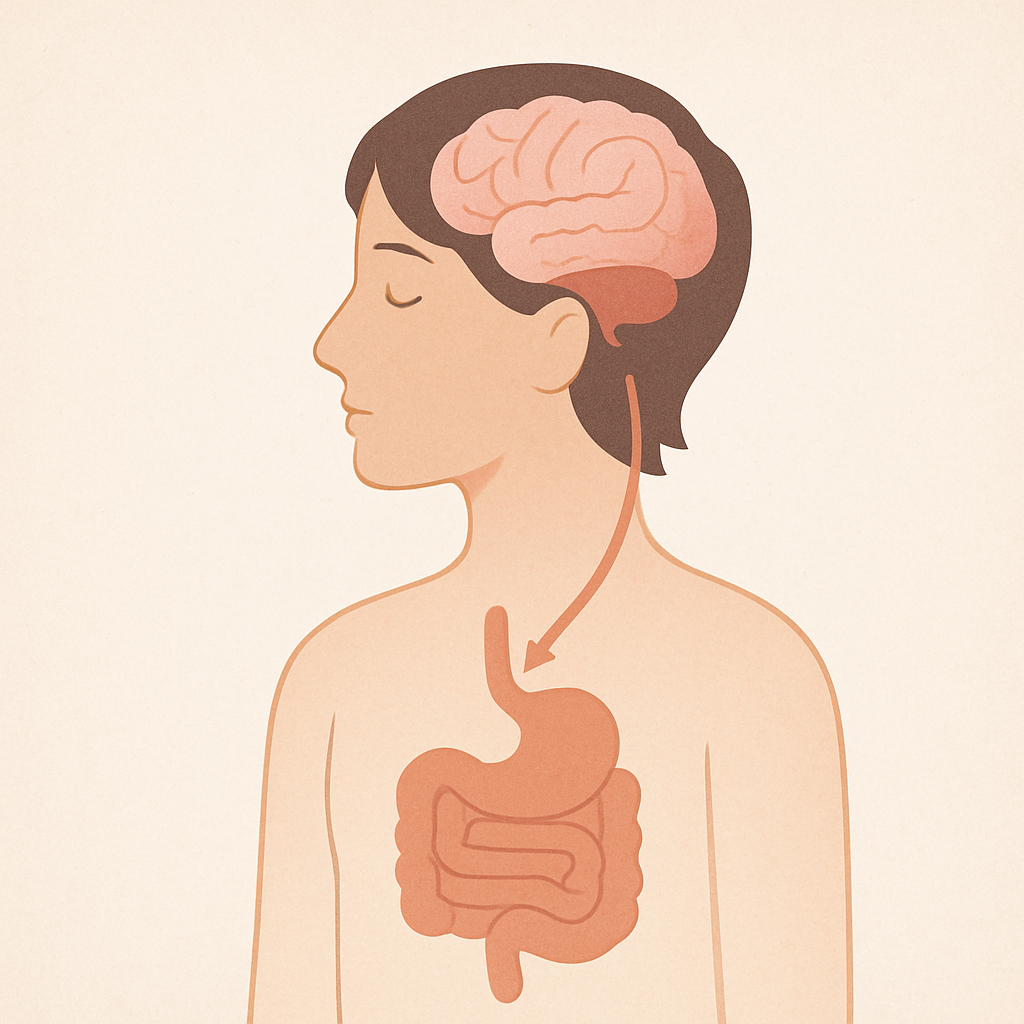
- Nervous System: The gut-brain connection links gut health to mental well-being, with potential impacts on mood and anxiety.
- Metabolic System: Gut health influences metabolism and can affect weight management and blood sugar regulation.
Common Forms & Educational Dosing Ranges
Functional gut health can be supported through various forms:
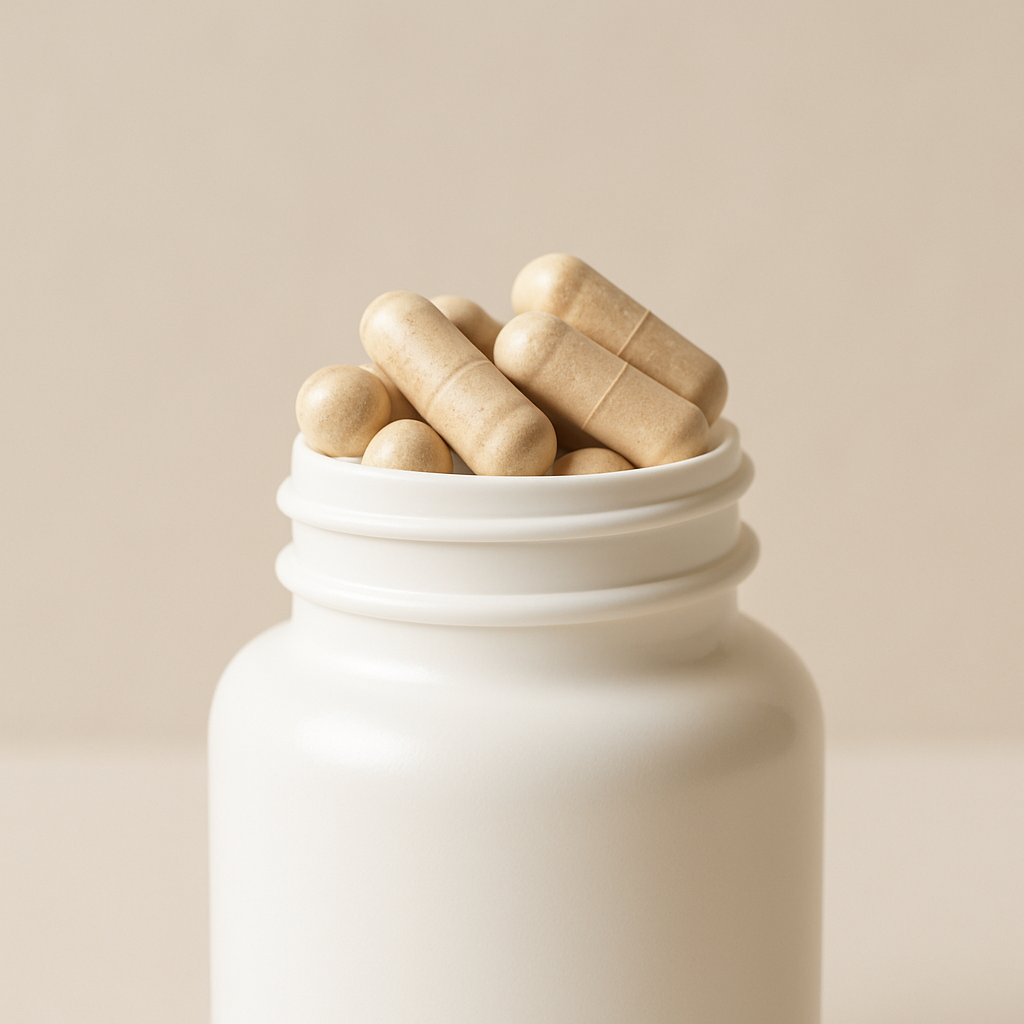
- Probiotic Supplements: Typically contain billions of colony-forming units (CFUs), with a common range of 5-10 billion CFUs per serving.
- Prebiotic Supplements: Often available in powder form, with recommended doses ranging from 3-10 grams per day.
- Fermented Foods: Incorporating foods like yogurt, kefir, sauerkraut, and kimchi into the diet can also support gut health.
Safety, Contraindications & Interactions
While probiotics and prebiotics are generally considered safe for most individuals, certain populations should exercise caution:
- Individuals with compromised immune systems or severe illnesses should consult a healthcare provider before using probiotics.
- People taking immunosuppressive medications may experience adverse effects from probiotics.
- Prebiotic fiber may cause gastrointestinal discomfort in some individuals, especially when consumed in large amounts.
Pairs Well With
Functional gut health can be enhanced by pairing probiotics and prebiotics with:
- Fiber-rich Foods: Whole grains, fruits, and vegetables that nourish beneficial gut bacteria.
- Healthy Fats: Omega-3 fatty acids, found in fish and flaxseeds, can support gut health.
- Hydration: Adequate water intake is essential for digestion and overall gut function.
FAQs (5)
- What are the benefits of probiotics? Probiotics can help restore gut flora balance, improve digestion, and support immune function.
- Can prebiotics help with digestive issues? Yes, prebiotics can promote the growth of beneficial gut bacteria, which may alleviate digestive discomfort.
- How do I know which probiotic to choose? Look for a probiotic that contains well-researched strains and an adequate CFU count, and consider your specific health needs.
- Are fermented foods better than supplements? Both can be beneficial; fermented foods provide a variety of strains and nutrients, while supplements can target specific health concerns.
- How long does it take to see benefits from probiotics? Benefits can vary, but many individuals may notice improvements within a few weeks of consistent use.
Frequently asked
What are the benefits of probiotics?
Probiotics can help restore gut flora balance, improve digestion, and support immune function.
Can prebiotics help with digestive issues?
Yes, prebiotics can promote the growth of beneficial gut bacteria, which may alleviate digestive discomfort.
How do I know which probiotic to choose?
Look for a probiotic that contains well-researched strains and an adequate CFU count, and consider your specific health needs.
Are fermented foods better than supplements?
Both can be beneficial; fermented foods provide a variety of strains and nutrients, while supplements can target specific health concerns.
How long does it take to see benefits from probiotics?
Benefits can vary, but many individuals may notice improvements within a few weeks of consistent use.