Digestive Recovery
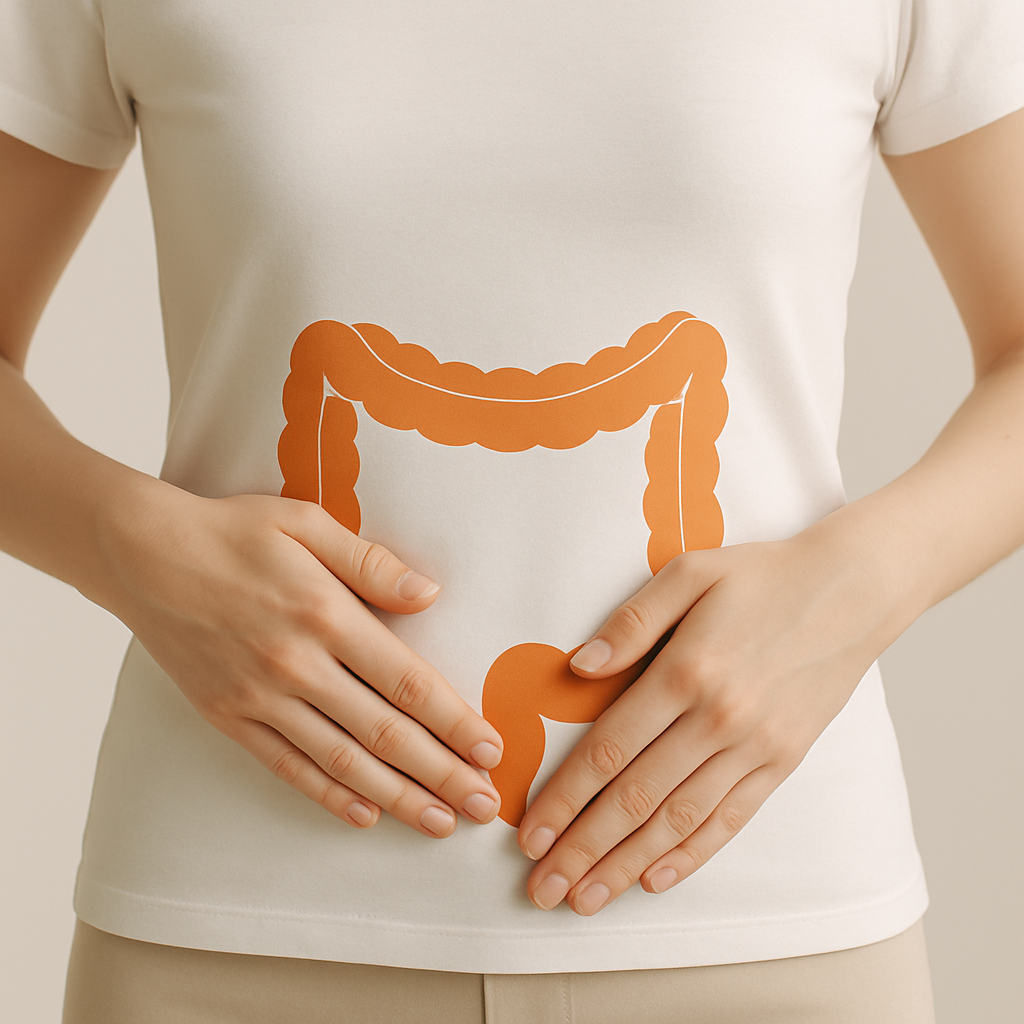
Explore the world of digestive recovery through natural remedies, including probiotics and gut-supporting compounds. Learn about their mechanisms, traditional uses, and modern research to enhance your digestive health.
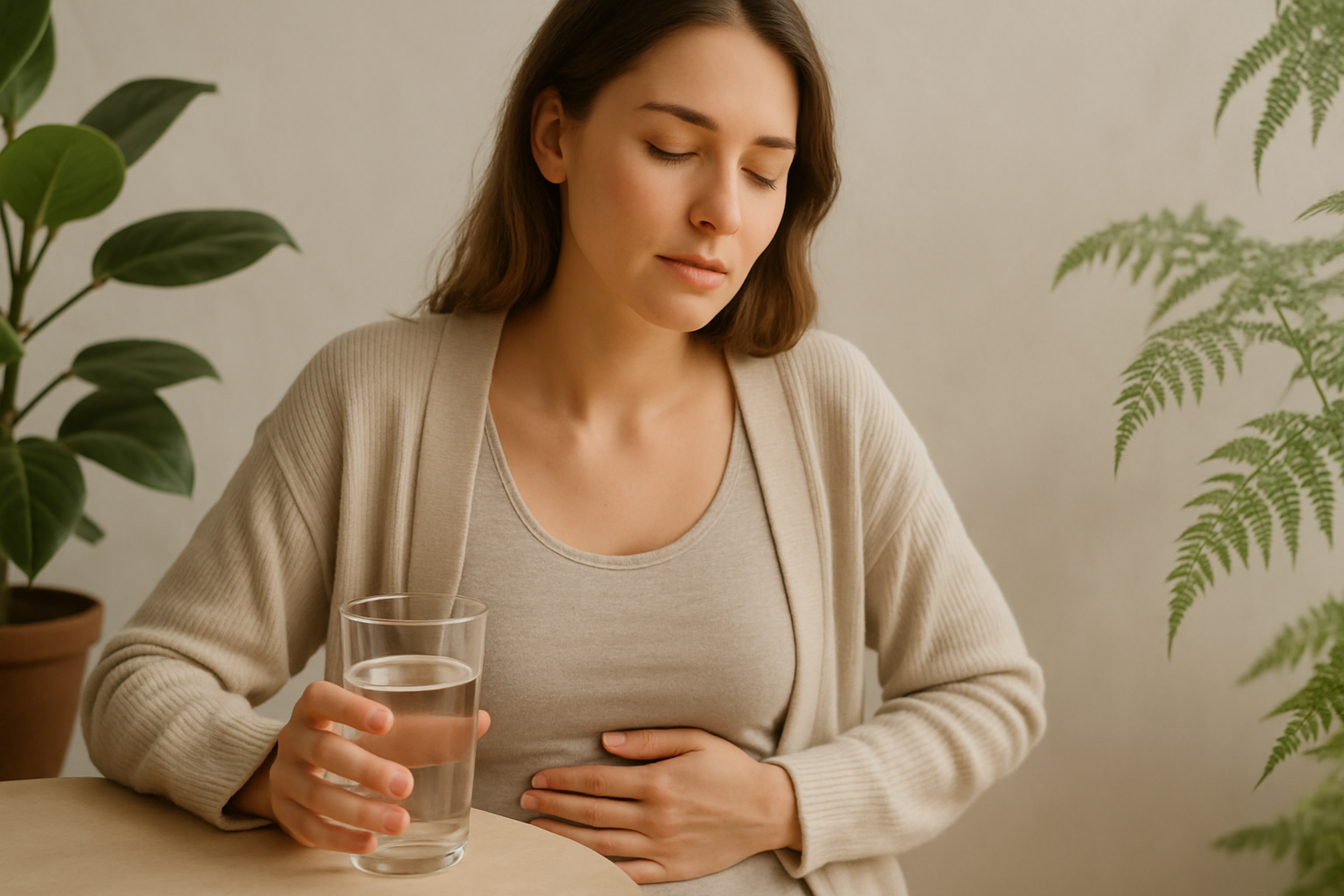
Digestive recovery focuses on restoring gut health through natural remedies, primarily utilizing probiotics and gut-supporting compounds. Understanding the mechanisms, traditional uses, and modern research can empower individuals to enhance their digestive wellness.
What It Is
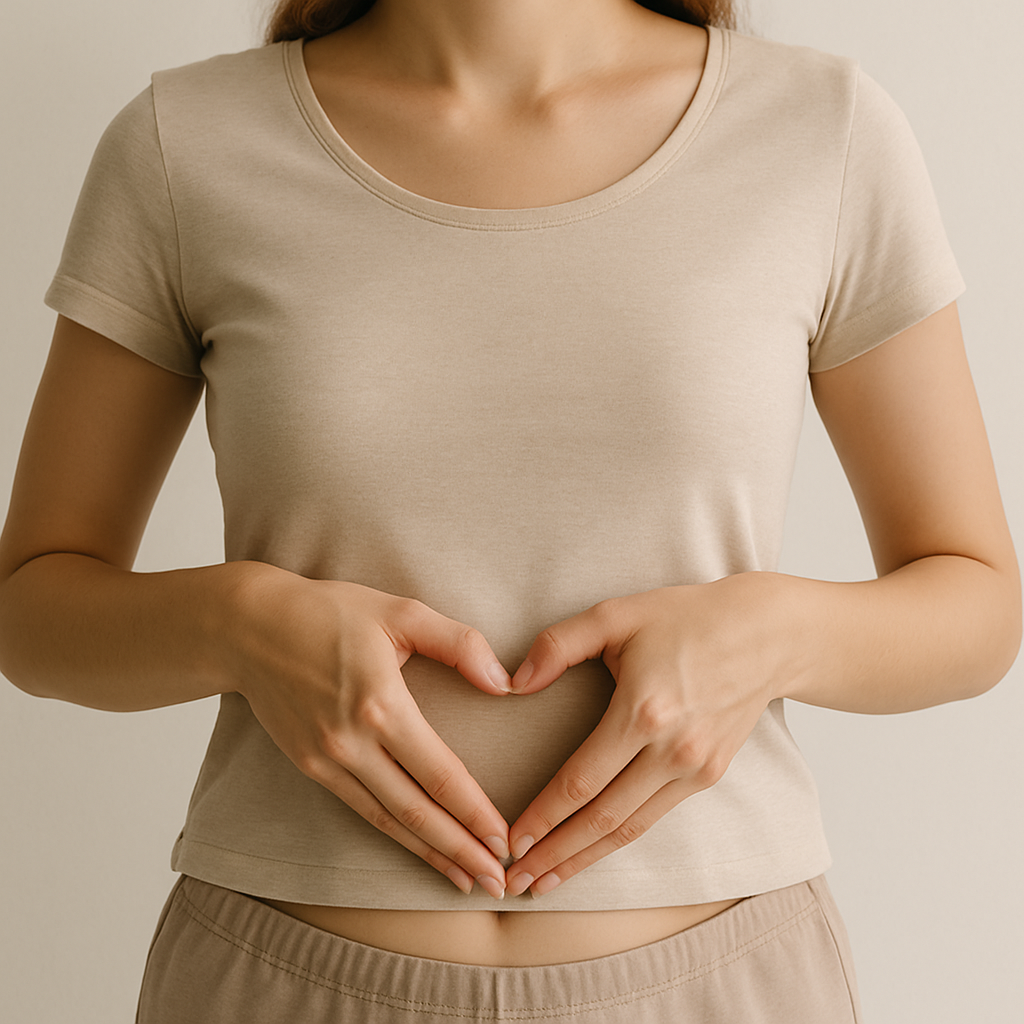
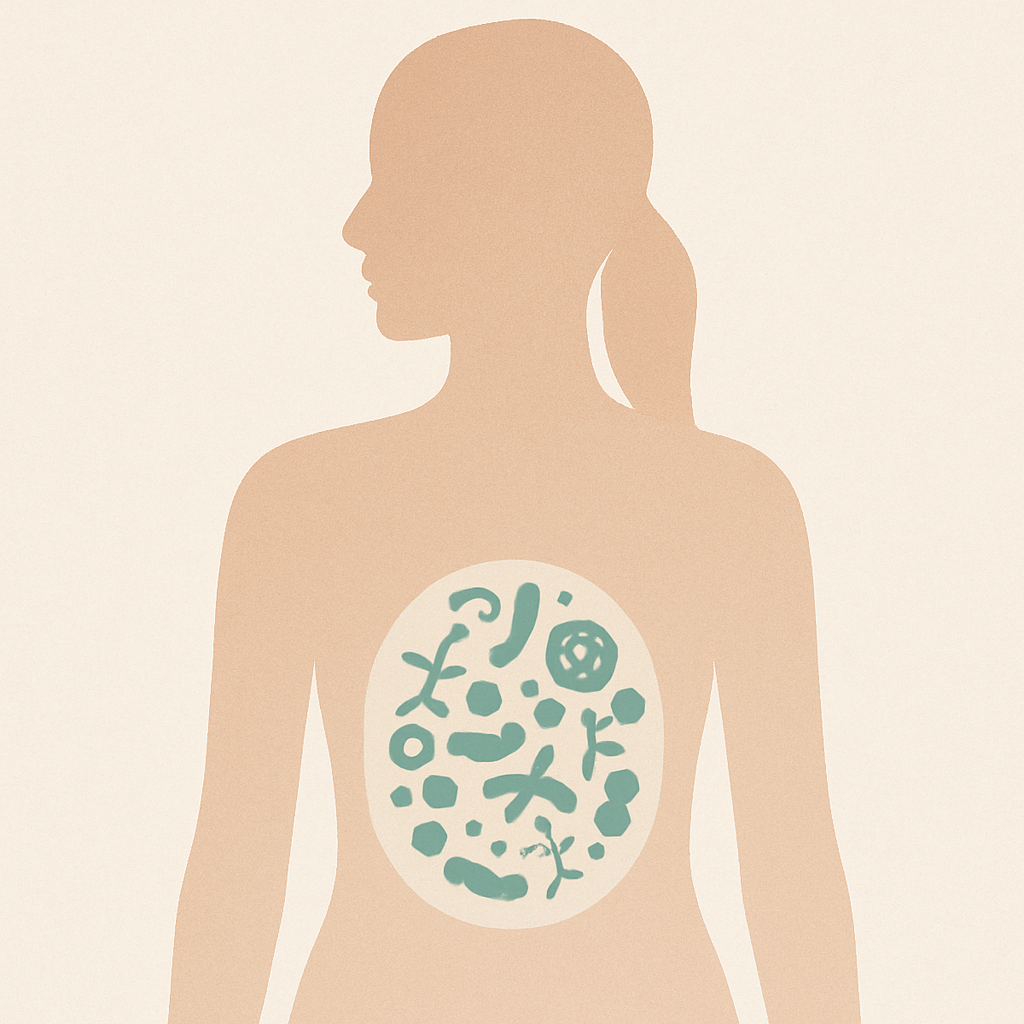
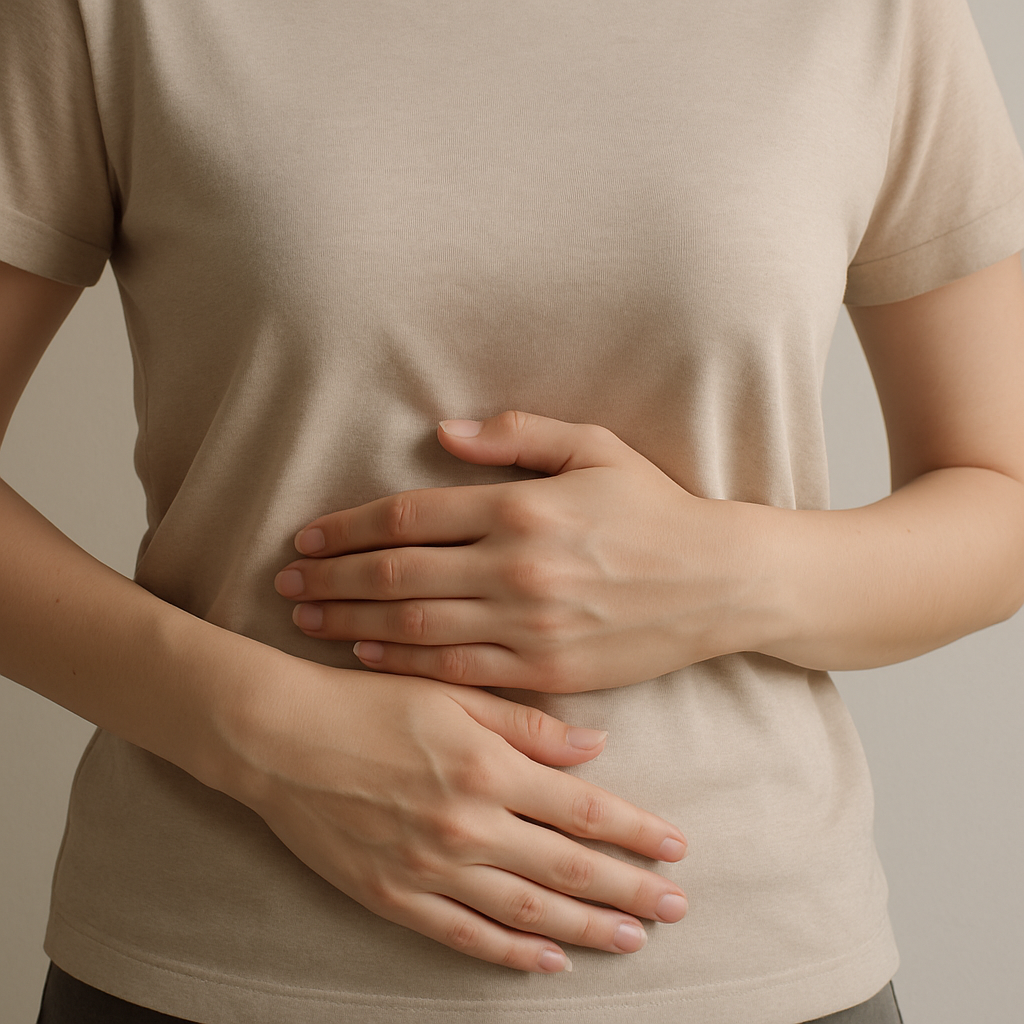
Digestive recovery involves the process of restoring and maintaining optimal gut health, particularly after disturbances such as infections, antibiotic use, or digestive disorders. This recovery often relies on probiotics, which are live microorganisms that provide health benefits when consumed in adequate amounts. Commonly known probiotics include species from the Lactobacillus and Bifidobacterium genera, which play crucial roles in maintaining a balanced gut microbiome.
Key Active Compounds & Mechanisms
The key active compounds in digestive recovery primarily include:
- Probiotics: Beneficial bacteria that help restore the gut flora.
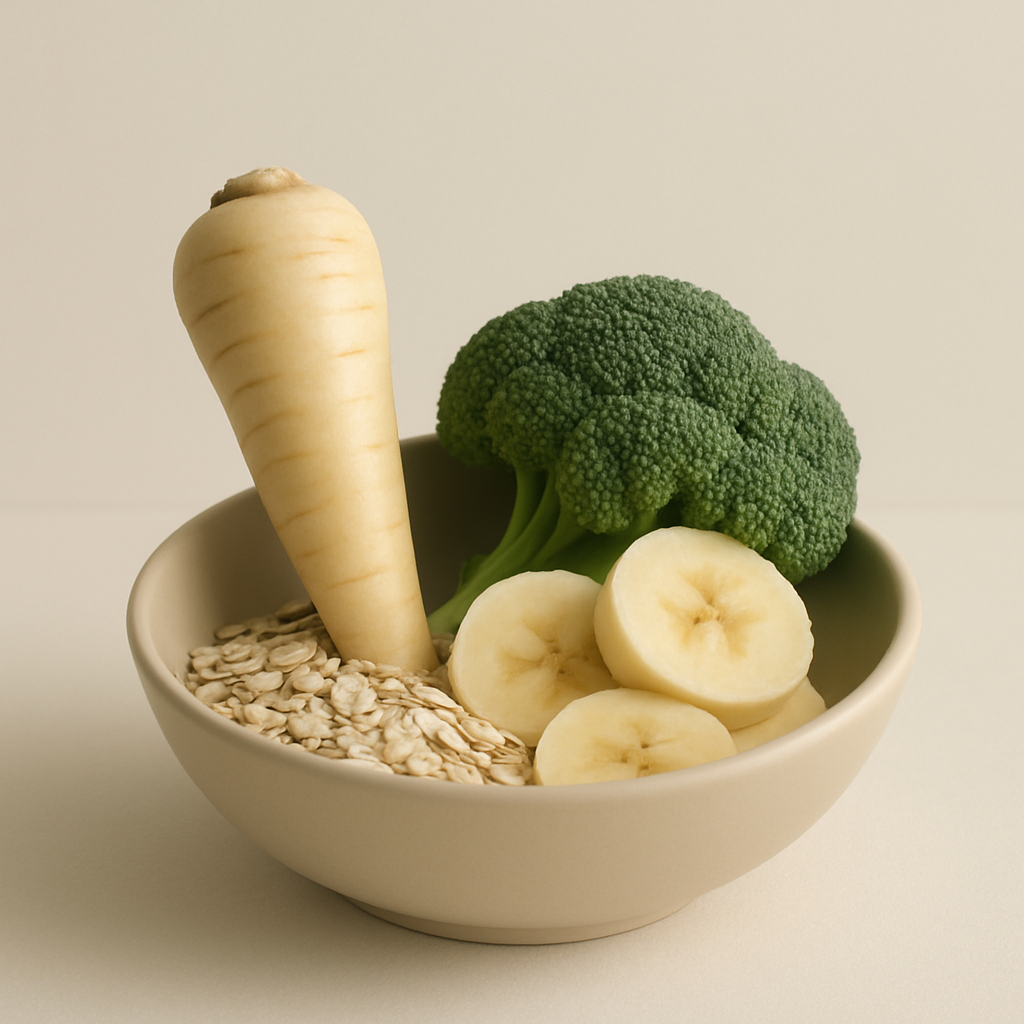
- Prebiotics: Non-digestible fibers that feed probiotics and promote their growth.
- Digestive Enzymes: Compounds that aid in breaking down food, improving nutrient absorption.
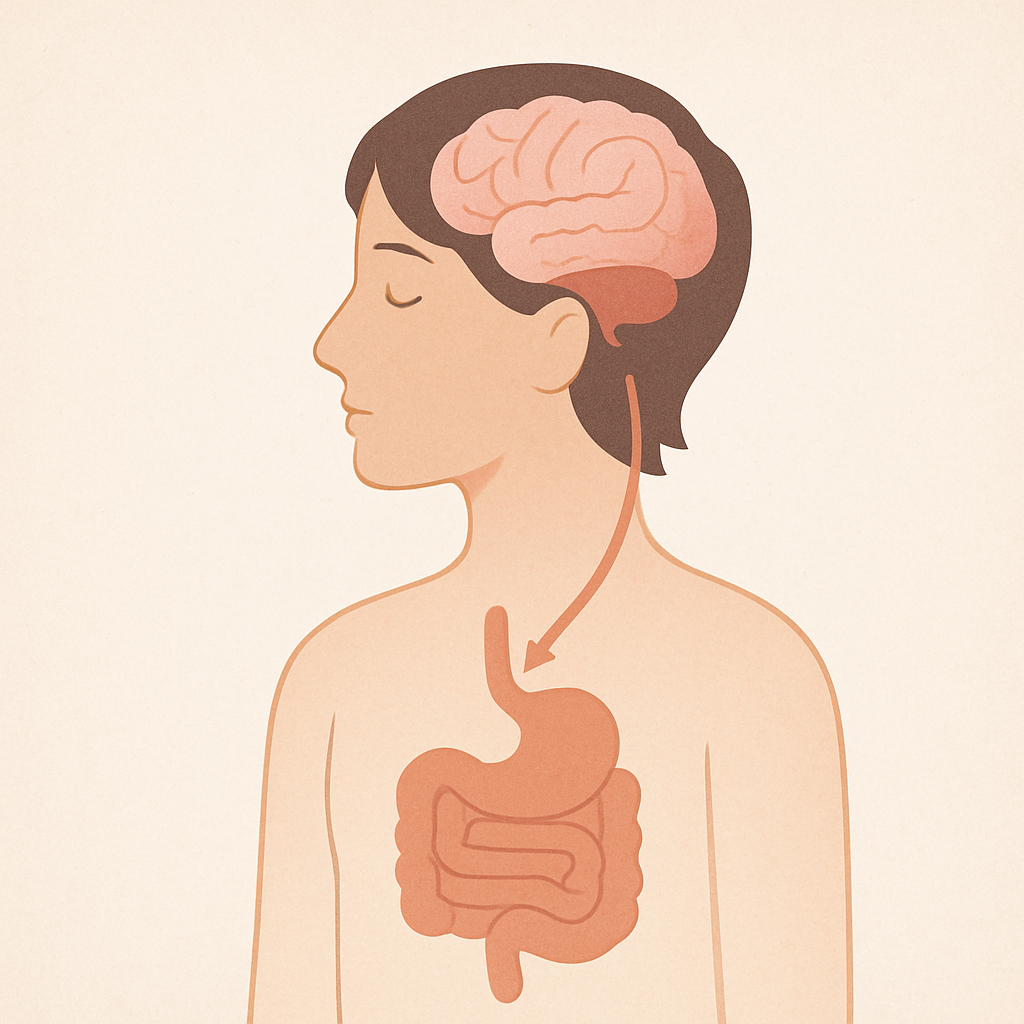
These compounds work through various mechanisms, such as enhancing gut barrier function, modulating immune responses, and producing short-chain fatty acids that nourish colon cells.
Traditional Uses
Historically, various cultures have recognized the importance of gut health. For example:
- Kefir: A fermented dairy product used in Central Asia, known for its probiotic content.
- Kimchi: A traditional Korean dish made from fermented vegetables, rich in beneficial bacteria.
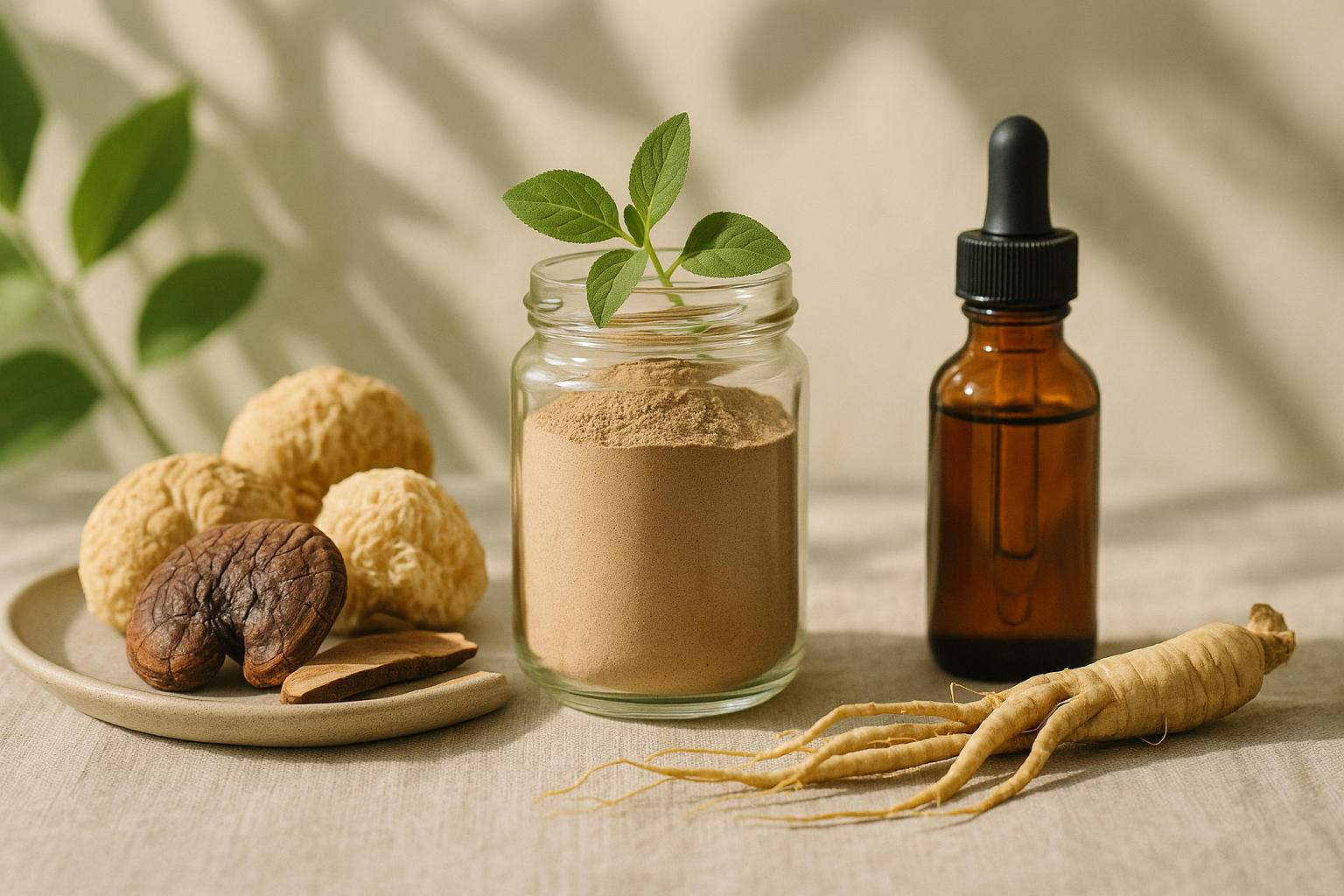
- Aloe Vera (Aloe barbadensis miller): Used in ancient Egypt and various traditional medicines for its soothing properties on the digestive tract.
These practices highlight the longstanding connection between fermented foods and digestive health.
What Modern Research Suggests
Modern research supports many traditional uses of probiotics and gut-supporting compounds. Studies have shown that probiotics can help alleviate symptoms of irritable bowel syndrome (IBS), reduce the duration of diarrhea, and even enhance the immune system. However, while evidence is promising, more rigorous clinical trials are needed to establish definitive guidelines regarding specific strains and their effects on various digestive conditions.
Functional Actions
The functional actions of digestive recovery methods include:
- Restoration of Gut Flora: Re-establishing a balanced microbiome following disturbances.
- Enhancement of Digestion: Improving the breakdown and absorption of nutrients.
- Reduction of Inflammation: Alleviating gut inflammation associated with various digestive disorders.
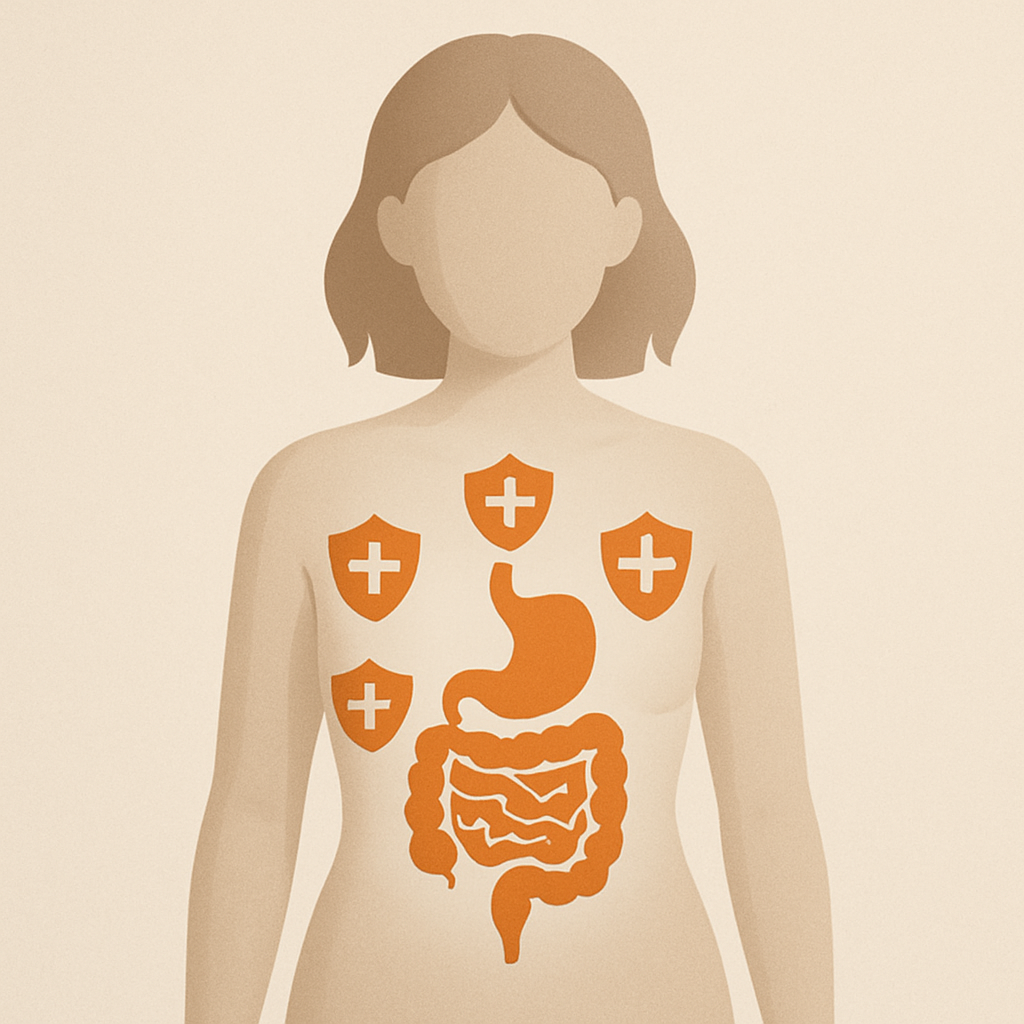
- Immune Modulation: Supporting the immune system through the gut-associated lymphoid tissue (GALT).
Body Systems Supported
Digestive recovery primarily supports the following body systems:
- Gastrointestinal System: Enhancing digestion and absorption.
- Immune System: Strengthening gut-related immune functions.
- Endocrine System: Influencing hormone regulation through gut microbiota.
Common Forms & Educational Dosing Ranges
Digestive recovery products come in various forms, including:
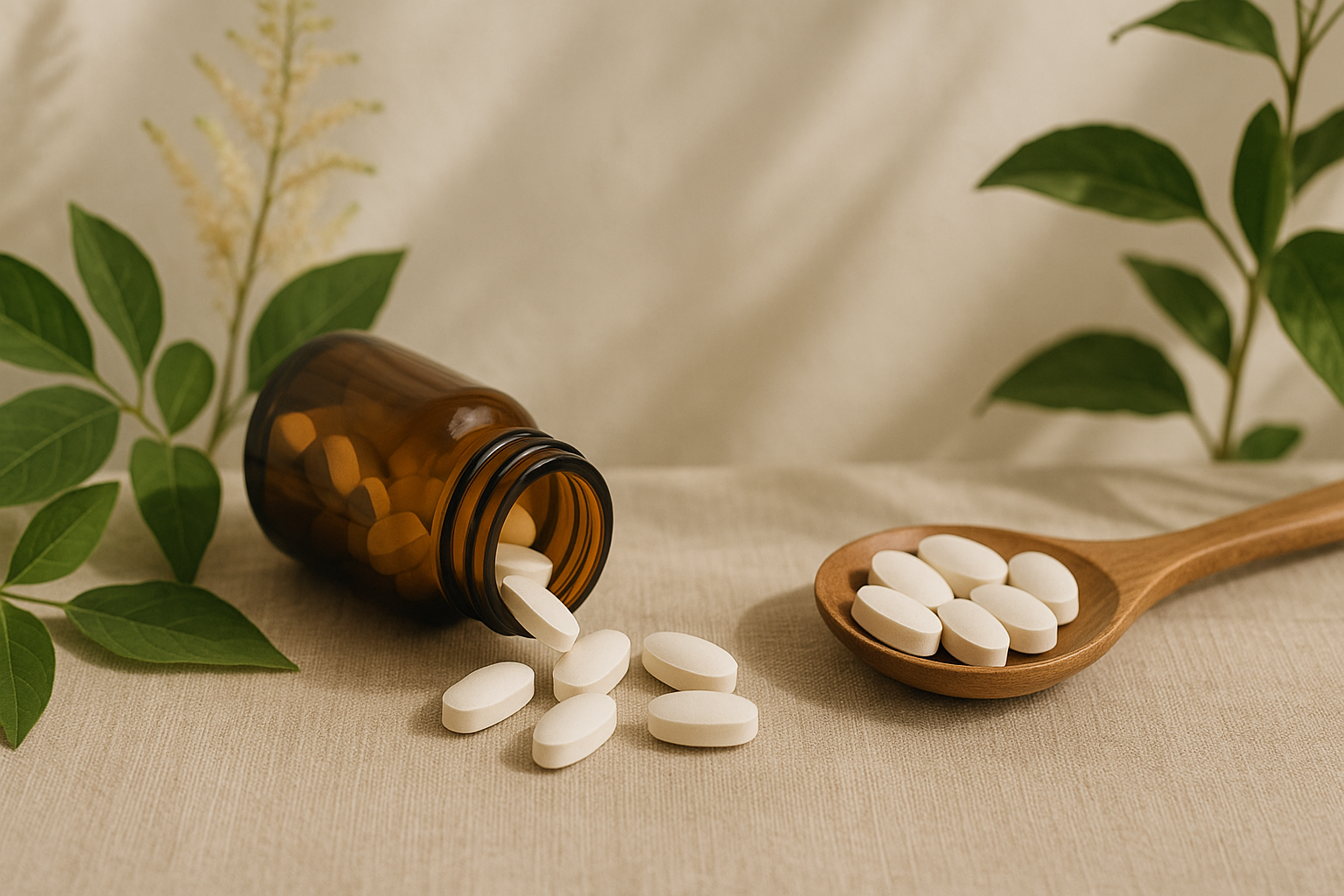
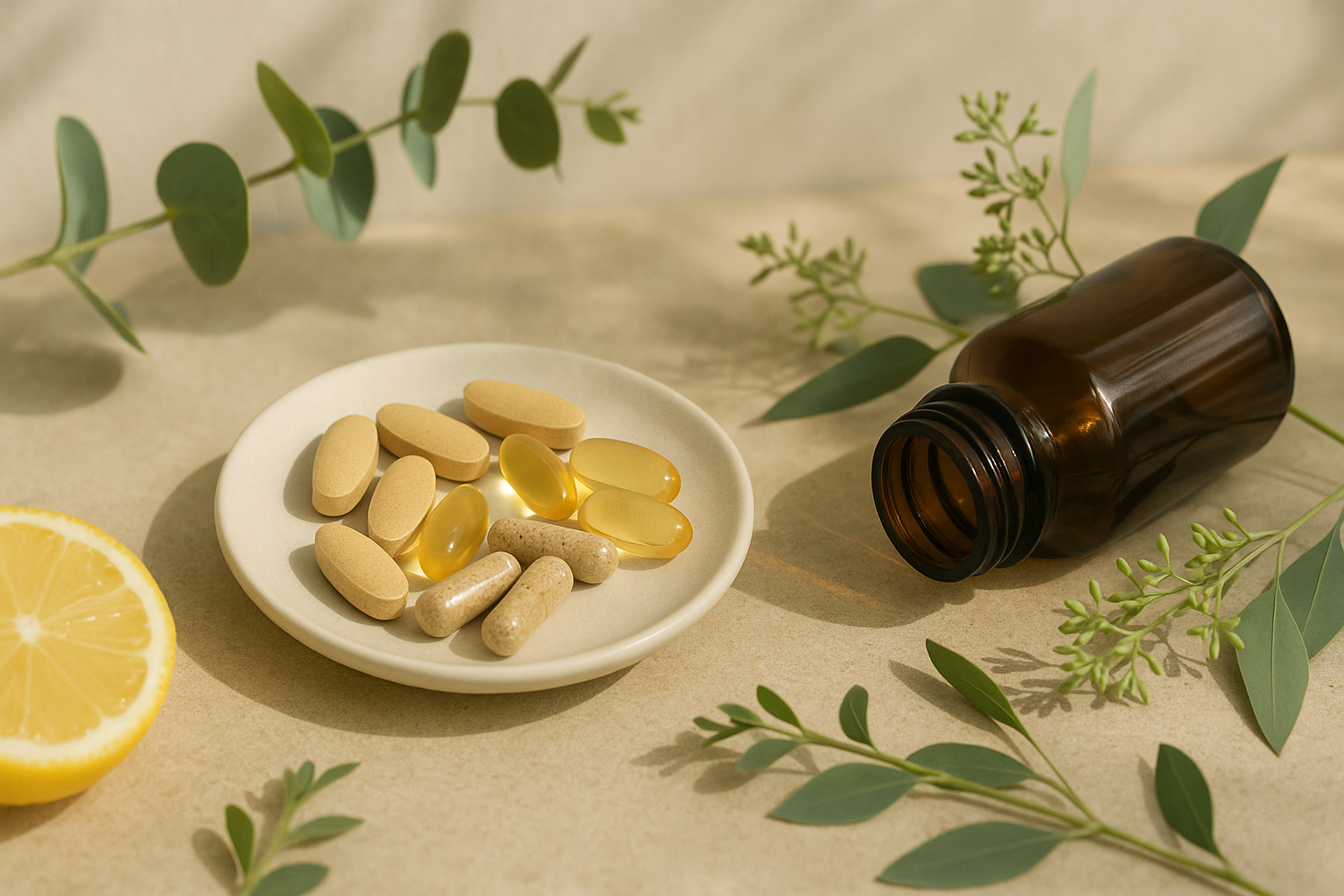
- Probiotic Supplements: Available in capsules, powders, or liquids, typically providing 1 billion to 100 billion CFUs (colony-forming units) per serving.
- Fermented Foods: Foods like yogurt, kefir, sauerkraut, and kimchi, consumed regularly as part of a balanced diet.
- Prebiotic Fiber Supplements: Such as inulin or psyllium husk, often taken in doses ranging from 3 to 10 grams per day.
Safety, Contraindications & Interactions
While generally safe for most individuals, certain precautions should be taken:
- Immunocompromised Individuals: Those with weakened immune systems should consult a healthcare provider before starting probiotics.
- Interactions: Probiotics may interact with immunosuppressive medications, so individuals taking these should seek medical advice.
- Digestive Disorders: Individuals with severe digestive disorders should also consult a healthcare professional before use.
Pairs Well With
For enhanced digestive recovery, consider pairing the following:
- Prebiotics: To nourish probiotics and enhance their effectiveness.
- Digestive Enzymes: To support the breakdown of food and improve nutrient absorption.
- Aloe Vera: For its soothing properties on the digestive tract.
FAQs (5)
- What are probiotics? Probiotics are live microorganisms, mainly bacteria, that provide health benefits when consumed.
- How can I improve my gut health? Incorporate probiotic-rich foods, prebiotics, and maintain a balanced diet.
- Are there any side effects of probiotics? Some individuals may experience gas or bloating, especially when first starting probiotics.
- Can probiotics help with digestive disorders? Many studies suggest probiotics can alleviate symptoms of conditions like IBS and diarrhea.
- How long should I take probiotics for digestive recovery? Duration varies; consult with a healthcare provider for personalized recommendations.
Frequently asked
What are probiotics?
Probiotics are live microorganisms, mainly bacteria, that provide health benefits when consumed.
How can I improve my gut health?
Incorporate probiotic-rich foods, prebiotics, and maintain a balanced diet.
Are there any side effects of probiotics?
Some individuals may experience gas or bloating, especially when first starting probiotics.
Can probiotics help with digestive disorders?
Many studies suggest probiotics can alleviate symptoms of conditions like IBS and diarrhea.
How long should I take probiotics for digestive recovery?
Duration varies; consult with a healthcare provider for personalized recommendations.