Probiotics
Discover the power of probiotics for gut support with insights on their traditional uses, modern research, and functional actions.
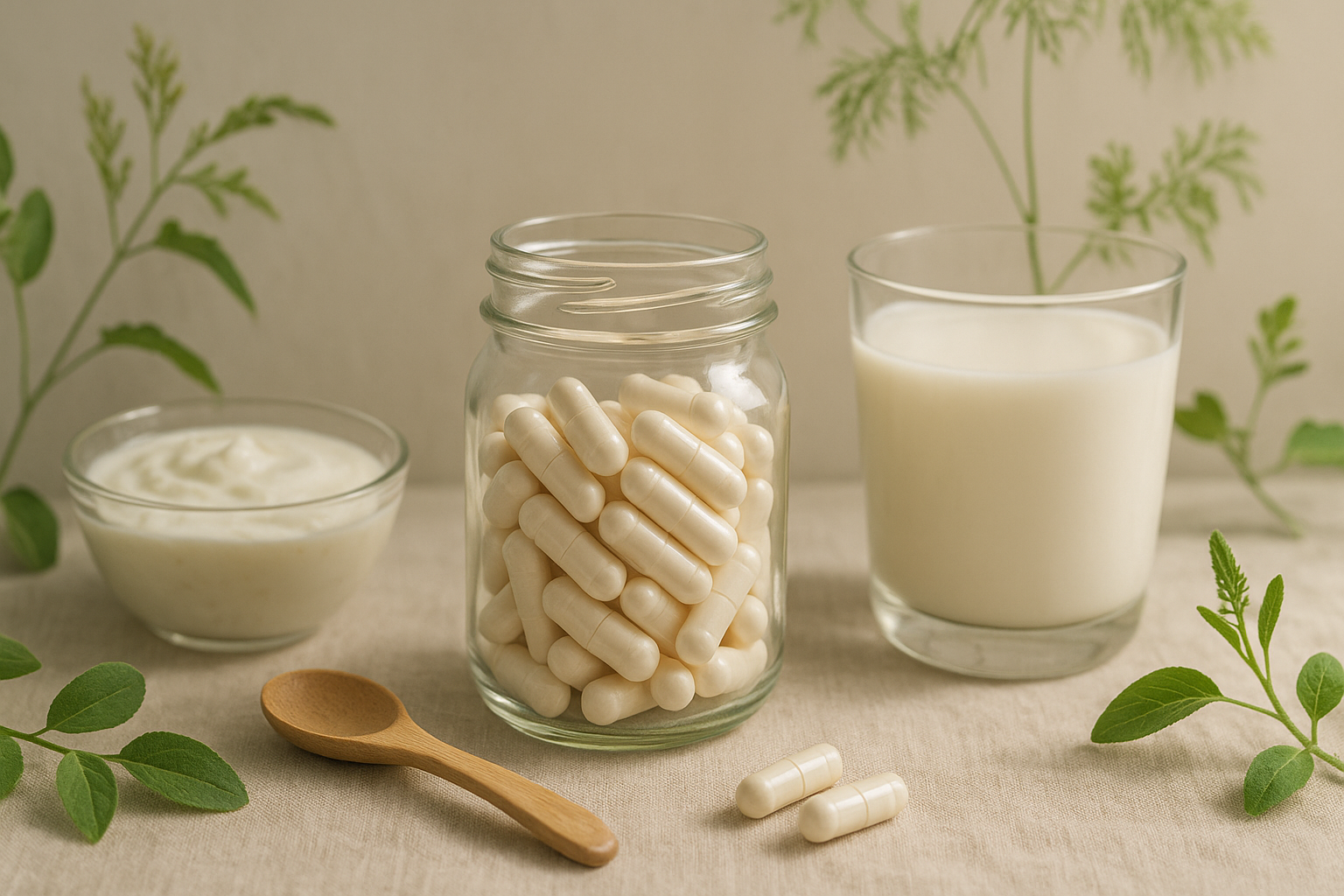
Explore the world of probiotics in this comprehensive guide, detailing their definition, traditional uses, modern research insights, and functional benefits for gut health.
What It Is
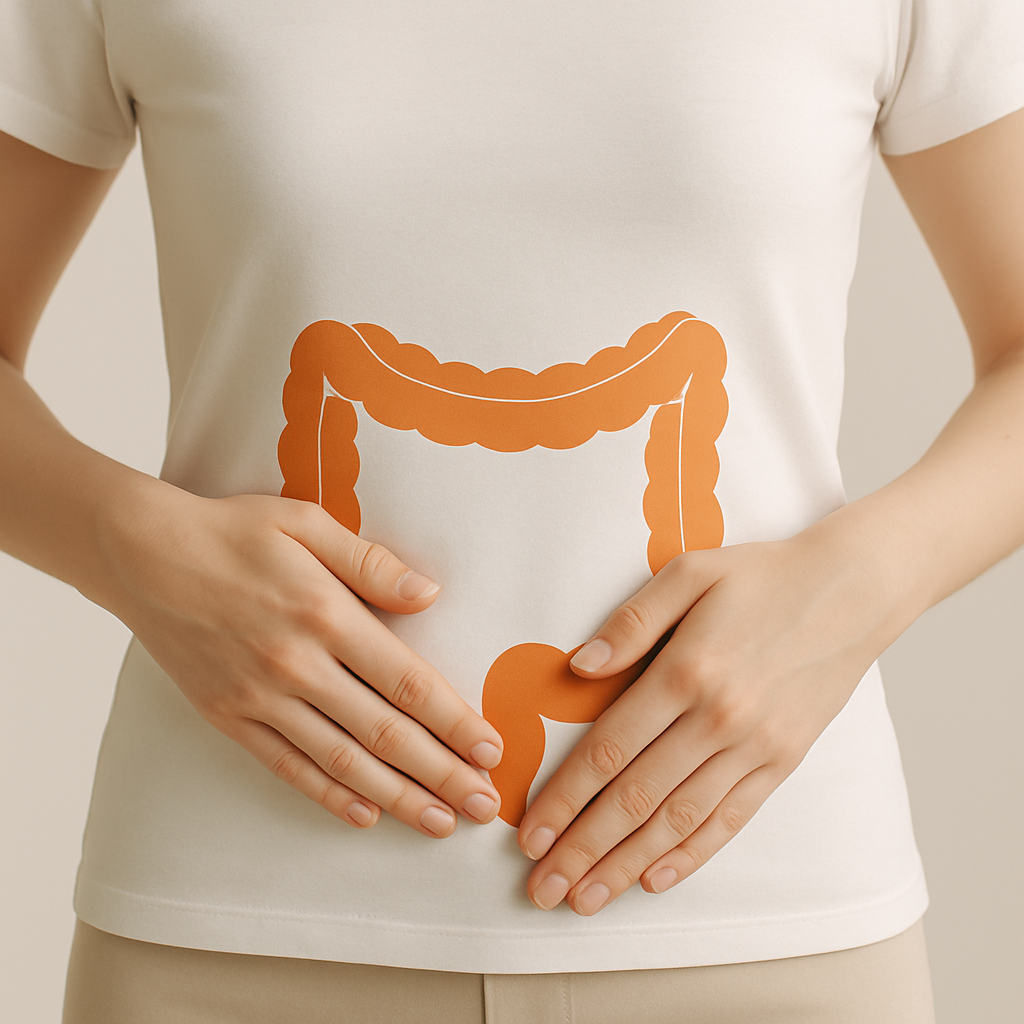
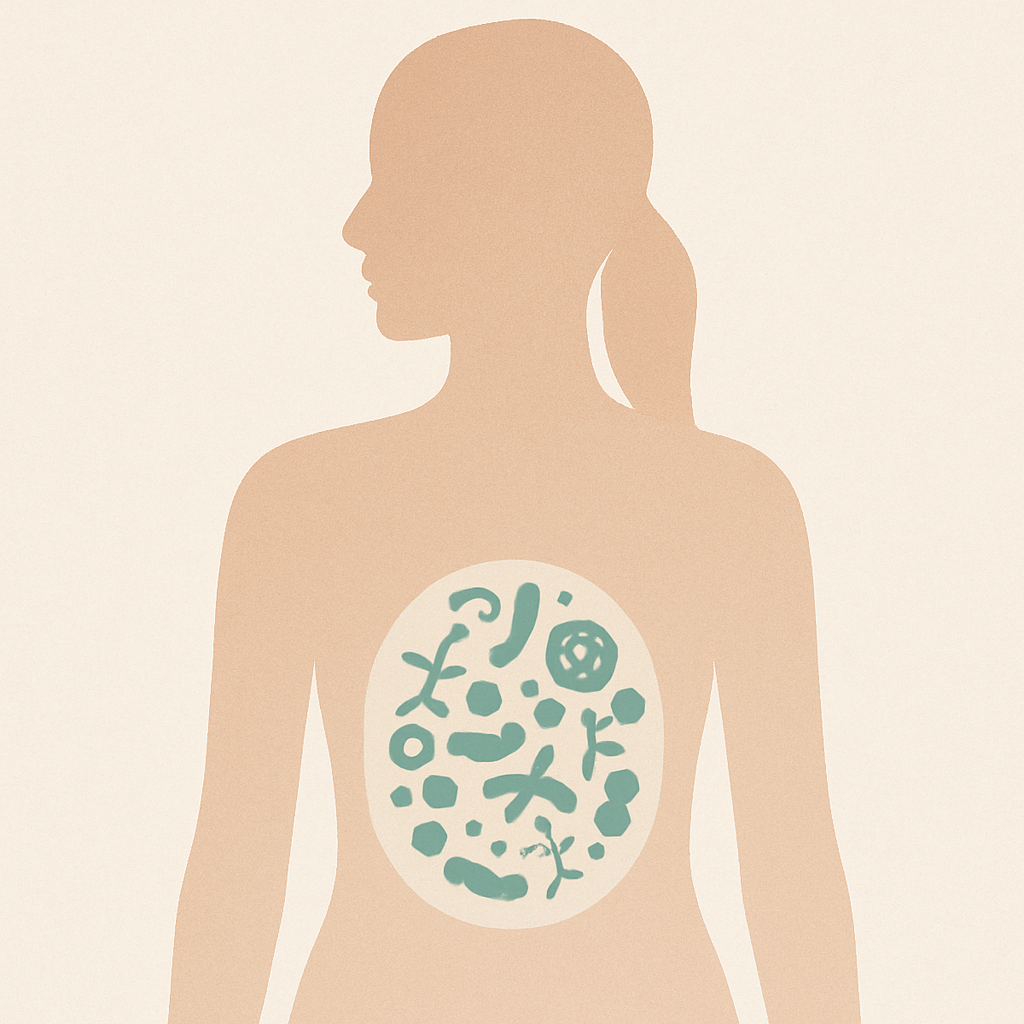
Probiotics are live microorganisms that provide health benefits when consumed in adequate amounts. These beneficial bacteria, often referred to as "good" bacteria, play a crucial role in maintaining gut health. Common strains include Lactobacillus and Bifidobacterium, among others, which help balance the gut microbiome and support digestive functions.
Key Active Compounds & Mechanisms
The primary active compounds in probiotics are the various strains of bacteria themselves. Each strain has unique properties and mechanisms that contribute to their health benefits:
- Lactobacillus: Produces lactic acid, which creates an acidic environment unfavorable for harmful bacteria.
- Bifidobacterium: Helps in the fermentation of dietary fibers and supports the immune system.
- Saccharomyces boulardii: A yeast probiotic that aids in preventing diarrhea and restoring gut flora.
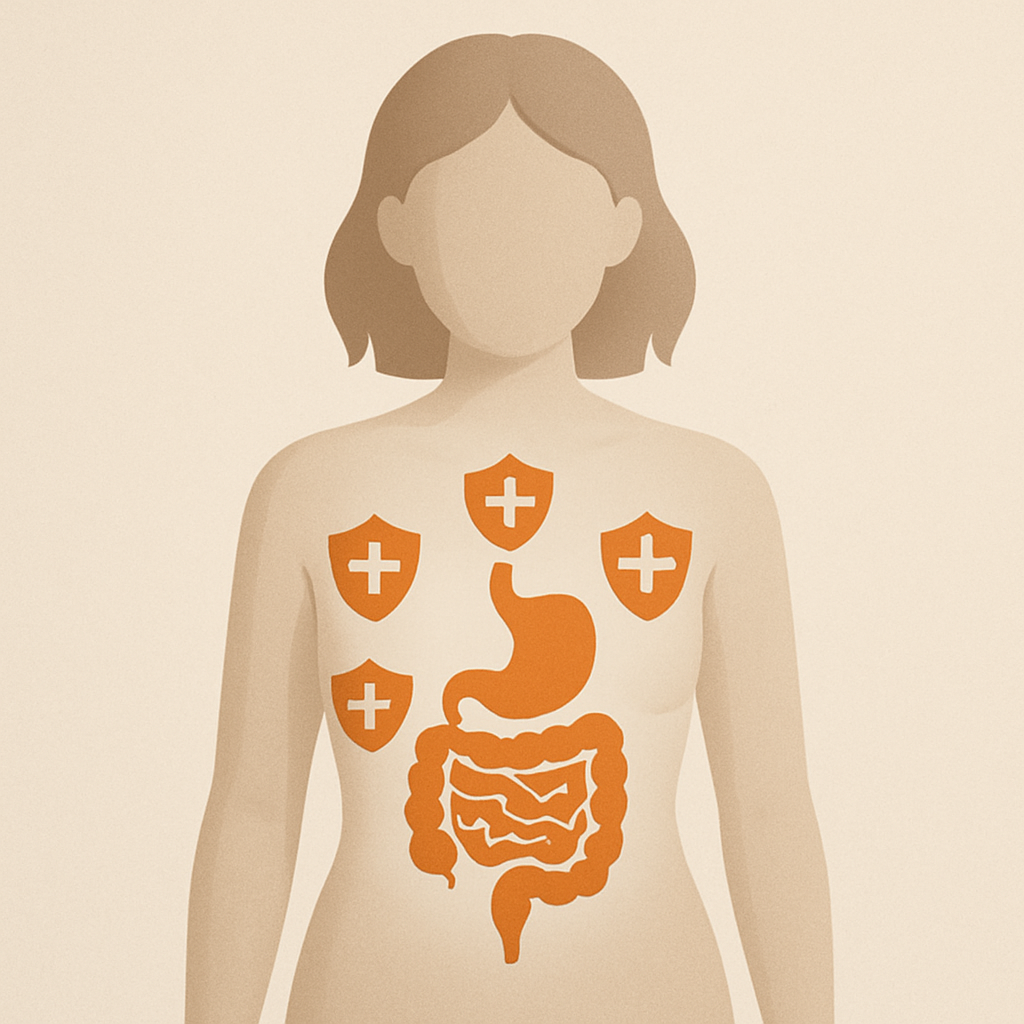
These compounds work by restoring the natural balance of the gut microbiota, enhancing the gut barrier, and modulating the immune response.
Traditional Uses
The use of probiotics dates back centuries, with traditional practices recognized in various cultures:
- Kefir: A fermented milk drink originating from the Caucasus region, rich in probiotics.
- Yogurt: Consumed in ancient Greece and Egypt, yogurt is known for its digestive benefits.
- Fermented vegetables: Cultures worldwide have utilized fermented foods like kimchi and sauerkraut for gut health.
These traditional uses highlight a long-standing recognition of the importance of gut health and the role of probiotics in supporting it.
What Modern Research Suggests
Modern research has begun to validate many of the historical uses of probiotics. Studies suggest that probiotics may help:
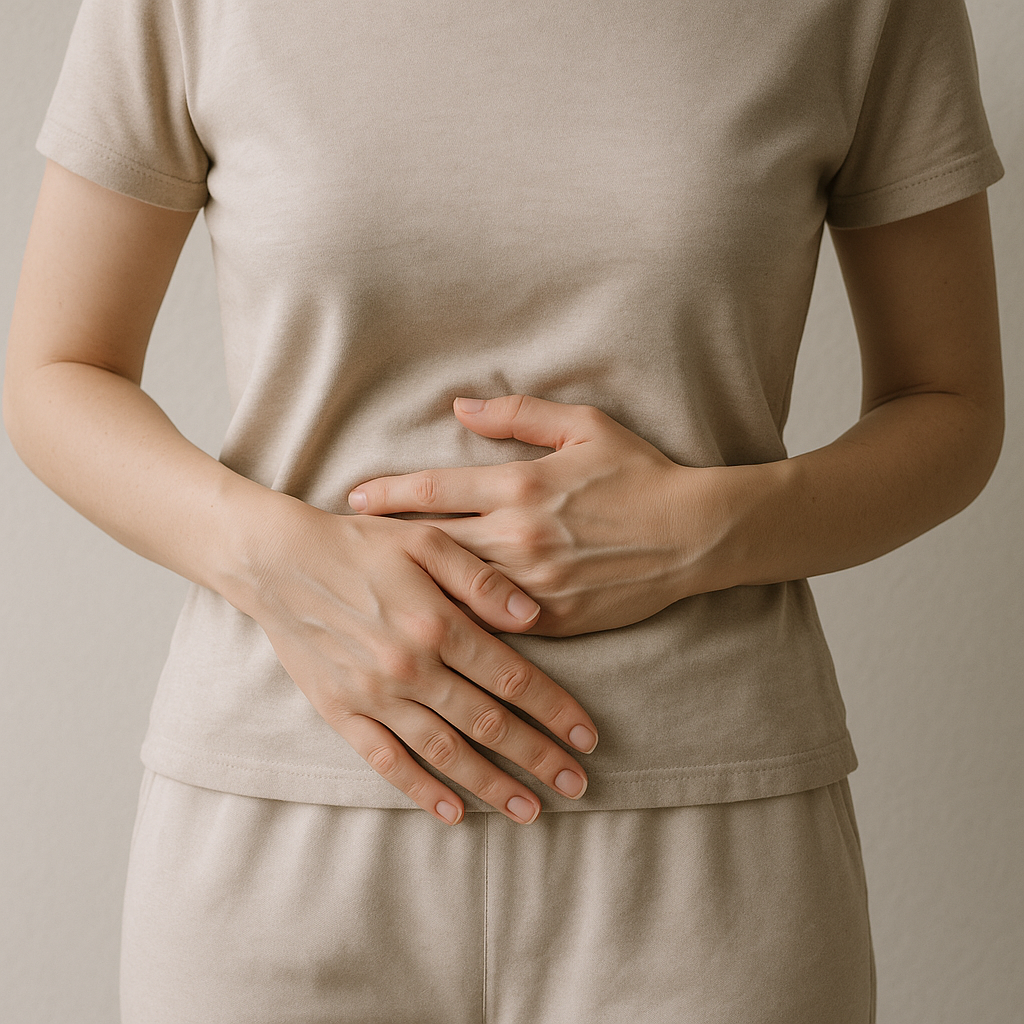
- Support digestive health by alleviating symptoms of irritable bowel syndrome (IBS).
- Enhance immune function and potentially reduce the incidence of infections.
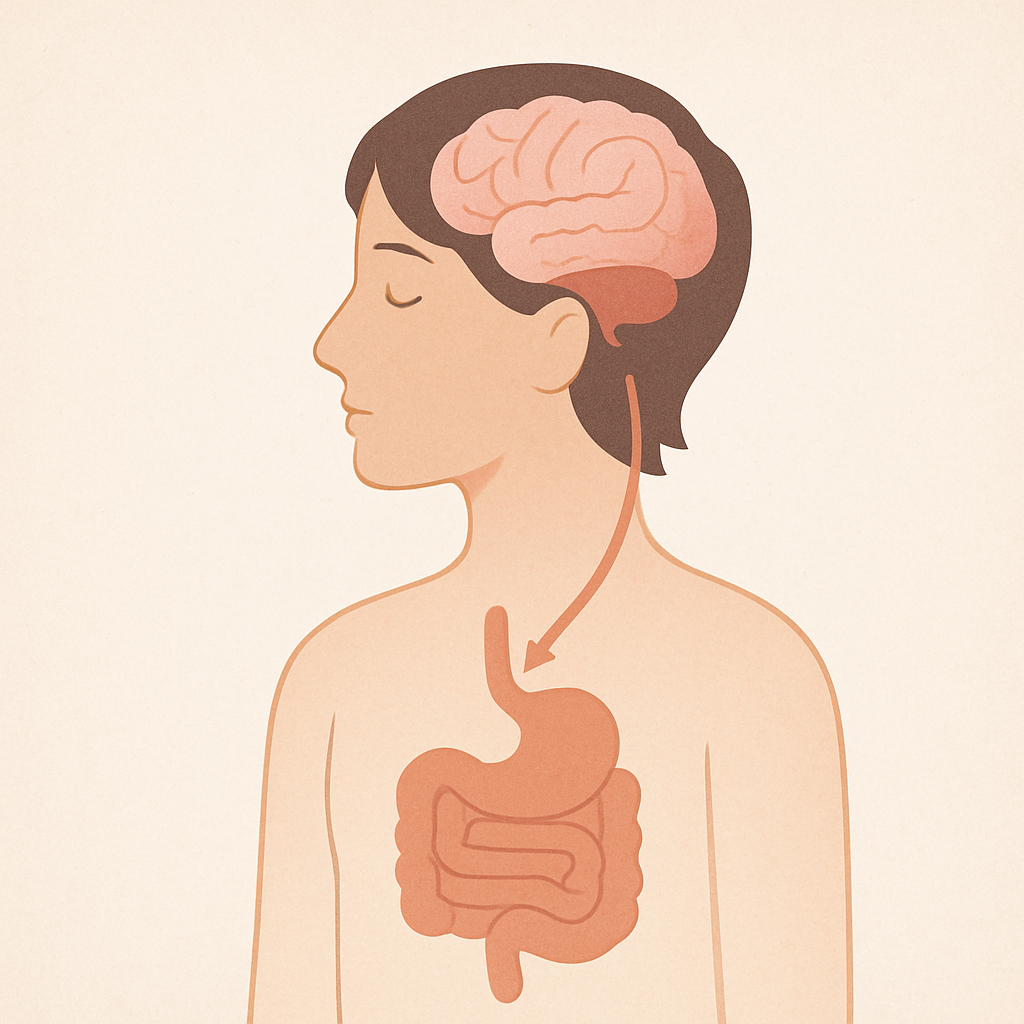
- Contribute to mental health by influencing the gut-brain axis.
While promising, further studies are needed to fully understand the mechanisms and efficacy of specific probiotic strains.
Functional Actions
Probiotics exhibit several functional actions, including:
- Restoring gut flora: They help replenish beneficial bacteria, especially after antibiotic use.
- Enhancing digestion: Probiotics improve the breakdown of food and nutrient absorption.
- Modulating the immune system: They can enhance immune responses and reduce inflammation.
These actions contribute significantly to overall gut health and well-being.
Body Systems Supported
Probiotics primarily support the digestive system, but their benefits extend to other body systems as well:
- Digestive System: Helps maintain a balanced gut microbiome and supports digestion.
- Immune System: Enhances immune function and helps in the prevention of infections.
- Nervous System: May influence mood and mental health through the gut-brain connection.
This multi-system support illustrates the integral role probiotics play in holistic health.
Common Forms & Educational Dosing Ranges
Probiotics are available in various forms, including:
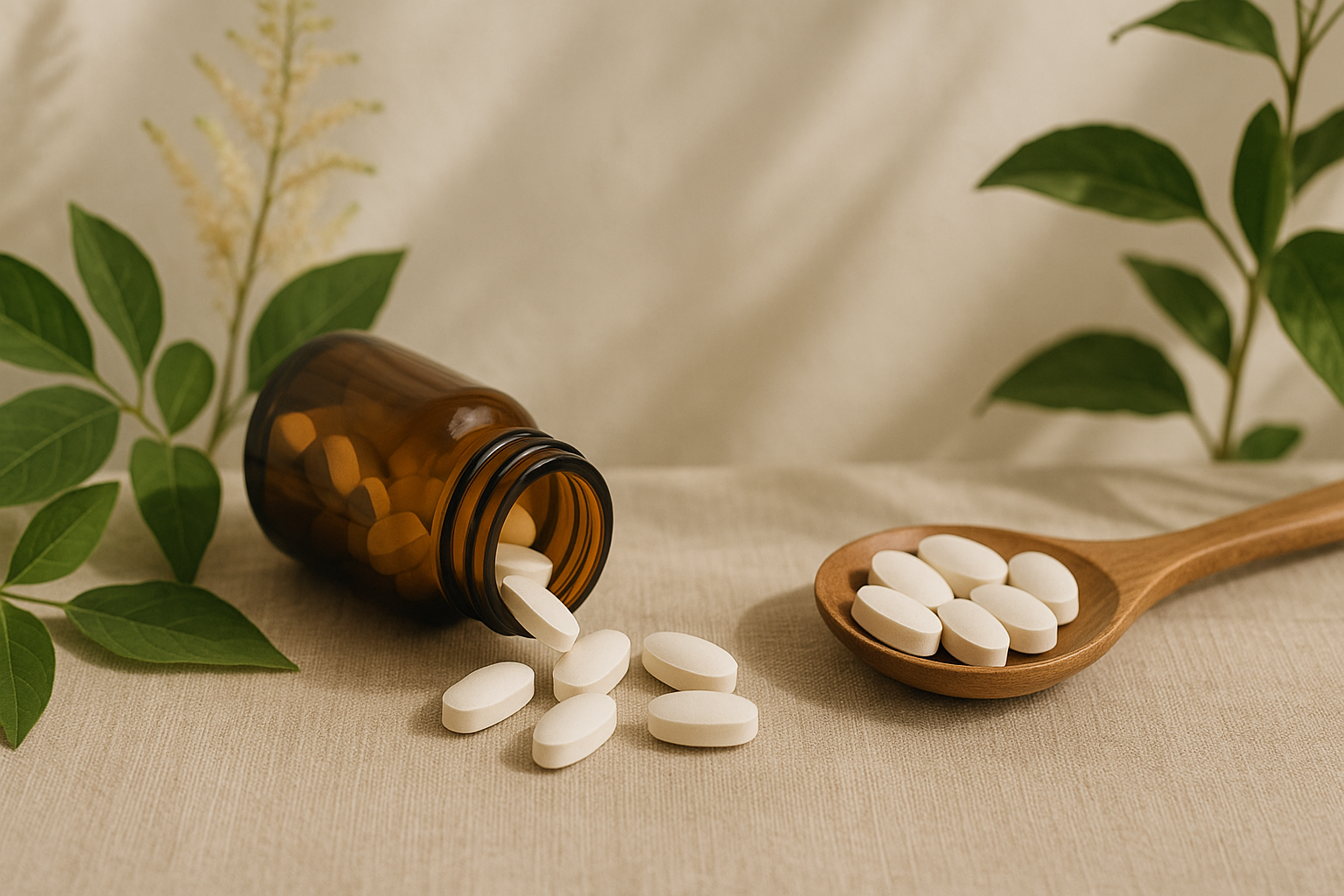
- Capsules: Convenient and widely used for targeted dosing.
- Powders: Can be mixed into food or beverages.
- Fermented foods: Such as yogurt, kefir, and sauerkraut.
Typical dosing ranges vary but often fall between 1 billion to 10 billion colony-forming units (CFUs) per day, depending on the specific strain and intended use.
Safety, Contraindications & Interactions
Probiotics are generally considered safe for most people, but some precautions should be noted:
- Individuals with compromised immune systems or underlying health conditions should consult a healthcare provider before use.
- Probiotics may interact with immunosuppressive medications, increasing the risk of infections.
- People with lactose intolerance should be cautious with dairy-based probiotics.
Understanding these factors is crucial for safe and effective probiotic use.
Pairs Well With
To enhance the effects of probiotics, consider pairing them with:
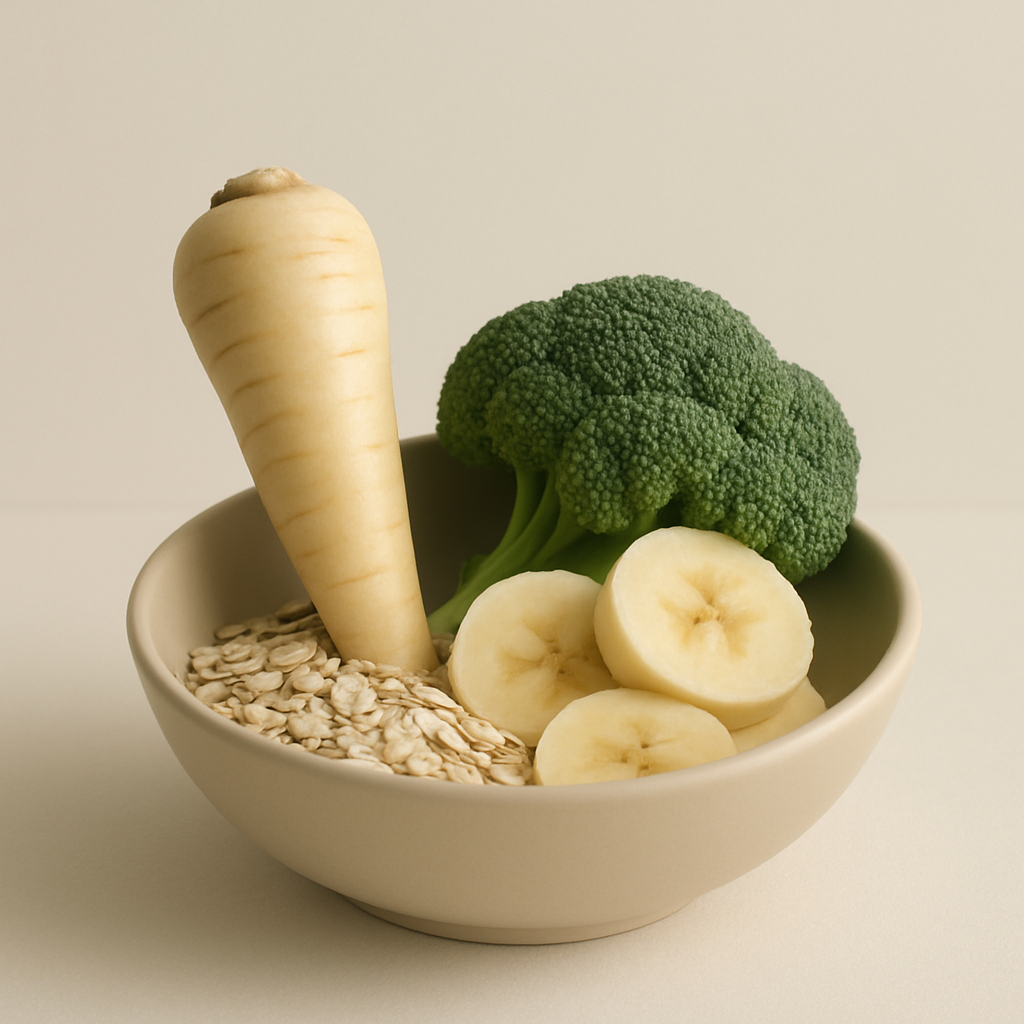
- Prebiotics: Foods that feed beneficial bacteria, such as garlic, onions, and bananas.
- Fermented foods: Additional sources of probiotics, like kimchi and miso.
- Digestive enzymes: To further support digestive health.
Combining these elements can contribute to a more robust gut health strategy.
FAQs (5)
- What are probiotics? Probiotics are live microorganisms that provide health benefits, particularly for gut health.
- How do probiotics work? They restore the balance of gut bacteria, enhance digestion, and support the immune system.
- Are probiotics safe for everyone? Most people can safely consume probiotics, but those with certain health conditions should consult a healthcare provider.
- How can I incorporate probiotics into my diet? You can consume probiotics through supplements or fermented foods like yogurt and kimchi.
- How long does it take for probiotics to work? Results may vary, but many people notice improvements within a few weeks of consistent use.
Frequently asked
What are probiotics?
Probiotics are live microorganisms that provide health benefits, particularly for gut health.
How do probiotics work?
They restore the balance of gut bacteria, enhance digestion, and support the immune system.
Are probiotics safe for everyone?
Most people can safely consume probiotics, but those with certain health conditions should consult a healthcare provider.
How can I incorporate probiotics into my diet?
You can consume probiotics through supplements or fermented foods like yogurt and kimchi.
How long does it take for probiotics to work?
Results may vary, but many people notice improvements within a few weeks of consistent use.