Colon Support
Discover natural remedies for colon support, including their traditional uses, active compounds, and modern research insights.
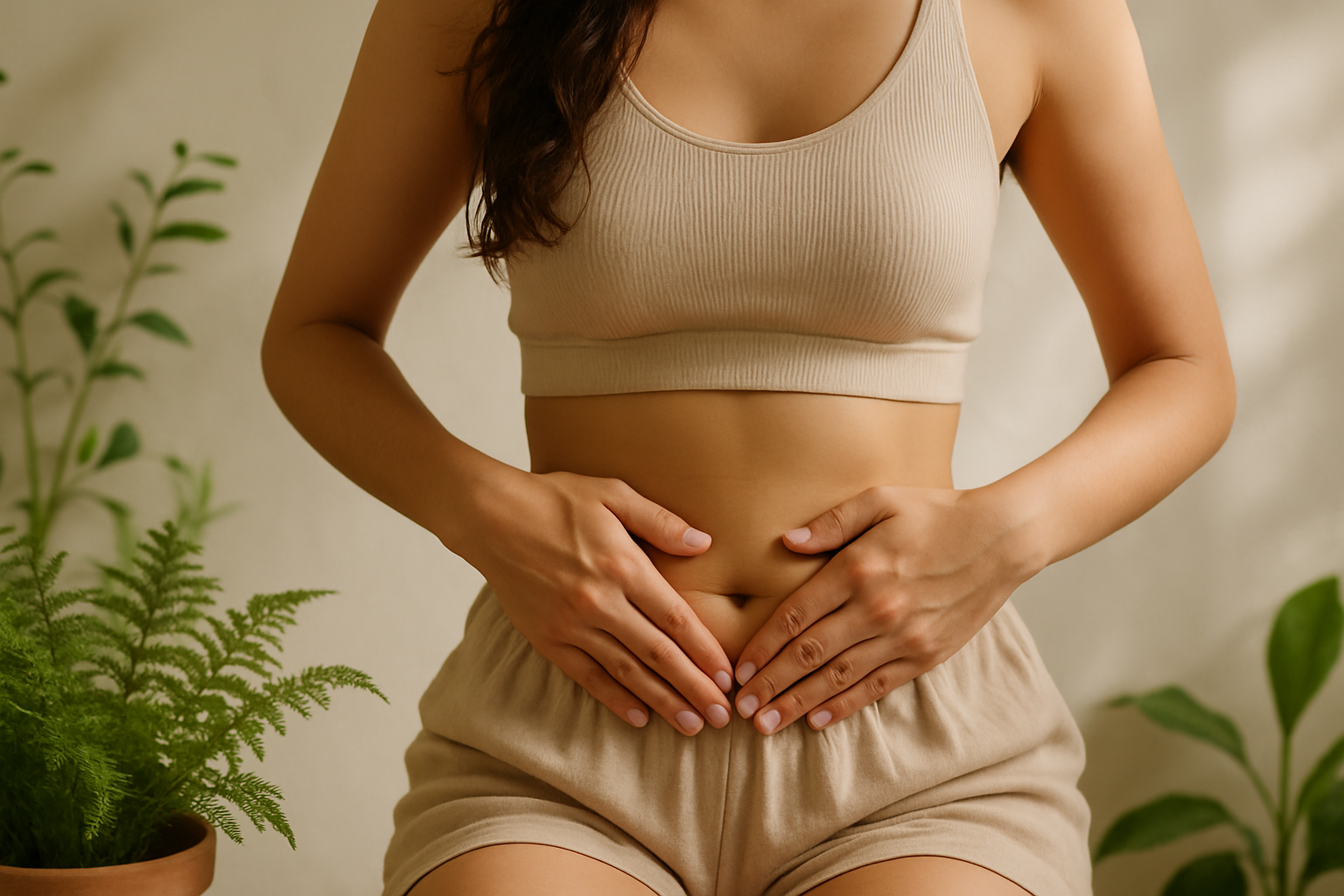
Explore colon support through natural remedies like probiotics and dietary fibers. Understand their benefits, historical uses, and modern research insights.
What It Is
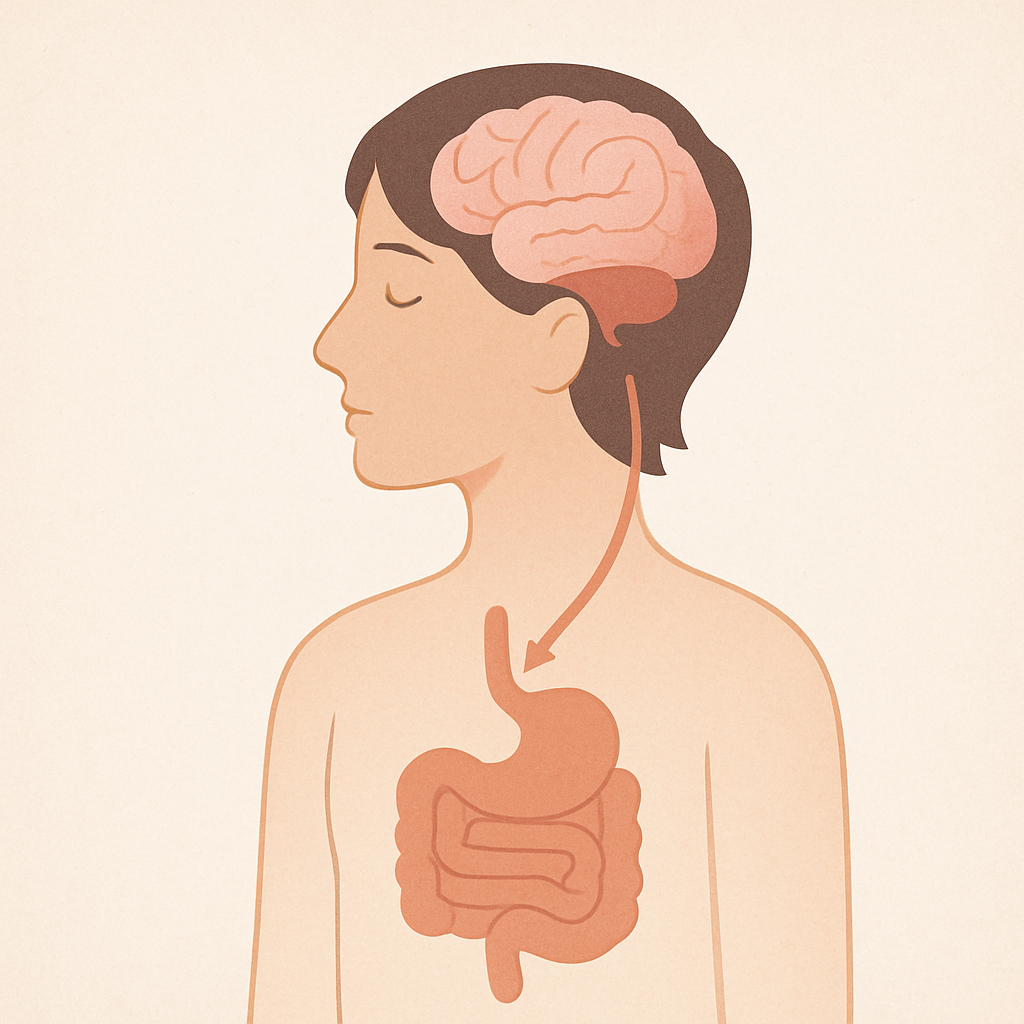
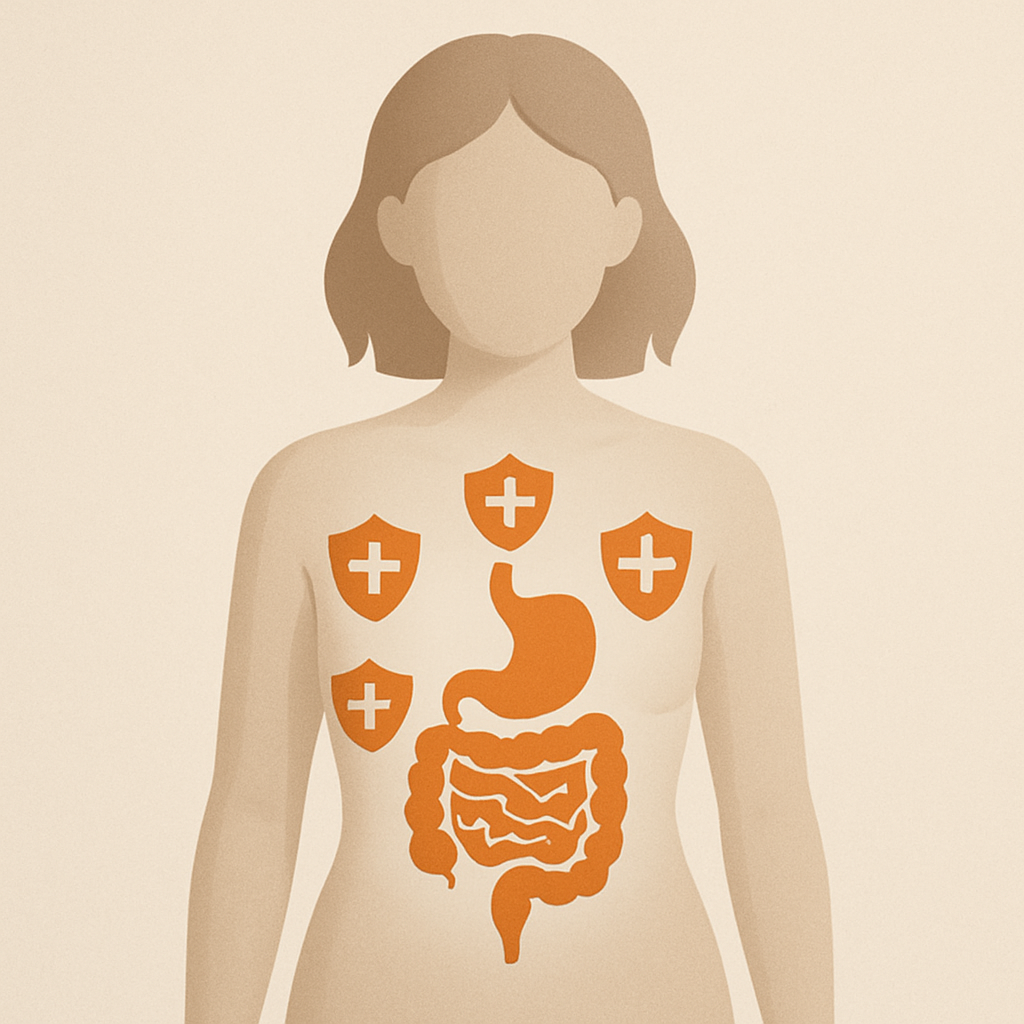
Colon support refers to the strategies and natural remedies aimed at promoting optimal health and function of the colon (large intestine). This includes enhancing digestion, supporting gut flora, and preventing various gastrointestinal issues. Key components in colon support often include probiotics, dietary fibers, and certain herbs known for their beneficial effects on the digestive system.
Key Active Compounds & Mechanisms
Several active compounds play a crucial role in colon support, including:
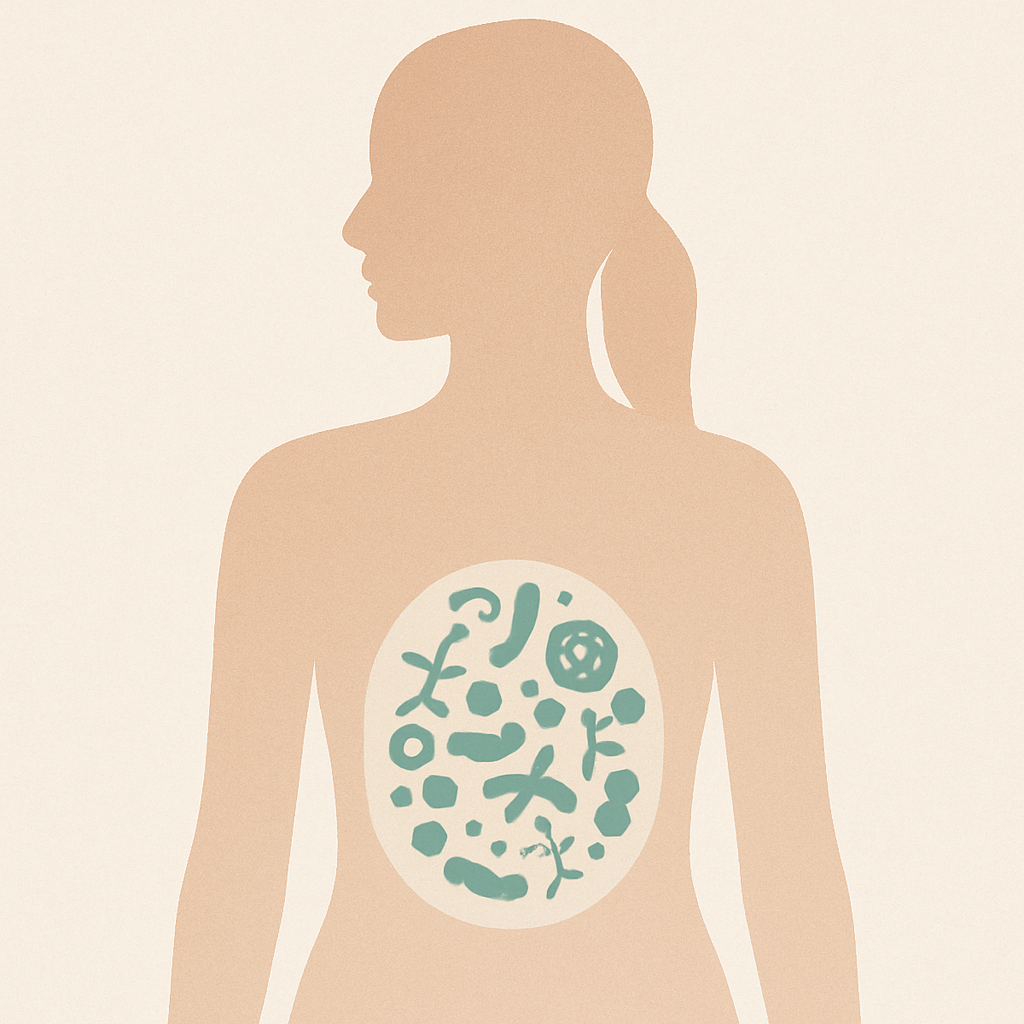
- Probiotics: Live microorganisms that provide health benefits when consumed in adequate amounts. Common strains include Lactobacillus and Bifidobacterium.
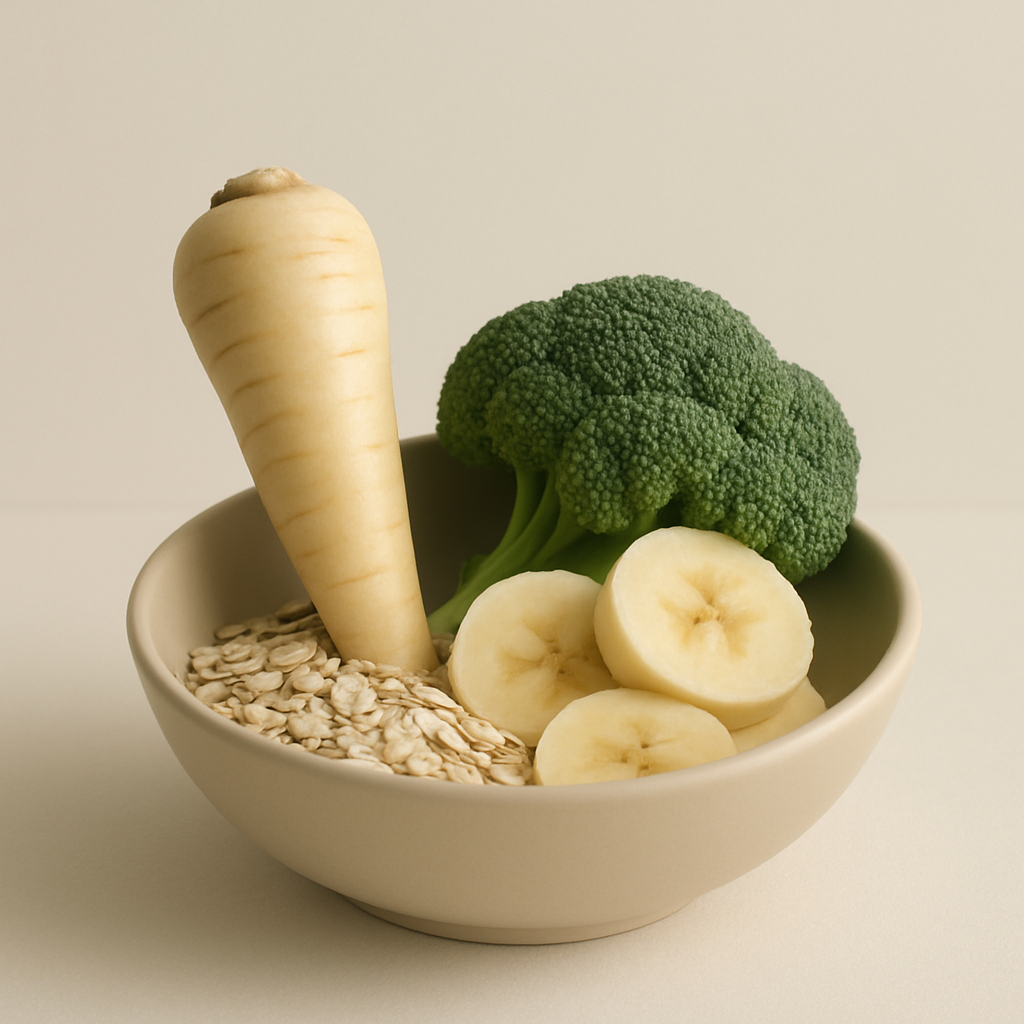
- Dietary Fiber: Indigestible parts of plant foods, such as cellulose and pectin, which promote bowel regularity and feed beneficial gut bacteria.
- Short-Chain Fatty Acids (SCFAs): Produced during the fermentation of dietary fibers by gut bacteria, SCFAs like butyrate serve as an energy source for colon cells and have anti-inflammatory properties.
Traditional Uses
Historically, various cultures have recognized the importance of colon health. For instance:
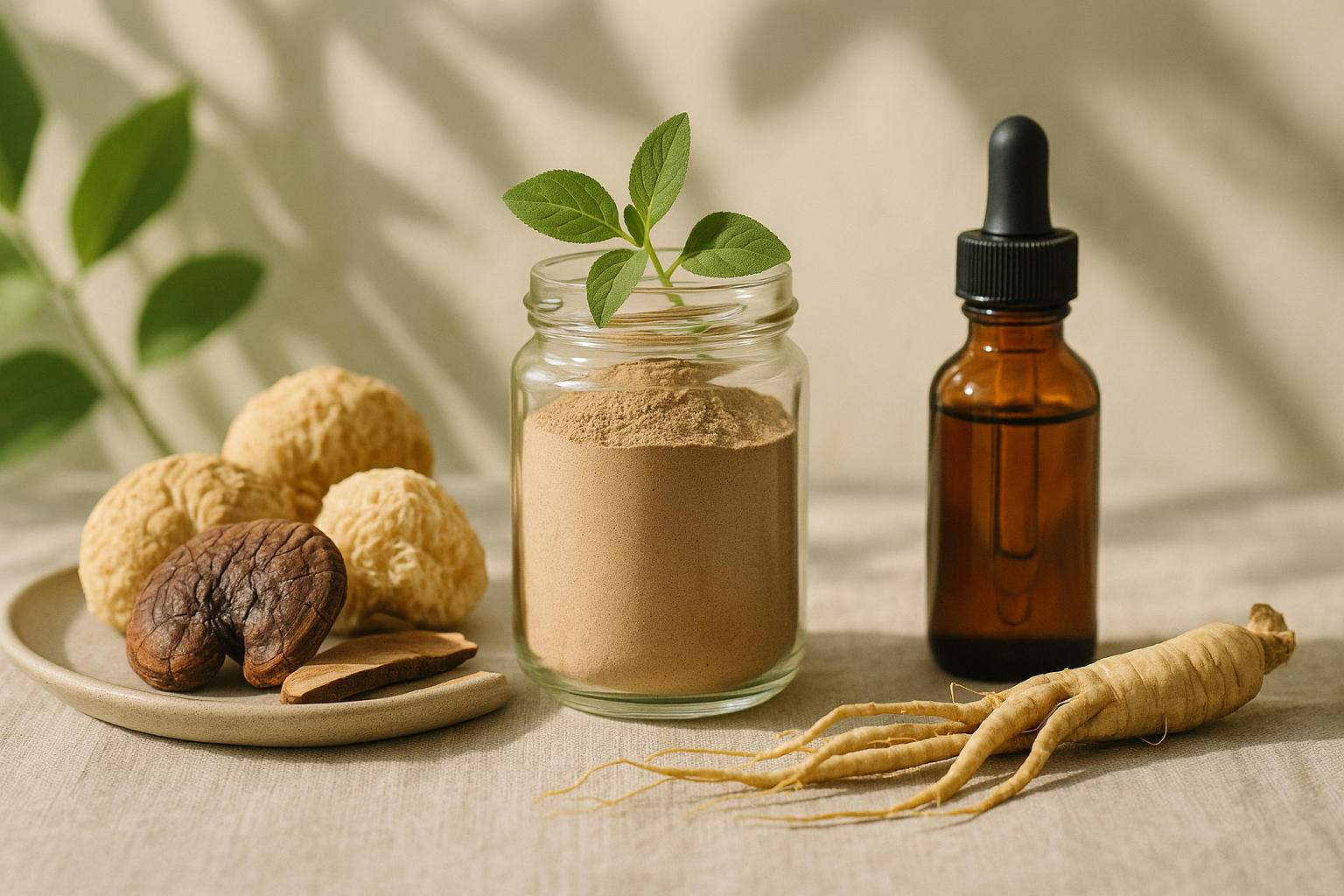
- In Traditional Chinese Medicine, herbs such as Rhubarb (Rheum palmatum) have been used for their laxative effects and to cleanse the digestive tract.
- Native American traditions often utilized plants like Slippery Elm (Ulmus rubra) for their soothing properties on the digestive system.
- In European herbal medicine, Psyllium (Plantago ovata) has been employed for centuries to promote regular bowel movements and overall gut health.
What Modern Research Suggests
Contemporary studies have begun to validate many traditional uses of natural remedies for colon support. Research indicates:
- Probiotics may help reduce symptoms of irritable bowel syndrome (IBS) and improve gut microbiota balance.
- Dietary fiber intake is linked to a lower risk of colorectal cancer and improved bowel health.
- SCFAs, particularly butyrate, are shown to have anti-inflammatory effects and may protect against colon diseases.
Functional Actions
Natural remedies for colon support exhibit various functional actions, including:
- Enhancing Digestion: Probiotics and fibers help break down food, facilitating easier digestion.
- Regulating Bowel Movements: Dietary fibers add bulk to stool and promote regularity.
- Supporting Gut Flora: Probiotics restore and maintain a healthy balance of gut bacteria.
- Reducing Inflammation: SCFAs and certain herbal compounds can help mitigate inflammation in the colon.
Body Systems Supported
Colon support primarily benefits the following body systems:
- Digestive System: Enhances overall digestion and nutrient absorption.
- Immune System: A healthy gut flora is vital for a robust immune response.
- Endocrine System: Gut health can influence hormone regulation and metabolic processes.
Common Forms & Educational Dosing Ranges
Colon support remedies are available in various forms, including:
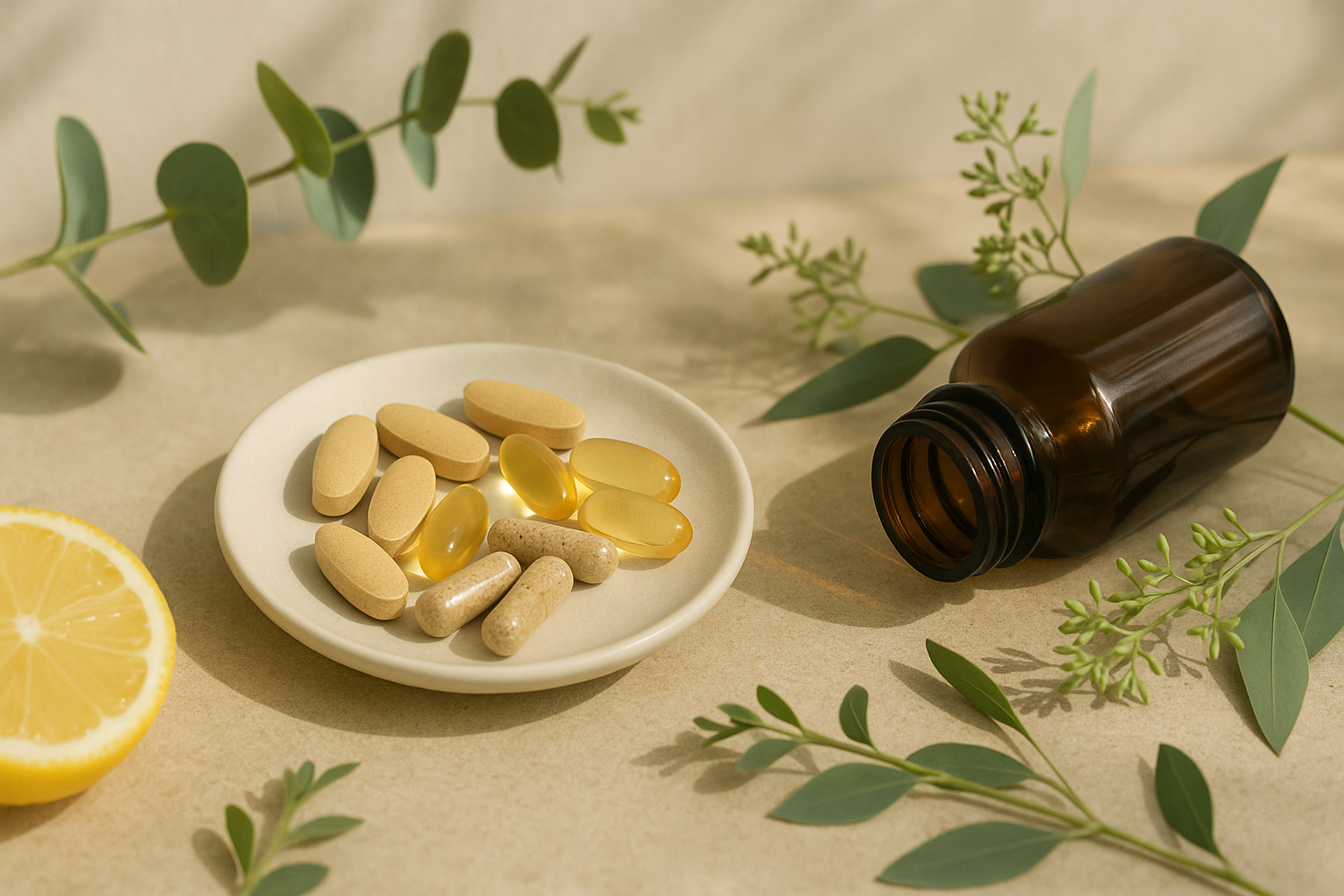
- Probiotic Supplements: Typically contain 1 billion to 50 billion CFUs (colony-forming units) per serving.
- Dietary Fiber Supplements: Common sources include psyllium husk (5-10 grams per day) and inulin (up to 20 grams per day).
- Herbal Teas: Varieties like chamomile or peppermint can be used to soothe digestive discomfort.
Safety, Contraindications & Interactions
While natural remedies can be beneficial, certain precautions should be taken:
- Probiotics may not be suitable for individuals with weakened immune systems or underlying health conditions.
- High-fiber supplements should be introduced gradually to avoid gastrointestinal discomfort.
- Interactions may occur with medications for diabetes or anticoagulants; consult a healthcare provider before starting any new supplements.
Pairs Well With
For enhanced colon support, consider pairing remedies with:
- Fermented Foods: Such as yogurt, kefir, and sauerkraut, which naturally contain probiotics.
- Hydration: Drinking plenty of water supports fiber function and aids digestion.
- Regular Physical Activity: Exercise promotes bowel regularity and overall gut health.
FAQs (5)
- What are probiotics? Probiotics are live bacteria that provide health benefits, particularly for gut health.
- How can I improve my colon health? Incorporate a diet rich in fiber, probiotics, and stay hydrated.
- Are there any side effects of taking probiotics? Some individuals may experience gas or bloating initially; it's best to start with lower doses.
- Can dietary fiber help with constipation? Yes, dietary fiber adds bulk to stool, promoting regular bowel movements.
- How long does it take for probiotics to work? Benefits can vary; some may notice changes within a few days, while others may take weeks.
Frequently asked
What are probiotics?
Probiotics are live bacteria that provide health benefits, particularly for gut health.
How can I improve my colon health?
Incorporate a diet rich in fiber, probiotics, and stay hydrated.
Are there any side effects of taking probiotics?
Some individuals may experience gas or bloating initially; it's best to start with lower doses.
Can dietary fiber help with constipation?
Yes, dietary fiber adds bulk to stool, promoting regular bowel movements.
How long does it take for probiotics to work?
Benefits can vary; some may notice changes within a few days, while others may take weeks.