Intestinal Support
What It Is
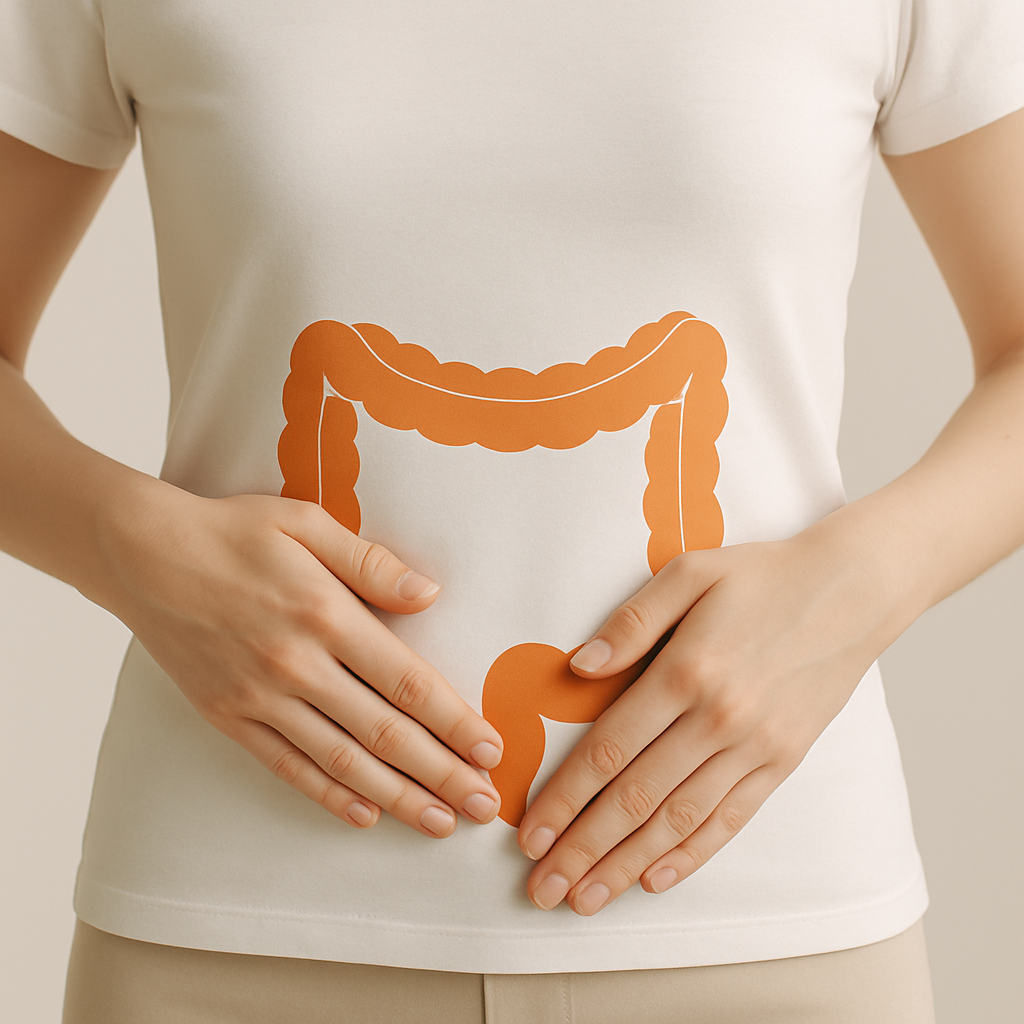
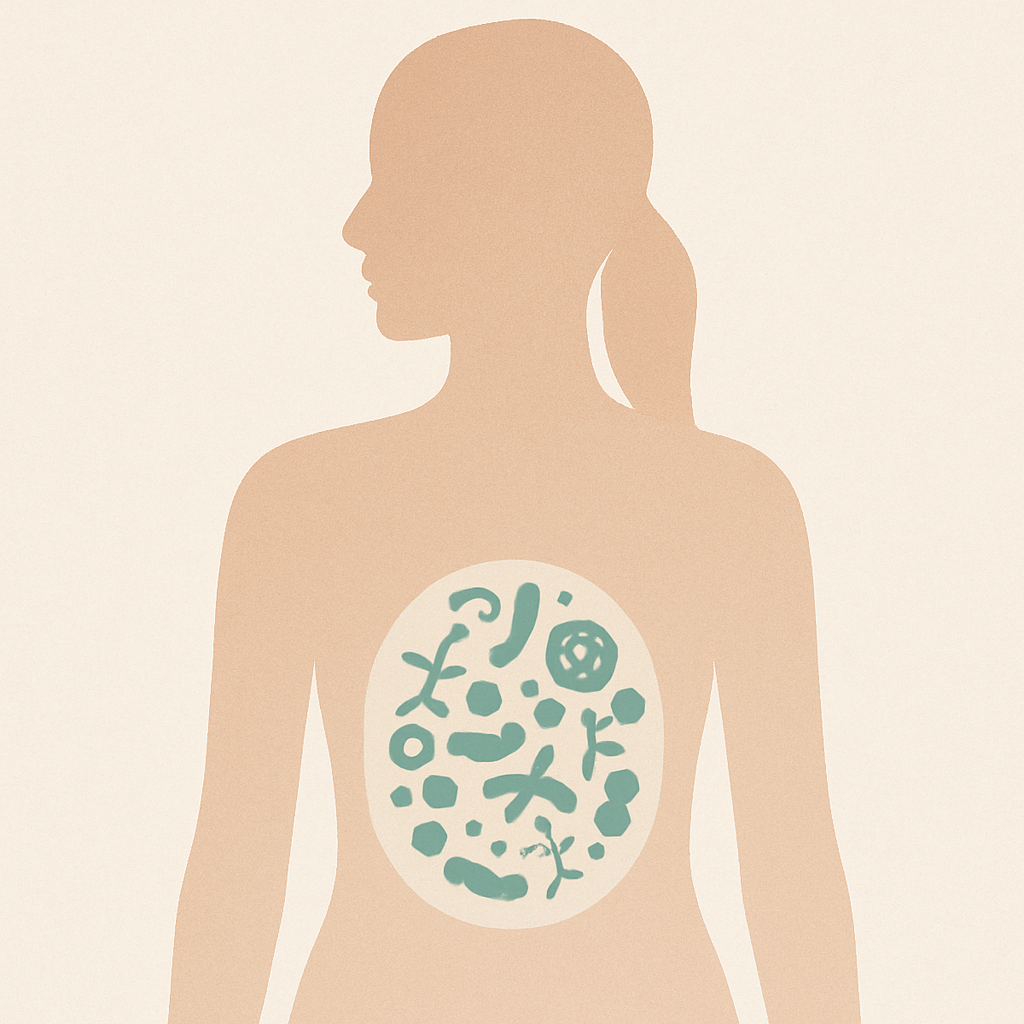
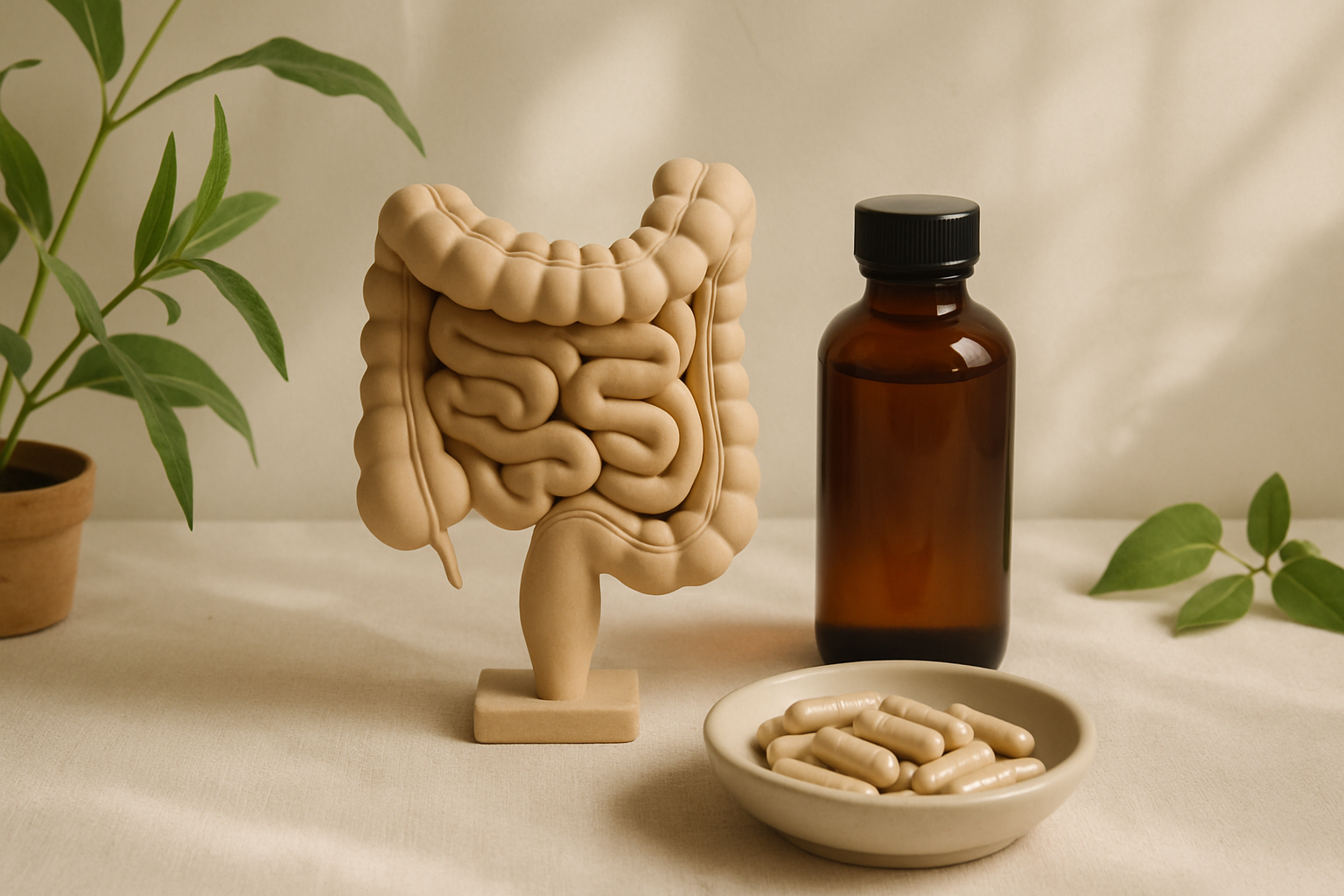
Intestinal support refers to a range of natural remedies and practices aimed at promoting optimal gut health, digestion, and the overall functioning of the intestinal tract. This includes the use of probiotics, dietary adjustments, and herbal supplements to support the balance of gut microbiota and enhance digestive processes. The gut is home to trillions of microorganisms that play a crucial role in digestion, immune function, and even mental health.
Key Active Compounds & Mechanisms
Natural ingredients that contribute to intestinal support often include:
- Probiotics: Live bacteria such as Lactobacillus and Bifidobacterium that help restore and maintain gut flora.
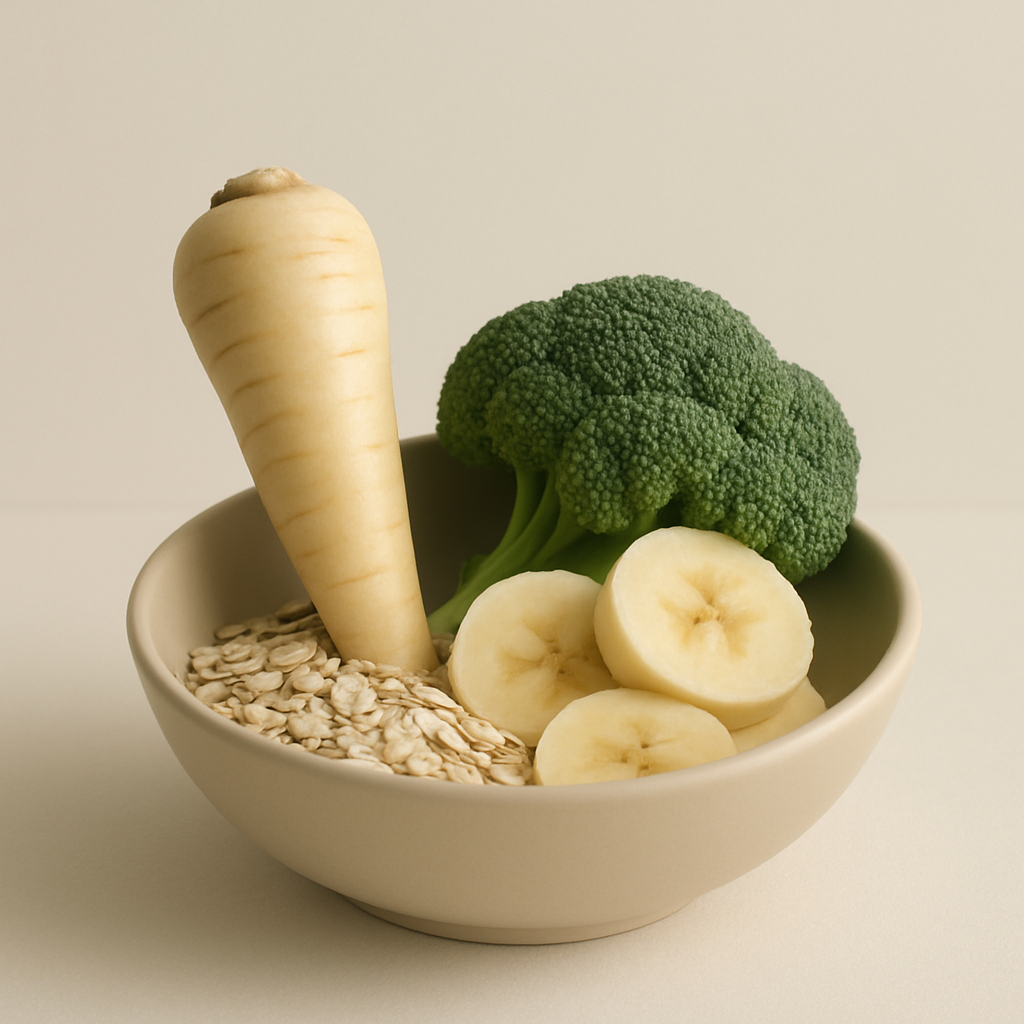
- Prebiotics: Non-digestible fibers like inulin that feed beneficial gut bacteria.
- Polyphenols: Plant compounds found in fruits and vegetables that have antioxidant properties and promote gut health.
- Digestive Enzymes: Proteins that aid in breaking down food, improving nutrient absorption.
The mechanisms of these compounds include enhancing the gut barrier function, modulating immune responses, and inhibiting pathogenic bacteria.
Traditional Uses
Historically, various cultures have utilized herbs and dietary practices to support intestinal health. For instance:
- Ginger (Zingiber officinale): Commonly used in traditional Chinese medicine for digestive issues.
- Chamomile (Matricaria chamomilla): Utilized in ancient Egypt and Greece to soothe digestive disturbances.
- Peppermint (Mentha piperita): Used by the Romans to relieve gastrointestinal discomfort.
These traditions emphasize the importance of maintaining a balanced gut for overall health.
What Modern Research Suggests
Recent studies have shown promising results regarding the benefits of probiotics and other natural remedies for gut health. Research indicates that:
- Probiotics can help alleviate symptoms of irritable bowel syndrome (IBS) and improve overall gut health.
- Prebiotics may enhance the growth of beneficial bacteria and support a healthy gut microbiome.
- Polyphenols have been found to have anti-inflammatory effects that can benefit gut health.
However, further research is needed to fully understand the mechanisms and efficacy of these natural approaches.
Functional Actions
Intestinal support remedies can offer several functional actions:
- Promoting a healthy balance of gut microbiota.
- Enhancing digestive enzyme activity for better nutrient absorption.
- Supporting the integrity of the gut lining to prevent permeability issues.
- Reducing inflammation within the gut.
Body Systems Supported
The primary body system supported by intestinal remedies is the digestive system. However, the benefits extend to:
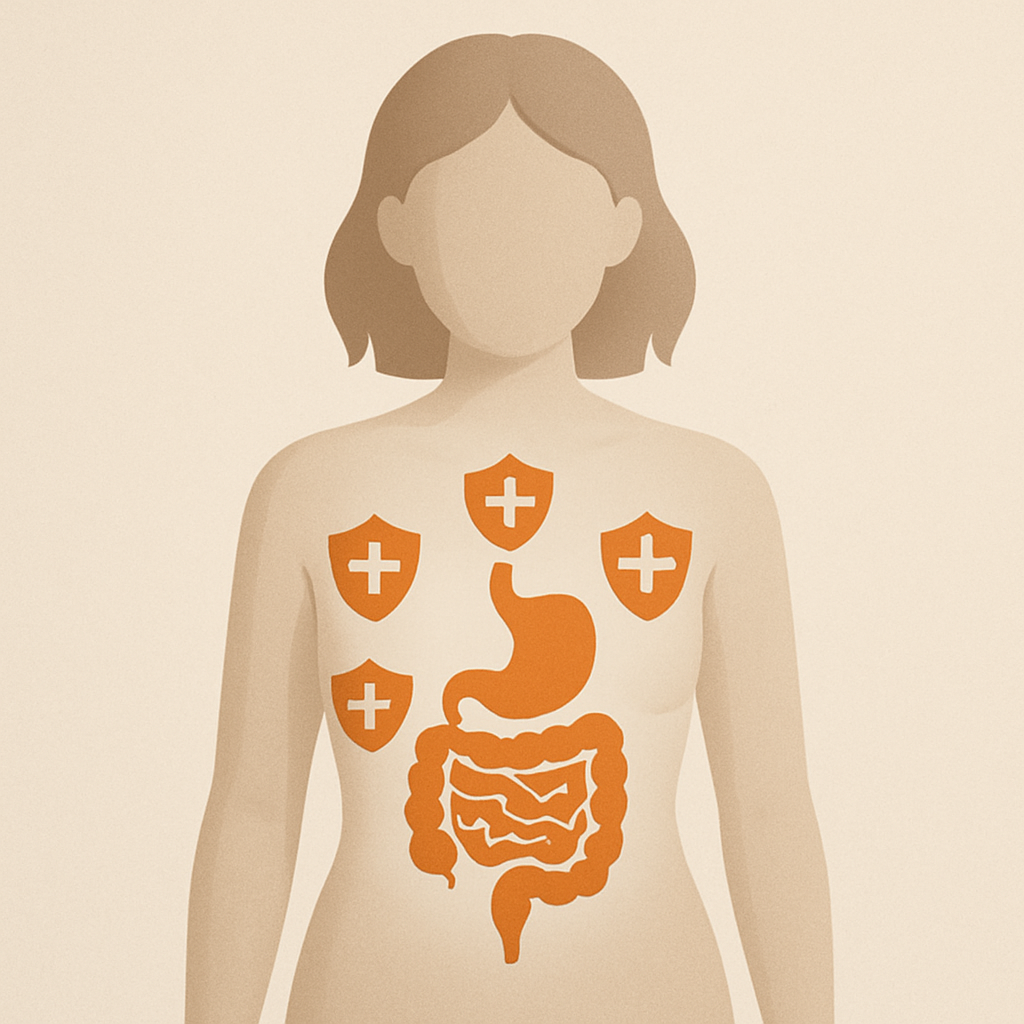
- The immune system, as a significant portion of immune function is linked to gut health.
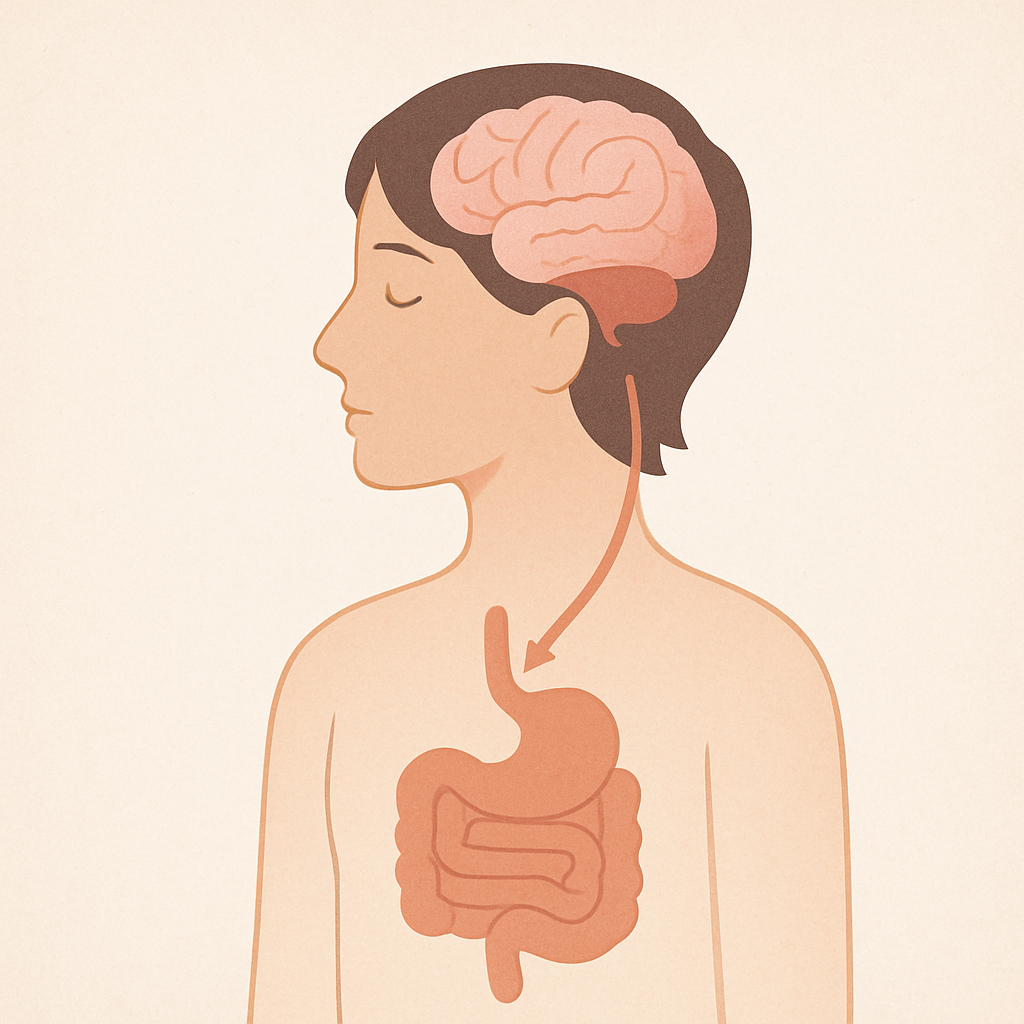
- The nervous system, with emerging research highlighting the gut-brain axis.
- The metabolic system, through the influence of gut microbiota on metabolic processes.
Common Forms & Educational Dosing Ranges
Intestinal support remedies come in various forms, including:
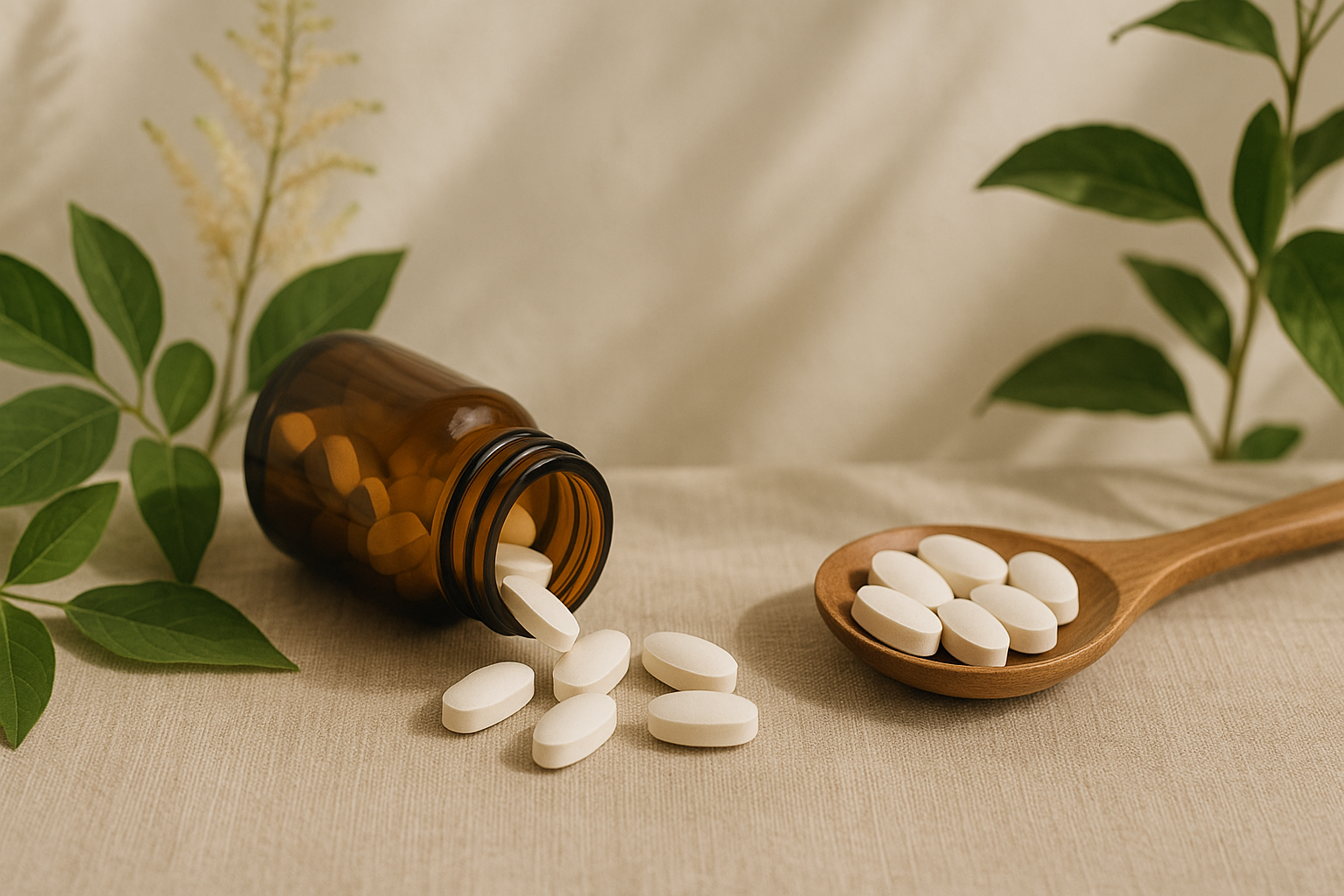
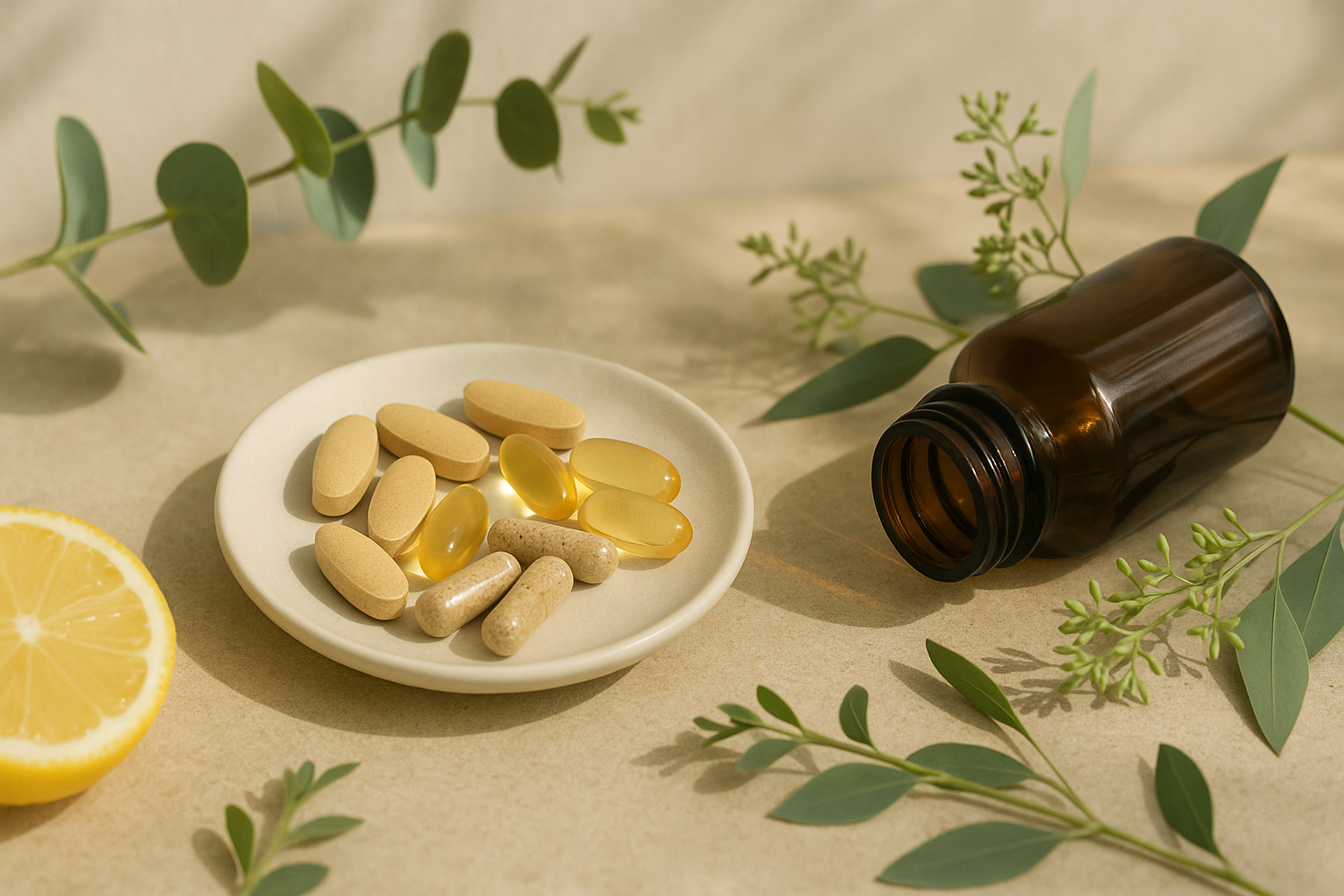
- Capsules: Common for probiotics and digestive enzymes.
- Powders: Often used for prebiotics and fiber supplements.
- Teas: Herbal preparations like ginger and chamomile.
- Fermented Foods: Yogurt, kefir, sauerkraut, and kimchi.
Educational dosing ranges can vary based on the specific compound, but general guidelines suggest:
- Probiotics: 1-10 billion CFUs per day.
- Prebiotics: 3-10 grams per day.
- Digestive enzymes: Follow product-specific recommendations.
Safety, Contraindications & Interactions
While many natural remedies for intestinal support are considered safe, it’s essential to be aware of potential contraindications:
- Probiotics may cause mild digestive discomfort in some individuals.
- Individuals with compromised immune systems should consult a healthcare provider before using probiotics.
- Prebiotics may cause gas and bloating in some people, especially if introduced too quickly.
Interactions can occur with:
- Antibiotics: These can diminish the effects of probiotics.
- Immunosuppressants: Caution is advised when using probiotics.
Pairs Well With
Intestinal support can be enhanced by pairing with other natural remedies such as:
- Fiber supplements: To promote regularity and support gut health.
- Herbal teas: Such as peppermint or fennel for digestive comfort.
- Omega-3 fatty acids: To help reduce inflammation and promote gut health.
FAQs (5)
- What are probiotics? Probiotics are live microorganisms that provide health benefits when consumed in adequate amounts, primarily by supporting gut health.
- How can I incorporate more probiotics into my diet? You can eat fermented foods such as yogurt, kefir, sauerkraut, and kombucha, or take probiotic supplements.
- Are there any side effects of taking probiotics? Some individuals may experience mild digestive upset, such as gas or bloating, particularly when first starting.
- Can prebiotics improve my gut health? Yes, prebiotics help nourish beneficial bacteria in the gut, promoting a healthy microbiome.
- How long does it take to see benefits from probiotics? While some may experience benefits within a few days, it may take several weeks to notice significant effects on gut health.
Frequently asked
What are probiotics?
Probiotics are live microorganisms that provide health benefits when consumed in adequate amounts, primarily by supporting gut health.
How can I incorporate more probiotics into my diet?
You can eat fermented foods such as yogurt, kefir, sauerkraut, and kombucha, or take probiotic supplements.
Are there any side effects of taking probiotics?
Some individuals may experience mild digestive upset, such as gas or bloating, particularly when first starting.
Can prebiotics improve my gut health?
Yes, prebiotics help nourish beneficial bacteria in the gut, promoting a healthy microbiome.
How long does it take to see benefits from probiotics?
While some may experience benefits within a few days, it may take several weeks to notice significant effects on gut health.