Leaky Gut Support
Learn how to support leaky gut syndrome with natural remedies, including probiotics and dietary adjustments.

Explore leaky gut support through natural remedies, focusing on probiotics and gut health. Discover key compounds, traditional uses, modern research, and safety considerations.
What It Is
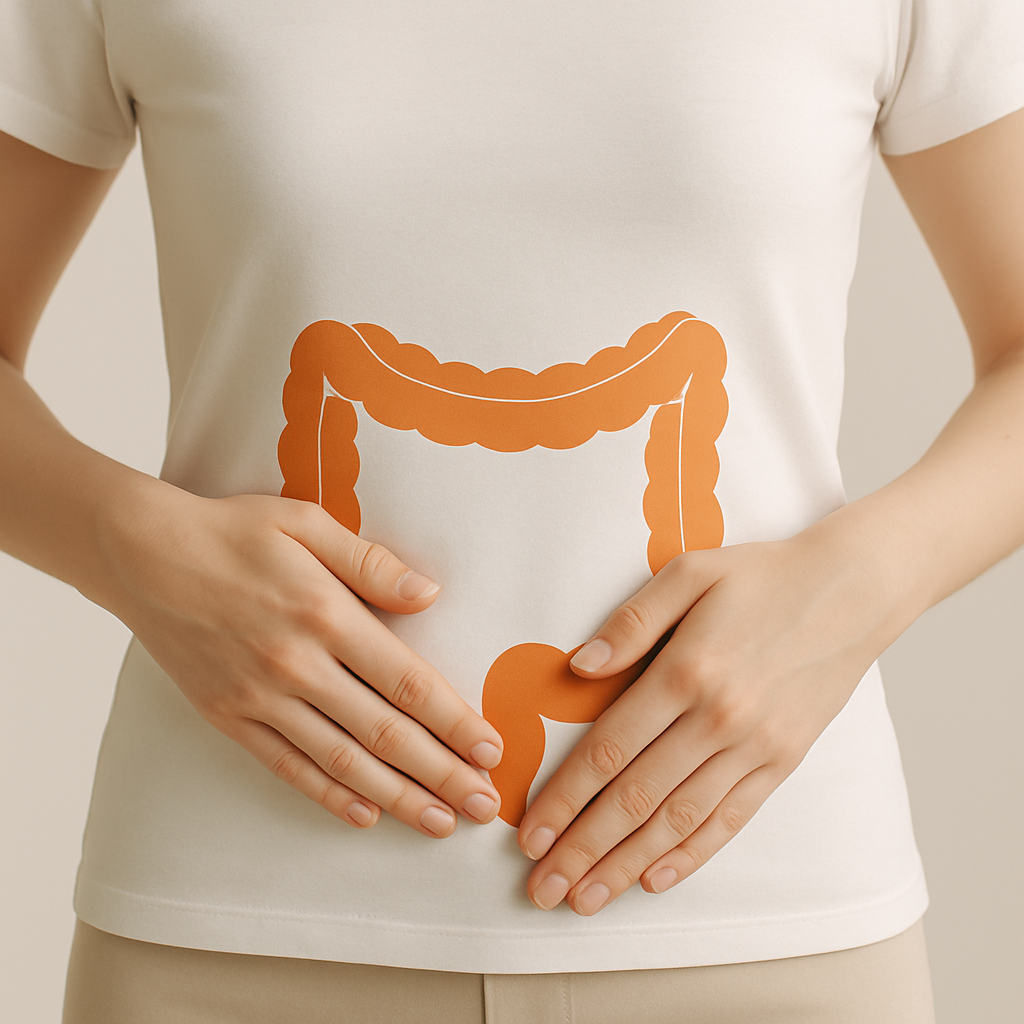
Leaky gut syndrome, also known as increased intestinal permeability, refers to a condition where the lining of the intestines becomes damaged, allowing undigested food particles, toxins, and bacteria to enter the bloodstream. This can lead to various health issues and inflammatory responses in the body. While leaky gut is not yet officially recognized as a medical diagnosis, many practitioners acknowledge its connection to various gastrointestinal and systemic conditions.
Key Active Compounds & Mechanisms
Several compounds are believed to support gut health and repair the intestinal lining. Key active compounds include:
- L-Glutamine: An amino acid that plays a crucial role in maintaining the integrity of the intestinal barrier.
- Probiotics: Beneficial bacteria that help restore gut flora balance and may enhance the gut lining.
- Zinc: An essential mineral that contributes to the healing of the gut lining.
- Omega-3 Fatty Acids: Compounds found in fish oil that have anti-inflammatory properties.
- Curcumin: The active component of turmeric (Curcuma longa), known for its anti-inflammatory effects.
Traditional Uses
Historically, various cultures have utilized natural remedies to support gut health. For instance:
- Fermented Foods: Cultures worldwide have consumed fermented foods like kimchi, sauerkraut, and kefir, which contain probiotics that support digestive health.
- Herbal Remedies: Traditional herbal medicine often employs herbs like slippery elm (Ulmus rubra) and marshmallow root (Althaea officinalis) to soothe the digestive tract.
- Bone Broth: Used for centuries, bone broth is rich in collagen and amino acids that may help repair the gut lining.
What Modern Research Suggests
Recent studies have begun to investigate the connection between leaky gut and various health conditions, including autoimmune diseases, irritable bowel syndrome (IBS), and food sensitivities. While more research is needed, some findings suggest:
- Probiotics may help restore gut flora balance and improve symptoms associated with leaky gut.
- L-Glutamine supplementation has shown potential in improving intestinal permeability.
- Anti-inflammatory foods and supplements, including curcumin and omega-3 fatty acids, may provide gut health benefits.
Functional Actions
The functional actions of natural remedies for leaky gut support include:
- Enhancing intestinal barrier function.
- Reducing inflammation in the gut.
- Restoring balance to the gut microbiome.
- Supporting overall digestive health and nutrient absorption.
Body Systems Supported
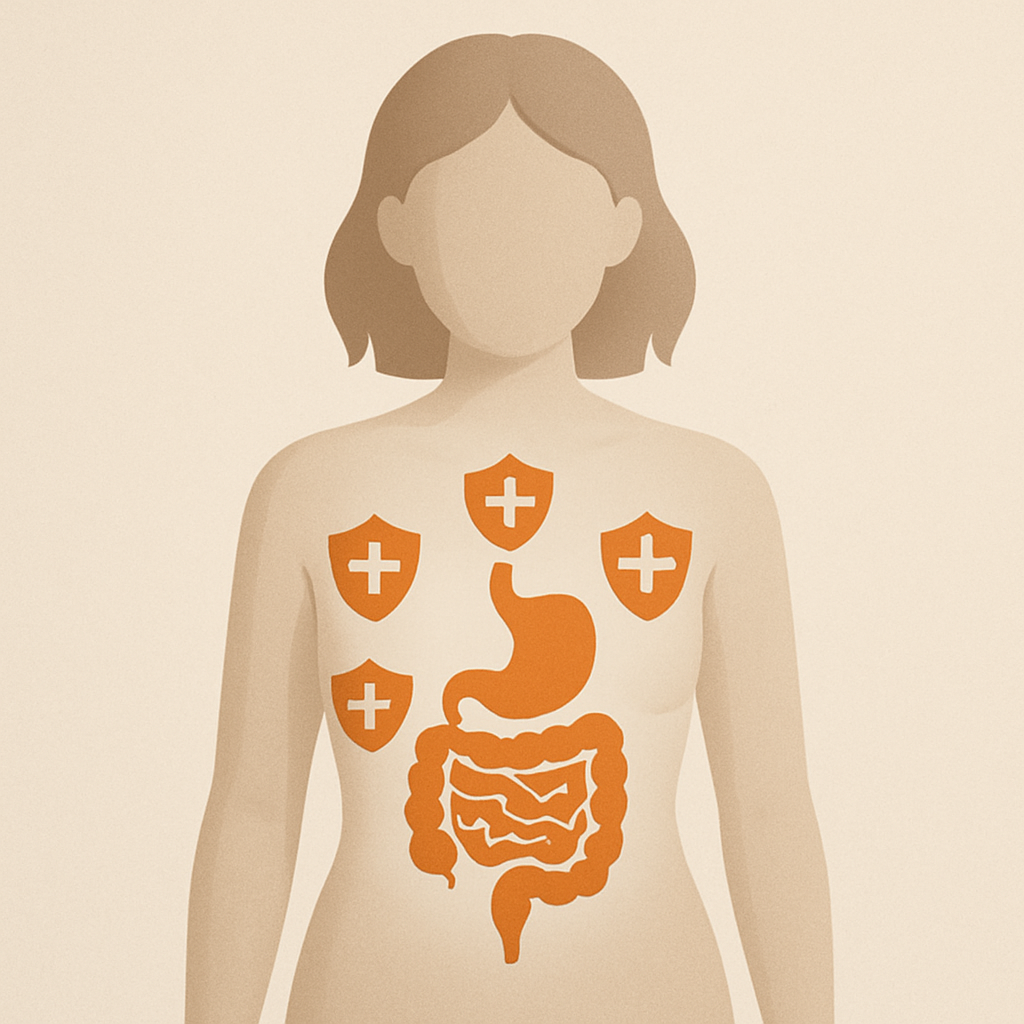
Natural remedies for leaky gut primarily support:
- The digestive system by promoting healthy gut function.
- The immune system, as the gut is a significant component of immune health.
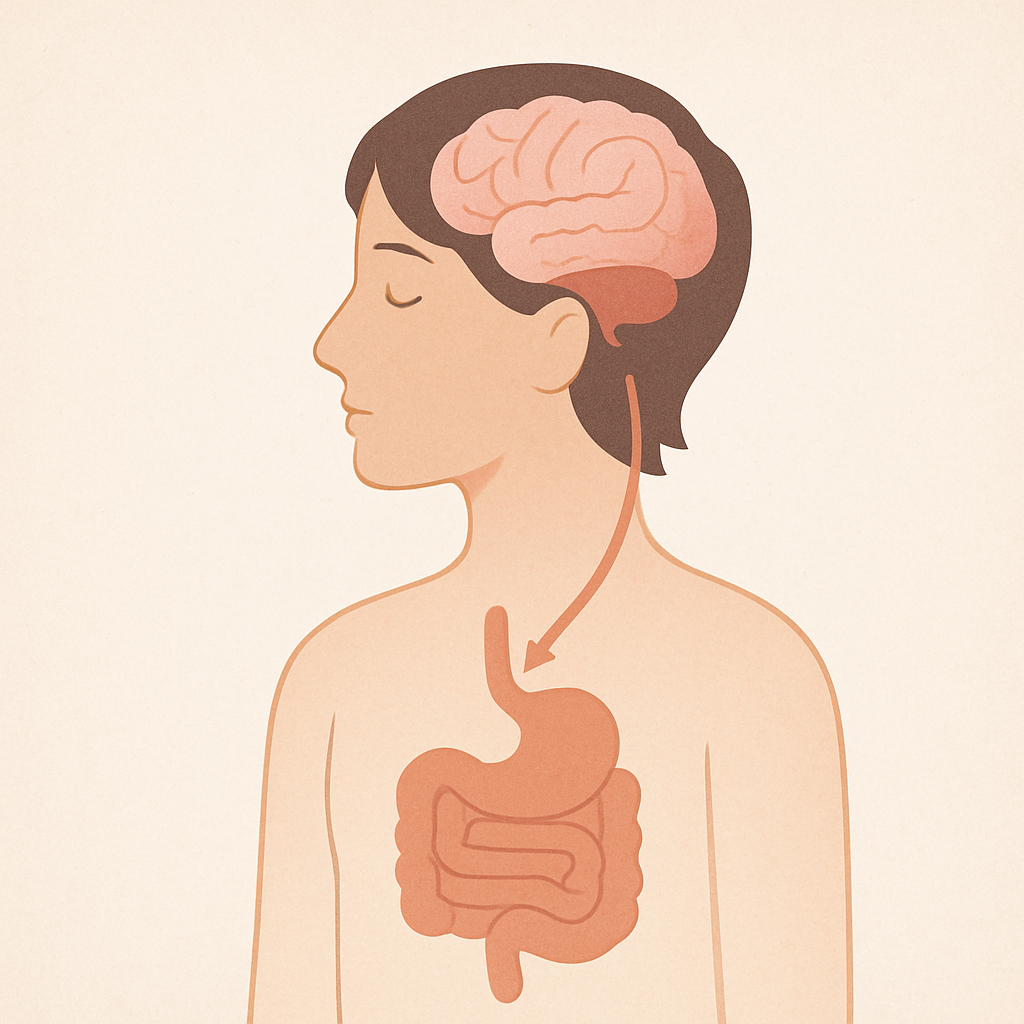
- The nervous system, due to the gut-brain connection.
Common Forms & Educational Dosing Ranges
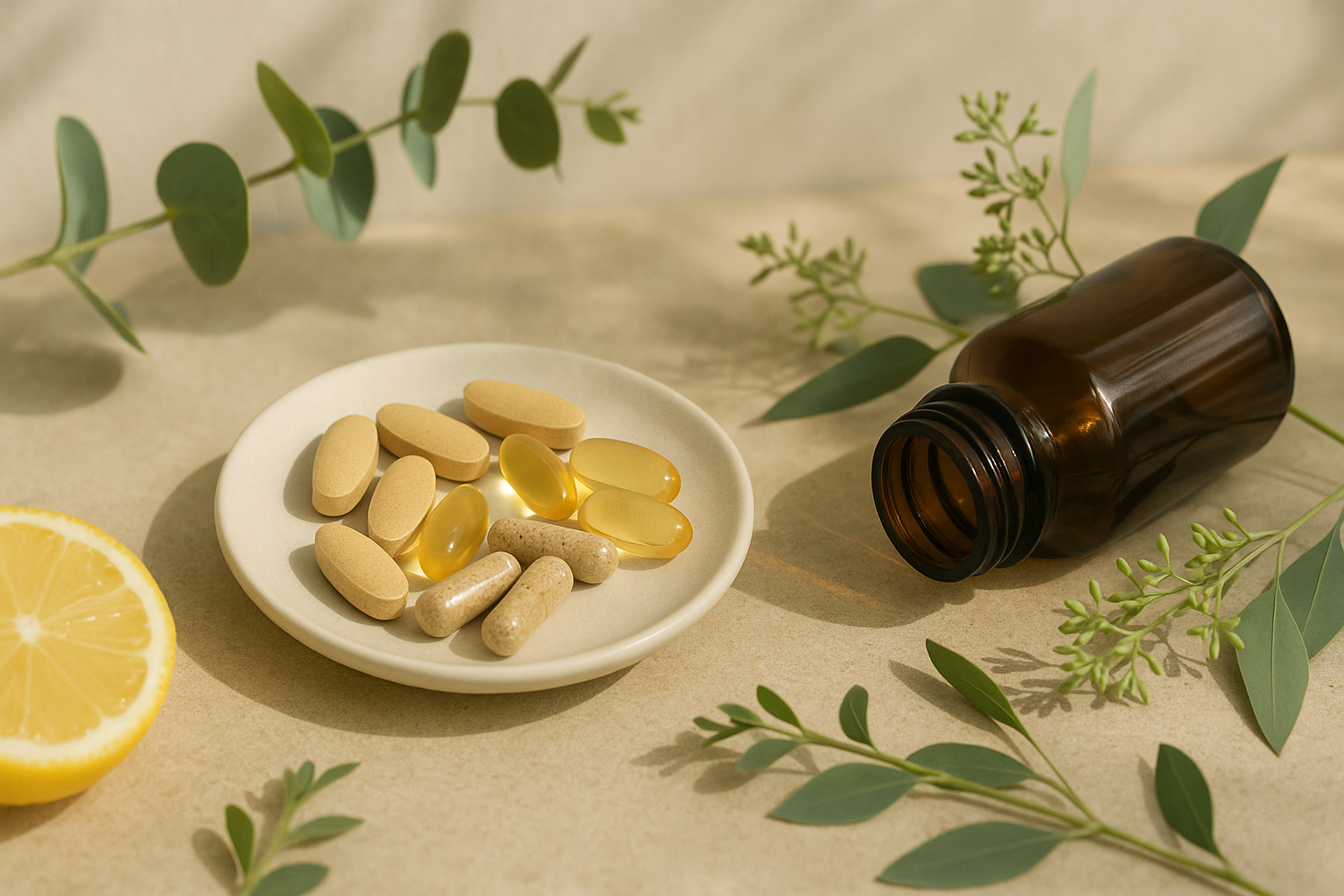
Leaky gut support can be achieved through various forms and dosing ranges, including:
- Probiotic Supplements: Typically taken in doses ranging from 1 to 10 billion CFU (colony-forming units) per day.
- L-Glutamine: Common doses range from 5 to 10 grams per day.
- Zinc Supplements: Often recommended at doses of 15 to 30 mg per day.
- Omega-3 Fatty Acids: Recommended doses are usually around 1,000 to 3,000 mg per day.
- Curcumin: Effective doses can vary, but 500 to 1,500 mg of curcumin extract is common.
Safety, Contraindications & Interactions
While natural remedies can be beneficial, it's important to consider safety and potential interactions:
- Probiotics: Generally safe but may cause mild digestive upset in some individuals.
- L-Glutamine: Considered safe for most; however, individuals with liver or kidney disease should consult a healthcare provider.
- Zinc: High doses can lead to nausea and other gastrointestinal issues; long-term use should be monitored.
- Omega-3 Fatty Acids: Should be used cautiously in individuals taking blood-thinning medications.
- Curcumin: May interact with medications that affect blood clotting; consult a healthcare professional before use.
Pairs Well With
To enhance the effectiveness of leaky gut support, consider pairing natural remedies with:
- Digestive Enzymes: To improve nutrient absorption.
- Fiber-Rich Foods: Such as fruits, vegetables, and whole grains to support gut health.
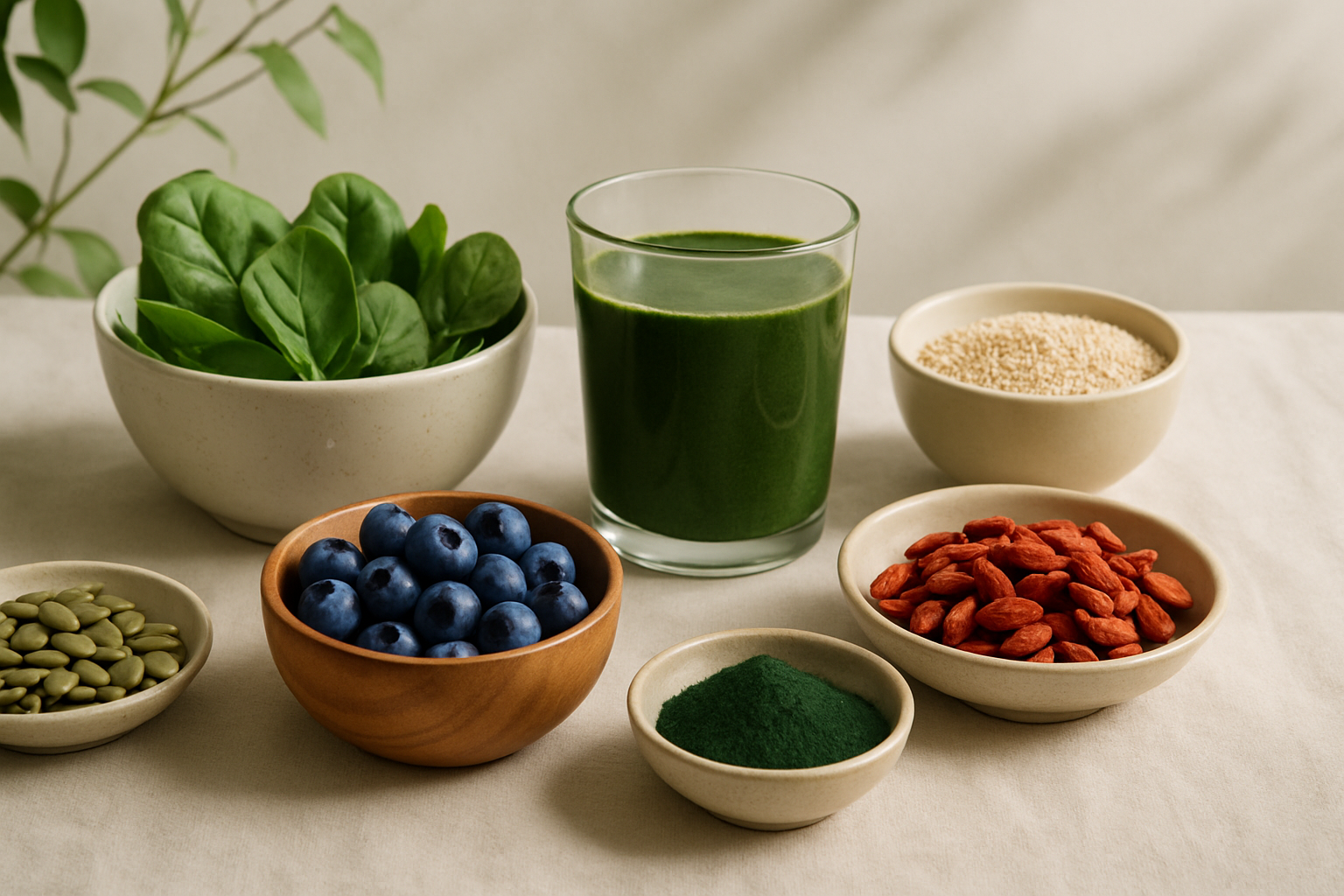
- Anti-inflammatory Foods: Including berries, leafy greens, and nuts to reduce gut inflammation.
FAQs (5)
- What are the symptoms of leaky gut?
Common symptoms may include bloating, gas, food sensitivities, fatigue, and skin issues. - Can diet affect leaky gut?
Yes, a diet high in processed foods and sugar may contribute to leaky gut, while a diet rich in whole foods can support gut health. - How long does it take to may support leaky gut?
Healing can vary but often takes several weeks to months with proper dietary and lifestyle changes. - Are there any tests for leaky gut?
While there is no definitive test, some practitioners may use tests for intestinal permeability or related symptoms to assess gut health. - Is leaky gut a recognized medical condition?
Leaky gut is not officially recognized as a medical diagnosis, but many health professionals acknowledge its potential link to various health issues.
Frequently asked
What are the symptoms of leaky gut?
Common symptoms may include bloating, gas, food sensitivities, fatigue, and skin issues.
Can diet affect leaky gut?
Yes, a diet high in processed foods and sugar may contribute to leaky gut, while a diet rich in whole foods can support gut health.
How long does it take to heal leaky gut?
Healing can vary but often takes several weeks to months with proper dietary and lifestyle changes.
Are there any tests for leaky gut?
While there is no definitive test, some practitioners may use tests for intestinal permeability or related symptoms to assess gut health.
Is leaky gut a recognized medical condition?
Leaky gut is not officially recognized as a medical diagnosis, but many health professionals acknowledge its potential link to various health issues.