Microbiome Support
Learn about microbiome support, its active compounds, traditional uses, and how it can promote gut health.
Explore the fascinating world of microbiome support within probiotics and gut health. Discover its definitions, active compounds, traditional uses, modern research insights, functional actions, and more.
What It Is
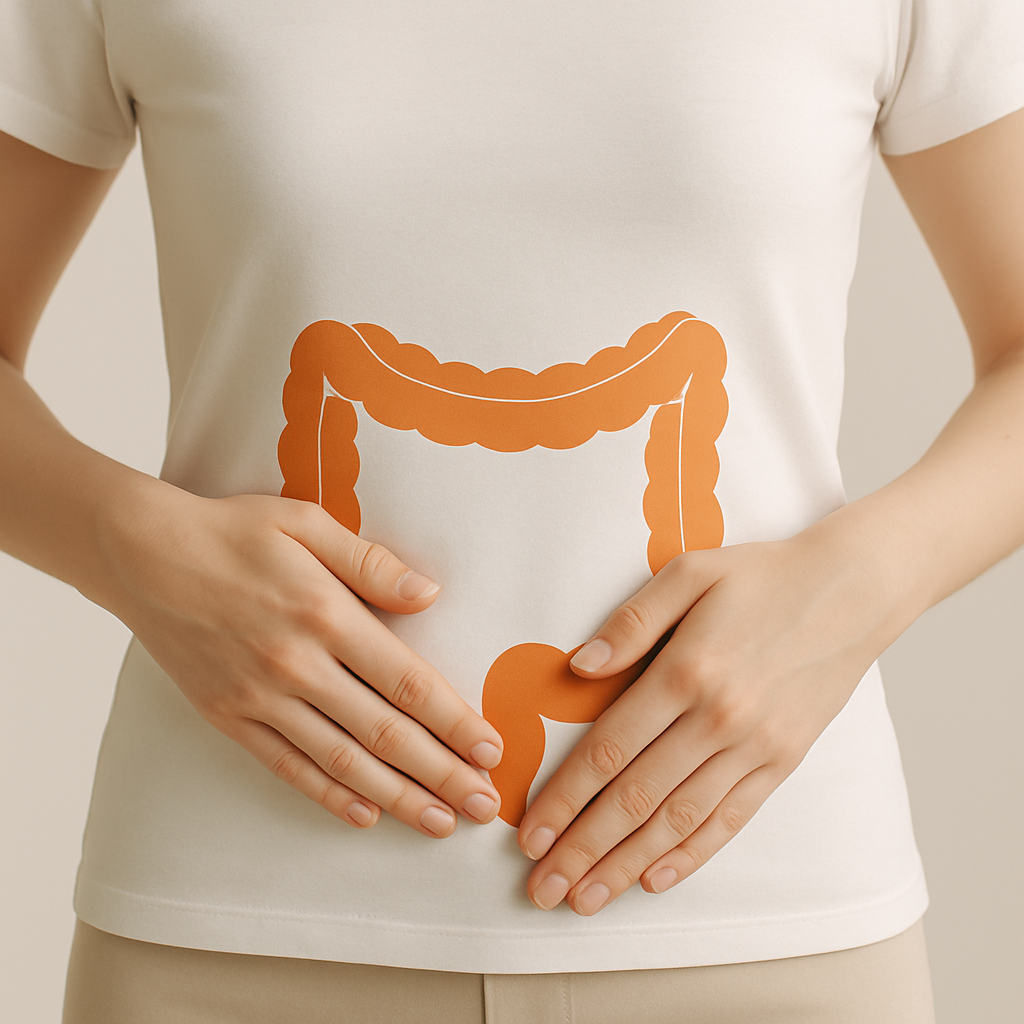
The microbiome refers to the diverse community of microorganisms, including bacteria, fungi, viruses, and other microbes, that reside in various parts of the human body, particularly the gut. This complex ecosystem plays a crucial role in digestion, immune function, and overall health. Maintaining a balanced microbiome is essential for optimal bodily functions.
Key Active Compounds & Mechanisms
Various compounds contribute to microbiome support, including:
- Probiotics: Live beneficial bacteria such as Lactobacillus (L. acidophilus) and Bifidobacterium (B. bifidum) that help restore and maintain gut flora.
- Prebiotics: Non-digestible fibers like inulin and fructooligosaccharides (FOS) that feed beneficial bacteria and promote their growth.
- Postbiotics: Metabolites produced by probiotics that can have health benefits, including short-chain fatty acids (SCFAs).
Traditional Uses
Historically, various cultures have utilized natural remedies to support gut health and balance the microbiome:
- Fermented Foods: Cultures worldwide have consumed fermented foods, such as kimchi, sauerkraut, and yogurt, for their probiotic content.
- Herbal Remedies: Herbs like garlic (Allium sativum) and ginger (Zingiber officinale) have been traditionally used for their antimicrobial properties that help maintain a healthy gut environment.
What Modern Research Suggests
Modern studies have increasingly focused on the microbiome's role in health and disease. Preliminary evidence suggests:
- Probiotics may help alleviate gastrointestinal disorders such as irritable bowel syndrome (IBS) and diarrhea.
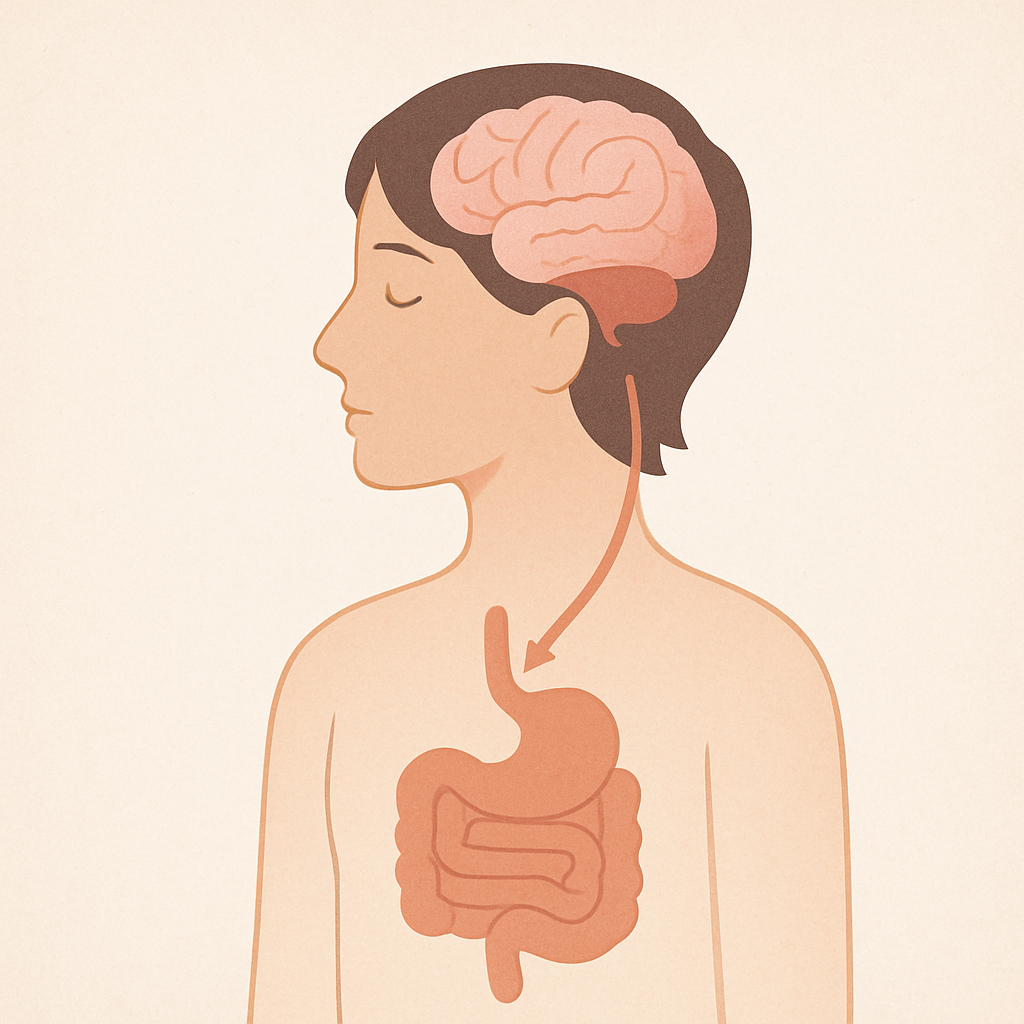
- A balanced microbiome may support mental health, potentially influencing mood and cognitive functions.
- Prebiotics can enhance the efficacy of probiotics and improve gut health.
Functional Actions
Microbiome support can provide several functional actions, including:
- Regulating digestion and nutrient absorption.
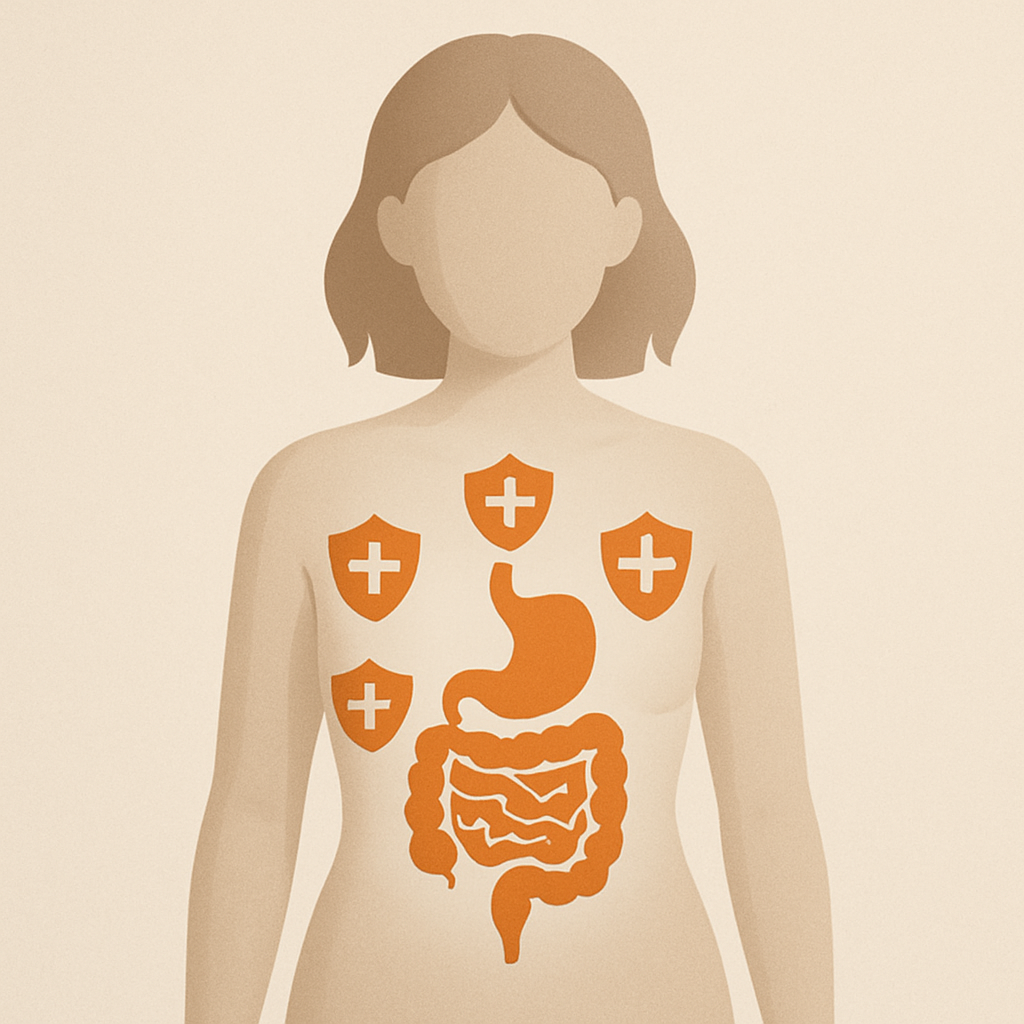
- Enhancing immune system function.
- Producing essential vitamins and short-chain fatty acids.
- Inhibiting the growth of harmful bacteria.
Body Systems Supported
Supporting the microbiome can positively influence various body systems:
- Digestive System: A balanced microbiome aids in digestion and nutrient absorption.
- Immune System: A healthy gut microbiome is essential for optimal immune function.
- Nervous System: The gut-brain axis suggests a connection between gut health and mental well-being.
Common Forms & Educational Dosing Ranges
Microbiome support can be obtained through several forms, including:
- Capsules: Commonly contain probiotics; typical doses range from 1 to 10 billion CFUs (colony-forming units) per day.
- Powders: Often combined with prebiotics; dosage can vary based on the specific formulation.
- Fermented Foods: Incorporating foods like yogurt or kefir into the diet can provide natural sources of probiotics.
Safety, Contraindications & Interactions
While microbiome support is generally safe for most individuals, certain precautions should be observed:
- People with compromised immune systems or serious health conditions should consult a healthcare provider before using probiotics.
- Probiotics may interact with immunosuppressive medications, potentially diminishing their effectiveness.
Pairs Well With
Microbiome support can be enhanced when paired with:
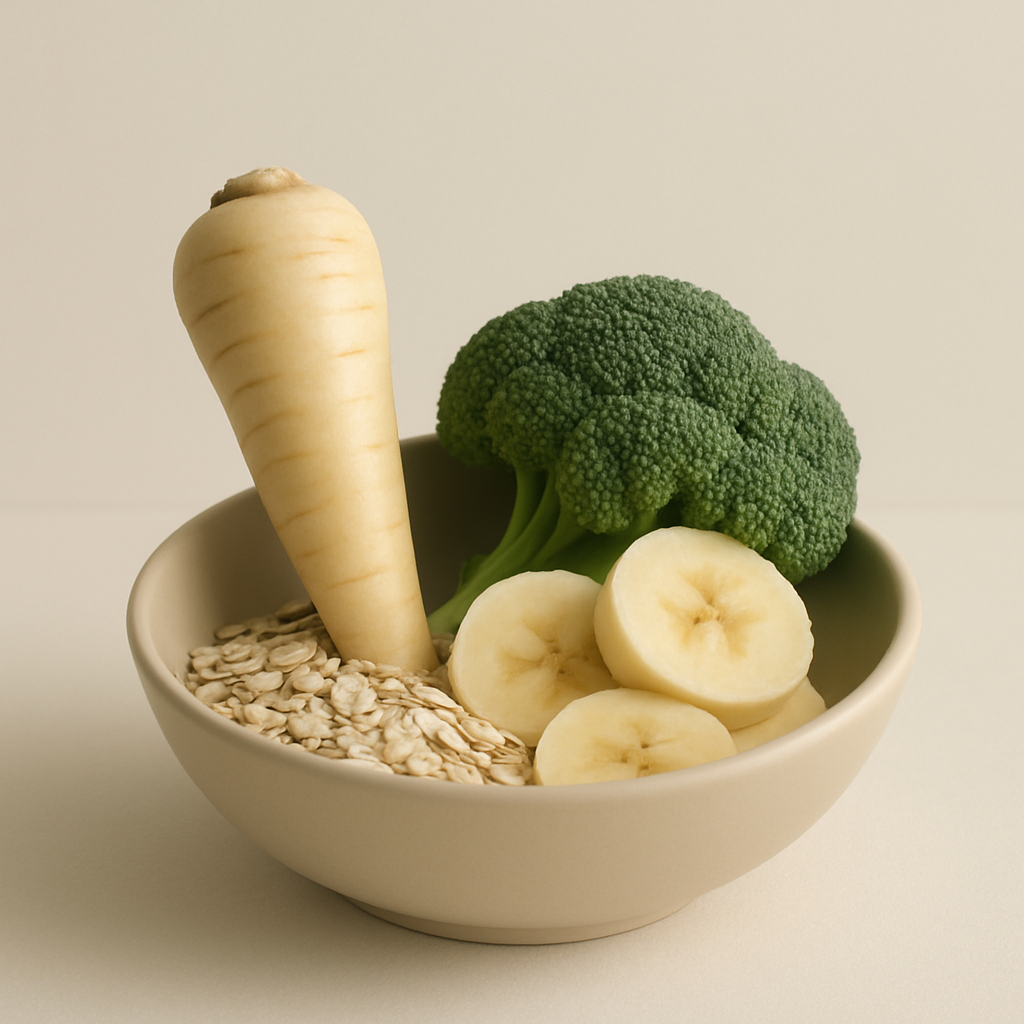
- Fiber-Rich Foods: Increase the efficacy of prebiotics.
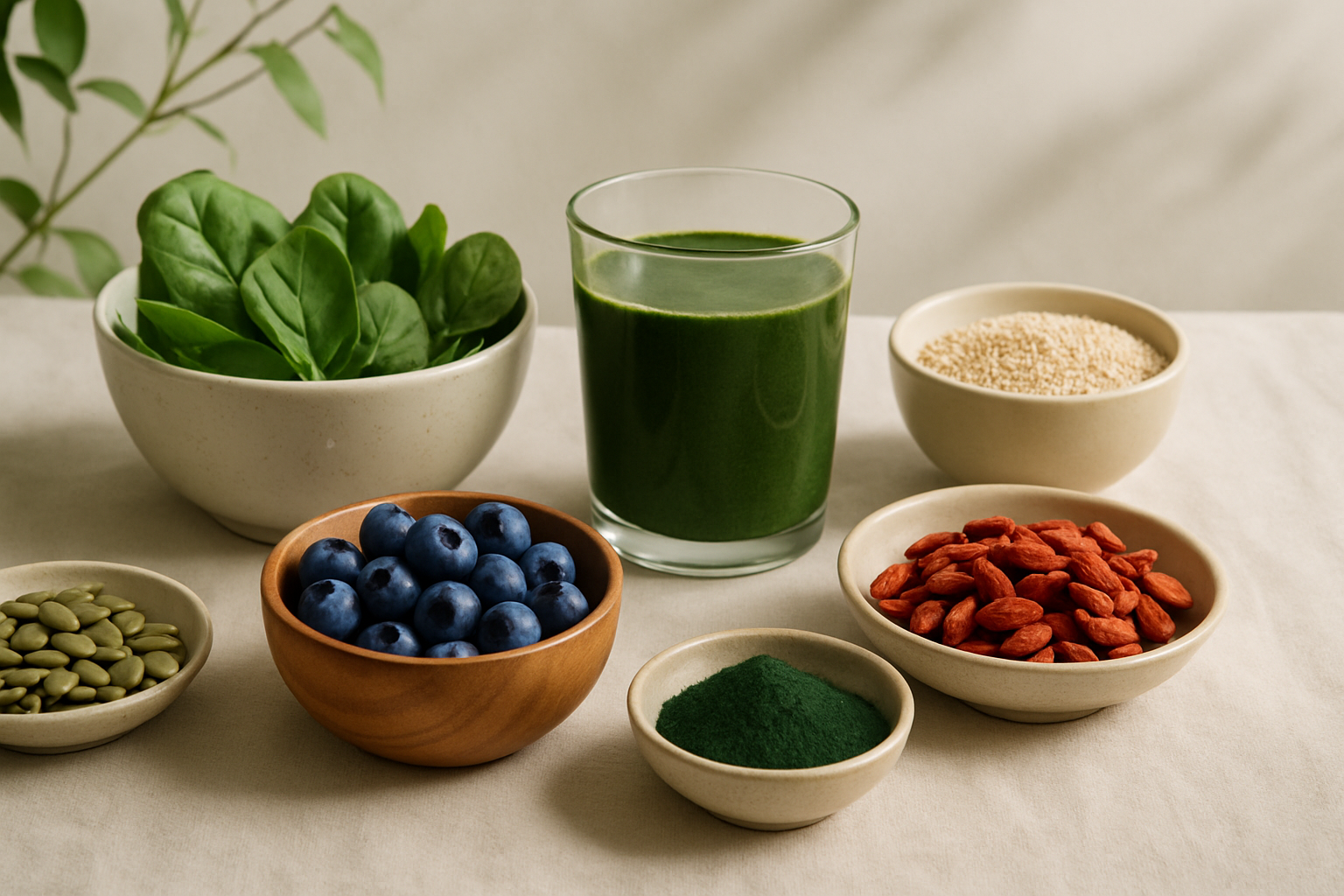
- Antioxidant-Rich Foods: Such as berries and leafy greens, to support overall health.
- Hydration: Consuming adequate water helps maintain digestive health.
FAQs (5)
- What are probiotics? Probiotics are live microorganisms that provide health benefits when consumed in adequate amounts.
- How can I improve my microbiome? Incorporate a variety of fermented foods and fiber-rich foods into your diet.
- Are there any side effects of taking probiotics? Some individuals may experience mild digestive upset when beginning probiotics, but this usually resolves quickly.
- Can I take probiotics with antibiotics? Yes, but it is advisable to space out the timing of probiotics and antibiotics to maximize benefits.
- How long should I take probiotics for microbiome support? The duration can vary; consulting a healthcare professional can provide personalized recommendations based on individual needs.
Frequently asked
What are probiotics?
Probiotics are live microorganisms that provide health benefits when consumed in adequate amounts.
How can I improve my microbiome?
Incorporate a variety of fermented foods and fiber-rich foods into your diet.
Are there any side effects of taking probiotics?
Some individuals may experience mild digestive upset when beginning probiotics, but this usually resolves quickly.
Can I take probiotics with antibiotics?
Yes, but it is advisable to space out the timing of probiotics and antibiotics to maximize benefits.
How long should I take probiotics for microbiome support?
The duration can vary; consulting a healthcare professional can provide personalized recommendations based on individual needs.