Digestive Enzymes
Discover the benefits and uses of digestive enzymes for gut health and nutrient absorption.

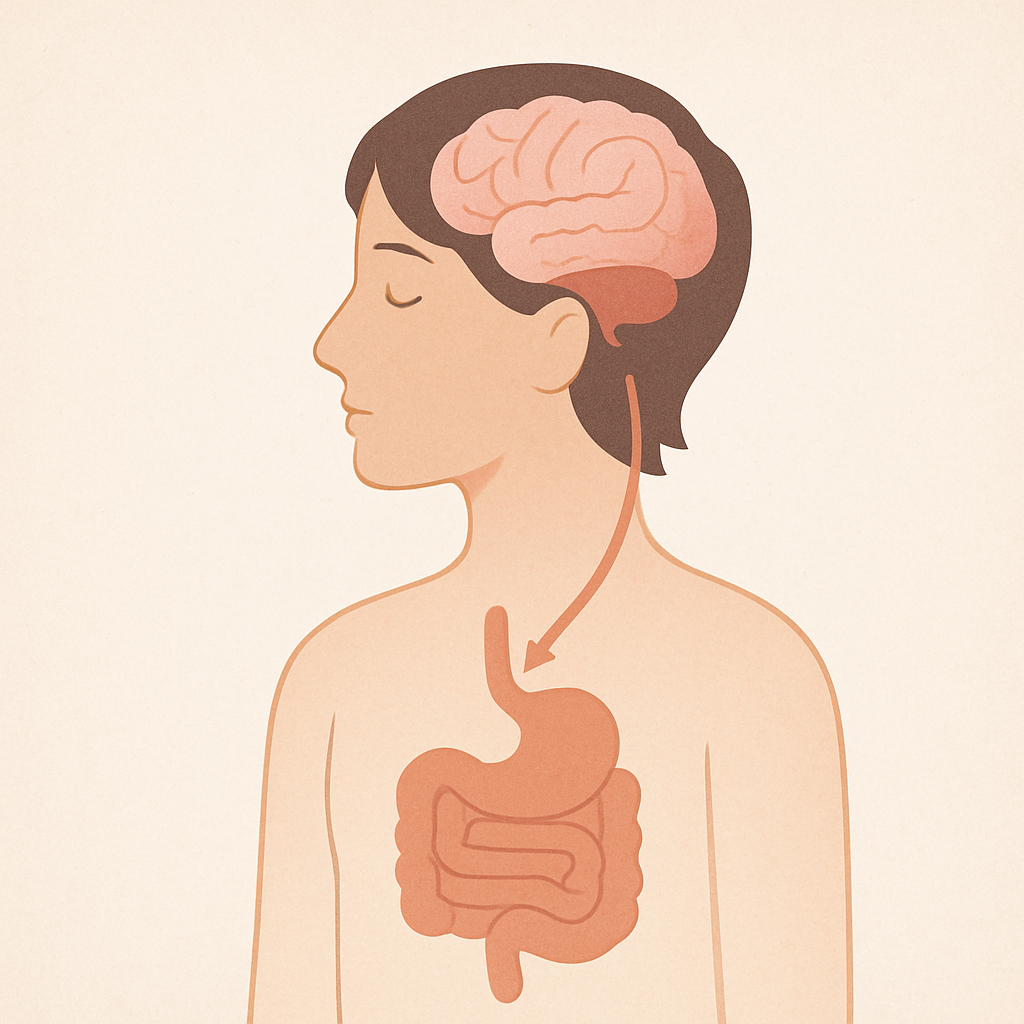
Digestive enzymes play a crucial role in breaking down food, enhancing nutrient absorption, and supporting overall gut health. This page explores their definition, traditional uses, modern research, and safety considerations.
What It Is
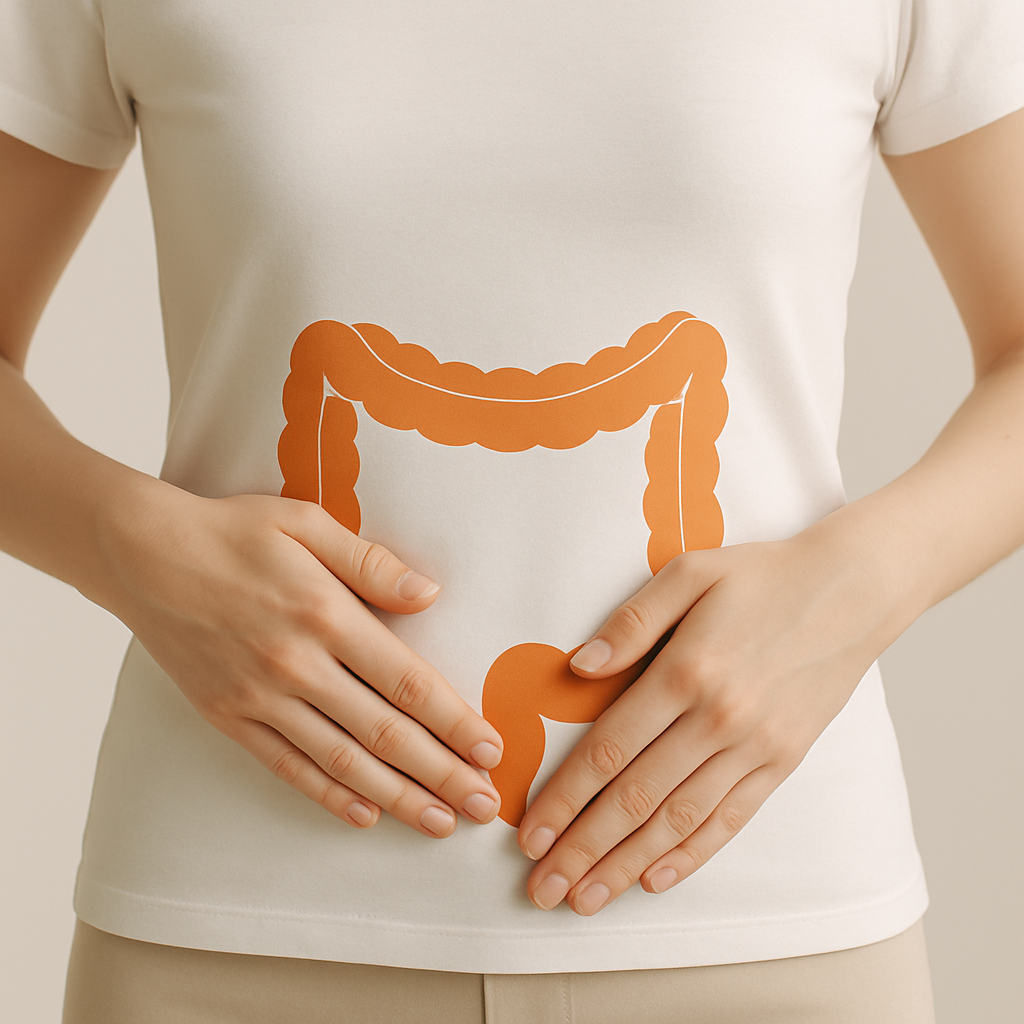
Digestive enzymes are biological catalysts that aid in the breakdown of food into smaller, absorbable molecules. They are produced by various organs in the body, including the pancreas, stomach, and small intestine. Key types of digestive enzymes include amylase, protease, and lipase, which assist in digesting carbohydrates, proteins, and fats, respectively.
Key Active Compounds & Mechanisms
The main active compounds in digestive enzymes are specific proteins that facilitate biochemical reactions. Each enzyme targets a particular type of substrate:
- Amylase: Breaks down carbohydrates into simple sugars.
- Protease: Decomposes proteins into amino acids.
- Lipase: Breaks down fats into fatty acids and glycerol.
These enzymes work by lowering the activation energy required for chemical reactions, thus speeding up the digestion process.
Traditional Uses
Historically, digestive enzymes have been utilized in various cultures to promote digestive health. For instance:
- In Ayurvedic medicine, enzymes derived from papaya (Carica papaya) and pineapple (Ananas comosus) have been used to aid digestion.
- Traditional Chinese medicine often incorporates enzyme-rich foods like fermented products to enhance digestive function.
These practices highlight the long-standing belief in the importance of digestive enzymes for maintaining gut health.
What Modern Research Suggests
Modern studies have begun to explore the efficacy of digestive enzymes in managing various digestive disorders. Preliminary research suggests that:
- Supplementing with digestive enzymes may help alleviate symptoms of irritable bowel syndrome (IBS).
- They can improve nutrient absorption in individuals with pancreatic insufficiency.
However, more research is needed to establish definitive benefits and standardized dosing recommendations.
Functional Actions
Digestive enzymes serve several functional actions, including:
- Facilitating the digestion of complex food substances.
- Enhancing nutrient absorption in the intestines.
- Reducing symptoms of bloating and gas.
- Supporting overall gut health by maintaining an optimal pH balance in the digestive tract.
Body Systems Supported
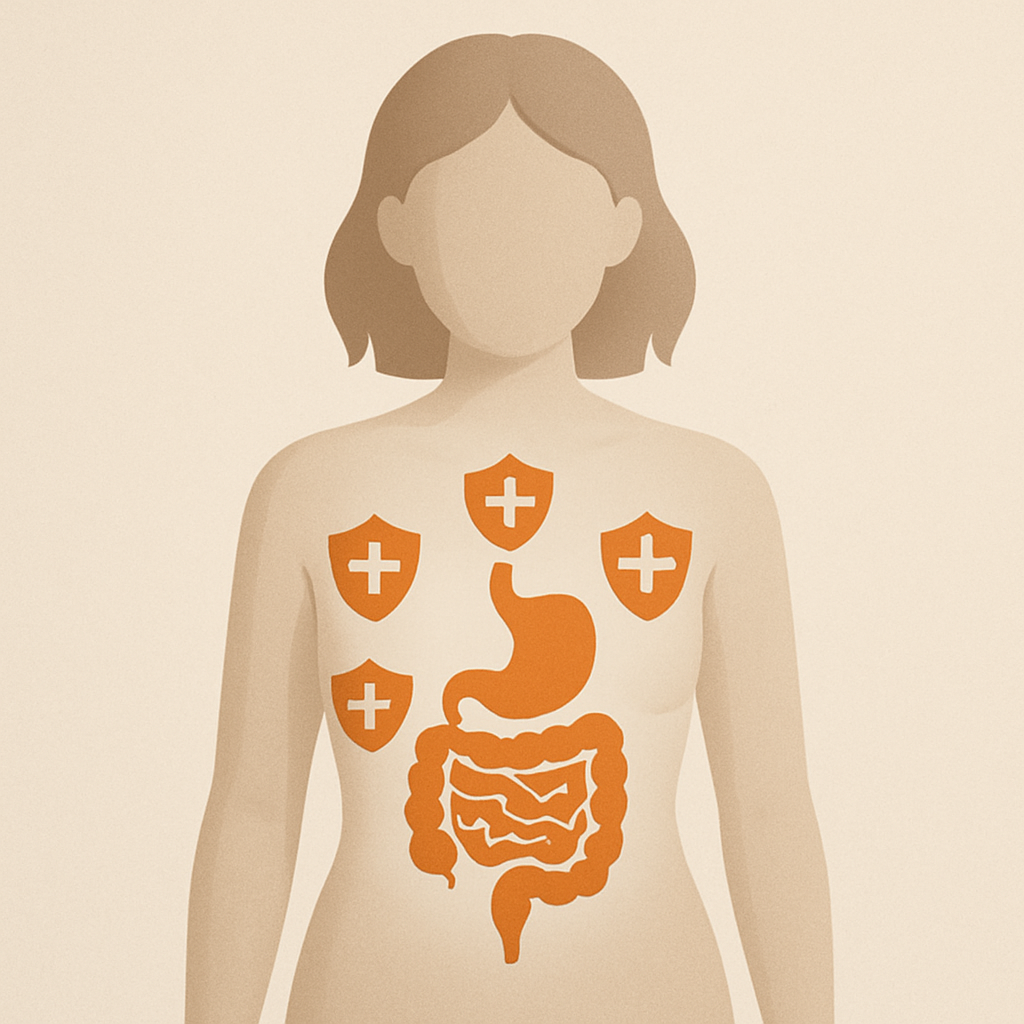
Digestive enzymes primarily support the digestive system, but their benefits extend to:
- The immune system, by aiding in nutrient absorption that supports immune function.
- The metabolic system, by ensuring efficient digestion and energy production from food.
Common Forms & Educational Dosing Ranges
Digestive enzymes are available in several forms, including:
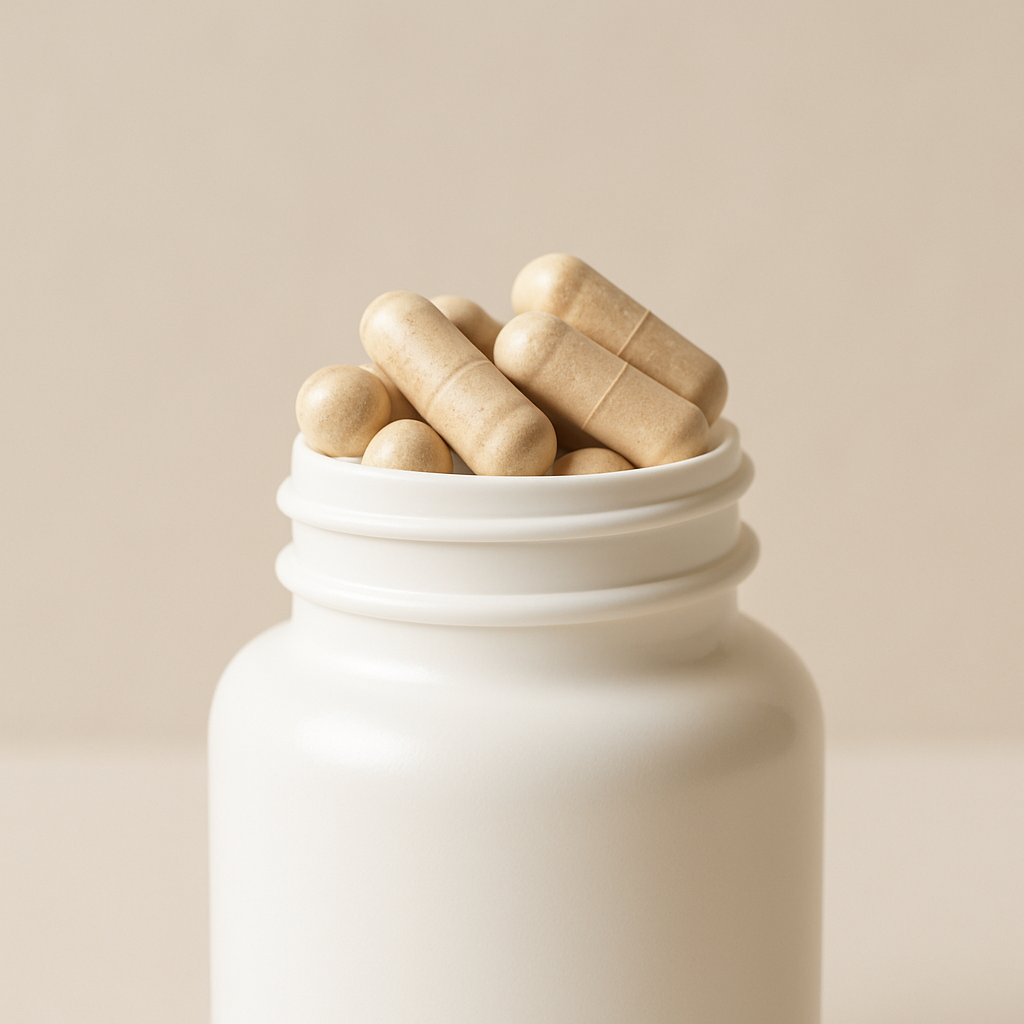
- Capsules: Commonly used for convenience and precise dosing.
- Powders: Can be mixed with food or beverages.
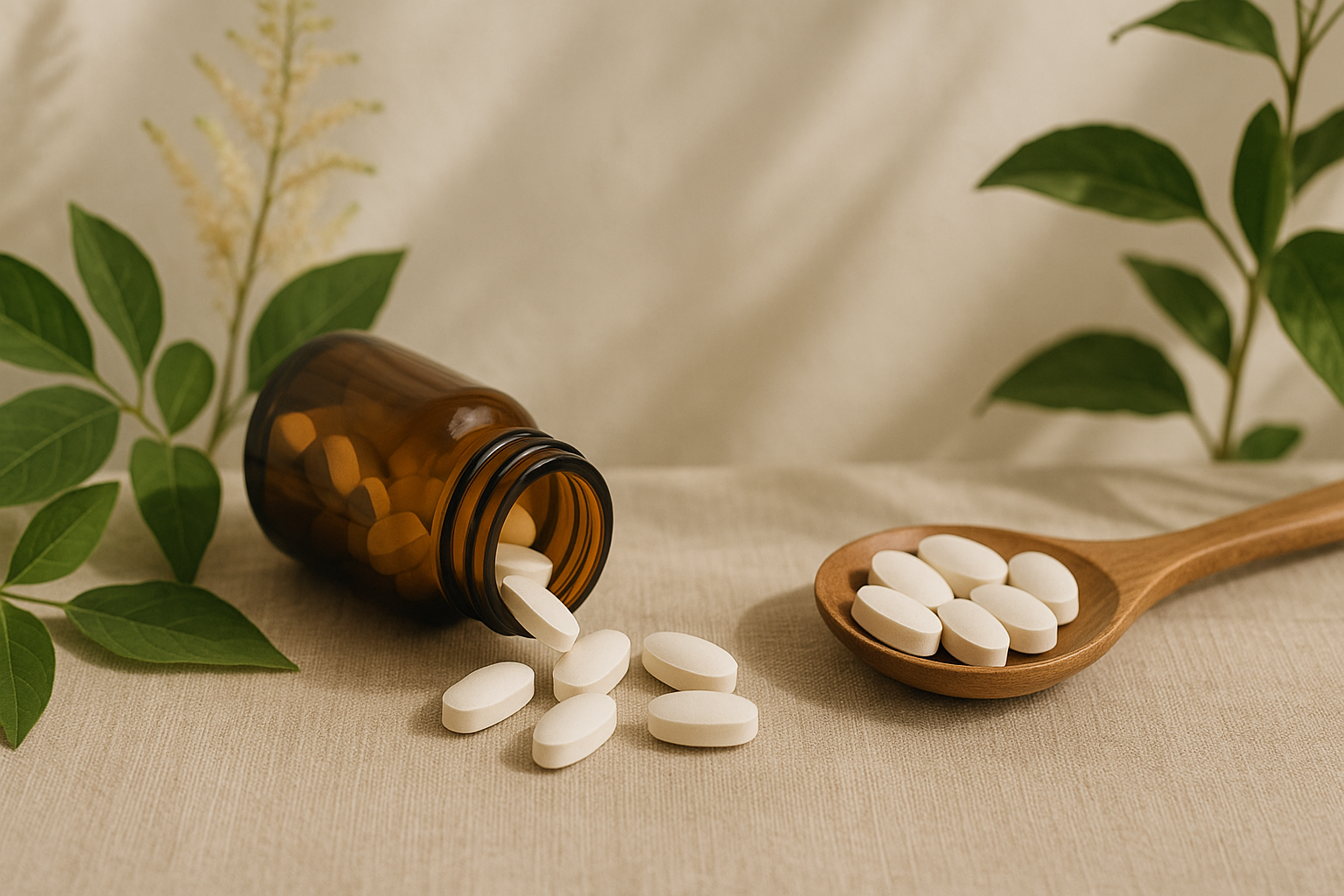
- Tablets: Often used for targeted digestive support.
Typical dosing ranges vary based on the type of enzyme and individual needs, but a common recommendation is between 500 mg to 5,000 mg per meal, depending on the specific enzyme and its concentration.
Safety, Contraindications & Interactions
Digestive enzymes are generally considered safe for most individuals. However, there are some considerations:
- Individuals with allergies to certain enzymes (e.g., from papaya or pineapple) should avoid specific supplements.
- Those with conditions like pancreatitis should consult a healthcare provider before use.
- Interactions with medications, such as anticoagulants, may occur, so it is crucial to talk to a healthcare professional before starting supplementation.
Pairs Well With
Digestive enzymes can enhance the effects of other natural remedies and supplements, such as:
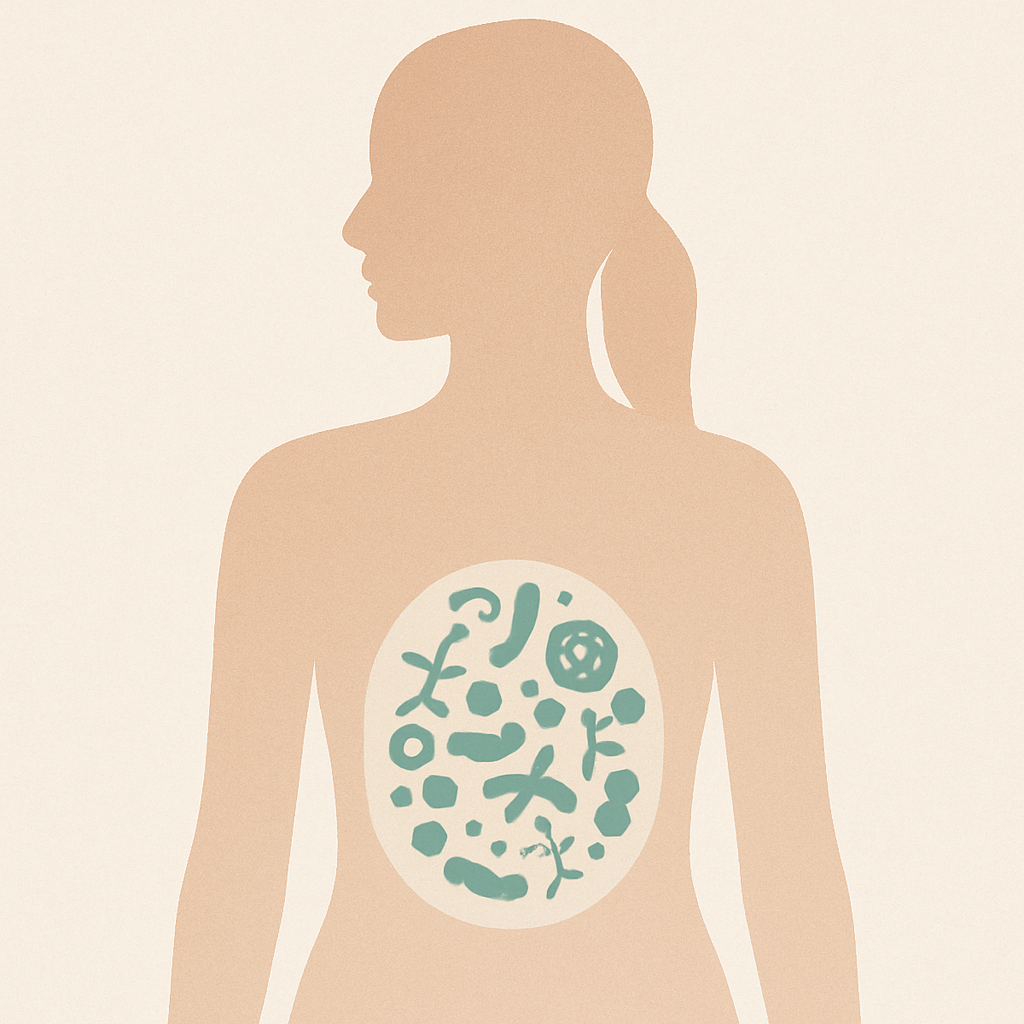
- Probiotics: To further support gut health and balance gut flora.
- Fiber supplements: To promote digestive regularity.
- Herbal digestive aids: Such as ginger (Zingiber officinale) and peppermint (Mentha piperita) to soothe the digestive tract.
FAQs (5)
- What are digestive enzymes?
Digestive enzymes are proteins that help break down food into smaller, absorbable molecules in the digestive system. - How do I know if I need digestive enzymes?
If you experience symptoms like bloating, gas, or difficulty digesting certain foods, you may benefit from digestive enzymes. - Can I get digestive enzymes from food?
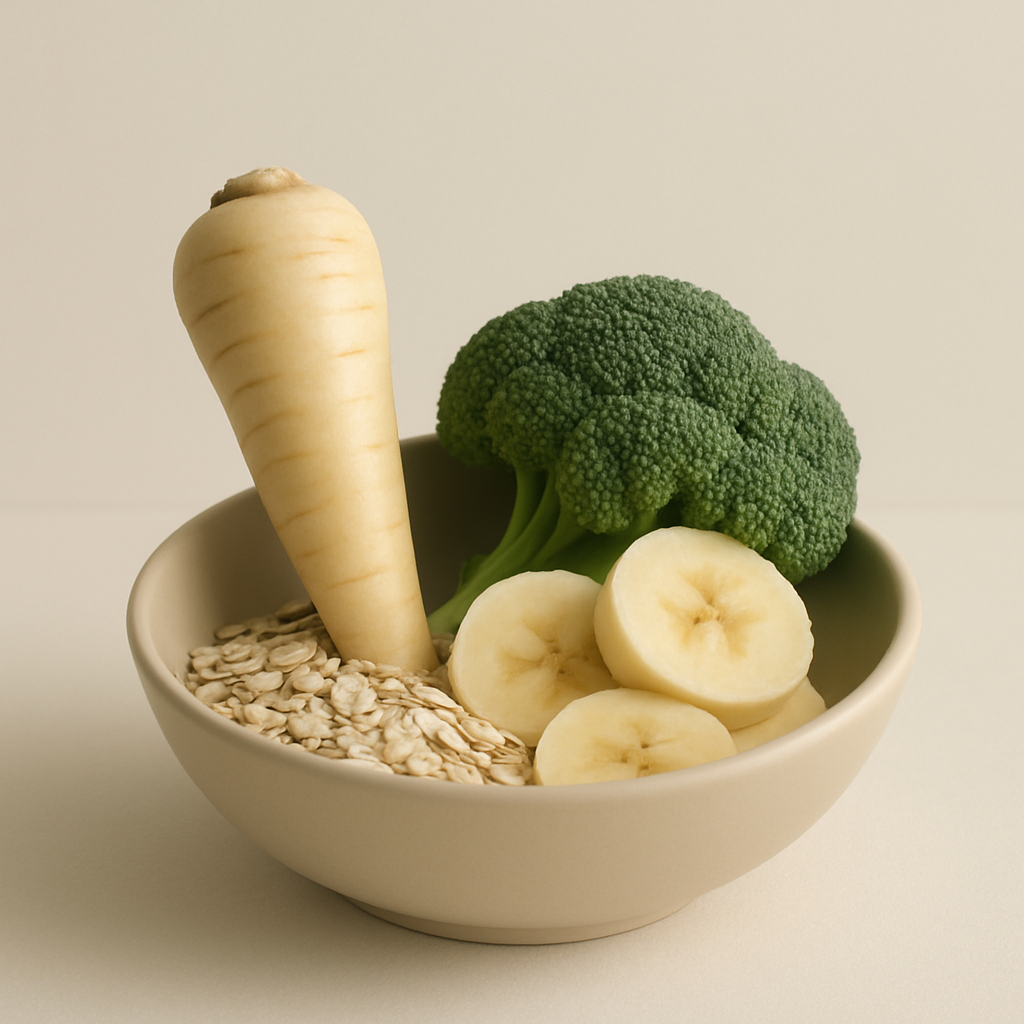
Yes, foods like pineapple and papaya contain natural digestive enzymes, and fermented foods are rich in enzymes as well. - Are there any side effects of taking digestive enzymes?
Some individuals may experience mild gastrointestinal discomfort, but serious side effects are rare. - Can digestive enzymes help with food intolerances?
Digestive enzymes may help improve digestion of certain foods, but they are not a may support for food intolerances.
Frequently asked
What are digestive enzymes?
Digestive enzymes are proteins that help break down food into smaller, absorbable molecules in the digestive system.
How do I know if I need digestive enzymes?
If you experience symptoms like bloating, gas, or difficulty digesting certain foods, you may benefit from digestive enzymes.
Can I get digestive enzymes from food?
Yes, foods like pineapple and papaya contain natural digestive enzymes, and fermented foods are rich in enzymes as well.
Are there any side effects of taking digestive enzymes?
Some individuals may experience mild gastrointestinal discomfort, but serious side effects are rare.
Can digestive enzymes help with food intolerances?
Digestive enzymes may help improve digestion of certain foods, but they are not a cure for food intolerances.