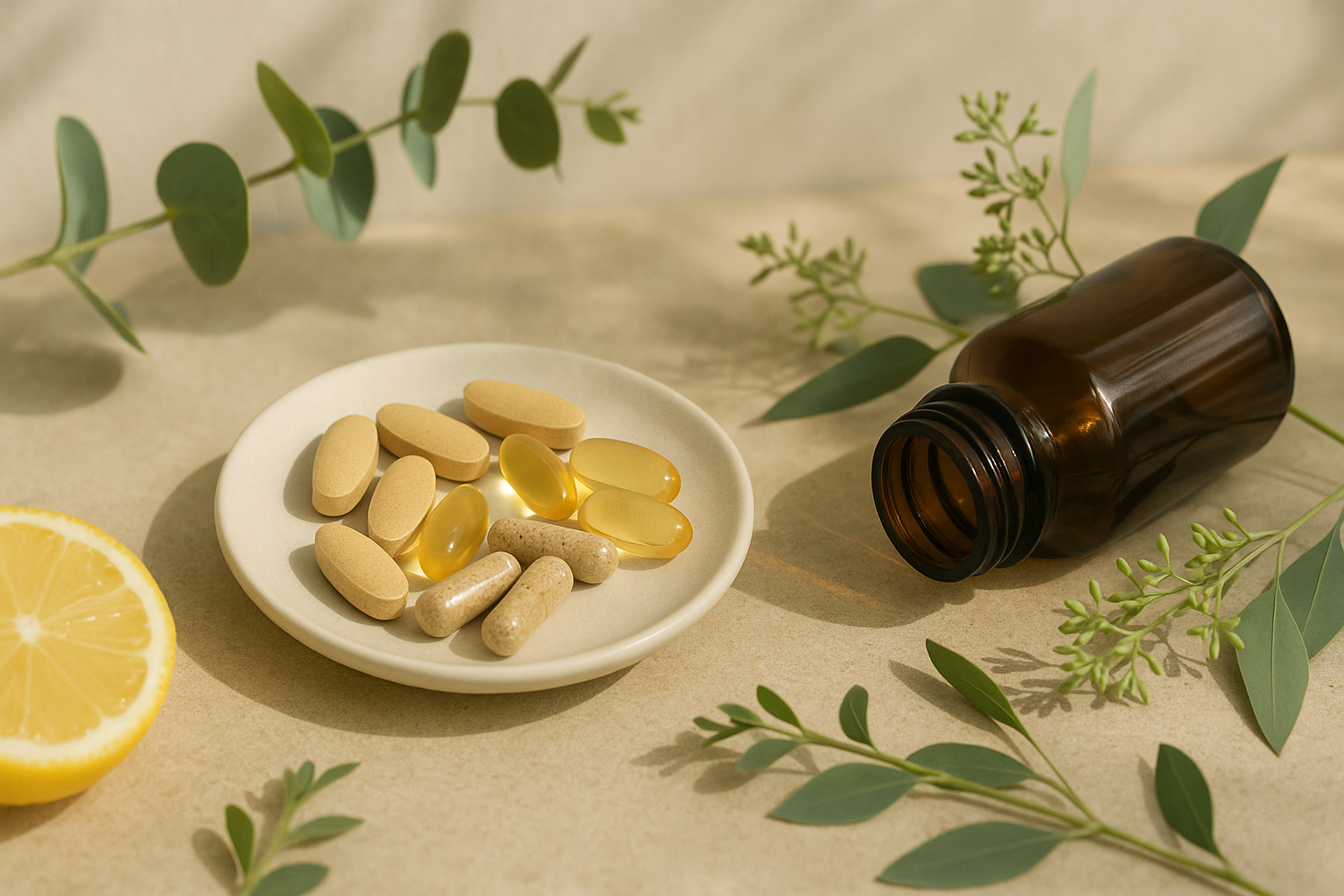
Immune Digestion
Discover the vital connection between immune health and digestion through probiotics and gut support. Learn about traditional uses, active compounds, and practical applications.

Explore the intersection of immune health and digestion through the lens of probiotics and gut support. Delve into the key compounds, traditional uses, modern research insights, and practical applications for enhancing your immune digestion.
What It Is
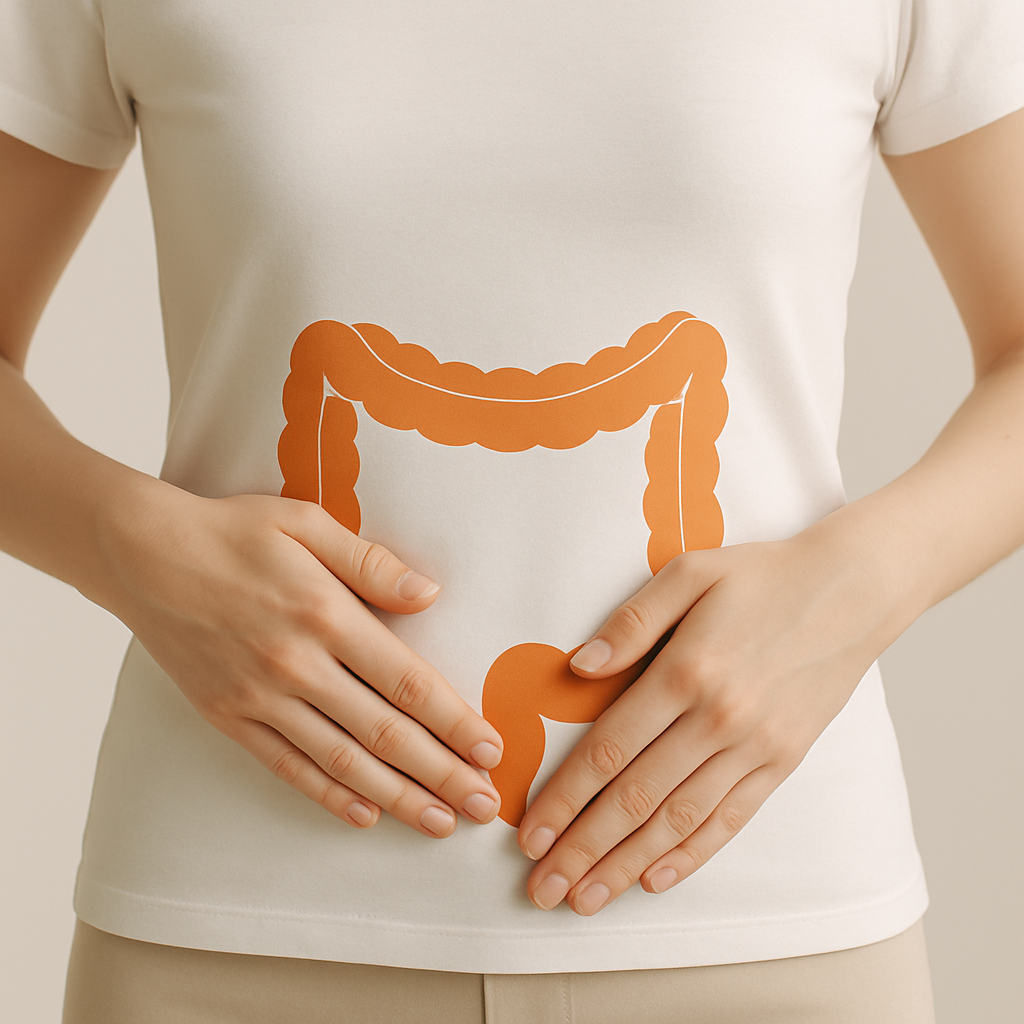
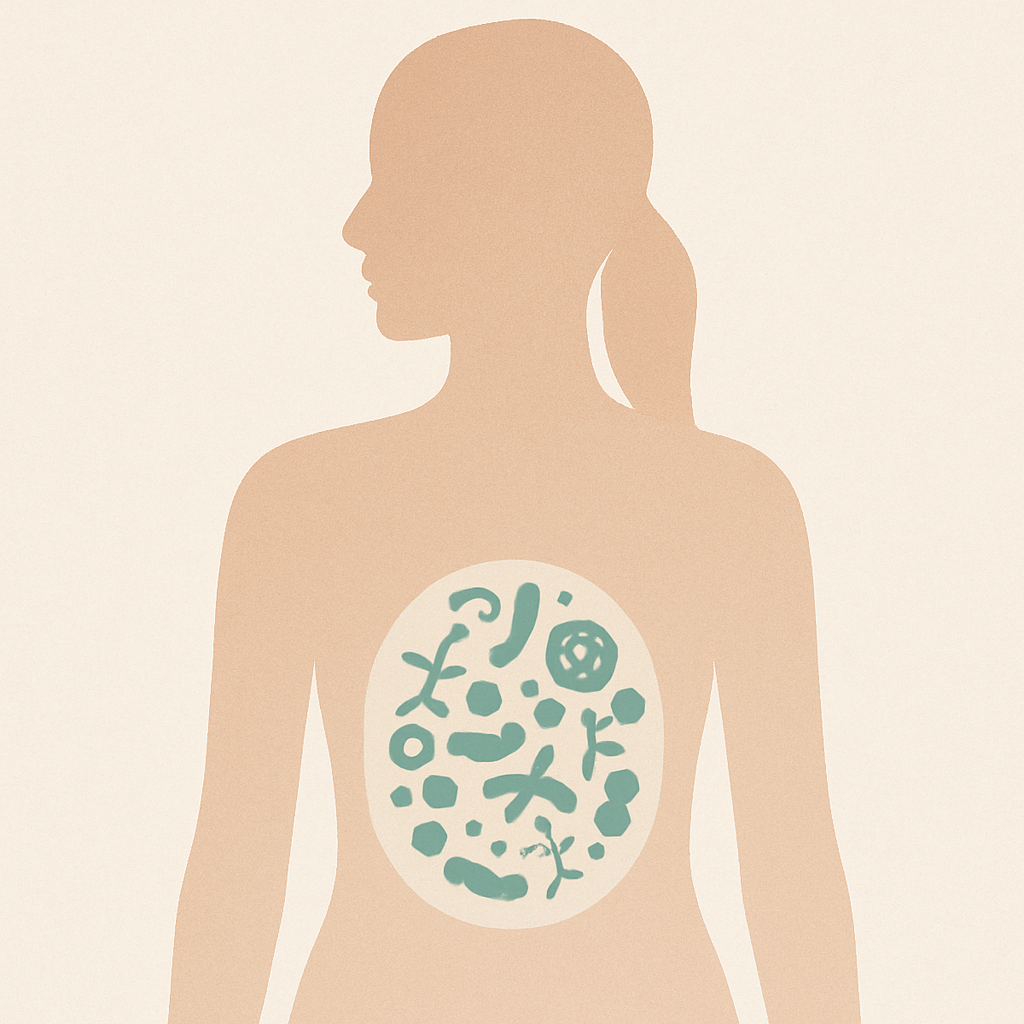
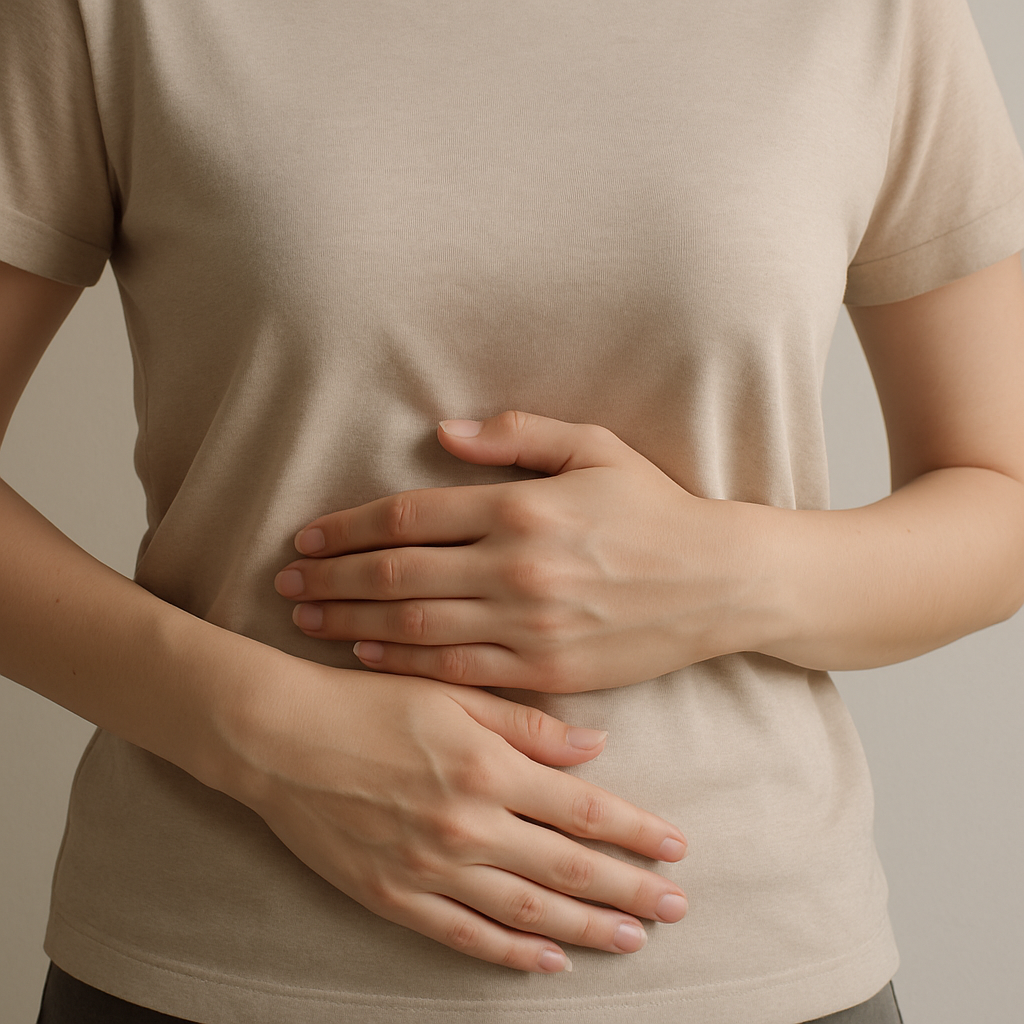
Immune digestion refers to the intricate relationship between the digestive system and the immune system. This connection is pivotal as the gut is home to a significant portion of the body’s immune cells. The health of the digestive system can directly impact immune responses, making it essential to support both systems simultaneously.
Key Active Compounds & Mechanisms
Probiotics are live microorganisms that provide health benefits when consumed in adequate amounts. Key strains include:
- Lactobacillus: Helps to balance gut flora and enhance immune function.
- Bifidobacterium: Supports gut health and may help in modulating immune responses.
- Saccharomyces boulardii: A yeast that can promote gut health and has been shown to support immune function.
These probiotics work through various mechanisms, including:
- Enhancing the gut barrier function to prevent harmful pathogens from entering the bloodstream.
- Modulating local and systemic immune responses.
- Producing short-chain fatty acids that have anti-inflammatory effects.
Traditional Uses
Historically, many cultures have recognized the importance of gut health in maintaining overall well-being. Fermented foods such as kefir, sauerkraut, and kimchi have been used for centuries to promote digestive health and support the immune system. Traditional medicinal systems, including Ayurveda and Traditional Chinese Medicine, emphasize dietary practices that maintain digestive harmony, which in turn supports immune health.
What Modern Research Suggests
Recent studies have begun to validate the traditional knowledge surrounding probiotics and gut health. Research indicates that:
- Probiotics may reduce the incidence and duration of respiratory infections, potentially enhancing immune function.
- Certain strains of probiotics have been shown to alleviate symptoms of gastrointestinal disorders, which can indirectly support immune health.
- Preliminary evidence suggests a positive correlation between gut microbiota diversity and a well-functioning immune system.
Functional Actions
The functional actions of probiotics in immune digestion include:
- Enhancing Gut Flora: Probiotics help maintain a balanced gut microbiome, which is crucial for proper digestion and immune function.
- Modulating Immune Response: Certain probiotic strains can enhance the activity of immune cells, such as macrophages and T-cells.
- Reducing Inflammation: Probiotics produce compounds that can reduce inflammation in the gut, which is beneficial for immune health.
Body Systems Supported
Immune digestion primarily supports the following body systems:
- Digestive System: Enhances nutrient absorption and gut health.
- Immune System: Strengthens the body’s defenses against infections.
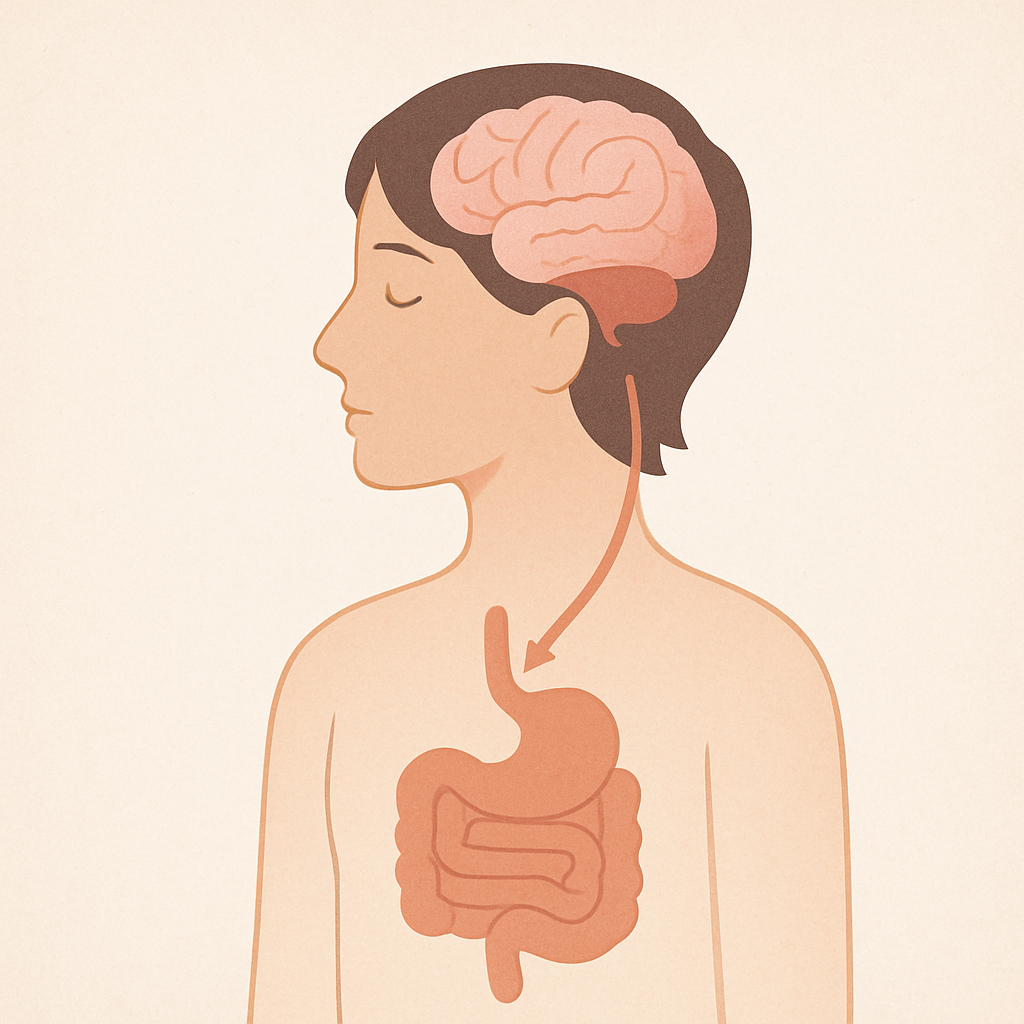
- Endocrine System: Influences hormonal balance through gut-brain interactions.
Common Forms & Educational Dosing Ranges
Probiotics are available in various forms, including:
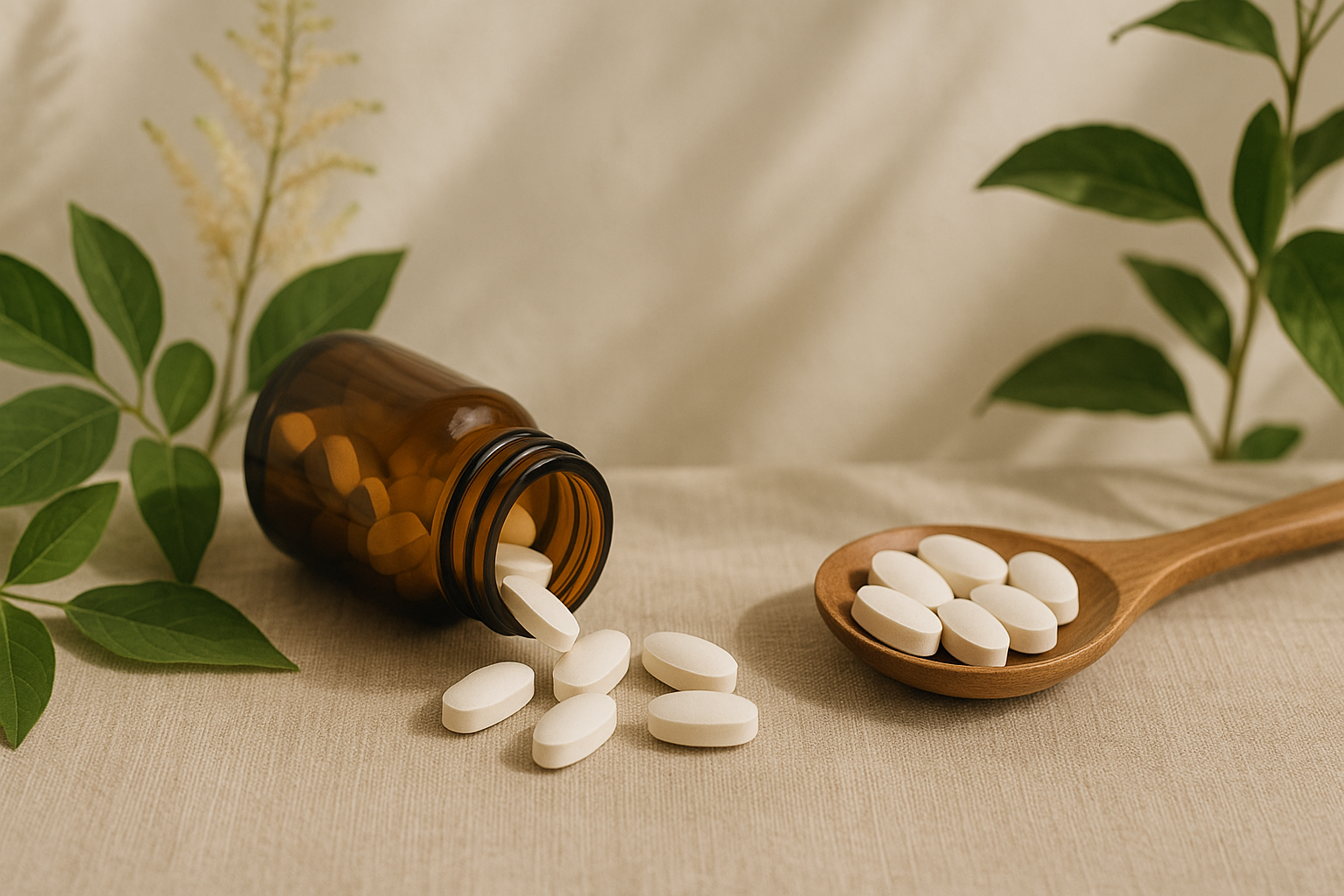
- Capsules: Typically contain concentrated doses of specific probiotic strains.
- Powders: Can be mixed into foods or beverages.
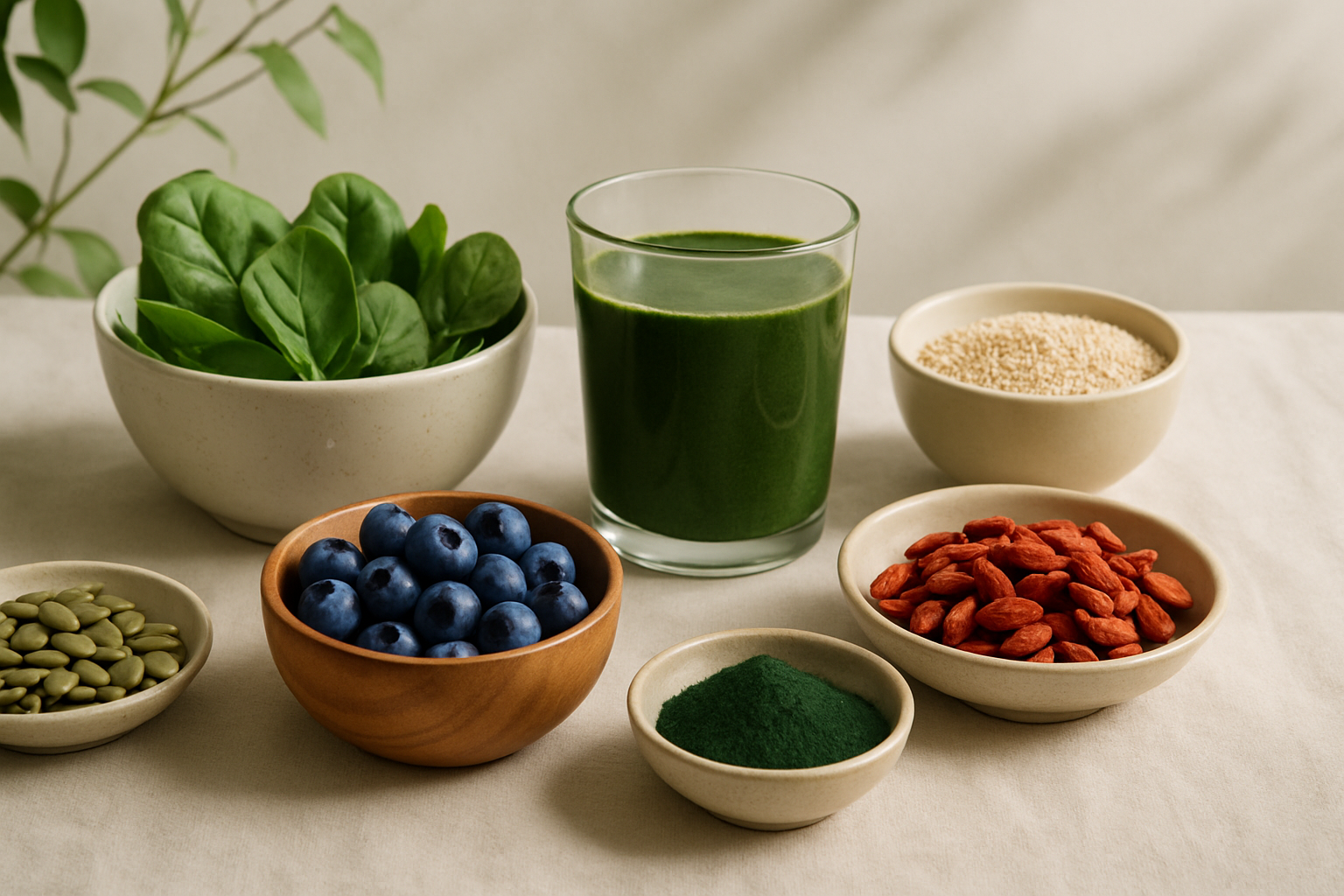
- Fermented Foods: Naturally rich in probiotics, such as yogurt, kefir, and fermented vegetables.
Educational dosing ranges vary by strain, but a common recommendation is:
- For general health: 1-10 billion CFUs (colony-forming units) daily.
- For specific conditions: Higher doses may be required, often 10-100 billion CFUs, depending on the strain and individual needs.
Safety, Contraindications & Interactions
While probiotics are generally considered safe for most people, certain groups should exercise caution:
- Individuals with compromised immune systems should consult a healthcare provider before starting probiotics.
- People with underlying health conditions, such as severe allergies or gastrointestinal disorders, should seek medical advice.
Probiotics may interact with specific medications, particularly:
- Immunosuppressants: May reduce the effectiveness of these drugs.
- Antibiotics: While antibiotics can kill beneficial bacteria, taking probiotics can help restore gut health when used concurrently or afterward.
Pairs Well With
To enhance the benefits of immune digestion, probiotics can be paired with:
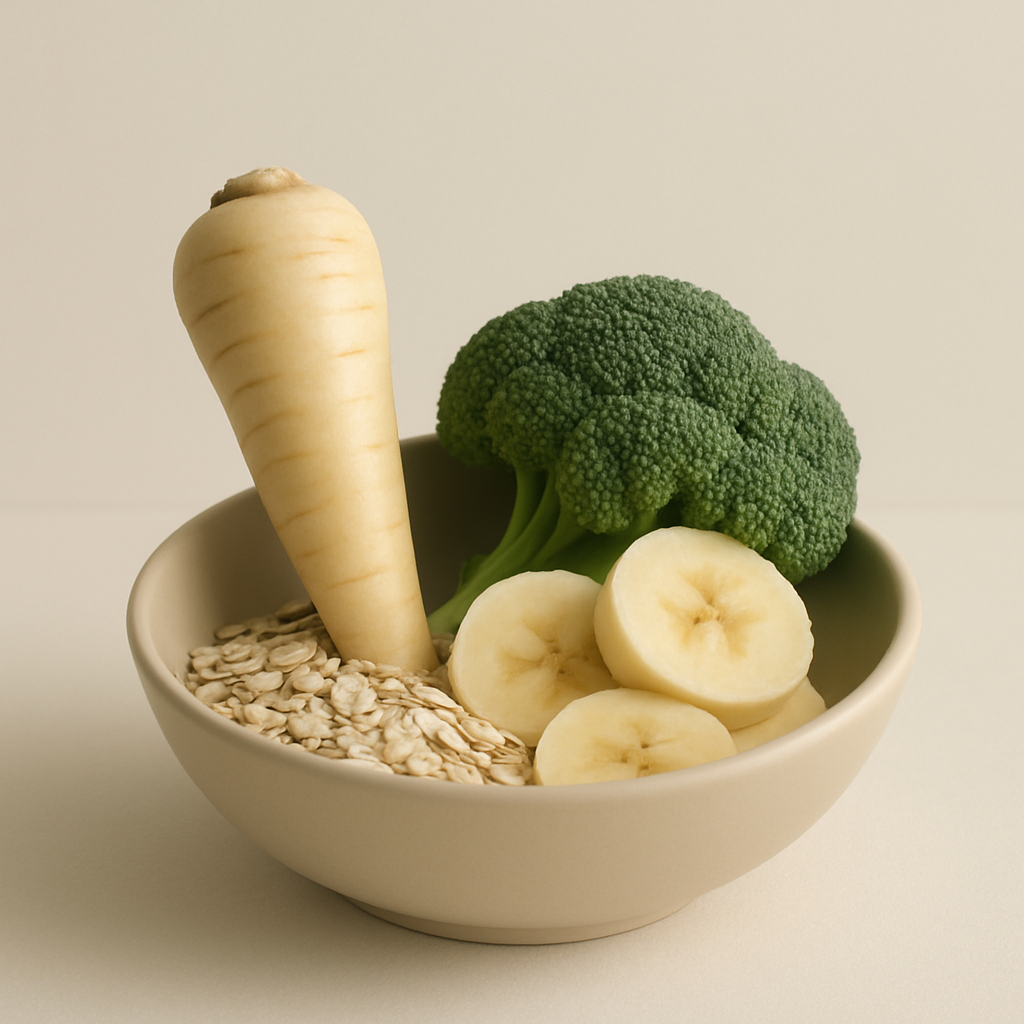
- Prebiotics: Foods such as garlic, onions, and bananas that feed beneficial gut bacteria.
- Omega-3 Fatty Acids: Found in fish oil, which may help reduce inflammation.
- Vitamin C: To further support immune function.
FAQs (5)
- What are probiotics? Probiotics are live microorganisms that confer health benefits when consumed, particularly for digestive and immune health.
- How do probiotics support the immune system? They help balance gut flora, enhance the gut barrier, and modulate immune responses.
- Can I get probiotics from food? Yes, fermented foods like yogurt, kefir, and sauerkraut are excellent sources of probiotics.
- Are there any side effects of taking probiotics? Some individuals may experience mild digestive upset when first introducing probiotics but this usually resolves quickly.
- How long does it take to see benefits from probiotics? Benefits can vary, but many people notice improvements within a few weeks of consistent use.
Frequently asked
What are probiotics?
Probiotics are live microorganisms that confer health benefits when consumed, particularly for digestive and immune health.
How do probiotics support the immune system?
They help balance gut flora, enhance the gut barrier, and modulate immune responses.
Can I get probiotics from food?
Yes, fermented foods like yogurt, kefir, and sauerkraut are excellent sources of probiotics.
Are there any side effects of taking probiotics?
Some individuals may experience mild digestive upset when first introducing probiotics but this usually resolves quickly.
How long does it take to see benefits from probiotics?
Benefits can vary, but many people notice improvements within a few weeks of consistent use.