Stomach Support
Discover natural remedies for stomach support within the probiotics and gut support framework, including key compounds, traditional uses, and modern research insights.

Explore natural remedies for stomach support, focusing on probiotics and gut health. Learn about traditional uses, active compounds, and modern research findings.
What It Is
Stomach support refers to natural remedies that promote digestive health and enhance the functioning of the gastrointestinal system. This encompasses a variety of plants, compounds, and probiotics that are known to support stomach function, reduce discomfort, and maintain a balanced gut microbiome. Probiotics, for instance, are live microorganisms that, when administered in adequate amounts, confer health benefits on the host, particularly in digestive health.
Key Active Compounds & Mechanisms
Several key compounds are integral to the effectiveness of stomach support remedies, including:
- Lactobacillus: A genus of bacteria commonly found in yogurt and fermented foods, known for its ability to promote gut health by balancing the intestinal flora.
- Bifidobacterium: Another beneficial bacterium that plays a crucial role in digesting dietary fiber and supporting the immune system.
- Prebiotics: Compounds like inulin and fructooligosaccharides that feed beneficial gut bacteria, enhancing their growth and activity.
- Polyphenols: Found in various plants, these compounds possess antioxidant properties that can help reduce inflammation in the gut.
The mechanisms by which these compounds work include enhancing the intestinal barrier function, modulating the immune response, and producing short-chain fatty acids that provide energy to gut cells.
Traditional Uses
Historically, various cultures have utilized natural remedies for stomach support:
- Chamomile (Matricaria chamomilla): Traditionally used in European herbal medicine for its soothing effects on the stomach and digestive tract.
- Ginger (Zingiber officinale): Widely used in Asian cultures to alleviate nausea and digestive discomfort.
- Peppermint (Mentha piperita): Known since ancient times for its ability to relieve indigestion and promote bile flow.
These traditional practices highlight the long-standing relationship between natural remedies and digestive health, providing a foundation for their continued use today.
What Modern Research Suggests
Recent studies have begun to validate many of these traditional uses. Research indicates that:
- Probiotics can significantly reduce symptoms of irritable bowel syndrome (IBS) and improve overall gut health.
- Ginger has been shown to be effective in reducing nausea and can aid in digestion.
- Chamomile may help soothe the gastrointestinal tract and has been linked to reduced symptoms of indigestion.
While these findings are promising, more extensive clinical trials are needed to fully understand the breadth of benefits provided by these natural remedies.
Functional Actions
Stomach support remedies perform several functional actions, including:
- Enhancing digestion by increasing the efficiency of nutrient absorption.
- Reducing inflammation in the gut, which can alleviate symptoms associated with various digestive disorders.
- Strengthening the gut barrier to prevent leaky gut syndrome and improve overall gut health.
- Balancing gut microbiota to ensure a healthy ratio of beneficial to harmful bacteria.
These functional actions contribute to overall digestive health and well-being.
Body Systems Supported
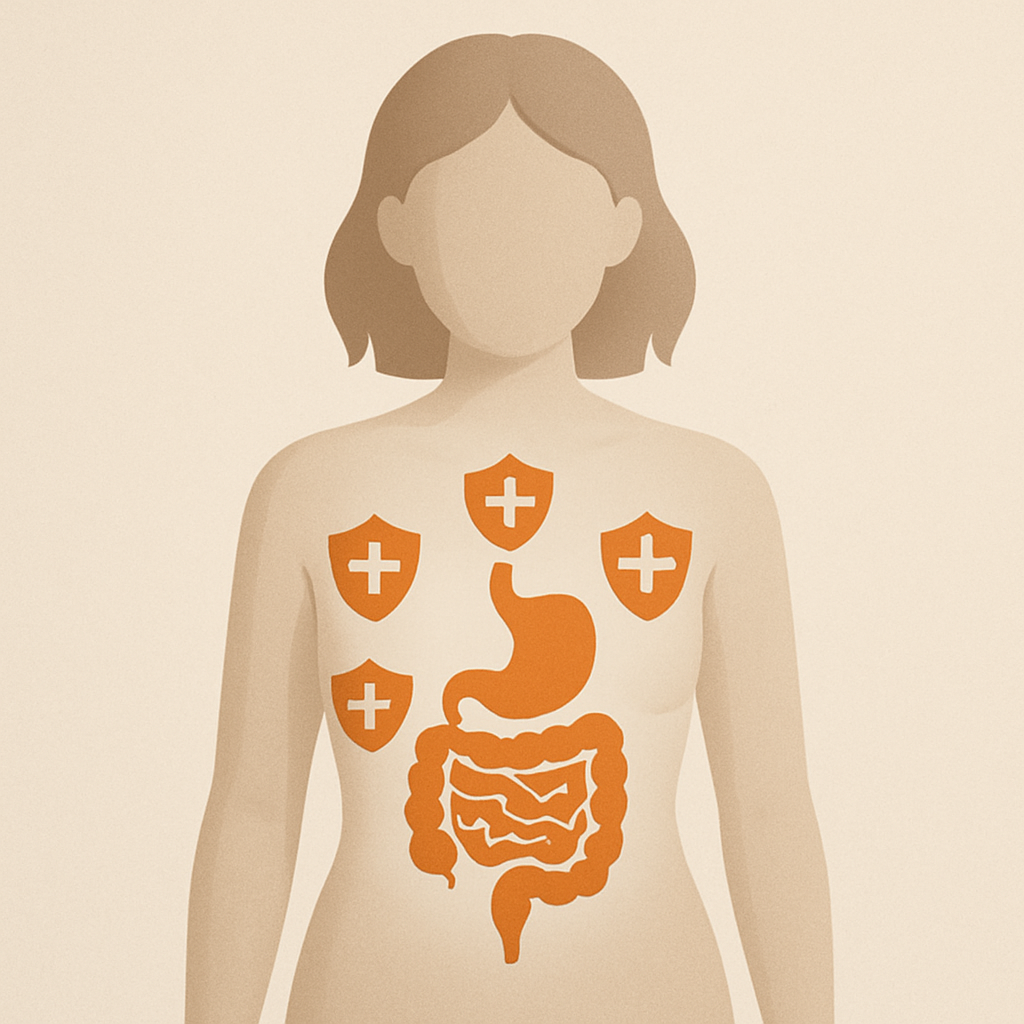
The primary body system supported by stomach support remedies is the digestive system. However, the effects can extend to:
- Immune System: A healthy gut is crucial for a well-functioning immune response.
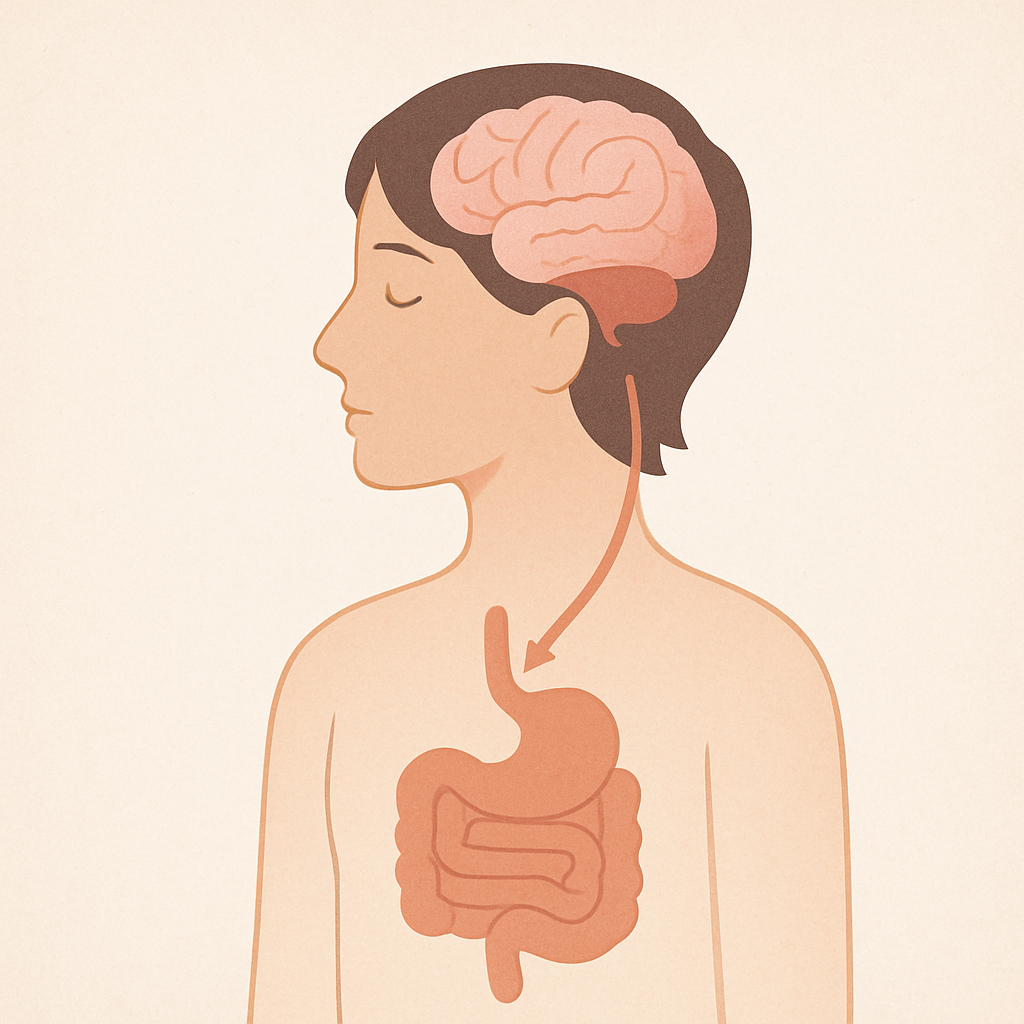
- Nervous System: There is a significant connection between gut health and mental well-being, known as the gut-brain axis.
- Endocrine System: Gut health can influence hormonal balance, particularly in relation to stress and appetite regulation.
These interconnected systems highlight the importance of maintaining gut health for overall wellness.
Common Forms & Educational Dosing Ranges
Stomach support remedies come in various forms, including:
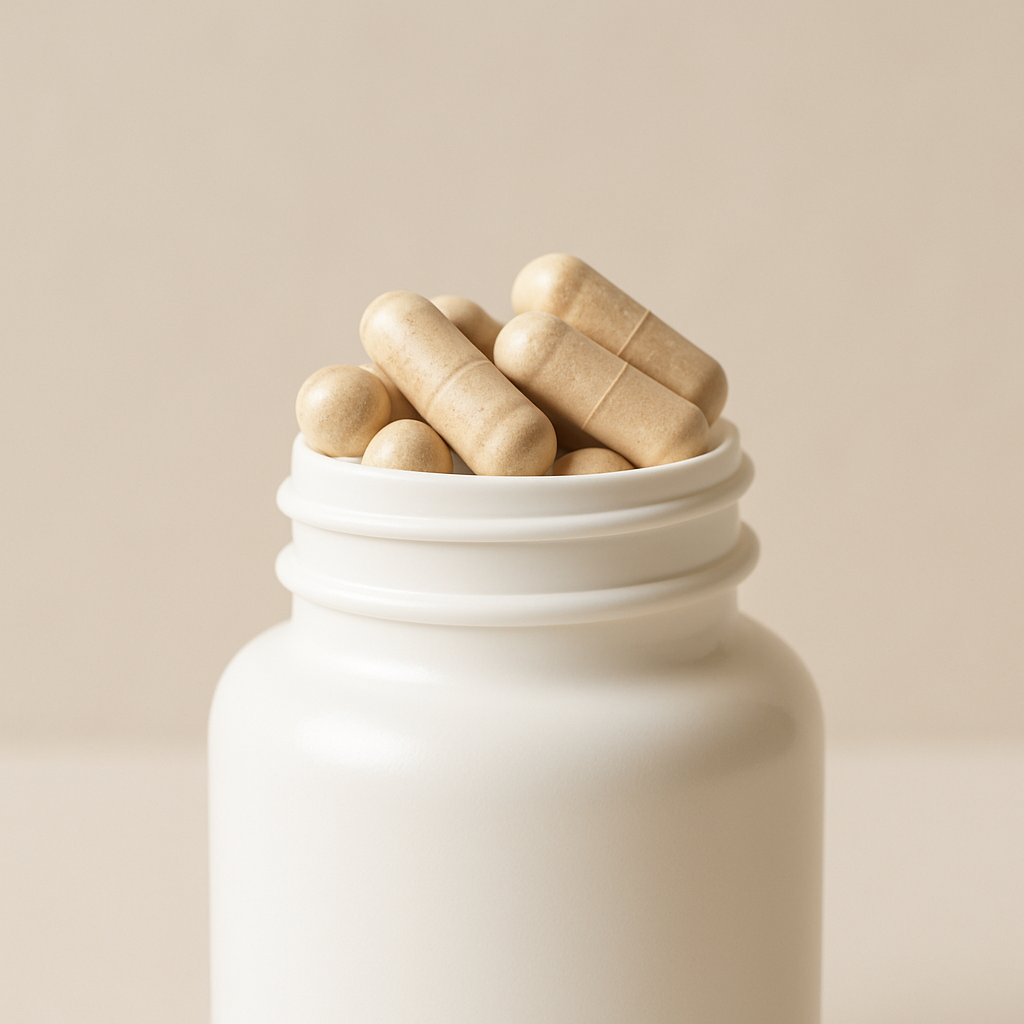
- Capsules: Common for probiotics and herbal supplements.
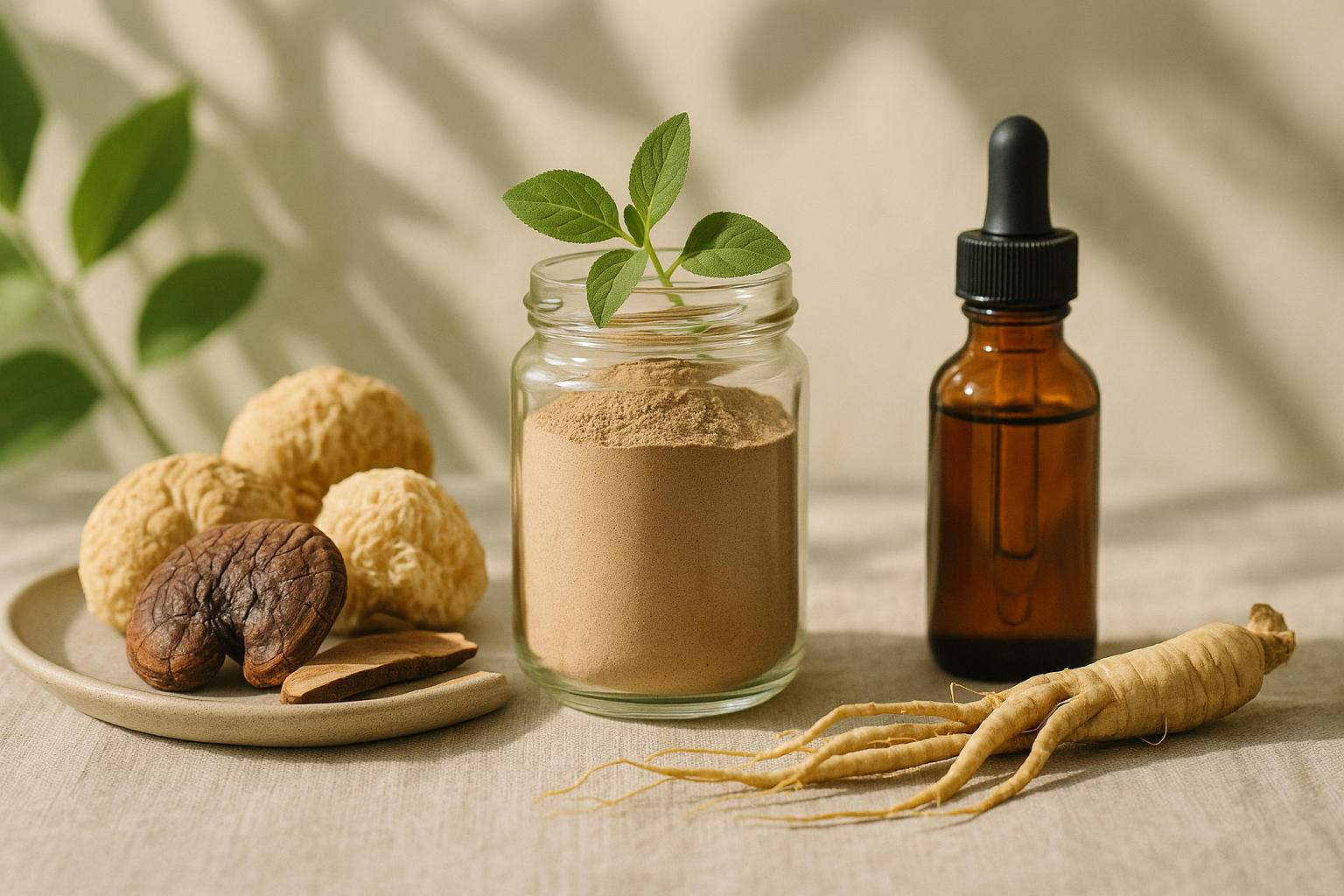
- Powders: Often used for prebiotics or herbal extracts.
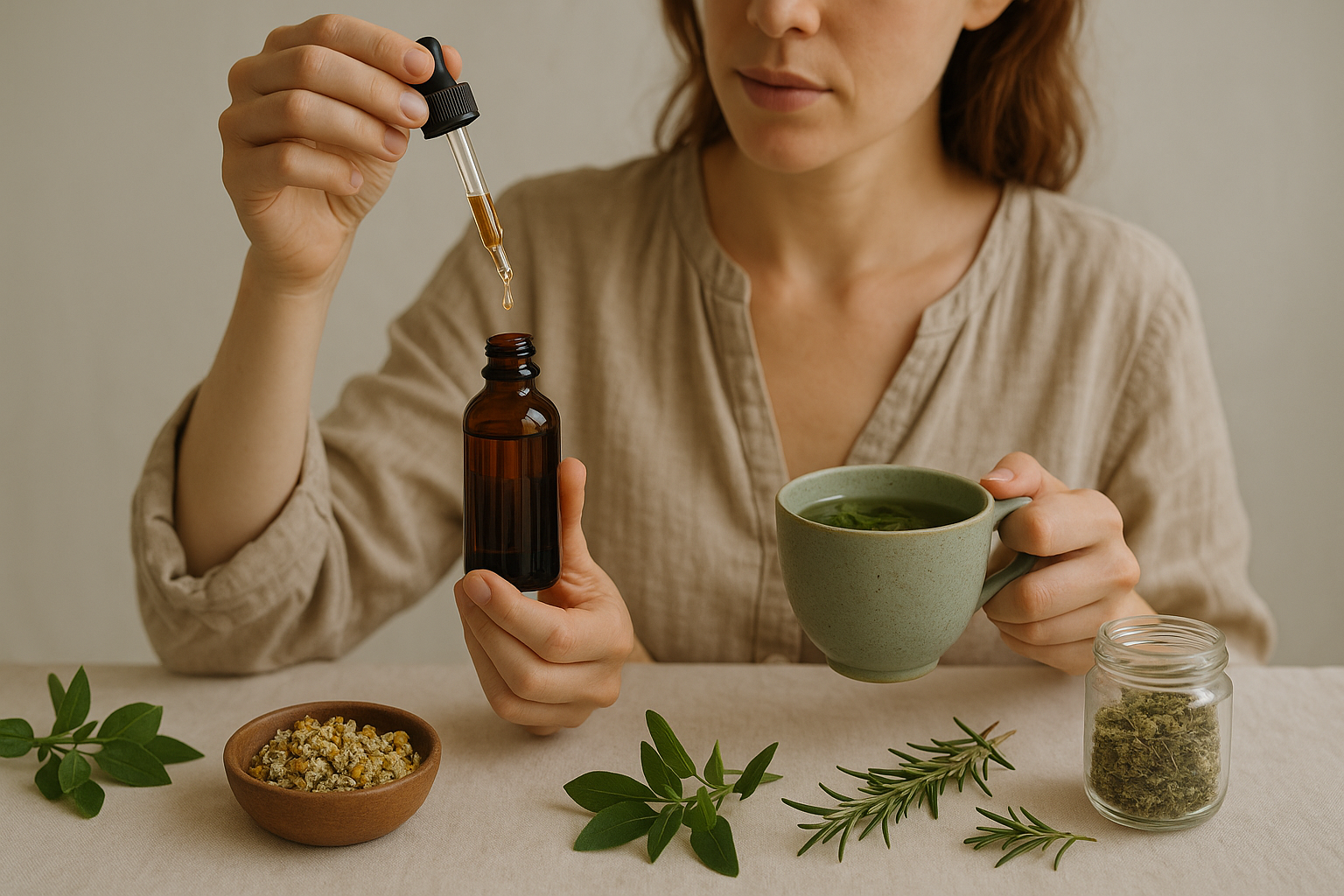
- Teas: Popular for herbs like chamomile and ginger.
- Fermented Foods: Such as yogurt, kefir, and sauerkraut, which provide natural sources of probiotics.
Educational dosing ranges can vary based on the specific remedy. For example:
- Probiotics: Typically 1 to 10 billion CFUs (colony-forming units) per day.
- Ginger: 1 to 3 grams of fresh ginger root daily.
- Chamomile: 1 to 2 cups of chamomile tea, steeped for 5 to 10 minutes.
Always consult with a healthcare professional for personalized recommendations.
Safety, Contraindications & Interactions
While many stomach support remedies are generally safe, some precautions should be considered:
- Probiotics may interact with immunosuppressive medications, potentially leading to infections in susceptible individuals.
- Ginger can affect blood thinners like warfarin, increasing the risk of bleeding.
- Chamomile should be avoided by those with allergies to plants in the Asteraceae family, such as ragweed.
Consulting a healthcare provider before starting any new supplement is recommended, especially for individuals with existing health conditions or those taking medications.
Pairs Well With
To enhance the benefits of stomach support remedies, consider pairing them with:
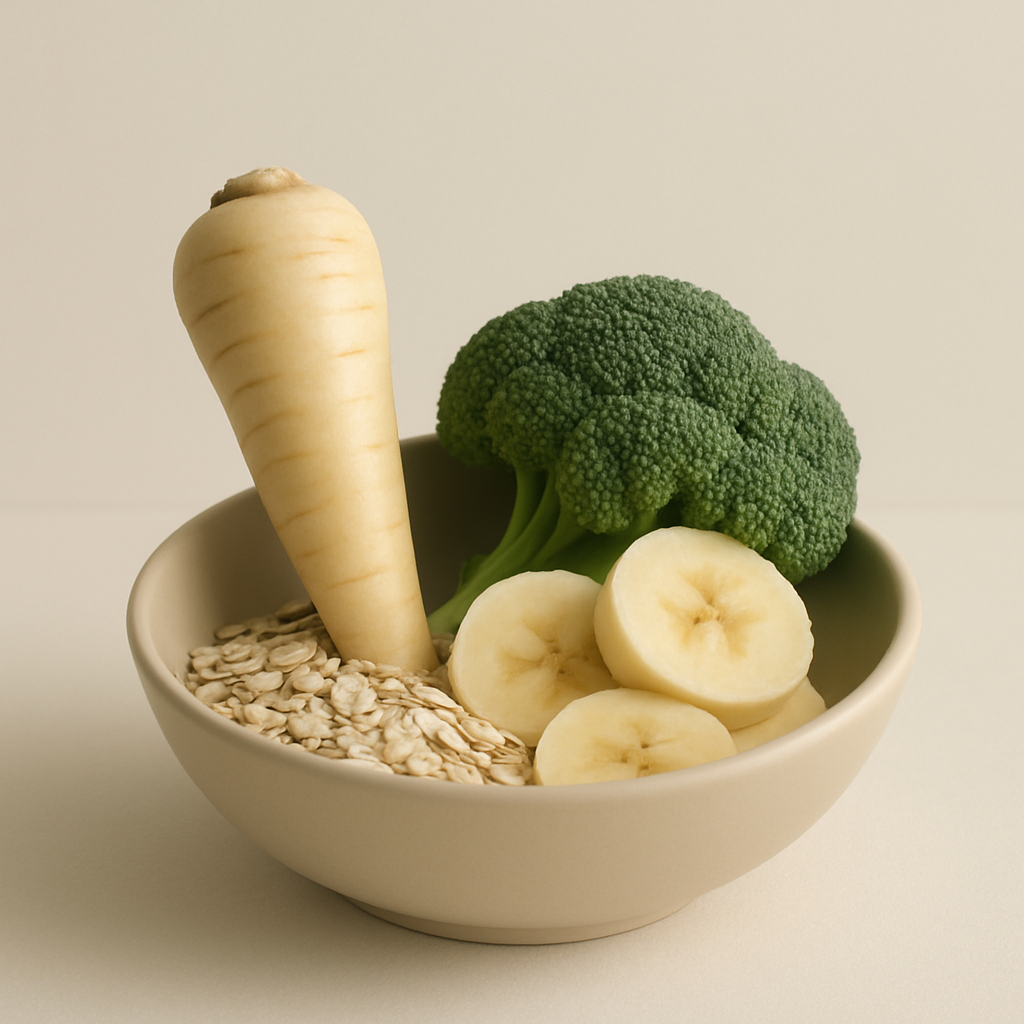
- Fiber-rich foods: Such as fruits, vegetables, and whole grains, which can support gut health.
- Hydration: Adequate water intake is essential for digestion and absorption.
- Stress-reducing practices: Such as yoga or meditation, which can positively impact gut health.
These combinations can work synergistically to promote optimal digestive health.
FAQs (5)
- What are probiotics? Probiotics are live microorganisms that, when consumed in adequate amounts, provide health benefits, particularly for digestive health.
- How do I know if I need stomach support? Symptoms like bloating, gas, and irregular bowel movements may indicate a need for additional stomach support.
- Can I take probiotics with other medications? It's best to consult a healthcare professional, especially if you're on immunosuppressive medications.
- How long does it take for probiotics to work? While some benefits may be felt within days, it typically takes several weeks to experience significant changes in gut health.
- Are there any side effects from taking herbal remedies? Some individuals may experience mild digestive upset or allergic reactions; it's essential to monitor your body's response.
Frequently asked
What are probiotics?
Probiotics are live microorganisms that, when consumed in adequate amounts, provide health benefits, particularly for digestive health.
How do I know if I need stomach support?
Symptoms like bloating, gas, and irregular bowel movements may indicate a need for additional stomach support.
Can I take probiotics with other medications?
It's best to consult a healthcare professional, especially if you're on immunosuppressive medications.
How long does it take for probiotics to work?
While some benefits may be felt within days, it typically takes several weeks to experience significant changes in gut health.
Are there any side effects from taking herbal remedies?
Some individuals may experience mild digestive upset or allergic reactions; it's essential to monitor your body's response.