Digestive Wellness

What It Is
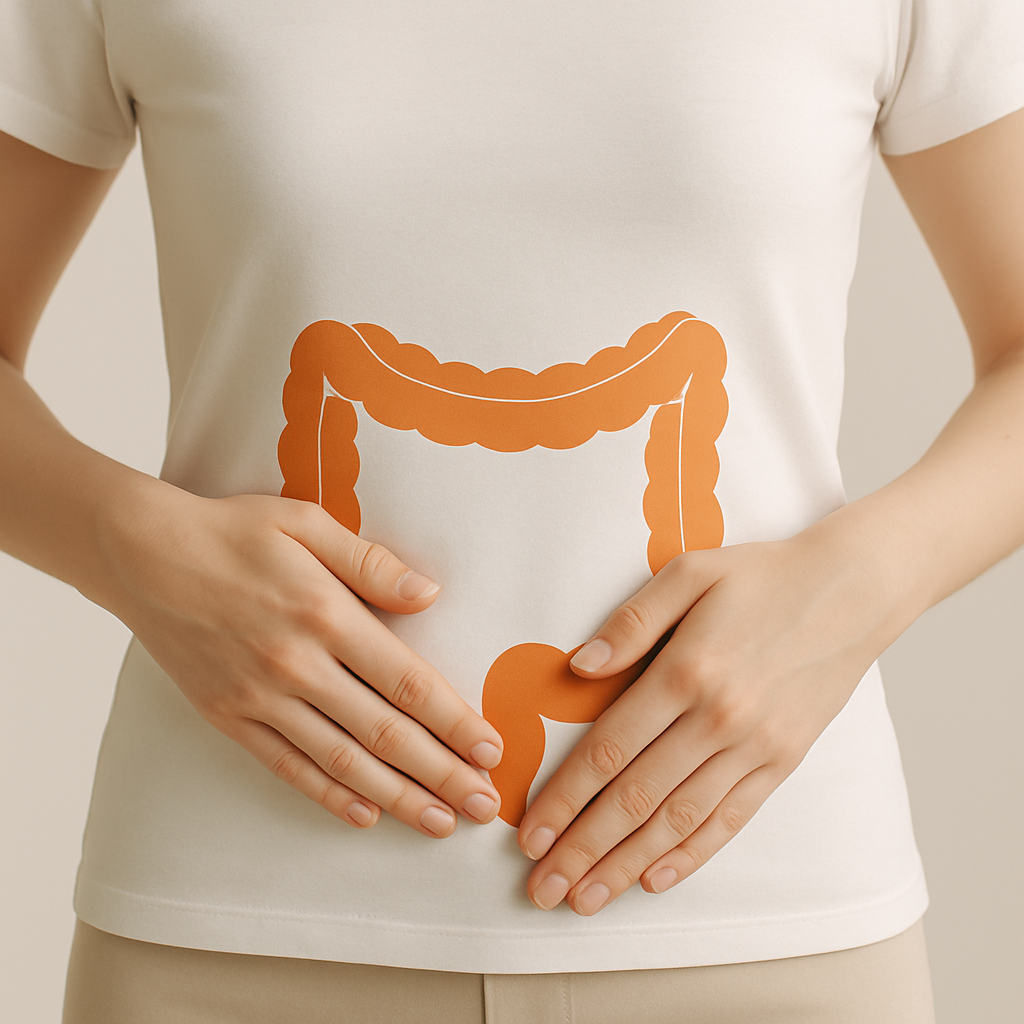
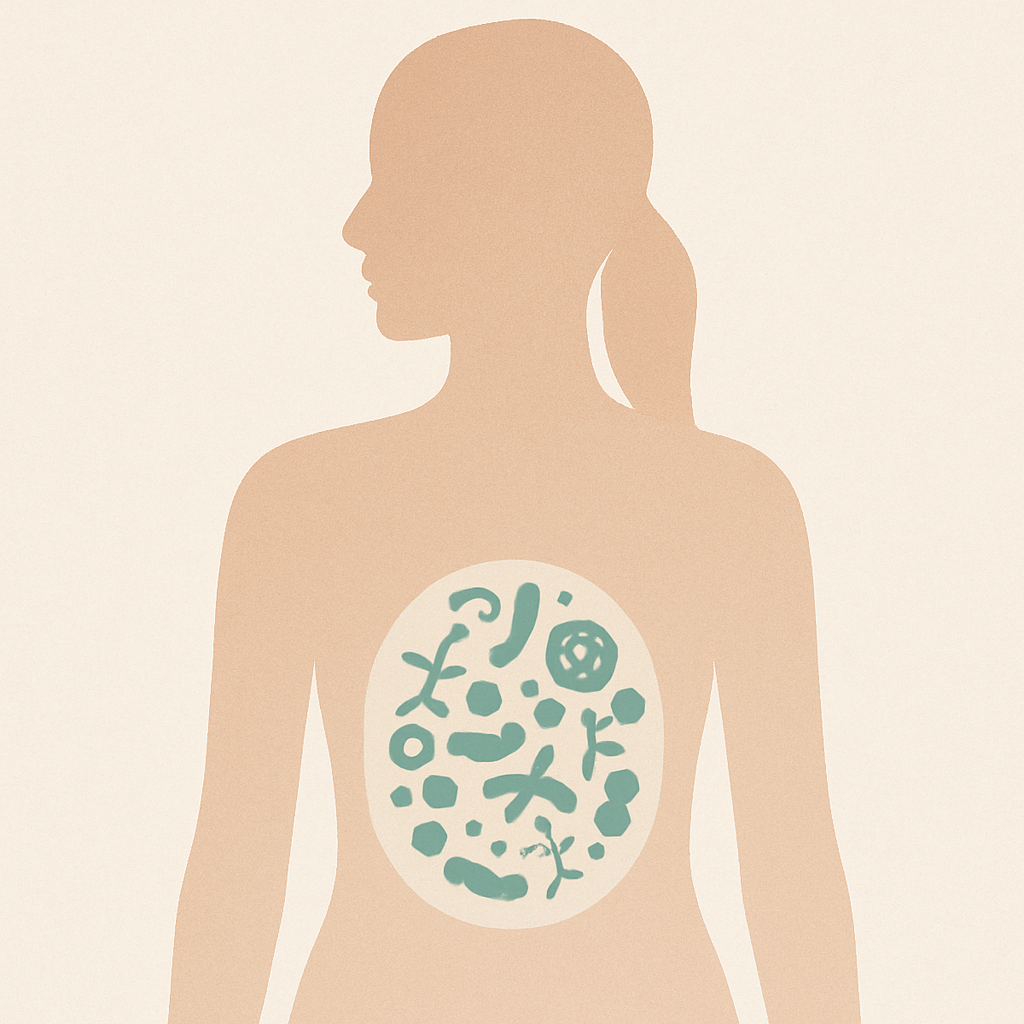
Digestive wellness refers to the overall health and proper functioning of the digestive system, which includes the stomach, intestines, and other organs involved in the digestion and absorption of food. A well-functioning digestive system ensures that nutrients from the food we consume are effectively absorbed, while waste products are efficiently eliminated. Poor digestive health can lead to a variety of issues, including bloating, constipation, diarrhea, and more serious conditions. Key components that contribute to digestive wellness include probiotics, prebiotics, dietary fibers, and enzymes.
Key Active Compounds & Mechanisms
Several active compounds play a significant role in promoting digestive wellness. These include:
- Probiotics: Live microorganisms, such as Lactobacillus and Bifidobacterium, that help balance the gut microbiome.
- Prebiotics: Non-digestible fibers that feed beneficial gut bacteria, like inulin and fructooligosaccharides.
- Digestive Enzymes: Proteins that facilitate the breakdown of food substances, such as amylase, protease, and lipase.
- Polyphenols: Antioxidant compounds found in plants that can support gut health by reducing inflammation.
Traditional Uses
Throughout history, various cultures have utilized plants and natural remedies to enhance digestive health. For instance:
- Ginger (Zingiber officinale): Traditionally used in Asian medicine to alleviate nausea and improve digestion.
- Chamomile (Matricaria chamomilla): Used in European herbal traditions to soothe digestive discomfort and promote relaxation.
- Peppermint (Mentha piperita): Commonly consumed as tea for its ability to relieve indigestion and bloating.
These historical uses showcase the long-standing relationship between natural remedies and digestive wellness.
What Modern Research Suggests
Modern scientific research supports many traditional uses of natural remedies for digestive health. For example:
- Studies have shown that probiotics can help manage symptoms of irritable bowel syndrome (IBS) and enhance gut flora.
- Research on prebiotics indicates they can improve gut health by promoting beneficial bacteria.
- Clinical trials suggest that certain digestive enzymes can aid in the alleviation of symptoms related to food intolerances.
While more research is needed in some areas, preliminary findings are promising and validate many historical practices.
Functional Actions
The functional actions of various compounds that support digestive wellness include:
- Balancing Gut Flora: Probiotics and prebiotics help maintain a healthy balance of microorganisms in the gut.
- Enhancing Digestion: Digestive enzymes assist in the breakdown of food, making nutrients more accessible.
- Reducing Inflammation: Certain plant compounds, such as polyphenols, have anti-inflammatory properties that can soothe the digestive tract.
- Preventing Digestive Disorders: A well-balanced gut microbiome may help prevent conditions like IBS and inflammatory bowel disease (IBD).
Body Systems Supported
Digestive wellness is closely linked to several body systems, including:
- The Gastrointestinal System: The primary system involved in digestion, absorption, and waste elimination.
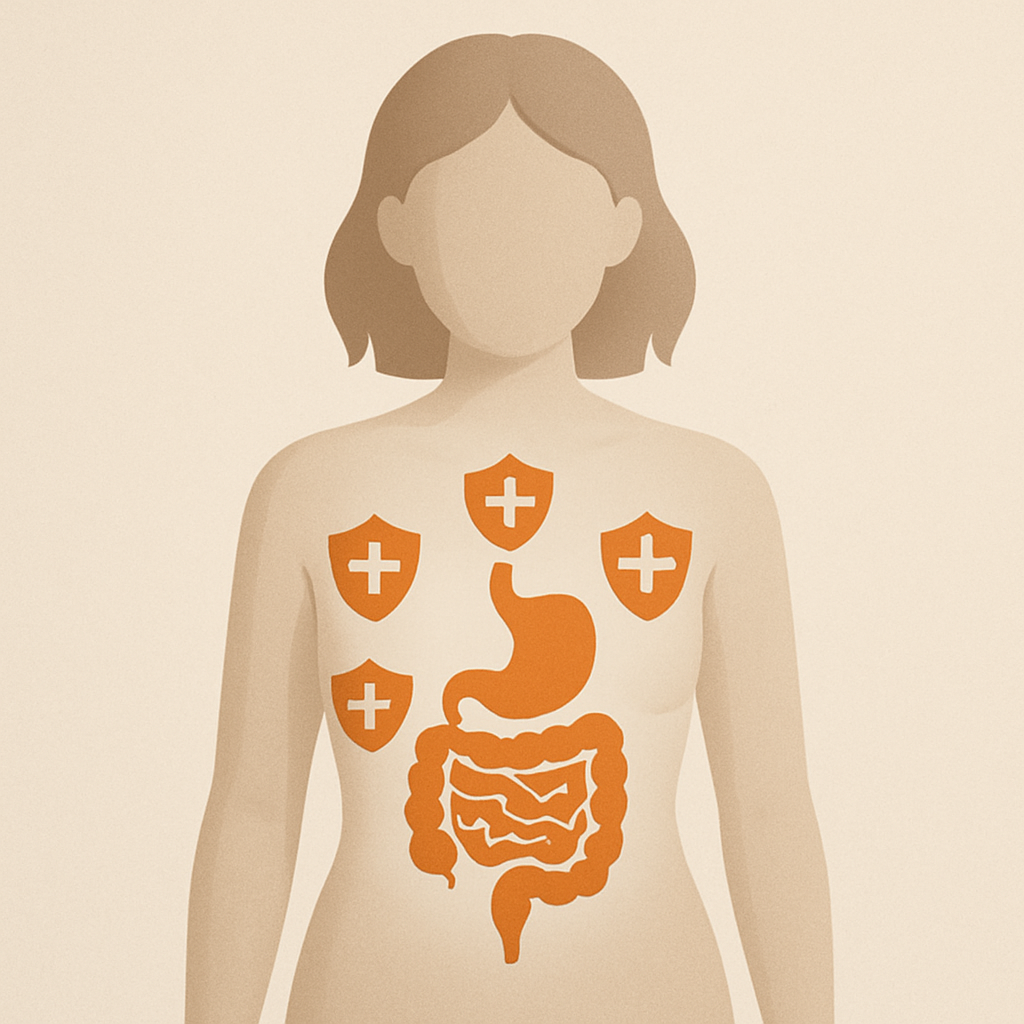
- The Immune System: A significant portion of the immune system is located in the gut, making digestive health crucial for overall immunity.
- The Endocrine System: Gut health can influence hormone regulation, affecting appetite and metabolism.
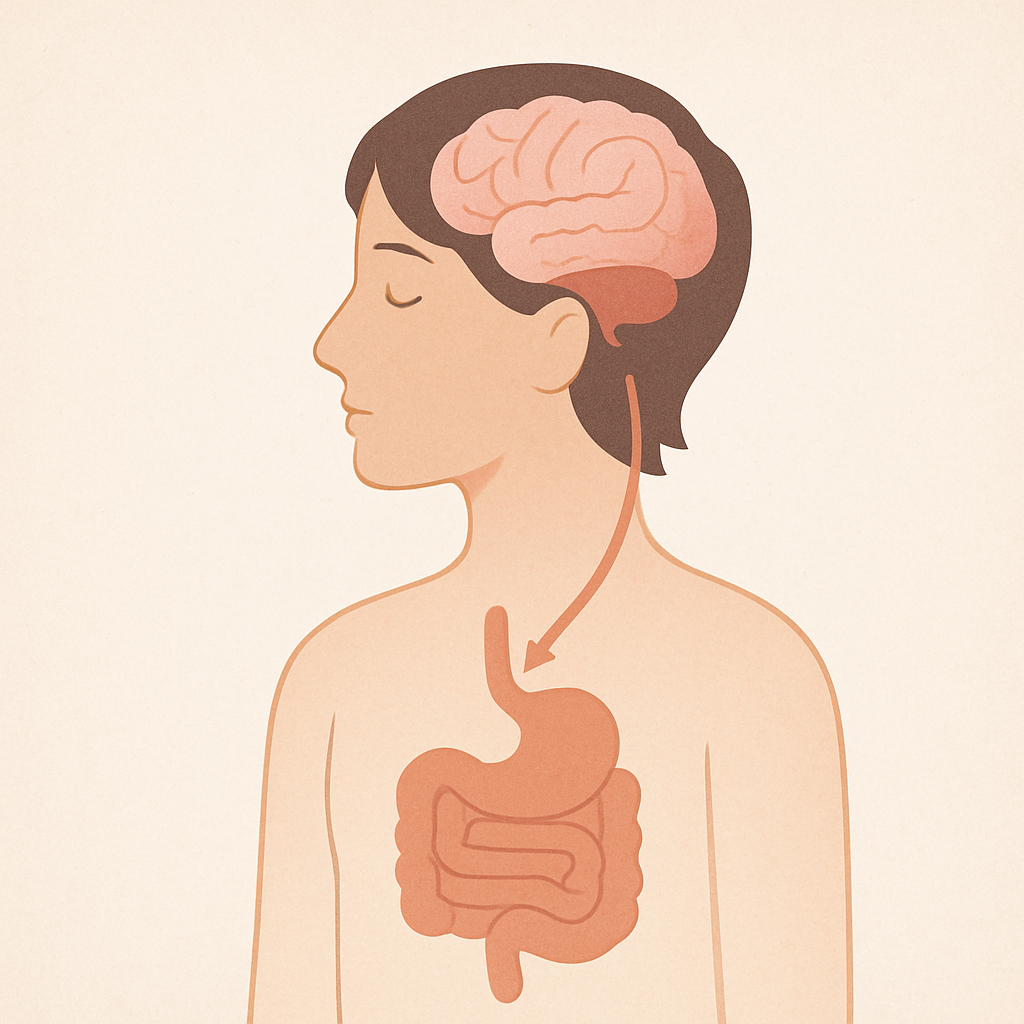
- The Nervous System: The gut-brain connection plays a role in mood and stress, impacting digestive health.
Common Forms & Educational Dosing Ranges
Digestive wellness supplements come in various forms, including:
- Probiotic Capsules: Typically contain billions of CFUs (colony-forming units); a common dosing range is 5-10 billion CFUs per day.
- Prebiotic Powders: Often dosed at 3-10 grams per day to support beneficial bacteria.
- Digestive Enzyme Supplements: Usually taken with meals; dosing can vary based on the enzyme type, but 1-2 capsules per meal is common.
- Herbal Teas: Ginger, peppermint, and chamomile are often consumed as teas for digestive support, with 1-2 cups per day recommended.
Safety, Contraindications & Interactions
While many natural remedies are safe, it is essential to consider potential contraindications and interactions:
- Probiotics: Generally safe, but individuals with compromised immune systems should consult a healthcare provider.
- Prebiotics: High doses may cause gas or bloating; start with lower doses and increase gradually.
- Digestive Enzymes: May interact with certain medications, such as blood thinners; consult a healthcare professional.
- Herbal Remedies: Some, like peppermint, may relax the lower esophageal sphincter, potentially aggravating acid reflux.
Pairs Well With
To enhance digestive wellness, consider pairing probiotics and prebiotics with:
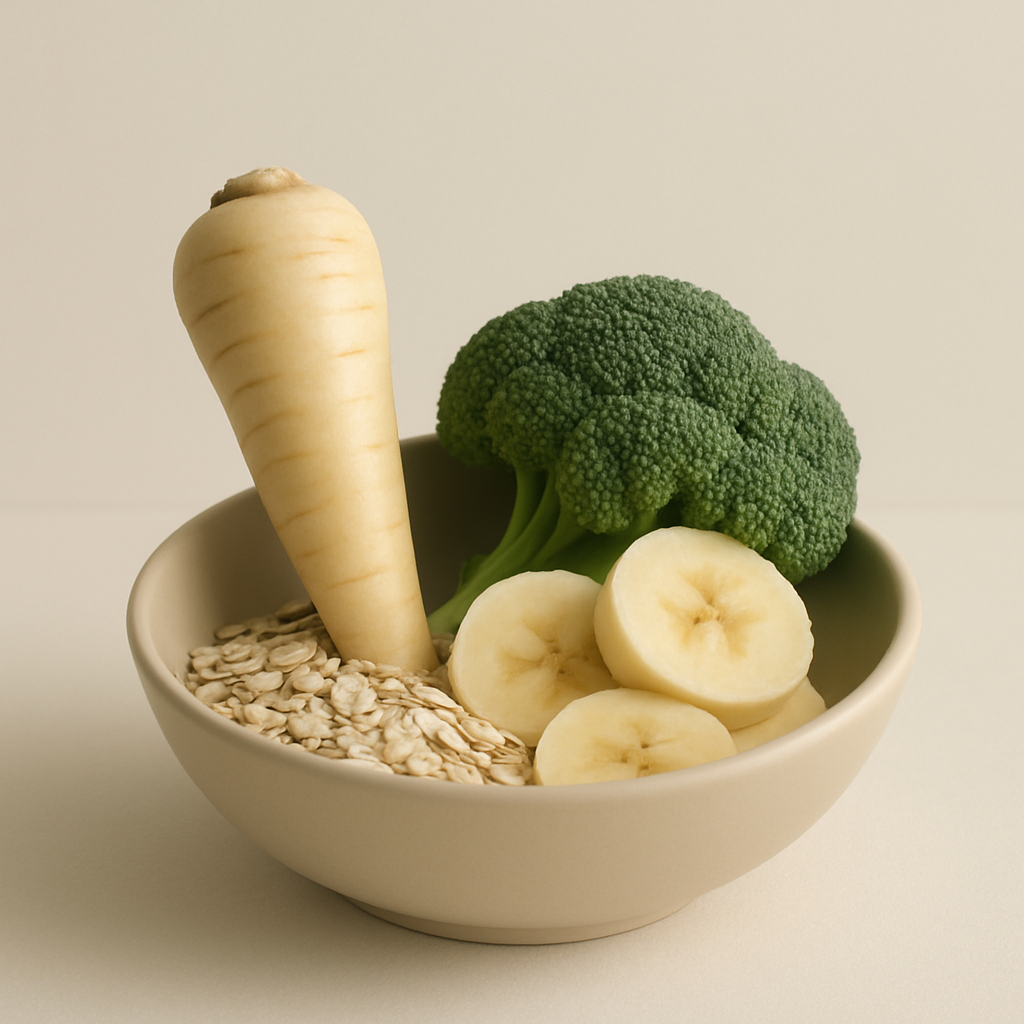
- Dietary Fiber: Found in fruits, vegetables, and whole grains, fiber supports healthy digestion.
- Hydration: Drinking enough water aids in digestion and helps prevent constipation.
- Regular Exercise: Physical activity promotes gut motility and overall digestive health.
- Stress Management Techniques: Yoga and meditation can support the gut-brain connection, enhancing digestive wellness.
FAQs (5)
- What are probiotics? Probiotics are live microorganisms that can provide health benefits when consumed, particularly for gut health.
- How can I improve my digestive health? Incorporate fiber-rich foods, stay hydrated, and consider taking probiotics or prebiotics.
- Are there side effects of probiotics? While generally safe, some individuals may experience mild digestive upset, especially when first starting.
- Can digestive health impact mood? Yes, the gut-brain connection means that digestive health can influence mood and mental well-being.
- How long does it take for probiotics to work? Some individuals may notice benefits within a few days, while for others, it may take weeks to see significant changes.
Frequently asked
What are probiotics?
Probiotics are live microorganisms that can provide health benefits when consumed, particularly for gut health.
How can I improve my digestive health?
Incorporate fiber-rich foods, stay hydrated, and consider taking probiotics or prebiotics.
Are there side effects of probiotics?
While generally safe, some individuals may experience mild digestive upset, especially when first starting.
Can digestive health impact mood?
Yes, the gut-brain connection means that digestive health can influence mood and mental well-being.
How long does it take for probiotics to work?
Some individuals may notice benefits within a few days, while for others, it may take weeks to see significant changes.