Prebiotics
Discover the role of prebiotics in gut support, their active compounds, and historical uses, along with safety and dosing information.
Explore the benefits and uses of prebiotics, essential for gut health and overall wellness. Learn about their active compounds, traditional uses, and modern research findings.
What It Is
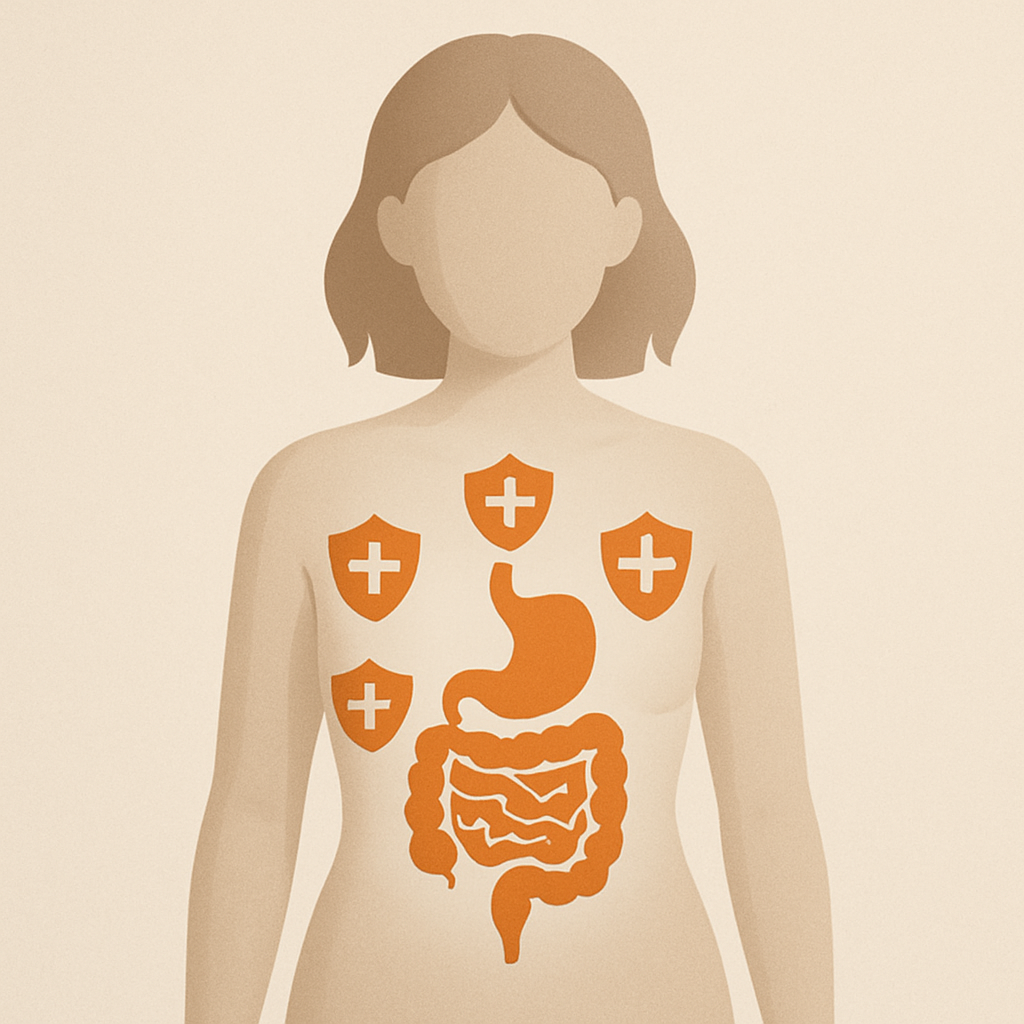
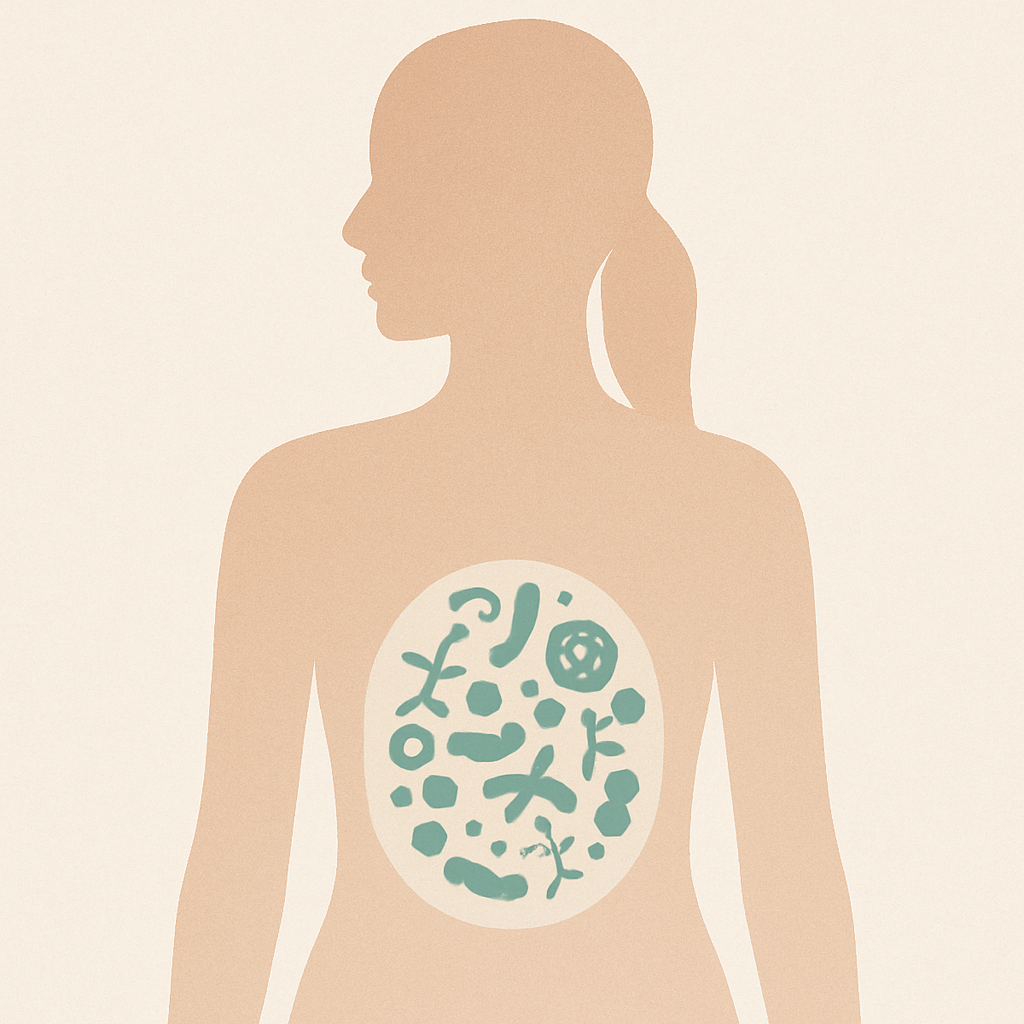
Prebiotics are non-digestible food ingredients that promote the growth of beneficial microorganisms in the intestines. They serve as food for probiotics, the healthy bacteria that contribute to gut health. Common sources of prebiotics include dietary fibers such as inulin (from plants like Chicorium intybus), oligosaccharides, and resistant starches. These compounds are essential for maintaining a balanced gut microbiome.
Key Active Compounds & Mechanisms
The primary active compounds found in prebiotics include:
- Inulin: A soluble fiber found in plants such as garlic, onions, and asparagus, facilitating the growth of beneficial bacteria.
- Oligosaccharides: Short chains of carbohydrates that stimulate the growth of bifidobacteria and lactobacilli.
- Fructooligosaccharides (FOS): Naturally occurring sugars that enhance gut health and support digestion.
- Galactooligosaccharides (GOS): Derived from lactose, these are effective in promoting gut health, particularly in infants.
These compounds work by fermenting in the gut, producing short-chain fatty acids (SCFAs) that nourish gut cells and help maintain a healthy gut lining.
Traditional Uses
Historically, various cultures have recognized the importance of fiber-rich foods in supporting digestion and overall health. Ancient civilizations consumed a diet rich in fruits, vegetables, and whole grains, which naturally provided prebiotic fibers. For instance:
- In ancient Greece, Hippocrates promoted fiber-rich foods for gut health.
- Traditional Chinese Medicine (TCM) emphasizes the consumption of specific roots and tubers that are high in fiber.
- Indigenous cultures around the world have utilized native plants like chicory and dandelion for their digestive health benefits.
These traditional practices underline the long-standing connection between diet and gut health.
What Modern Research Suggests
Modern research has started to validate the historical uses of prebiotics. Preliminary studies suggest that prebiotics may:
- Enhance gut microbiota diversity.
- Improve digestive health and reduce symptoms of irritable bowel syndrome (IBS).
- Support immune function by modulating gut-associated lymphoid tissue.
- Potentially aid in weight management and metabolic health.
While many findings are promising, further clinical studies are needed to establish definitive health claims regarding prebiotics.
Functional Actions
The functional actions of prebiotics include:
- Stimulating the growth of beneficial gut bacteria: By serving as a food source, prebiotics help maintain a healthy balance of gut flora.
- Enhancing mineral absorption: Prebiotics may improve calcium and magnesium absorption, contributing to bone health.
- Regulating bowel movements: By increasing stool bulk and improving transit time, prebiotics can help prevent constipation.
- Producing short-chain fatty acids: SCFAs have anti-inflammatory properties and can provide energy for colon cells.
Body Systems Supported
Prebiotics primarily support the following body systems:
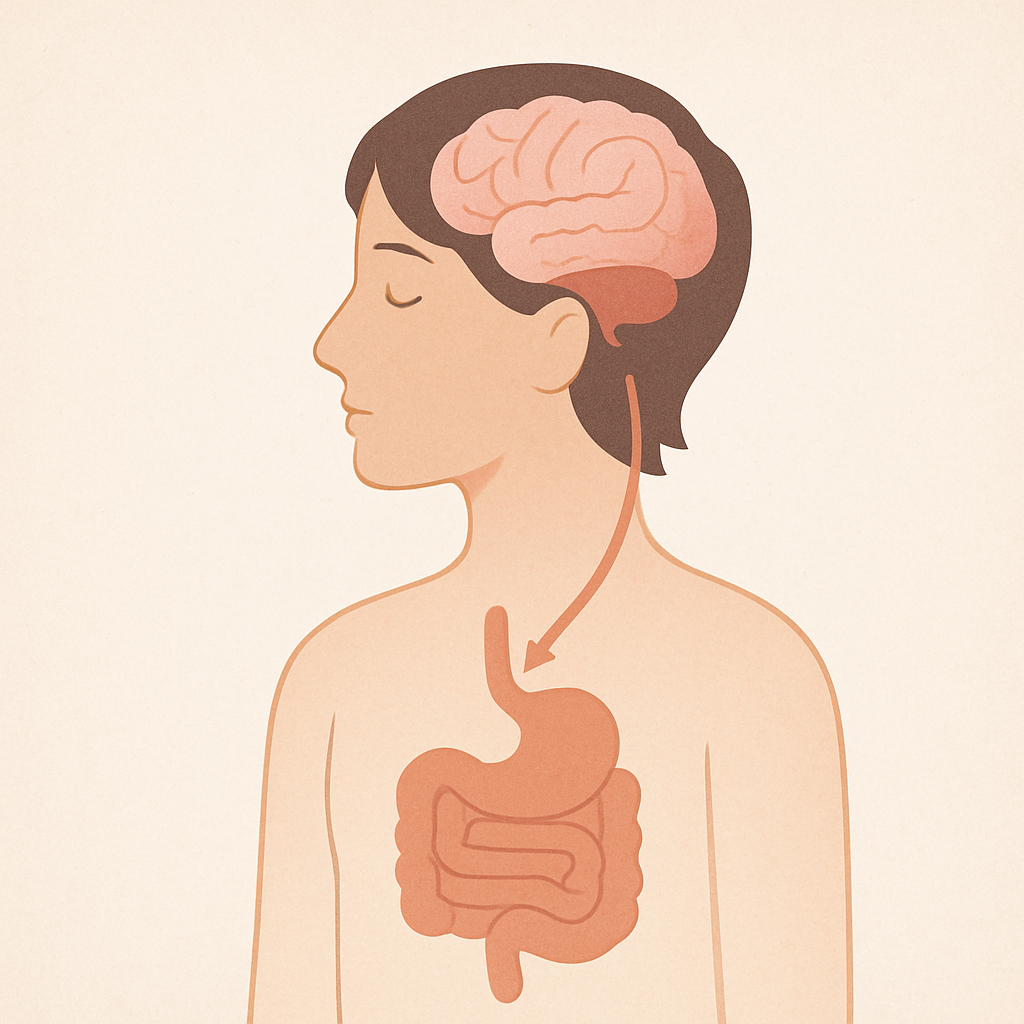
- Digestive System: Promotes a healthy gut microbiome and improves digestion.
- Immune System: Enhances gut immunity and helps protect against infections.
- Endocrine System: Supports metabolic health and may influence appetite regulation.
Common Forms & Educational Dosing Ranges
Prebiotics are commonly available in various forms, including:
- Powders: Typically made from inulin or FOS, these can be added to smoothies or foods.
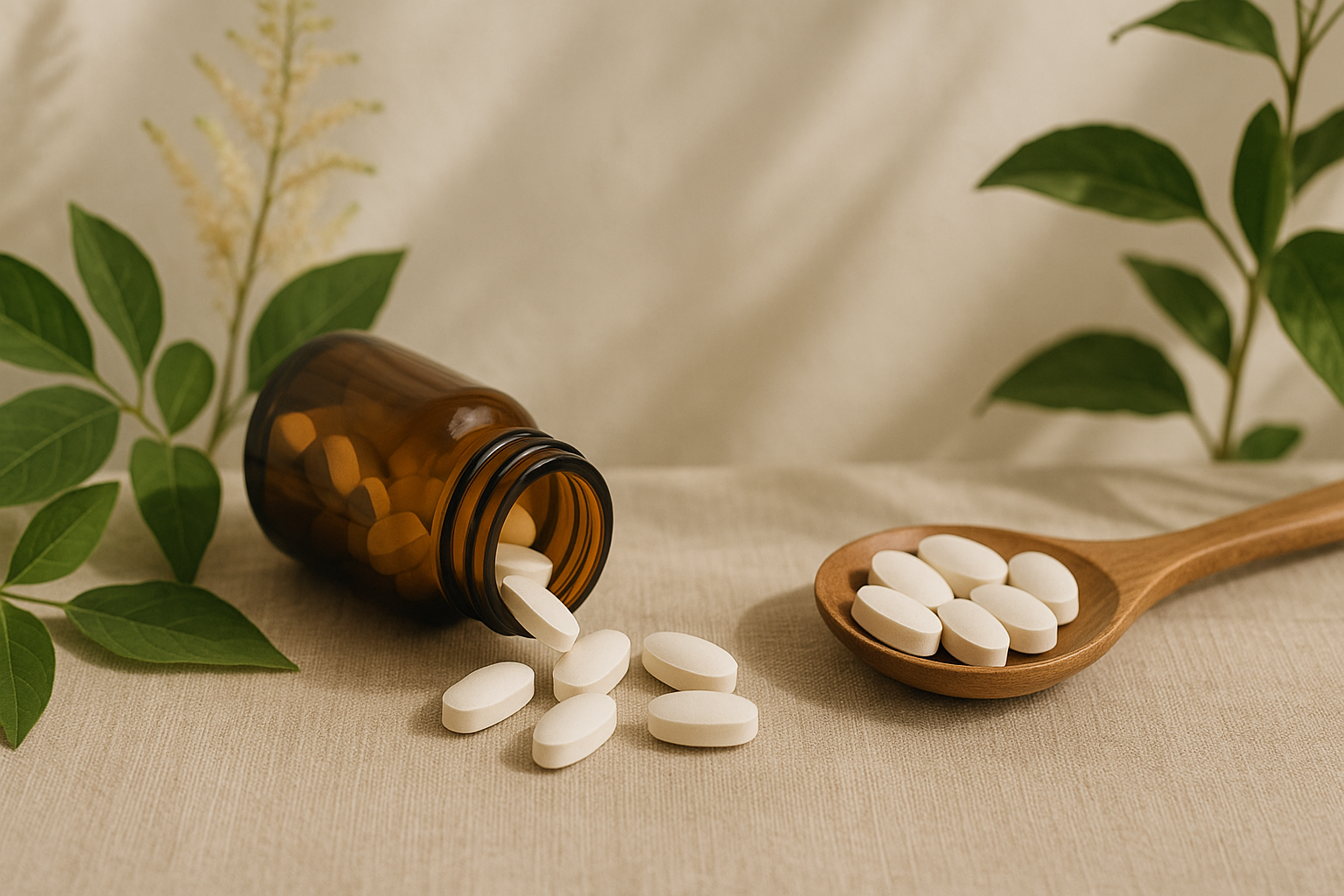
- Capsules: Convenient for those who prefer not to alter their diet.
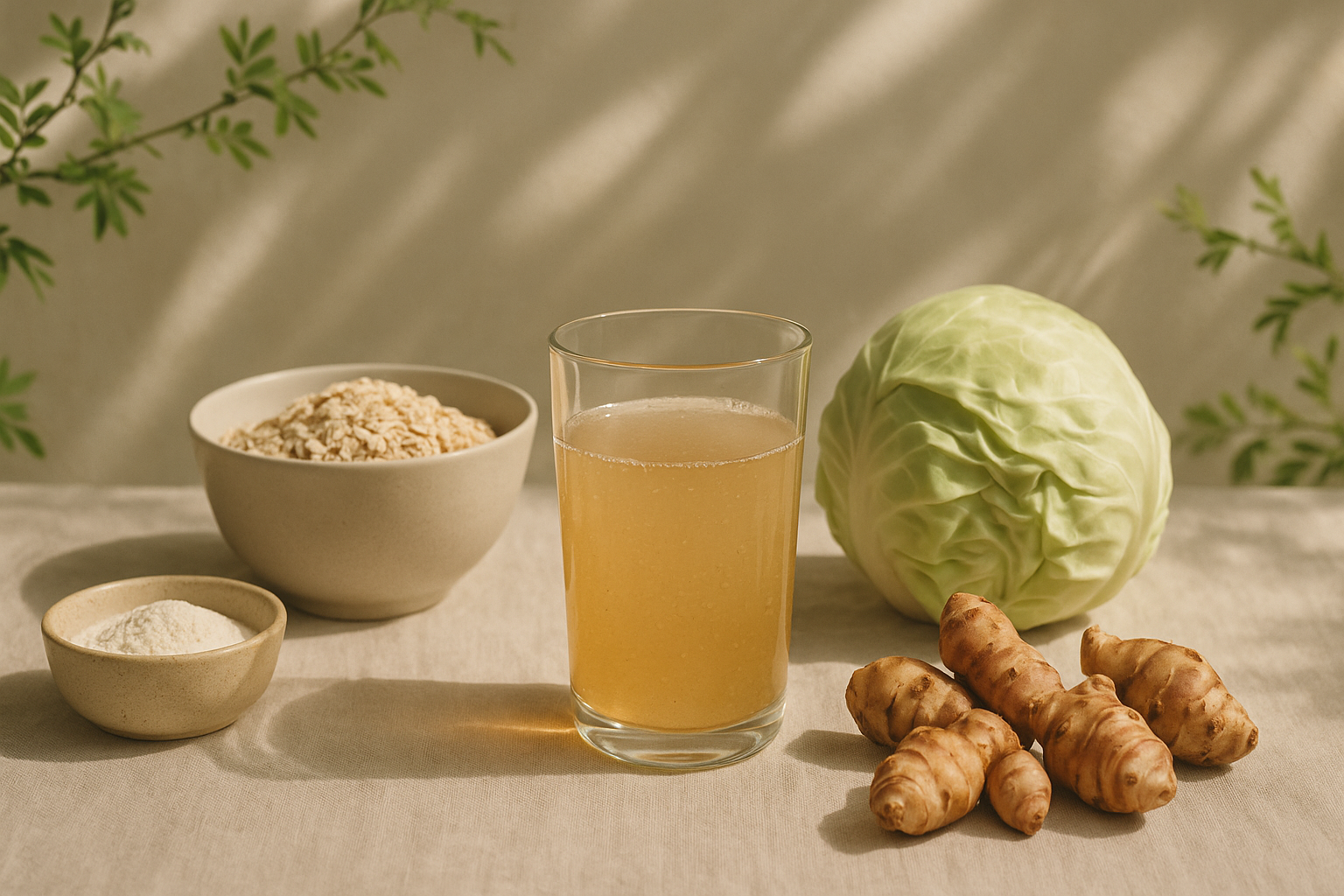
- Food sources: Including garlic, onions, leeks, asparagus, bananas, and whole grains.
Educational dosing ranges for prebiotics generally suggest 3 to 10 grams per day, depending on individual tolerance and dietary needs.
Safety, Contraindications & Interactions
Prebiotics are considered safe for most individuals. However, some may experience digestive discomfort, such as bloating or gas, particularly when consuming high amounts. Caution is advised for individuals with:
- Severe digestive disorders, such as small intestinal bacterial overgrowth (SIBO).
- Allergies to specific plant sources, such as chicory or garlic.
Prebiotics may interact with certain medications, including:
- Antibiotics: May reduce the effectiveness of probiotics taken concurrently.
- Diabetes medications: Can affect blood sugar levels due to changes in gut bacteria.
Pairs Well With
Prebiotics work synergistically with:
- Probiotics: Together, they enhance gut health by promoting a balanced microbiome.
- Digestive enzymes: May improve nutrient absorption and digestive efficiency.
- Fiber supplements: To further support digestive health.
FAQs (5)
- What foods are high in prebiotics? Foods such as garlic, onions, leeks, asparagus, bananas, and whole grains are rich in prebiotic fibers.
- How do prebiotics differ from probiotics? Prebiotics are non-digestible fibers that feed beneficial bacteria (probiotics), while probiotics are live bacteria that support gut health.
- Can prebiotics help with weight loss? Some studies suggest that prebiotics may aid in weight management by influencing appetite regulation and gut health.
- How long does it take to see benefits from prebiotics? Benefits may vary, but some individuals may notice improvements in digestion within a few days to weeks of consistent intake.
- Are prebiotics safe for everyone? While generally safe, individuals with certain digestive disorders should consult a healthcare provider before increasing prebiotic intake.
Frequently asked
What foods are high in prebiotics?
Foods such as garlic, onions, leeks, asparagus, bananas, and whole grains are rich in prebiotic fibers.
How do prebiotics differ from probiotics?
Prebiotics are non-digestible fibers that feed beneficial bacteria (probiotics), while probiotics are live bacteria that support gut health.
Can prebiotics help with weight loss?
Some studies suggest that prebiotics may aid in weight management by influencing appetite regulation and gut health.
How long does it take to see benefits from prebiotics?
Benefits may vary, but some individuals may notice improvements in digestion within a few days to weeks of consistent intake.
Are prebiotics safe for everyone?
While generally safe, individuals with certain digestive disorders should consult a healthcare provider before increasing prebiotic intake.