Traditional Nutrition
Delve into Traditional Nutrition, a key aspect of Korean Traditional Medicine, emphasizing its historical roots, practice methods, and potential benefits.
Explore the ancient wisdom of Traditional Nutrition within Korean Traditional Medicine, its historical context, practices, and modern insights.
What It Is
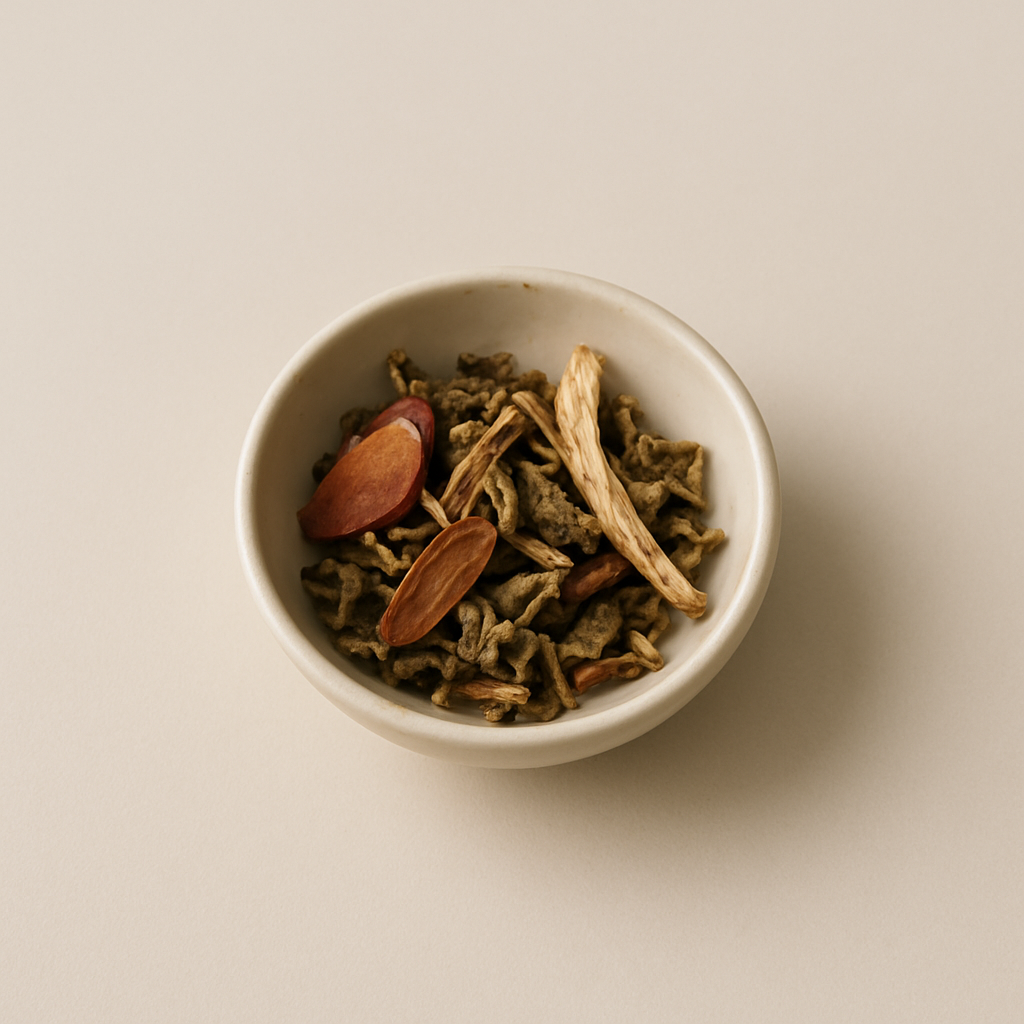
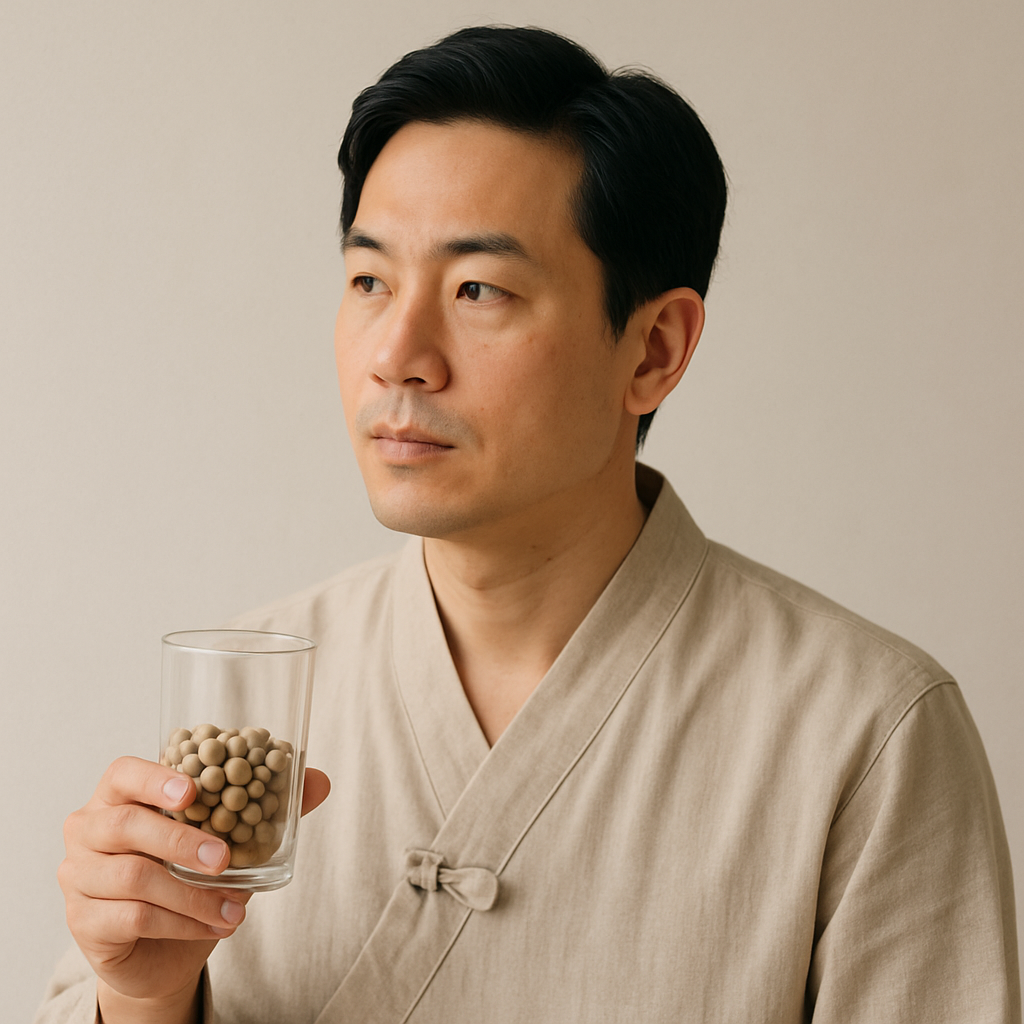
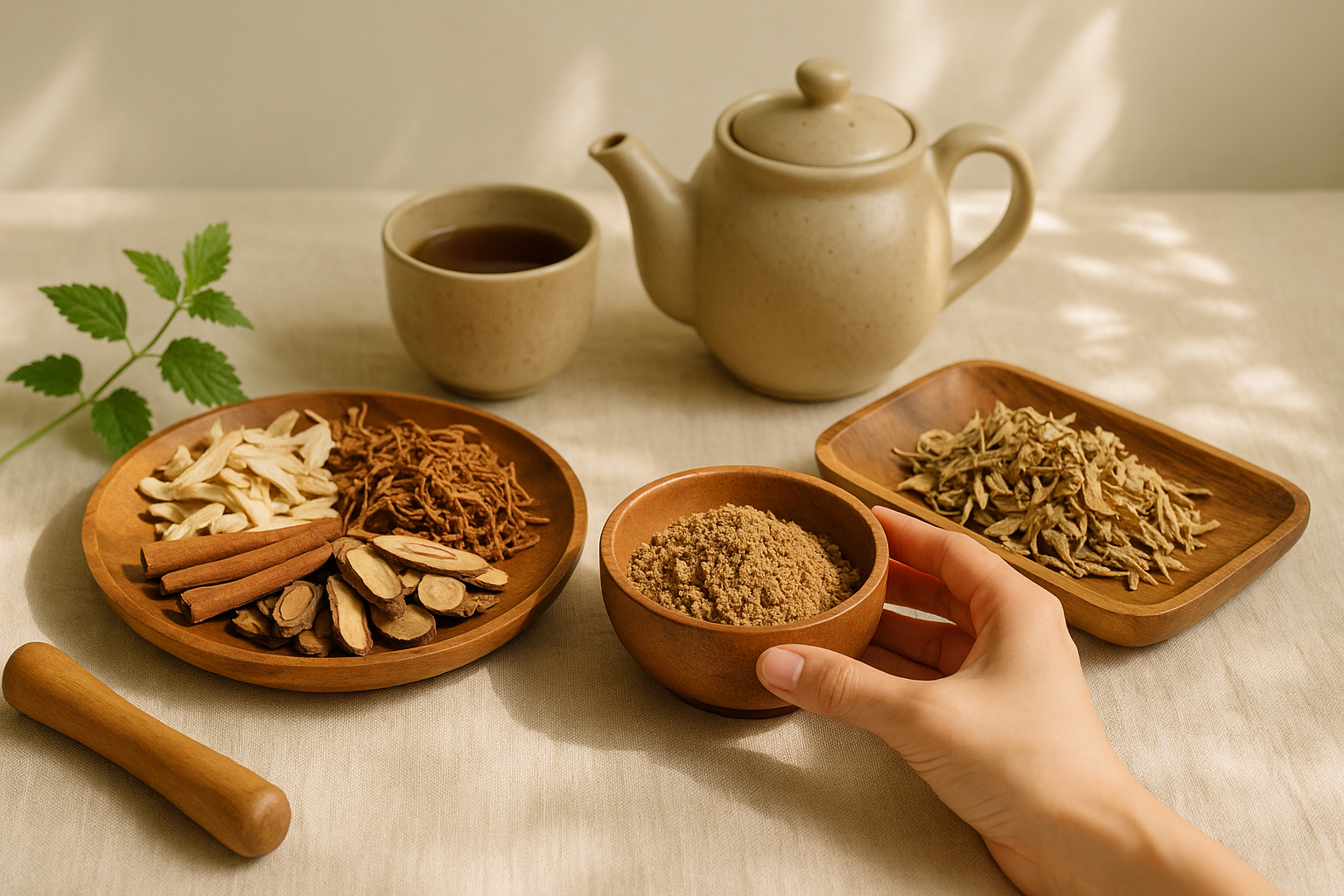
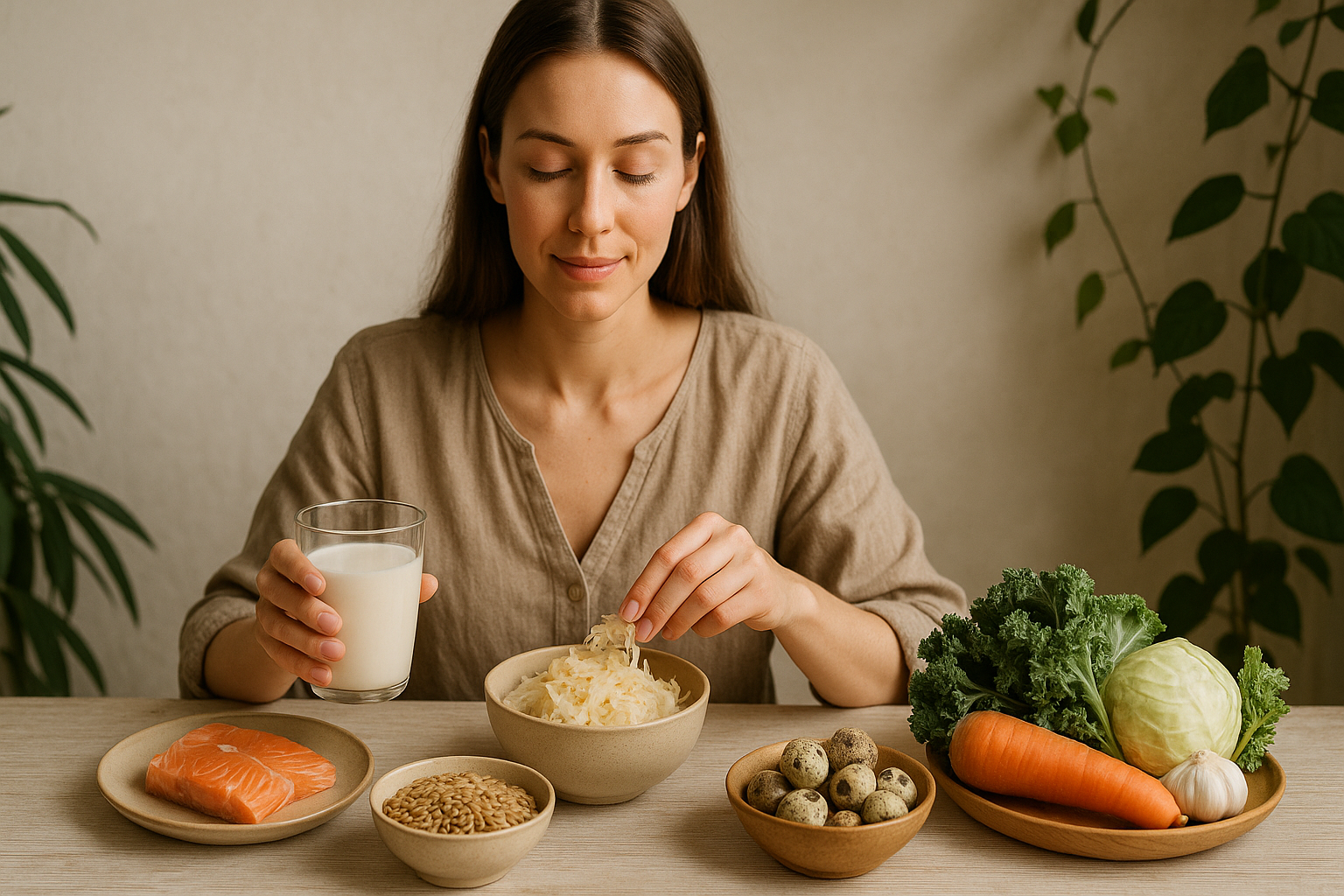
Traditional Nutrition is a vital component of Korean Traditional Medicine (KTM), emphasizing the importance of food as medicine. This approach is rooted in the belief that what we consume can profoundly affect our physical, mental, and spiritual health. Traditional Nutrition advocates for a balanced diet tailored to an individual’s unique constitution and health needs, often utilizing local and seasonal ingredients to promote well-being.
The practice incorporates a holistic viewpoint, considering the interplay between the body, mind, and environment. Food is not merely sustenance; it is viewed as a source of energy and healing. This philosophy underscores the significance of mindful eating and the preparation of meals that support health and harmony.
Historical Context Within Korean Traditional Medicine
Traditional Nutrition has deep roots in Korean culture, tracing back thousands of years and intertwining with the broader framework of Korean Traditional Medicine. Influenced by ancient texts such as the Donguibogam, which codified various aspects of Korean medicine, Traditional Nutrition emerged as a systematic approach to health through dietary practices.
Developed by scholars and practitioners throughout Korea's long history, Traditional Nutrition has evolved with contributions from various philosophies, including Confucianism and Taoism, which emphasize balance and harmony in life. This approach was refined through generations, leading to a rich tapestry of nutritional practices that align with the principles of Korean Traditional Medicine.
How It's Practiced
Practicing Traditional Nutrition involves several key principles and steps aimed at achieving balance and health. A typical approach may include:
- Assessment: Evaluating an individual's health status, including physical symptoms, emotional state, and lifestyle factors.
- Constitutional Analysis: Understanding the individual's body type and constitution, often categorized into Yin and Yang, to tailor dietary recommendations.
- Seasonal Eating: Emphasizing the consumption of seasonal and local foods that align with the body’s needs throughout the year.
- Preparation Techniques: Employing traditional cooking methods that enhance the nutritional value of foods, such as fermenting or steaming.
- Mindful Eating: Encouraging awareness during meals to foster a deeper connection to food and promote better digestion.
What It Is Traditionally Explored For
Traditional Nutrition is traditionally explored for various health goals, including:
- Enhancing digestive health
- Boosting energy levels
- Supporting immune function
- Balancing emotional well-being
- Promoting longevity and overall vitality
While it is essential to approach these goals with caution, many practitioners report positive outcomes when following the principles of Traditional Nutrition.
What Modern Research Suggests
Modern research into Traditional Nutrition within Korean Traditional Medicine is still emerging, but preliminary studies suggest potential benefits. Some research indicates that dietary practices reminiscent of traditional Korean eating patterns, rich in vegetables, fermented foods, and whole grains, may contribute to better health outcomes, including lower rates of chronic diseases.
Other studies are exploring the specific benefits of certain traditional ingredients, such as ginseng and fermented foods like kimchi, which are believed to promote gut health and enhance immune function. While many of these findings are promising, further clinical studies are necessary to establish definitive conclusions and understand the mechanisms behind these traditional practices.
Safety, Contraindications & Who Should Skip
While Traditional Nutrition is generally considered safe, individuals with specific health conditions or dietary restrictions should approach it with caution. Those who:
- Have allergies to certain foods
- Are pregnant or breastfeeding
- Have chronic health issues that require specialized diets
- Are taking specific medications that may interact with food
should consult a qualified practitioner before making significant changes to their dietary habits. It is essential to ensure that any nutritional approach is aligned with individual health needs.
Pairs Well With (within Korean Traditional Medicine and across pillars)
Traditional Nutrition can complement various modalities within Korean Traditional Medicine, including:
- Herbal Medicine: Utilizing herbs alongside dietary practices for enhanced therapeutic effects.
- Acupuncture: Addressing specific health concerns through the synergistic effects of diet and acupuncture.
- Massage Therapy: Promoting relaxation and digestion through bodywork in conjunction with mindful eating.
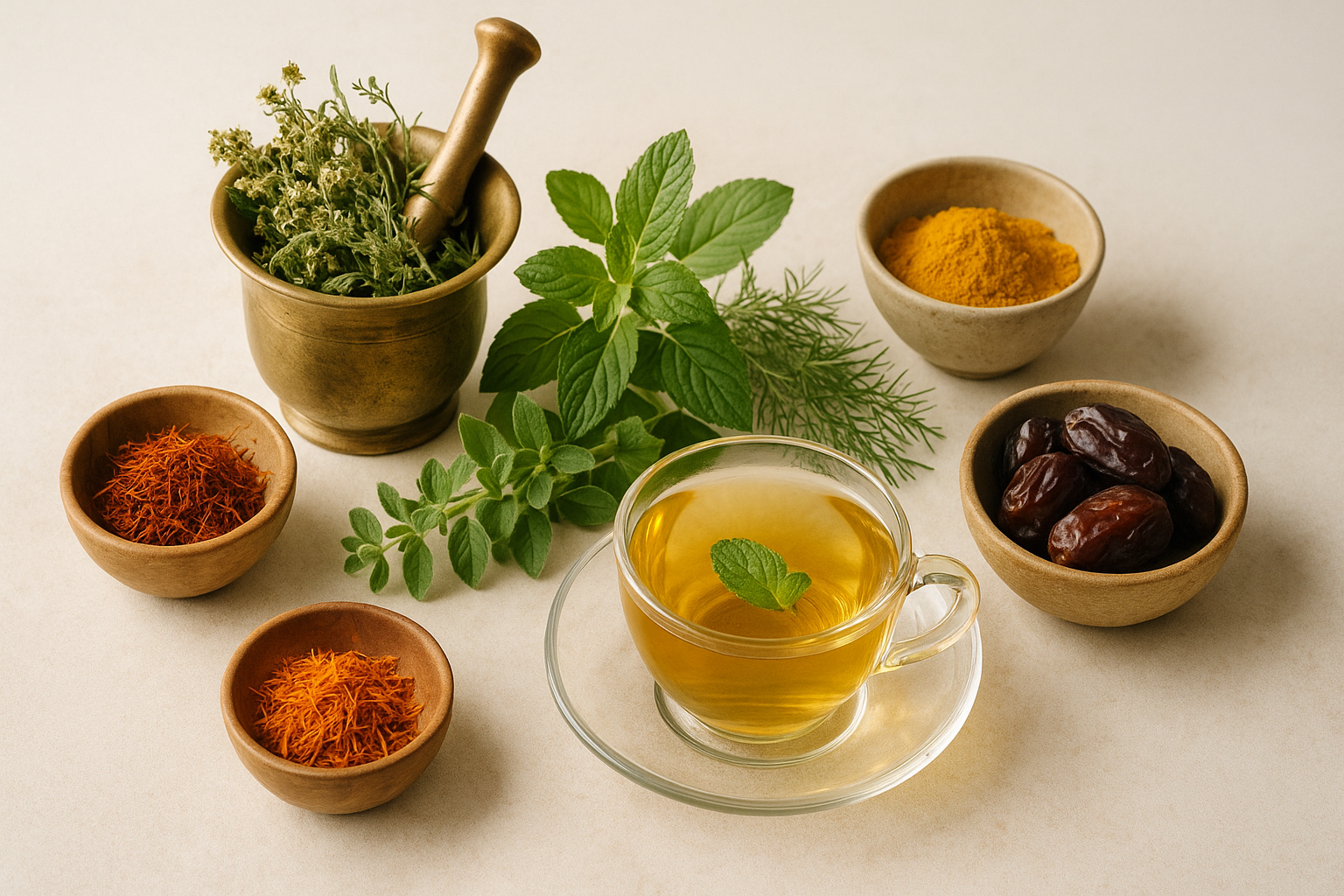
Additionally, it aligns with holistic health practices from other traditions, such as Ayurveda and Traditional Chinese Medicine, which also emphasize diet’s role in health.
How to Find a Qualified Practitioner
Finding a qualified practitioner in Traditional Nutrition within Korean Traditional Medicine can enhance the experience and effectiveness of this approach. Here are some steps to consider:
- Seek referrals from healthcare professionals or trusted individuals familiar with Korean Traditional Medicine.
- Look for practitioners with relevant credentials, such as certifications in Korean Traditional Medicine or nutrition.
- Inquire about their experience and approach to Traditional Nutrition to ensure it aligns with your health goals.
- Check for reviews or testimonials from previous clients to gauge their effectiveness.
FAQs (5)
What is Traditional Nutrition?
Traditional Nutrition is a dietary approach within Korean Traditional Medicine that emphasizes food as medicine, focusing on individualized nutrition based on one’s constitution and health needs.
How is Traditional Nutrition different from modern nutrition?
Traditional Nutrition considers not only the nutritional content of food but also the energy and healing properties based on individual conditions, whereas modern nutrition often focuses primarily on macronutrients and calories.
Can Traditional Nutrition help with specific health issues?
Traditional Nutrition is traditionally used to support various health concerns, but individuals should consult with a qualified practitioner for personalized advice.
Is there scientific evidence supporting Traditional Nutrition?
Preliminary studies suggest potential health benefits related to traditional dietary practices, but more research is needed to validate these findings.
How can I start incorporating Traditional Nutrition into my life?
To begin incorporating Traditional Nutrition, consider seeking guidance from a qualified practitioner and exploring seasonal, whole foods that align with your individual health goals.
Frequently asked
What is Traditional Nutrition?
Traditional Nutrition is a dietary approach within Korean Traditional Medicine that emphasizes food as medicine, focusing on individualized nutrition based on one’s constitution and health needs.
How is Traditional Nutrition different from modern nutrition?
Traditional Nutrition considers not only the nutritional content of food but also the energy and healing properties based on individual conditions, whereas modern nutrition often focuses primarily on macronutrients and calories.
Can Traditional Nutrition help with specific health issues?
Traditional Nutrition is traditionally used to support various health concerns, but individuals should consult with a qualified practitioner for personalized advice.
Is there scientific evidence supporting Traditional Nutrition?
Preliminary studies suggest potential health benefits related to traditional dietary practices, but more research is needed to validate these findings.
How can I start incorporating Traditional Nutrition into my life?
To begin incorporating Traditional Nutrition, consider seeking guidance from a qualified practitioner and exploring seasonal, whole foods that align with your individual health goals.