Immune Wellness
Discover Immune Wellness in Korean Traditional Medicine, a holistic approach to supporting the immune system through ancient wisdom and practices.
Explore the ancient practice of Immune Wellness within Korean Traditional Medicine, a holistic approach that emphasizes balance and vitality to support the immune system. Discover its historical roots, practical applications, and insights from modern research.
What It Is
Immune Wellness in Korean Traditional Medicine (KTM) is a holistic approach focused on enhancing the body’s natural defenses against illness and promoting overall health. This modality underscores the significance of balance within the body, recognizing that a well-functioning immune system is essential for maintaining health and preventing disease. Through various therapies and lifestyle recommendations, Immune Wellness aims to strengthen the body's resilience and restore harmony.
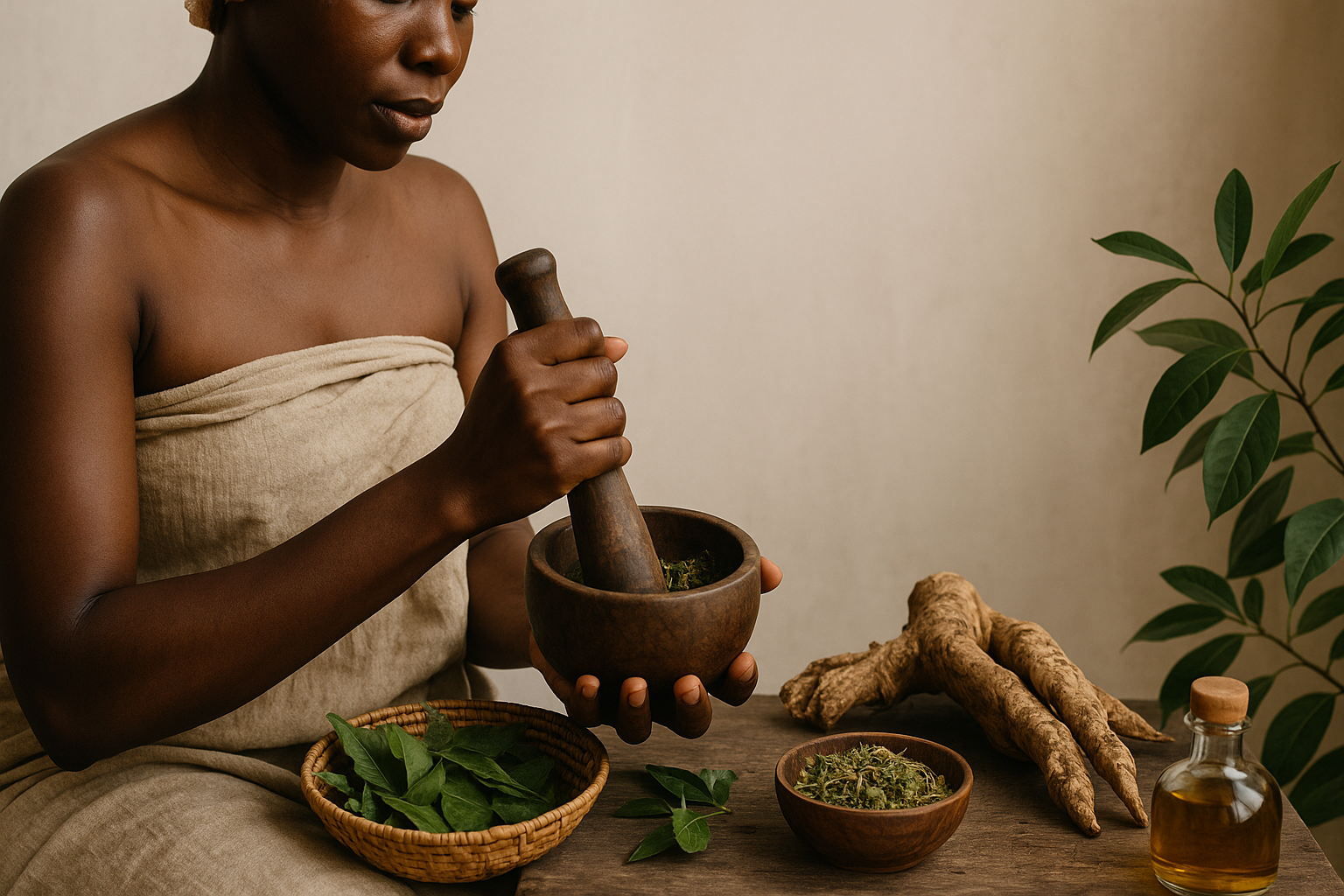
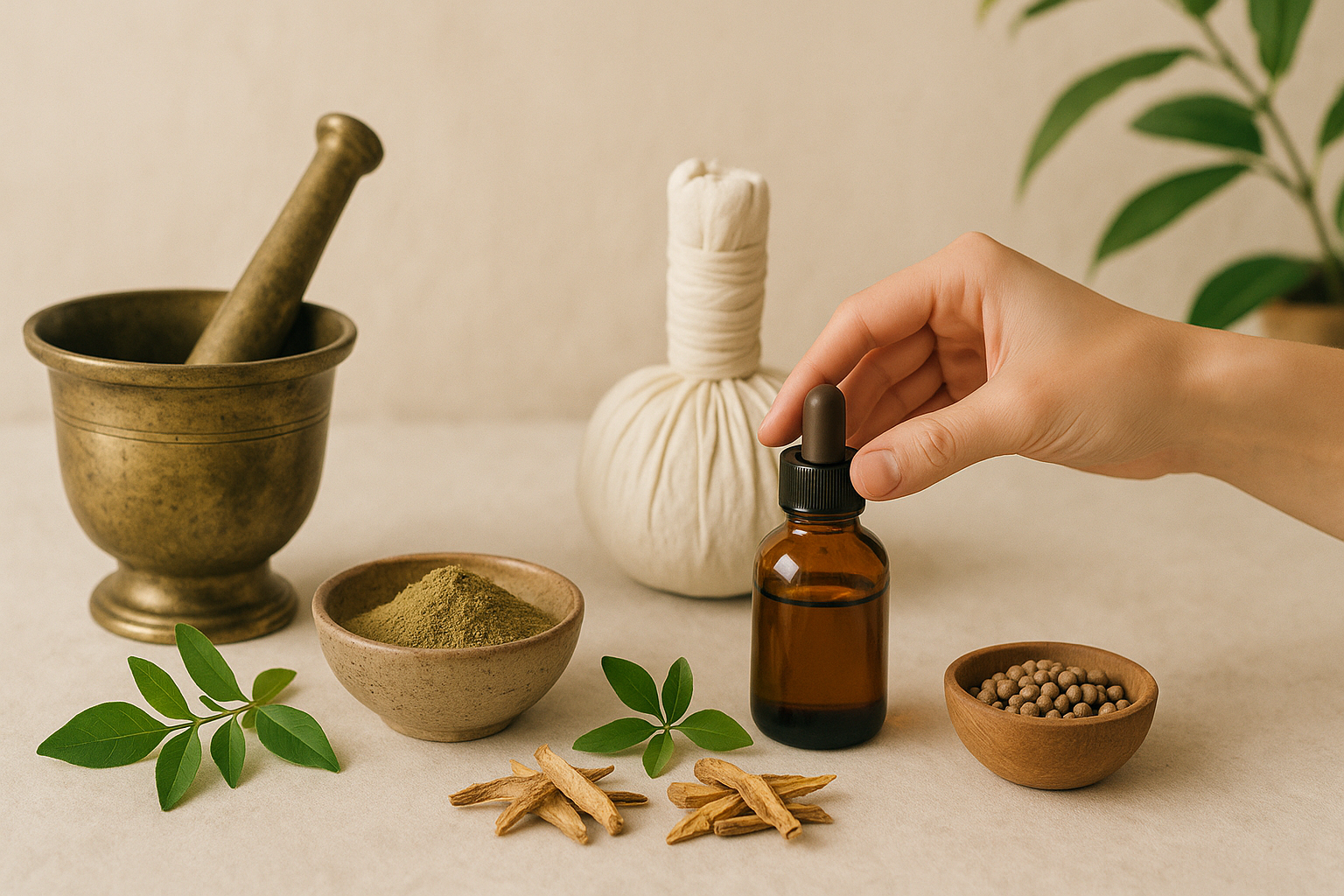
The practice involves an integration of dietary habits, herbal remedies, acupuncture, and lifestyle adjustments tailored to individual needs. Practitioners of Immune Wellness in KTM assert that by addressing underlying imbalances and enhancing the body’s innate capabilities, individuals can improve their immune response and overall vitality.
Historical Context Within Korean Traditional Medicine
The roots of Immune Wellness within Korean Traditional Medicine can be traced back thousands of years, aligning with the broader principles of Traditional East Asian Medicine. The foundational texts of Korean medicine, such as the Donguibogam, compiled in the 17th century, laid the groundwork for understanding the interconnectedness of bodily systems and the importance of immune health.
Key figures in the development of these concepts include royal physicians and scholars who documented various herbal remedies and treatments believed to enhance immunity. Over the centuries, Immune Wellness has evolved, integrating elements from various Korean cultural practices, philosophy, and the natural environment.
How It's Practiced
Practicing Immune Wellness within Korean Traditional Medicine typically involves a comprehensive assessment of the individual’s health status. A practitioner may follow these steps:
- Initial Consultation: Discuss health history, lifestyle, and any specific concerns.
- Diagnosis: Assess the balance of Yin and Yang, and the state of Qi (vital energy).
- Personalized Treatment Plan: Create a tailored plan that may include:
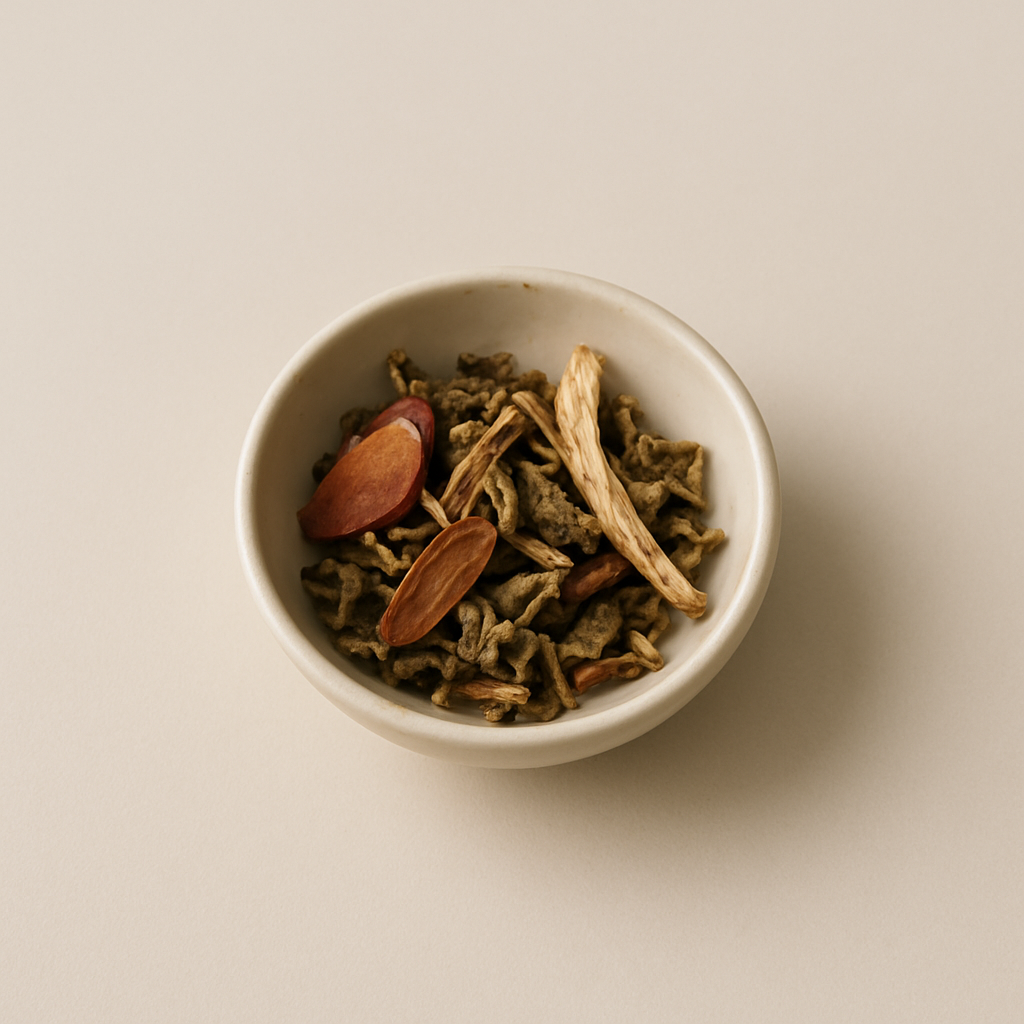
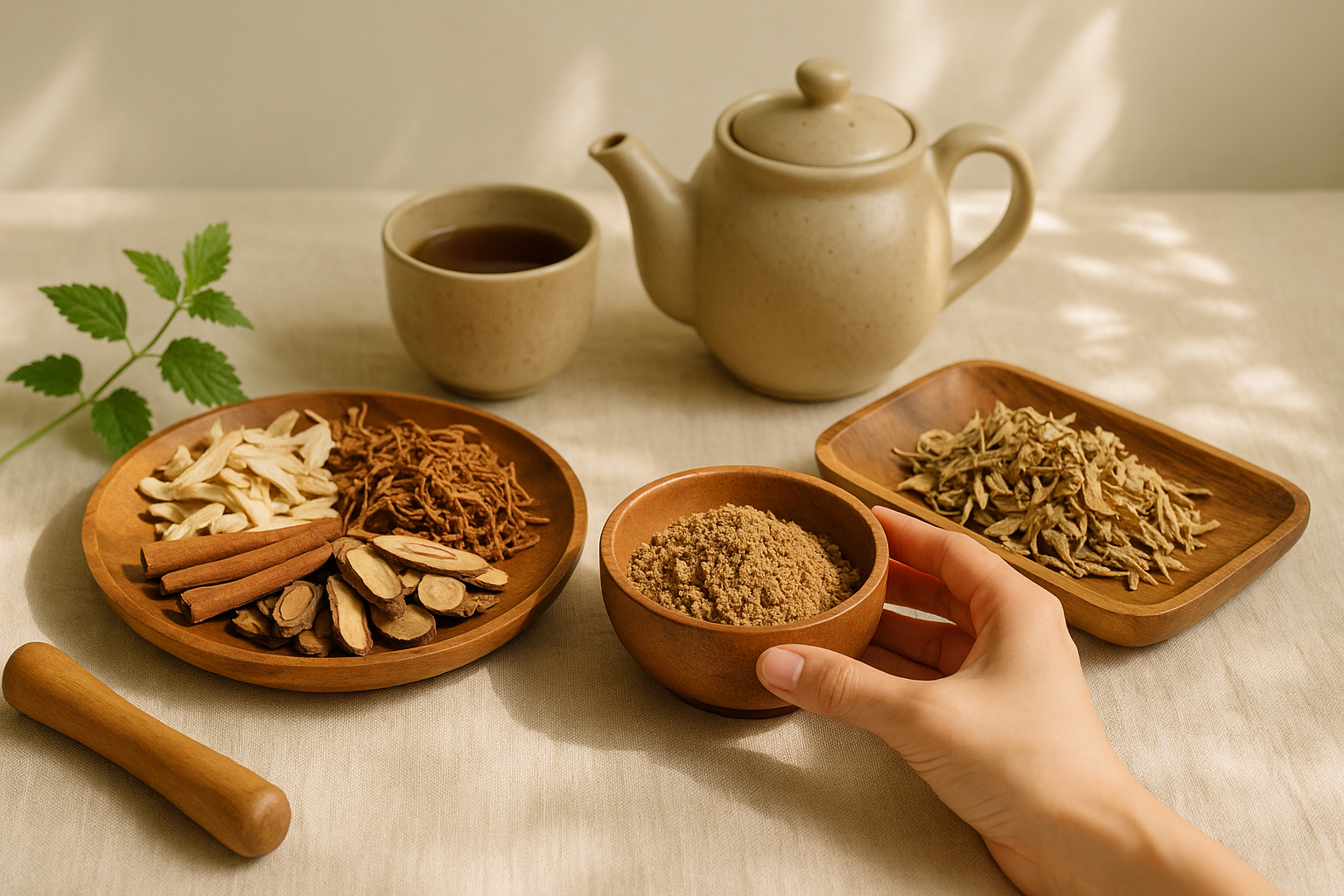
- Herbal medicine formulations
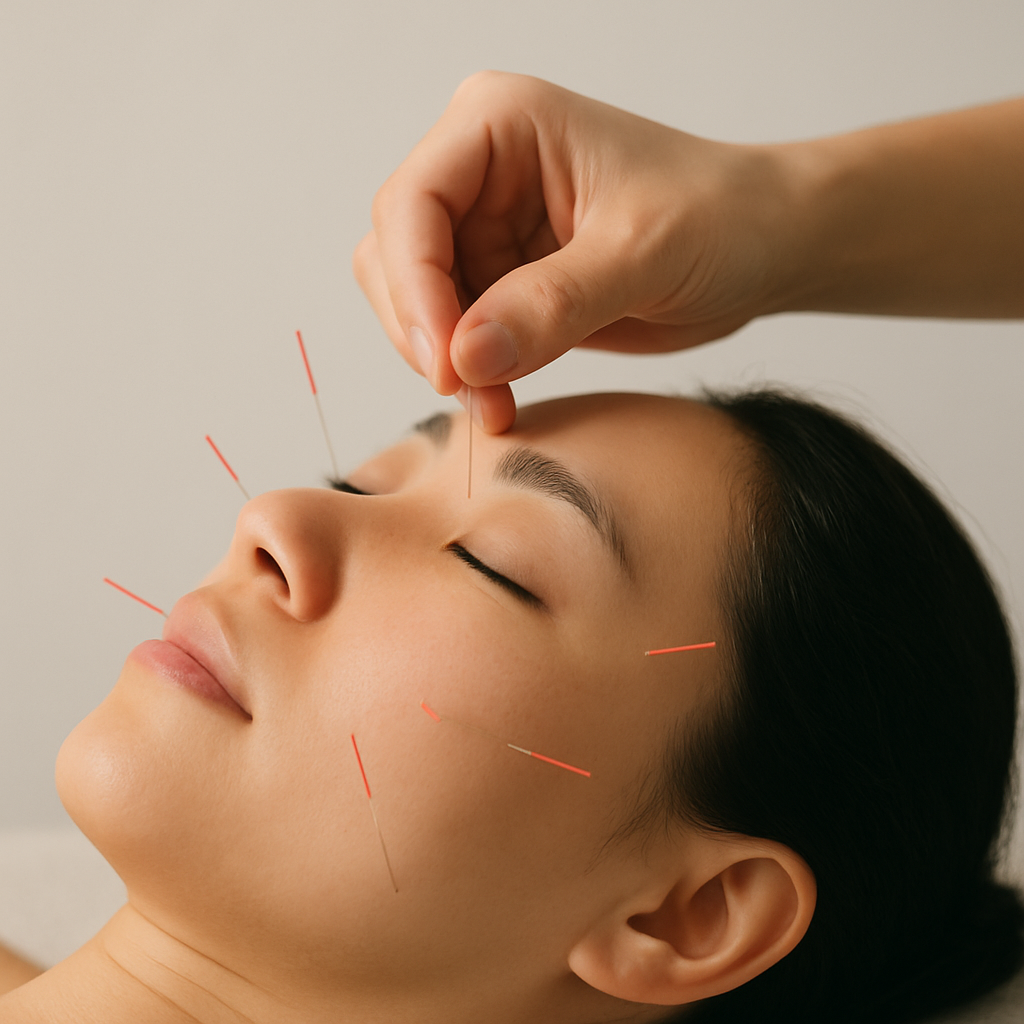
- Acupuncture sessions
- Dietary advice
- Mindfulness and exercise recommendations
Practitioners may also suggest lifestyle modifications aimed at reducing stress and promoting a balanced lifestyle, further supporting immune function.
What It Is Traditionally Explored For
Immune Wellness in Korean Traditional Medicine is traditionally explored for a variety of health-related goals, including:
- Boosting overall immunity
- Preventing seasonal illnesses
- Managing chronic conditions
- Enhancing recovery from illness
- Promoting general vitality and well-being
While individual experiences may vary, many seek Immune Wellness practices to support their natural defenses and maintain a healthy lifestyle.
What Modern Research Suggests
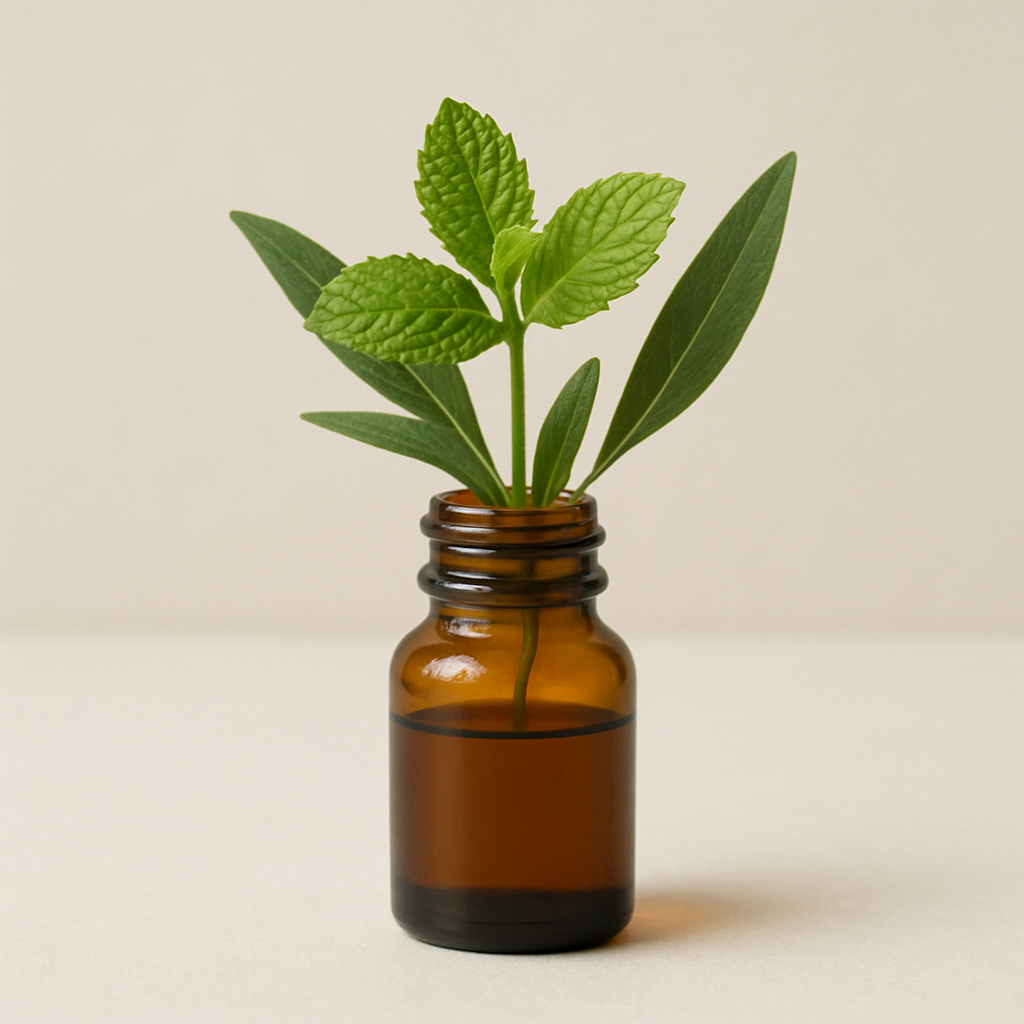
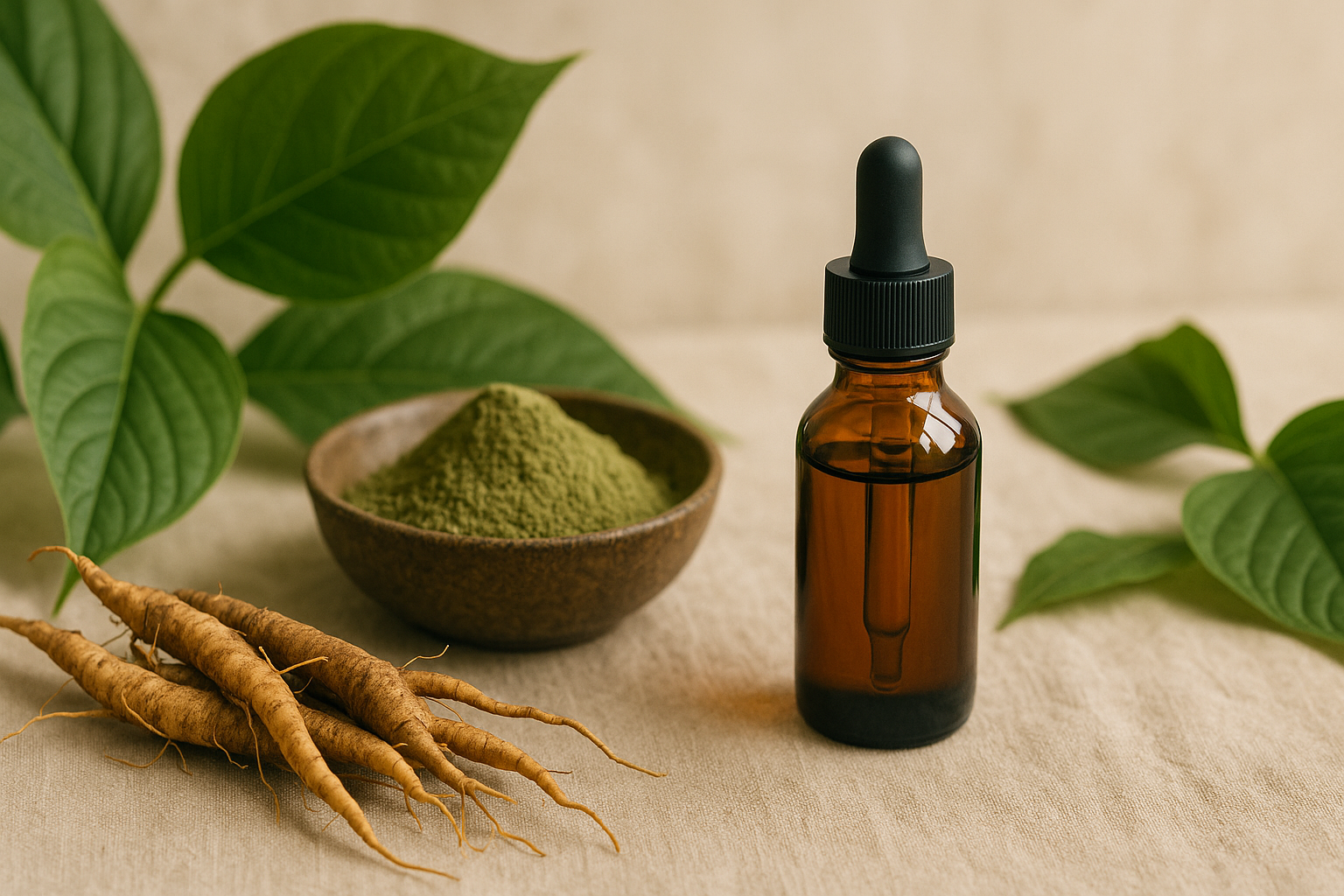
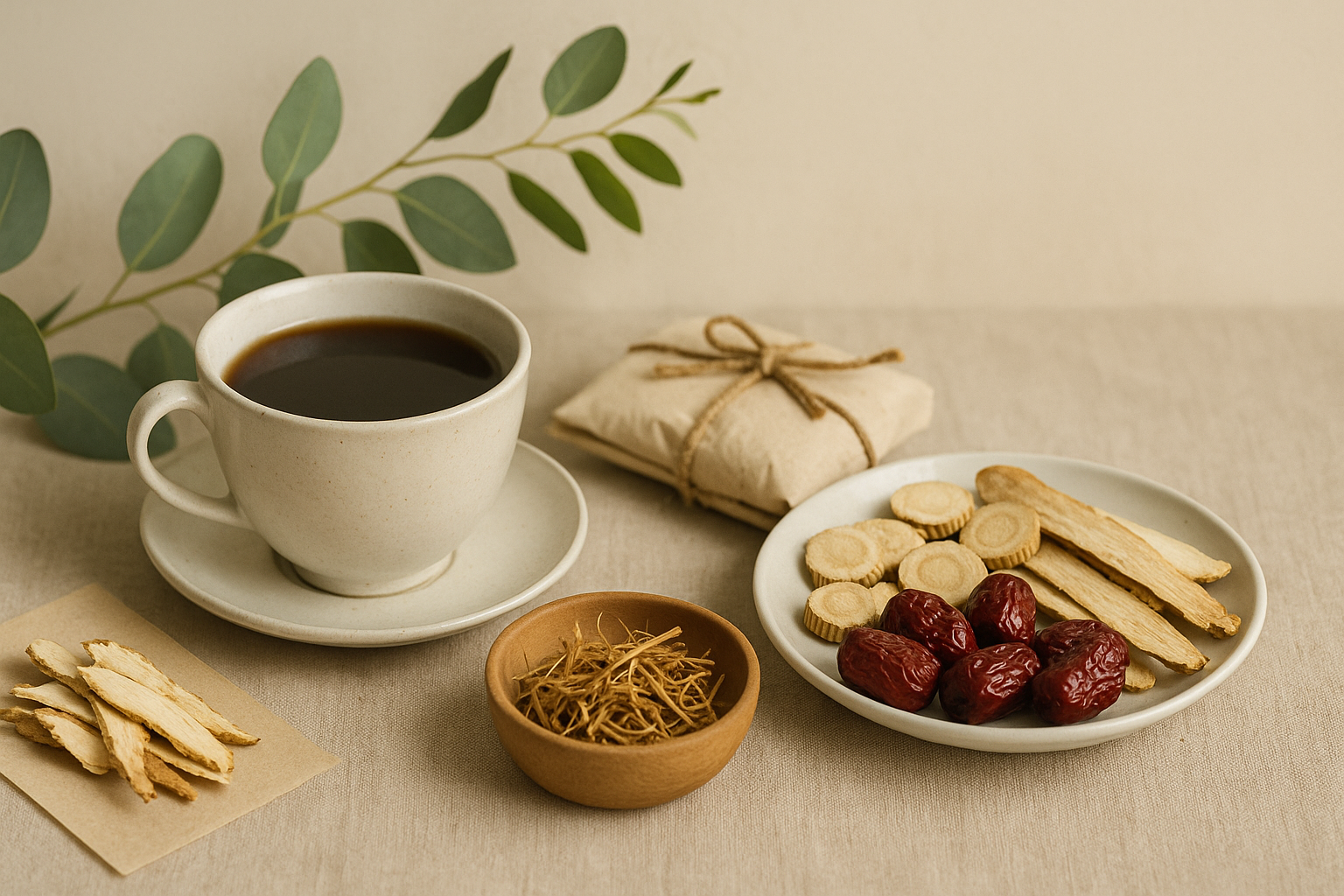
Modern research into Immune Wellness practices reveals promising insights, although the field remains exploratory. Preliminary studies indicate that certain herbal remedies used in Korean Traditional Medicine may possess immune-modulating properties. For example, research on herbs like Astragalus and Ginseng has shown potential benefits in enhancing immune function.
Additionally, acupuncture, another key component of Immune Wellness, has been studied for its effects on stress reduction, which is recognized as a significant factor influencing immune health. While these studies are encouraging, more rigorous clinical trials are needed to establish definitive connections between these practices and immune health outcomes.
Safety, Contraindications & Who Should Skip
While Immune Wellness practices are generally considered safe for many individuals, certain precautions should be noted:
- Individuals with specific health conditions, such as autoimmune diseases, should consult a healthcare provider before engaging in these practices.
- Pregnant or breastfeeding women should seek guidance from qualified practitioners regarding herbal remedies and acupuncture.
- Those with allergies to specific herbs or acupuncture points should avoid these treatments.
As with any health practice, it is crucial to approach Immune Wellness with caution and under the guidance of a qualified practitioner.
Pairs Well With (within Korean Traditional Medicine and across pillars)
Immune Wellness can be effectively complemented by various modalities and ingredients within Korean Traditional Medicine, including:
- Acupuncture
- Herbal Medicine (e.g., Ginseng, Reishi Mushroom)
- Dietary Therapy
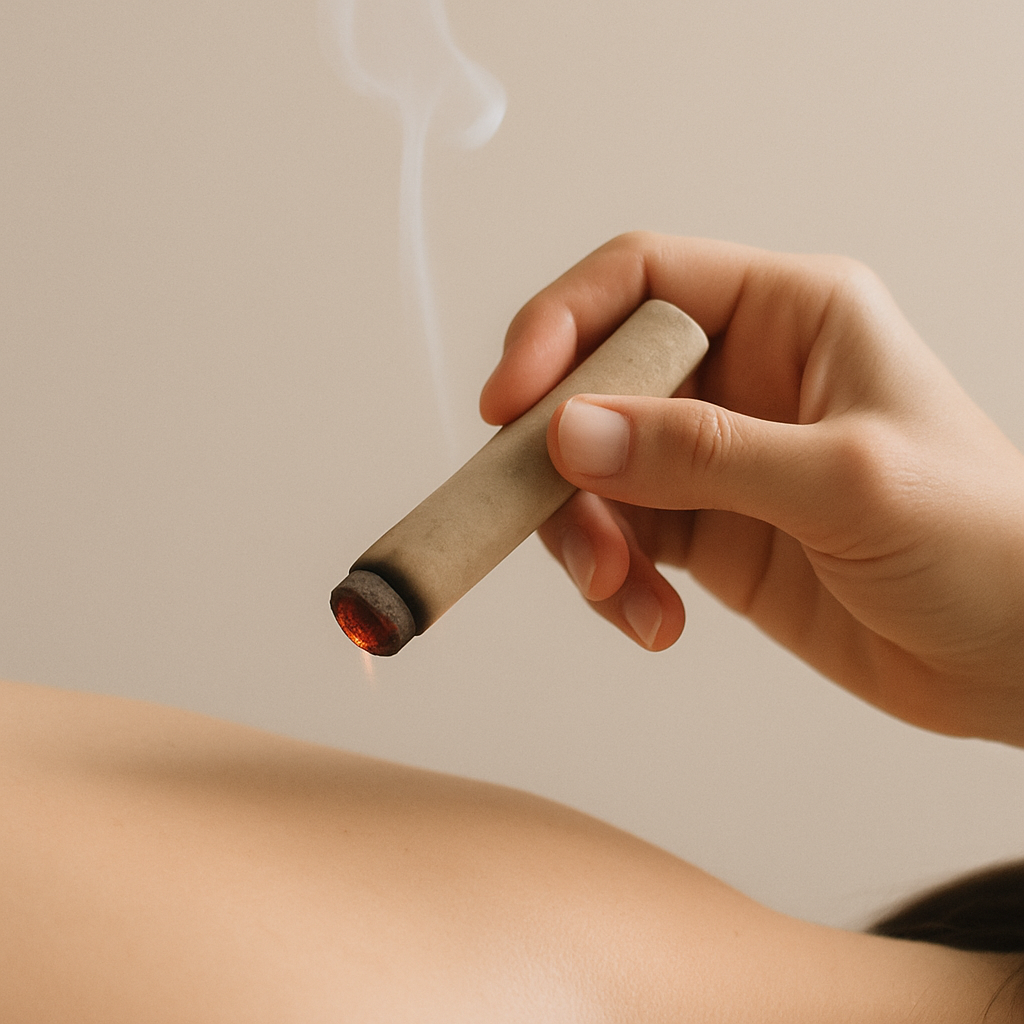
- Moxibustion
- Mindfulness Practices (e.g., Tai Chi, Qigong)
These practices work synergistically to enhance overall health and support the immune system.
How to Find a Qualified Practitioner
To find a qualified practitioner of Immune Wellness within Korean Traditional Medicine, consider the following steps:
- Seek recommendations from friends or family who have experience with Korean Traditional Medicine.
- Check credentials and ensure the practitioner is licensed and trained in Korean Traditional Medicine.
- Look for practitioners who specialize in Immune Wellness and have a good track record.
- Schedule an initial consultation to discuss your health goals and determine if their approach resonates with you.
FAQs (5)
What is Immune Wellness?
Immune Wellness refers to practices and treatments within Korean Traditional Medicine aimed at enhancing the body's natural immune response and promoting overall health.
How does acupuncture support immune health?
Acupuncture may help reduce stress and improve circulation, which can positively influence immune function.
Are there any side effects associated with herbal remedies?
While many herbal remedies are safe, some may cause allergic reactions or interact with medications. It is essential to consult a practitioner.
How long does it take to see results from Immune Wellness practices?
Results can vary; some individuals may feel improvements within weeks, while others may take longer. Consistency in practice is key.
Can Immune Wellness practices be used alongside conventional medicine?
Yes, many people use Immune Wellness practices in conjunction with conventional treatments. Always inform your healthcare provider about any complementary therapies you are using.
Frequently asked
What is Immune Wellness?
Immune Wellness refers to practices and treatments within Korean Traditional Medicine aimed at enhancing the body's natural immune response and promoting overall health.
How does acupuncture support immune health?
Acupuncture may help reduce stress and improve circulation, which can positively influence immune function.
Are there any side effects associated with herbal remedies?
While many herbal remedies are safe, some may cause allergic reactions or interact with medications. It is essential to consult a practitioner.
How long does it take to see results from Immune Wellness practices?
Results can vary; some individuals may feel improvements within weeks, while others may take longer. Consistency in practice is key.
Can Immune Wellness practices be used alongside conventional medicine?
Yes, many people use Immune Wellness practices in conjunction with conventional treatments. Always inform your healthcare provider about any complementary therapies you are using.