Pain Therapy
Delve into Pain Therapy in Korean Traditional Medicine, its historical roots, practices, and modern perspectives.

Explore the ancient practice of Pain Therapy within Korean Traditional Medicine, a holistic approach to managing discomfort and promoting well-being.
What It Is
Pain Therapy in Korean Traditional Medicine (KTM) is a holistic approach designed to alleviate discomfort and restore balance within the body. This practice encompasses various techniques and modalities, all aimed at addressing the underlying causes of pain rather than merely masking symptoms. By focusing on the body's energy pathways and natural healing processes, practitioners of Pain Therapy seek to promote overall well-being.
Central to Pain Therapy is the concept of Qi (or Chi), the vital energy that flows through the body. When Qi is blocked or imbalanced, pain and other physical ailments can arise. Through a combination of acupuncture, herbal remedies, and manual therapies, Pain Therapy aims to restore the harmonious flow of Qi, allowing the body to may support itself naturally.
Historical Context Within Korean Traditional Medicine
The roots of Pain Therapy in Korean Traditional Medicine date back thousands of years, influenced by Chinese medicine and indigenous healing practices. The systematic approach to understanding and treating pain began to take shape during the Goryeo Dynasty (918-1392), when texts on herbal medicine and acupuncture were compiled and refined.
Prominent figures, such as Heo Jun, a renowned physician of the Joseon Dynasty (1392-1910), played a vital role in documenting and systematizing these practices. His seminal work, the Dongui Bogam, serves as a cornerstone of Korean medical literature, detailing various treatments for pain and other ailments. Over the centuries, Pain Therapy has evolved, integrating modern insights while remaining grounded in its rich historical context.
How It's Practiced
Practitioners of Pain Therapy employ a variety of techniques tailored to individual needs. Here is a general walk-through of how a session may proceed:
- Initial Consultation: The practitioner begins with a comprehensive assessment, including medical history, lifestyle, and specific pain symptoms.
- Diagnosis: Based on traditional diagnostic methods (such as pulse and tongue examination), the practitioner identifies imbalances in Qi.
- Treatment Plan: A personalized treatment plan is developed, often incorporating multiple modalities.
- Acupuncture: Fine needles are strategically inserted into specific points to release blocked Qi.
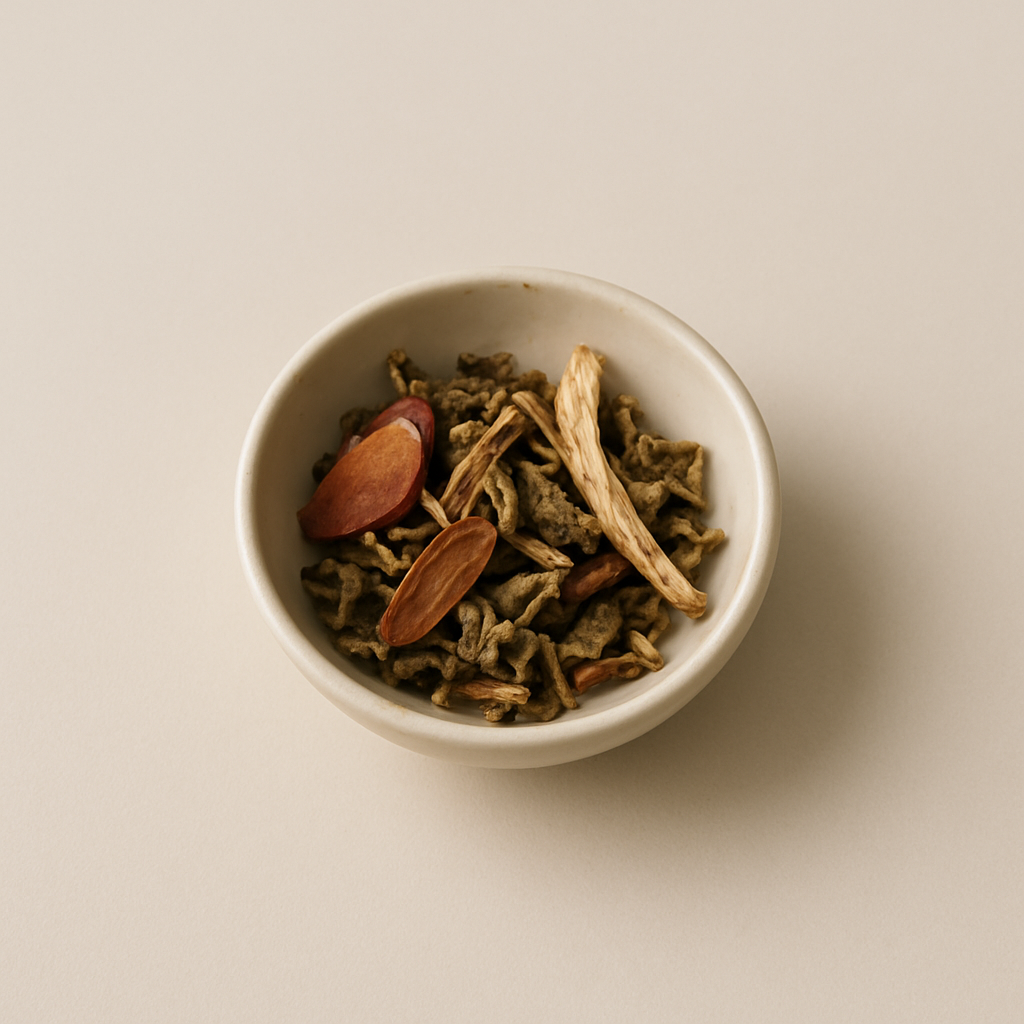
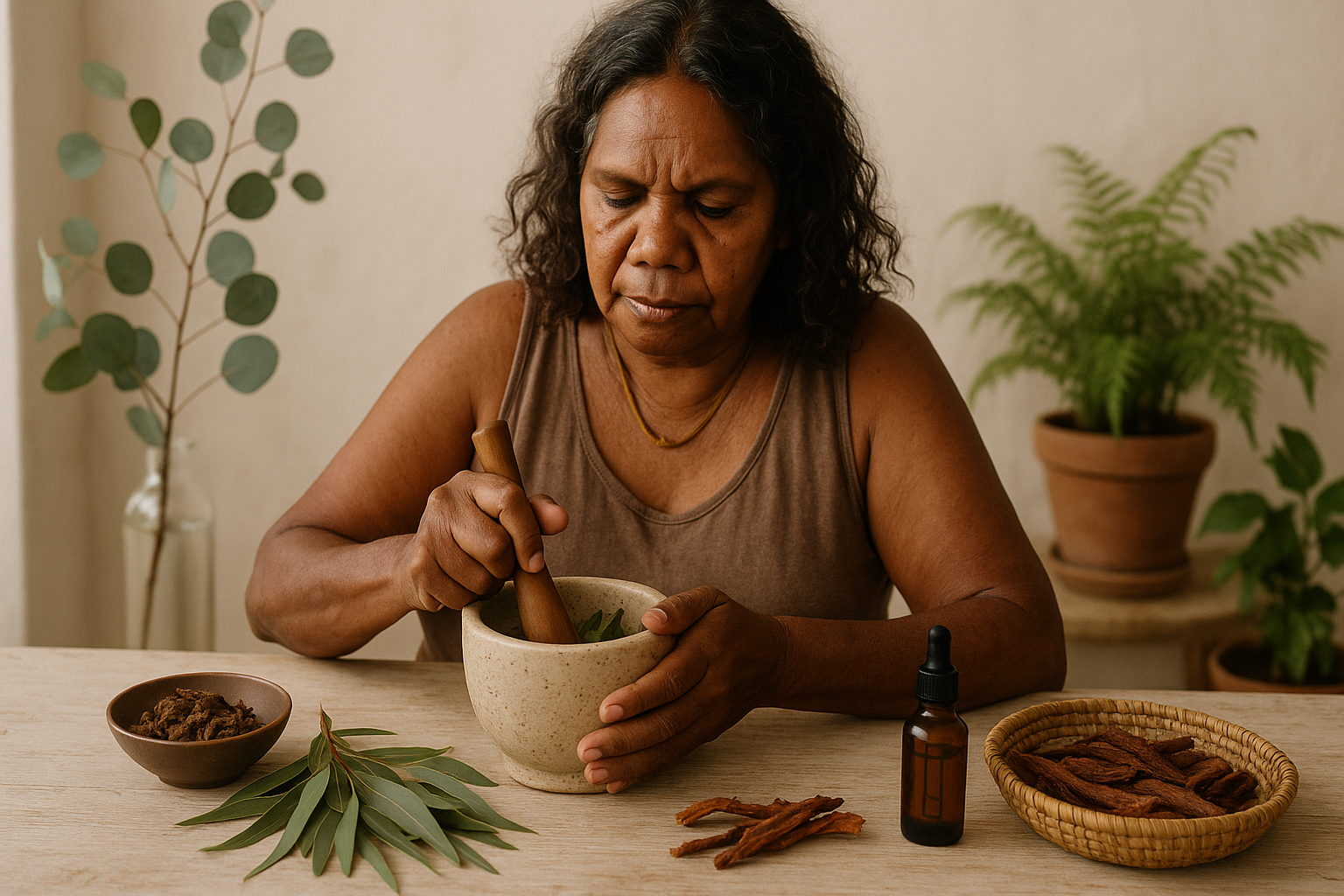
- Herbal Medicine: Customized herbal formulas may be prescribed to support the body’s healing process.
- Manual Therapies: Techniques such as massage or chiropractic adjustments may be used to relieve tension and improve circulation.
- Follow-Up: Regular follow-ups help assess progress and adjust the treatment plan as necessary.
What It Is Traditionally Explored For
Pain Therapy is traditionally used for a variety of conditions, including:
- Chronic pain conditions (e.g., arthritis, back pain)
- Acute injuries (e.g., sprains, strains)
- Headaches and migraines
- Muscle tension and stiffness
- Joint pain
The overarching goal of Pain Therapy is to alleviate discomfort, enhance mobility, and improve the quality of life. It is always approached with an emphasis on fostering the body’s innate ability to may support.
What Modern Research Suggests
Recent studies have begun to explore the efficacy of Pain Therapy techniques, particularly acupuncture and herbal medicine, in managing pain. Preliminary findings suggest that acupuncture may be effective in reducing chronic pain conditions and improving overall function. Some clinical trials have reported positive outcomes in patients with osteoarthritis and lower back pain, highlighting the potential benefits of integrating traditional practices with contemporary medical approaches.
However, it is important to note that while the evidence is encouraging, more rigorous, large-scale studies are necessary to fully understand the mechanisms and effectiveness of Pain Therapy within the framework of modern medicine. As research continues, the integration of ancient wisdom with modern science may offer new insights into pain management.
Safety, Contraindications & Who Should Skip
While Pain Therapy is generally considered safe when performed by qualified practitioners, certain individuals should approach it with caution:
- Pregnant women (especially during the first trimester)
- Individuals with bleeding disorders or those on anticoagulant medications
- Those with severe infections or skin conditions at the treatment site
- People with a history of seizures
It is advisable for anyone considering Pain Therapy to consult with a healthcare provider to discuss their specific health conditions and determine appropriateness.
Pairs Well With (within Korean Traditional Medicine and across pillars)
Pain Therapy can be effectively combined with other modalities, including:
- Herbal Medicine
- Moxibustion
- Qi Gong and Tai Chi
- Dietary Therapy
- Breathing exercises and Meditation
How to Find a Qualified Practitioner
To find a qualified practitioner of Pain Therapy within Korean Traditional Medicine, consider the following steps:
- Seek recommendations from healthcare professionals or individuals who have experienced Pain Therapy.
- Verify credentials and ensure the practitioner is licensed or certified in Korean Traditional Medicine.
- Inquire about their experience and approach to Pain Therapy.
- Schedule an initial consultation to discuss your needs and assess their treatment philosophy.
FAQs
- Q: Is Pain Therapy painful?
- A: Most patients report minimal discomfort during acupuncture, with many feeling relaxed and at ease.
- Q: How many sessions will I need?
- A: The number of sessions varies based on individual conditions; a practitioner can provide guidance based on your needs.
- Q: Can Pain Therapy be used alongside conventional treatments?
- A: Yes, many individuals find that Pain Therapy complements conventional treatments, but always consult your healthcare provider.
- Q: Are there any side effects?
- A: Side effects are typically mild and may include temporary soreness or bruising at the needle sites.
- Q: Is Pain Therapy suitable for children?
- A: Yes, Pain Therapy can be adapted for children, but it is important to work with a practitioner experienced in pediatric care.
Frequently asked
Is Pain Therapy painful?
Most patients report minimal discomfort during acupuncture, with many feeling relaxed and at ease.
How many sessions will I need?
The number of sessions varies based on individual conditions; a practitioner can provide guidance based on your needs.
Can Pain Therapy be used alongside conventional treatments?
Yes, many individuals find that Pain Therapy complements conventional treatments, but always consult your healthcare provider.
Are there any side effects?
Side effects are typically mild and may include temporary soreness or bruising at the needle sites.
Is Pain Therapy suitable for children?
Yes, Pain Therapy can be adapted for children, but it is important to work with a practitioner experienced in pediatric care.