Preventive Medicine
Discover the principles and practices of Preventive Medicine in Korean Traditional Medicine, including its historical context, modern research, and safety considerations.

Explore the ancient practice of Preventive Medicine within Korean Traditional Medicine, its history, methodologies, and modern perspectives.
What It Is
Preventive Medicine, particularly within the context of Korean Traditional Medicine (KTM), emphasizes the maintenance of health and the prevention of disease rather than the treatment of illness after it occurs. This approach integrates various practices aimed at promoting overall well-being and balance in the body. By focusing on prevention, practitioners strive to identify and address potential health issues before they manifest as more serious conditions.
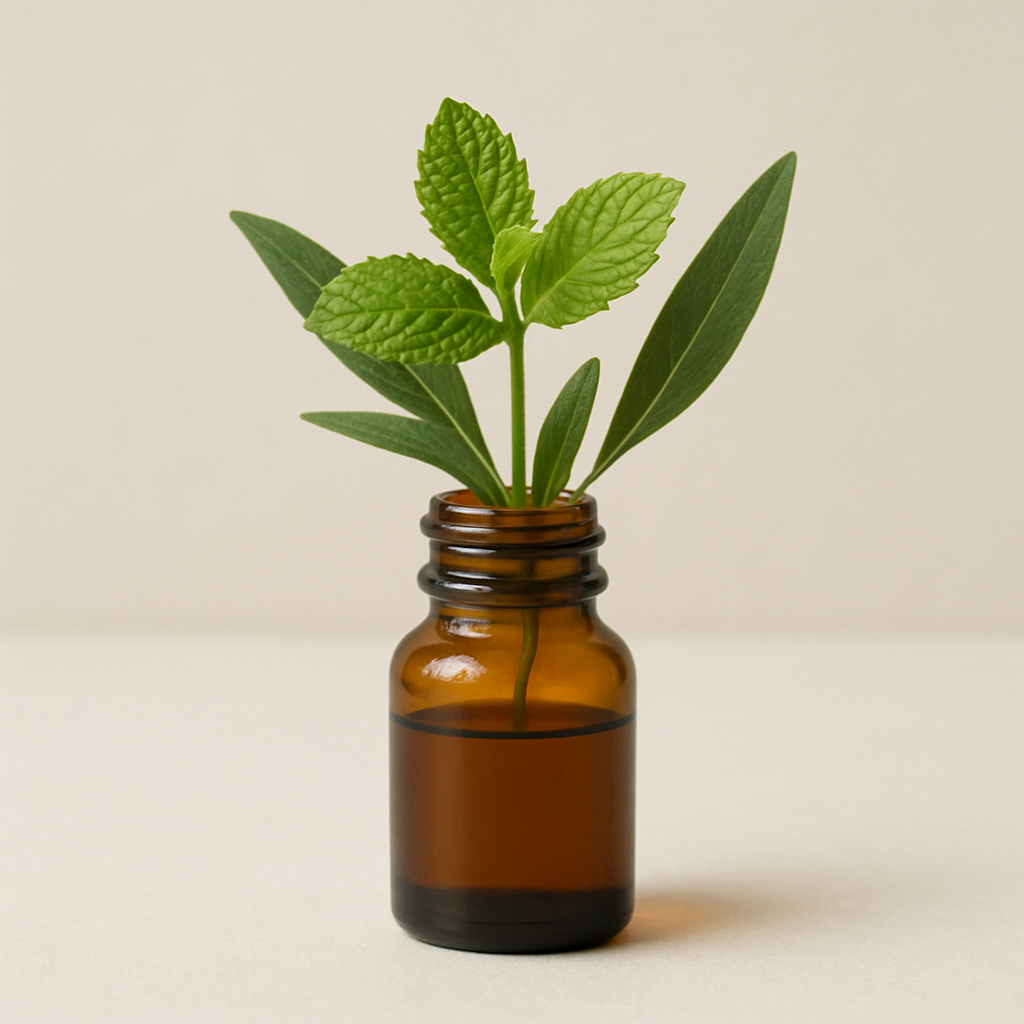
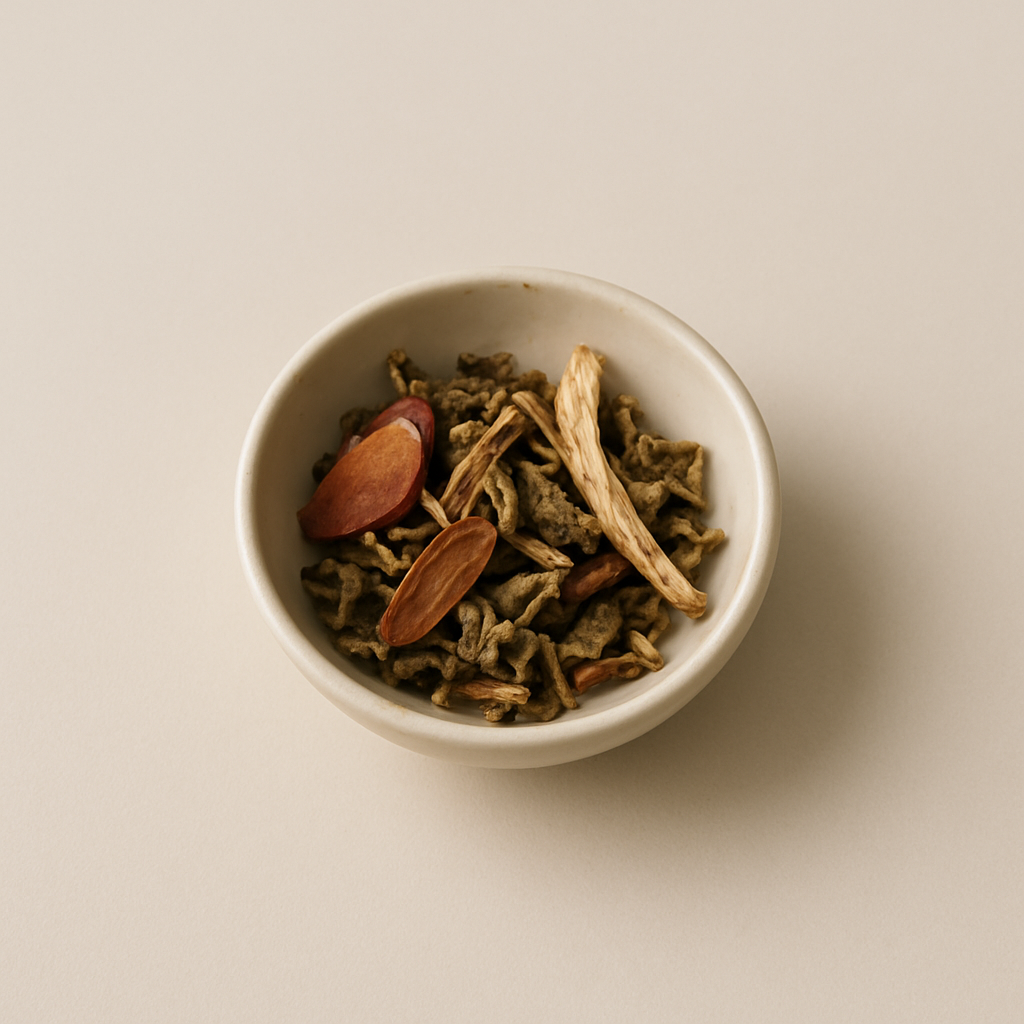
In Korean Traditional Medicine, Preventive Medicine is deeply rooted in the philosophy of harmony between the body, mind, and environment. It employs a holistic approach that involves lifestyle modifications, dietary recommendations, herbal remedies, and other therapeutic practices designed to strengthen the body's natural defenses and enhance vitality.
Historical Context Within Korean Traditional Medicine
The roots of Preventive Medicine can be traced back to ancient Korean medical texts, which were influenced by various schools of thought, including Confucianism, Taoism, and Buddhism. These philosophies emphasized the importance of balance and harmony within the body and between individuals and their surroundings. Historical figures like Hyun Jeong-won, a prominent physician during the Goryeo Dynasty, contributed significantly to the development of preventive approaches in Korean medicine.
Throughout the centuries, Korean Traditional Medicine evolved through the integration of knowledge from neighboring cultures, particularly Chinese medicine. The systematic study of disease prevention became more pronounced during the Joseon Dynasty, where scholars began documenting methods to maintain health and prevent ailments, laying the groundwork for practices still observed today.
How It's Practiced
Practitioners of Preventive Medicine in Korean Traditional Medicine focus on individualized care, often assessing a person's overall health through a variety of techniques. Here’s a general walk-through of how a typical session may unfold:
- Initial Consultation: The practitioner conducts a thorough health history review, including lifestyle, diet, emotional well-being, and family medical history.
- Diagnosis: Techniques such as pulse diagnosis and tongue examination may be employed to assess the individual's health status.
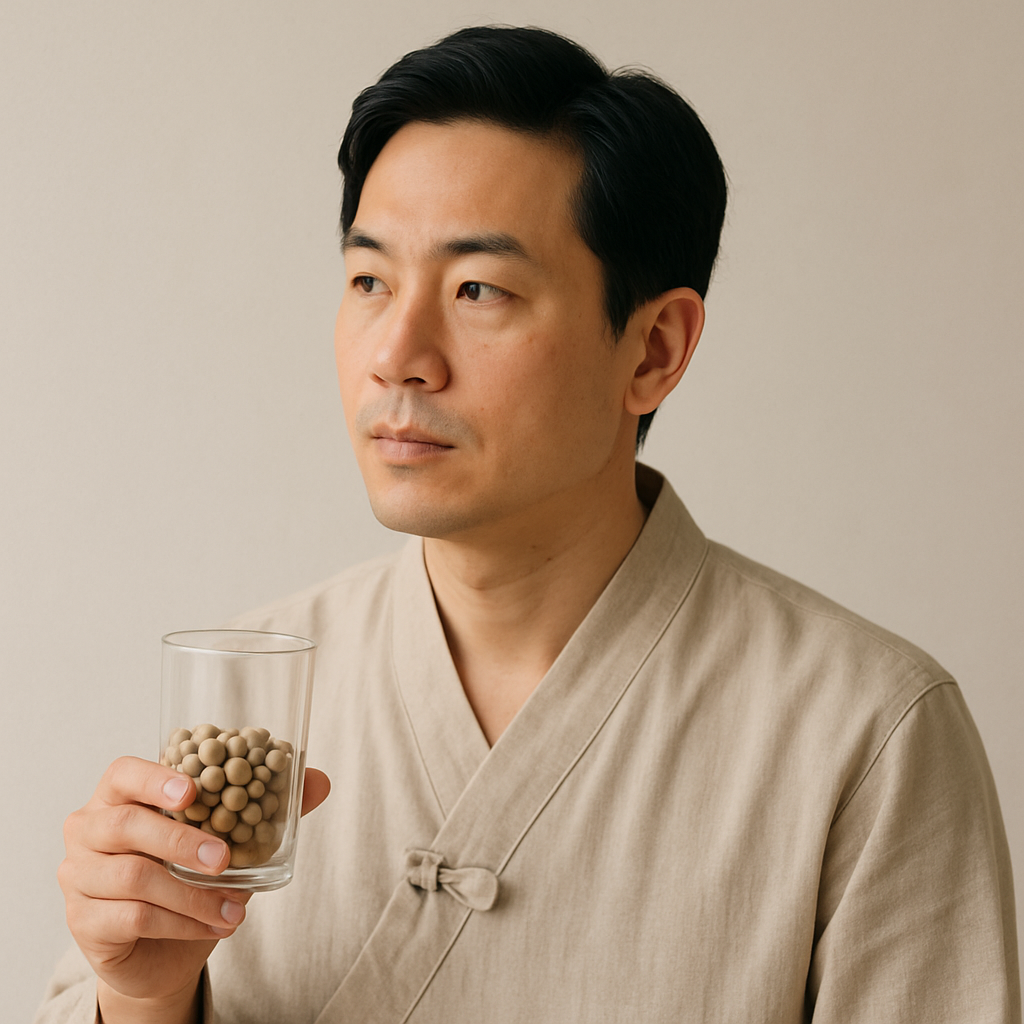
- Personalized Recommendations: Based on the assessment, the practitioner suggests lifestyle changes, dietary adjustments, and herbal remedies tailored to the individual's needs.
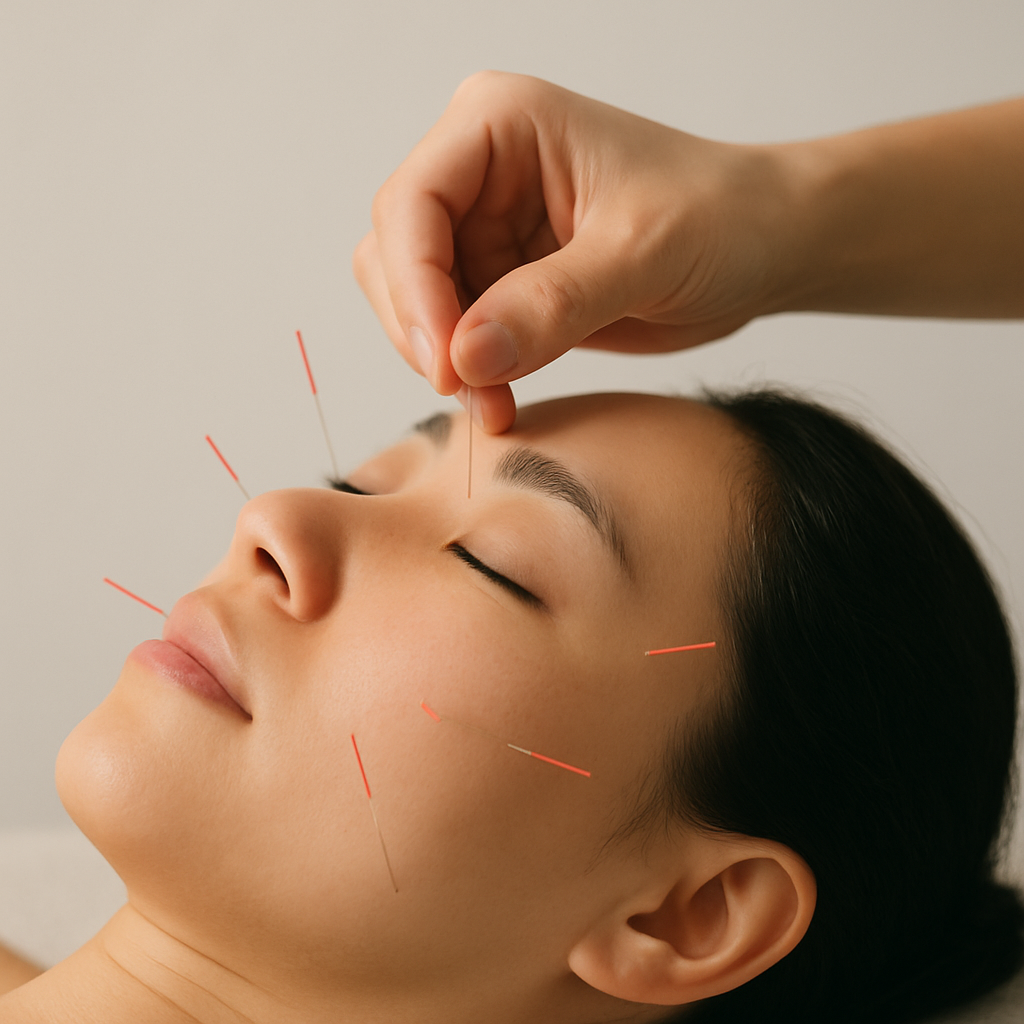
- Therapeutic Practices: Additional techniques may include acupuncture, moxibustion, and meditation to enhance the body's natural healing processes.
- Follow-Up: Regular follow-up sessions are often encouraged to monitor progress and adjust recommendations as necessary.
What It Is Traditionally Explored For
Preventive Medicine in Korean Traditional Medicine is traditionally explored for various purposes, including:
- Enhancing overall vitality and energy levels
- Strengthening the immune system
- Promoting mental clarity and emotional balance
- Addressing specific lifestyle-related health concerns
- Aiding in the management of chronic conditions
While these practices are not diagnostic, they aim to support individuals in achieving optimal health and preventing illness.
What Modern Research Suggests
Recent studies have begun to explore the efficacy of preventive approaches in Korean Traditional Medicine, highlighting their potential benefits. Preliminary research indicates that certain herbal formulations and lifestyle interventions may improve immune function and reduce the incidence of chronic diseases. For instance, some studies have suggested that specific herbal remedies traditionally used in Korean medicine can have anti-inflammatory and antioxidant properties.
However, it is essential to approach these findings with caution, as much of the research is still in its early stages. While there is a growing body of evidence supporting the principles of Preventive Medicine in Korean Traditional Medicine, further clinical trials are necessary to establish definitive conclusions and guidelines.
Safety, Contraindications & Who Should Skip
While Preventive Medicine practices are generally considered safe, individuals should exercise caution in the following circumstances:
- Those with pre-existing medical conditions should consult a healthcare professional before beginning any new health regimen.
- Pregnant or breastfeeding individuals should seek guidance from qualified practitioners to ensure safety for both mother and child.
- People undergoing conventional medical treatments should discuss any complementary approaches with their healthcare providers to avoid potential interactions.
Pairs Well With (within Korean Traditional Medicine and across pillars)
Preventive Medicine complements several other modalities within Korean Traditional Medicine, including:
- Acupuncture
- Herbal Medicine
- Qigong and Tai Chi
- Moxibustion
- Cupping Therapy
Additionally, it can be paired with practices from other health frameworks, such as yoga and mindfulness meditation.
How to Find a Qualified Practitioner
When seeking a qualified practitioner in Preventive Medicine within Korean Traditional Medicine, consider the following steps:
- Look for licensed practitioners who have completed formal training in Korean Traditional Medicine.
- Check for certifications from recognized organizations to ensure they meet educational and ethical standards.
- Ask for referrals from trusted healthcare providers or individuals who have experience with Korean Traditional Medicine.
- Read reviews and testimonials to gauge the practitioner's reputation and effectiveness.
FAQs (5)
- What is Preventive Medicine? Preventive Medicine focuses on maintaining health and preventing disease rather than treating existing conditions.
- How does Korean Traditional Medicine approach prevention? It emphasizes holistic practices, including lifestyle changes, dietary adjustments, and herbal remedies.
- Is Preventive Medicine safe for everyone? Generally safe, but individuals with specific health conditions should consult healthcare professionals before starting.
- What are some common practices in Preventive Medicine? Common practices include acupuncture, herbal medicine, dietary recommendations, and lifestyle modifications.
- Where can I find a qualified practitioner? Look for licensed practitioners with formal training and certifications in Korean Traditional Medicine.
Frequently asked
What is Preventive Medicine?
Preventive Medicine focuses on maintaining health and preventing disease rather than treating existing conditions.
How does Korean Traditional Medicine approach prevention?
It emphasizes holistic practices, including lifestyle changes, dietary adjustments, and herbal remedies.
Is Preventive Medicine safe for everyone?
Generally safe, but individuals with specific health conditions should consult healthcare professionals before starting.
What are some common practices in Preventive Medicine?
Common practices include acupuncture, herbal medicine, dietary recommendations, and lifestyle modifications.
Where can I find a qualified practitioner?
Look for licensed practitioners with formal training and certifications in Korean Traditional Medicine.