Sasang Medicine
Explore Sasang Medicine, a distinctive approach in Korean Traditional Medicine that focuses on individual constitution types for personalized health and wellness.
Sasang Medicine is a unique system within Korean Traditional Medicine that emphasizes individual constitution types to guide health and wellness practices. It offers a holistic approach to balance and harmony in the body, relying on ancient wisdom and personalized care. This page explores its definition, historical context, practices, traditional uses, research findings, safety considerations, and how to find qualified practitioners.
What It Is
Sasang Medicine is a traditional healing system that categorizes individuals into four distinct constitutional types: Tae-eum, So-eum, Yeon-eum, and Seo-eum. Each type reflects unique physical, psychological, and emotional characteristics, guiding practitioners in creating personalized health and wellness plans. This method emphasizes understanding one’s constitution for achieving balance and optimal health.
The foundation of Sasang Medicine lies in the belief that each constitution influences not only physical attributes but also susceptibility to certain health conditions. By recognizing these patterns, practitioners can tailor dietary recommendations, herbal treatments, and lifestyle adjustments, ultimately promoting holistic well-being.
Historical Context Within Korean Traditional Medicine
Sasang Medicine emerged during the late 19th century, developed by the renowned scholar Lee Je-ma, who integrated ideas from traditional Chinese medicine with his observations of Korean people’s diverse constitutions. This innovative approach provided a framework for understanding health as it relates to innate body types, setting it apart from other modalities within Korean Traditional Medicine.
The system gained recognition and respect over the years, becoming a vital part of Korean medical practice. Its principles continue to be taught and practiced today, reflecting its enduring relevance in the quest for personalized healthcare.
How It's Practiced
Practicing Sasang Medicine involves a comprehensive assessment of an individual's constitution. Here is a general walkthrough of the process:
- Initial Consultation: The practitioner conducts a thorough interview, discussing medical history, lifestyle, and emotional well-being.
- Constitutional Diagnosis: Through observation and questioning, the practitioner determines the individual's constitutional type.
- Personalized Treatment Plan: Based on the constitutional diagnosis, a tailored plan is created. This may include:
- Dietary recommendations
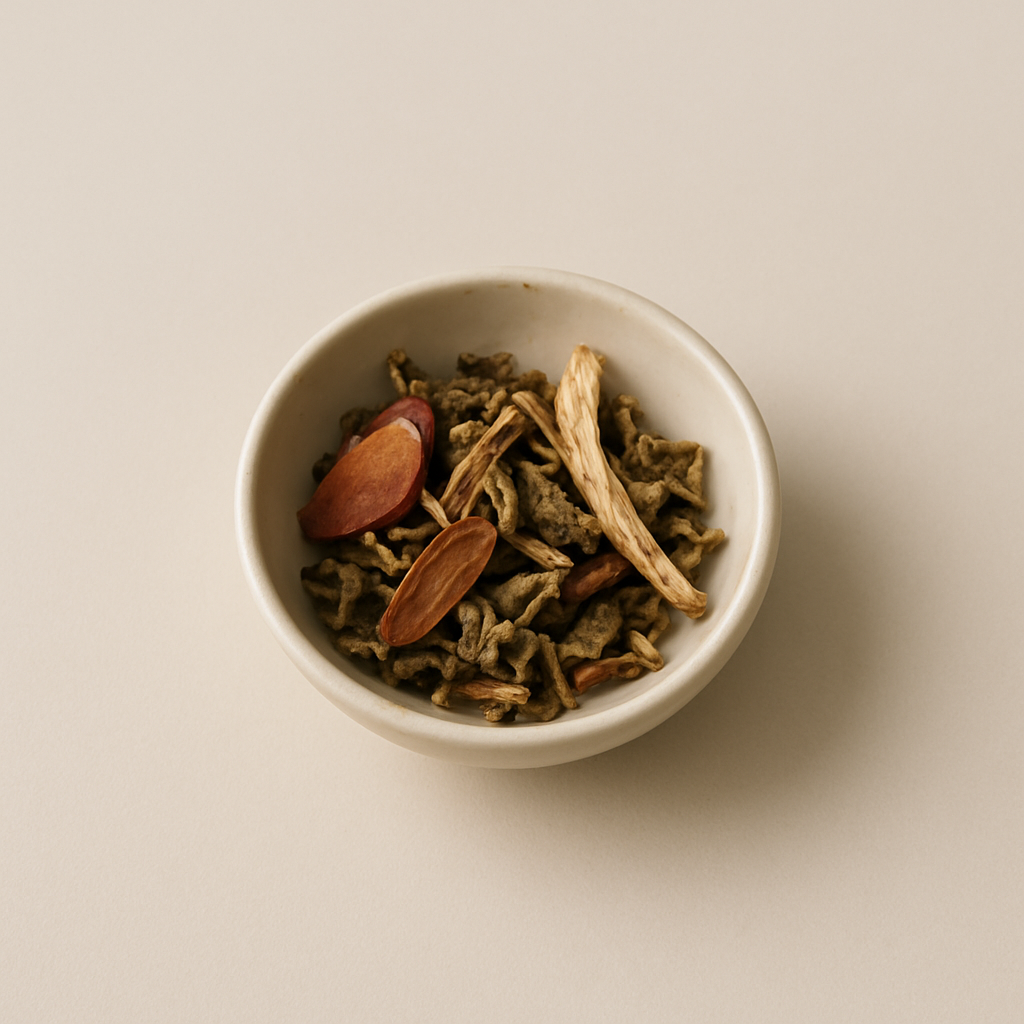
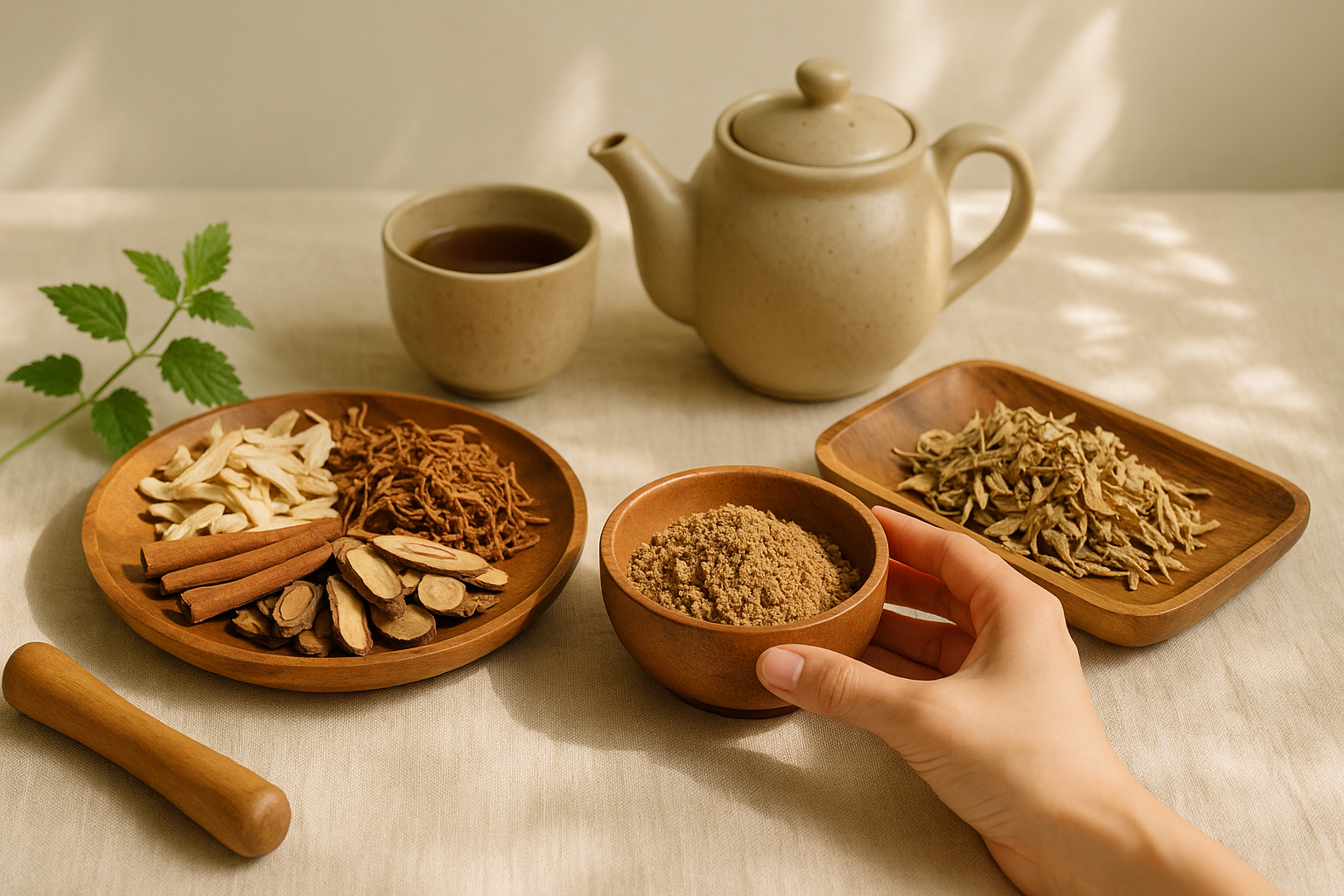
- Herbal remedies
- Lifestyle modifications
- Mindfulness practices
- Follow-Up Sessions: Regular check-ins are scheduled to monitor progress and adjust the treatment plan as needed.
What It Is Traditionally Explored For
Sasang Medicine has been traditionally used for various health concerns, focusing on restoring balance and harmony within the body. Practitioners may explore it for:
- Digestive issues
- Respiratory problems
- Chronic fatigue
- Emotional disorders
- Skin conditions
The goal is to address the root cause of symptoms rather than merely alleviating them, aiming for long-term health and wellness.
What Modern Research Suggests
Recent studies on Sasang Medicine have begun to explore its efficacy and underlying mechanisms. Preliminary research indicates that personalized treatment approaches, such as those found in Sasang Medicine, may positively influence health outcomes in various populations. Some studies suggest that individuals receiving constitutionally tailored treatments experience improved quality of life and symptom relief.
However, while the emerging body of research is promising, more comprehensive clinical trials are necessary to validate these findings and understand the full potential of Sasang Medicine in contemporary healthcare. The integration of traditional practices with modern science may offer a more holistic approach to health.
Safety, Contraindications & Who Should Skip
While Sasang Medicine is generally considered safe when practiced by qualified practitioners, there are some considerations to keep in mind:
- Individuals with specific medical conditions should consult with their healthcare provider before beginning any new treatment.
- Pregnant or breastfeeding women should approach herbal treatments with caution and consult a practitioner experienced in maternal health.
- Those who have allergies to certain herbs or foods should inform their practitioner to avoid adverse reactions.
Overall, it is advised to seek guidance from a qualified practitioner to ensure a safe and effective experience.
Pairs Well With (within Korean Traditional Medicine and across pillars)
Sasang Medicine can complement various modalities and ingredients within Korean Traditional Medicine, such as:
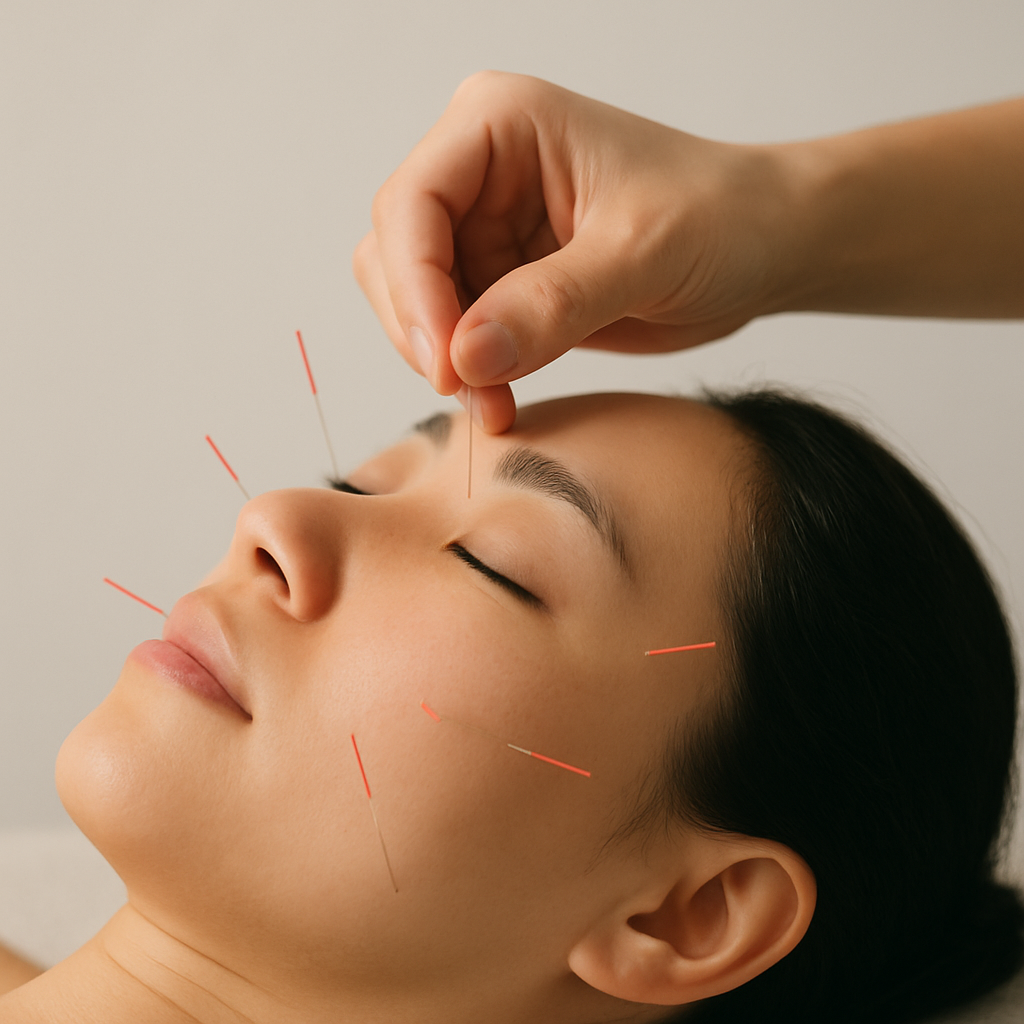
- Acupuncture
- Herbal Medicine
- Moxibustion
- Qi Gong
- Mindfulness and meditation practices
These approaches can enhance the overall effectiveness of Sasang Medicine by addressing different aspects of health and well-being.
How to Find a Qualified Practitioner
Finding a qualified Sasang Medicine practitioner involves several steps:
- Research local practitioners who specialize in Korean Traditional Medicine.
- Check their credentials and experience in Sasang Medicine specifically.
- Seek recommendations from friends or family who have had positive experiences.
- Schedule an initial consultation to discuss your health concerns and assess if the practitioner’s approach aligns with your needs.
Taking these steps can help ensure that you find a knowledgeable practitioner who can guide you effectively on your health journey.
FAQs (5)
What are the four constitutional types in Sasang Medicine?
The four constitutional types are Tae-eum, So-eum, Yeon-eum, and Seo-eum, each representing different physical and emotional characteristics.
How do I know my constitutional type?
A qualified practitioner can assess your constitution through a comprehensive evaluation, including interviews and observations.
Can Sasang Medicine be used alongside Western medicine?
Yes, many individuals successfully integrate Sasang Medicine with Western medical treatments under the guidance of their healthcare providers.
Is Sasang Medicine safe for everyone?
While generally safe, individuals with specific health conditions or concerns should consult a healthcare professional before starting treatment.
How long does it take to see results from Sasang Medicine?
The timeframe for seeing results varies by individual and health condition, but practitioners typically recommend ongoing treatment for optimal benefits.
Frequently asked
What are the four constitutional types in Sasang Medicine?
The four constitutional types are Tae-eum, So-eum, Yeon-eum, and Seo-eum, each representing different physical and emotional characteristics.
How do I know my constitutional type?
A qualified practitioner can assess your constitution through a comprehensive evaluation, including interviews and observations.
Can Sasang Medicine be used alongside Western medicine?
Yes, many individuals successfully integrate Sasang Medicine with Western medical treatments under the guidance of their healthcare providers.
Is Sasang Medicine safe for everyone?
While generally safe, individuals with specific health conditions or concerns should consult a healthcare professional before starting treatment.
How long does it take to see results from Sasang Medicine?
The timeframe for seeing results varies by individual and health condition, but practitioners typically recommend ongoing treatment for optimal benefits.