AlternativeMed

Constitutional Therapy

Delve into Constitutional Therapy, a cornerstone of Korean Traditional Medicine, with insights into its practices, traditional uses, and modern research.
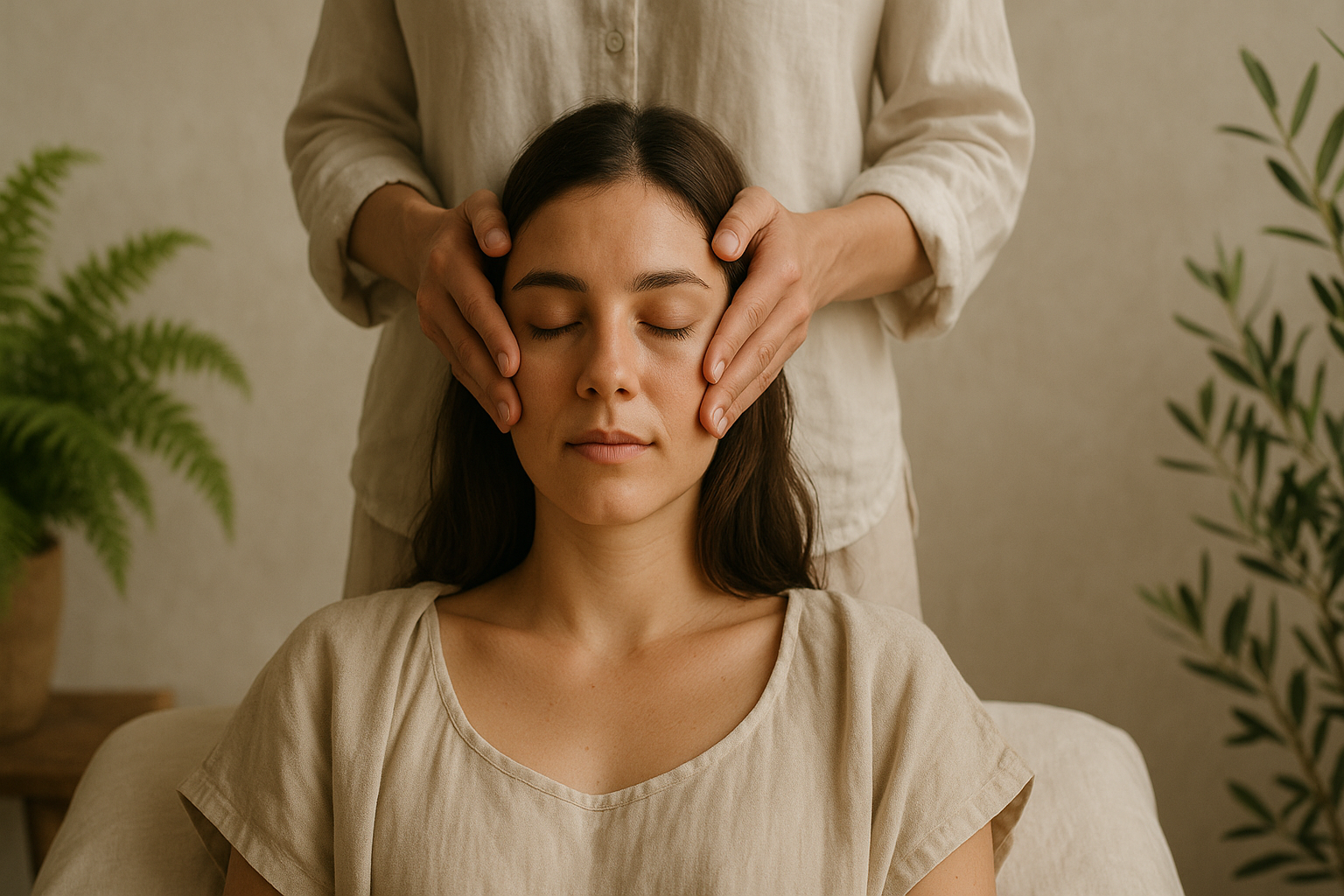
Constitutional Therapy

Explore the ancient wisdom of Constitutional Therapy, a unique practice within Korean Traditional Medicine. This page provides insights into its definition, historical context, practical applications, and safety considerations.

What It Is

Constitutional Therapy is a holistic approach within Korean Traditional Medicine that emphasizes the balance of body, mind, and spirit by understanding an individual's unique constitution. This practice recognizes that each person has distinct physical, emotional, and mental traits that influence their health and well-being. By identifying these constitutional types, practitioners aim to tailor treatments that align with the specific needs of the individual.

The principles of Constitutional Therapy are rooted in the belief that maintaining harmony within one's constitution can prevent illness and promote longevity. Treatments may include herbal remedies, dietary recommendations, acupuncture, and lifestyle adjustments, all designed to support the body’s natural healing processes.

Historical Context Within Korean Traditional Medicine

Constitutional Therapy emerged as a vital component of Korean Traditional Medicine, with roots tracing back to ancient Korea's holistic health practices. It was developed over centuries, influenced by various philosophies, including Confucianism and Taoism, which emphasize balance and harmony in health.

Notably, the work of prominent scholars and physicians in the Joseon Dynasty, such as Heo Jun, played a crucial role in formalizing these concepts. Heo Jun's seminal text, "Dongui Bogam," laid the groundwork for understanding the principles of constitutional types and their significance in diagnosing and treating illnesses.

How It's Practiced

Practitioners of Constitutional Therapy typically follow a structured approach when working with clients. Here is a walk-through of the process:

  • Initial Consultation: The practitioner conducts a thorough assessment, including a detailed health history and lifestyle evaluation.
  • Constitutional Assessment: Various methods, such as pulse diagnosis, tongue examination, and observation of physical characteristics, are used to determine the individual's constitutional type.
  • Personalized Treatment Plan: Based on the assessment, a tailored plan is created. This may include:
    • Herbal formulas
    • Dietary guidelines
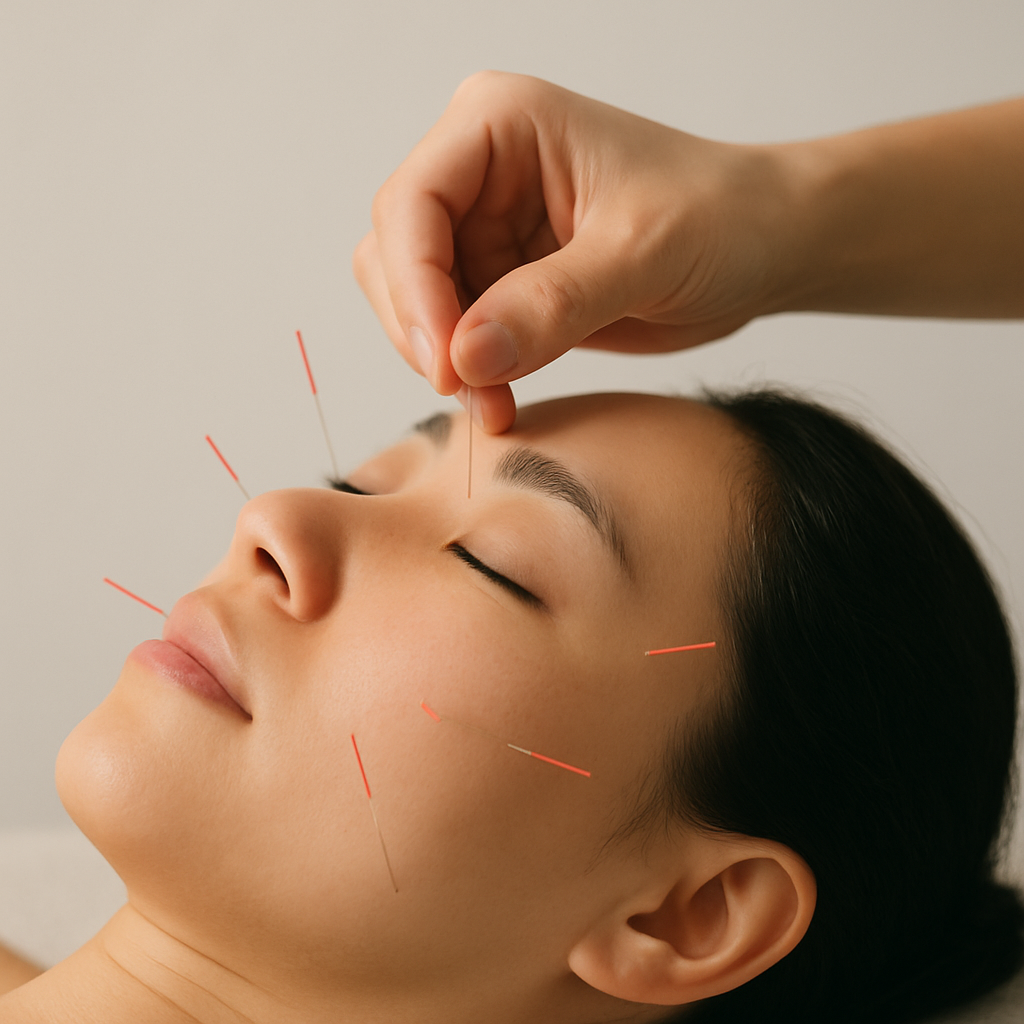
    • Acupuncture
    • Qi Gong or Tai Chi exercises
    • Lifestyle modifications
  • Follow-Up Sessions: Regular follow-ups are scheduled to monitor progress and make necessary adjustments to the treatment plan.

What It Is Traditionally Explored For

Constitutional Therapy is traditionally explored for a variety of health concerns, including:

  • Digestive issues
  • Chronic fatigue
  • Stress management
  • Allergies and respiratory conditions
  • Skin disorders

Practitioners aim to support patients in achieving balance and harmony, targeting not only physical symptoms but also emotional and psychological well-being.

What Modern Research Suggests

While research on Constitutional Therapy is still developing, preliminary studies suggest that the principles underlying this approach may have a positive impact on health outcomes. Some studies indicate that individualized treatment plans, akin to those used in Constitutional Therapy, can enhance the effectiveness of interventions in managing chronic conditions.

Additionally, research in related fields, such as personalized medicine and integrative health, supports the idea that understanding individual differences can lead to better health management strategies. However, further clinical studies are necessary to validate these findings and explore the full potential of Constitutional Therapy within modern healthcare frameworks.

Safety, Contraindications & Who Should Skip

Constitutional Therapy is generally considered safe when practiced by qualified practitioners. However, it is essential for individuals with specific conditions or concerns to consult with their healthcare provider before engaging in this therapy. Contraindications may include:

  • Severe acute illnesses
  • Active infections
  • Certain mental health disorders without professional guidance
  • Pregnancy, unless supervised by a qualified practitioner

It is crucial for individuals to communicate openly about their health history and any ongoing treatments to ensure safe and effective care.

Pairs Well With (within Korean Traditional Medicine and across pillars)

Constitutional Therapy complements various modalities and practices in Korean Traditional Medicine and beyond. Some related practices include:

  • Acupuncture
  • Herbal Medicine
  • Dietary Therapy
  • Qi Gong
  • Moxibustion

These modalities can enhance the overall effectiveness of Constitutional Therapy by addressing multiple aspects of health and well-being.

How to Find a Qualified Practitioner

Finding a qualified practitioner in Constitutional Therapy involves several steps:

  • Research local practitioners who specialize in Korean Traditional Medicine.
  • Check for credentials and certifications in Constitutional Therapy.
  • Read reviews and testimonials from previous clients.
  • Schedule a consultation to discuss your health concerns and assess their approach.
  • Ensure they have experience in working with your specific health needs.

FAQs (5)

  • What is the main goal of Constitutional Therapy?
  • The primary goal is to restore balance and harmony based on an individual's unique constitution.
  • How long does a typical treatment plan last?
  • Treatment plans can vary widely, but many practitioners recommend a duration of several weeks to months.
  • Is Constitutional Therapy suitable for everyone?
  • While generally safe, it may not be suitable for individuals with specific health concerns; consulting a healthcare provider is advised.
  • What can I expect during a first visit?
  • You can expect a comprehensive assessment, discussion of your health history, and an initial treatment plan.
  • Can I combine Constitutional Therapy with other treatments?
  • Yes, many individuals combine it with other forms of treatment, but it's essential to inform all practitioners involved.

  • Frequently asked

    What is the main goal of Constitutional Therapy?

    The primary goal is to restore balance and harmony based on an individual's unique constitution.

    How long does a typical treatment plan last?

    Treatment plans can vary widely, but many practitioners recommend a duration of several weeks to months.

    Is Constitutional Therapy suitable for everyone?

    While generally safe, it may not be suitable for individuals with specific health concerns; consulting a healthcare provider is advised.

    What can I expect during a first visit?

    You can expect a comprehensive assessment, discussion of your health history, and an initial treatment plan.

    Can I combine Constitutional Therapy with other treatments?

    Yes, many individuals combine it with other forms of treatment, but it's essential to inform all practitioners involved.


    More from Korean Traditional Medicine

    Other Korean Traditional Medicine practices

    See all 15 →
    Circulatory Support
    Circulatory Support
    Discover the role of Circulatory Support in Korean Traditional Medicine, its historical context, traditional practices, and modern research insights.
    Digestive Therapy
    Digestive Therapy
    Explore the principles and practices of Digestive Therapy within Korean Traditional Medicine, its historical context, applications, and modern insights.
    Energy Balance
    Energy Balance
    Discover the principles of Energy Balance in Korean Traditional Medicine, its historical context, practical approaches, and health implications.
    Herbal Medicine
    Herbal Medicine
    Discover the role of Herbal Medicine in Korean Traditional Medicine, its historical roots, practical applications, and safety considerations.
    Immune Wellness
    Immune Wellness
    Discover Immune Wellness in Korean Traditional Medicine, a holistic approach to supporting the immune system through ancient wisdom and practices.
    Korean Acupuncture
    Korean Acupuncture
    Learn about Korean acupuncture, its historical roots, practices, and traditional uses within Korean traditional medicine.
    Korean Herbal Blends
    Korean Herbal Blends
    Delve into the world of Korean Herbal Blends, a significant aspect of Korean Traditional Medicine, focusing on historical context, practical applications, and modern research insights.
    Moxibustion
    Moxibustion
    Discover the art of moxibustion in Korean Traditional Medicine, its history, methods, and health benefits.
    Pain Therapy
    Pain Therapy
    Delve into Pain Therapy in Korean Traditional Medicine, its historical roots, practices, and modern perspectives.
    Preventive Medicine
    Preventive Medicine
    Discover the principles and practices of Preventive Medicine in Korean Traditional Medicine, including its historical context, modern research, and safety considerations.
    Sasang Medicine
    Sasang Medicine
    Explore Sasang Medicine, a distinctive approach in Korean Traditional Medicine that focuses on individual constitution types for personalized health and wellness.
    Stress Recovery
    Stress Recovery
    Discover the ancient practice of Stress Recovery in Korean Traditional Medicine, its historical significance, methods, and safety considerations.
    Traditional Diagnostics
    Traditional Diagnostics
    Discover Traditional Diagnostics in Korean Traditional Medicine, its historical context, practices, and safety considerations.
    Traditional Nutrition
    Traditional Nutrition
    Delve into Traditional Nutrition, a key aspect of Korean Traditional Medicine, emphasizing its historical roots, practice methods, and potential benefits.
    Explore the rest of Ancient Wisdom

    Other Ancient Wisdom traditions

    See all 15 →
    Aboriginal Medicine
    Aboriginal Medicine

    Explore the profound healing tradition of Aboriginal Medicine, its origins, core philosophies, and its relevance in modern wellness.

    African Traditional Medicine
    African Traditional Medicine

    Explore the rich traditions, philosophies, and practices of African Traditional Medicine, a healing system deeply rooted in the cultures of Africa.

    Amazonian Medicine
    Amazonian Medicine

    Explore the ancient healing tradition of Amazonian Medicine, its origins, core philosophy, and modalities, and how it intersects with modern wellness practices.

    Ancient Egyptian Medicine
    Ancient Egyptian Medicine

    Discover the ancient healing practices of Ancient Egyptian Medicine, exploring its origins, philosophy, diagnostic methods, and its relevance in modern wellness.

    Ancient Greek Medicine
    Ancient Greek Medicine

    Explore the ancient healing tradition of Ancient Greek Medicine, its origins, core philosophies, and its relevance in modern wellness.

    Ayurvedic Medicine
    Ayurvedic Medicine

    Discover the ancient healing tradition of Ayurvedic Medicine, its origins, core philosophy, diagnostic methods, and how it intersects with modern wellness.

    Kampo Medicine
    Kampo Medicine

    Explore the ancient healing tradition of Kampo Medicine, its origins, philosophy, diagnostic methods, and its relevance in modern wellness.

    Mayan Medicine
    Mayan Medicine

    Explore the ancient healing tradition of Mayan medicine, its origins, core philosophies, and how it addresses wellness through holistic approaches.

    Native American Medicine
    Native American Medicine

    Explore the profound healing tradition of Native American Medicine, its origins, core philosophies, and modern intersections with wellness.

    Persian Medicine
    Persian Medicine

    Explore the rich tradition of Persian Medicine, its origins, core philosophies, and modern-day practices.

    Polynesian Medicine
    Polynesian Medicine

    Explore the rich tradition of Polynesian Medicine, its origins, core philosophies, diagnostic methods, and how it intersects with modern wellness.

    Roman Medicine
    Roman Medicine

    Explore the ancient healing tradition of Roman Medicine, its origins, core philosophies, diagnostic methods, and how it intersects with modern wellness practices.

    Tibetan Medicine
    Tibetan Medicine

    Explore Tibetan Medicine, a holistic healing tradition that integrates Tibetan Buddhism with ancient herbal practices, focusing on the balance of body, mind, and spirit.

    Traditional Chinese Medicine
    Traditional Chinese Medicine

    Explore the holistic healing tradition of Traditional Chinese Medicine, its core philosophies, diagnostic methods, and its intersection with modern wellness practices.