Herbal Medicine
Discover the role of Herbal Medicine in Korean Traditional Medicine, its historical roots, practical applications, and safety considerations.
Explore the ancient wisdom of Herbal Medicine within Korean Traditional Medicine, its historical context, practices, and modern research insights.
What It Is
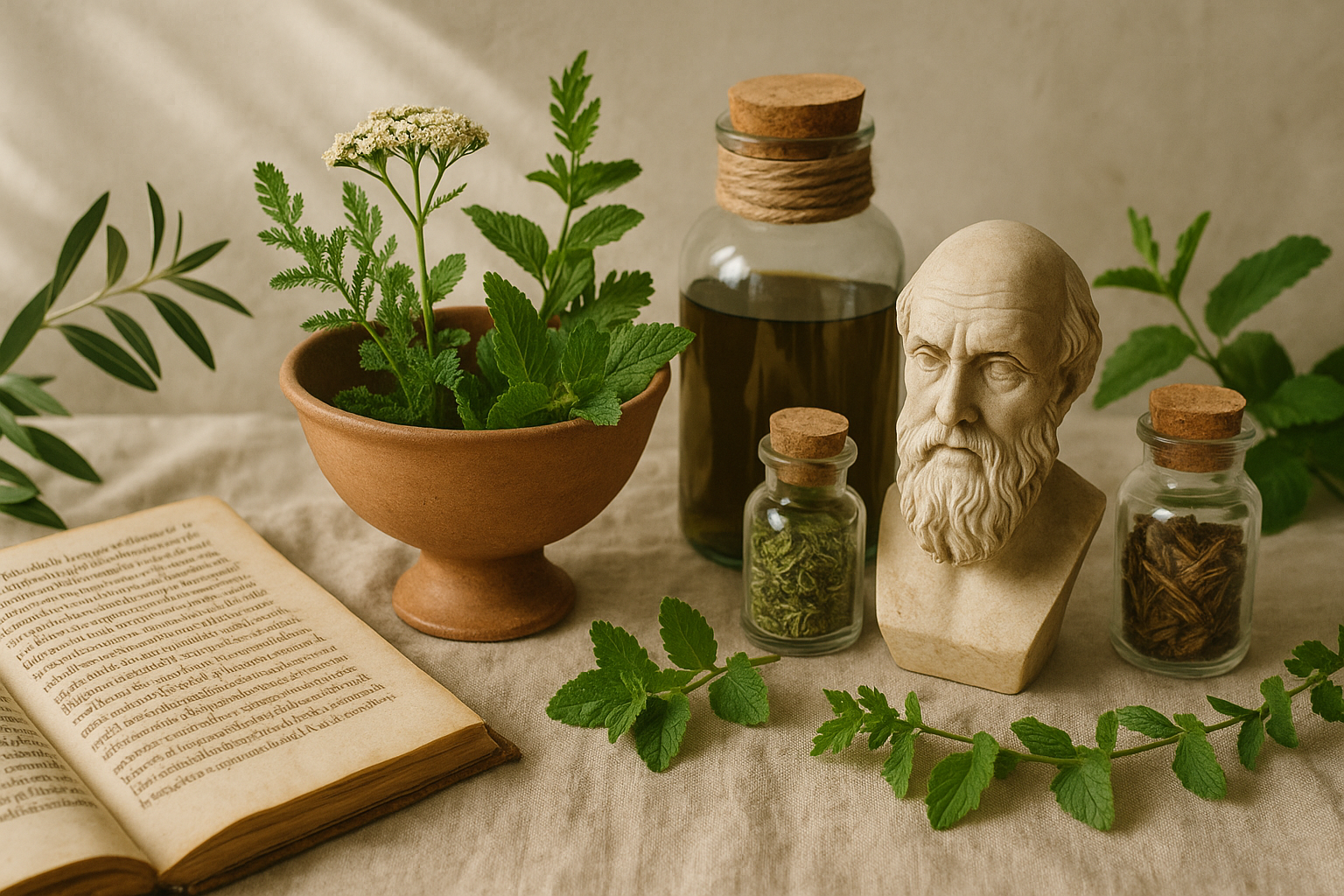
Herbal Medicine is a vital component of Korean Traditional Medicine (KTM), representing a holistic approach to health and wellness through the use of plant-based substances. This practice involves the preparation and administration of various herbs to promote balance and harmony in the body, mind, and spirit. It is rooted in the philosophy that each person has a unique constitution and that health is achieved through individualized treatment.
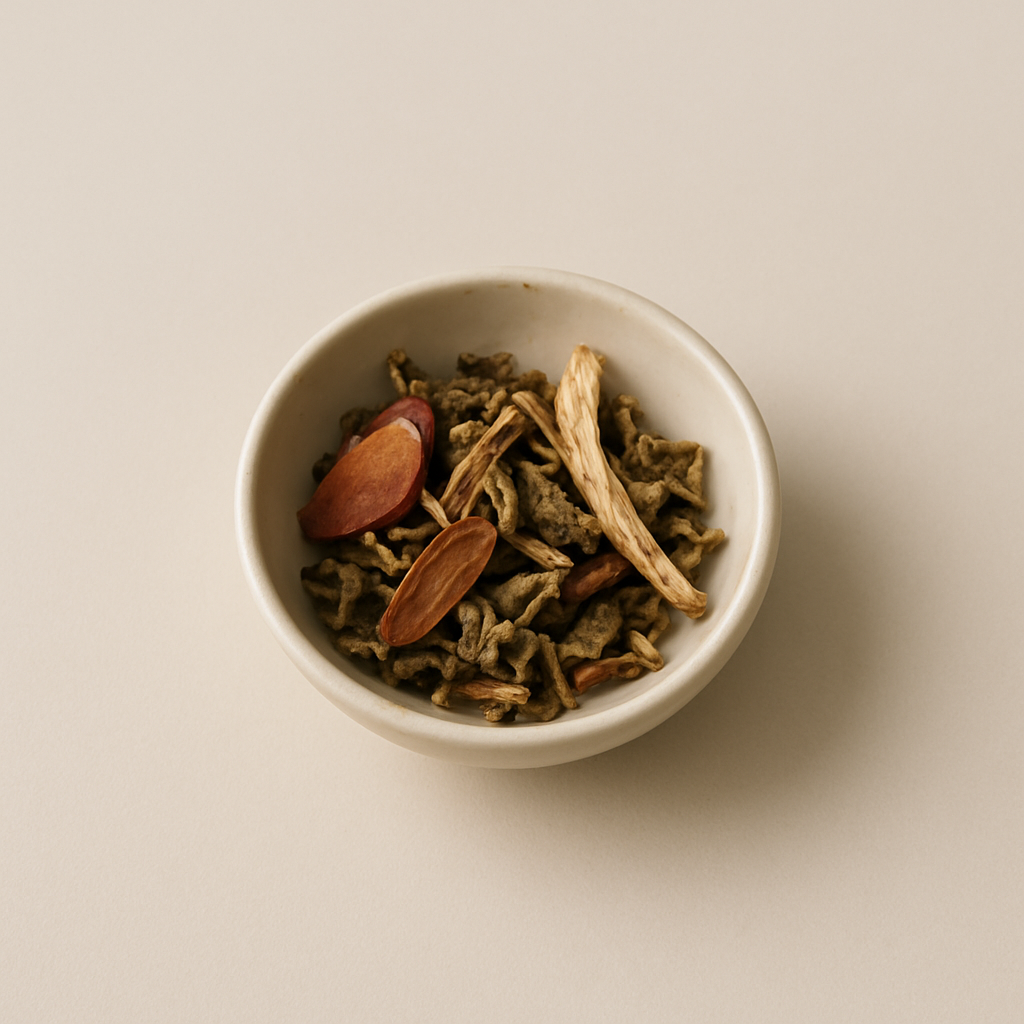
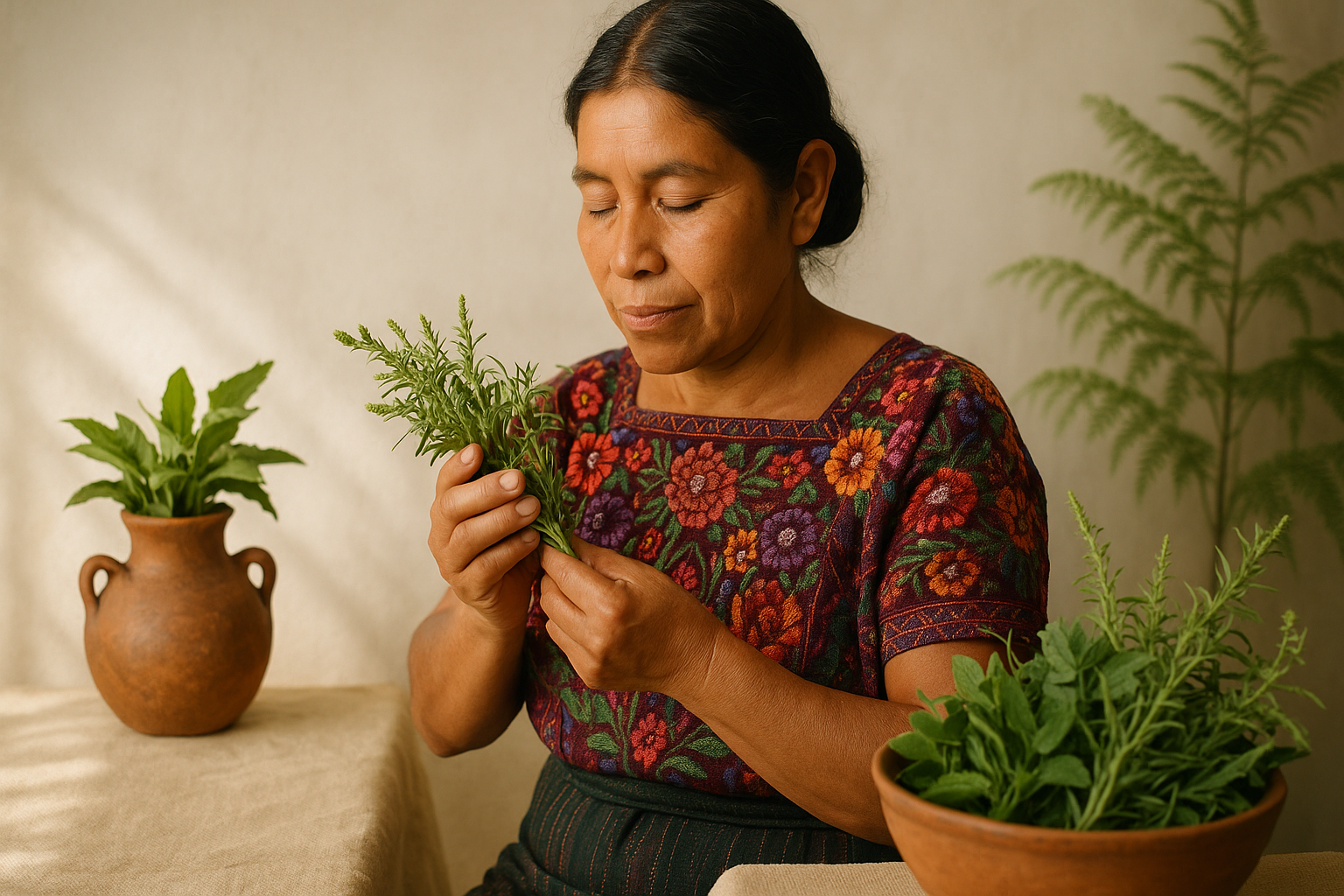
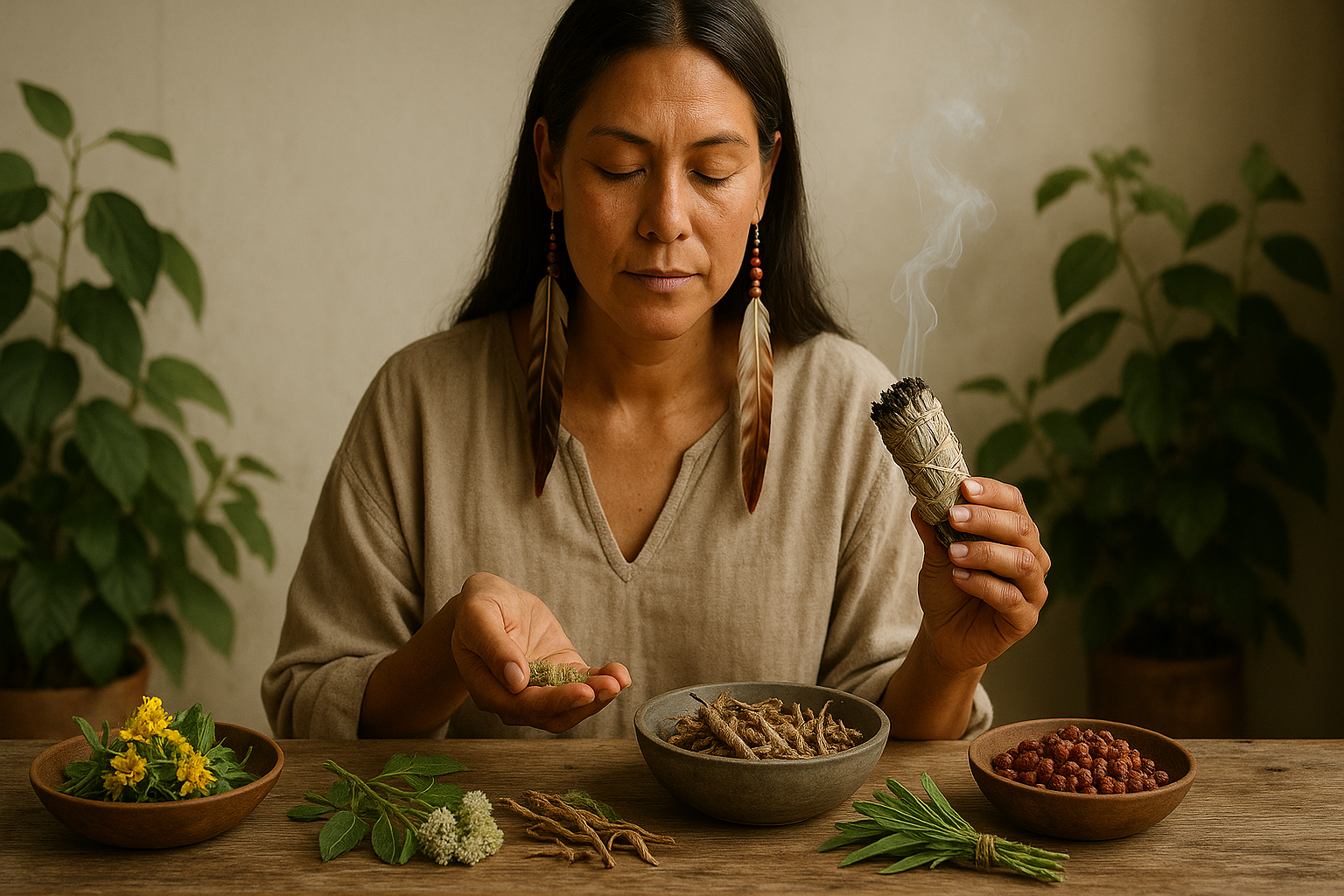
In Herbal Medicine, practitioners utilize a diverse array of plants, including roots, leaves, flowers, and seeds, each possessing distinct properties and benefits. The practice emphasizes the importance of understanding the energetic qualities of herbs, such as warming or cooling, and how they interact with the body’s own energies to restore balance.
Historical Context Within Korean Traditional Medicine
The origins of Herbal Medicine can be traced back thousands of years within the broader context of Korean Traditional Medicine, which has evolved through various influences, including ancient Chinese medical practices and indigenous healing traditions. Historical texts, such as the Donguibogam, compiled in the 16th century, serve as foundational resources, documenting the use of herbs in treating various ailments.
Notable figures in the development of Korean Herbal Medicine include Heo Jun, a prominent physician during the Joseon Dynasty, who contributed significantly to the practice through his writings and teachings. His work emphasized the importance of herbs in healing and laid the groundwork for future generations of practitioners.
How It's Practiced
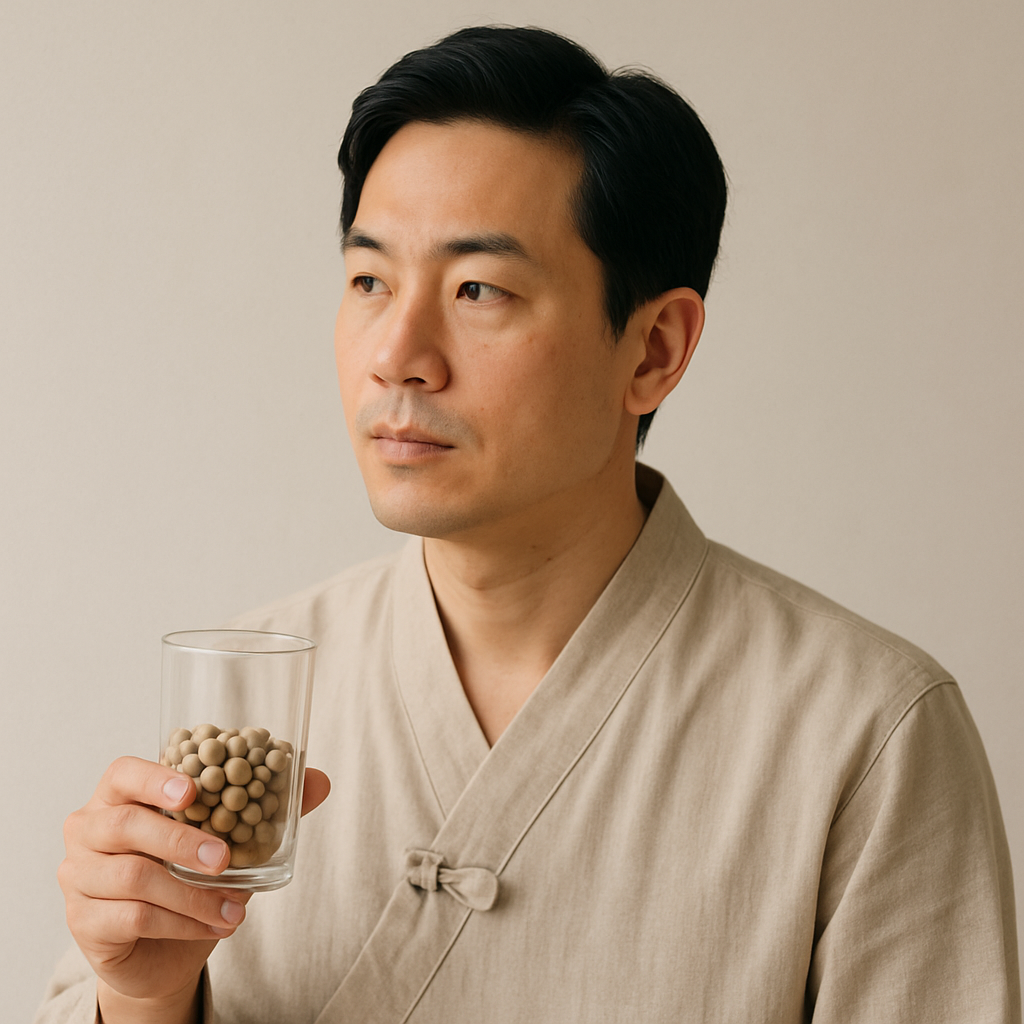
The practice of Herbal Medicine in Korea involves several steps, typically overseen by a trained practitioner. Here’s how it generally unfolds:
- Consultation: The practitioner conducts a thorough assessment of the patient's health history, lifestyle, and symptoms.
- Diagnosis: Using traditional diagnostic methods such as pulse and tongue examination, the practitioner identifies imbalances in the body.
- Herb Selection: Based on the diagnosis, specific herbs are chosen for their therapeutic properties.
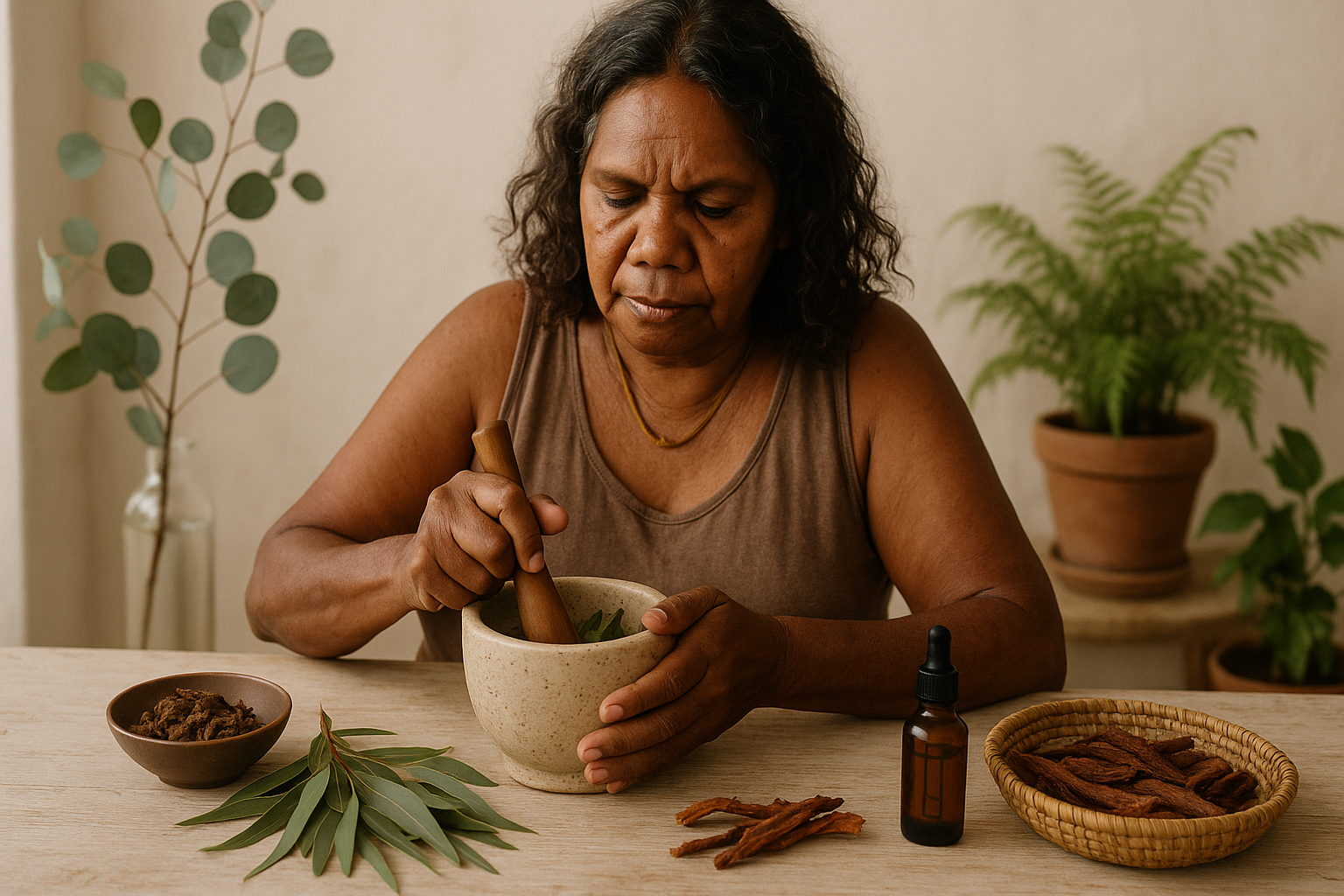
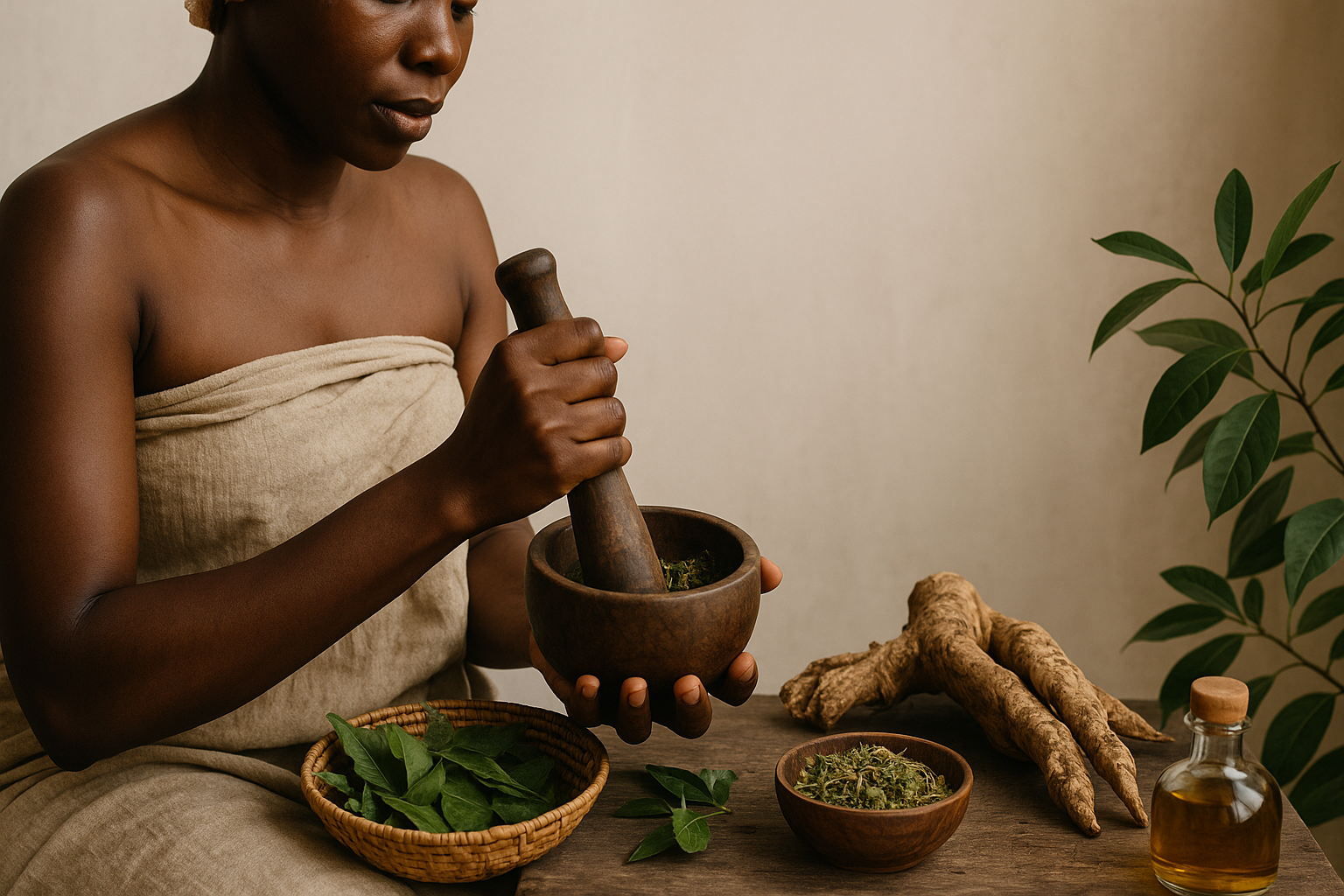
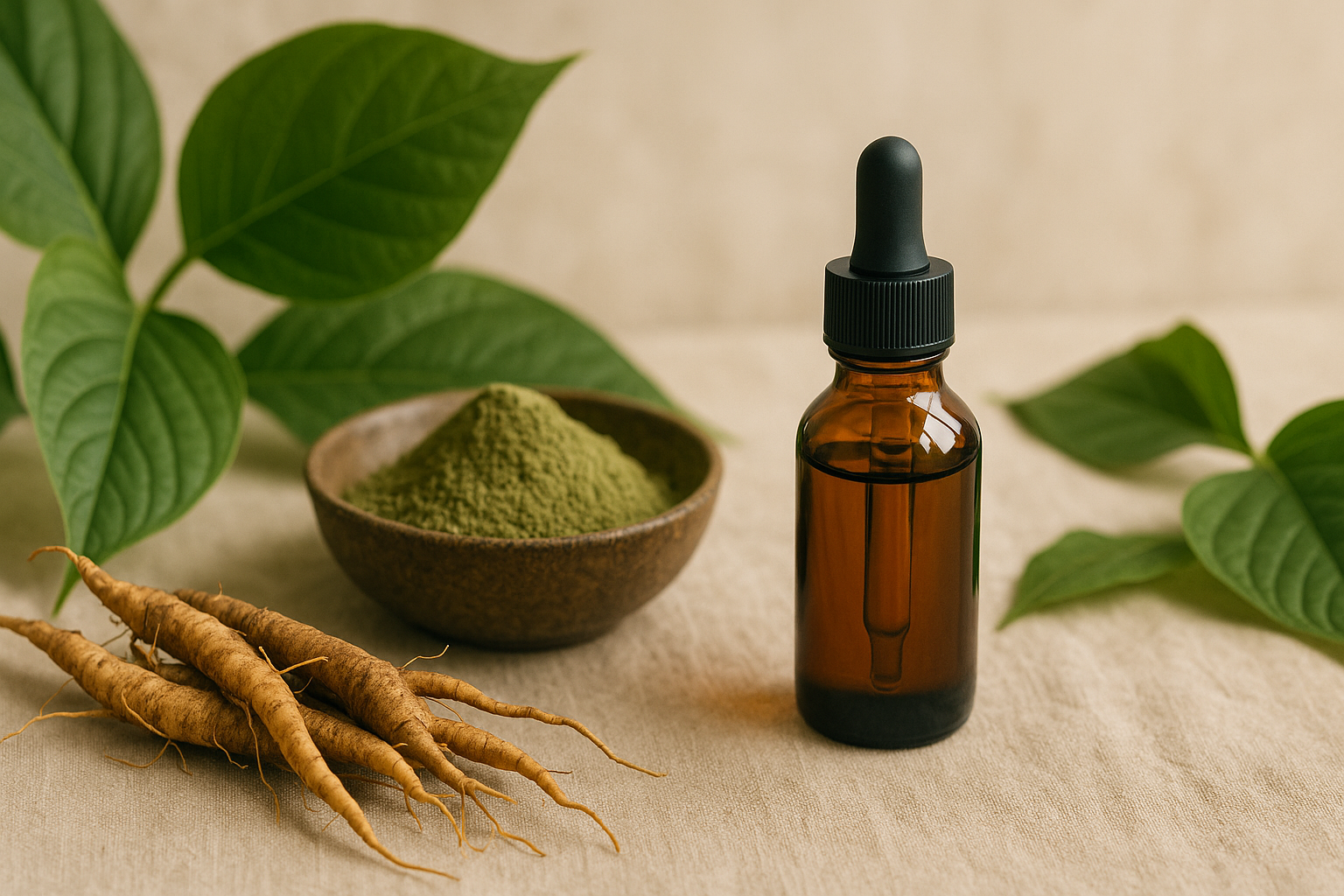
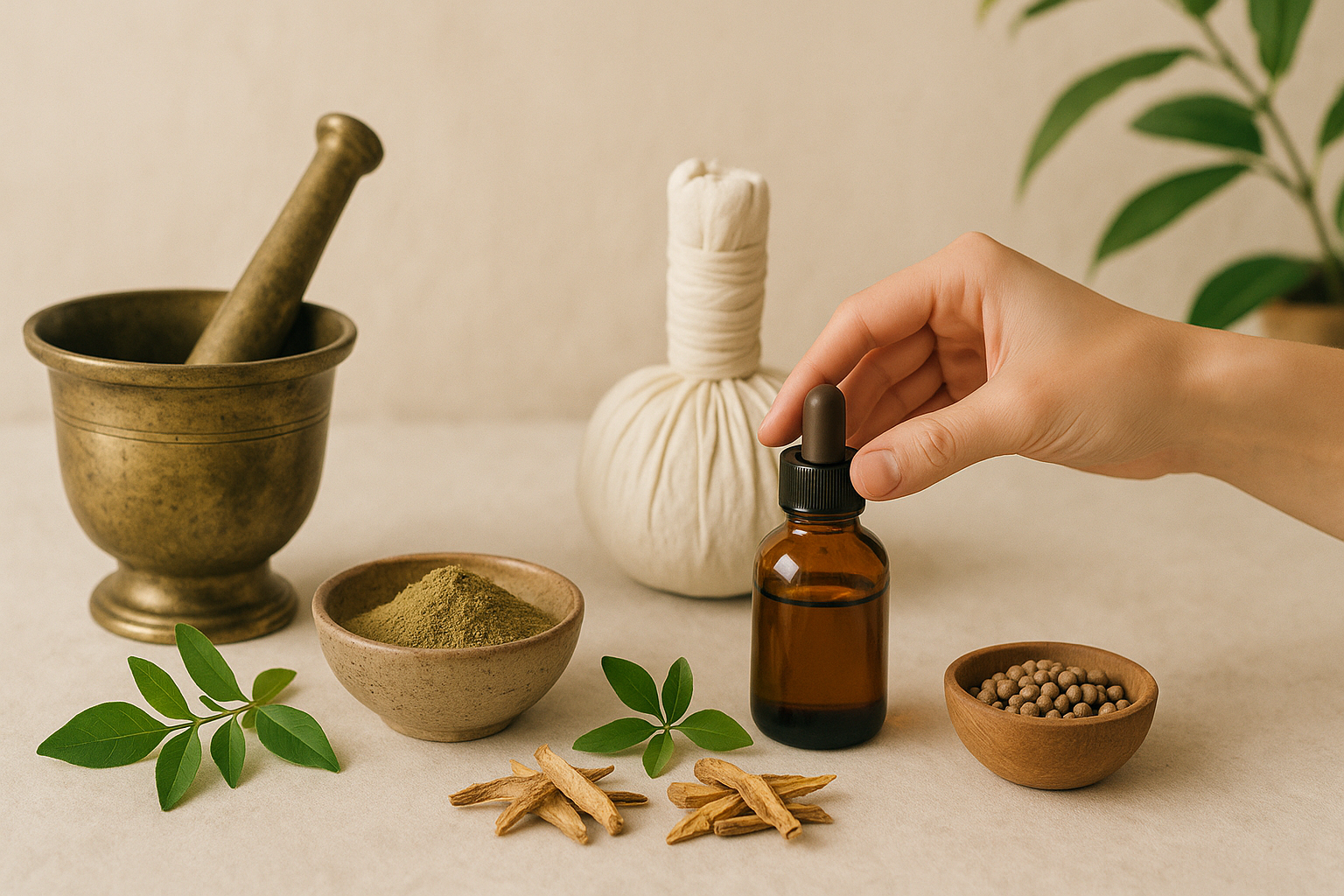
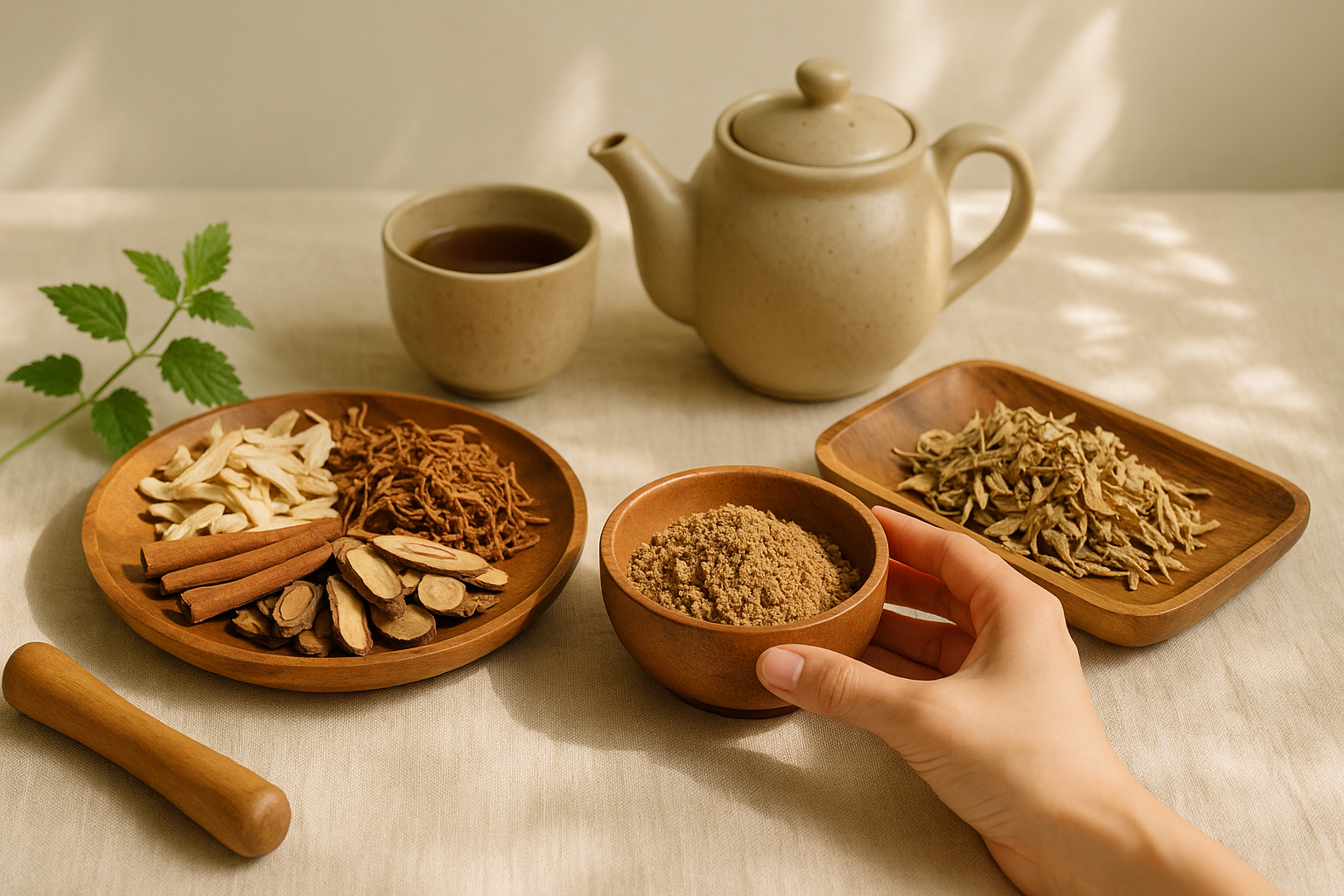
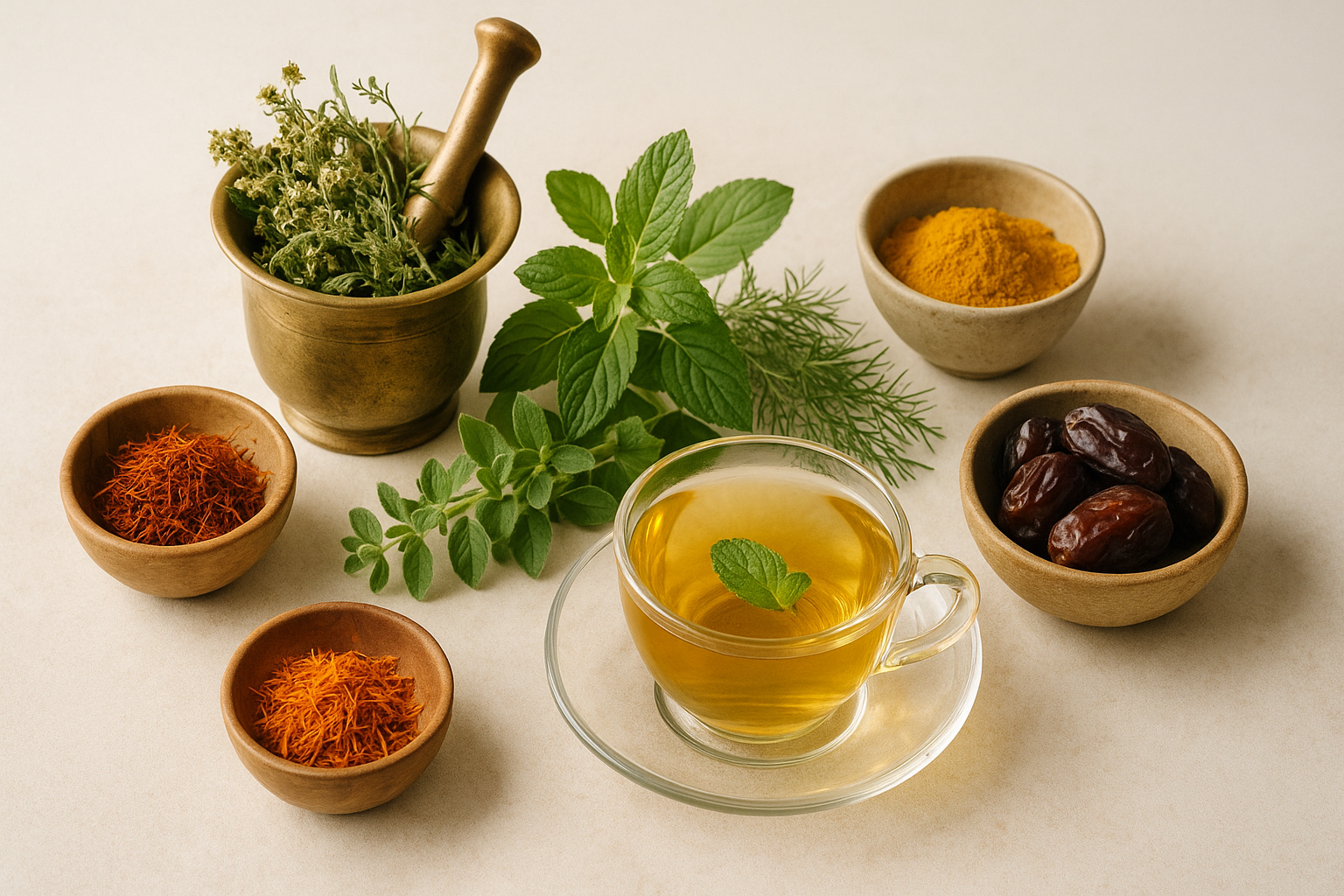
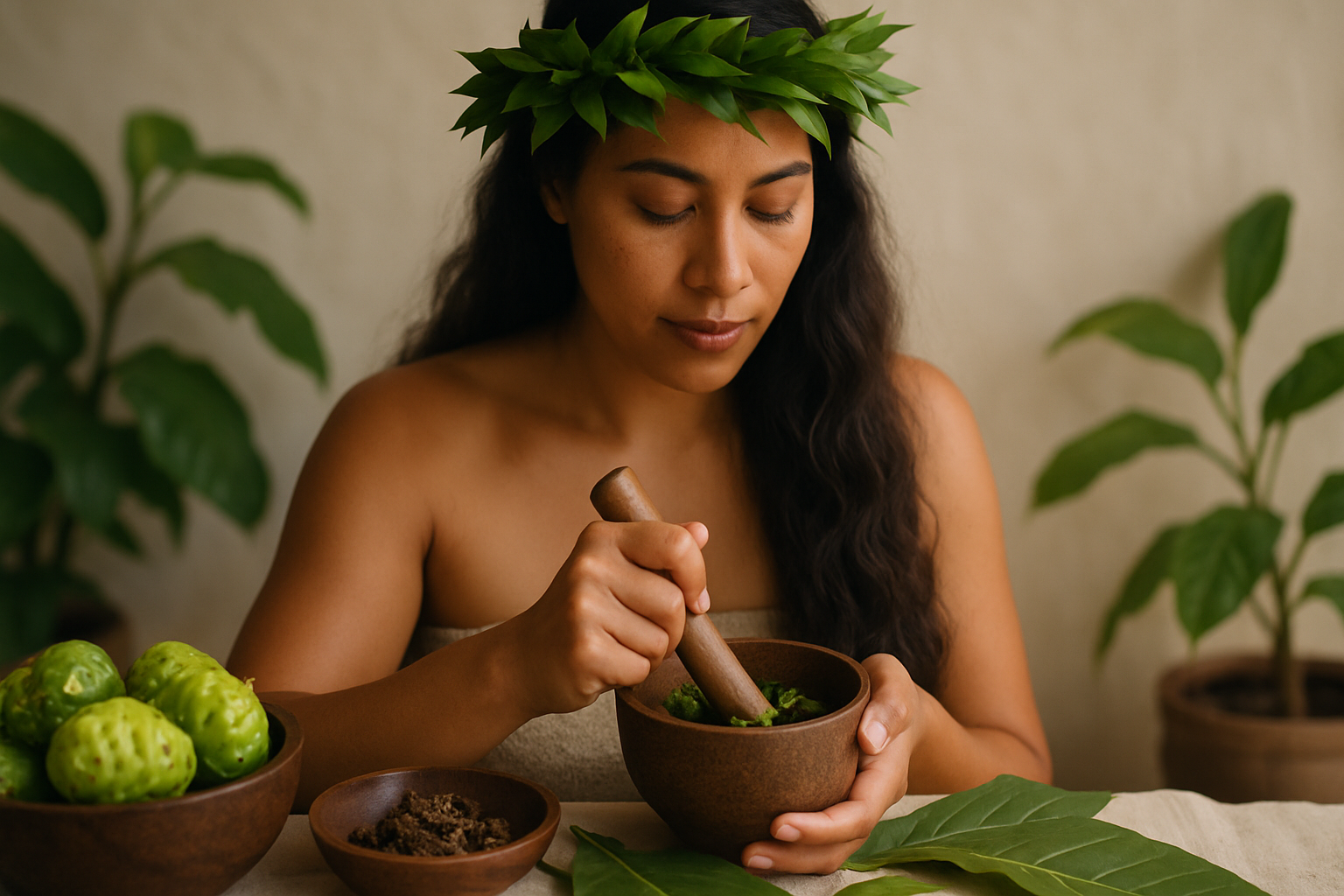
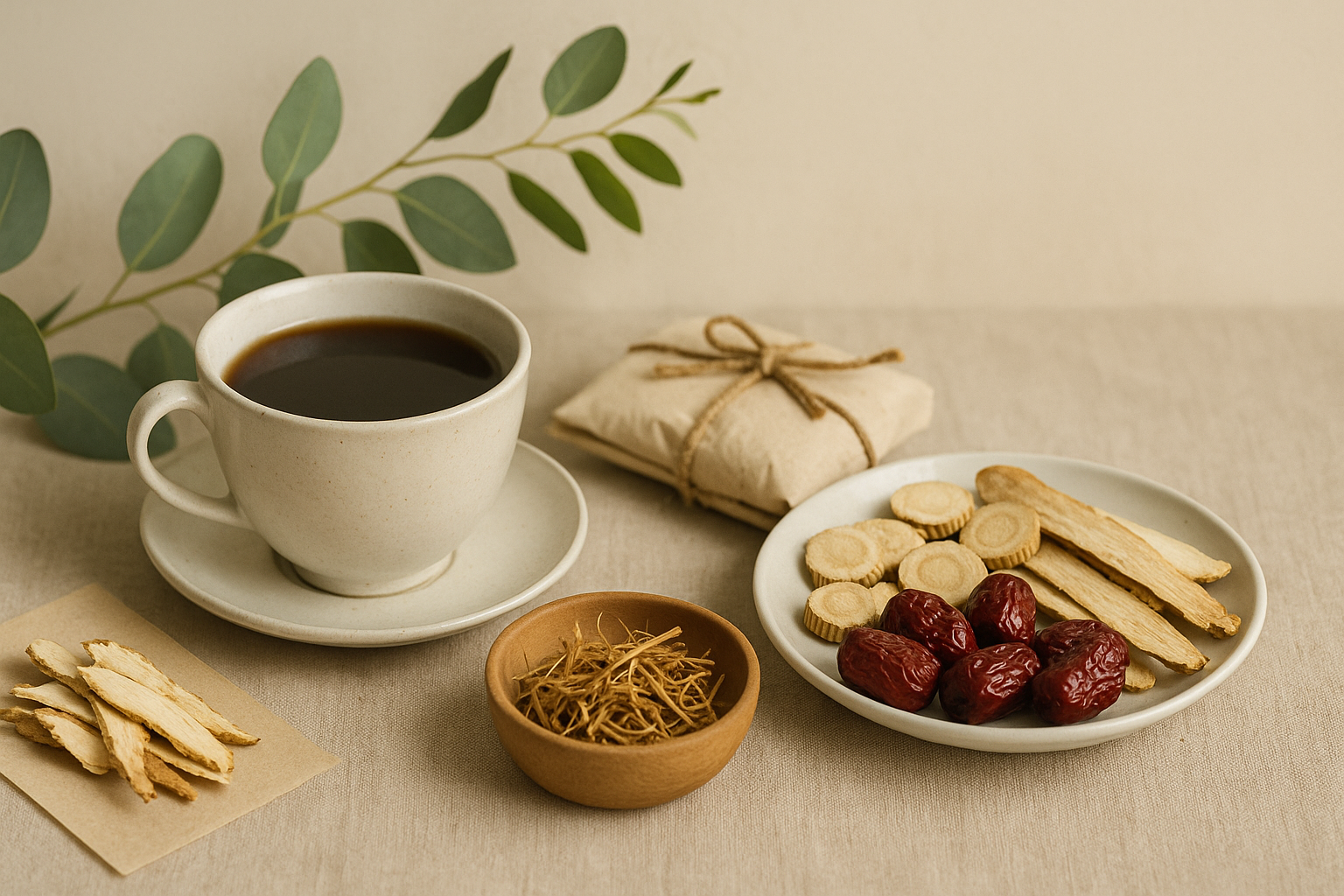
- Preparation: Herbs may be prescribed in various forms, including teas, tinctures, powders, or decoctions.
- Follow-Up: Regular follow-up appointments are scheduled to monitor progress and make any necessary adjustments to the herbal regimen.
What It Is Traditionally Explored For
Herbal Medicine is traditionally used for a wide range of health concerns. While individual results may vary, common goals of treatment include:
- Supporting digestive health
- Enhancing immune function
- Managing stress and anxiety
- Promoting overall vitality and energy
- Alleviating symptoms of chronic conditions
These applications are based on centuries of empirical knowledge and observation, reflecting the holistic philosophy of health inherent in Korean Traditional Medicine.
What Modern Research Suggests
Recent studies have begun to explore the efficacy of various herbs used in Korean Herbal Medicine. Preliminary research indicates that certain herbs may possess anti-inflammatory, antioxidant, and immune-modulating properties. For instance, ginseng, a popular herb in Korean medicine, has been the subject of numerous studies, suggesting potential benefits in reducing fatigue and enhancing cognitive function.
However, it is essential to note that while some findings are promising, more rigorous clinical trials are necessary to establish definitive conclusions regarding the efficacy and safety of these herbal treatments. The complexity of herbal formulations and individual responses to treatment further complicate the landscape of research in this field.
Safety, Contraindications & Who Should Skip
While many herbs are considered safe when used appropriately, it is crucial to approach Herbal Medicine with caution. Individuals who are pregnant, nursing, or taking medications should consult with a qualified practitioner before starting any herbal regimen. Additionally, certain herbs may interact with prescription medications or exacerbate existing health conditions.
Those with allergies to specific plants or herbs should also exercise caution. Always discuss any pre-existing health issues with your practitioner to ensure safe and effective use of herbal remedies.
Pairs Well With (within Korean Traditional Medicine and across pillars)
Herbal Medicine can complement various other practices within Korean Traditional Medicine and across different health pillars. Some modalities and ingredients that pair well include:
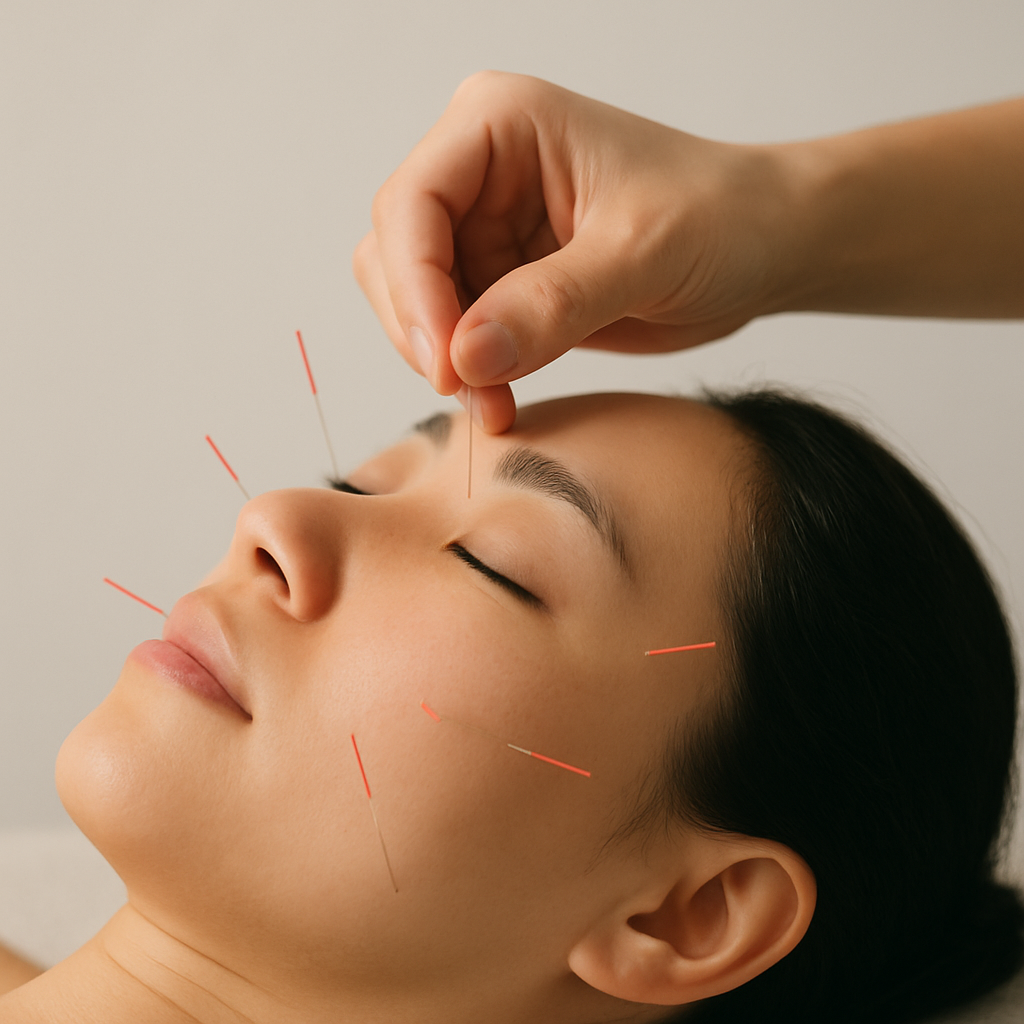
- Acupuncture
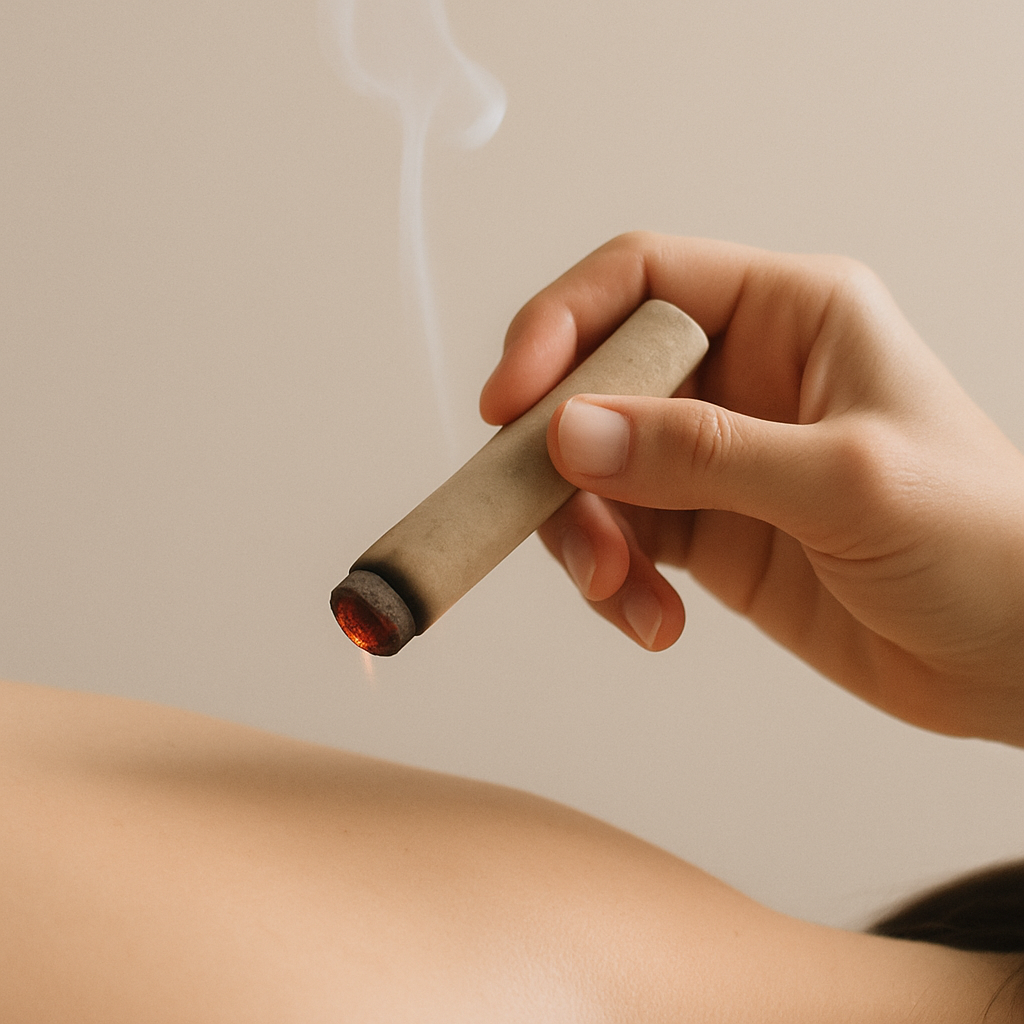
- Moxibustion
- Dietary therapy
- Qigong and Tai Chi
- Essential oils and aromatherapy
How to Find a Qualified Practitioner
To find a qualified practitioner of Herbal Medicine within the framework of Korean Traditional Medicine, consider the following steps:
- Search for licensed practitioners through reputable organizations or associations.
- Look for practitioners with formal training in Korean Traditional Medicine and herbal therapies.
- Read reviews and testimonials from previous clients.
- Schedule an initial consultation to discuss your health concerns and evaluate the practitioner's approach.
FAQs
What is Herbal Medicine?
Herbal Medicine refers to the practice of using plant-based substances to promote health and is traditionally explored for ailments.
Is Herbal Medicine safe?
While many herbs are safe, it is essential to consult with a qualified practitioner, especially if you have pre-existing health conditions or are taking medications.
How are herbal remedies prepared?
Herbal remedies can be prepared in various forms, including teas, tinctures, powders, or decoctions, depending on the herbs used and the desired effects.
What conditions can Herbal Medicine help with?
Herbal Medicine is traditionally used for digestive health, stress management, immune support, and more, though individual results may vary.
How do I find a qualified Herbal Medicine practitioner?
Look for licensed practitioners with formal training in Korean Traditional Medicine and read reviews before scheduling a consultation.
Frequently asked
What is Herbal Medicine?
Herbal Medicine refers to the practice of using plant-based substances to promote health and treat ailments.
Is Herbal Medicine safe?
While many herbs are safe, it is essential to consult with a qualified practitioner, especially if you have pre-existing health conditions or are taking medications.
How are herbal remedies prepared?
Herbal remedies can be prepared in various forms, including teas, tinctures, powders, or decoctions, depending on the herbs used and the desired effects.
What conditions can Herbal Medicine help with?
Herbal Medicine is traditionally used for digestive health, stress management, immune support, and more, though individual results may vary.
How do I find a qualified Herbal Medicine practitioner?
Look for licensed practitioners with formal training in Korean Traditional Medicine and read reviews before scheduling a consultation.