Moxibustion
Discover the art of moxibustion in Korean Traditional Medicine, its history, methods, and health benefits.
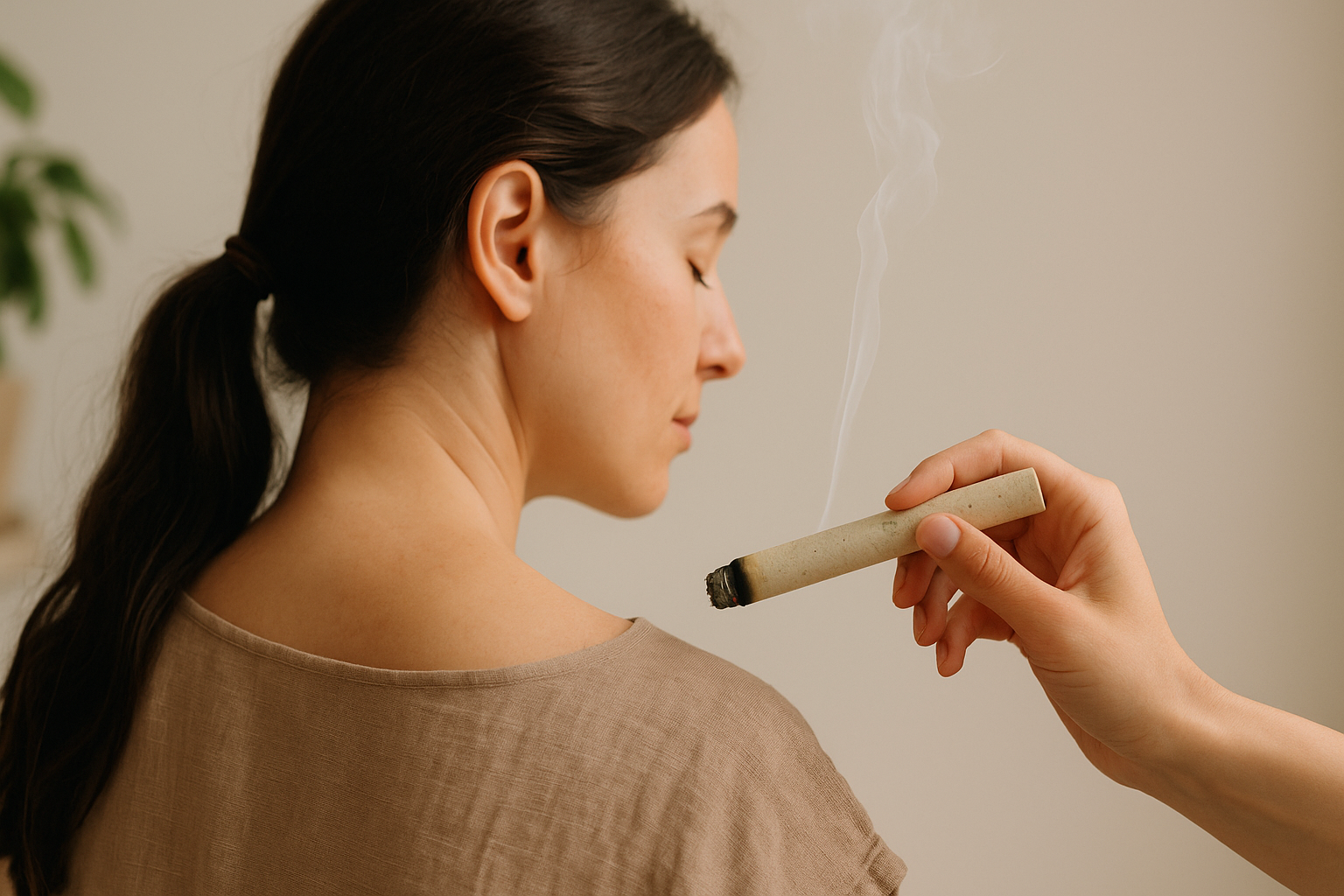
Explore the ancient practice of moxibustion within Korean Traditional Medicine, its historical roots, modern applications, and safety considerations.
What It Is
Moxibustion is a traditional therapeutic technique that involves the burning of moxa, a cone or stick made from dried mugwort, on or near specific acupuncture points on the body. This practice is believed to promote healing by warming the area and enhancing the flow of Qi (energy) throughout the body. The heat from the burning moxa is thought to penetrate deeper than just the skin, influencing the underlying tissues and organs.
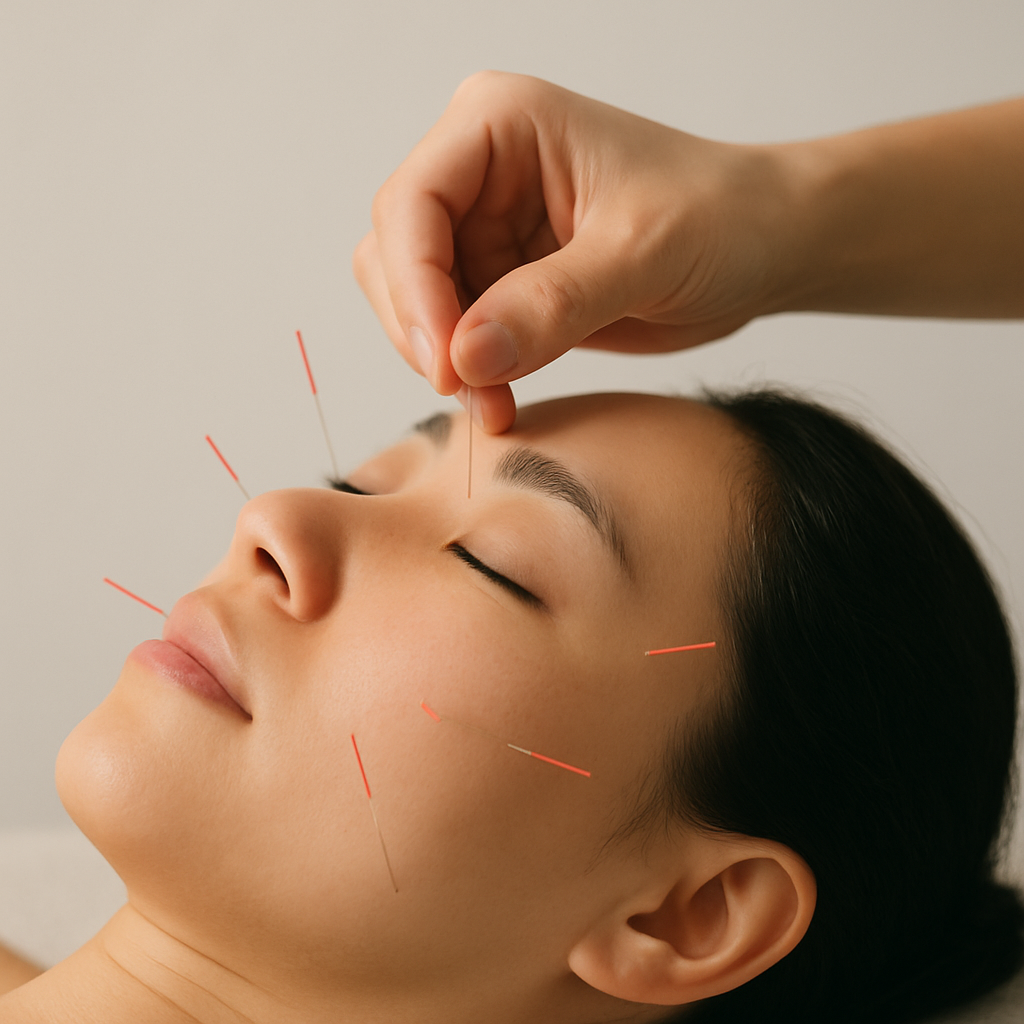
In Korean Traditional Medicine, moxibustion is often used in conjunction with acupuncture and herbal remedies. Practitioners may utilize different forms of moxibustion, such as direct moxibustion, where moxa is placed directly on the skin, or indirect moxibustion, where it is held above the skin, allowing the heat to reach the acupuncture points without direct contact.
Historical Context Within Korean Traditional Medicine
Moxibustion has deep historical roots within the lineage of Korean Traditional Medicine, tracing back thousands of years to ancient China, where it was first developed. While the exact timeline is difficult to pinpoint, moxibustion became a prominent practice in Korea during the Three Kingdoms period (57 BC – 668 AD). Korean scholars and practitioners adapted the technique, integrating it with indigenous healing practices and philosophies.
The practice was further refined during the Goryeo Dynasty (918–1392), when medical texts began to document the methods and benefits of moxibustion. Over time, Korean practitioners developed unique approaches to moxibustion, emphasizing its role in restoring balance and harmony within the body.
How It's Practiced
Moxibustion is typically performed by trained practitioners who assess the individual's health condition before treatment. Here is a general overview of how a session may proceed:
- Initial Consultation: The practitioner conducts a thorough assessment, discussing symptoms and health history.
- Treatment Plan: Based on the consultation, a tailored treatment plan is developed, which may include moxibustion alongside other modalities.
- Preparation: The practitioner prepares the moxa, either in stick form or as cones, and selects the appropriate acupuncture points for treatment.
- Application: The moxa is lit and either placed directly on the skin or held above it, allowing the heat to penetrate the area.
- Duration: The treatment typically lasts between 20 to 40 minutes, depending on the individual's needs.
- Post-Treatment Care: After the session, the practitioner may provide recommendations for ongoing care and lifestyle adjustments.
What It Is Traditionally Explored For
Moxibustion is traditionally used for a variety of conditions, including:
- Enhancing circulation
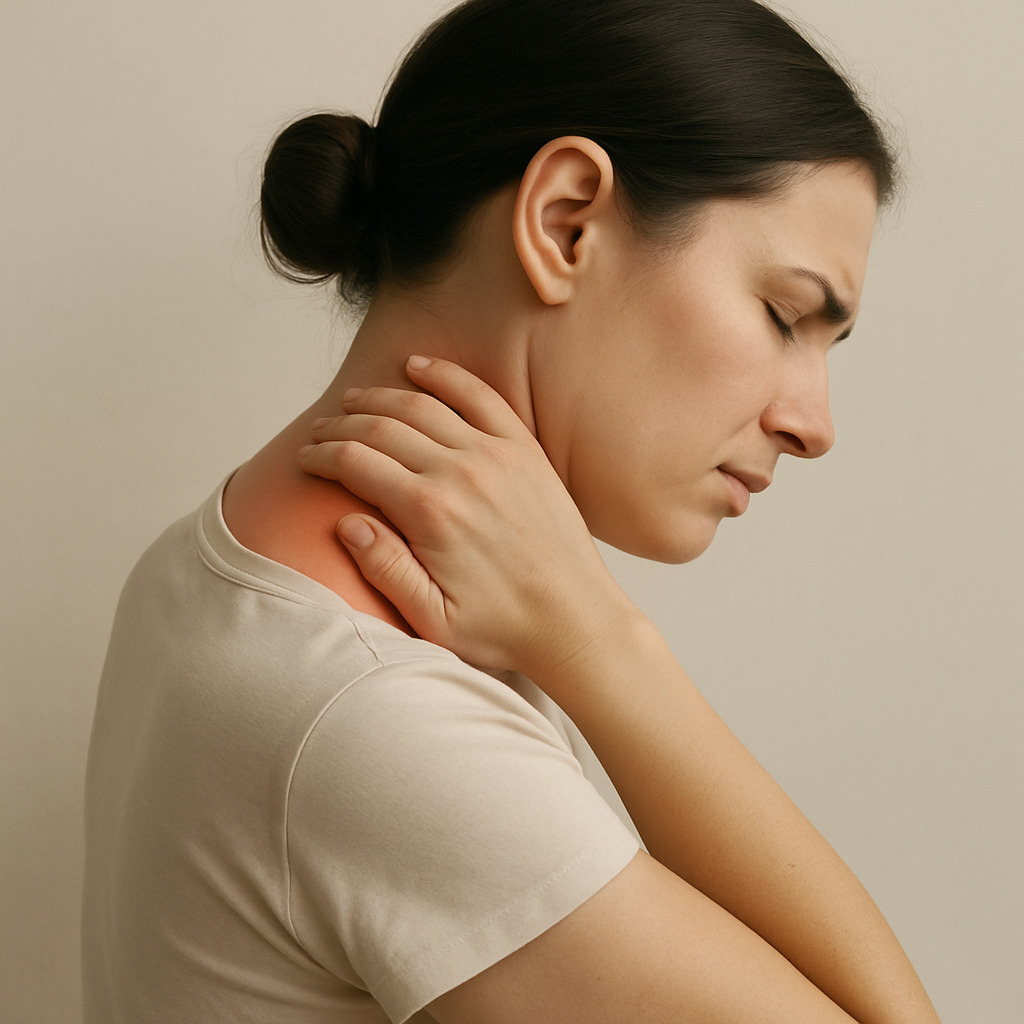
- Relieving pain, especially in musculoskeletal disorders
- Supporting digestive health
- Boosting immune function
- Managing stress and anxiety
While many individuals report positive outcomes from moxibustion, it is important to approach these traditional uses with caution and consider them within the broader context of holistic health.
What Modern Research Suggests
However, while these findings are encouraging, further research is needed to establish standardized protocols and validate the effectiveness of moxibustion across different populations and conditions. It is essential to approach the existing research with a critical eye, recognizing that individual responses to moxibustion can vary significantly.
Safety, Contraindications & Who Should Skip
While moxibustion is generally considered safe when performed by qualified practitioners, there are some precautions to keep in mind:
- Individuals with sensitive skin or skin conditions should approach moxibustion cautiously.
- Pregnant women, particularly in the early stages, should avoid moxibustion on the abdomen.
- Those with certain health conditions, such as severe respiratory issues or a history of burns, should consult a healthcare professional before undergoing treatment.
- Always inform your practitioner of any medical conditions or medications you are taking.
Pairs Well With (within Korean Traditional Medicine and across pillars)
Moxibustion can be effectively paired with several other modalities and ingredients in Korean Traditional Medicine, including:
- Acupuncture
- Herbal medicine
- Cupping therapy
- Massage techniques
- Dietary recommendations
How to Find a Qualified Practitioner
When seeking a qualified moxibustion practitioner, consider the following steps:
- Look for practitioners who are licensed in Traditional Korean Medicine or acupuncture.
- Ask about their training and experience specifically in moxibustion.
- Seek referrals from trusted healthcare providers or friends who have experienced moxibustion.
- Read reviews and testimonials from previous clients to gauge their satisfaction and outcomes.
FAQs (5)
- Is moxibustion painful? Moxibustion is generally not painful. Most individuals report a warm, comforting sensation during the treatment.
- How often should I have moxibustion treatments? The frequency of treatments can vary based on individual needs. A practitioner can provide personalized recommendations.
- Can I perform moxibustion at home? While some individuals choose to use moxa sticks at home, it is recommended to consult a practitioner for guidance, especially for new users.
- What should I expect after a moxibustion session? Many people experience a sense of relaxation and warmth in the treated area. Some may feel increased energy levels or improved mood.
- Are there any side effects? Side effects are rare but can include mild skin irritation or burns. Always discuss any concerns with your practitioner.
Frequently asked
Is moxibustion painful?
Moxibustion is generally not painful. Most individuals report a warm, comforting sensation during the treatment.
How often should I have moxibustion treatments?
The frequency of treatments can vary based on individual needs. A practitioner can provide personalized recommendations.
Can I perform moxibustion at home?
While some individuals choose to use moxa sticks at home, it is recommended to consult a practitioner for guidance, especially for new users.
What should I expect after a moxibustion session?
Many people experience a sense of relaxation and warmth in the treated area. Some may feel increased energy levels or improved mood.
Are there any side effects?
Side effects are rare but can include mild skin irritation or burns. Always discuss any concerns with your practitioner.