Korean Herbal Blends
Delve into the world of Korean Herbal Blends, a significant aspect of Korean Traditional Medicine, focusing on historical context, practical applications, and modern research insights.
Explore the rich tradition of Korean Herbal Blends, a vital practice within Korean Traditional Medicine that harmonizes the body's energy and promotes holistic health. Discover its historical roots, practical applications, and potential benefits backed by modern research.
What It Is
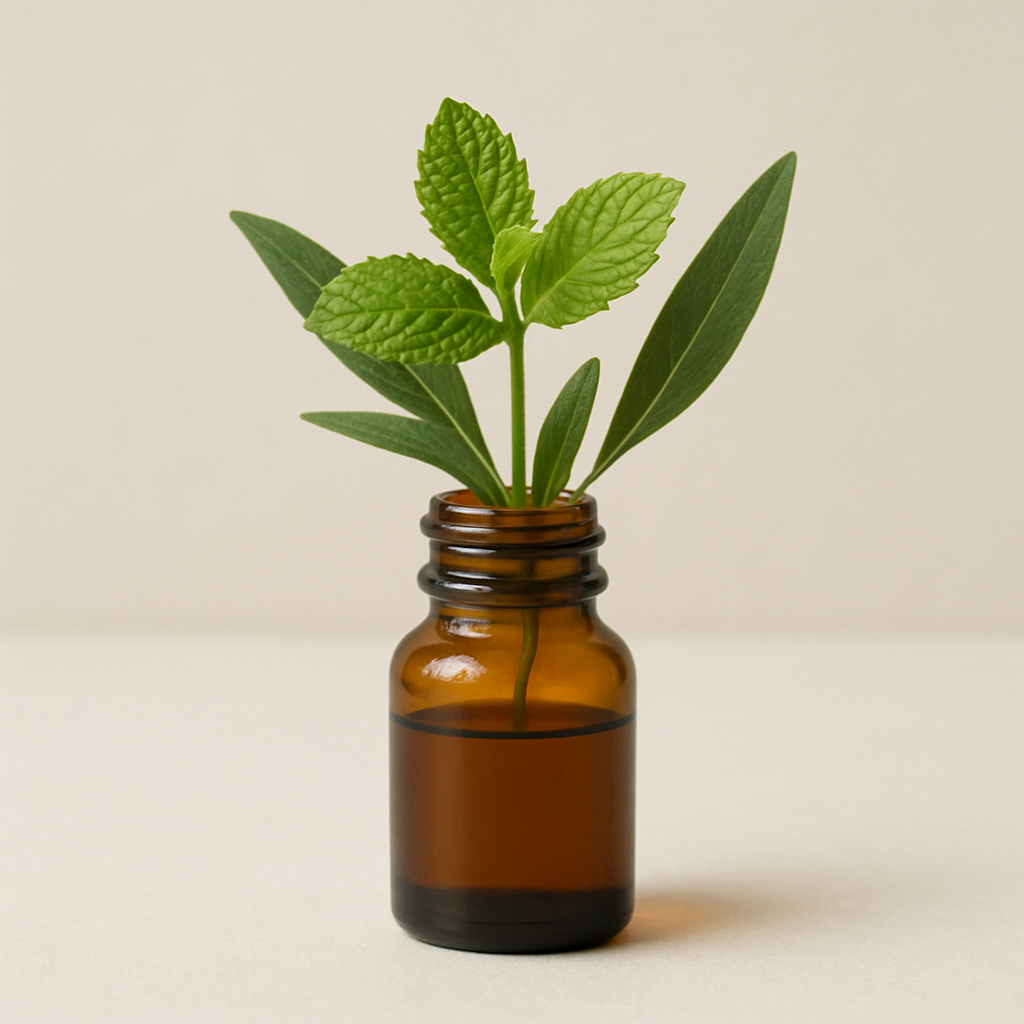
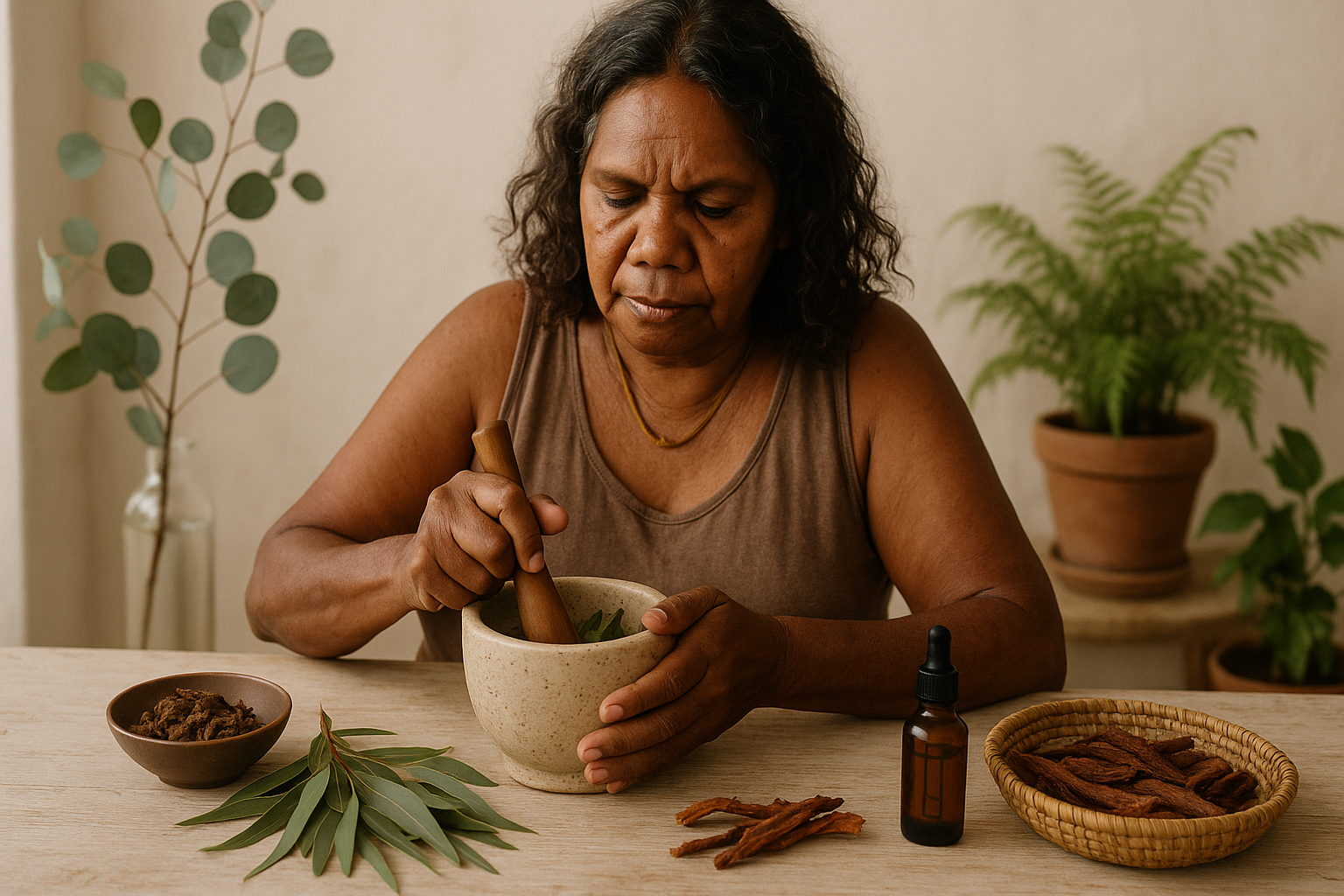
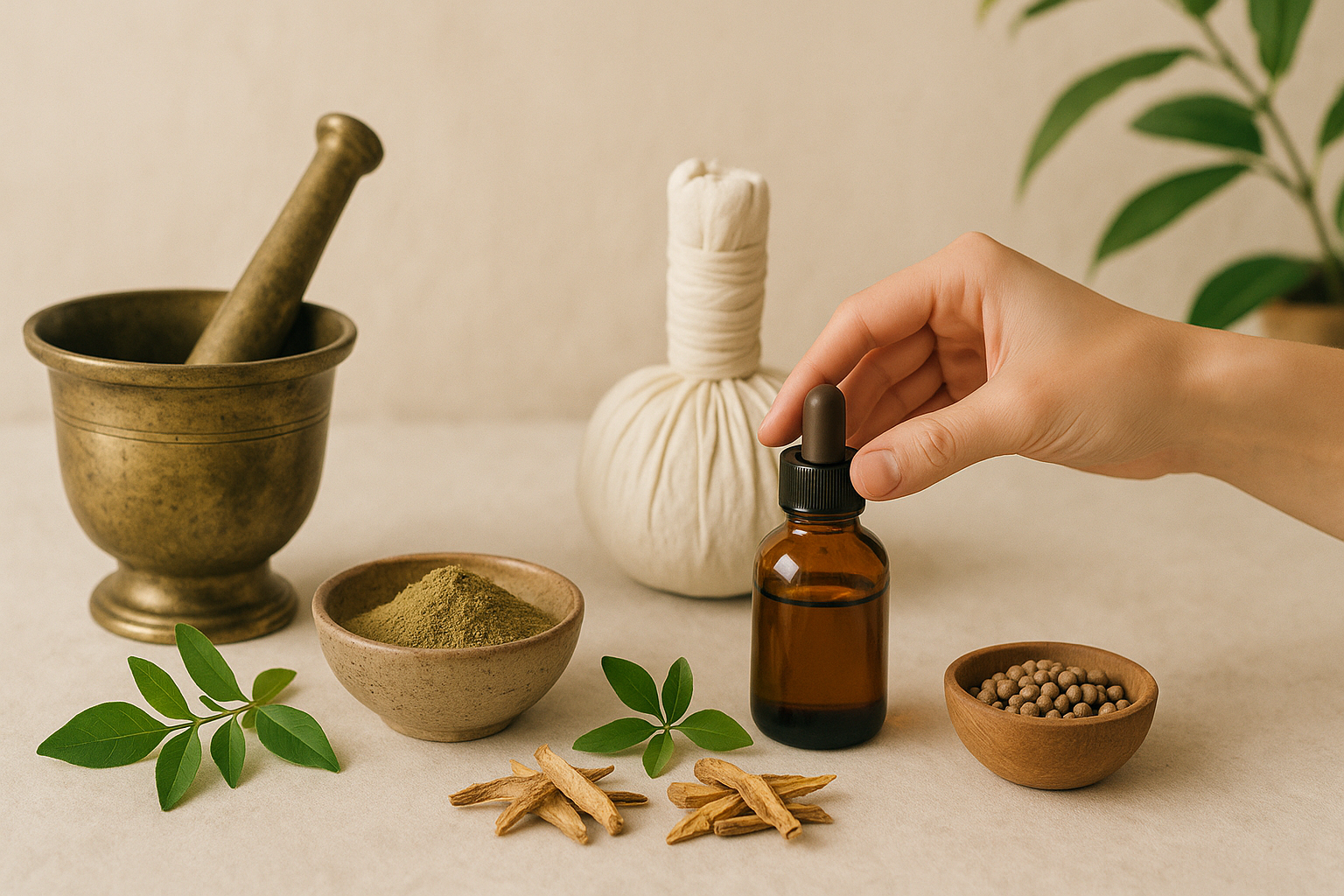
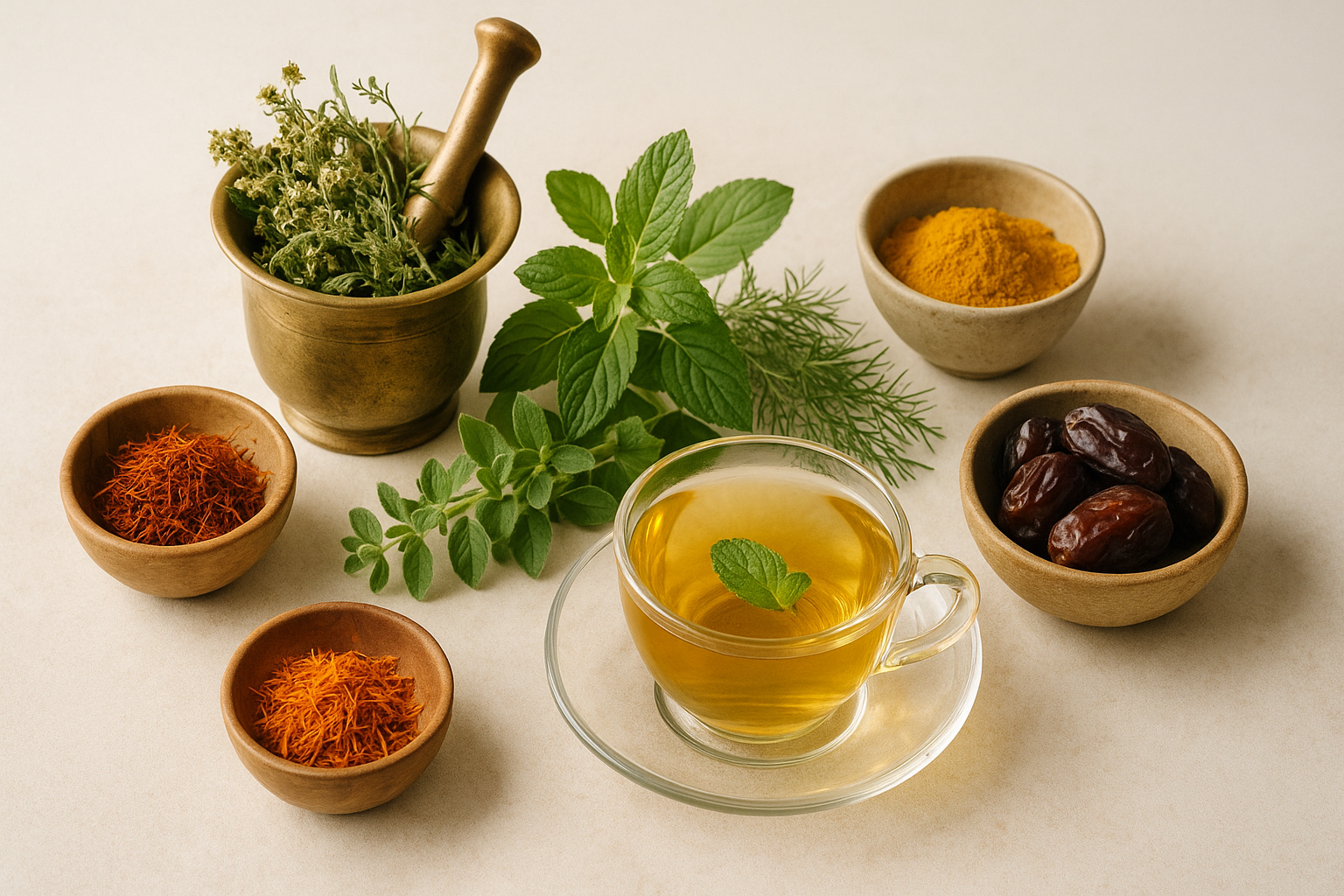
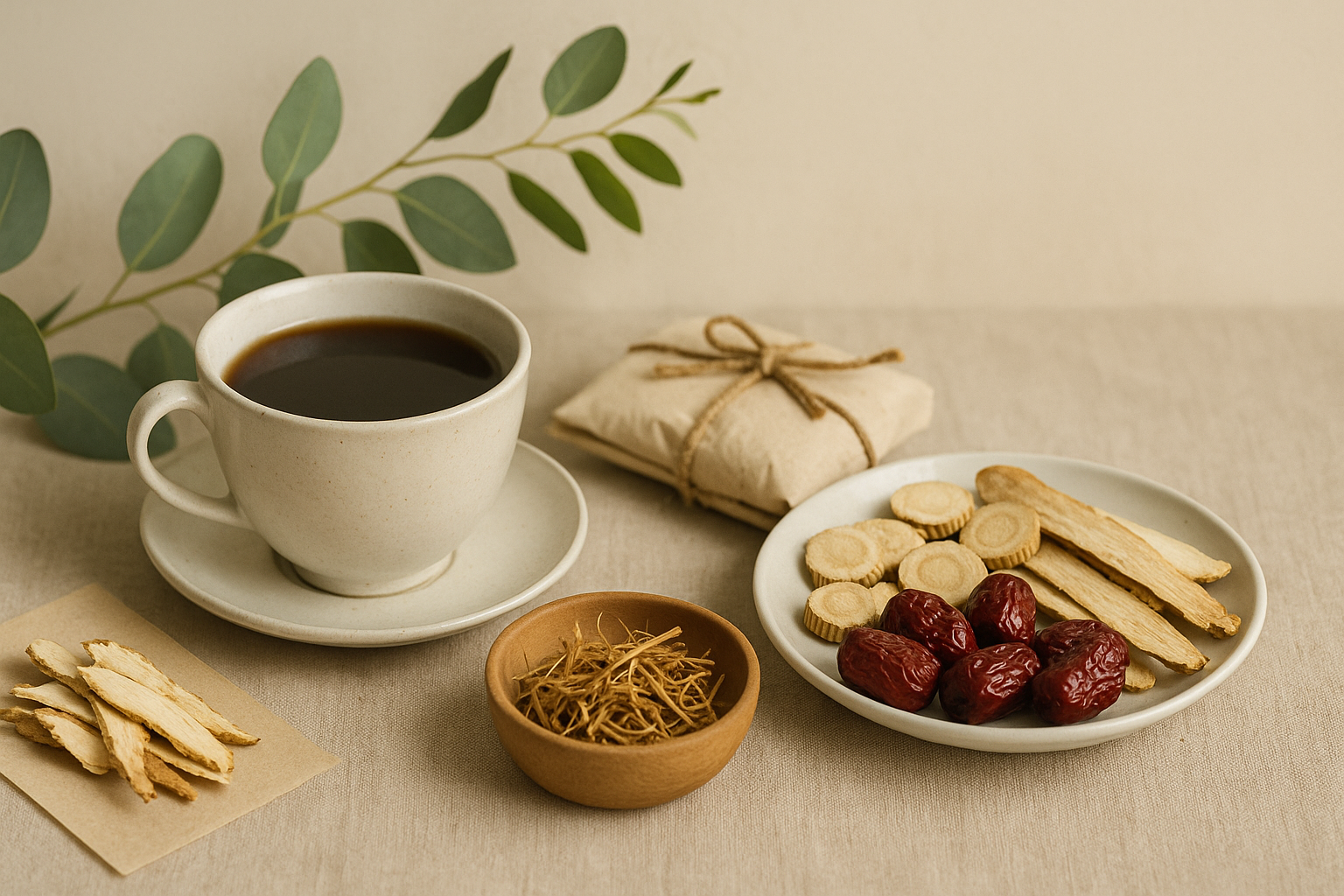
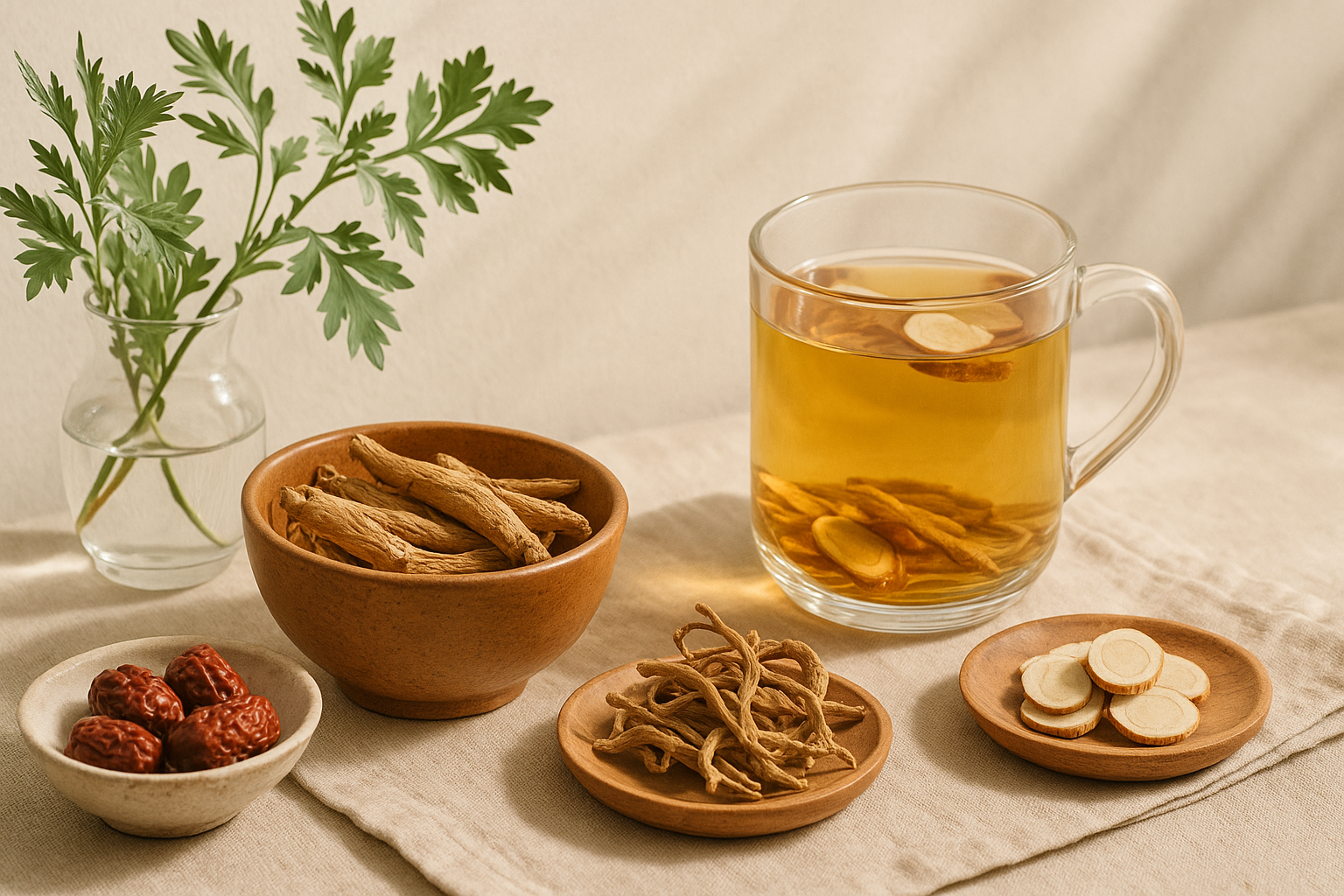
Korean Herbal Blends are a fundamental component of Korean Traditional Medicine (KTM), leveraging a unique combination of herbs to support health and well-being. These blends are carefully formulated from a variety of medicinal plants, each selected for their specific properties and synergistic effects. The art of creating these blends involves an understanding of the body's constitution, balance of energy, and the interplay of various natural elements.
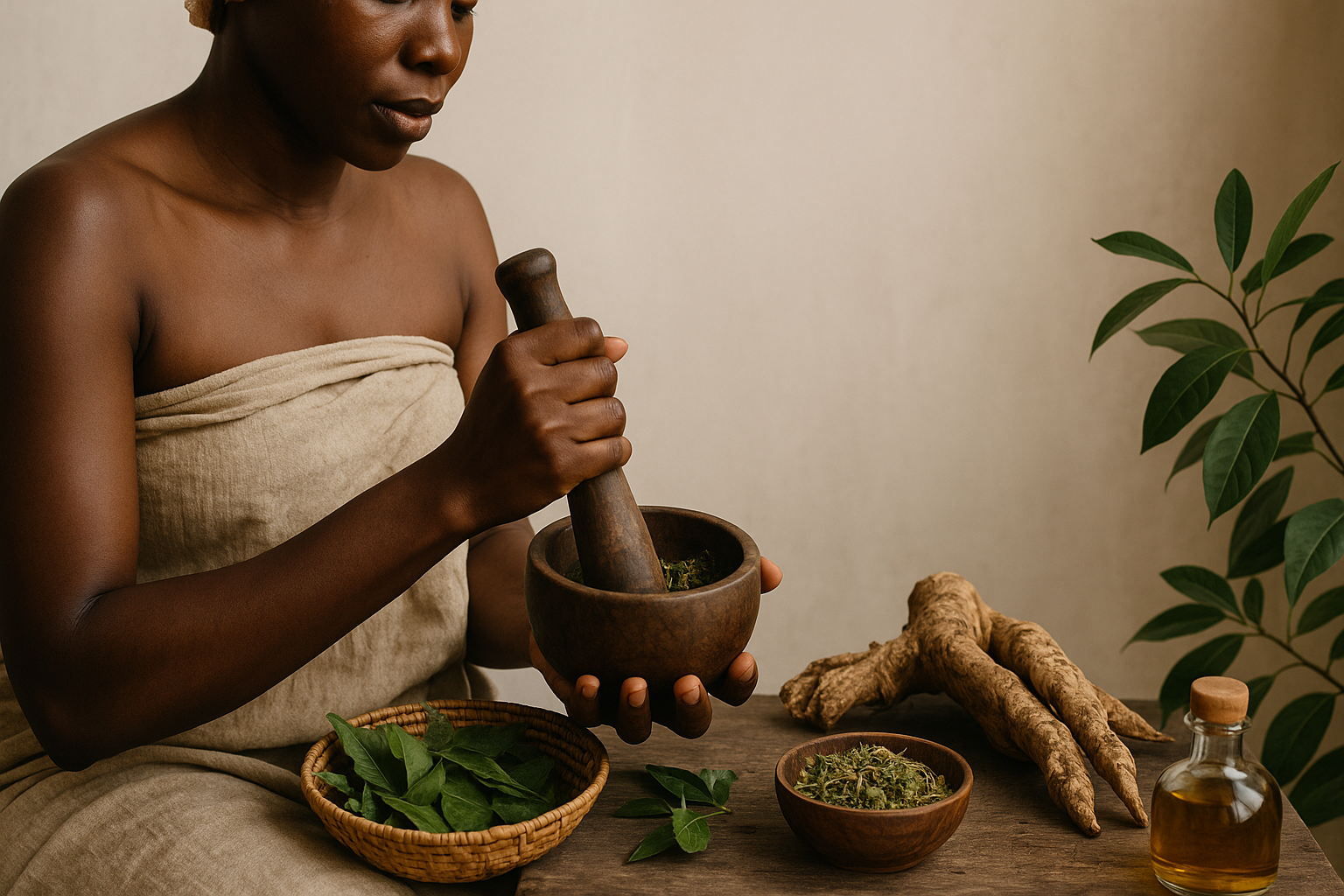
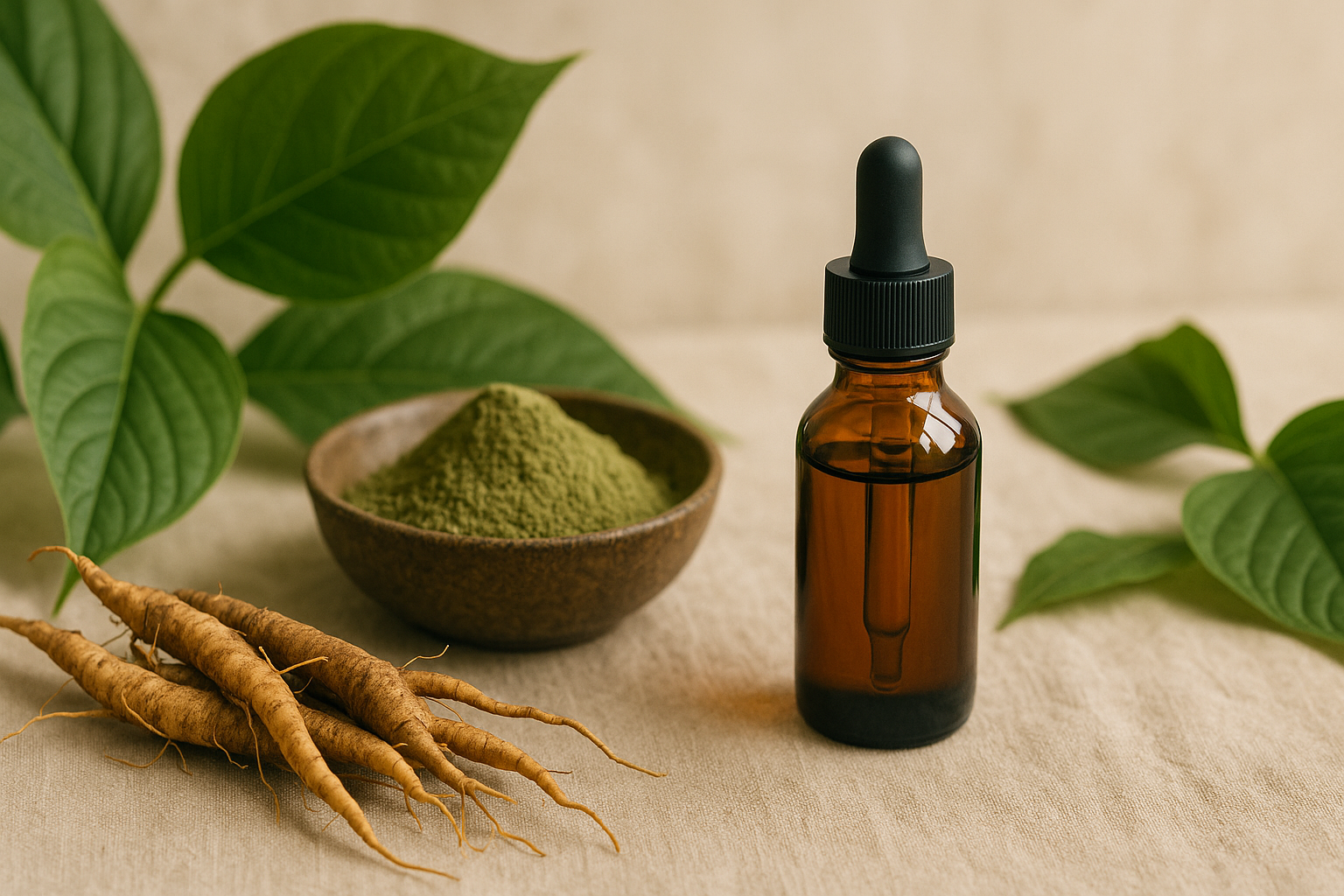
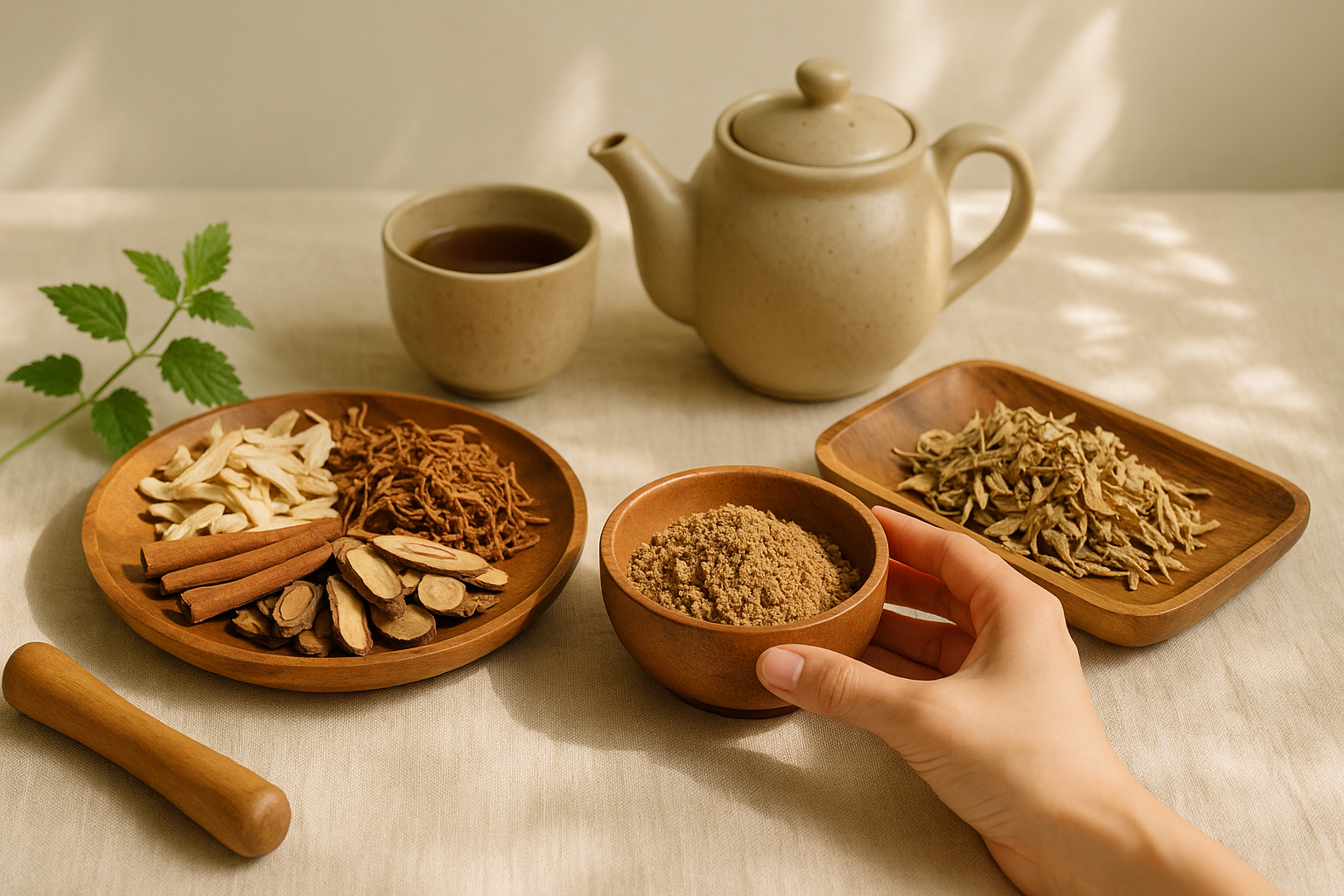
These herbal concoctions are prepared in various forms, including teas, powders, and decoctions, allowing for versatile applications in daily health practices. Each blend is tailored to meet individual needs, emphasizing the holistic approach of Korean Traditional Medicine, which seeks to address not just symptoms but the root causes of health imbalances.
Historical Context Within Korean Traditional Medicine
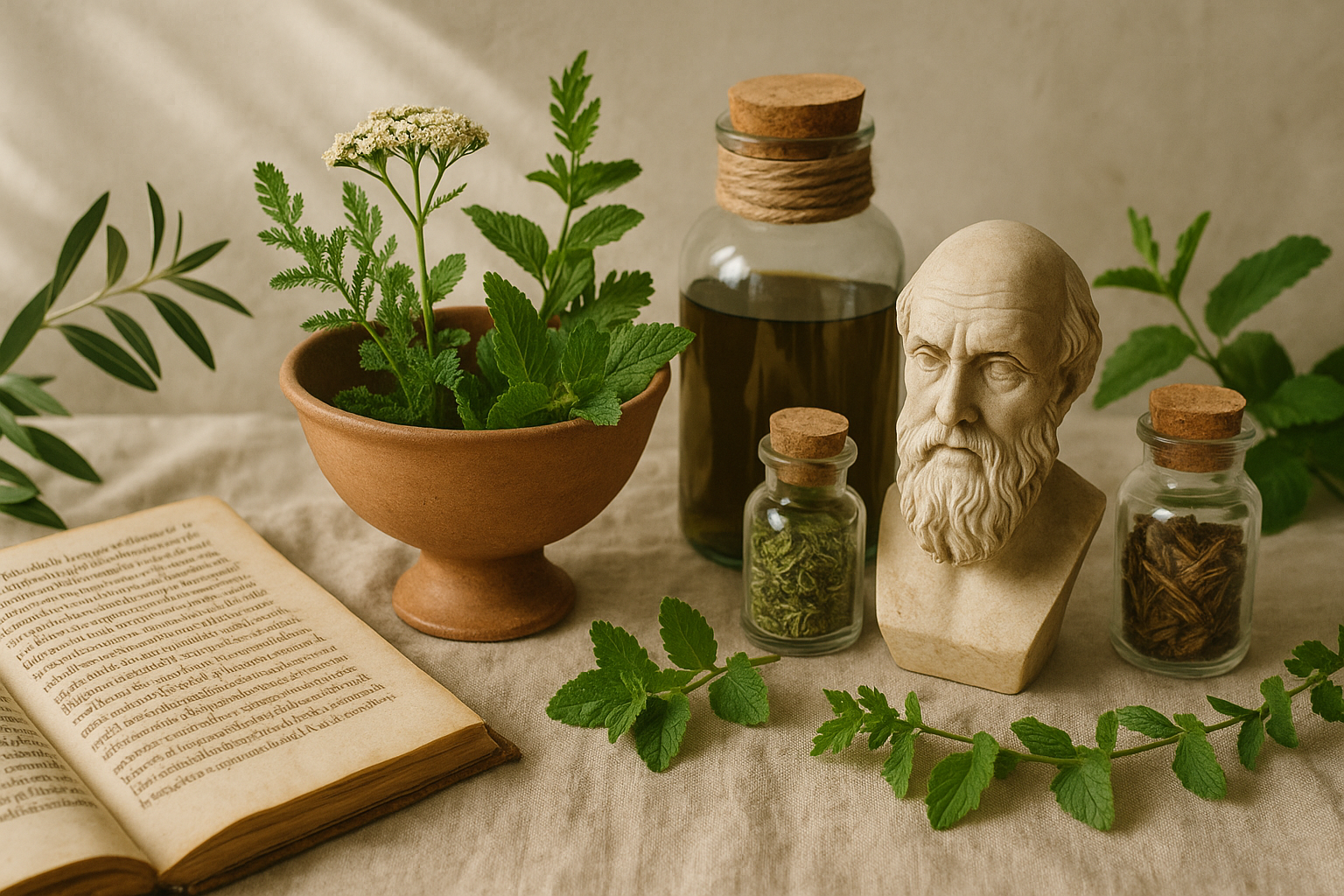
Korean Herbal Blends have their origins in ancient practices that date back thousands of years. The development of these herbal formulations is deeply intertwined with the broader history of Korean Traditional Medicine, which has been influenced by various philosophies, including Daoism and Confucianism. Historical texts and records from the Three Kingdoms period (57 BC – 668 AD) indicate that herbal medicine was already being practiced, with significant contributions from scholars and physicians who sought to codify the knowledge of medicinal plants.
One of the pivotal figures in the history of Korean Herbal Medicine is Heo Jun, a renowned physician from the 16th century, who authored the "Dongui Bogam," a comprehensive medical text. This work not only detailed the uses of various herbs but also emphasized the importance of individualized treatment, laying the groundwork for the sophisticated practice of Korean Herbal Blends we see today.
How It's Practiced
The practice of creating and administering Korean Herbal Blends typically involves several key steps:
- Initial Consultation: The practitioner assesses the patient's health history, lifestyle, and symptoms to determine their unique constitution.
- Diagnosis: Utilizing traditional diagnostic methods, such as pulse and tongue analysis, the practitioner identifies imbalances in the body.
- Herb Selection: Based on the diagnosis, a specific blend of herbs is chosen, considering their properties and interactions.
- Preparation: The selected herbs are prepared in various forms, such as teas, powders, or decoctions, to facilitate easy consumption.
- Follow-Up: The practitioner monitors the patient's progress and may adjust the blend as necessary to ensure optimal results.
What It Is Traditionally Explored For
Korean Herbal Blends have been traditionally used for various health concerns, emphasizing a holistic approach to wellness. Common goals include:
- Enhancing energy and vitality
- Supporting digestive health
- Balancing hormonal levels
- Strengthening the immune system
- Addressing stress and promoting mental clarity
While these blends are utilized for a range of conditions, it is important to consult with a qualified practitioner to ensure appropriate use tailored to individual health needs.
What Modern Research Suggests
Modern research on Korean Herbal Blends is still in its early stages, but some studies indicate potential benefits. For instance, preliminary research has shown that certain herbal combinations may help enhance immune function and reduce inflammation. Additionally, some studies have pointed to the efficacy of specific herbs in supporting digestive health and alleviating stress-related symptoms.
However, while these findings are promising, they are not conclusive, and further clinical trials are needed to establish the effectiveness and safety of various herbal blends. It is crucial to approach these studies with caution and to consult healthcare professionals before integrating any herbal treatment into a health regimen.
Safety, Contraindications & Who Should Skip
While Korean Herbal Blends are generally considered safe when used appropriately, there are certain precautions to keep in mind. Individuals who are pregnant, breastfeeding, or have specific allergies should consult a healthcare professional before using herbal remedies. Additionally, those with chronic health conditions or who are taking medications should seek guidance to avoid potential interactions.
Pairs Well With (within Korean Traditional Medicine and across pillars)
Korean Herbal Blends can complement various modalities within Korean Traditional Medicine, enhancing their effects. Some related practices include:
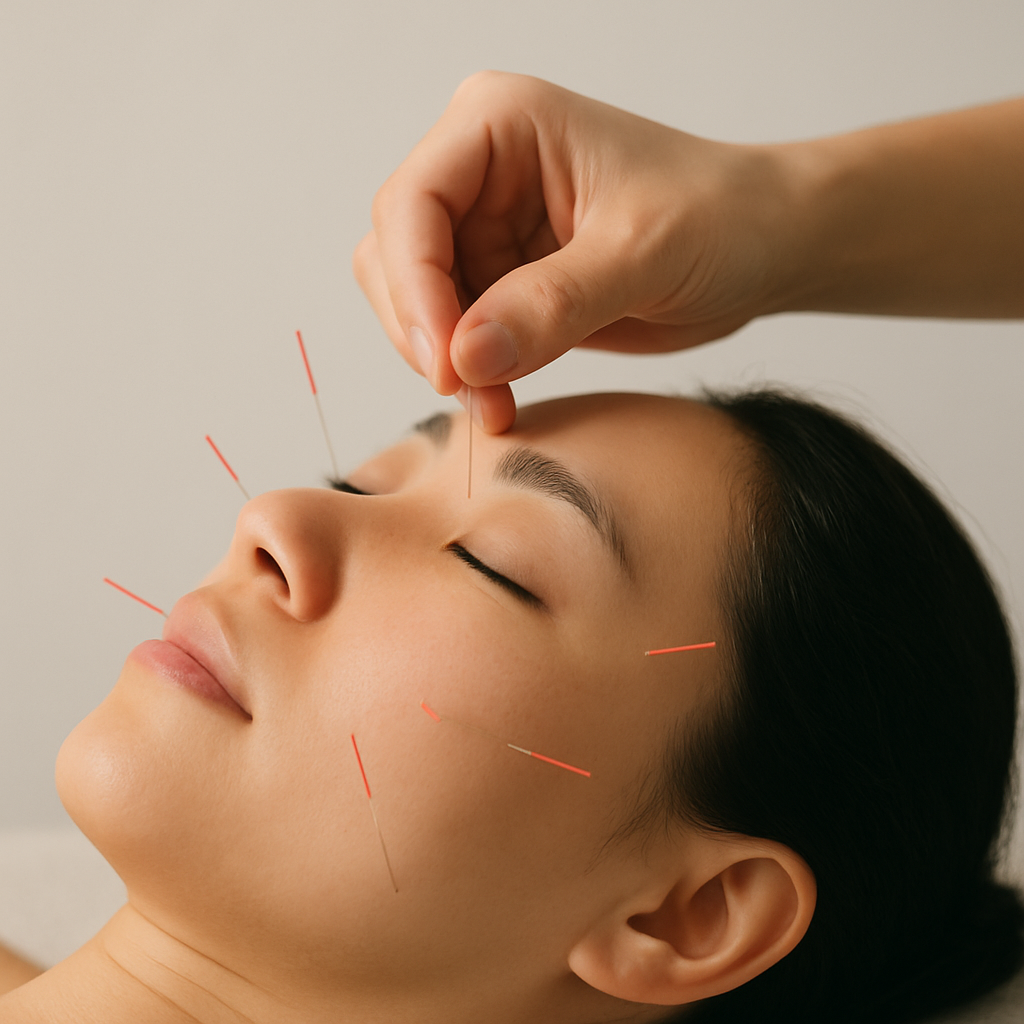
- Acupuncture: A treatment that can help balance the body's energy.
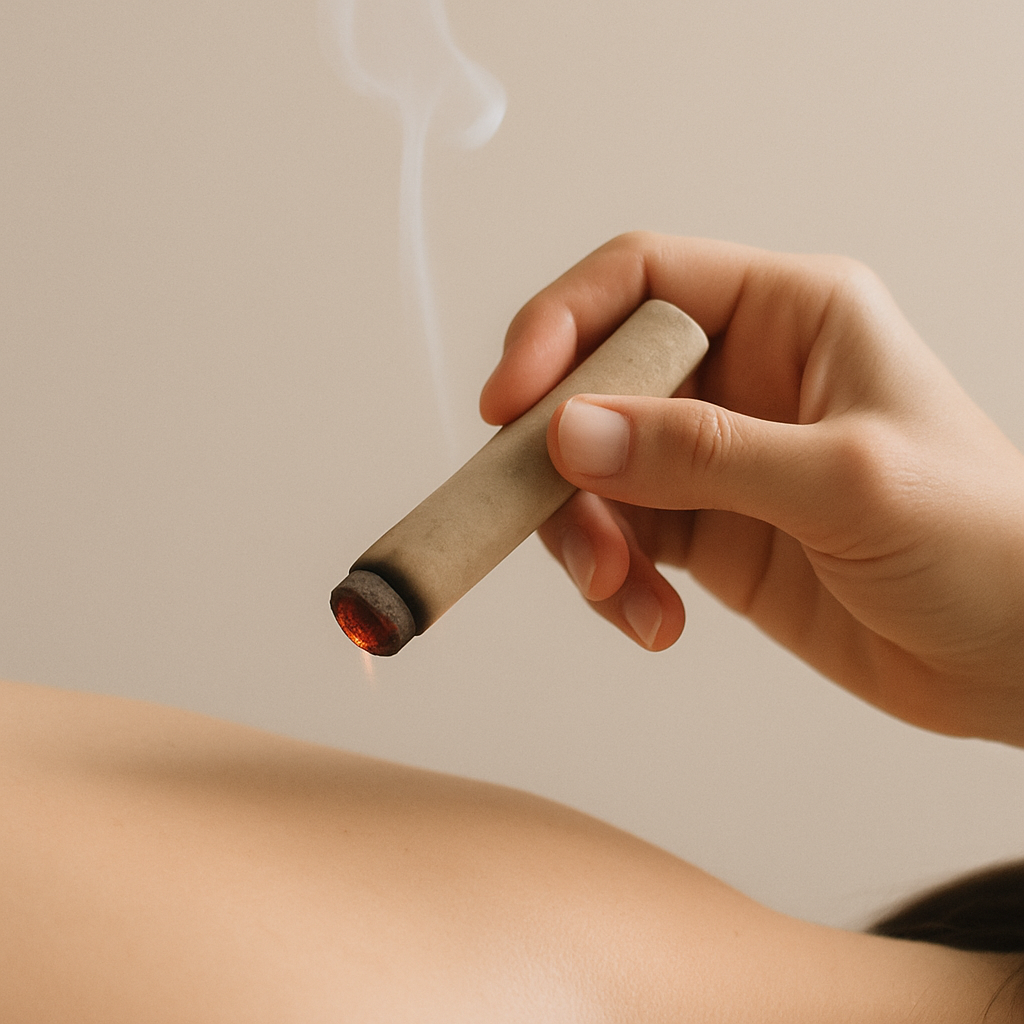
- Moxibustion: The application of heat to specific points on the body, often used in conjunction with acupuncture.
- Chakra Balancing: Techniques focused on energy alignment that can enhance herbal treatments.
Across other pillars of holistic health, they may also pair well with practices such as yoga and meditation, fostering an overall sense of well-being.
How to Find a Qualified Practitioner
Finding a qualified practitioner in Korean Herbal Blends involves several steps:
- Research local practitioners who specialize in Korean Traditional Medicine.
- Check for credentials and certifications in herbal medicine.
- Read reviews and testimonials from previous clients.
- Schedule an initial consultation to discuss your health goals.
It's essential to choose a practitioner who prioritizes individualized treatment and has a thorough understanding of herbal formulations.
FAQs (5)
- What are Korean Herbal Blends? They are combinations of medicinal herbs used traditionally in Korean medicine to promote health and balance.
- How are these blends created? A practitioner assesses individual health needs and selects specific herbs to form a tailored blend.
- Are there any side effects? While generally safe, some individuals may experience allergic reactions or interactions with medications.
- Can I use these blends alongside conventional medicine? It is advisable to consult with a healthcare professional before combining herbal remedies with conventional treatments.
- How do I choose a practitioner? Look for qualified practitioners with experience in Korean Traditional Medicine and positive client feedback.
Frequently asked
What are Korean Herbal Blends?
They are combinations of medicinal herbs used traditionally in Korean medicine to promote health and balance.
How are these blends created?
A practitioner assesses individual health needs and selects specific herbs to form a tailored blend.
Are there any side effects?
While generally safe, some individuals may experience allergic reactions or interactions with medications.
Can I use these blends alongside conventional medicine?
It is advisable to consult with a healthcare professional before combining herbal remedies with conventional treatments.
How do I choose a practitioner?
Look for qualified practitioners with experience in Korean Traditional Medicine and positive client feedback.