Traditional Diagnostics
Discover Traditional Diagnostics in Korean Traditional Medicine, its historical context, practices, and safety considerations.
Explore the ancient practice of Traditional Diagnostics within Korean Traditional Medicine, its historical roots, application, and insights from modern research.
What It Is
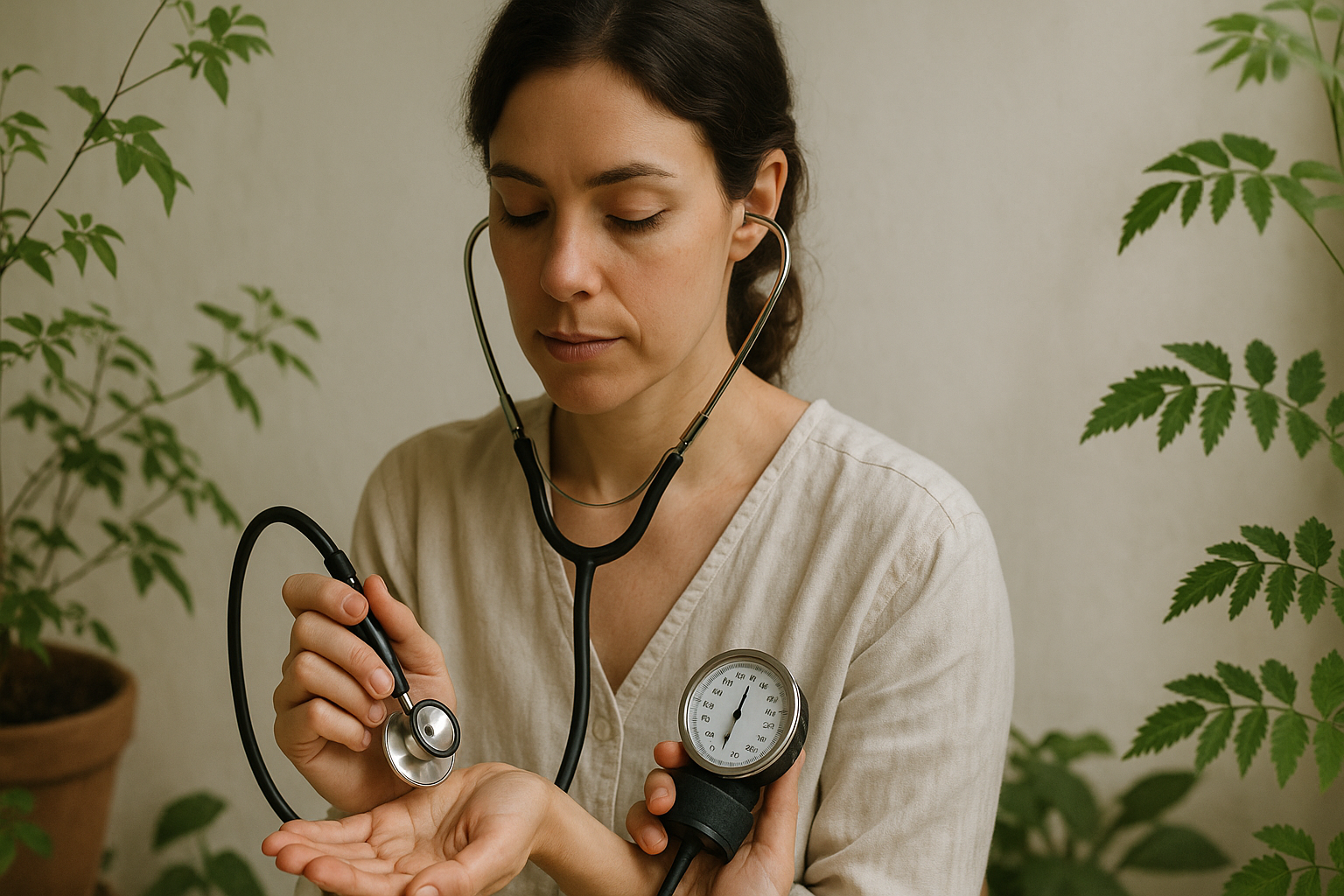
Traditional Diagnostics in Korean Traditional Medicine (KTM) refers to a comprehensive system of assessing an individual's health through various non-invasive techniques. This modality emphasizes understanding the balance of energy (Qi) within the body, as well as the interplay between internal organs and external factors. Practitioners utilize methods such as pulse diagnosis, tongue examination, and observation of physical and emotional states to gather insights into a person's well-being.
Through these diagnostic techniques, practitioners aim to identify imbalances or blockages that may contribute to health issues. Traditional Diagnostics does not merely focus on symptoms but seeks to uncover the root causes of ailments by considering the whole person, including their lifestyle, diet, and emotional health.
Historical Context Within Korean Traditional Medicine
The roots of Traditional Diagnostics can be traced back to ancient Korea, where it was developed alongside other foundational aspects of Korean Traditional Medicine. Influenced by Chinese medical practices, Traditional Diagnostics has evolved over centuries, becoming an integral part of KTM. Scholars and practitioners in Korea refined these methods, incorporating local herbal knowledge and cultural elements to create a unique diagnostic framework.
Key historical figures, such as the great physician Heo Jun in the 16th century, contributed to the documentation and dissemination of diagnostic practices. His work, "Dongui Bogam," remains a crucial text in understanding the principles of Korean medicine, including diagnostic methods.
How It's Practiced
The practice of Traditional Diagnostics involves several key steps, allowing the practitioner to gain a holistic view of the patient's health. Here is a walk-through of the typical process:
- Initial Consultation: The practitioner begins with a detailed conversation about the patient's health history, lifestyle, and any specific concerns.
- Pulse Diagnosis: By feeling the pulse at various points on the wrist, the practitioner assesses the quality, rhythm, and strength of the pulse, which reflects the state of different organs.
- Tongue Examination: The color, shape, and coating of the tongue provide significant insights into the body's internal conditions.
- Observation: Practitioners observe the patient's complexion, physical appearance, and overall demeanor to gather additional information.
- Questioning: A series of targeted questions may be asked regarding symptoms, emotional state, and daily habits to deepen the understanding of the patient’s condition.
What It Is Traditionally Explored For
Traditional Diagnostics is traditionally used for a variety of health concerns, focusing on restoring balance and harmony within the body. Common goals include:
- Identifying the root causes of chronic conditions.
- Assessing emotional and psychological well-being.
- Guiding dietary and lifestyle adjustments.
- Determining the appropriate herbal remedies or treatments.
- Monitoring overall health and vitality.
What Modern Research Suggests
While traditional methods may not always align with Western scientific standards, they offer valuable insights into patient care, particularly in the realms of holistic and preventive medicine. Continued exploration of these practices within the context of modern health frameworks could yield beneficial results for patient outcomes.
Safety, Contraindications & Who Should Skip
Traditional Diagnostics is generally considered safe when conducted by a qualified practitioner. However, individuals with certain conditions may need to approach this practice with caution. It is advisable for those with the following to consult with their healthcare provider before engaging:
- Severe mental health conditions.
- Acute or life-threatening illnesses.
- Pregnancy, without prior consultation.
- Recent surgeries or medical procedures.
Pairs Well With (within Korean Traditional Medicine and across pillars)
Traditional Diagnostics complements various modalities within Korean Traditional Medicine, enhancing overall health strategies. It pairs well with:
- Herbal Medicine
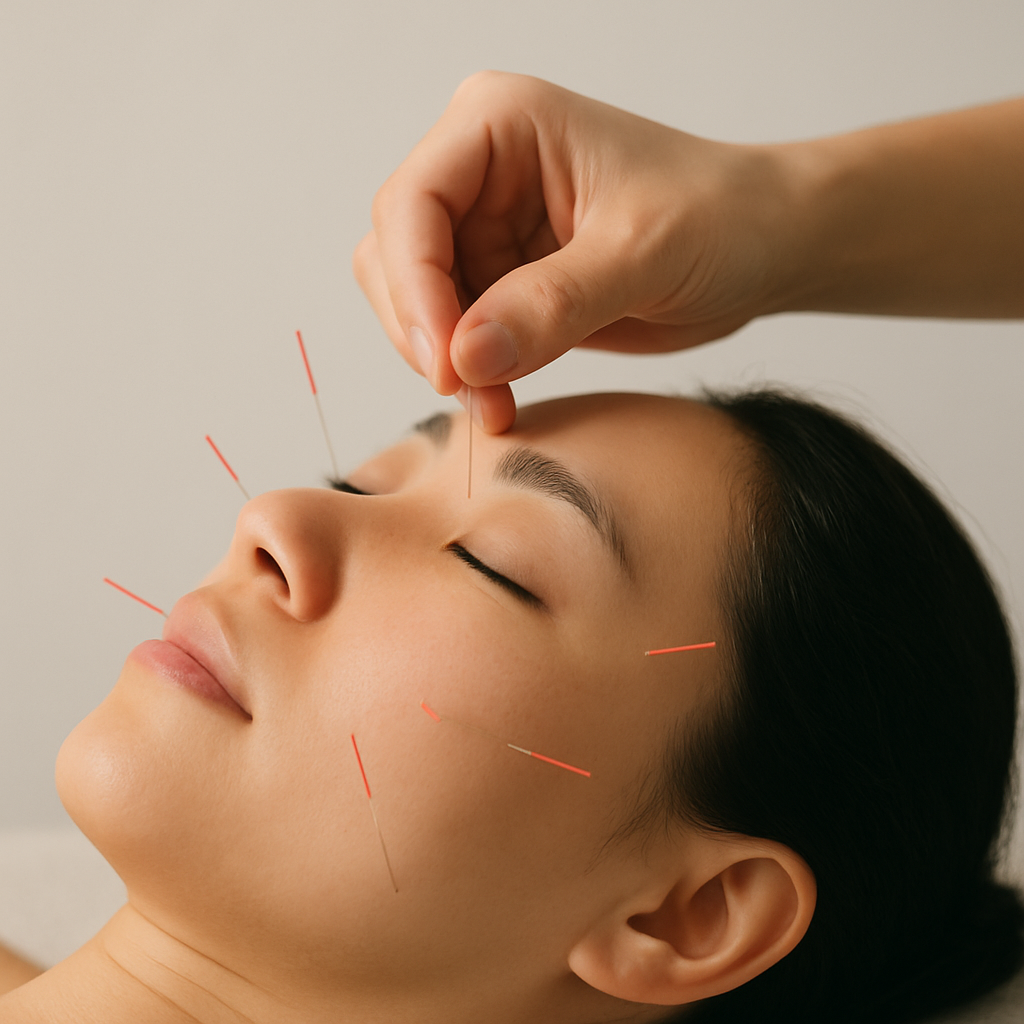
- Acupuncture
- Massage Therapy
- Qigong
- Dietary Therapy
How to Find a Qualified Practitioner
Finding a qualified practitioner of Traditional Diagnostics requires careful consideration. Here are steps to help you in your search:
- Research practitioners with credentials in Korean Traditional Medicine.
- Look for recommendations from healthcare providers or community health centers.
- Check for reviews or testimonials from previous patients.
- Ensure the practitioner engages in continuous education and adheres to ethical practices.
FAQs (5)
- What should I expect during a Traditional Diagnostics session? Expect a thorough conversation about your health history, followed by pulse and tongue examinations, and observations.
- Is Traditional Diagnostics suitable for everyone? While it is generally safe, individuals with certain severe conditions should consult their healthcare provider first.
- How long does a session typically last? A session can range from 30 minutes to an hour, depending on the practitioner's approach.
- Can Traditional Diagnostics replace conventional medical care? It is best viewed as a complementary approach rather than a replacement for conventional care.
- How often should I have a Traditional Diagnostics assessment? Frequency depends on individual health needs and goals; consult your practitioner for personalized advice.
Frequently asked
What should I expect during a Traditional Diagnostics session?
Expect a thorough conversation about your health history, followed by pulse and tongue examinations, and observations.
Is Traditional Diagnostics suitable for everyone?
While it is generally safe, individuals with certain severe conditions should consult their healthcare provider first.
How long does a session typically last?
A session can range from 30 minutes to an hour, depending on the practitioner's approach.
Can Traditional Diagnostics replace conventional medical care?
It is best viewed as a complementary approach rather than a replacement for conventional care.
How often should I have a Traditional Diagnostics assessment?
Frequency depends on individual health needs and goals; consult your practitioner for personalized advice.