Stress Recovery
Discover the ancient practice of Stress Recovery in Korean Traditional Medicine, its historical significance, methods, and safety considerations.
Explore the practice of Stress Recovery within Korean Traditional Medicine, its historical roots, modern applications, and how to find qualified practitioners.
What It Is
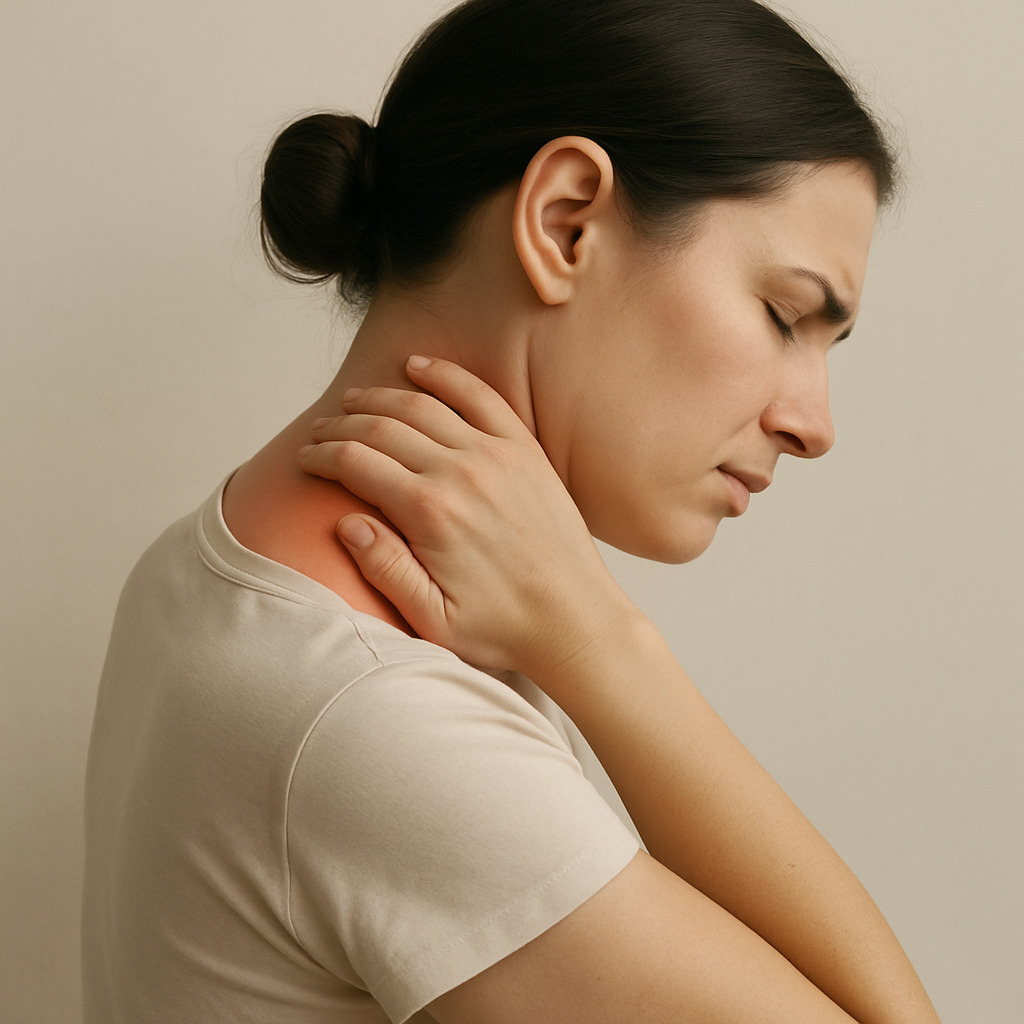
Stress Recovery in the context of Korean Traditional Medicine (KTM) refers to a holistic approach aimed at alleviating stress and promoting mental well-being. This practice encompasses various techniques and treatments designed to restore balance within the body and mind, facilitating a state of relaxation and reducing the adverse effects of stress. The underlying philosophy is that emotional and physical health are interconnected, and addressing one can positively influence the other.
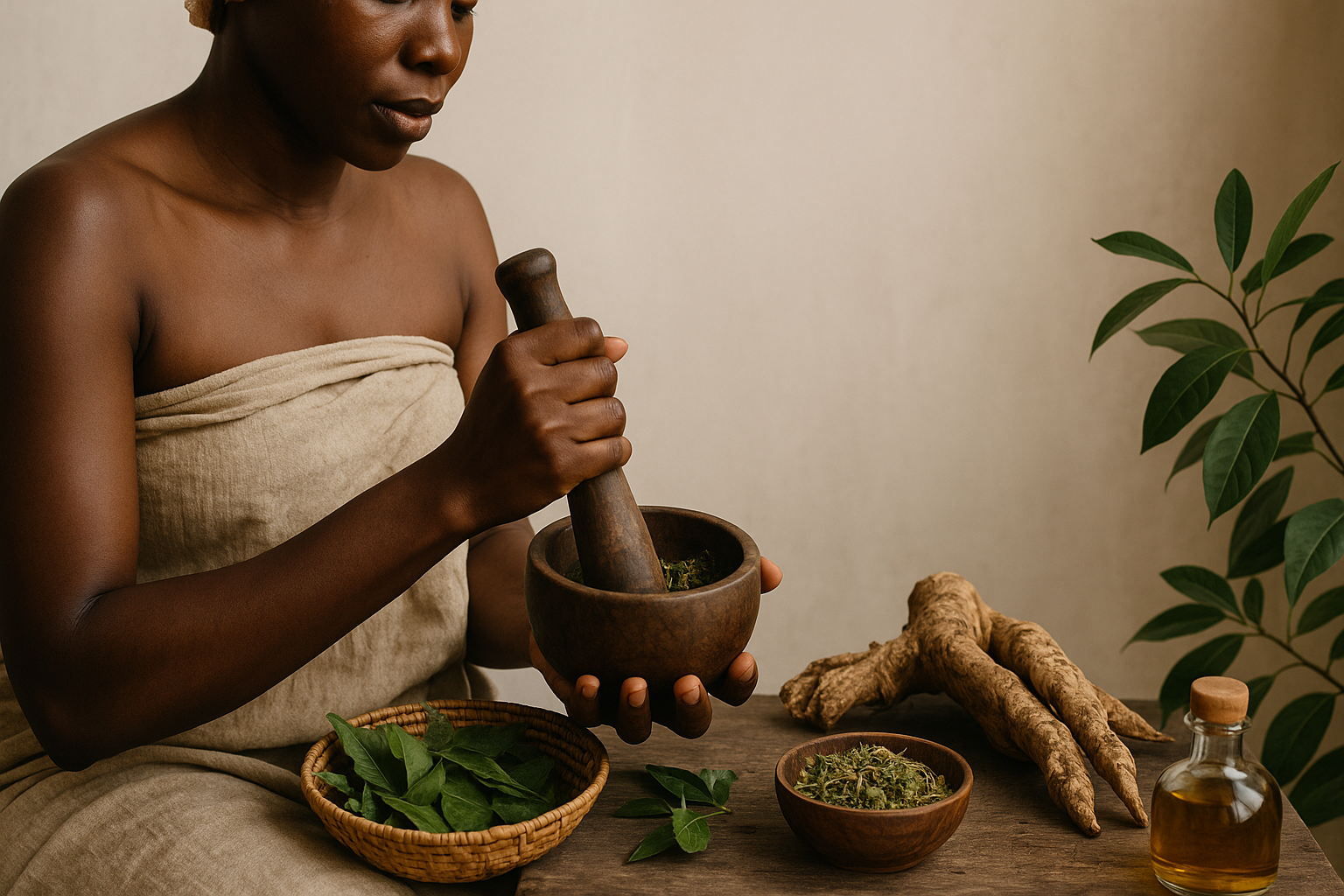
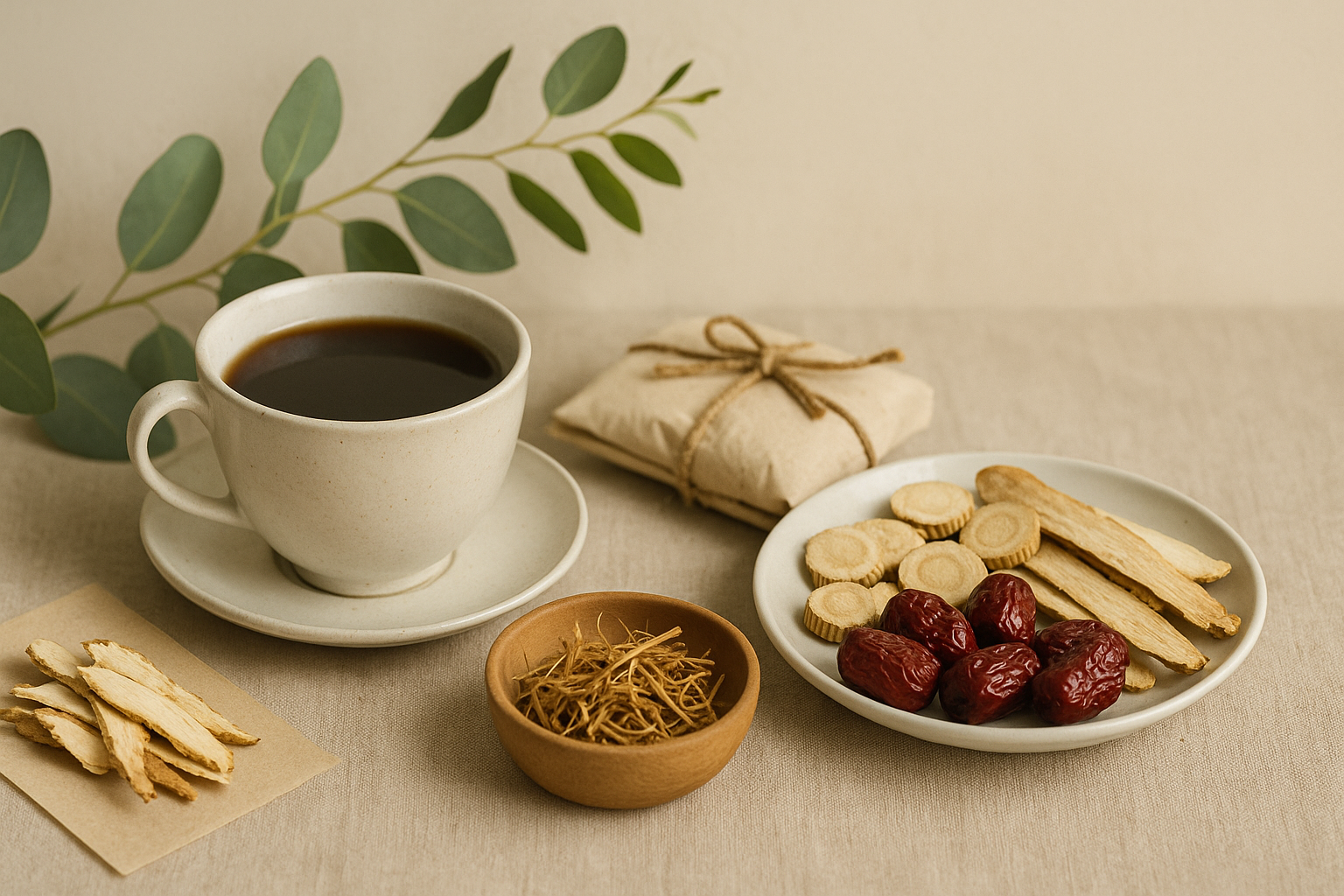
In Korean Traditional Medicine, stress is often viewed as a disruption of the body’s natural harmony. Practitioners utilize a variety of methods, including herbal remedies, acupuncture, and dietary recommendations, to support the body's innate ability to recover from the burdens of stress. The ultimate goal is not only to relieve symptoms but also to foster resilience against future stressors.
Historical Context Within Korean Traditional Medicine
The roots of Stress Recovery practices in Korean Traditional Medicine can be traced back thousands of years, with influences from ancient philosophies such as Confucianism, Buddhism, and Taoism. These traditions emphasized the importance of balance and harmony in life, which laid the groundwork for holistic approaches to health.
Throughout history, various practitioners and scholars, including notable figures like Heo Jun, have contributed to the development and refinement of these techniques. The integration of herbal medicine, acupuncture, and mind-body practices became more pronounced during the Joseon Dynasty, establishing a structured approach to health that includes stress management as a fundamental aspect.
How It's Practiced
Practitioners of Stress Recovery within Korean Traditional Medicine often employ a combination of the following methods:
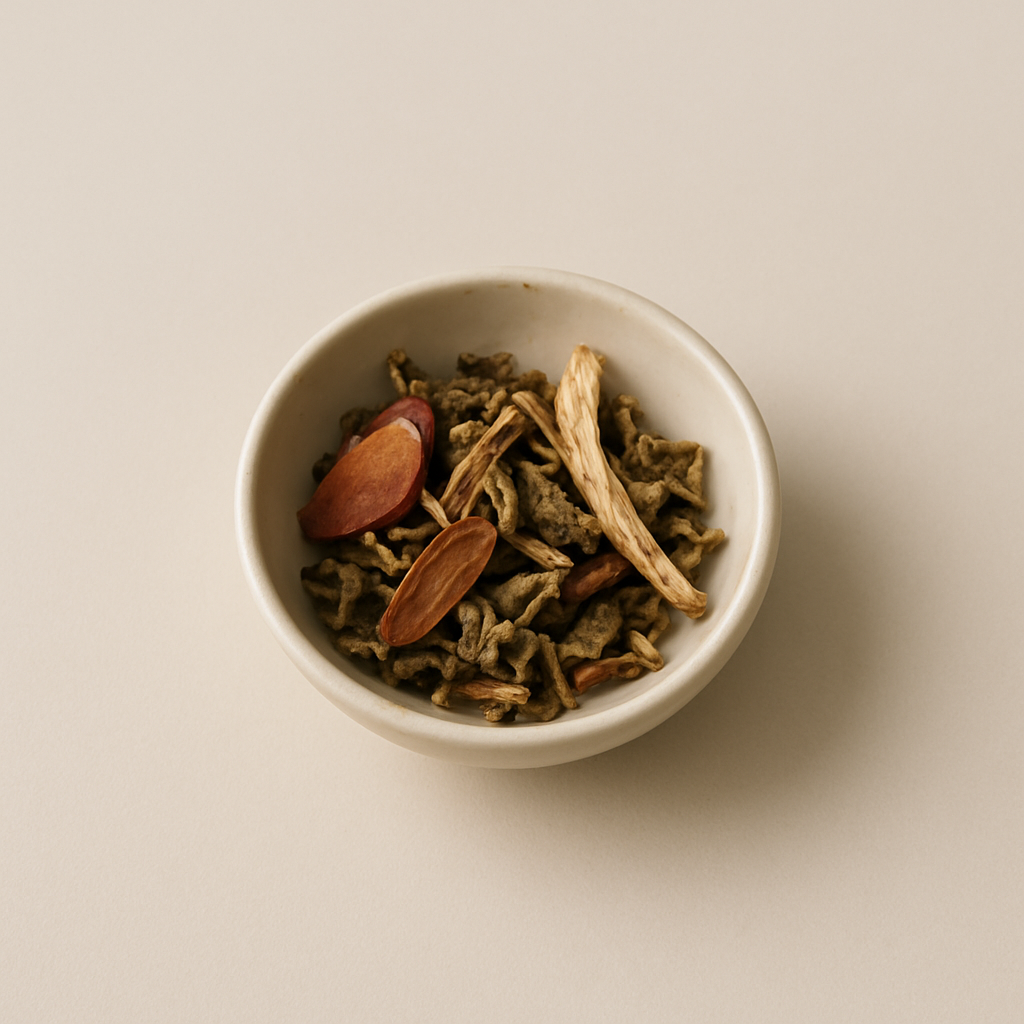
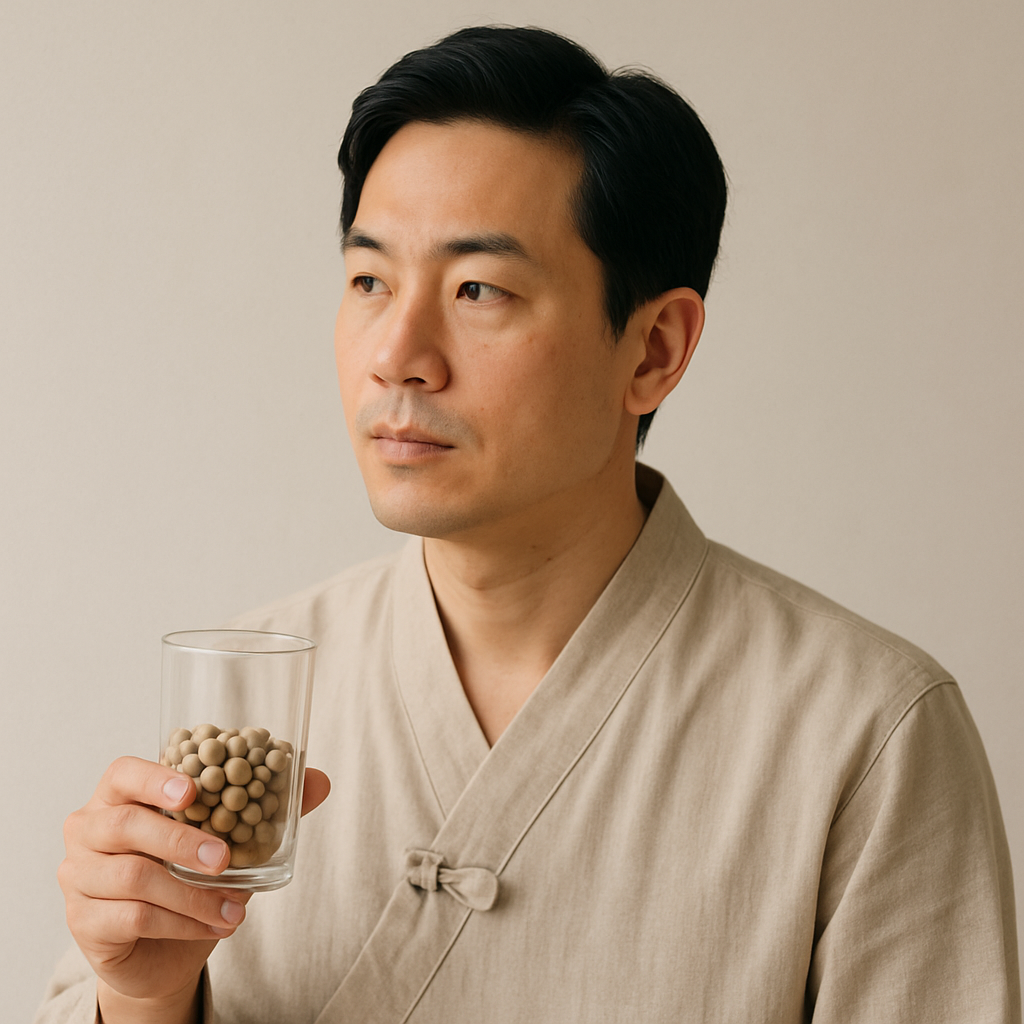
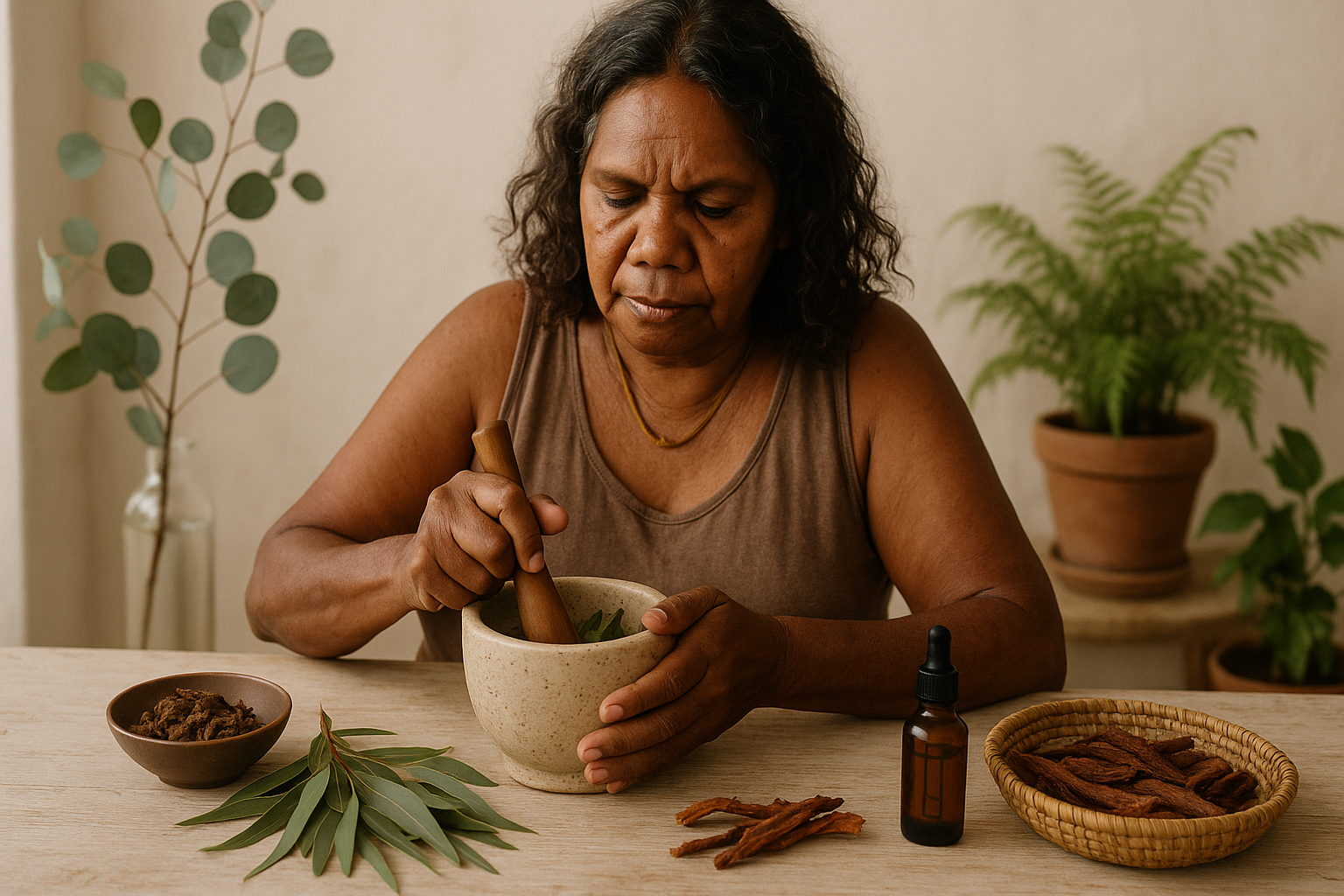
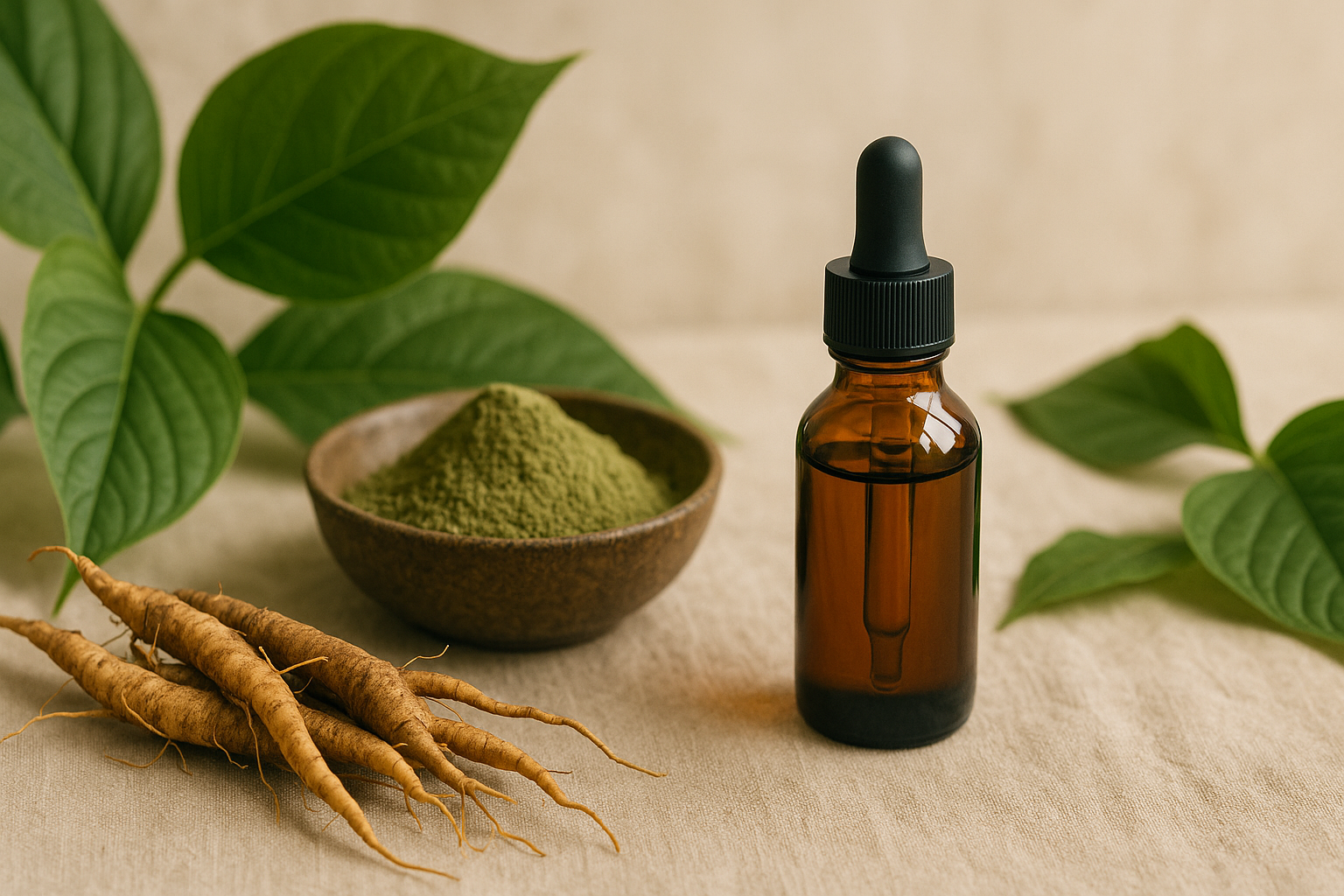
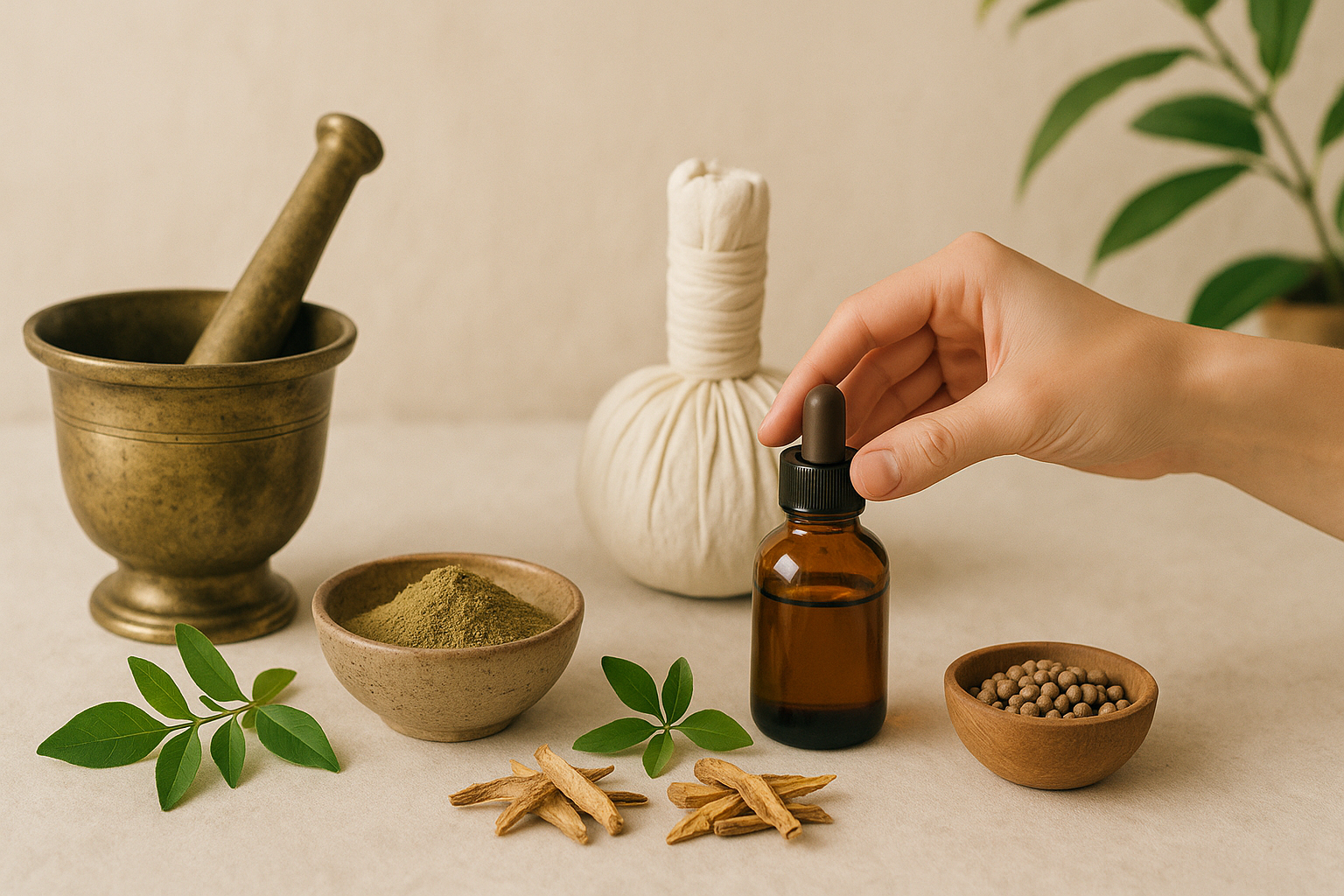
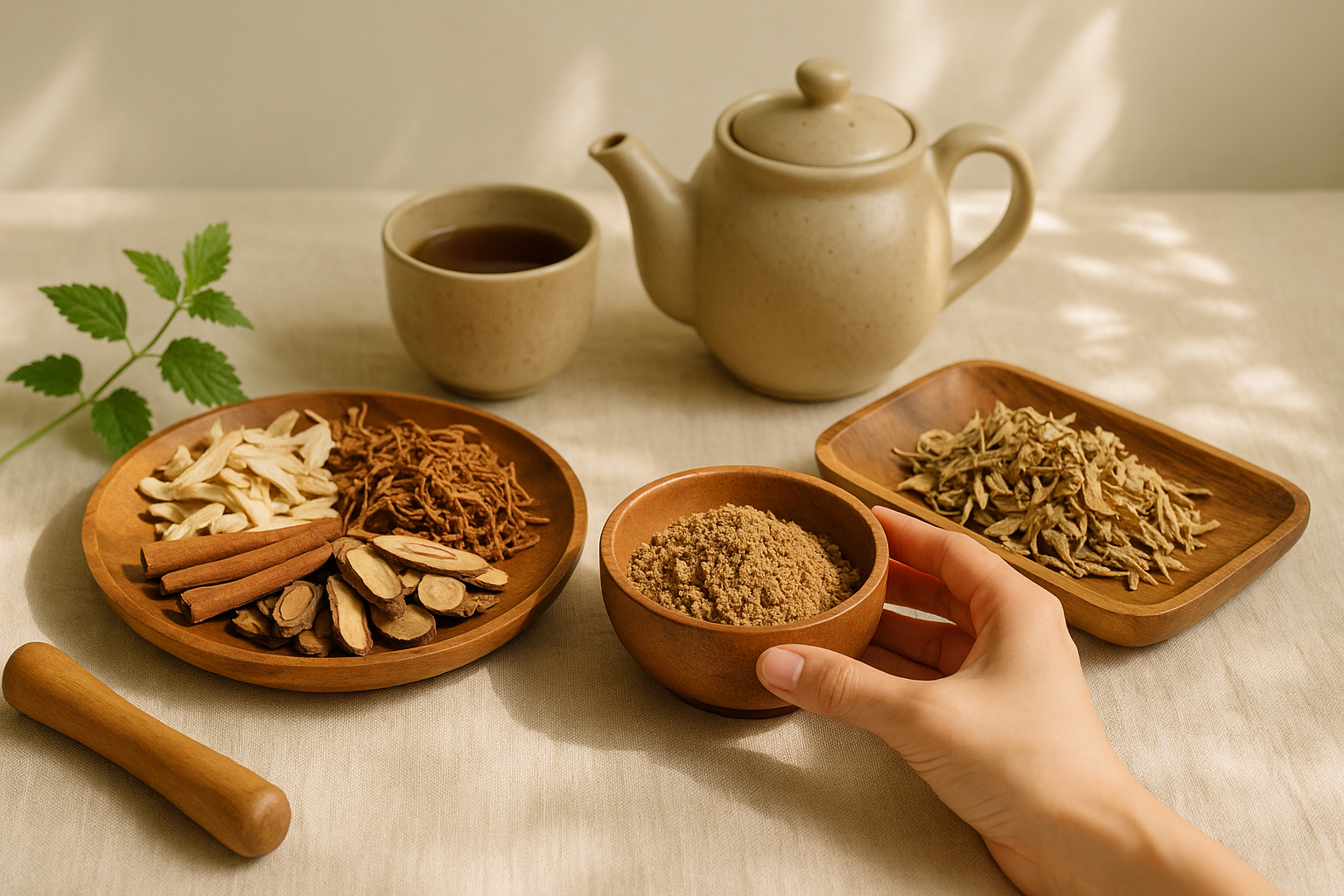
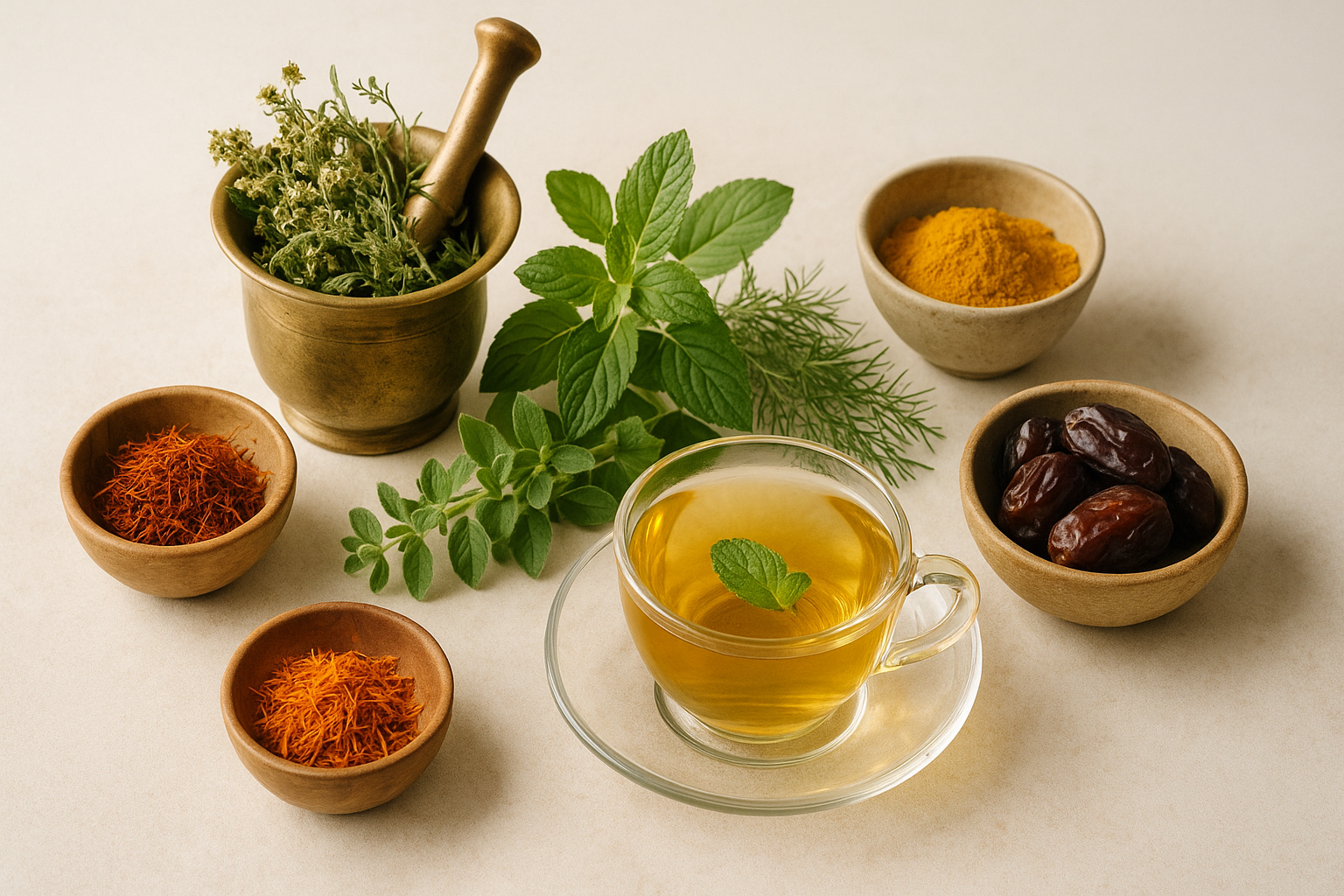
- Herbal Medicine: Customized herbal formulas are prescribed based on individual symptoms and constitution.
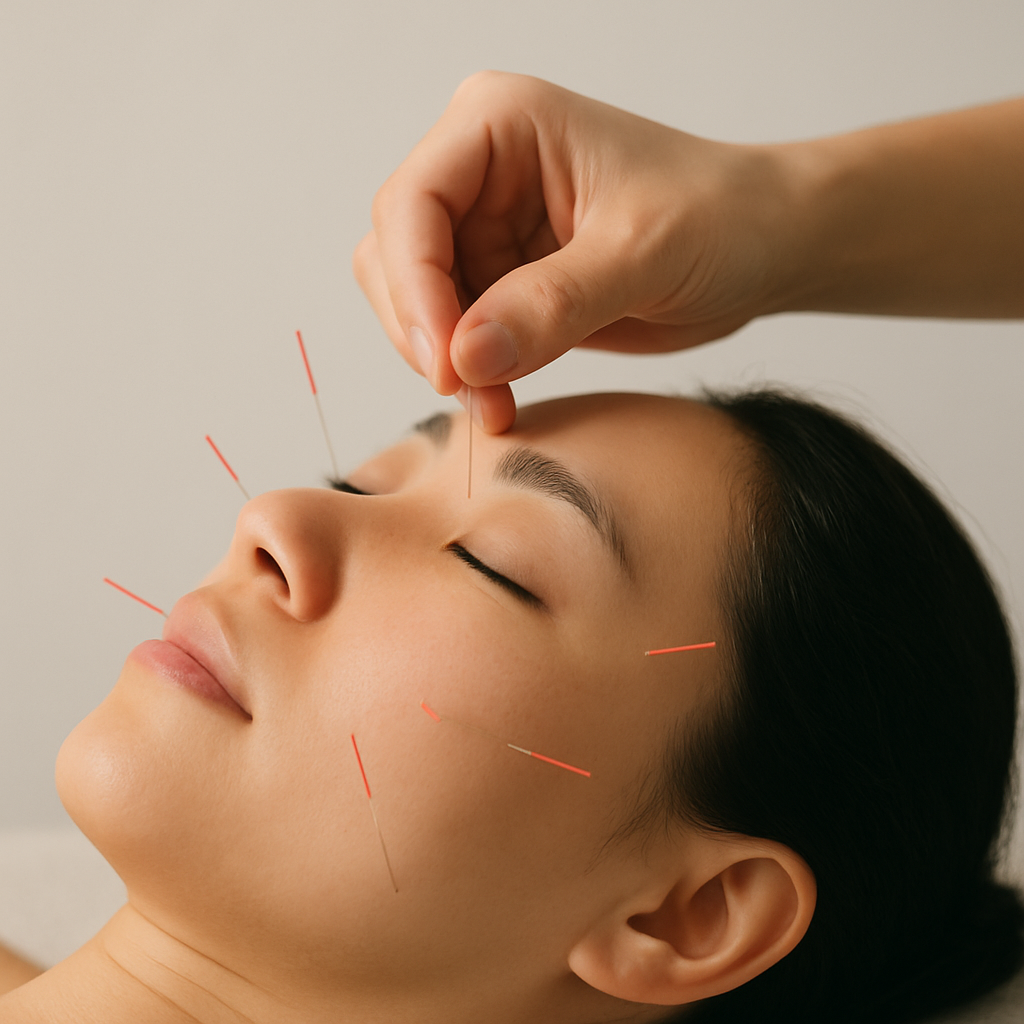
- Acupuncture: Fine needles are inserted at specific points to help release blockages and promote energy flow.
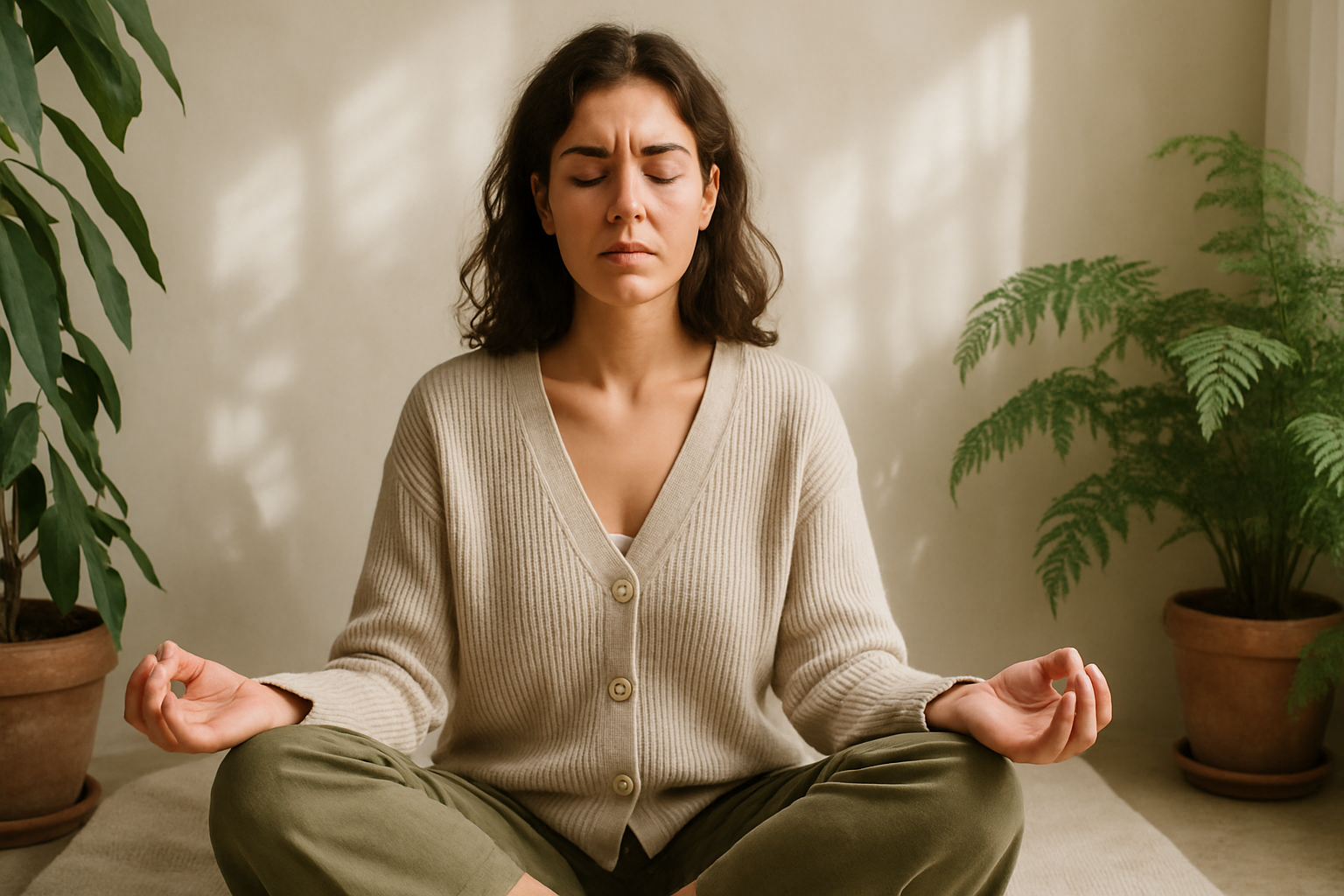
- Breathing Techniques: Guided exercises to enhance relaxation and mindfulness.
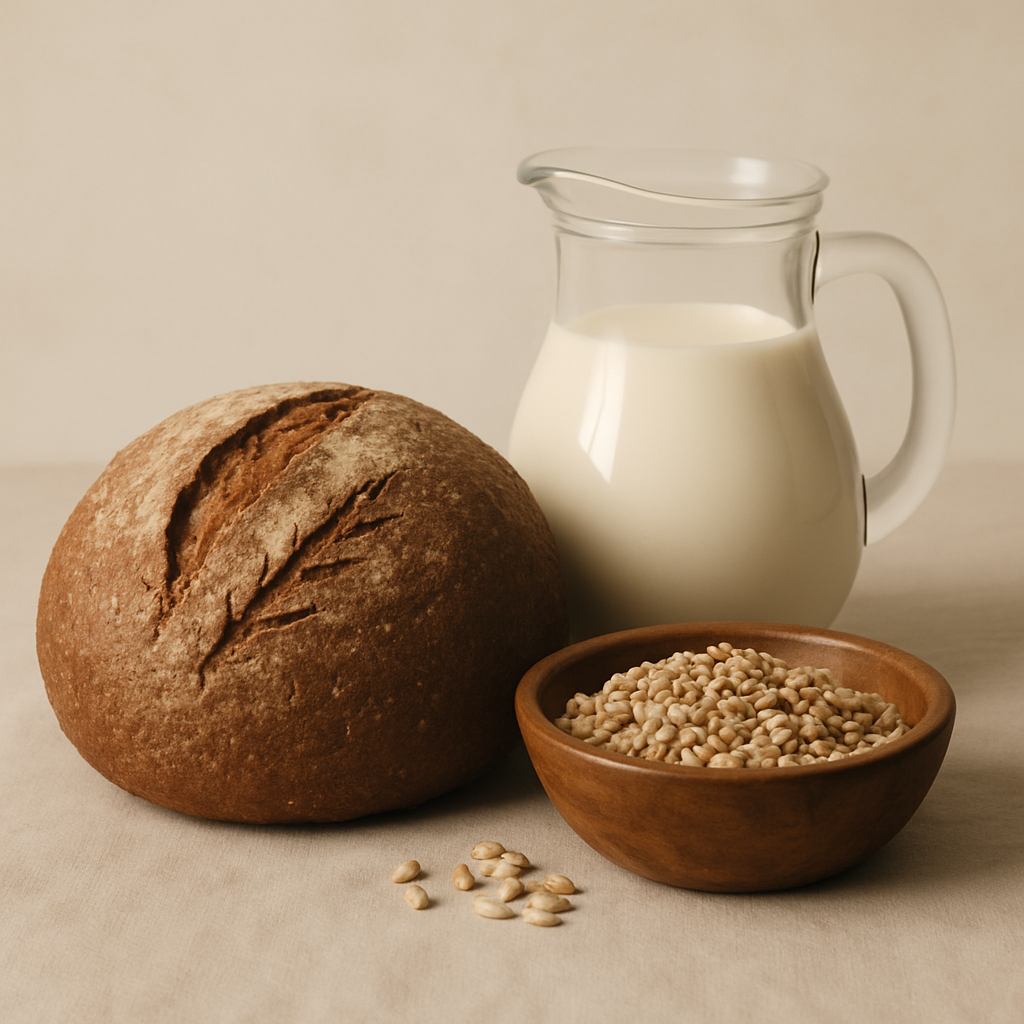
- Dietary Adjustments: Recommendations for foods that nourish the body and support mental clarity.
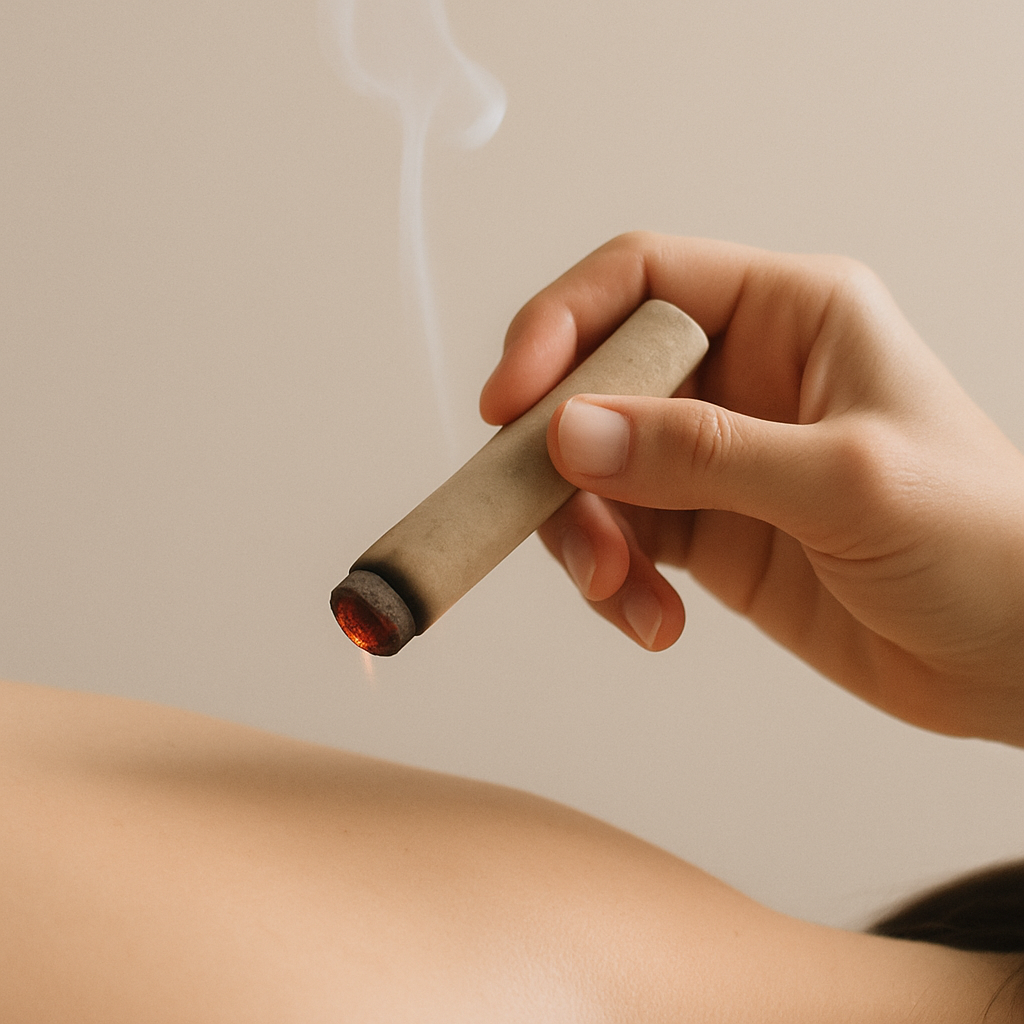
- Massage and Bodywork: Techniques to relieve tension and promote physical relaxation.
The practitioner typically begins with a thorough assessment of the individual's health history and current stressors. Based on this evaluation, a personalized treatment plan is developed, which may include a combination of the methods mentioned above.
What It Is Traditionally Explored For
Stress Recovery in Korean Traditional Medicine is traditionally used for:
- Reducing anxiety and tension
- Promoting restful sleep
- Enhancing mood and emotional stability
- Improving focus and mental clarity
- Supporting physical health during stressful periods
The overall aim is to create a supportive environment for individuals to may support and thrive, enabling them to better cope with life's challenges.
What Modern Research Suggests
Recent studies have begun to explore the efficacy of various components of Korean Traditional Medicine in managing stress. For example, some clinical trials have indicated that acupuncture may help alleviate symptoms of anxiety and improve overall well-being. Additionally, research into specific herbal formulations has shown promise in reducing stress-related symptoms.
While preliminary findings are encouraging, it is essential to approach the current body of research with caution. Many studies are still in early stages, and more comprehensive investigations are needed to establish definitive conclusions regarding the effectiveness of these practices in stress recovery.
Safety, Contraindications & Who Should Skip
While Stress Recovery practices are generally considered safe for most individuals, certain contraindications may apply. It is advisable for the following groups to consult with a qualified healthcare provider before pursuing treatment:
- Pregnant individuals
- Those with bleeding disorders
- Individuals on anticoagulant medications
- People with severe mental health conditions without professional guidance
As with any form of treatment, it is crucial to ensure that practices are tailored to individual needs and health conditions.
Pairs Well With (within Korean Traditional Medicine and across pillars)
Stress Recovery can be effectively paired with the following modalities and ingredients:
- Acupuncture
- Herbal Medicine (e.g., Ginseng, Chrysanthemum)
- Mindfulness and Meditation Techniques
- Physical Therapies (e.g., Tai Chi, Qigong)
- Dietary Therapies (specific nutrient-rich foods)
How to Find a Qualified Practitioner
To find a qualified practitioner of Stress Recovery within Korean Traditional Medicine, consider the following steps:
- Seek recommendations from trusted sources or health professionals.
- Check credentials and certifications related to Korean Traditional Medicine.
- Look for practitioners affiliated with reputable organizations.
- Read reviews or testimonials from previous clients.
- Schedule a consultation to discuss your needs and assess the practitioner's approach.
FAQs (5)
- What should I expect during my first session? You can expect a comprehensive consultation where the practitioner assesses your health history and current stressors, followed by a discussion of a tailored treatment plan.
- How long do the effects of treatment last? The duration of effects varies by individual; some may feel immediate relief, while others may notice gradual improvements over time.
- Are there any side effects? Most individuals experience minimal side effects, but some may experience mild discomfort during acupuncture or other treatments.
- How often should I have treatments? The frequency of treatments can vary based on individual needs, but many practitioners recommend regular sessions initially, followed by maintenance visits.
- Can I combine Stress Recovery with other forms of treatment? Yes, many individuals find that combining Stress Recovery with other wellness practices enhances their overall health and well-being.
Frequently asked
What should I expect during my first session?
You can expect a comprehensive consultation where the practitioner assesses your health history and current stressors, followed by a discussion of a tailored treatment plan.
How long do the effects of treatment last?
The duration of effects varies by individual; some may feel immediate relief, while others may notice gradual improvements over time.
Are there any side effects?
Most individuals experience minimal side effects, but some may experience mild discomfort during acupuncture or other treatments.
How often should I have treatments?
The frequency of treatments can vary based on individual needs, but many practitioners recommend regular sessions initially, followed by maintenance visits.
Can I combine Stress Recovery with other forms of treatment?
Yes, many individuals find that combining Stress Recovery with other wellness practices enhances their overall health and well-being.