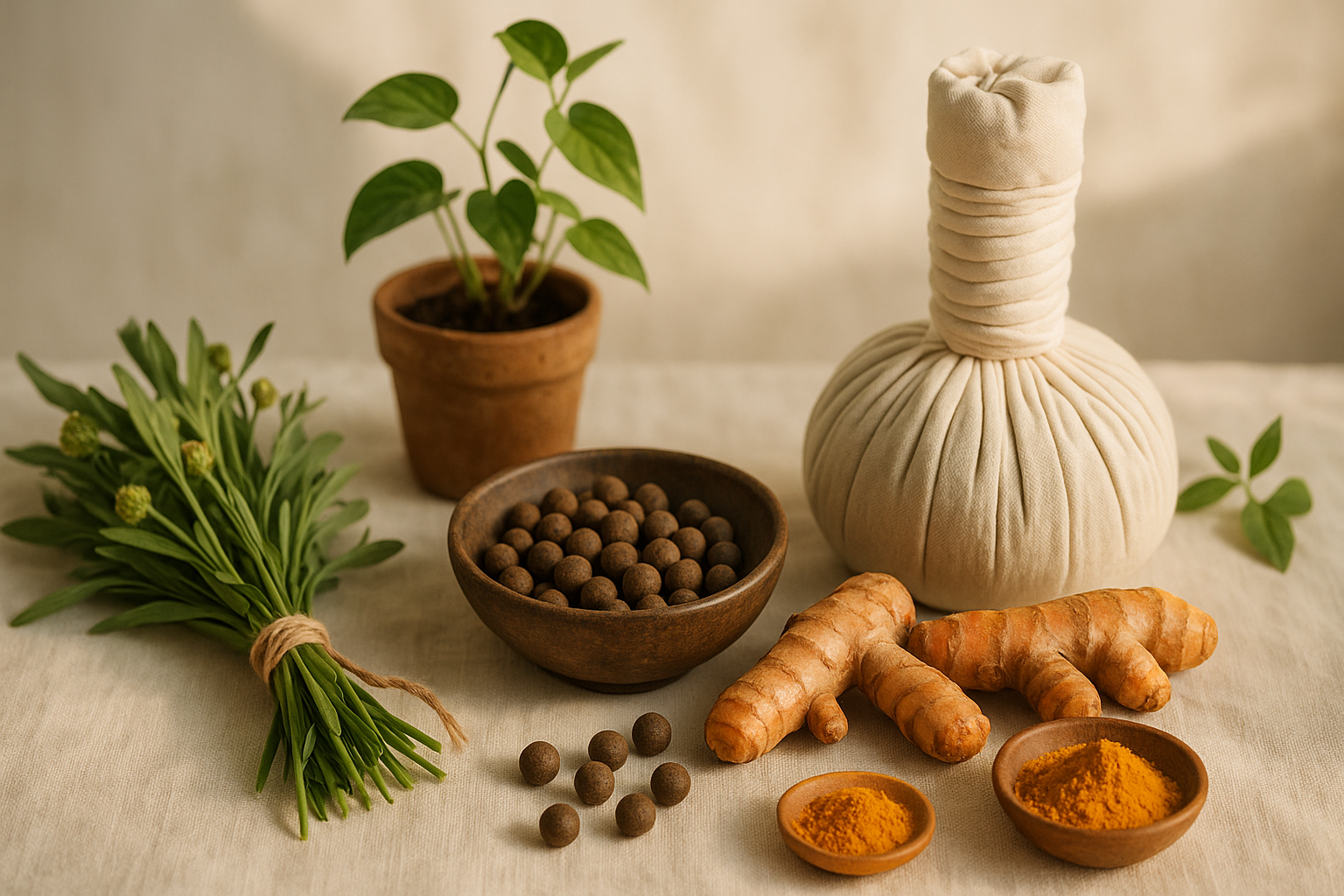
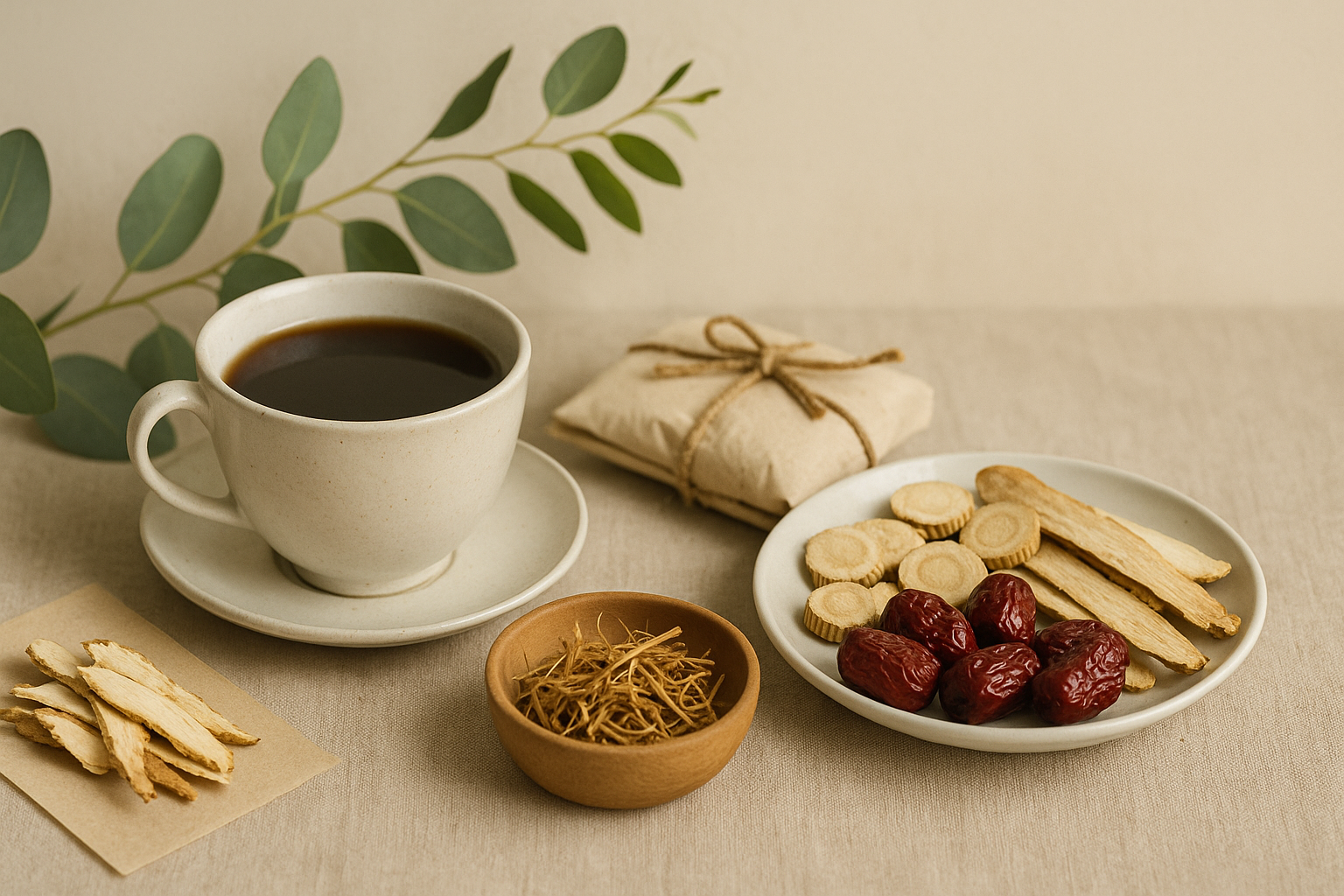
Energy Balance
Discover the principles of Energy Balance in Korean Traditional Medicine, its historical context, practical approaches, and health implications.
Explore the ancient practice of Energy Balance within Korean Traditional Medicine, its historical roots, practical applications, and insights from modern research.
What It Is
Energy Balance is a fundamental concept within Korean Traditional Medicine (KTM) that focuses on harmonizing the body’s vital energies, known as Qi (or "Ki" in Korean). This practice is based on the belief that maintaining a balanced flow of energy is crucial for overall health and well-being. Practitioners aim to identify and rectify any imbalances that may contribute to physical or emotional discomfort.
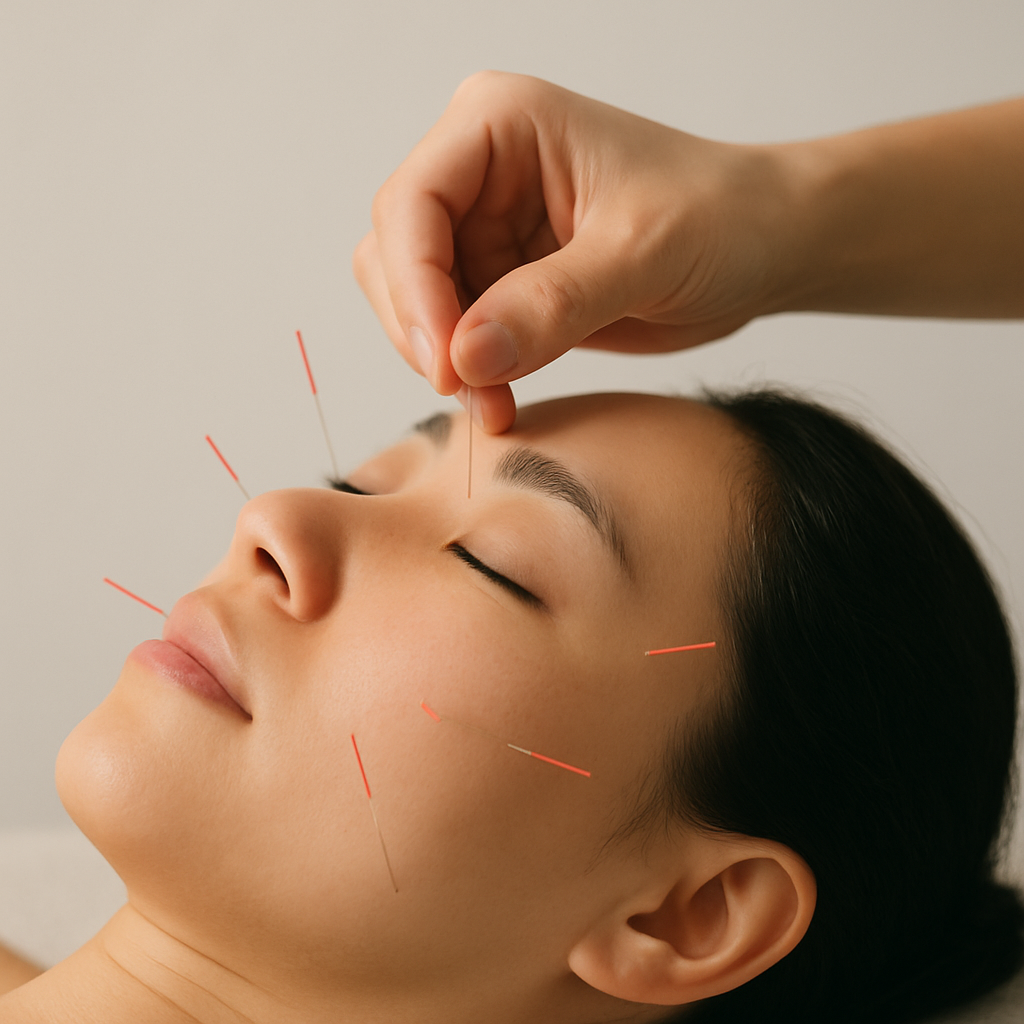
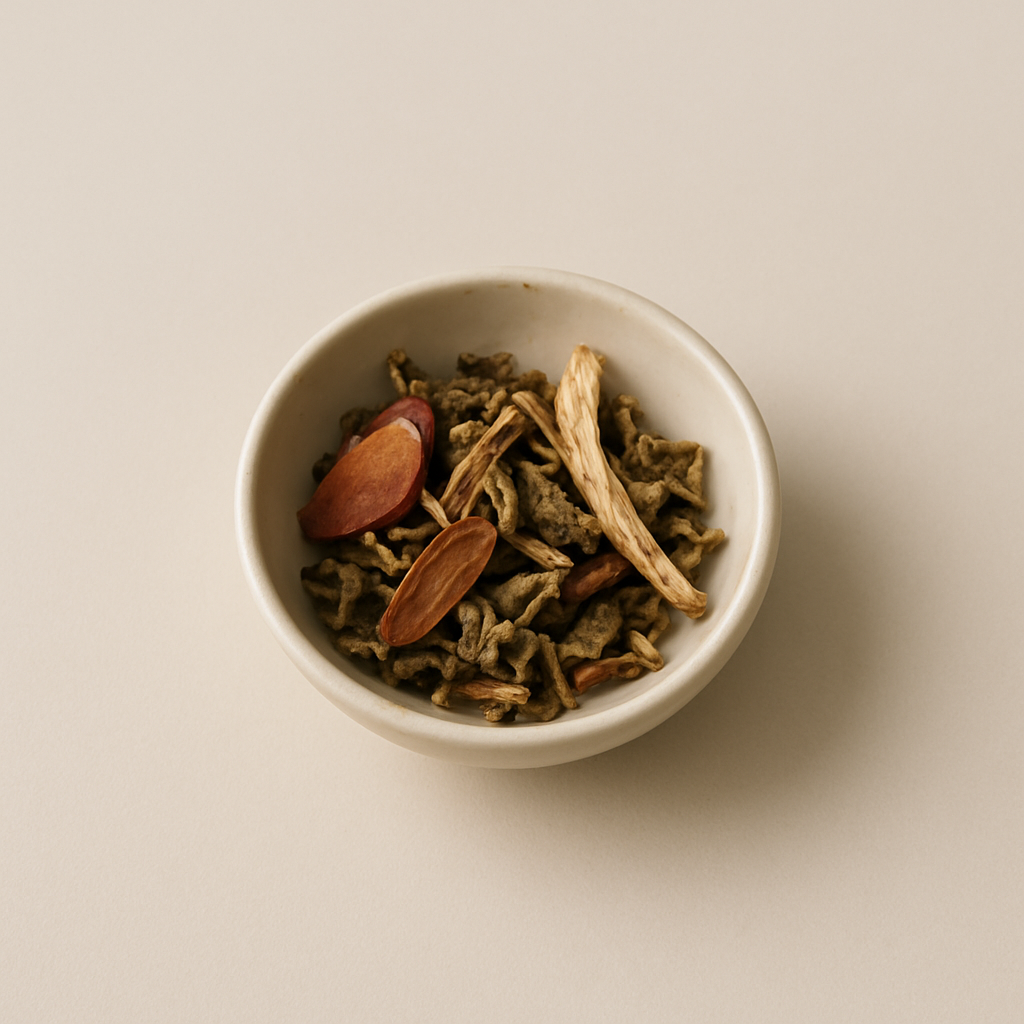
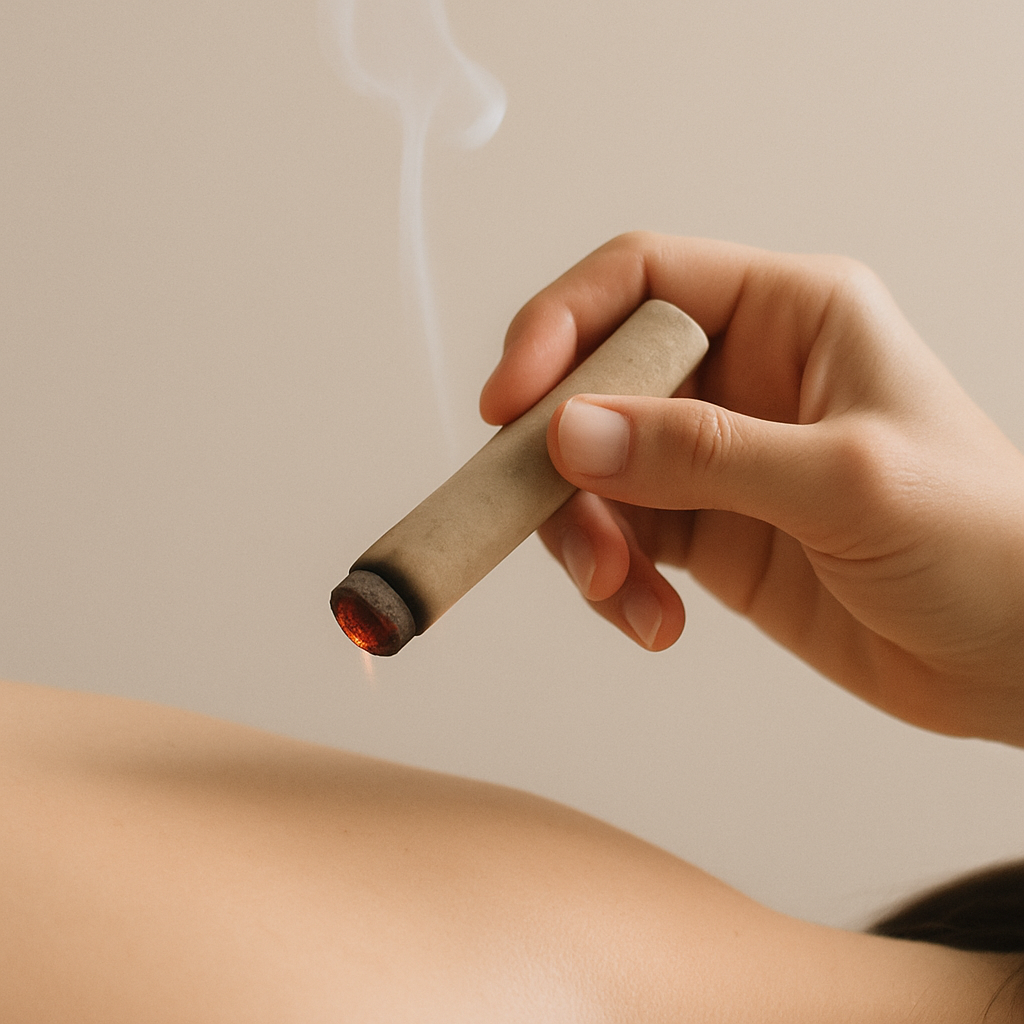
The approach involves various techniques, including acupuncture, herbal medicine, and lifestyle recommendations. By restoring energy equilibrium, individuals may experience improved vitality, emotional stability, and a reduced risk of various health issues. Energy Balance encapsulates a holistic view of health, emphasizing the interconnectedness of body, mind, and spirit.
Historical Context Within Korean Traditional Medicine
The concept of Energy Balance has deep historical roots in Korean Traditional Medicine, tracing back thousands of years. Its development is attributed to the amalgamation of indigenous Korean healing practices and the influence of Chinese medicine, particularly during the Three Kingdoms period (57 BC – 668 AD). Over the centuries, various scholars and practitioners contributed to the refinement of these ideas, integrating them into a cohesive system of healing.
One significant figure in the historical development of Energy Balance was Heo Jun, a renowned physician during the Joseon Dynasty (1392-1910). He authored the influential medical text, "Dongui Bogam," which emphasized the importance of energy balance in diagnosing and treating ailments. This historical context illustrates the foundational role that Energy Balance plays within the broader framework of Korean Traditional Medicine.
How It's Practiced
Practicing Energy Balance involves a comprehensive assessment of an individual's health and energy state. Here is a general walk-through of how a practitioner might approach this:
- Initial Consultation: The practitioner conducts a detailed interview to understand the individual's lifestyle, health history, and specific concerns.
- Diagnosis: Techniques such as pulse and tongue diagnosis are used to assess energy flow and identify imbalances.
- Treatment Plan: Based on the diagnosis, a tailored treatment plan is created. This may include:
- Acupuncture sessions to stimulate energy points.
- Herbal remedies to support energy balance.
- Lifestyle and dietary recommendations to enhance overall well-being.
- Follow-Up: Regular follow-up appointments are scheduled to monitor progress and adjust the treatment plan as necessary.
What It Is Traditionally Explored For
Energy Balance has traditionally been explored for a variety of health concerns, emphasizing the prevention of illness and the promotion of overall wellness. Some common goals include:
- Enhancing physical vitality and energy levels.
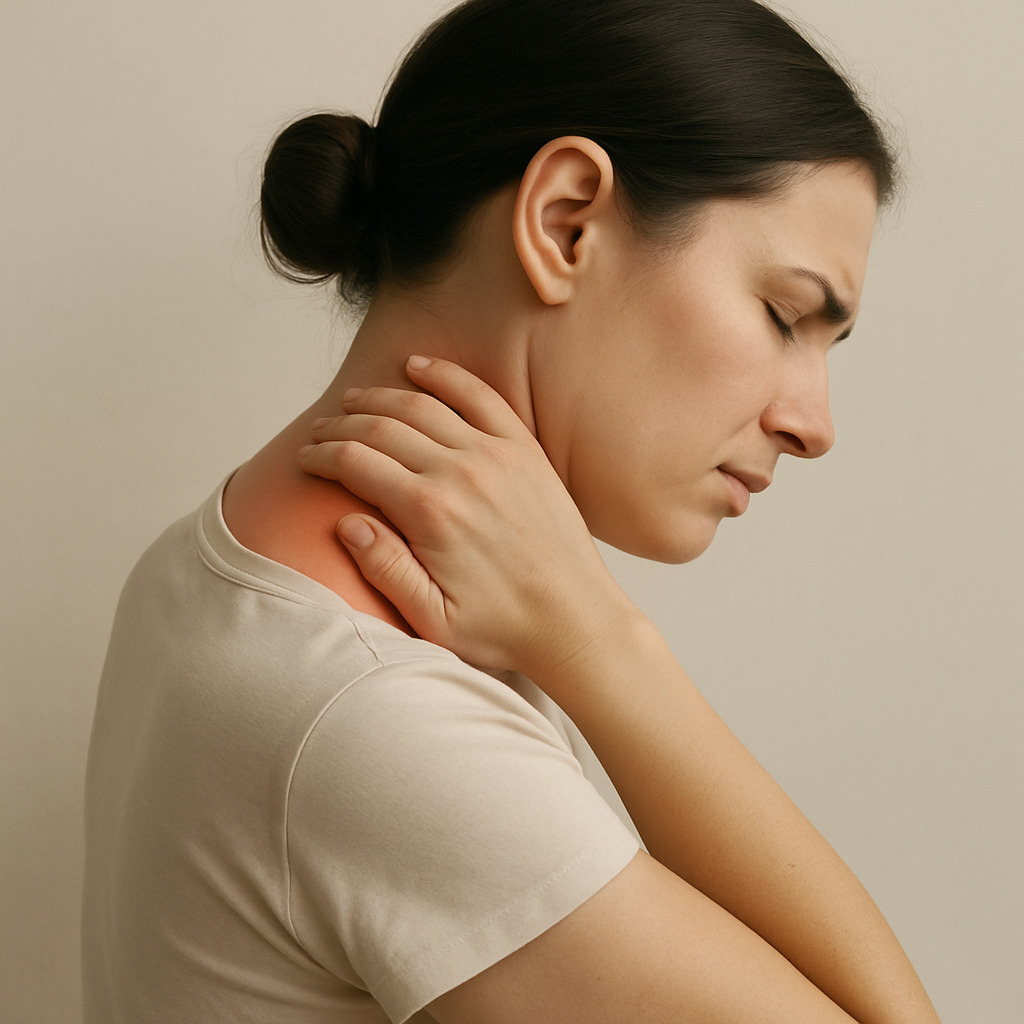
- Improving emotional well-being and reducing stress.
- Supporting digestive health and metabolism.
- Facilitating recovery from illness or injury.
- Promoting better sleep and relaxation.
While these applications are rooted in tradition, it is essential to approach them with caution and recognize that individual experiences may vary.
What Modern Research Suggests
Modern research on Energy Balance within Korean Traditional Medicine is still evolving, but preliminary studies suggest potential benefits. Some clinical trials have explored the efficacy of acupuncture—a key component of Energy Balance—indicating that it may help alleviate certain conditions such as chronic pain, anxiety, and digestive issues. However, the results are mixed, and more rigorous studies are needed to establish definitive conclusions.
Additionally, some research has focused on the effects of herbal remedies traditionally used in conjunction with Energy Balance practices. These studies highlight the potential of specific herbs to support energy flow and enhance overall health. Nevertheless, it is important to approach these findings with caution, as individual responses to treatment can vary widely.
Safety, Contraindications & Who Should Skip
While Energy Balance practices are generally considered safe when conducted by qualified practitioners, certain individuals may need to exercise caution or avoid these treatments altogether. Those who should consult a healthcare professional before engaging in Energy Balance practices include:
- Individuals with severe or uncontrolled medical conditions.
- Pregnant women, as some treatments may not be advisable.
- People with bleeding disorders or those on blood-thinning medication.
- Individuals who are sensitive to needles or have a fear of acupuncture.
It is always advisable to discuss any health concerns with a qualified practitioner before starting any new treatment.
Pairs Well With (within Korean Traditional Medicine and across pillars)
Energy Balance complements various other modalities and ingredients within Korean Traditional Medicine. Some related practices include:
- Herbal Medicine - Often used in conjunction with Energy Balance to enhance healing.
- Acupuncture - A primary technique for restoring energy flow.
- Massage Therapy - Helps alleviate tension and promote relaxation.
- Qigong - A practice that also focuses on energy flow and mindfulness.
Across other pillars, Energy Balance may pair well with practices such as yoga and tai chi, which also emphasize the harmony of body and mind.
How to Find a Qualified Practitioner
Finding a qualified practitioner for Energy Balance in Korean Traditional Medicine involves several steps:
- Research local practitioners who specialize in Korean Traditional Medicine.
- Check their credentials and ensure they have appropriate training in Energy Balance techniques.
- Read reviews or testimonials from previous clients.
- Schedule a consultation to discuss your health goals and see if the practitioner’s approach aligns with your needs.
It is essential to choose a practitioner who makes you feel comfortable and is willing to address your questions and concerns.
FAQs (5)
- What is Energy Balance? Energy Balance is a concept in Korean Traditional Medicine that focuses on harmonizing the body’s vital energies to promote overall health.
- How is Energy Balance practiced? It involves a combination of consultation, diagnosis, and tailored treatments such as acupuncture and herbal remedies.
- What conditions is Energy Balance traditionally used for? It is traditionally explored for enhancing vitality, improving emotional well-being, and supporting digestive health.
- Is Energy Balance safe? Generally safe, but individuals with certain health conditions should consult a healthcare professional before beginning treatment.
- How can I find a qualified practitioner? Research local practitioners, check credentials, and schedule consultations to ensure a good fit.
Frequently asked
What is Energy Balance?
Energy Balance is a concept in Korean Traditional Medicine that focuses on harmonizing the body’s vital energies to promote overall health.
How is Energy Balance practiced?
It involves a combination of consultation, diagnosis, and tailored treatments such as acupuncture and herbal remedies.
What conditions is Energy Balance traditionally used for?
It is traditionally explored for enhancing vitality, improving emotional well-being, and supporting digestive health.
Is Energy Balance safe?
Generally safe, but individuals with certain health conditions should consult a healthcare professional before beginning treatment.
How can I find a qualified practitioner?
Research local practitioners, check credentials, and schedule consultations to ensure a good fit.