Circulatory Support
Discover the role of Circulatory Support in Korean Traditional Medicine, its historical context, traditional practices, and modern research insights.
Explore the ancient practice of Circulatory Support in Korean Traditional Medicine, focusing on its historical roots, methodologies, and potential benefits. Learn about its applications, modern research findings, safety considerations, and how to find qualified practitioners.
What It Is
Circulatory Support in Korean Traditional Medicine (KTM) refers to a collection of practices aimed at enhancing the flow of blood and vital energy, or qi, throughout the body. This modality recognizes the intricate relationship between proper circulation and overall health, emphasizing the importance of maintaining balance within the body's systems. Practitioners utilize a variety of techniques, including herbal remedies, acupuncture, and dietary recommendations, to support and improve circulatory function.
The philosophy behind Circulatory Support is grounded in the belief that stagnant or blocked blood flow can lead to a range of health issues. By promoting healthy circulation, practitioners aim to prevent complications and support the body's natural healing processes. Various factors, including lifestyle, diet, and emotional well-being, are considered in order to create a comprehensive approach to circulatory health.
Historical Context Within Korean Traditional Medicine
The roots of Circulatory Support can be traced back to the early development of Korean Traditional Medicine, which has been practiced for thousands of years. Influenced by Chinese medicine, Korean healers began to develop their unique interpretations and methodologies, particularly in the area of blood and qi circulation. Historical texts indicate that renowned figures within Korean medicine, such as Heo Jun in the 16th century, contributed significantly to the understanding and practice of circulatory health.
As Korean Traditional Medicine evolved, so too did the approaches to ensuring proper circulation. Over the centuries, various techniques and herbal formulations were developed, emphasizing the need for balance and harmony within the body's systems. Today, Circulatory Support remains a vital component of Korean Traditional Medicine, reflecting its long-standing commitment to holistic health.
How It's Practiced
Practitioners of Circulatory Support employ a range of techniques to enhance blood flow and promote overall well-being. The following steps outline a typical approach in a practitioner’s session:
- Initial Assessment: The practitioner conducts a thorough evaluation, including pulse diagnosis and examination of the tongue, to understand the patient's circulatory health.
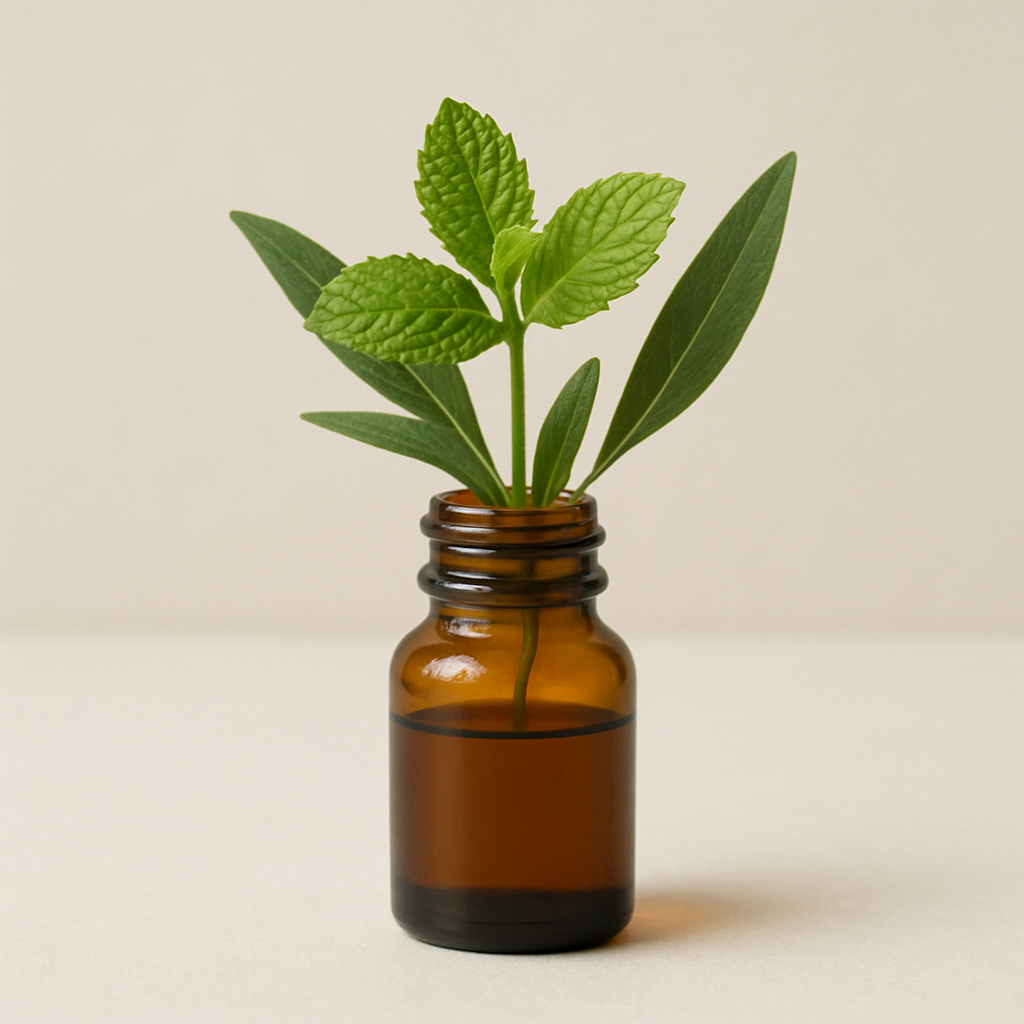
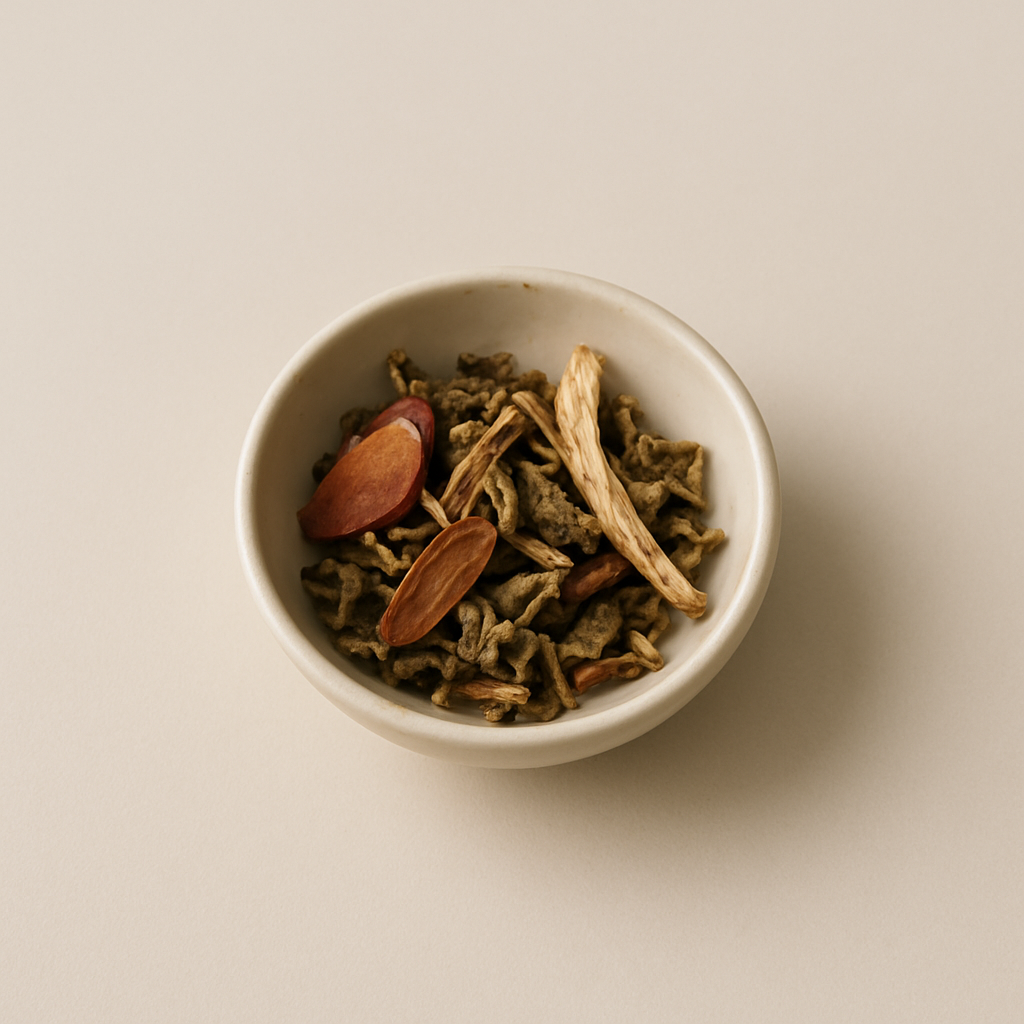
- Customized Herbal Formulation: Based on the assessment, a tailored herbal remedy may be prescribed, often incorporating ingredients known to support circulation.
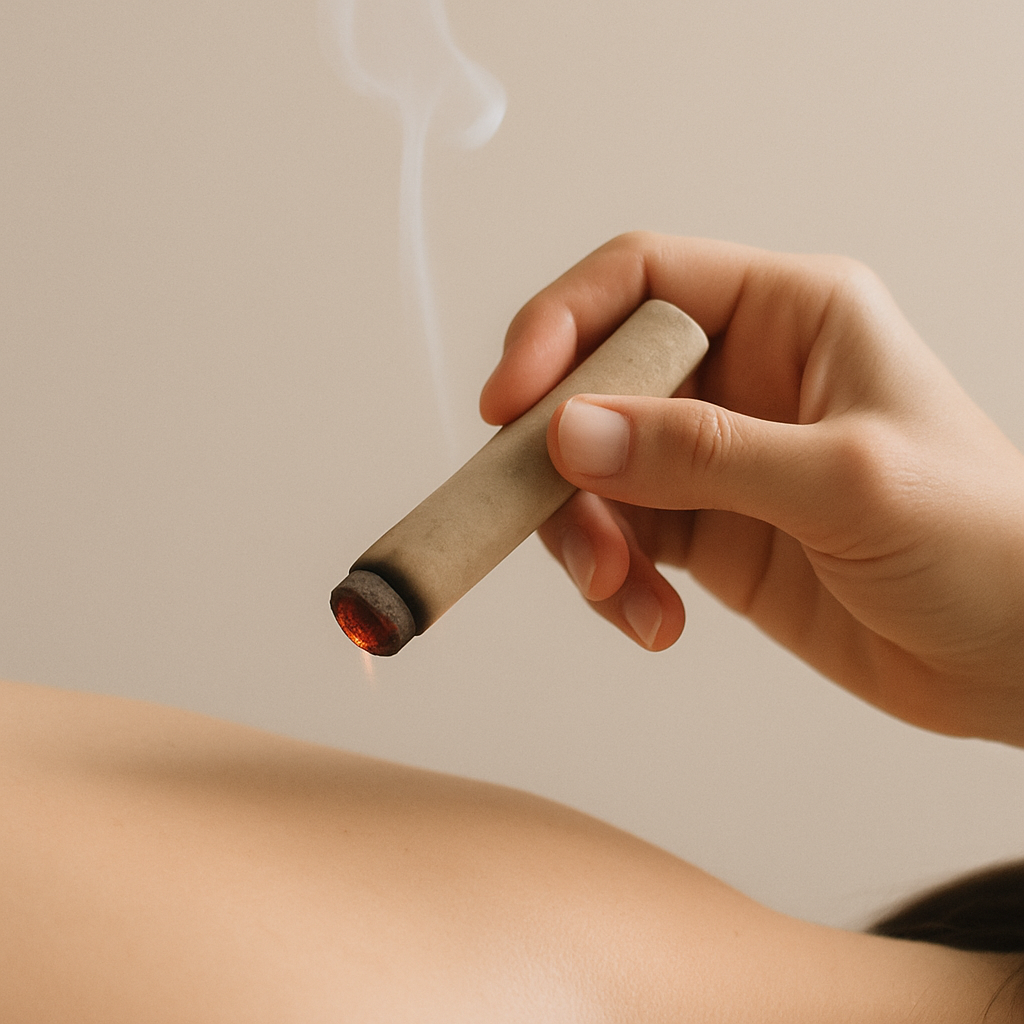
- Acupuncture: Specific acupuncture points associated with blood flow may be targeted to stimulate circulation and balance qi.
- Dietary Recommendations: The practitioner may suggest dietary changes to include foods that promote healthy circulation, such as garlic, ginger, and leafy greens.
- Lifestyle Guidance: Patients may receive advice on physical activity, stress management, and other lifestyle factors that can influence circulatory health.
What It Is Traditionally Explored For
Circulatory Support is traditionally used for various health concerns related to blood flow and energy levels. Some common goals of this practice include:
- Enhancing overall circulation and blood flow.
- Reducing symptoms of fatigue or low energy.
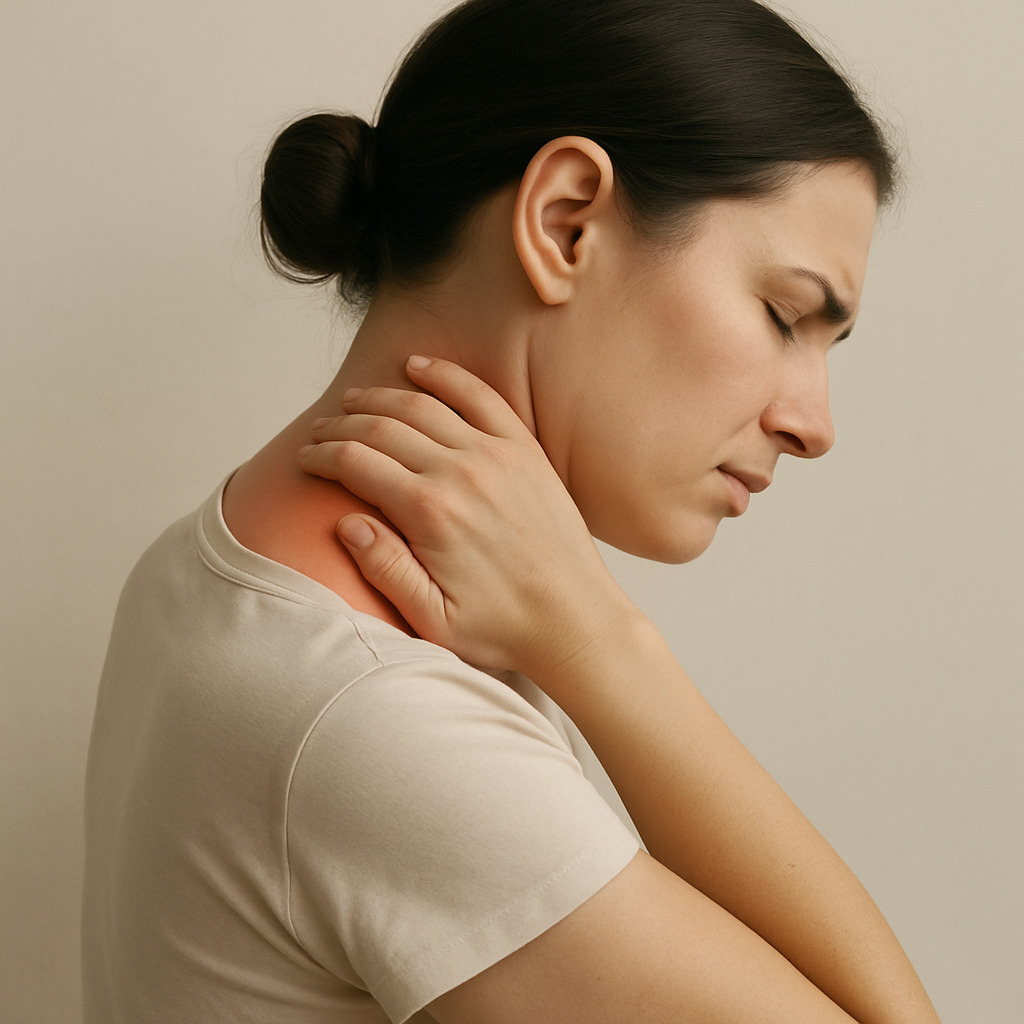
- Alleviating discomfort associated with poor circulation, such as cold extremities.
- Supporting recovery from physical exertion or trauma.
- Promoting emotional well-being by addressing stress-related circulatory issues.
What Modern Research Suggests
However, it is essential to approach these findings with caution, as more extensive and rigorous research is needed to establish definitive conclusions. The interplay between herbal medicine, acupuncture, and lifestyle factors remains complex, and individual responses may vary. As always, it is advisable to consult with a qualified practitioner for personalized guidance.
Safety, Contraindications & Who Should Skip
While Circulatory Support practices are generally considered safe, certain individuals may need to exercise caution or avoid these modalities entirely. Those who should be cautious include:
- Individuals with bleeding disorders or those on blood-thinning medications.
- Pregnant women, as some herbs may not be safe during pregnancy.
- Persons with existing medical conditions, such as severe cardiovascular issues, should consult their healthcare provider before engaging in these practices.
- Individuals who have a history of allergic reactions to specific herbs or acupuncture.
Pairs Well With (within Korean Traditional Medicine and across pillars)
Circulatory Support can be effectively paired with various other modalities and ingredients in Korean Traditional Medicine, including:
- Acupuncture: Often used in conjunction to enhance the benefits of circulatory support.
- Herbal Medicine: Specific herbs known for their circulatory benefits, such as ginseng, ginger, and red clover.
- Massage: Techniques that promote relaxation and improve blood flow.
- Qigong or Tai Chi: Mind-body practices that enhance circulation through gentle movement.
How to Find a Qualified Practitioner
To find a qualified practitioner of Circulatory Support within Korean Traditional Medicine, consider the following steps:
- Research local clinics specializing in Korean Traditional Medicine.
- Check practitioner credentials and training in acupuncture and herbal medicine.
- Look for reviews or testimonials from previous patients.
- Schedule a consultation to discuss your health concerns and understand their approach.
FAQs (5)
- What is Circulatory Support? Circulatory Support refers to practices within Korean Traditional Medicine aimed at enhancing blood flow and overall circulatory health.
- How does acupuncture help with circulation? Acupuncture can stimulate specific points in the body, promoting blood flow and balancing energy.
- Are there any side effects? While generally safe, some individuals may experience minor bruising or discomfort after acupuncture.
- How long does a typical session last? A session may last from 30 to 90 minutes, depending on the treatment plan.
- Can I combine this with other treatments? Yes, Circulatory Support can complement other health practices but consult your practitioner first.
Frequently asked
What is Circulatory Support?
Circulatory Support refers to practices within Korean Traditional Medicine aimed at enhancing blood flow and overall circulatory health.
How does acupuncture help with circulation?
Acupuncture can stimulate specific points in the body, promoting blood flow and balancing energy.
Are there any side effects?
While generally safe, some individuals may experience minor bruising or discomfort after acupuncture.
How long does a typical session last?
A session may last from 30 to 90 minutes, depending on the treatment plan.
Can I combine this with other treatments?
Yes, Circulatory Support can complement other health practices but consult your practitioner first.