Korean Acupuncture
Learn about Korean acupuncture, its historical roots, practices, and traditional uses within Korean traditional medicine.
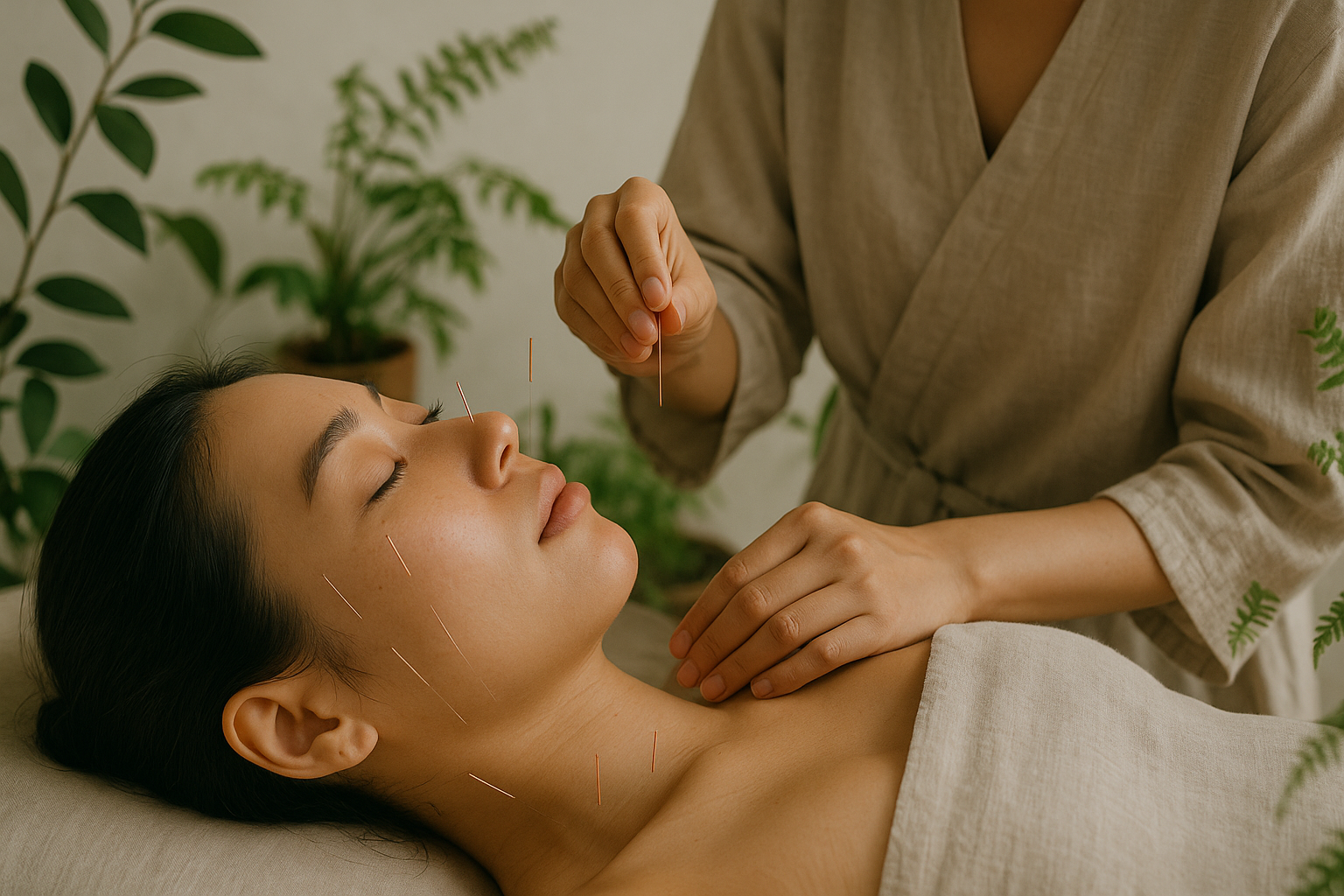
Korean acupuncture, a vital aspect of Korean traditional medicine, emphasizes the balance of energy within the body. Its unique practices and historical significance make it a compelling choice for those exploring holistic health.
What It Is
Korean acupuncture is a specialized form of acupuncture rooted in the principles of Korean traditional medicine (KTM). This practice involves the insertion of fine needles into specific points on the body to stimulate energy flow, known as "Qi" or "Chi." Korean acupuncture emphasizes a holistic approach, considering the physical, emotional, and spiritual aspects of health.
Unlike some other forms of acupuncture, Korean acupuncture often utilizes unique techniques and points, including those on the hands and feet, reflecting the belief that these areas are microcosms of the entire body. The aim is to restore balance and harmony within the body's energy systems, promoting overall well-being.
Historical Context Within Korean Traditional Medicine
Korean acupuncture has a rich history that dates back thousands of years, emerging as an integral part of Korean traditional medicine. Its development is attributed to the synthesis of indigenous Korean healing practices and influences from neighboring cultures, especially Traditional Chinese Medicine (TCM).
During the Goryeo Dynasty (918-1392 AD), Korean medicine began to flourish, and acupuncture techniques were refined and documented. The practice continued to evolve in the Joseon Dynasty (1392-1910), where it was formalized into a comprehensive medical system that included herbology, moxibustion, and acupuncture.
How It's Practiced
Practitioners of Korean acupuncture generally follow a structured approach to treatment. Here is a typical walk-through of a session:
- Initial Consultation: The practitioner conducts a thorough assessment of the patient's health history, lifestyle, and specific concerns.
- Diagnosis: Using techniques such as pulse diagnosis and tongue examination, the practitioner identifies imbalances in the body's energy.
- Point Selection: Unique points are selected based on the diagnosis, often including hand and foot acupuncture points.
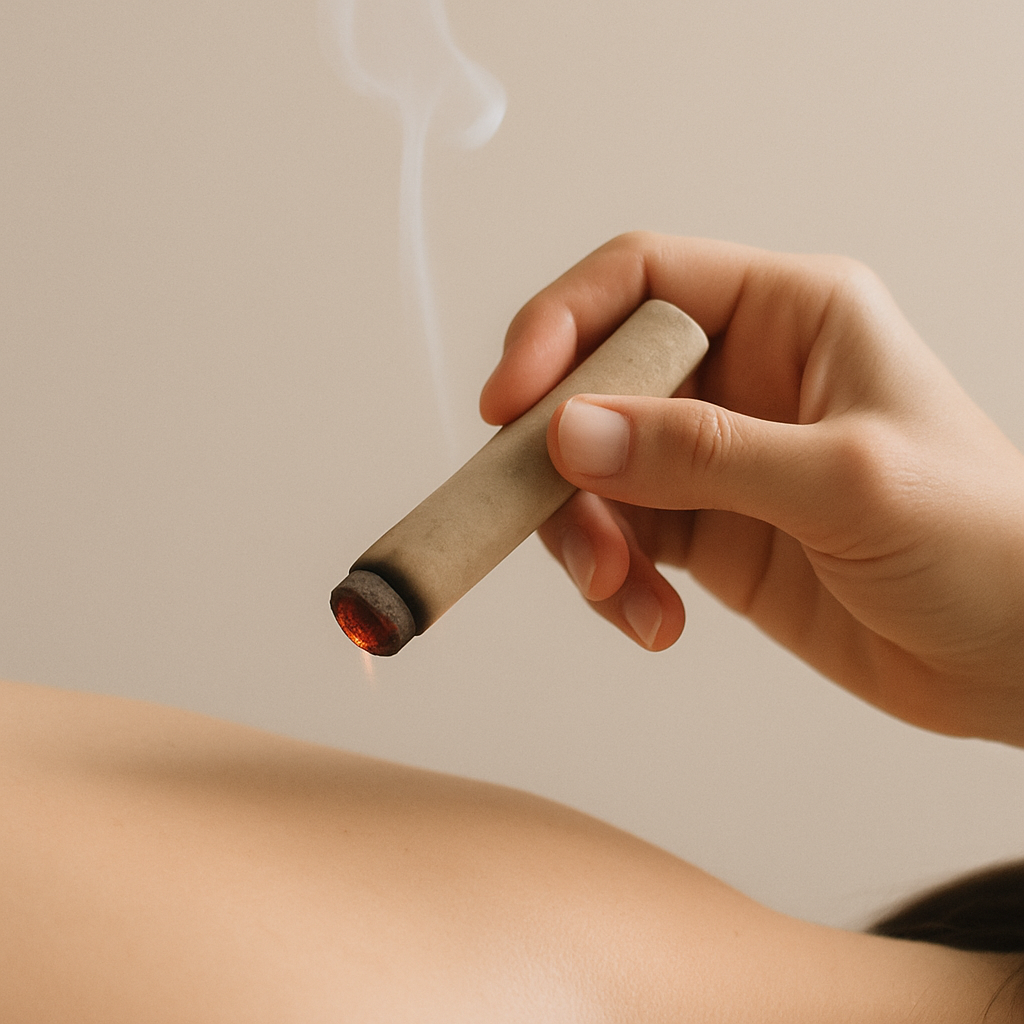
- Needling: Fine needles are gently inserted into the chosen points, sometimes accompanied by techniques such as moxibustion (burning of mugwort) to enhance the treatment.
- Aftercare: Patients may receive guidance on self-care practices, diet, and lifestyle changes to support their healing process.
What It Is Traditionally Explored For
Korean acupuncture is traditionally used for a variety of health concerns, with a focus on restoring balance and promoting overall wellness. Common goals include:
- Relief from pain, such as headaches, back pain, and joint discomfort.
- Support for digestive health and related issues.
- Regulation of emotional well-being, including stress and anxiety management.
- Enhancement of immune function and overall vitality.
- Support in women's health, including menstrual issues and fertility.
What Modern Research Suggests
However, it is important to approach these findings with caution. While some studies show potential benefits, more comprehensive research is needed to fully understand the mechanisms and effectiveness of Korean acupuncture in treating various health issues. As with any complementary therapy, it is advisable to consult with a healthcare provider before starting treatment.
Safety, Contraindications & Who Should Skip
Korean acupuncture is generally considered safe when performed by a qualified practitioner. However, there are certain situations where it may be contraindicated. Individuals who should exercise caution or avoid this practice include:
- Those with bleeding disorders or who are on blood-thinning medications.
- Pregnant women, unless treated by a practitioner experienced in prenatal acupuncture.
- Individuals with certain skin conditions or infections at the site of needle insertion.
- People with a history of seizures or epilepsy.
It is crucial for individuals to discuss their medical history with their practitioner prior to treatment.
Pairs Well With (within Korean Traditional Medicine and across pillars)
Korean acupuncture can complement various other modalities and ingredients within Korean traditional medicine, including:
- Herbal medicine for enhanced therapeutic effects.
- Moxibustion for warming and invigorating treatment.
- Chuna manual therapy for musculoskeletal issues.
- Dietary therapy to support overall health.
How to Find a Qualified Practitioner
Finding a qualified Korean acupuncture practitioner involves several steps:
- Seek referrals from healthcare providers, friends, or family who have experience with acupuncture.
- Check credentials: Ensure the practitioner is licensed and trained in acupuncture and Korean traditional medicine.
- Inquire about their experience, particularly with your specific health concerns.
- Schedule an initial consultation to discuss your needs and assess the practitioner's approach.
FAQs (5)
What should I expect during a Korean acupuncture session?
You can expect a thorough consultation, diagnosis, and the gentle insertion of needles into specific points. The session typically lasts about 30-60 minutes.
Is Korean acupuncture painful?
Most people report minimal discomfort during needle insertion. The needles used are very thin, and any sensation is usually brief.
How many sessions will I need?
The number of sessions varies based on individual health concerns. Many practitioners recommend a series of treatments for optimal results.
Can I combine Korean acupuncture with other treatments?
Yes, Korean acupuncture can often be combined with other modalities such as herbal therapy and dietary changes for comprehensive care.
Is there any scientific evidence supporting Korean acupuncture?
While preliminary studies suggest benefits for certain conditions, more research is needed to fully validate the efficacy and mechanisms of Korean acupuncture.
Frequently asked
What should I expect during a Korean acupuncture session?
You can expect a thorough consultation, diagnosis, and the gentle insertion of needles into specific points. The session typically lasts about 30-60 minutes.
Is Korean acupuncture painful?
Most people report minimal discomfort during needle insertion. The needles used are very thin, and any sensation is usually brief.
How many sessions will I need?
The number of sessions varies based on individual health concerns. Many practitioners recommend a series of treatments for optimal results.
Can I combine Korean acupuncture with other treatments?
Yes, Korean acupuncture can often be combined with other modalities such as herbal therapy and dietary changes for comprehensive care.
Is there any scientific evidence supporting Korean acupuncture?
While preliminary studies suggest benefits for certain conditions, more research is needed to fully validate the efficacy and mechanisms of Korean acupuncture.