Stomach Wellness
Delve into stomach wellness within gut health science, exploring mechanisms, evidence, practical applications, and safety considerations.

Explore the intricate relationship between stomach health and overall gut wellness, emphasizing practical applications, safety considerations, and relevant biomarkers.
What It Is
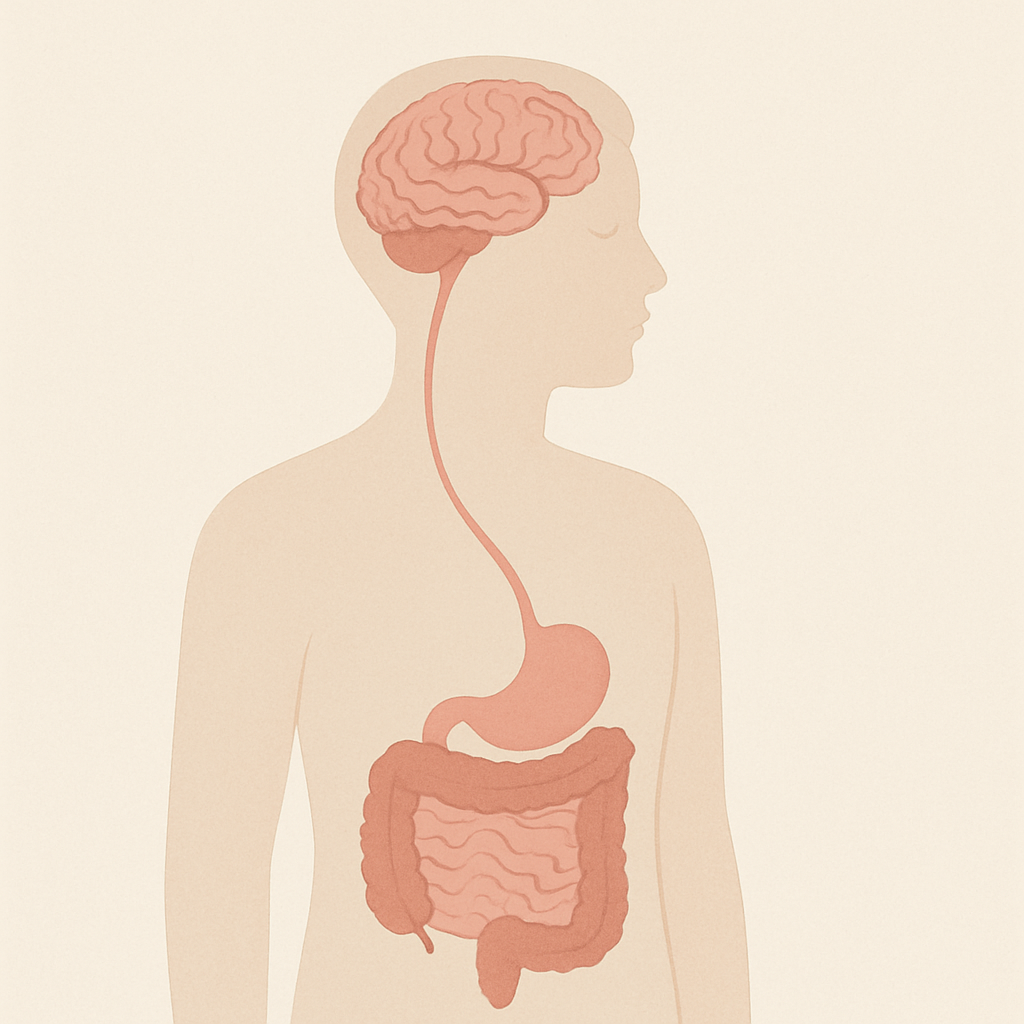
Stomach wellness refers to the overall health and functionality of the stomach, a crucial part of the digestive system. It encompasses the proper functioning of gastric processes, including the production of digestive acids, enzyme secretion, and the mechanical breakdown of food. A well-functioning stomach plays a vital role in nutrient absorption and influences gut microbiota composition, which can affect overall health.
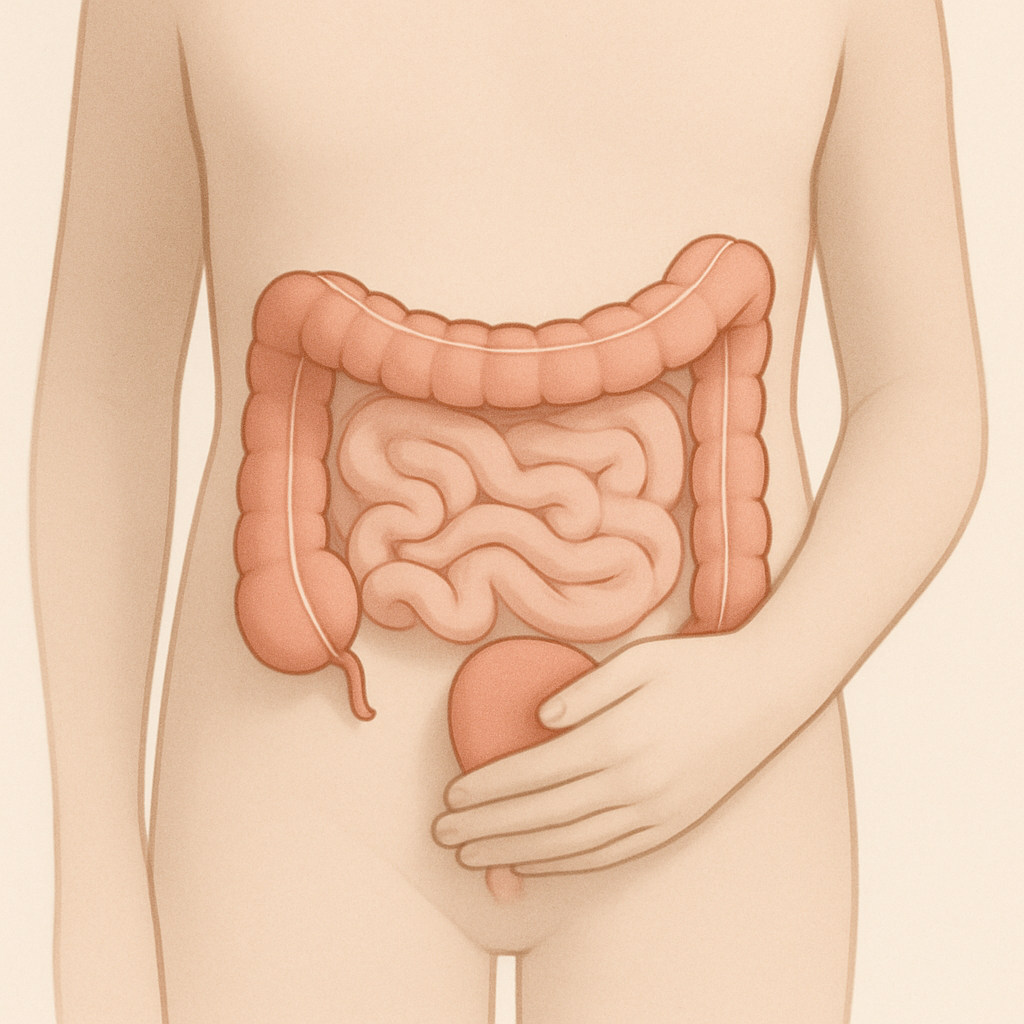
The stomach acts as a temporary storage area for food, where it undergoes both chemical and mechanical digestion. This process is essential for breaking down food into smaller particles, allowing nutrients to be absorbed in the intestines. When stomach health is compromised, it can lead to various digestive issues, impacting not only the stomach but also the entire gastrointestinal tract.
Mechanism / How It Works
The stomach operates through a combination of muscular contractions and chemical secretions. The muscular layer of the stomach walls contracts to mix food with gastric juices, which contain hydrochloric acid and digestive enzymes. This acidic environment helps to break down proteins and kill harmful bacteria that may be ingested with food.
Moreover, the stomach's ability to produce mucus protects its lining from the harsh acidic environment. When the balance of these processes is disrupted, it can lead to conditions such as acid reflux, gastritis, or ulcers, which can significantly impact stomach wellness and overall gut health.
Evidence Summary
Research into stomach wellness has produced a mixed body of evidence. Preliminary studies indicate that maintaining a balanced diet rich in fiber, probiotics, and antioxidants can support stomach health. Clinical studies have shown that certain dietary patterns, such as the Mediterranean diet, are associated with lower instances of gastric disorders.
However, conflicting evidence exists regarding the effectiveness of specific supplements or medications for improving stomach health. While some probiotics have shown promise in reducing symptoms of gastrointestinal distress, further research is needed to establish definitive guidelines and recommendations for their use.
Practical Application
To promote stomach wellness, individuals can adopt several practical strategies:
- Balanced Diet: Incorporate a variety of fruits, vegetables, whole grains, and lean proteins into daily meals.
- Hydration: Drink plenty of water to support digestion and maintain the mucosal lining of the stomach.
- Mindful Eating: Practice eating slowly and chewing food thoroughly to aid digestion.
- Avoid Trigger Foods: Identify and limit foods that may cause discomfort, such as spicy or fatty foods.
- Regular Exercise: Engage in physical activity to promote overall digestive health.
Common pitfalls include overeating, consuming excessive alcohol, and neglecting to manage stress, all of which can negatively impact stomach health. Regular check-ins with healthcare providers can help to ensure that any emerging issues are addressed promptly.
Relevant Biomarkers & Tracking
Tracking stomach wellness can involve monitoring several biomarkers and symptoms:
- pH Levels: Measuring gastric acidity can provide insights into digestive function.
- Digestive Symptoms: Keeping a journal of symptoms such as bloating, heartburn, or nausea can help identify patterns and triggers.
- Nutrient Absorption: Blood tests for deficiencies can indicate issues with nutrient absorption that may stem from stomach dysfunction.
Body Systems Supported
The stomach plays a significant role in supporting various body systems:
- Digestive System: It is integral to the breakdown of food and nutrient absorption.
- Immune System: A healthy stomach can help prevent the growth of harmful bacteria, contributing to overall immune health.
- Nervous System: The gut-brain connection links stomach health to mental well-being.
Common Goals
Common goals for improving stomach wellness include:
- Enhancing digestive efficiency
- Reducing symptoms of gastrointestinal discomfort
- Improving nutrient absorption
- Maintaining a healthy microbiome
Safety, Contraindications & Edge Cases
While focusing on stomach wellness, it is essential to consider potential safety issues and contraindications:
- Medication Interactions: Certain supplements or dietary changes may interact with medications.
- Pre-existing Conditions: Individuals with conditions such as GERD or ulcers should consult healthcare providers before making significant dietary changes.
- Allergies: Be cautious of food allergies that can exacerbate stomach issues.
In some edge cases, individuals may require specialized diets or treatments to manage chronic stomach conditions effectively.
Pairs Well With
Stomach wellness can be enhanced when combined with practices from ancient or natural health traditions, such as:
- Herbal Remedies: Ginger and peppermint are known for their digestive benefits.
- Mindfulness Practices: Techniques such as meditation or yoga can help alleviate stress, which is beneficial for digestion.
- Fermented Foods: Incorporating foods like yogurt, kimchi, or kombucha can support a healthy microbiome.
FAQs (5)
- What are the common symptoms of an unhealthy stomach? Common symptoms include bloating, heartburn, nausea, and changes in appetite.
- How can I improve my stomach health? Focus on a balanced diet, stay hydrated, and manage stress levels.
- Are probiotics beneficial for stomach health? Some probiotics may support digestive health, but it's essential to choose the right strains based on individual needs.
- Can stress affect stomach health? Yes, stress can lead to digestive issues and exacerbate existing stomach conditions.
- What should I do if I have persistent stomach issues? Consult a healthcare provider for a thorough evaluation and personalized recommendations.
Frequently asked
What are the common symptoms of an unhealthy stomach?
Common symptoms include bloating, heartburn, nausea, and changes in appetite.
How can I improve my stomach health?
Focus on a balanced diet, stay hydrated, and manage stress levels.
Are probiotics beneficial for stomach health?
Some probiotics may support digestive health, but it's essential to choose the right strains based on individual needs.
Can stress affect stomach health?
Yes, stress can lead to digestive issues and exacerbate existing stomach conditions.
What should I do if I have persistent stomach issues?
Consult a healthcare provider for a thorough evaluation and personalized recommendations.