Intestinal Repair
Discover the importance of intestinal repair in gut health, mechanisms of action, evidence, practical applications, and common questions answered.
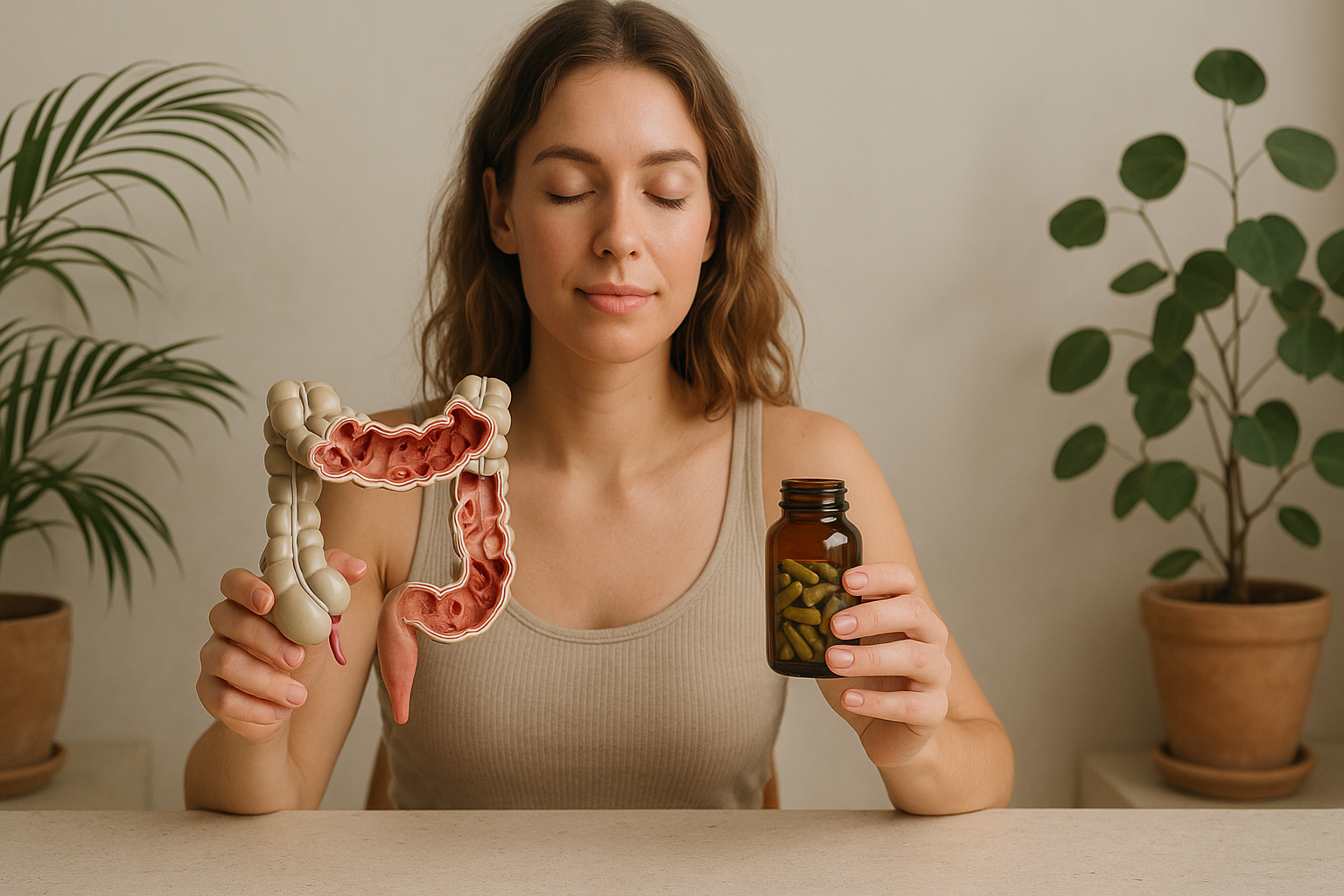
Exploring intestinal repair is crucial for improving gut health. This page delves into the mechanisms, evidence, practical applications, and safety considerations involved in intestinal repair, while also highlighting its relevance to overall wellness.
What It Is
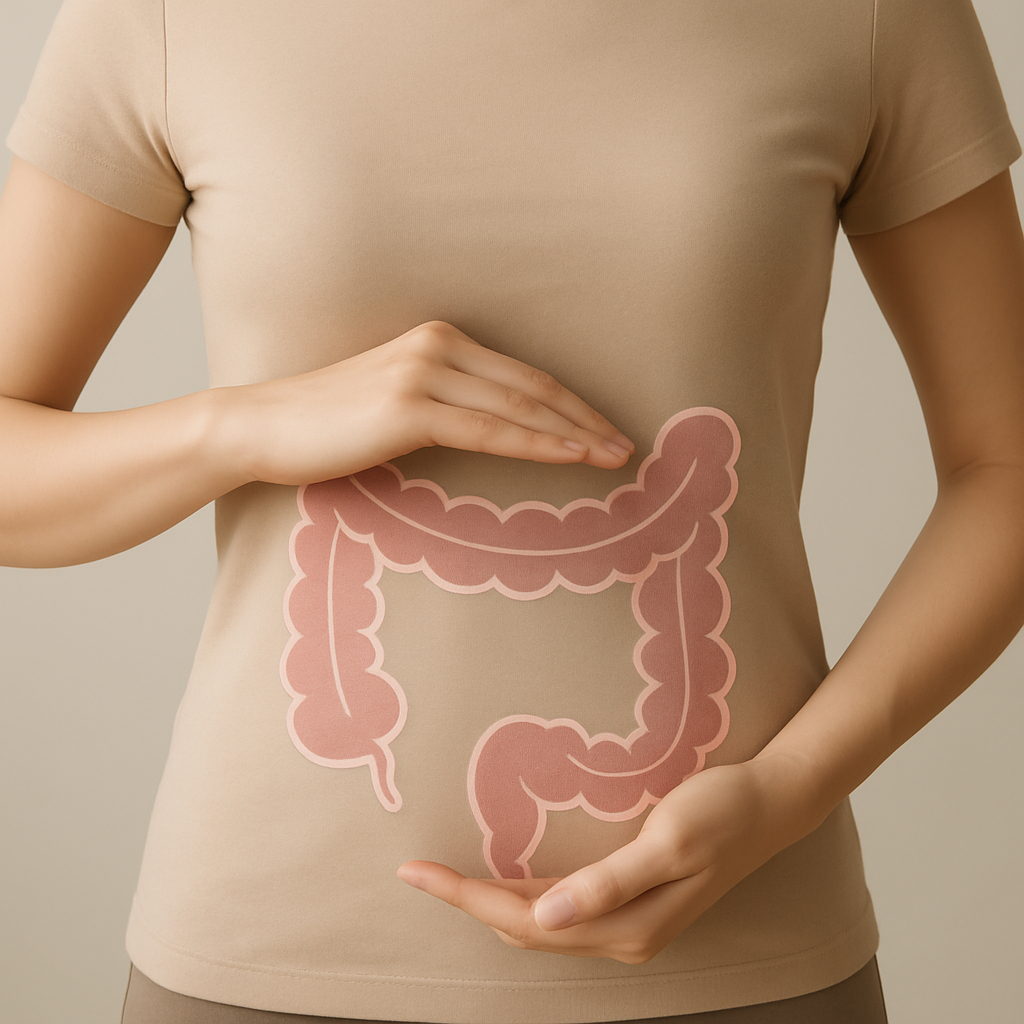
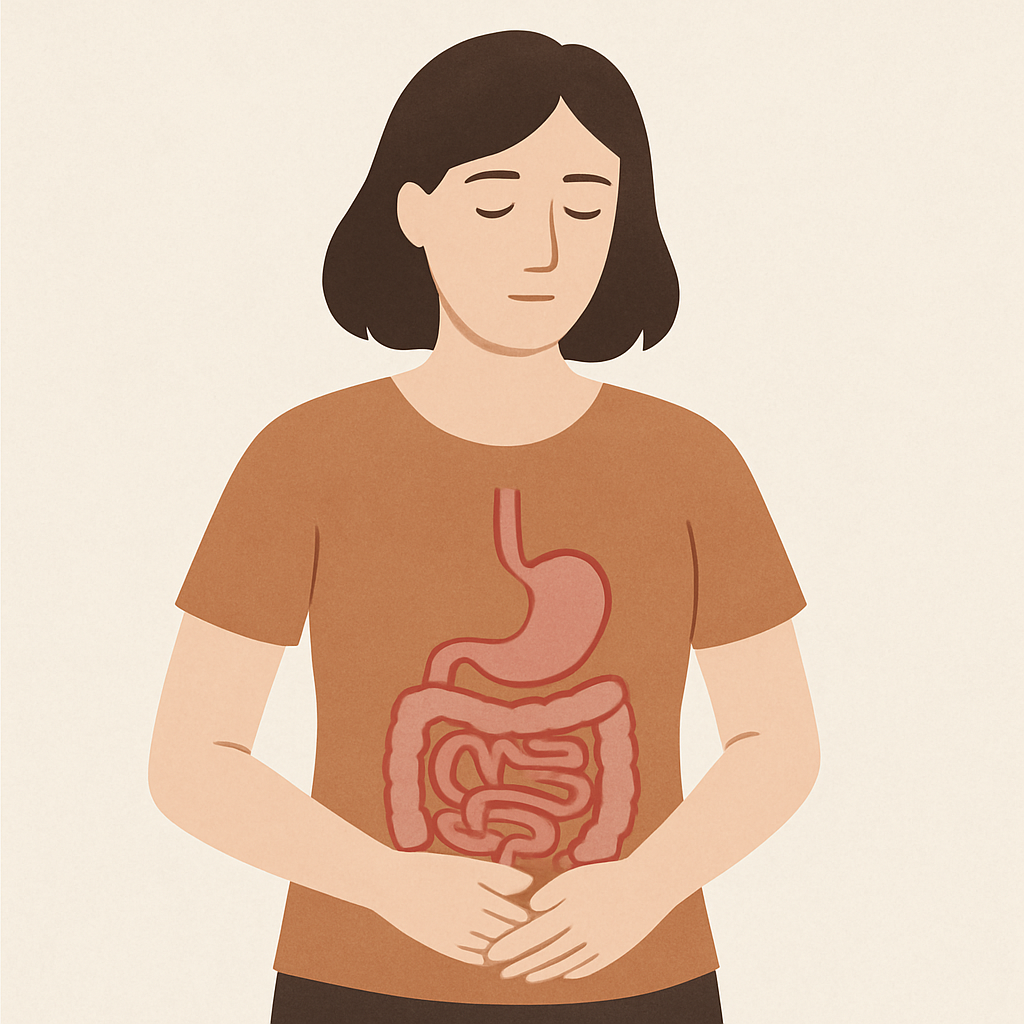
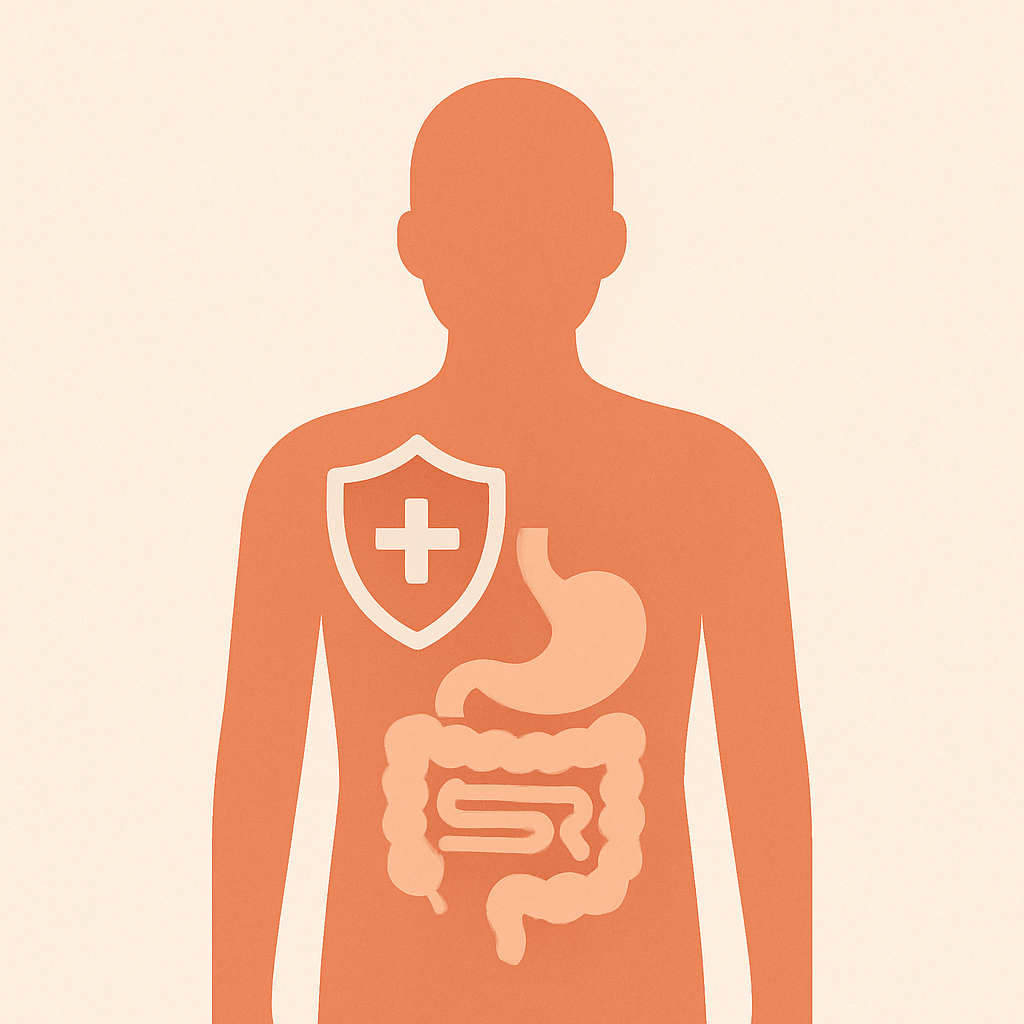
Intestinal repair refers to the processes and interventions aimed at healing and restoring the integrity of the intestinal lining. The gut plays a crucial role in digestion, nutrient absorption, and immune function. When the intestinal lining is compromised due to factors such as inflammation, infection, or poor diet, it can lead to a range of gastrointestinal issues and systemic health problems.
Intestinal repair encompasses various strategies, including dietary changes, supplementation, and lifestyle modifications, designed to promote the regeneration of the intestinal mucosa. A healthy gut lining is essential for maintaining optimal gut health, preventing leaky gut syndrome, and supporting overall wellness.
Mechanism / How It Works
The mechanisms behind intestinal repair involve a combination of cellular regeneration, modulation of the immune response, and restoration of the gut microbiome. Key processes include:
- Cellular Regeneration: The intestinal lining is composed of epithelial cells that continuously regenerate. Factors that promote the proliferation of these cells can aid in healing.
- Immune Modulation: A balanced immune response is vital for intestinal health. Strategies that reduce inflammation can support the healing process.
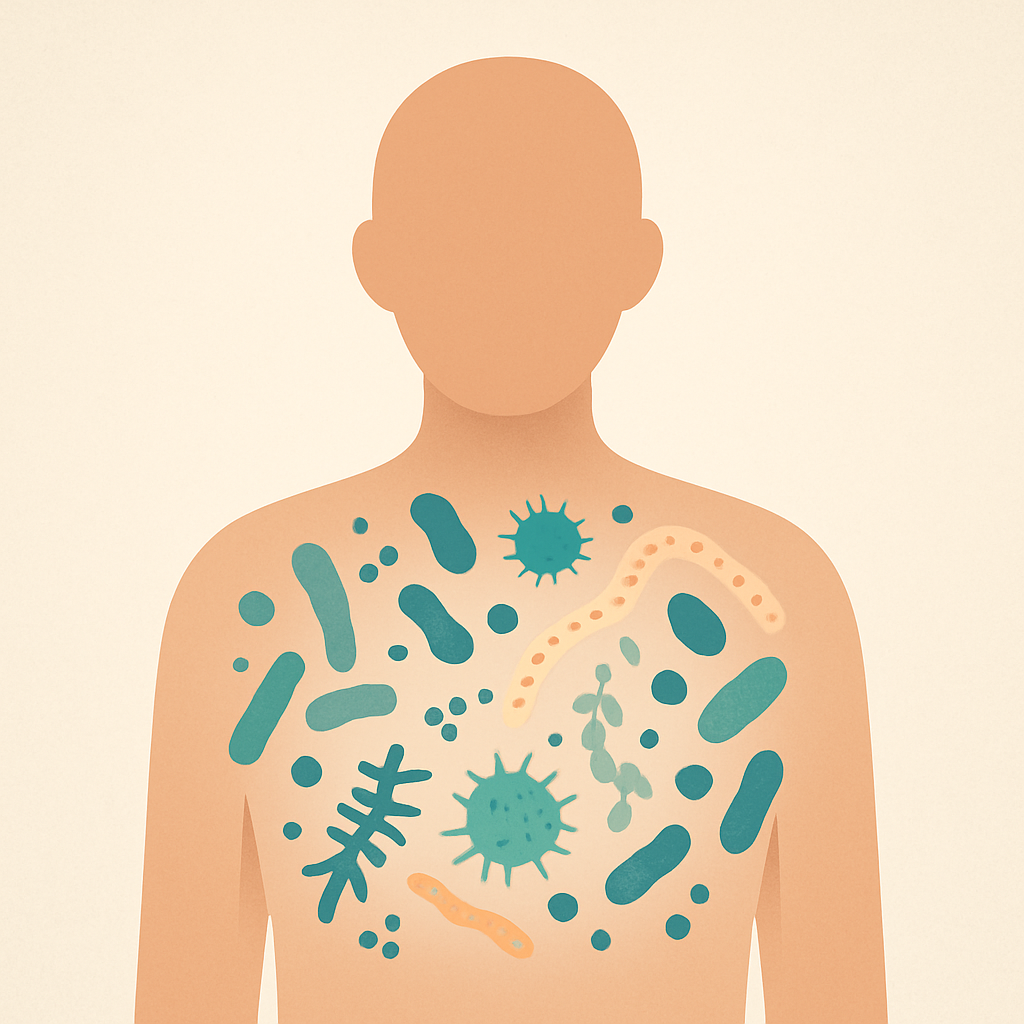
- Microbiome Restoration: A healthy balance of gut bacteria is essential for maintaining the integrity of the intestinal barrier. Probiotics and prebiotics can play a role in supporting this balance.
Overall, intestinal repair works by addressing the root causes of damage and promoting an environment conducive to healing.
Evidence Summary
The evidence surrounding intestinal repair is varied, encompassing preliminary studies, clinical trials, and some conflicting findings. Research has demonstrated that certain dietary components, such as glutamine, omega-3 fatty acids, and polyphenols, can support intestinal healing. For example, randomized controlled trials have shown that glutamine supplementation may improve intestinal barrier function in patients with inflammatory bowel disease.
However, there are still gaps in our understanding. While some interventions have shown promise, results can be inconsistent, and not all individuals respond the same way. Furthermore, more research is needed to establish the long-term efficacy and safety of many intestinal repair strategies.
Practical Application
Implementing intestinal repair strategies can be approached through several protocols:
- Dietary Changes: Emphasize whole foods, such as fruits, vegetables, lean proteins, and healthy fats. Consider removing potential irritants like gluten or dairy for a short period.
- Supplementation: Incorporate probiotics, prebiotics, and specific amino acids like glutamine to support gut health.
- Lifestyle Modifications: Stress management techniques, regular exercise, and adequate sleep can significantly impact gut health.
Common pitfalls include neglecting to monitor symptoms, discontinuing beneficial practices too early, or overwhelming the gut with too many changes at once. A gradual approach tends to yield better results.
Relevant Biomarkers & Tracking
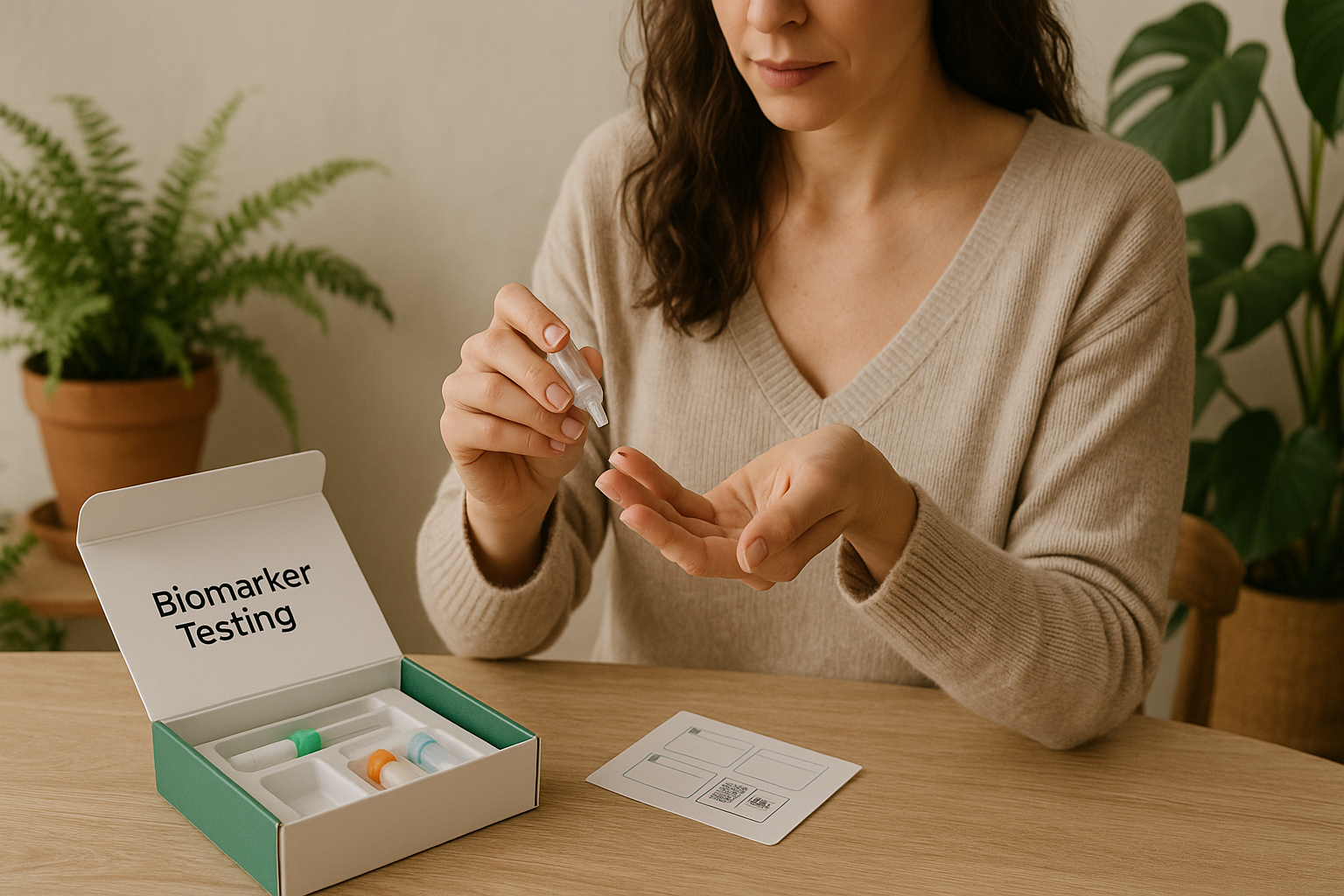
Tracking progress in intestinal repair can involve several biomarkers and indicators:
- Inflammatory Markers: Measurements of cytokines and other inflammatory markers can indicate gut health.
- Gut Microbiome Analysis: Testing for diversity and balance in gut bacteria can provide insights into gut health.
- Symptoms Monitoring: Keeping a journal of gastrointestinal symptoms can help identify triggers and measure improvements.
Body Systems Supported
Intestinal repair primarily supports the digestive system but has far-reaching effects on other body systems, including:
- Immune System: A healthy gut is integral to a well-functioning immune system.
- Endocrine System: Gut health influences hormone regulation and metabolic health.
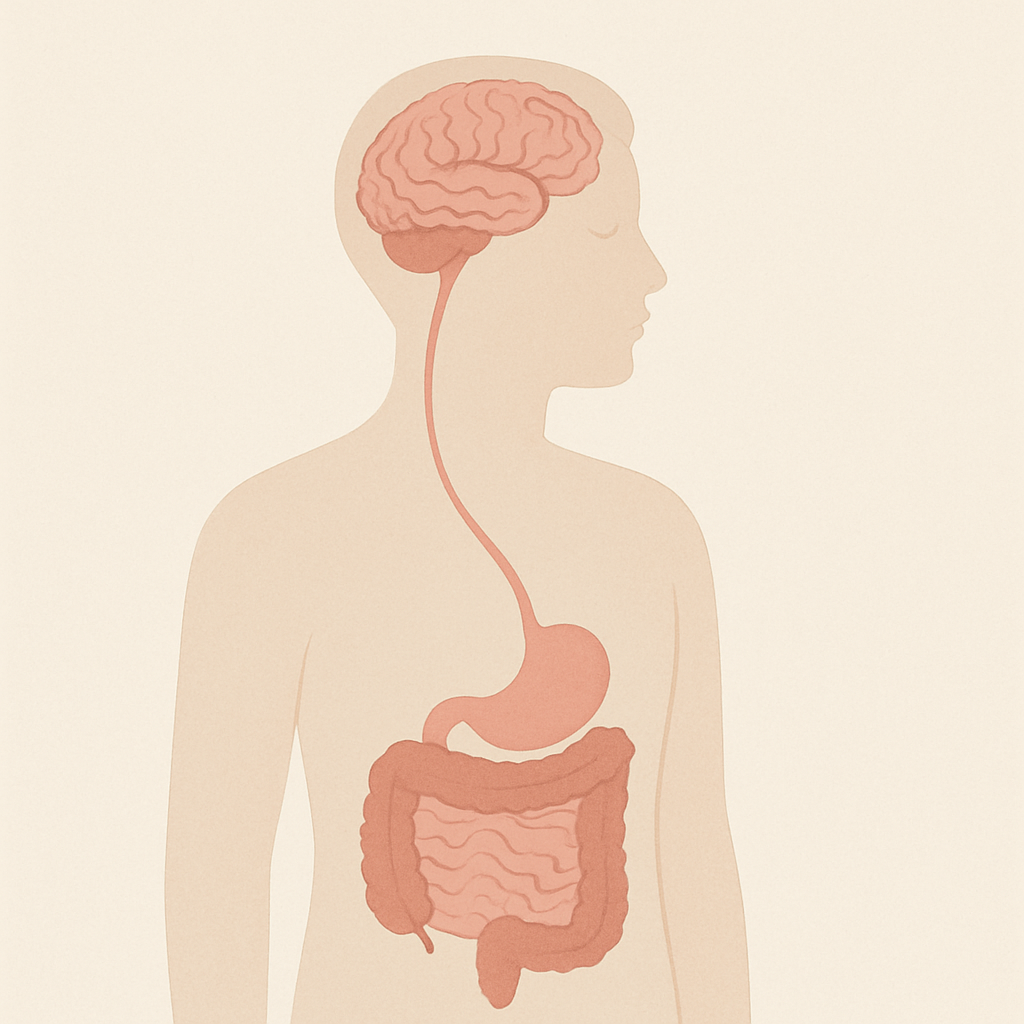
- Nervous System: The gut-brain axis highlights the connection between gut health and mental well-being.
Common Goals
The primary goals of intestinal repair include:
- Restoring the integrity of the intestinal lining
- Reducing inflammation and promoting a balanced immune response
- Enhancing nutrient absorption and overall gut function
- Improving symptoms related to gastrointestinal disorders
Safety, Contraindications & Edge Cases
While many strategies for intestinal repair are generally safe, certain precautions should be taken. Individuals with specific medical conditions, such as severe allergies or gastrointestinal diseases, should consult a healthcare provider before making significant changes to their diet or starting new supplements. Some supplements may interact with medications or exacerbate certain conditions.
Edge cases, such as those involving autoimmune conditions or chronic illnesses, may require tailored approaches and professional guidance to ensure safety and efficacy.
Pairs Well With
Intestinal repair can be complemented by approaches from various pillars of wellness:
- Traditional Chinese Medicine: Herbal remedies like slippery elm and marshmallow root are known for their soothing properties.
- Ayurveda: Incorporating digestive spices such as ginger and turmeric can support gut health.
- Mindfulness Practices: Techniques like yoga and meditation can improve stress levels, benefiting gut health indirectly.
FAQs (5)
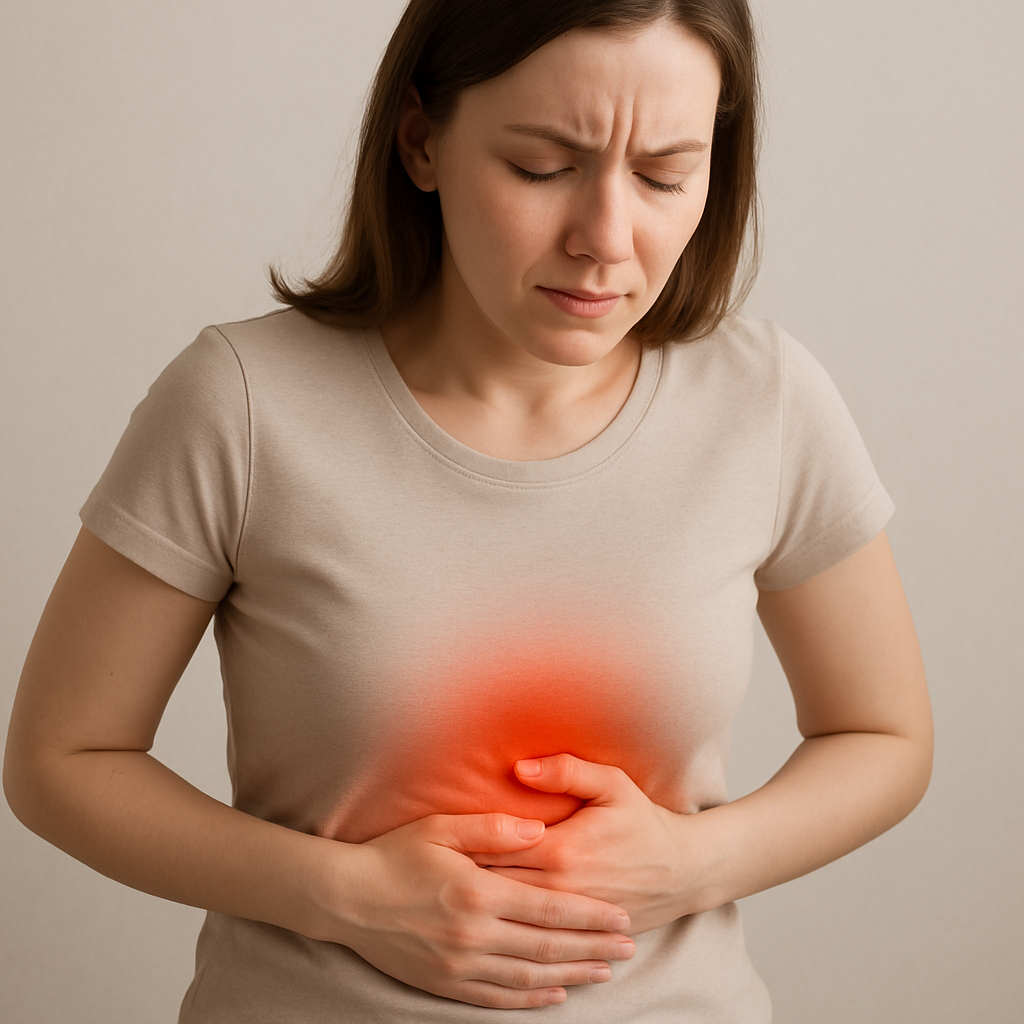
- What are the signs that my gut needs repair? Symptoms may include bloating, gas, diarrhea, constipation, or food intolerances.
- Can diet alone may support my gut? While diet plays a crucial role, a holistic approach including lifestyle changes and possibly supplementation is often more effective.
- How long does it take to see improvements in gut health? Improvements can vary, but many individuals report changes within weeks to months, depending on the approach used.
- Are there any risks associated with intestinal repair supplements? Yes, some supplements can interact with medications or cause side effects; always consult a healthcare provider first.
- Can stress affect gut health? Yes, stress can disrupt the gut microbiome and exacerbate digestive issues.
Frequently asked
What are the signs that my gut needs repair?
Symptoms may include bloating, gas, diarrhea, constipation, or food intolerances.
Can diet alone heal my gut?
While diet plays a crucial role, a holistic approach including lifestyle changes and possibly supplementation is often more effective.
How long does it take to see improvements in gut health?
Improvements can vary, but many individuals report changes within weeks to months, depending on the approach used.
Are there any risks associated with intestinal repair supplements?
Yes, some supplements can interact with medications or cause side effects; always consult a healthcare provider first.
Can stress affect gut health?
Yes, stress can disrupt the gut microbiome and exacerbate digestive issues.