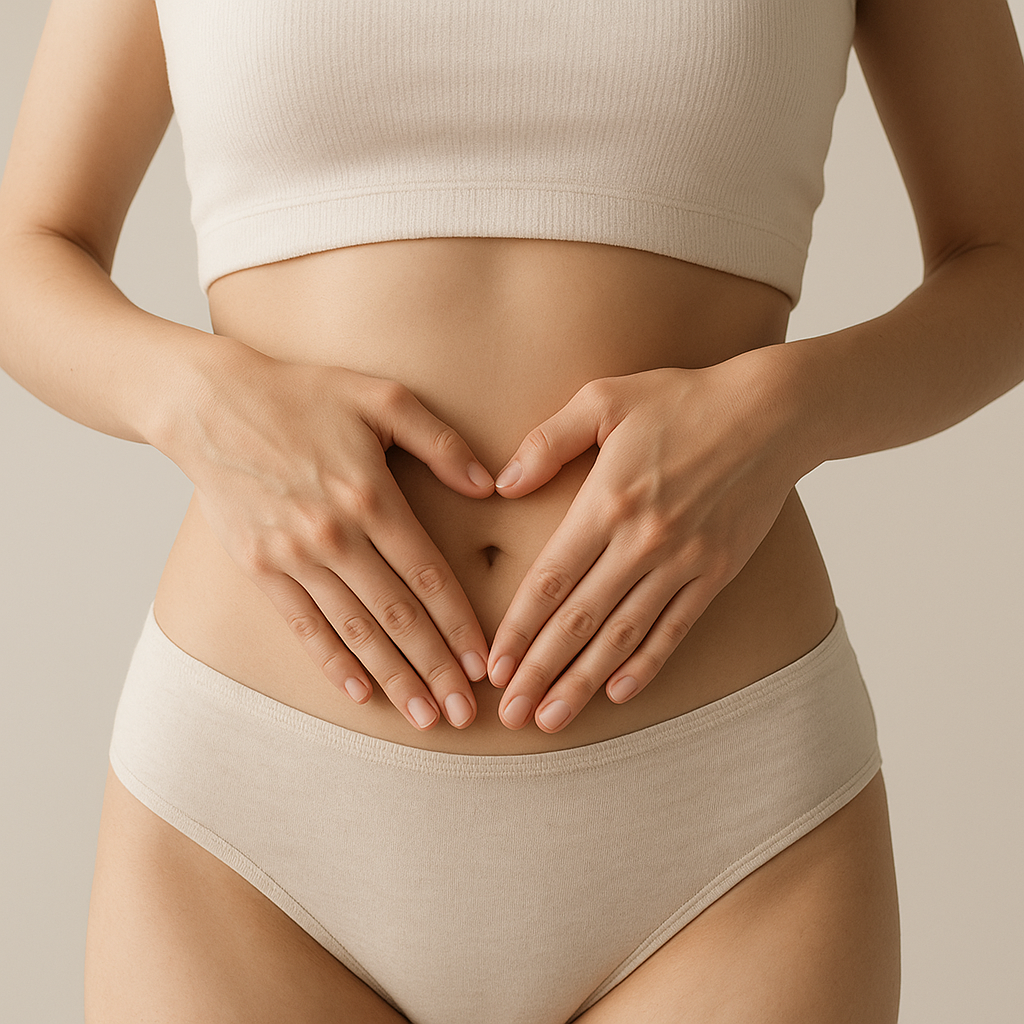
Gut Nutrition
Delve into gut nutrition, its mechanisms, practical applications, and how it supports overall health.
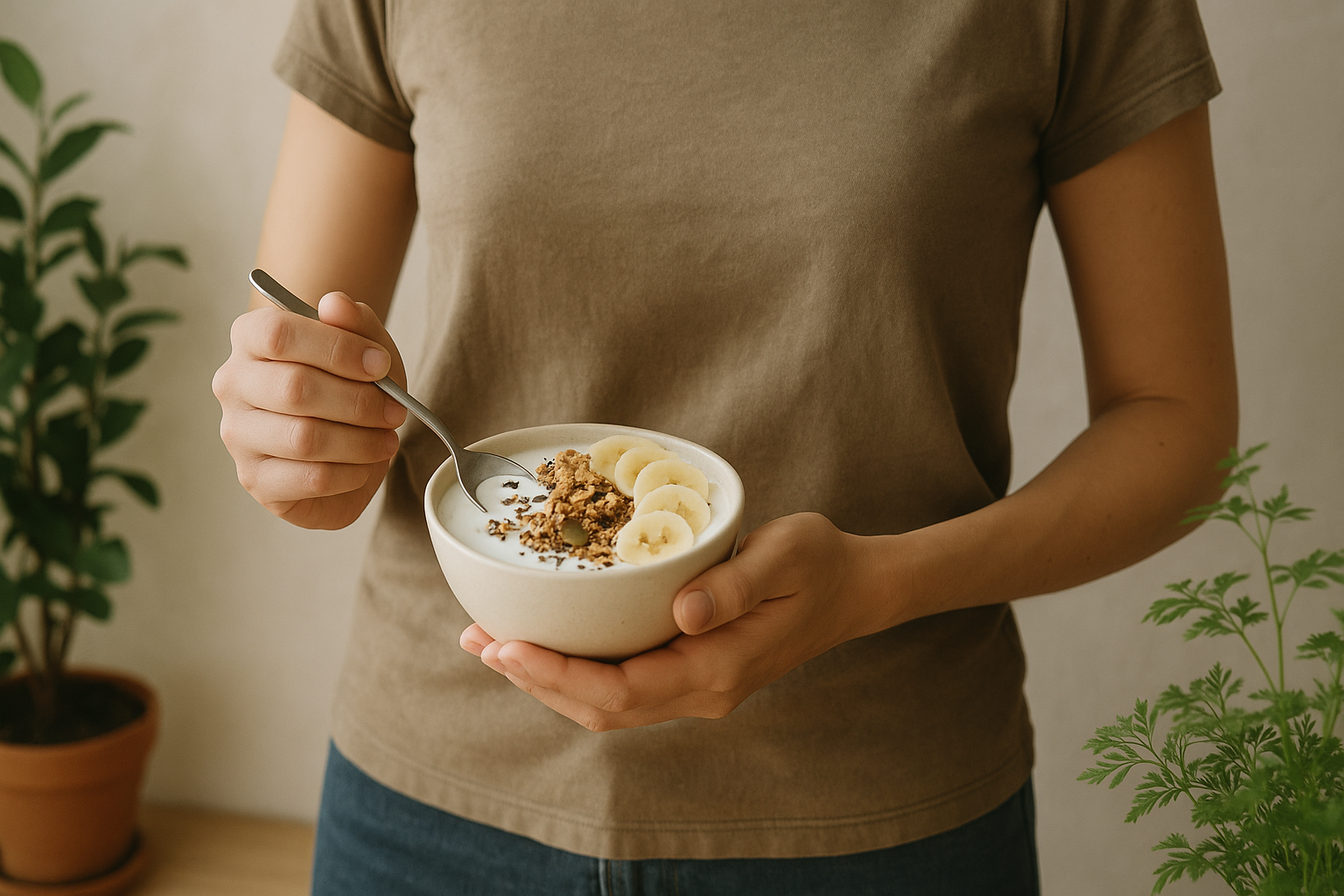
Explore the essential role of gut nutrition in maintaining overall gut health, understanding mechanisms, evidence, practical applications, and more.
What It Is
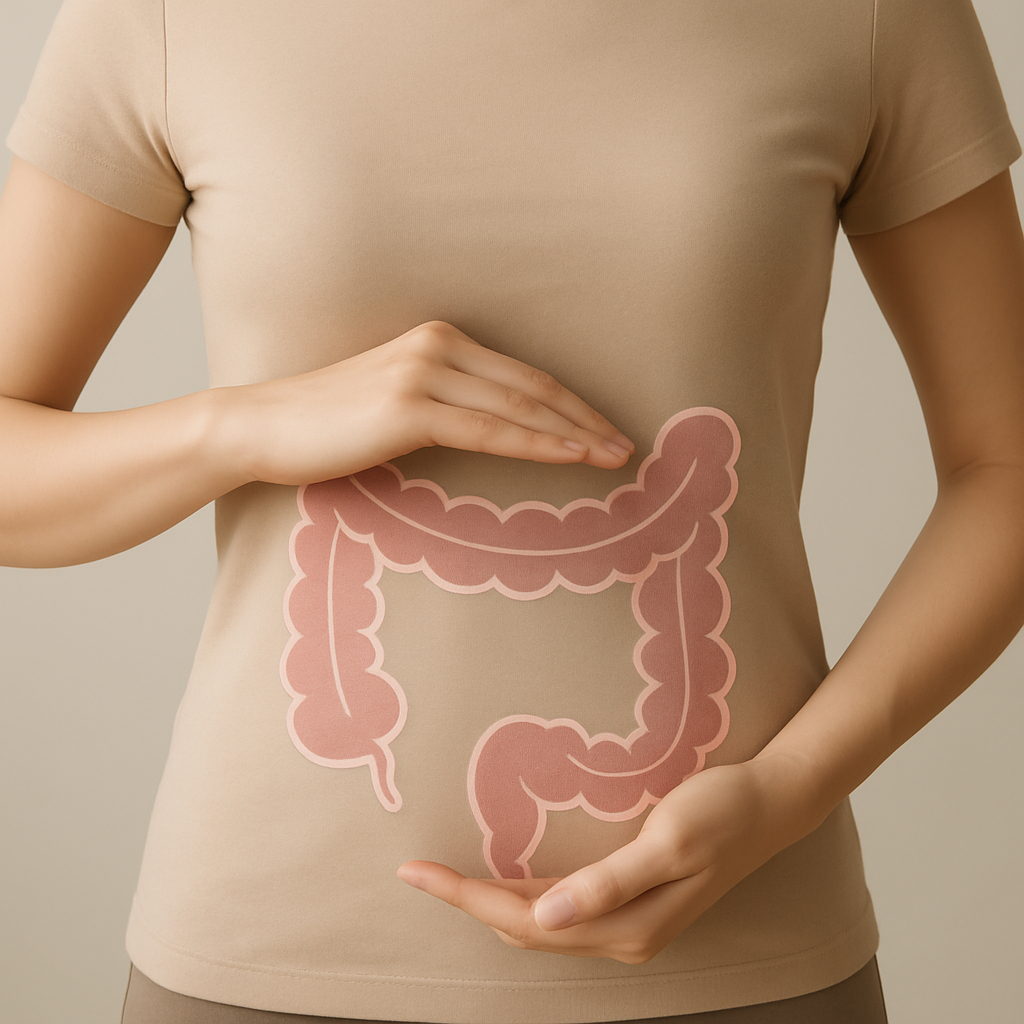
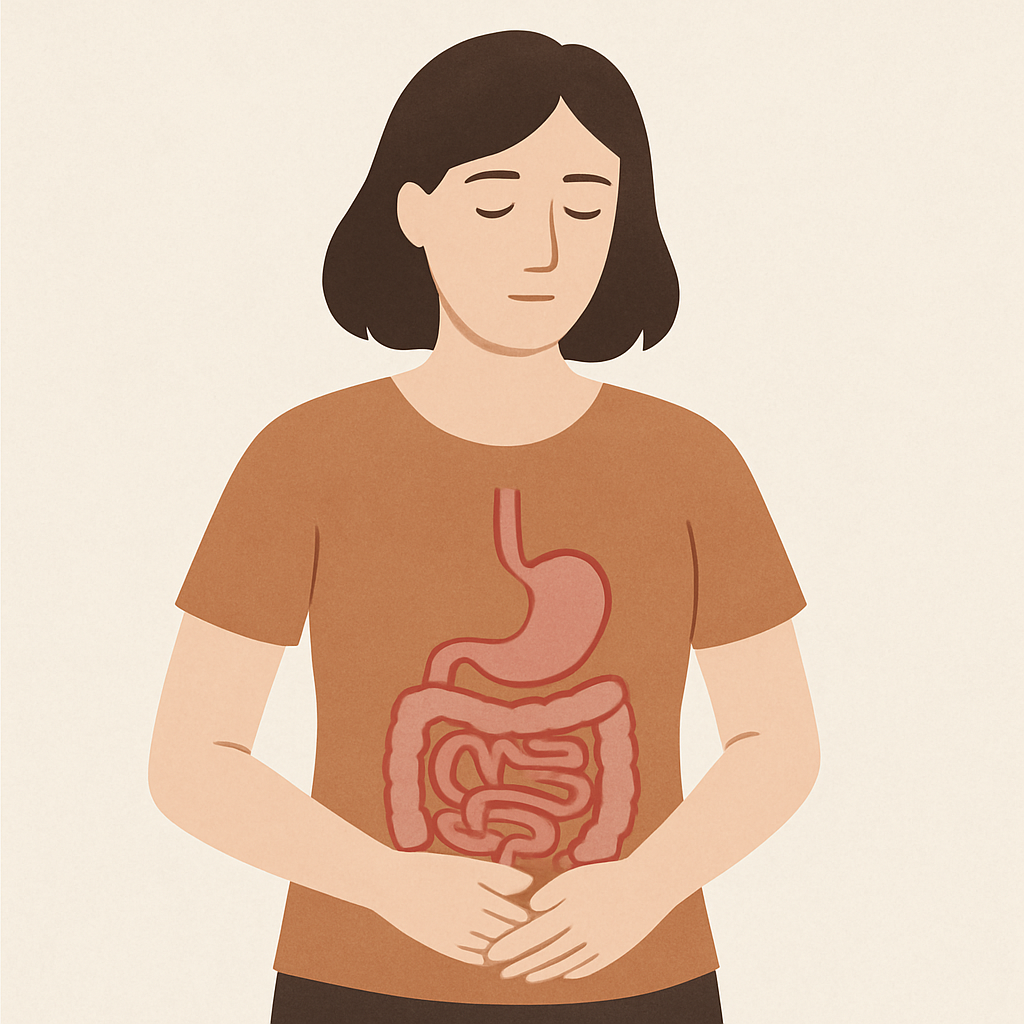
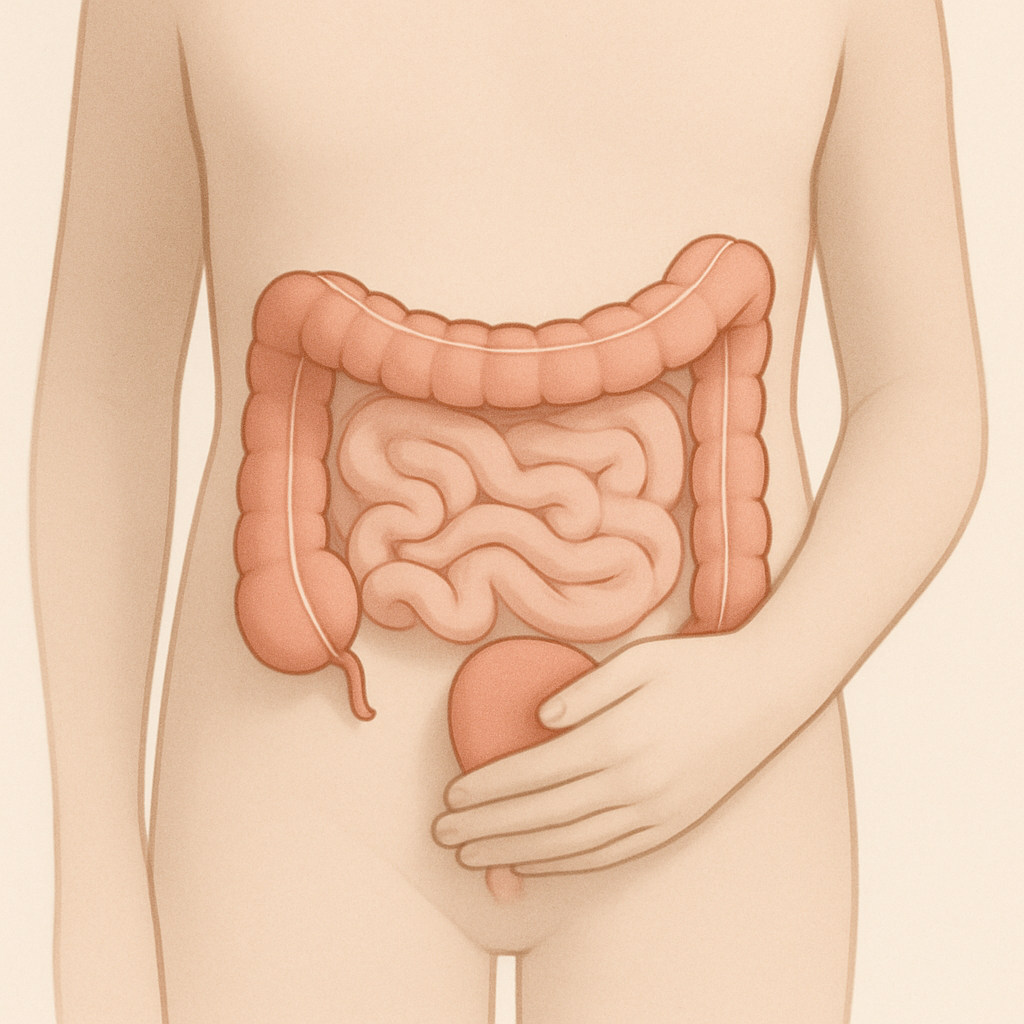
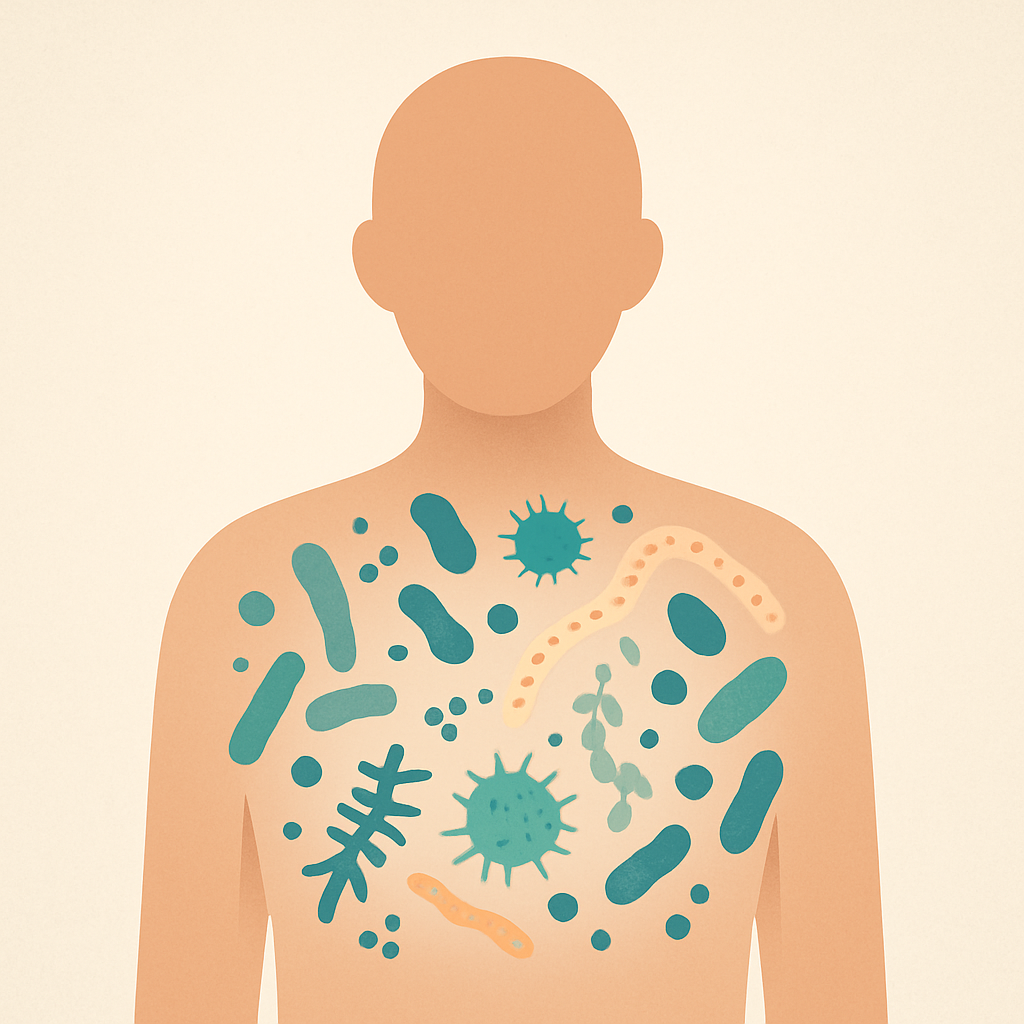
Gut nutrition refers to the dietary choices and nutritional strategies that promote optimal gut health. It emphasizes the importance of nutrients, foods, and dietary patterns that support the diverse microbiome living in our digestive tract. The gut microbiome plays a vital role in digestion, immune function, and overall health, making gut nutrition a critical component of modern wellness.
By focusing on gut nutrition, individuals can enhance their digestive processes, improve nutrient absorption, and support a balanced microbiome. This involves incorporating a variety of foods rich in fiber, prebiotics, probiotics, and other essential nutrients that foster a healthy gut environment.
Mechanism / How It Works
The mechanism of gut nutrition is primarily centered around the interaction between food components and the gut microbiome. Dietary fibers, for example, act as prebiotics, providing nourishment for beneficial gut bacteria. These bacteria ferment fibers, producing short-chain fatty acids (SCFAs) that have anti-inflammatory properties and contribute to gut health.
Moreover, probiotics, which are live beneficial bacteria found in fermented foods, can help restore and maintain a healthy microbiome balance. The consumption of diverse and nutrient-dense foods creates a favorable environment for these microorganisms, promoting their growth and activity, which in turn supports gut barrier function and overall health.
Evidence Summary
The evidence surrounding gut nutrition is growing, with numerous studies indicating the positive effects of specific dietary patterns on gut health. Research suggests that diets rich in fruits, vegetables, whole grains, and fermented foods can lead to a more diverse microbiome and improved digestive health.
However, the field is still emerging, and while preliminary studies show promise, clinical trials are needed to establish definitive guidelines. Conflicting evidence exists regarding the effectiveness of certain supplements and diets, indicating that individual responses may vary.
Practical Application
To effectively integrate gut nutrition into daily life, consider the following protocols:
- Incorporate Fiber: Aim for a variety of high-fiber foods, such as fruits, vegetables, legumes, and whole grains.
- Include Fermented Foods: Add foods like yogurt, kefir, sauerkraut, and kimchi to your diet for their probiotic benefits.
- Stay Hydrated: Adequate water intake supports digestion and overall gut function.
- Limit Processed Foods: Reduce the intake of high-sugar and high-fat processed foods that can harm gut health.
Common pitfalls include neglecting to diversify food choices, which can limit microbiome diversity, and over-relying on supplements instead of whole foods.
Relevant Biomarkers & Tracking
Monitoring gut health can be achieved through various biomarkers, including:
- Stool Analysis: Provides insights into microbiome composition and digestive health.
- Inflammatory Markers: Blood tests for markers like C-reactive protein (CRP) can indicate gut-related inflammation.
- SCFA Levels: Measuring the levels of short-chain fatty acids can reflect gut microbial fermentation processes.
Body Systems Supported
Gut nutrition supports several body systems, including:
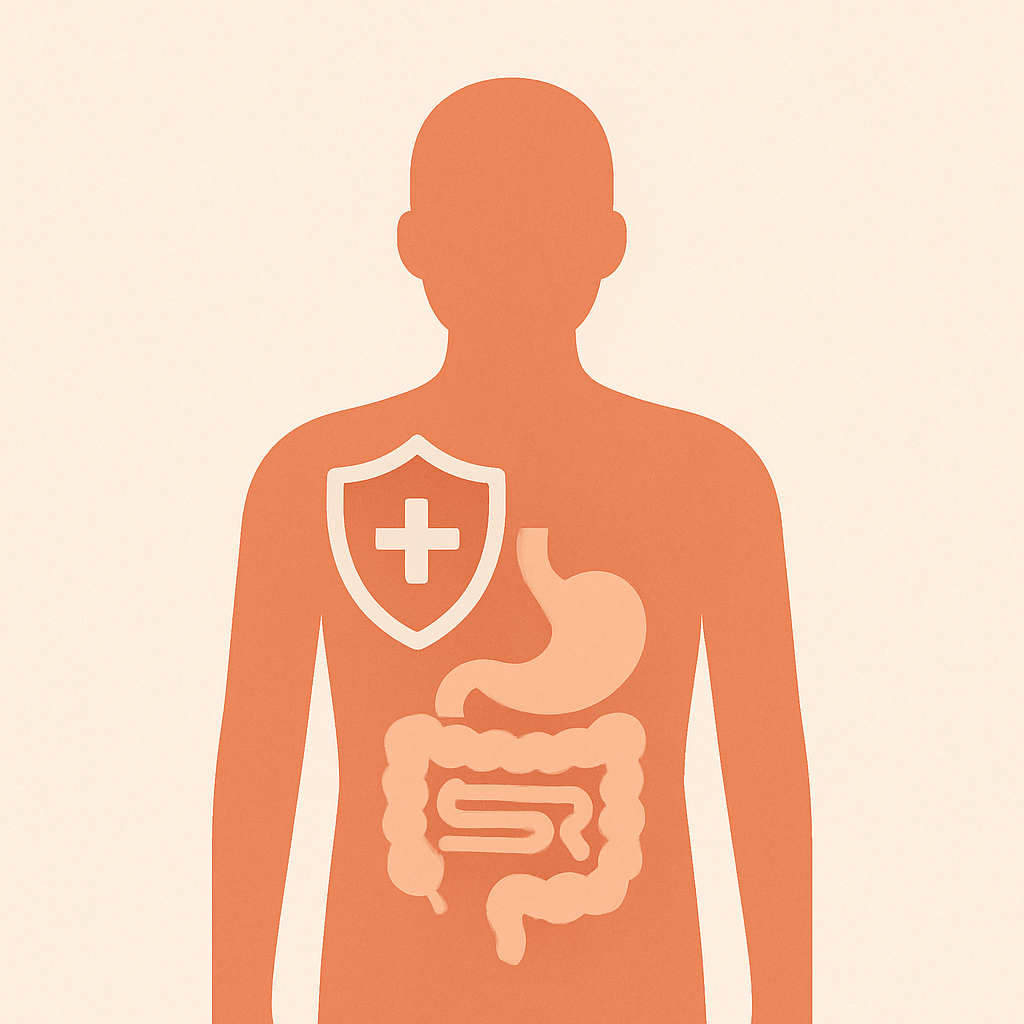
- Digestive System: Enhances digestion and nutrient absorption.
- Immune System: A healthy gut microbiome plays a crucial role in immune function.
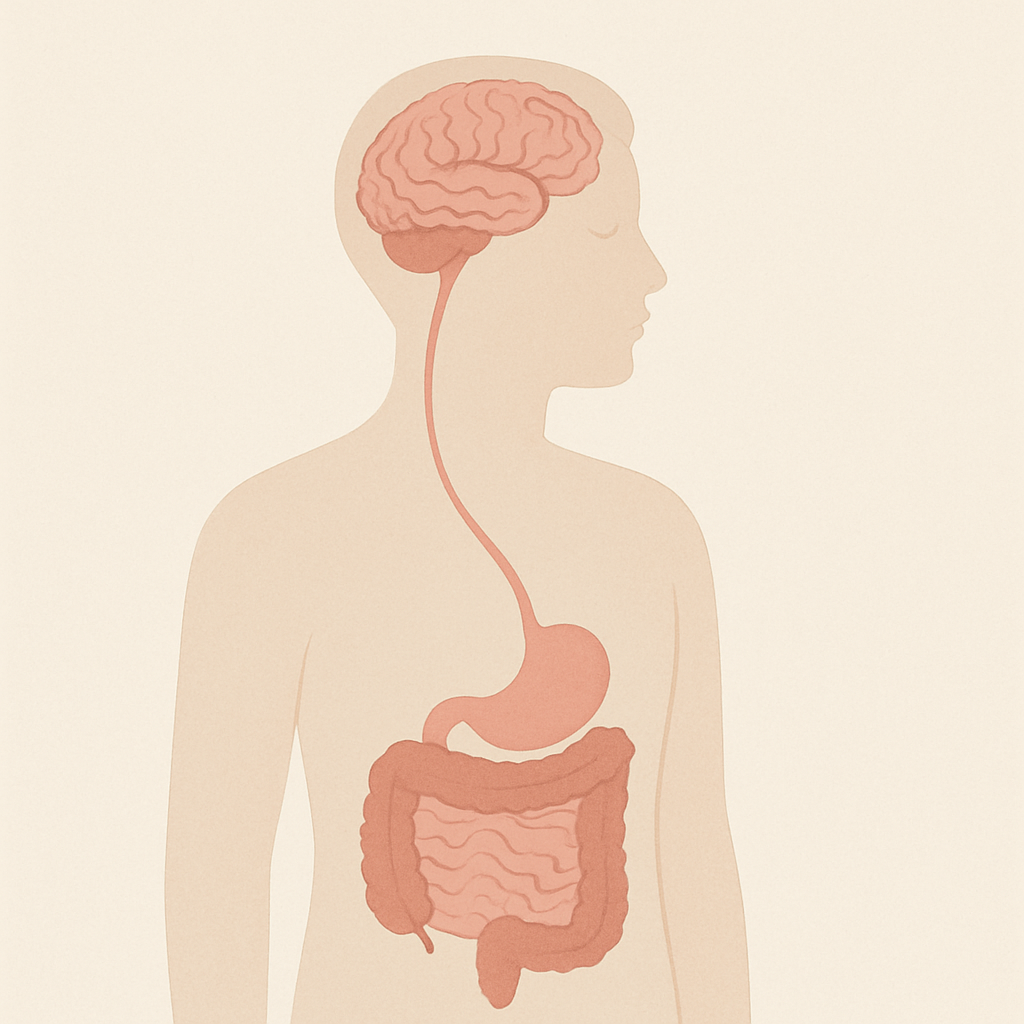
- Nervous System: The gut-brain axis indicates the connection between gut health and mental well-being.
Common Goals
Individuals often pursue gut nutrition with the following goals in mind:
- Improved Digestion: Alleviating issues such as bloating, gas, and constipation.
- Enhanced Immune Function: Supporting the body's defense mechanisms through a healthy gut.
- Weight Management: Utilizing gut health as a component of effective weight loss or maintenance strategies.
Safety, Contraindications & Edge Cases
While gut nutrition is generally safe for most individuals, certain contraindications exist:
- Food Allergies: Individuals with specific food allergies should tailor their diets accordingly.
- Digestive Disorders: Conditions like IBS or Crohn's disease may require specialized dietary approaches.
- Supplement Caution: Some individuals may experience adverse effects from probiotics or other supplements.
Pairs Well With
Gut nutrition aligns effectively with various ancient and natural health practices, including:
- Traditional Fermentation: Practices such as kimchi and kombucha making.
- Ayurvedic Diets: Emphasizing balance and digestion-friendly foods.
- Mindful Eating: Encouraging awareness of food choices and their impact on gut health.
FAQs (5)
- What are prebiotics and probiotics? Prebiotics are dietary fibers that feed beneficial gut bacteria, while probiotics are live bacteria found in certain foods that support gut health.
- How can I improve my gut health through diet? Focus on consuming a diverse range of fiber-rich foods, fermented products, and staying hydrated.
- Are supplements necessary for gut health? While some may benefit, focusing on whole foods is generally recommended for optimal gut health.
- Can gut nutrition affect mental health? Yes, the gut-brain axis suggests that gut health can influence mood and mental well-being.
- How long does it take to see improvements in gut health? Individual results vary, but dietary changes may yield noticeable improvements within a few weeks to months.
Frequently asked
What are prebiotics and probiotics?
Prebiotics are dietary fibers that feed beneficial gut bacteria, while probiotics are live bacteria found in certain foods that support gut health.
How can I improve my gut health through diet?
Focus on consuming a diverse range of fiber-rich foods, fermented products, and staying hydrated.
Are supplements necessary for gut health?
While some may benefit, focusing on whole foods is generally recommended for optimal gut health.
Can gut nutrition affect mental health?
Yes, the gut-brain axis suggests that gut health can influence mood and mental well-being.
How long does it take to see improvements in gut health?
Individual results vary, but dietary changes may yield noticeable improvements within a few weeks to months.