Colon Health
Discover the importance of colon health within the realm of gut health science, including mechanisms, applications, and safety considerations.
Explore the science behind colon health, its mechanisms, evidence summary, practical applications, and more in this comprehensive guide to gut health.
What It Is
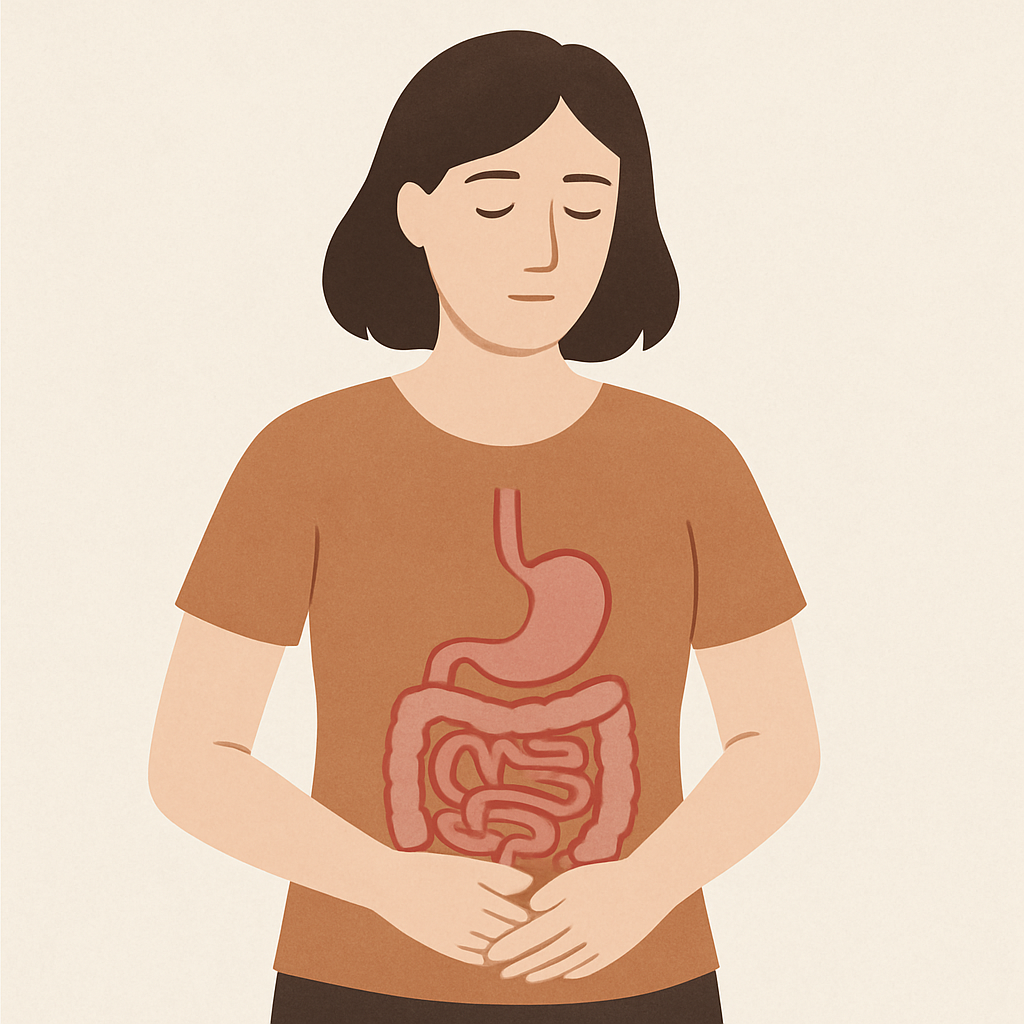
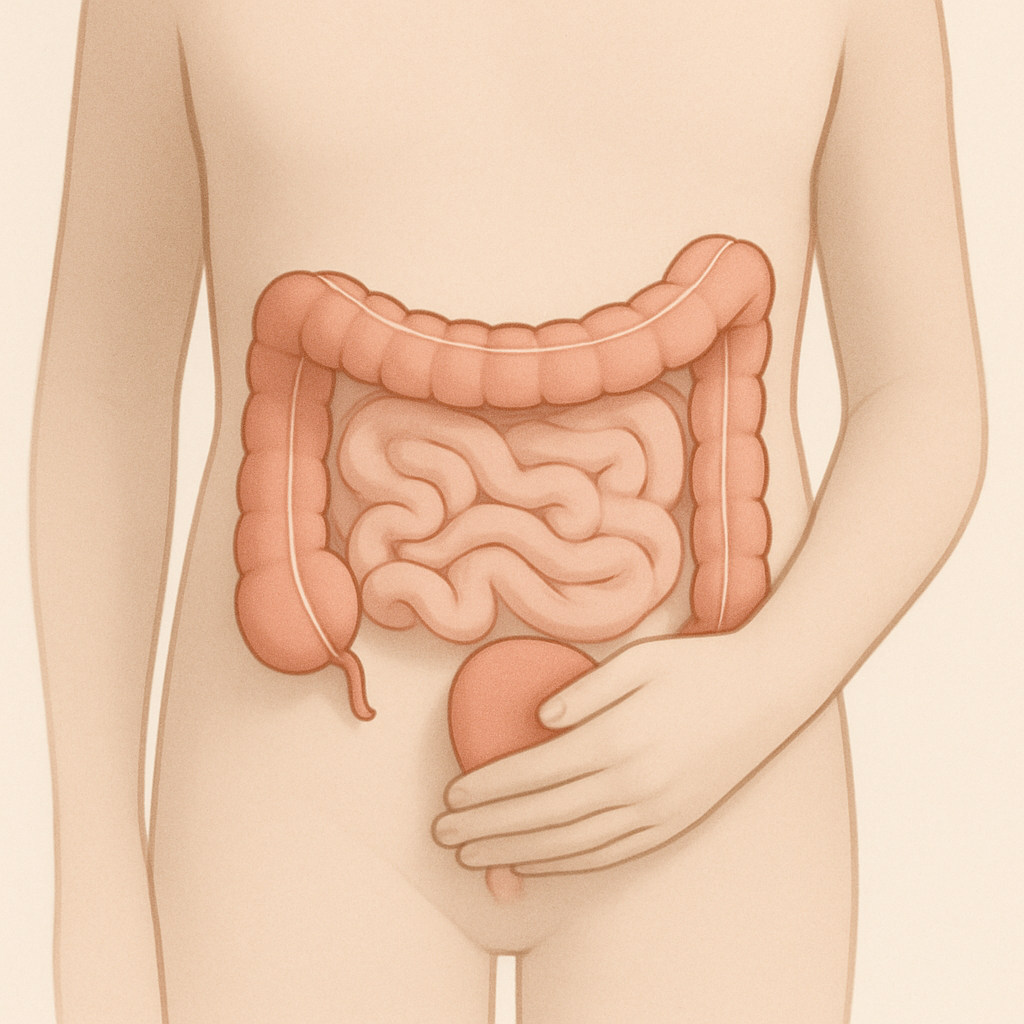
Colon health refers to the overall well-being and functioning of the colon, a crucial part of the digestive system. The colon, or large intestine, plays a significant role in absorbing water and electrolytes, forming and storing waste, and maintaining gut flora balance. A healthy colon is essential for efficient digestion and can help prevent various digestive disorders.
Maintaining colon health is vital not only for digestive function but also for overall health. Issues such as constipation, inflammatory bowel disease (IBD), and colorectal cancer can arise from poor colon health, making it imperative to understand the factors that contribute to a healthy colon.
Mechanism / How It Works
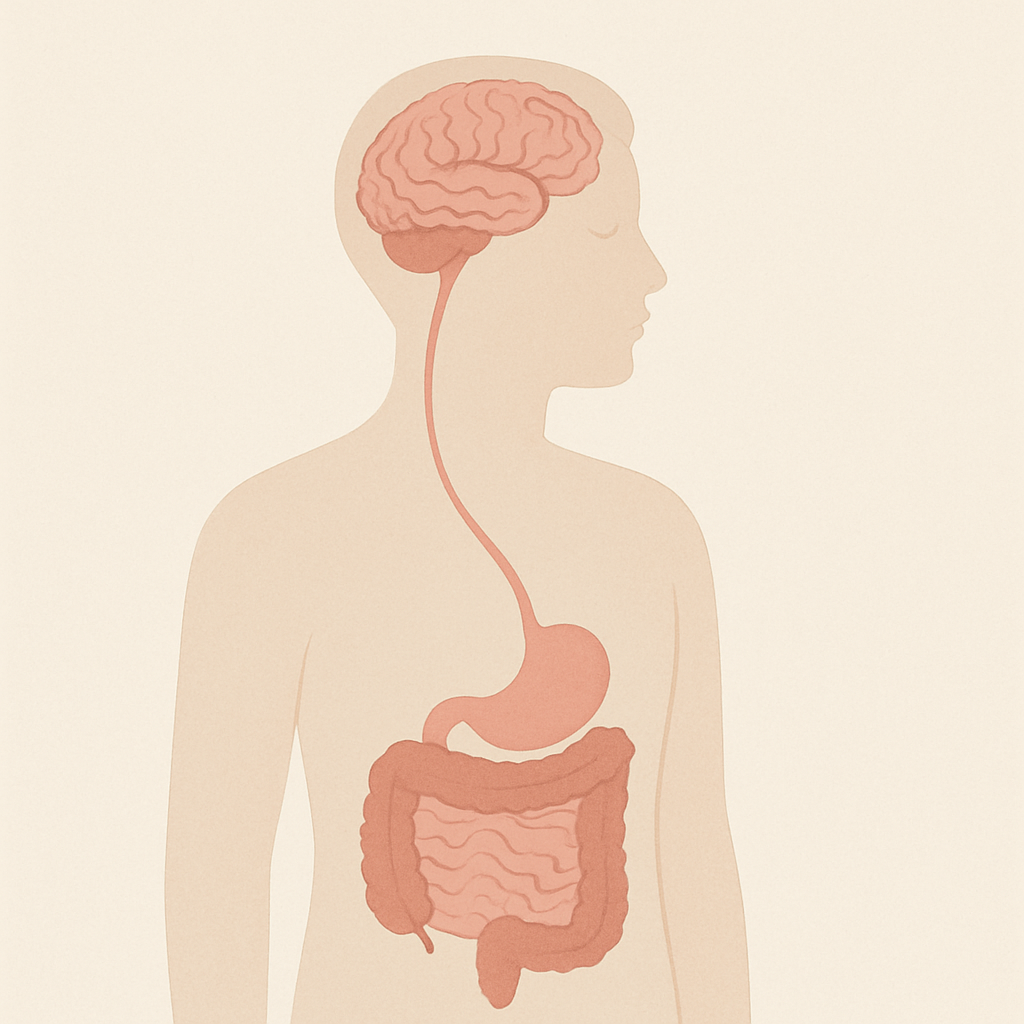
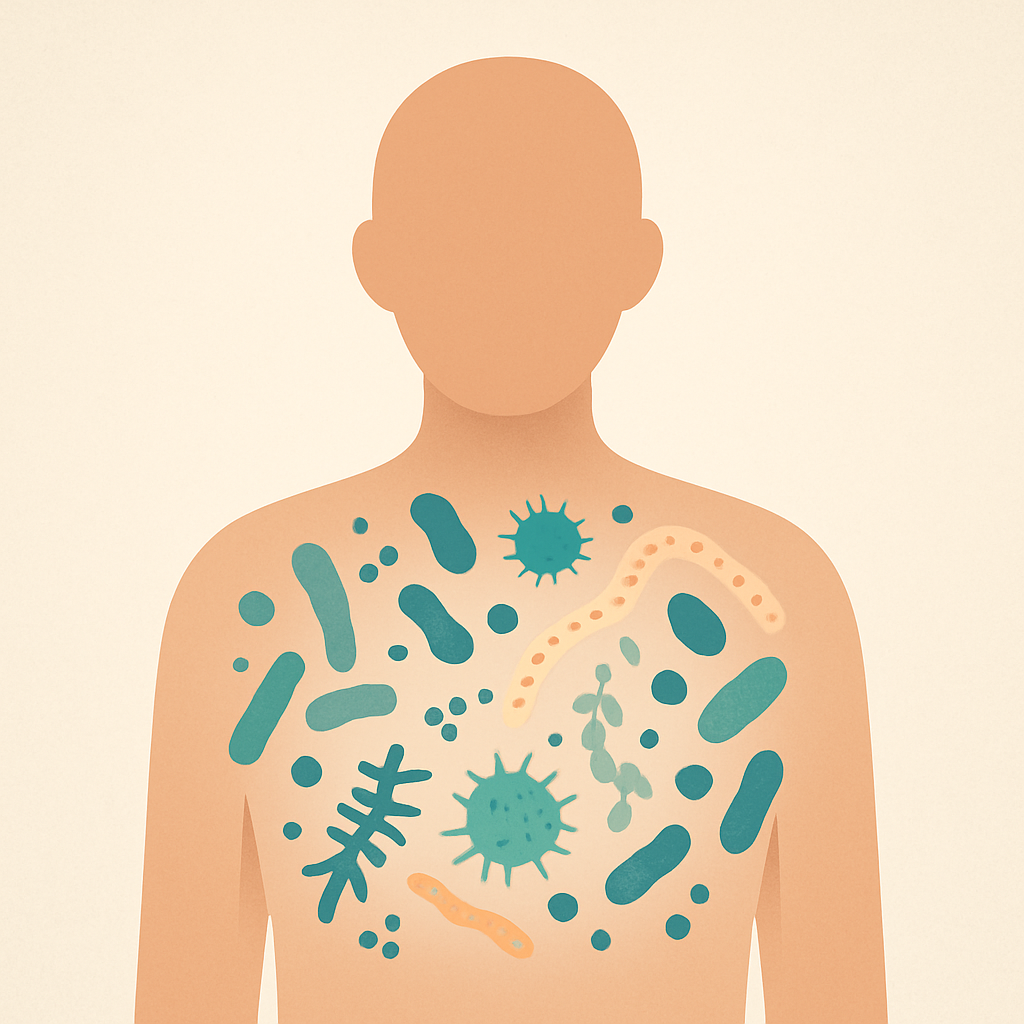
The colon works by sequentially processing waste material from the small intestine. It absorbs remaining nutrients and water, allowing for the formation of solid stool. The colon is also home to trillions of bacteria, known as gut microbiota, which play a pivotal role in digestion, metabolism, and immune function.
Healthy colon function relies on a balanced diet rich in fiber, hydration, and regular physical activity. Fiber, in particular, helps regulate bowel movements and supports the growth of beneficial bacteria, which in turn can enhance colon health by reducing inflammation and promoting regularity.
Evidence Summary
Research on colon health is extensive but can vary in quality. Preliminary studies suggest that diets high in fiber, fruits, and vegetables can significantly reduce the risk of colorectal cancer. Clinical trials indicate that probiotics may improve symptoms of irritable bowel syndrome (IBS) and other digestive disorders.
However, conflicting evidence exists regarding the effectiveness of certain supplements and dietary approaches. While some studies highlight the benefits of specific dietary changes, others show minimal impact. It is essential to approach colon health with a critical perspective, understanding that more research is needed to draw definitive conclusions.
Practical Application
To maintain colon health, integrating specific dietary and lifestyle protocols can be beneficial. These may include:
- Incorporating a high-fiber diet with fruits, vegetables, whole grains, and legumes.
- Staying hydrated to support digestion.
- Engaging in regular physical activity to promote bowel regularity.
- Avoiding processed foods, excessive sugar, and red meats.
Common pitfalls include neglecting hydration, consuming insufficient fiber, and leading a sedentary lifestyle. Awareness of these factors can help individuals make informed choices to support colon health.
Relevant Biomarkers & Tracking
Tracking colon health can be achieved through several biomarkers and practices, including:
- Regular colonoscopies for individuals over 50 or at high risk for colorectal cancer.
- Monitoring bowel habits, such as frequency and consistency of stools.
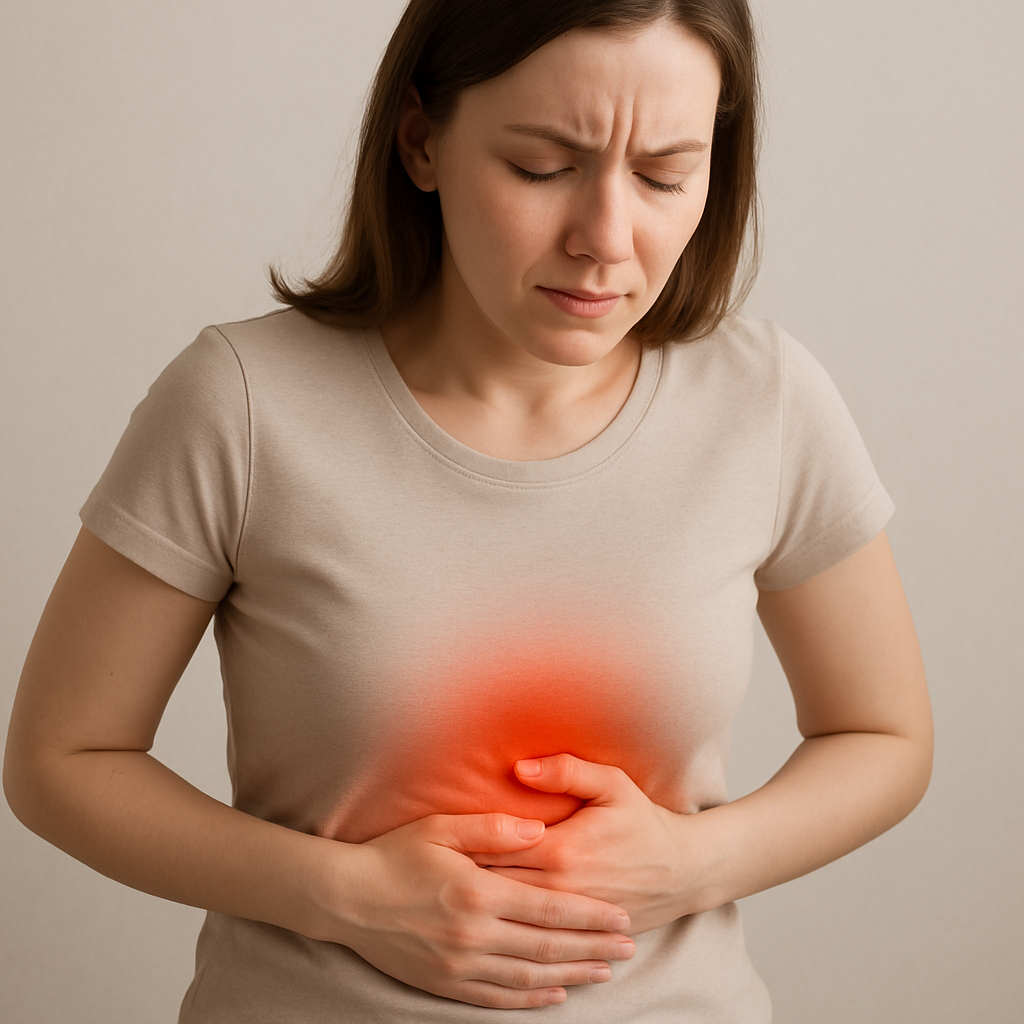
- Assessing the presence of gastrointestinal symptoms like bloating, gas, or discomfort.
Keeping a food diary may also help identify dietary patterns that contribute to or detract from colon health.
Body Systems Supported
Colon health is interconnected with several body systems, including:
- The digestive system, ensuring efficient nutrient absorption and waste elimination.
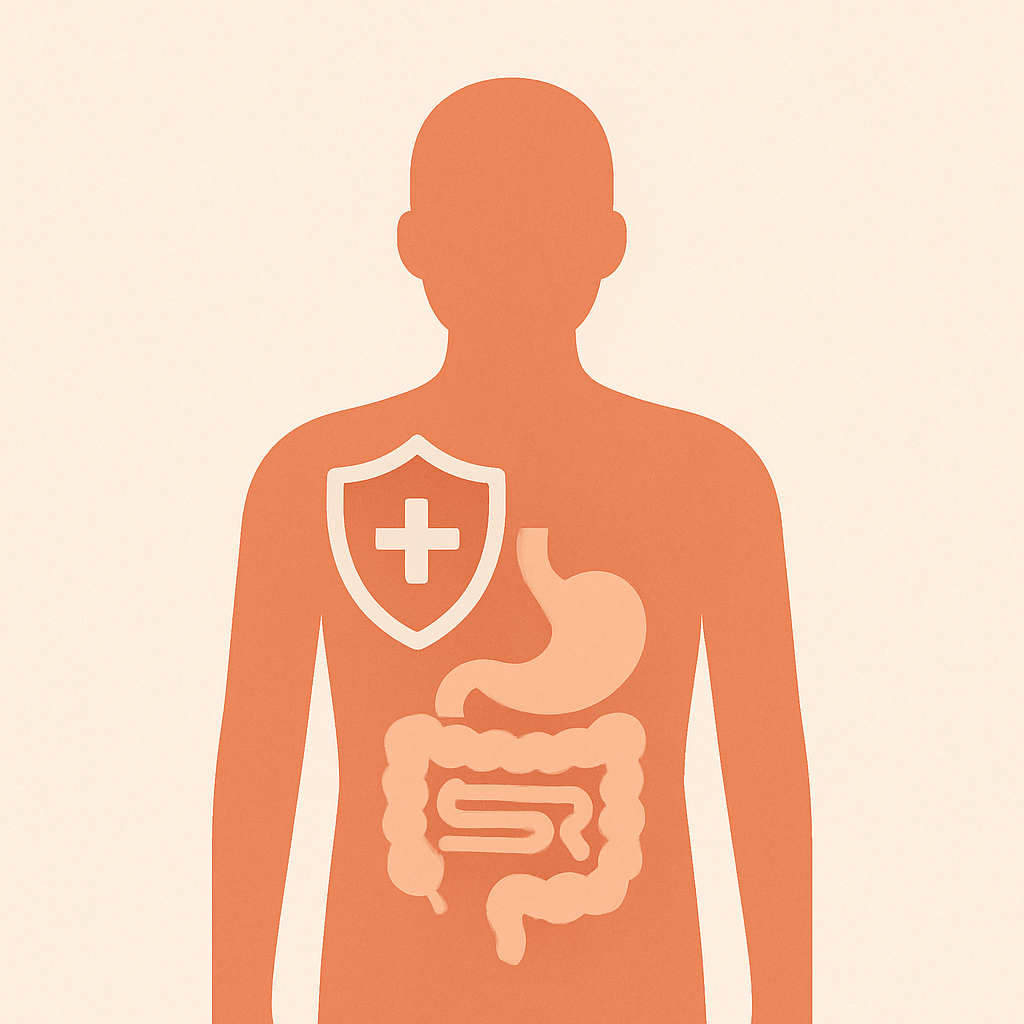
- The immune system, as gut microbiota play a role in immune regulation.
- The endocrine system, influencing metabolic processes and hormone regulation.
Maintaining a healthy colon can thus have far-reaching effects on overall health and well-being.
Common Goals
Individuals often seek to:
- Improve digestive regularity and reduce constipation.
- Minimize symptoms of digestive disorders like IBS.
- Reduce the risk of colorectal cancer.
- Enhance overall gut microbiota health.
Safety, Contraindications & Edge Cases
While promoting colon health is generally safe, individuals with specific conditions, such as severe IBD or certain gastrointestinal surgeries, should consult healthcare professionals before making significant dietary changes. Additionally, excessive fiber intake without adequate hydration can lead to discomfort and digestive issues.
Pairs Well With
Colon health approaches can complement ancient practices such as:
- Traditional Ayurvedic dietary principles, emphasizing whole foods and natural ingredients.
- Chinese medicine, focusing on the balance of food energies and digestive harmonization.
- Fermented foods, which have been used across cultures for their probiotic properties.
FAQs (5)
- What are the signs of poor colon health? Common signs include irregular bowel movements, abdominal pain, bloating, and changes in stool consistency.
- How can I improve my colon health? Increasing dietary fiber, staying hydrated, and exercising regularly are effective strategies.
- Are probiotics beneficial for colon health? Some studies suggest that probiotics can help with specific digestive issues, but results can vary.
- How often should I get screened for colon cancer? It is generally recommended to start screening at age 50, but individuals with risk factors may need to start earlier.
- Can stress affect colon health? Yes, stress can impact digestion and exacerbate conditions like IBS.
Frequently asked
What are the signs of poor colon health?
Common signs include irregular bowel movements, abdominal pain, bloating, and changes in stool consistency.
How can I improve my colon health?
Increasing dietary fiber, staying hydrated, and exercising regularly are effective strategies.
Are probiotics beneficial for colon health?
Some studies suggest that probiotics can help with specific digestive issues, but results can vary.
How often should I get screened for colon cancer?
It is generally recommended to start screening at age 50, but individuals with risk factors may need to start earlier.
Can stress affect colon health?
Yes, stress can impact digestion and exacerbate conditions like IBS.