Digestive Testing
Explore the world of digestive testing within gut health science. Understand its mechanisms, evidence, applications, and more.

Digestive testing is a crucial aspect of gut health science, helping to identify various gastrointestinal conditions and imbalances. By utilizing different testing methods, practitioners can gain insights into the health of an individual's digestive system and tailor appropriate interventions.
What It Is
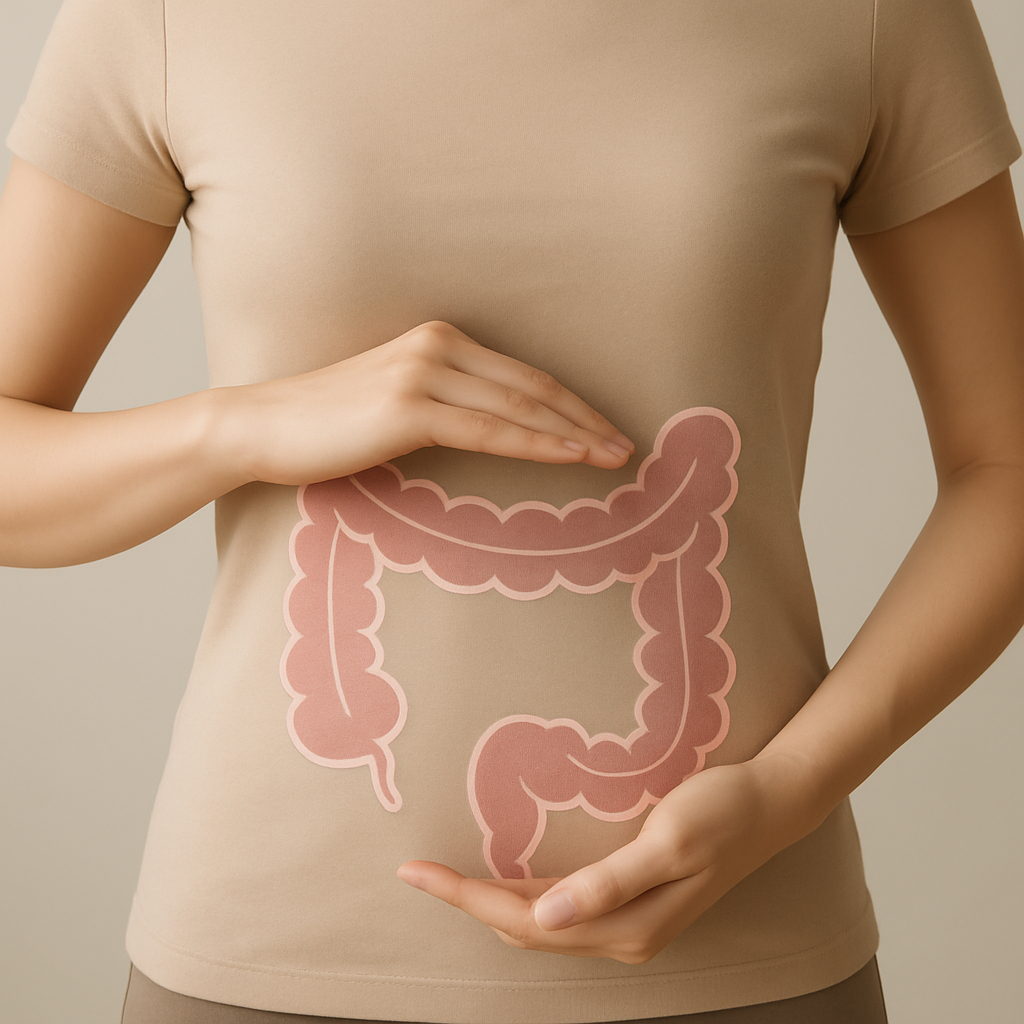
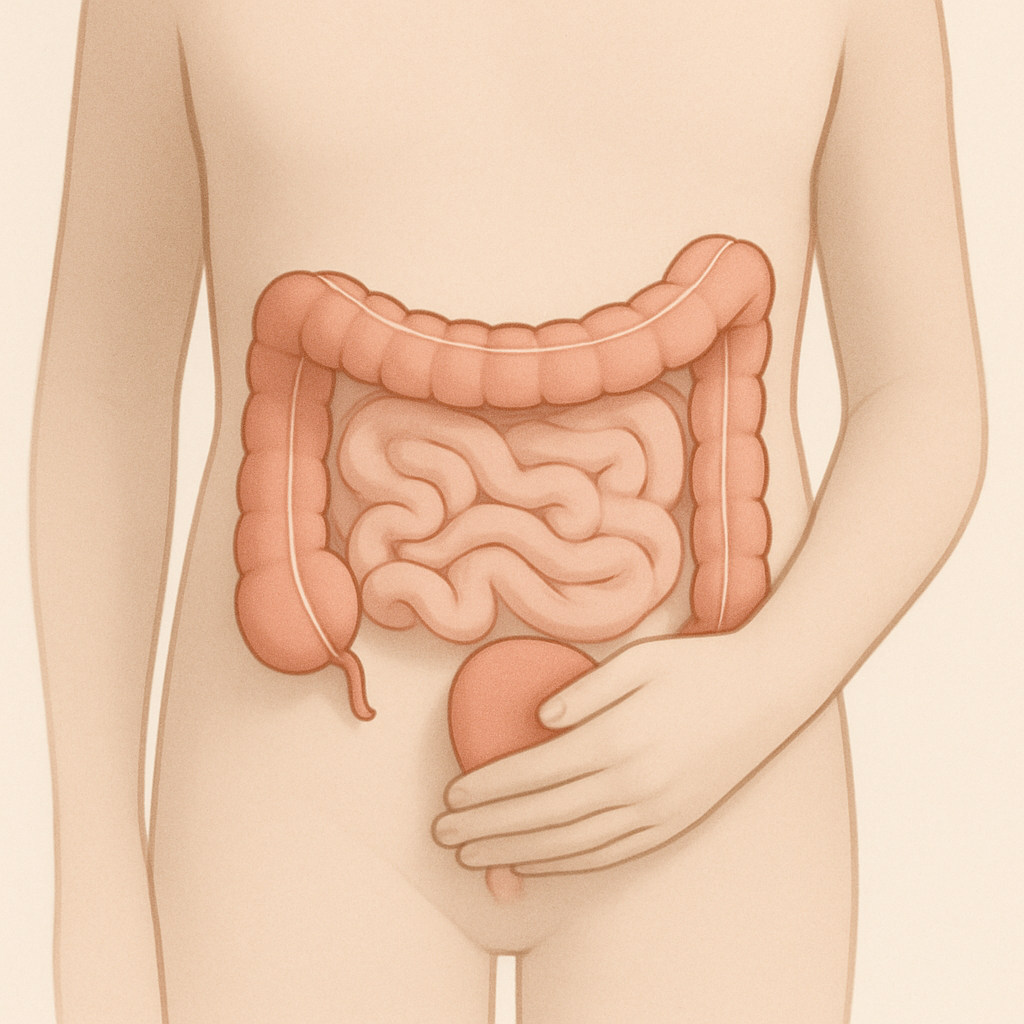
Digestive testing encompasses a range of diagnostic procedures designed to evaluate the health and functionality of the gastrointestinal (GI) system. These tests are essential for identifying various digestive disorders, assessing nutrient absorption, and determining the presence of pathogens or imbalances in gut microbiota. By analyzing different aspects of digestion, these tests provide valuable insights that can guide treatment and dietary recommendations.
There are several types of digestive tests, including stool tests, breath tests, and endoscopic procedures. Each method offers unique information about the digestive process, from assessing enzyme activity to detecting infections or inflammatory conditions. This information is vital for healthcare providers to develop personalized treatment plans aimed at restoring gut health and overall well-being.
Mechanism / How It Works
The mechanisms behind digestive testing vary depending on the specific type of test being conducted. For instance, stool tests analyze the composition of fecal matter, providing insights into digestion efficiency, the presence of harmful bacteria, and nutrient absorption. Breath tests, on the other hand, measure gases produced during digestion, which can help identify conditions such as lactose intolerance or small intestinal bacterial overgrowth (SIBO).
Endoscopic procedures involve the use of specialized instruments to visualize the GI tract directly. These tests can help identify structural abnormalities, inflammation, or tumors that may be affecting digestive function. By utilizing these various methods, healthcare professionals can obtain a comprehensive view of an individual's digestive health.
Evidence Summary
The evidence surrounding digestive testing is continually evolving, with various studies supporting its efficacy in diagnosing gastrointestinal disorders. Preliminary research suggests that stool tests can effectively identify conditions like celiac disease, inflammatory bowel disease (IBD), and infections caused by parasites or bacteria. Similarly, breath tests have demonstrated reliability in diagnosing lactose intolerance and SIBO.
However, the clinical utility of some tests remains a topic of debate. For example, while certain biomarkers in stool tests are indicative of gut health, their interpretation can be complex and may lead to conflicting results. Additionally, more research is needed to standardize testing protocols and improve diagnostic accuracy across different populations.
Practical Application
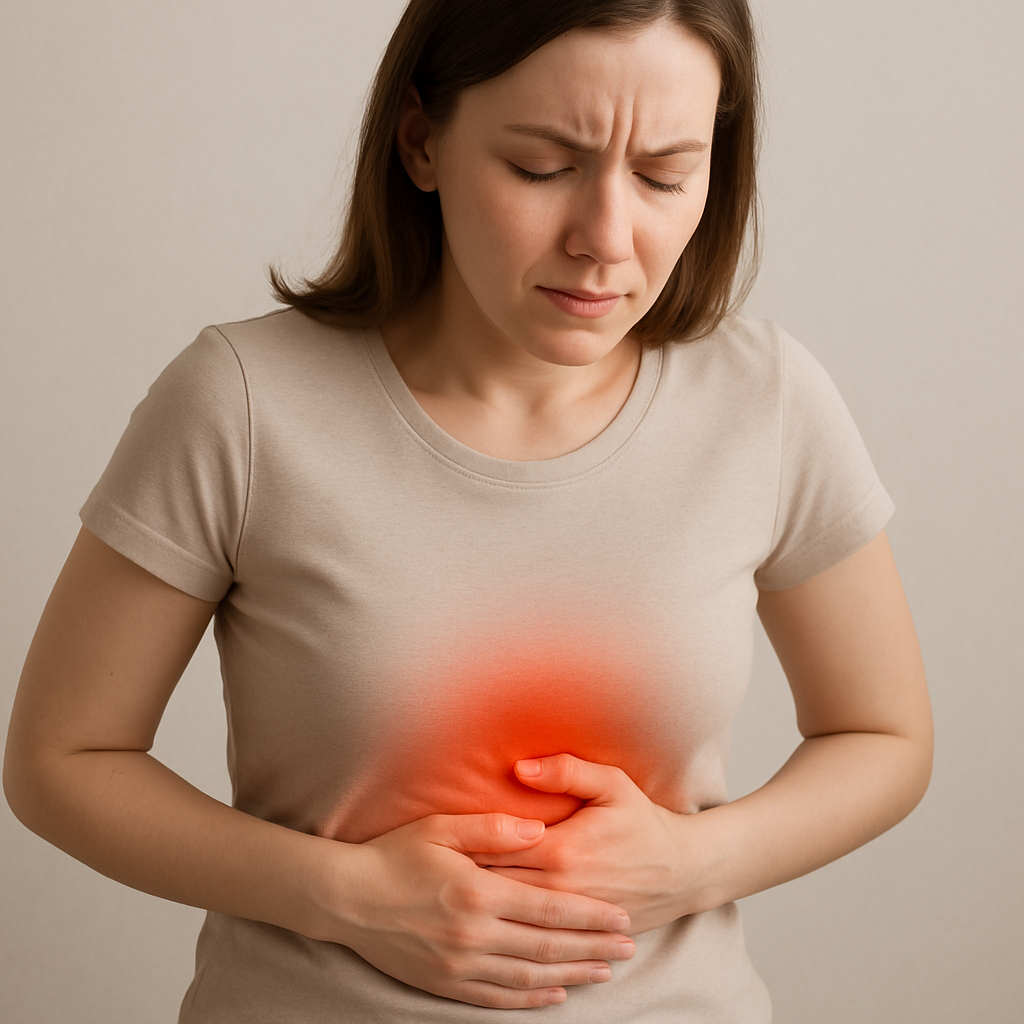
Integrating digestive testing into a health regimen typically begins with a thorough evaluation of symptoms and medical history. Healthcare providers may recommend specific tests based on the individual's complaints, such as abdominal pain, bloating, or irregular bowel movements. Once tests are conducted, results can inform dietary adjustments, supplementation, or lifestyle changes aimed at improving gut health.
Common pitfalls include misunderstanding test results or relying solely on testing for diagnosis without considering clinical symptoms. It's essential for individuals to work closely with healthcare professionals who can interpret findings accurately and create a holistic approach to gut health.
Relevant Biomarkers & Tracking
Key biomarkers relevant to digestive testing include:
- Calprotectin: Indicates inflammation in the intestines.
- Fat in stool: Assesses malabsorption issues.
- Lactulose and hydrogen levels: Used in breath tests to identify SIBO.
- Microbial diversity: Analyzed through stool testing to assess gut microbiome health.
Tracking these biomarkers over time can help gauge the effectiveness of dietary modifications or treatments, ensuring that individuals remain on the path to improved gut health.
Body Systems Supported
Digestive testing primarily supports the gastrointestinal system but also has implications for other body systems, including:
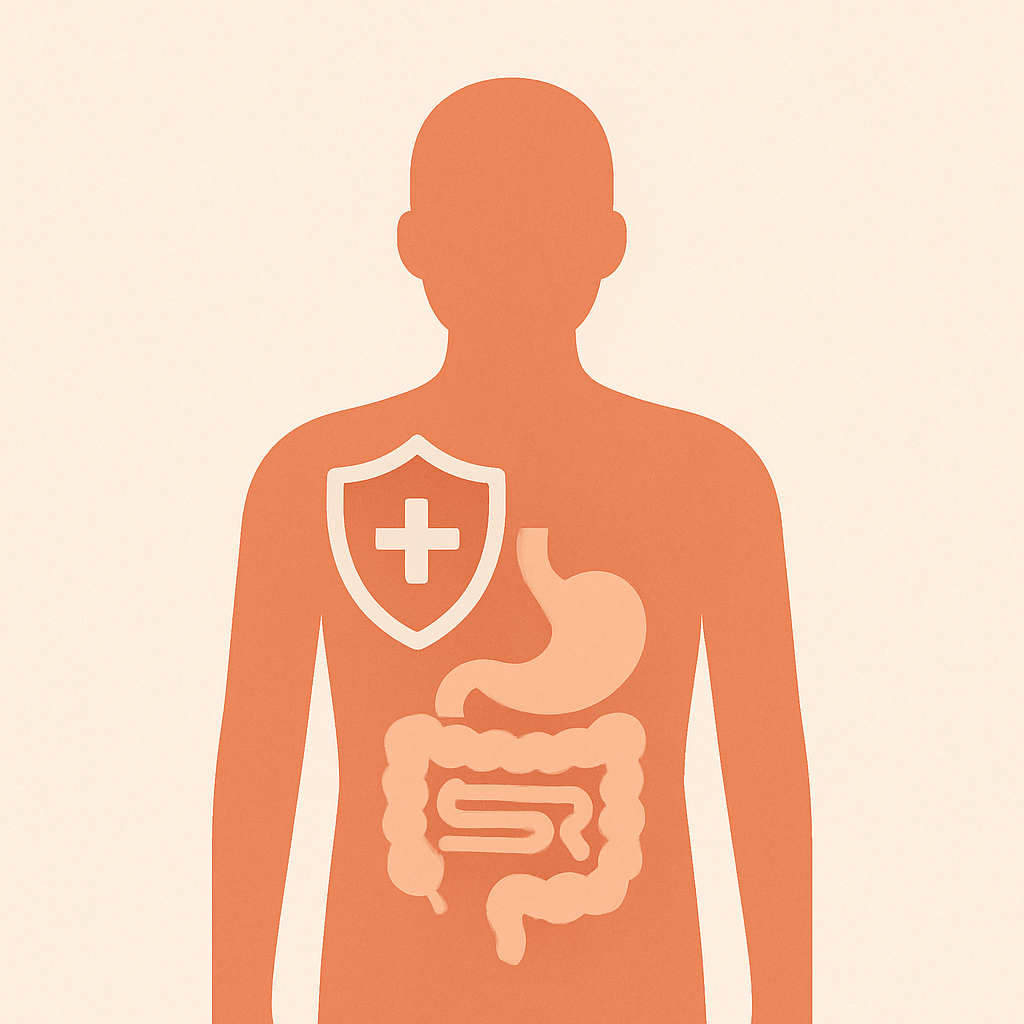
- Immune System: A healthy gut is crucial for optimal immune function, as a significant portion of the immune system resides in the gastrointestinal tract.
- Endocrine System: Gut health can influence hormone production and balance, affecting metabolism and mood.
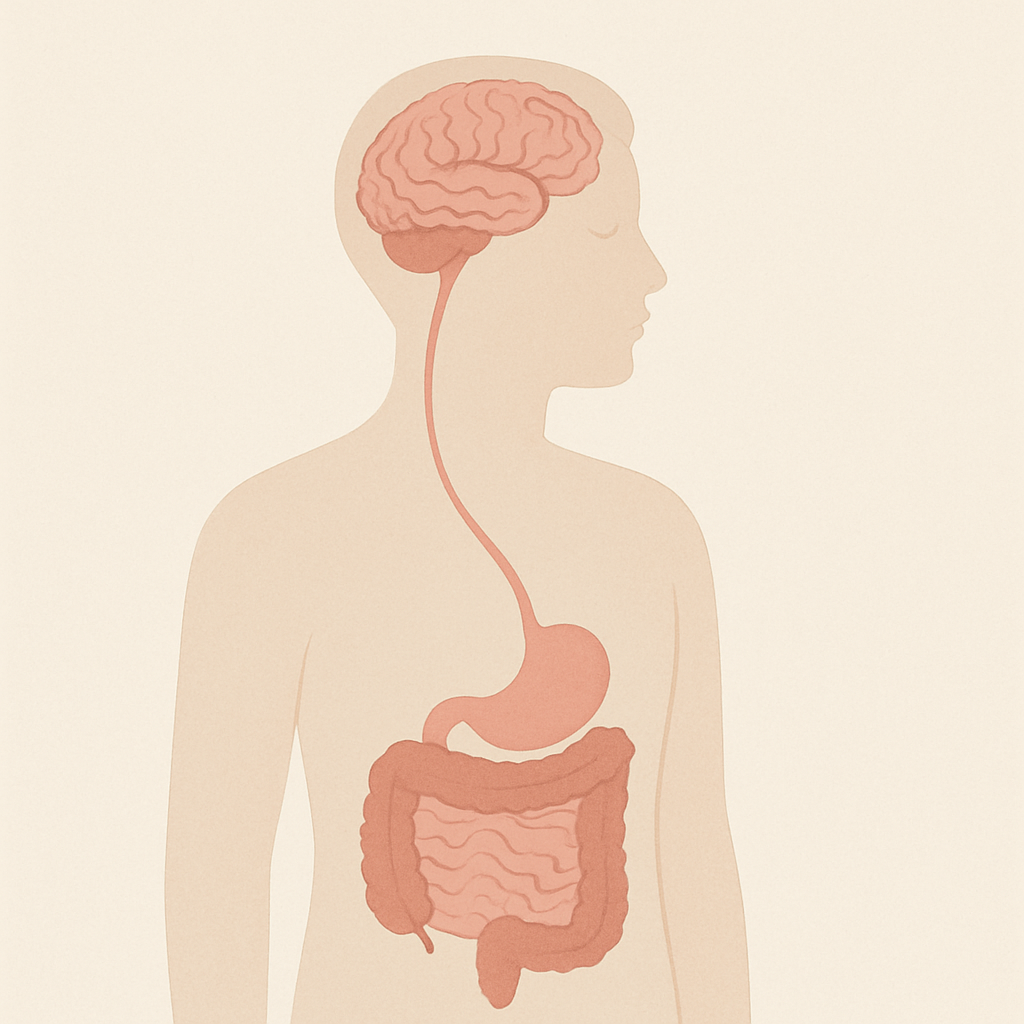
- Nervous System: The gut-brain axis highlights the connection between digestive health and mental well-being.
Common Goals
The primary goals of digestive testing include:
- Identifying underlying digestive disorders.
- Assessing nutrient absorption and malabsorption issues.
- Tailoring dietary and lifestyle interventions.
- Monitoring the effectiveness of treatments and dietary changes.
Safety, Contraindications & Edge Cases
Digestive testing is generally safe, with minimal risks associated with non-invasive tests like stool and breath tests. However, more invasive procedures, such as endoscopies, may carry risks of complications, including infection or perforation of the GI tract.
Contraindications may exist for individuals with certain medical conditions or those on specific medications that could interfere with test results. It is crucial for individuals to discuss their medical history with their healthcare provider before undergoing digestive testing.
Pairs Well With
Digestive testing can be complemented by various ancient and natural healing practices, including:
- Probiotics: Support gut flora balance.
- Herbal remedies: May aid digestion and reduce inflammation.
- Meditation and mindfulness: Can enhance gut-brain communication and reduce stress-related digestive issues.
FAQs (5)
- What types of digestive tests are available? There are stool tests, breath tests, and endoscopic procedures, among others.
- How do I prepare for a digestive test? Preparation varies depending on the test; consult your healthcare provider for specific instructions.
- Are digestive tests painful? Non-invasive tests like stool and breath tests are generally painless, while endoscopies may cause discomfort.
- How often should I have digestive tests? Frequency depends on individual health needs and symptoms; consult your healthcare provider.
- What should I do if my test results are abnormal? Follow up with your healthcare provider to discuss implications and next steps.
Frequently asked
What types of digestive tests are available?
There are stool tests, breath tests, and endoscopic procedures, among others.
How do I prepare for a digestive test?
Preparation varies depending on the test; consult your healthcare provider for specific instructions.
Are digestive tests painful?
Non-invasive tests like stool and breath tests are generally painless, while endoscopies may cause discomfort.
How often should I have digestive tests?
Frequency depends on individual health needs and symptoms; consult your healthcare provider.
What should I do if my test results are abnormal?
Follow up with your healthcare provider to discuss implications and next steps.