Prebiotic Research
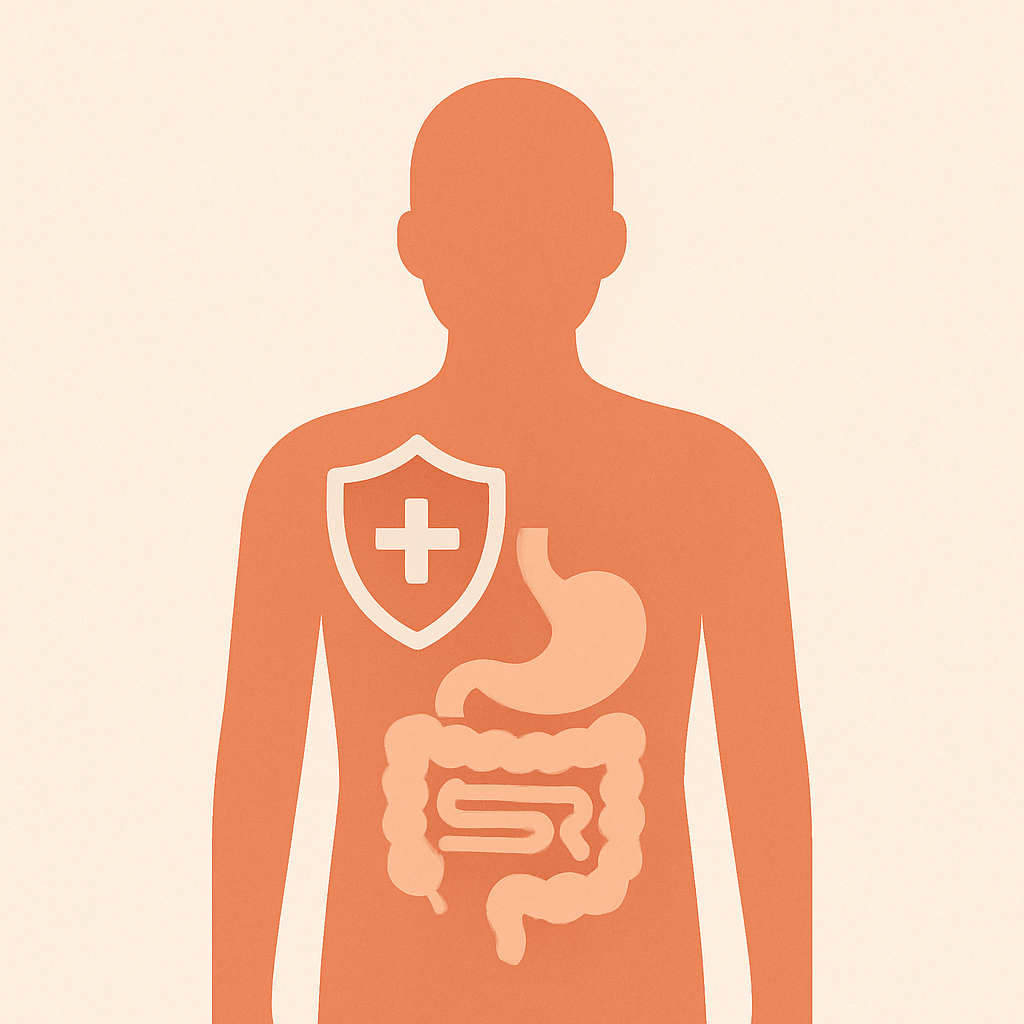
Dive into prebiotic research and its role in gut health, exploring mechanisms, evidence, and practical applications.
Explore the intricate world of prebiotics within gut health science, including their mechanisms, evidence, practical applications, and safety considerations.
What It Is
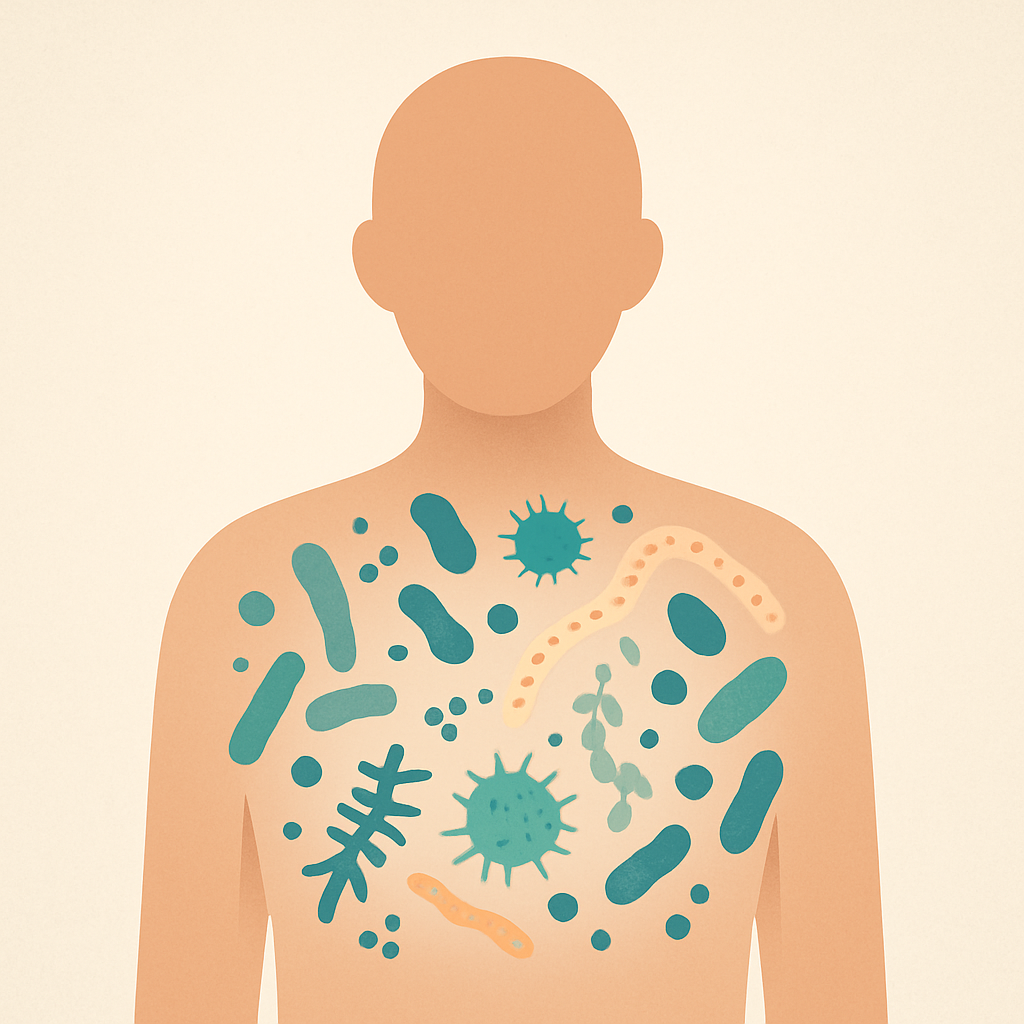
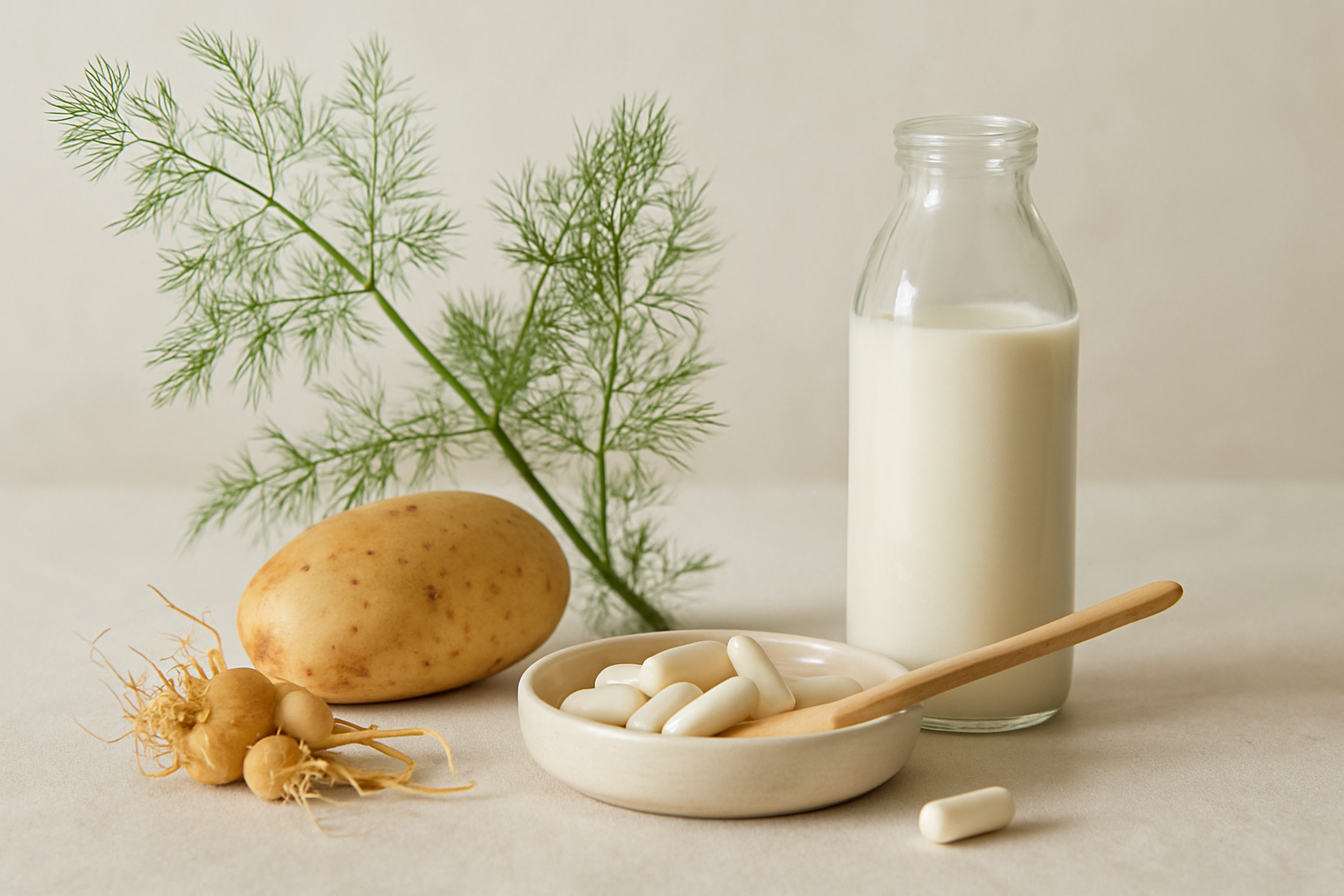
Prebiotics are non-digestible food components that promote the growth and activity of beneficial microorganisms in the gut. Unlike probiotics, which are live bacteria, prebiotics serve as a food source for these good bacteria, helping to enhance their proliferation and activity. Common sources of prebiotics include dietary fibers found in foods such as garlic, onions, leeks, asparagus, bananas, and whole grains.
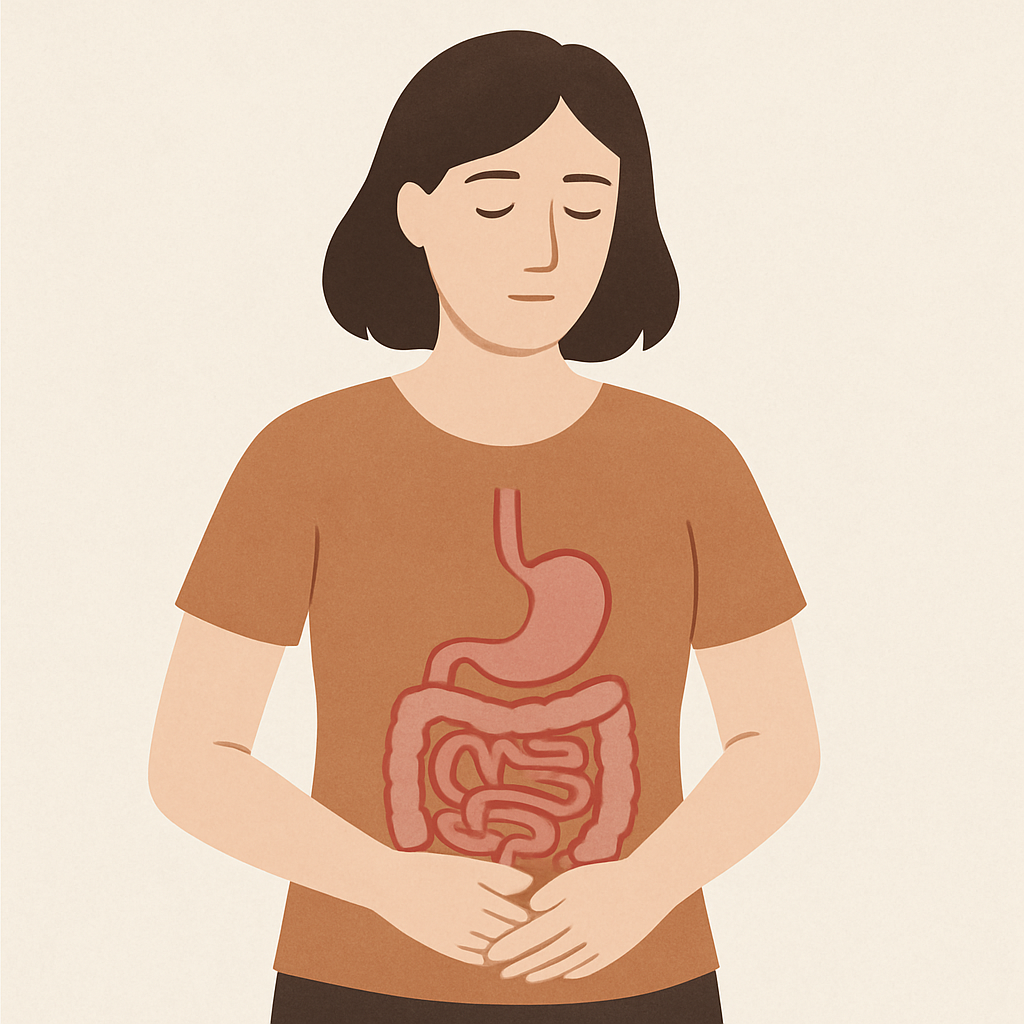
By supporting the growth of beneficial gut bacteria, prebiotics play a crucial role in maintaining gut health, improving digestion, and enhancing overall well-being. They are a vital component of a balanced diet, contributing to a diverse microbiome, which is essential for optimal health.
Mechanism / How It Works
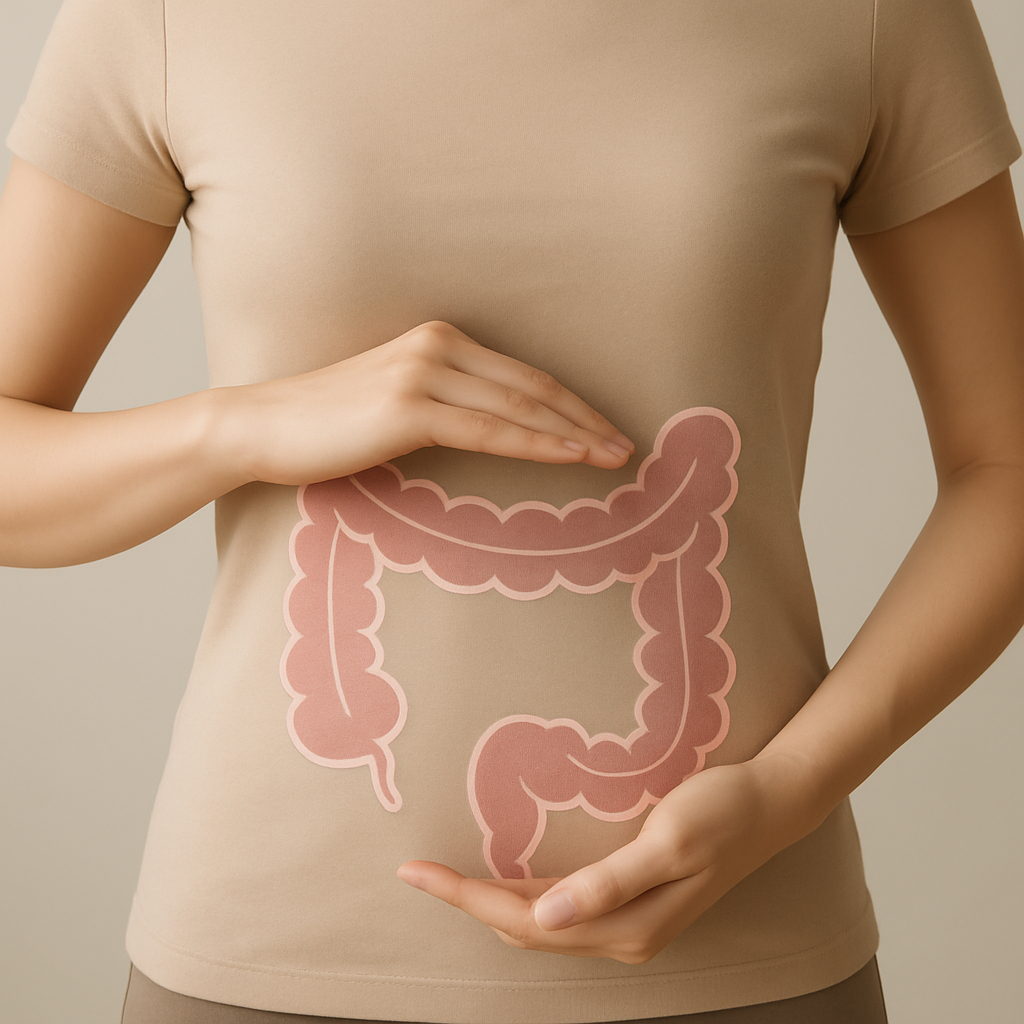
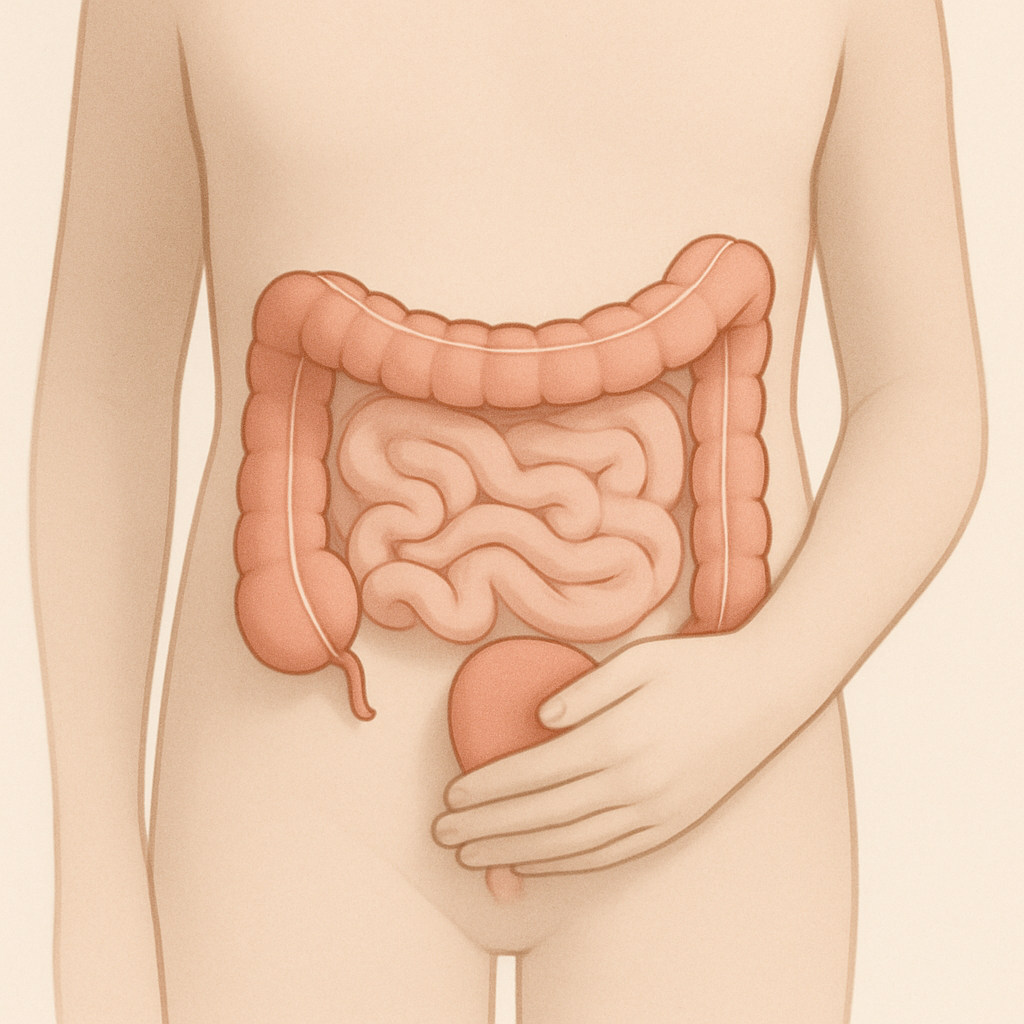
Prebiotics work primarily by fermenting in the large intestine, where they are metabolized by gut bacteria. This fermentation process produces short-chain fatty acids (SCFAs) such as acetate, propionate, and butyrate, which serve as energy sources for colon cells and play a role in regulating various bodily functions. Additionally, SCFAs are known to have anti-inflammatory properties, which can help reduce the risk of inflammatory bowel diseases.
Moreover, prebiotics help modulate the gut microbiota composition by selectively stimulating the growth of beneficial bacteria, such as Bifidobacteria and Lactobacilli. This selective stimulation can lead to improved gut barrier function and reduced pathogen colonization, thereby enhancing overall gut health.
Evidence Summary
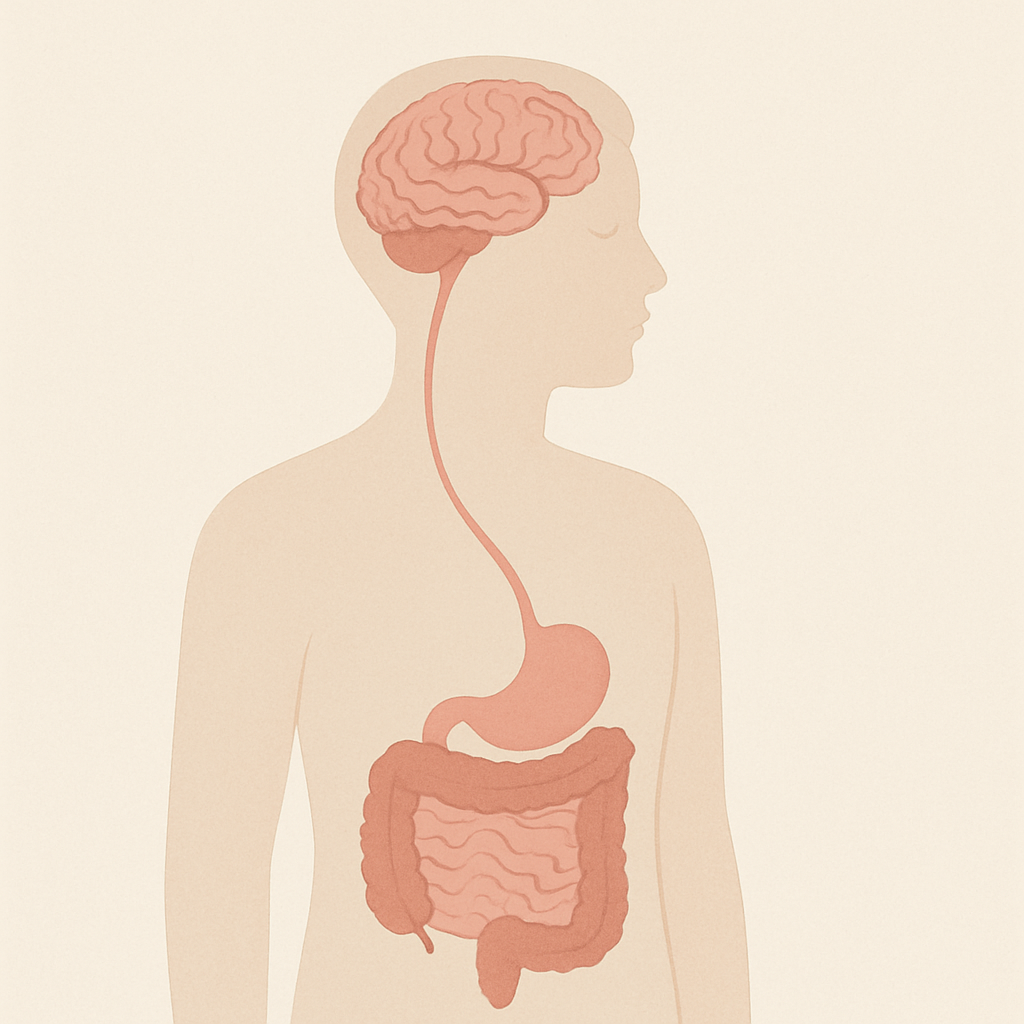
Research on prebiotics has shown promising results, but findings can vary widely. Preliminary studies have indicated that prebiotics can improve gut health markers, enhance mineral absorption, and even influence mood and cognitive function through the gut-brain axis. However, clinical evidence is still emerging, and while some studies demonstrate significant benefits, others yield conflicting results.
Most clinical studies suggest that prebiotics can be beneficial for individuals with specific conditions, such as irritable bowel syndrome (IBS) and obesity, by improving symptoms and metabolic profiles. Still, more rigorous long-term studies are needed to establish definitive conclusions about their efficacy and mechanisms.
Practical Application
Integrating prebiotics into daily routines can be simple and effective. Here are some practical tips:
- Start Slowly: If you are new to prebiotics, begin with small amounts to allow your gut to adjust.
- Focus on Whole Foods: Incorporate foods naturally high in prebiotics, such as garlic, onions, asparagus, and bananas, into your diet.
- Consider Supplements: Prebiotic supplements are available but should be used with caution. Consult with a healthcare professional before starting any supplements.
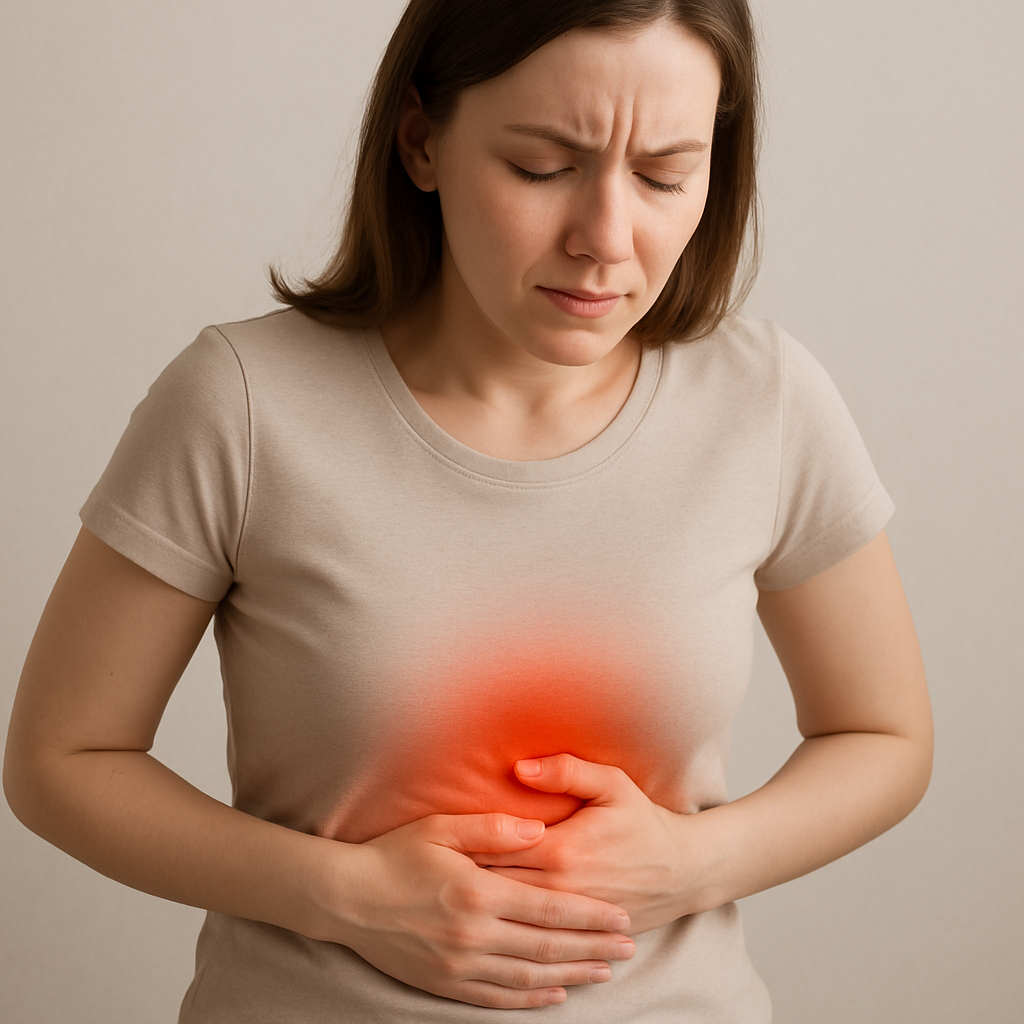
Common pitfalls include excessive intake, which can lead to gas and bloating, and neglecting to maintain a diverse diet that supports overall gut health.
Relevant Biomarkers & Tracking
Tracking gut health can involve monitoring specific biomarkers, such as:
- Short-chain fatty acids (SCFAs): Levels can indicate gut fermentation and microbial activity.
- Microbiome composition: Changes in gut bacteria can signal shifts in health status.
- Inflammatory markers: Monitoring markers like C-reactive protein (CRP) can help assess gut health.
Regular tracking can help individuals and healthcare providers tailor dietary approaches and interventions based on individual responses.
Body Systems Supported
Prebiotics primarily support the digestive system but also impact several other body systems, including:
- Immune System: A healthy gut microbiome contributes to a robust immune response.
- Nervous System: The gut-brain axis implies that gut health can influence mood and cognitive functions.
- Metabolic System: Prebiotics may assist in regulating blood sugar levels and lipid metabolism.
Common Goals
Individuals may seek prebiotics for various reasons, including:
- Improving digestive health
- Enhancing gut microbiome diversity
- Supporting weight management
- Boosting immune function
- Improving overall well-being
Safety, Contraindications & Edge Cases
Prebiotics are generally considered safe for most individuals. However, those with certain digestive disorders, such as small intestinal bacterial overgrowth (SIBO) or fructose intolerance, may experience adverse effects. It is important to consult with a healthcare professional before incorporating prebiotics, especially for individuals with existing health conditions.
Pairs Well With
Prebiotics can complement various dietary and lifestyle practices, including:
- Probiotics: Combining prebiotics with probiotics can enhance the benefits of both.
- Fermented Foods: Foods like yogurt and kimchi provide probiotics, while prebiotics can boost their effectiveness.
- Healthy Fats: Omega-3 fatty acids can support gut health and improve the benefits of prebiotics.
FAQs (5)
What are the best sources of prebiotics?
Common sources include garlic, onions, leeks, asparagus, bananas, and whole grains.
Can prebiotics cause digestive discomfort?
Yes, excessive intake of prebiotics can lead to gas and bloating, particularly in those unaccustomed to them.
How can I incorporate prebiotics into my diet?
Focus on whole foods rich in prebiotics or consider supplements if needed, but consult a healthcare professional first.
Are prebiotics the same as probiotics?
No, prebiotics are non-digestible fibers that feed beneficial bacteria, while probiotics are live microorganisms.
Can prebiotics improve mental health?
Some studies suggest a link between gut health and mood; however, more research is needed to establish this connection.
Frequently asked
What are the best sources of prebiotics?
Common sources include garlic, onions, leeks, asparagus, bananas, and whole grains.
Can prebiotics cause digestive discomfort?
Yes, excessive intake of prebiotics can lead to gas and bloating, particularly in those unaccustomed to them.
How can I incorporate prebiotics into my diet?
Focus on whole foods rich in prebiotics or consider supplements if needed, but consult a healthcare professional first.
Are prebiotics the same as probiotics?
No, prebiotics are non-digestible fibers that feed beneficial bacteria, while probiotics are live microorganisms.
Can prebiotics improve mental health?
Some studies suggest a link between gut health and mood; however, more research is needed to establish this connection.