Probiotic Science
Delve into probiotic science, examining its mechanisms, evidence, applications, and more for optimal gut health.
Explore the science behind probiotics, their mechanisms, and practical applications for gut health.
What It Is
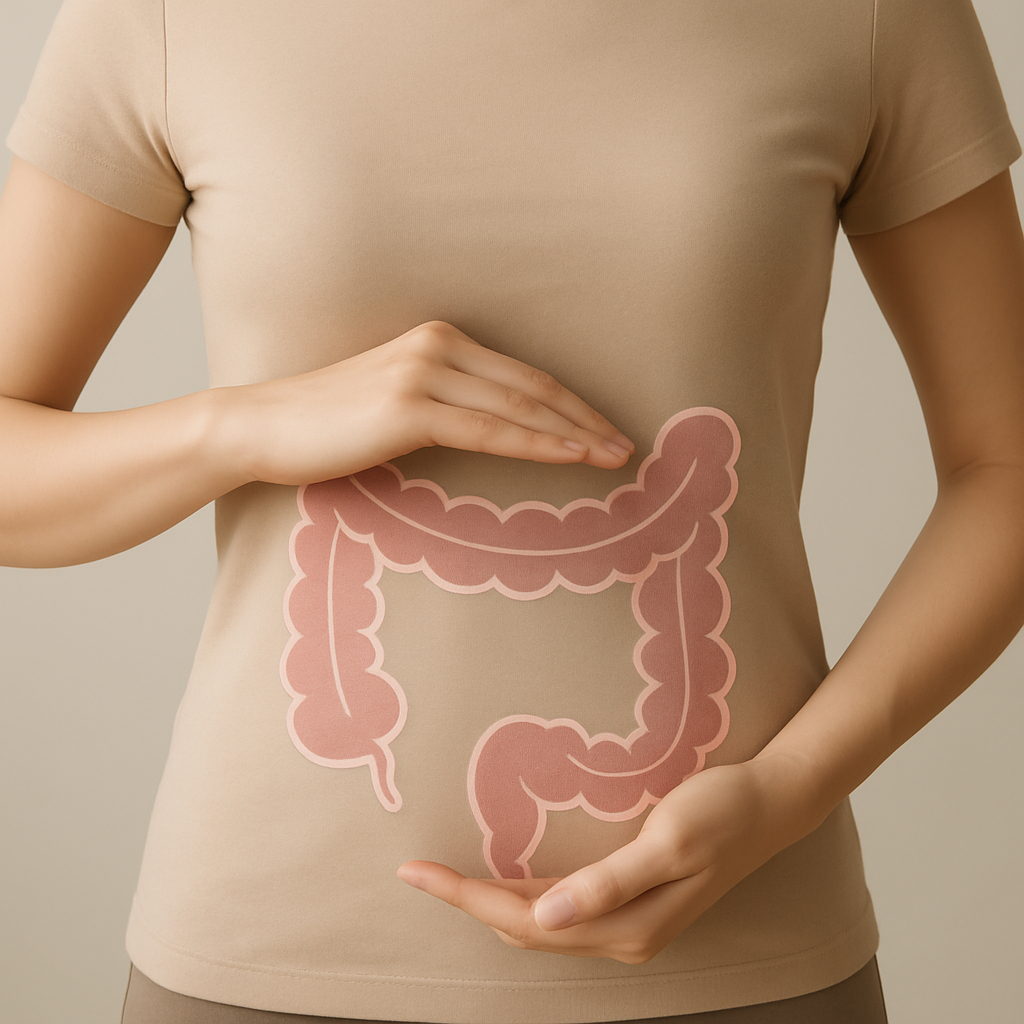
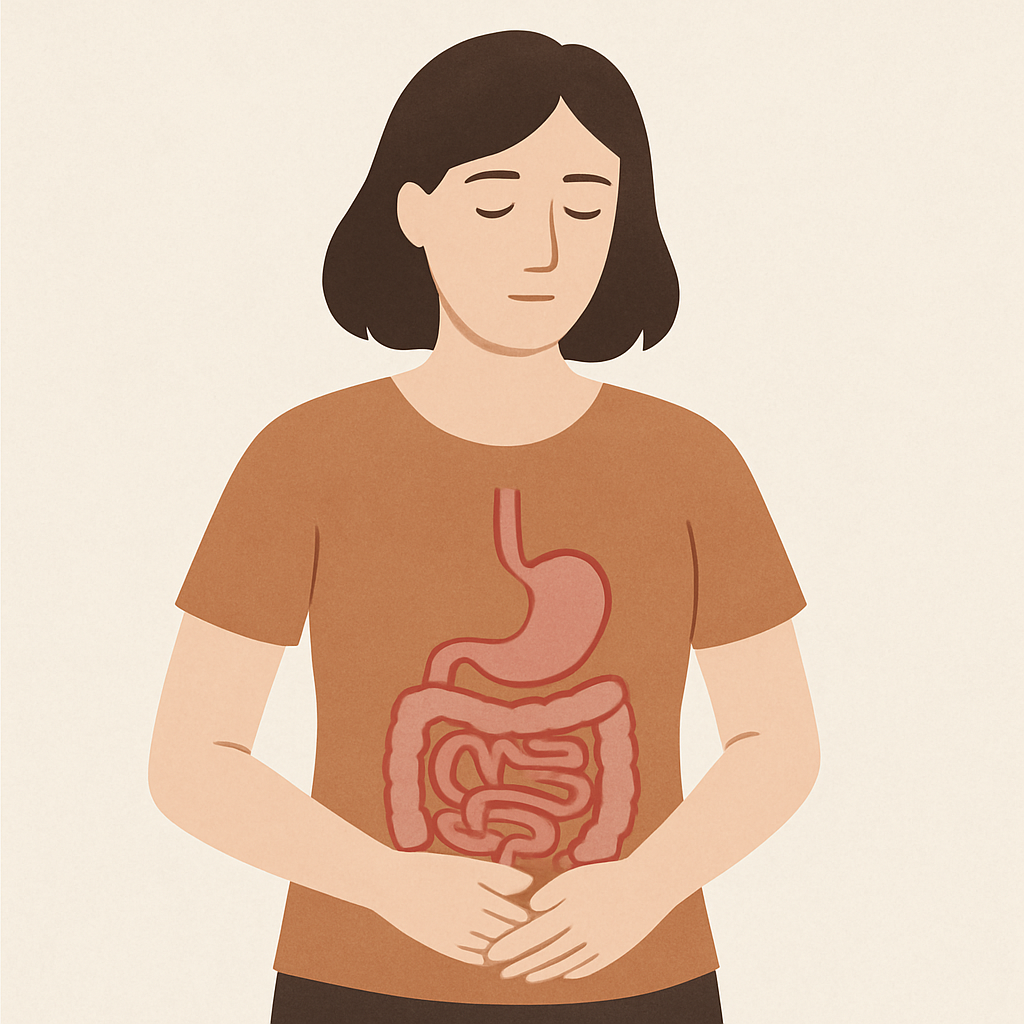
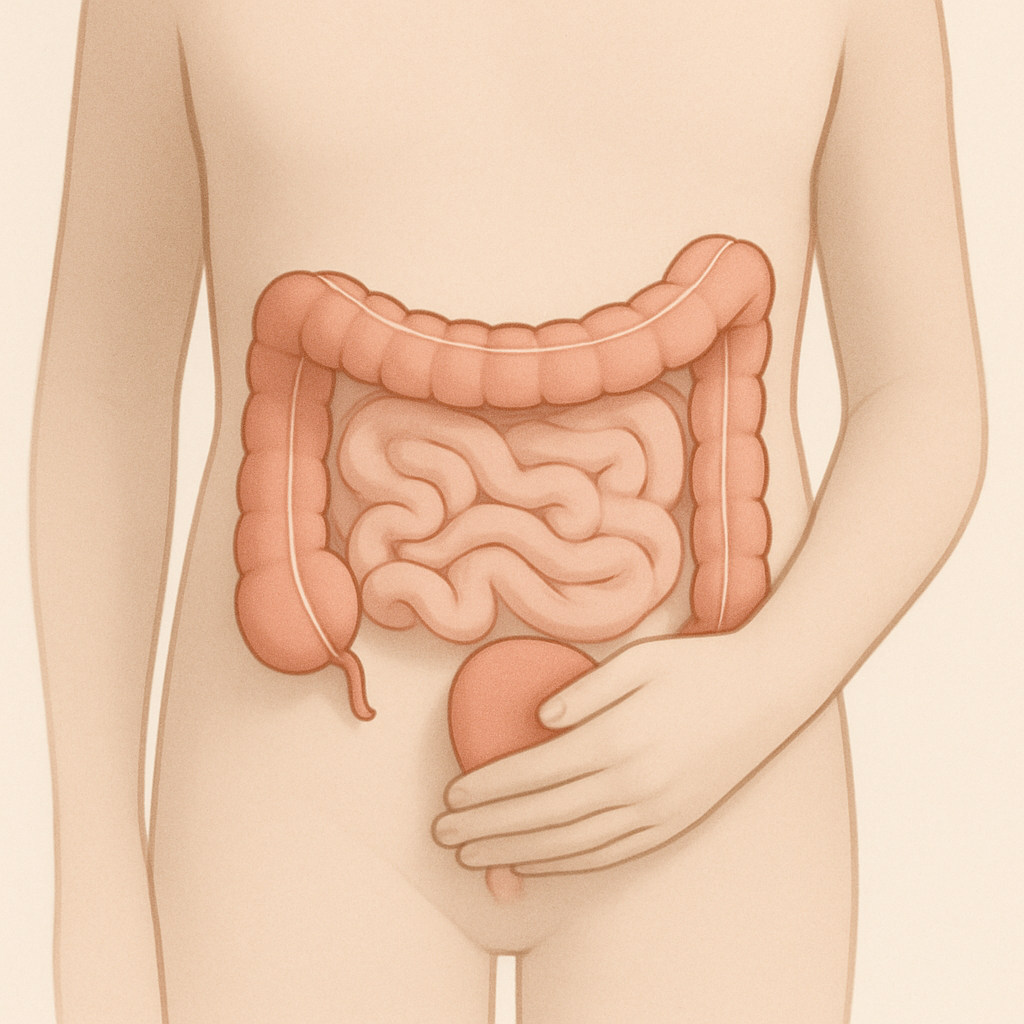
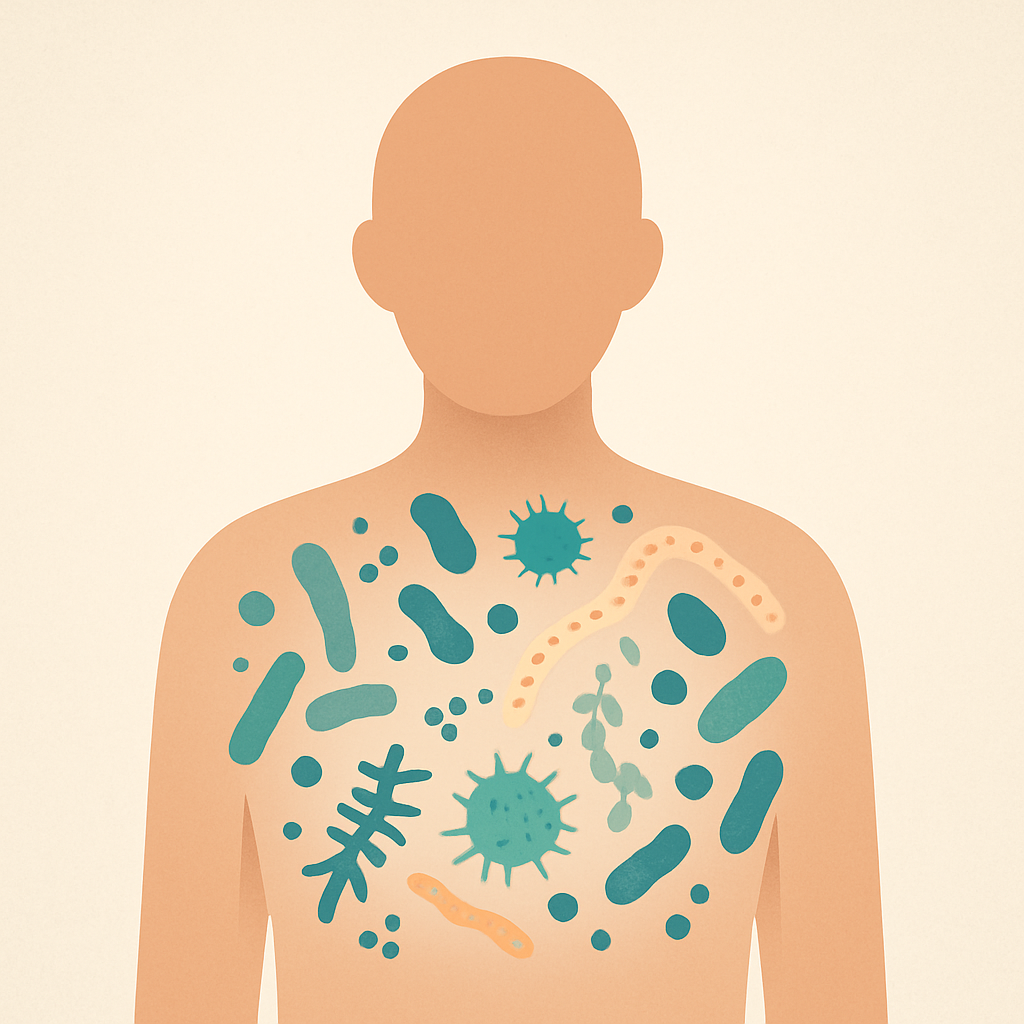
Probiotic science focuses on the study of live microorganisms that confer health benefits to the host when administered in adequate amounts. These beneficial bacteria, primarily found in the gut, play a crucial role in maintaining a balanced microbiome. Probiotics are commonly derived from various strains of Lactobacillus, Bifidobacterium, and Saccharomyces, among others, and are available in various forms, including supplements, fermented foods, and beverages.
The concept of probiotics is rooted in the idea that a diverse and balanced gut microbiota is essential for overall health. Disruptions to this balance, often caused by poor diet, stress, or antibiotics, can lead to gastrointestinal issues and other health problems. Probiotics aim to restore this balance, improving digestion, enhancing immune function, and potentially reducing the risk of certain diseases.
Mechanism / How It Works
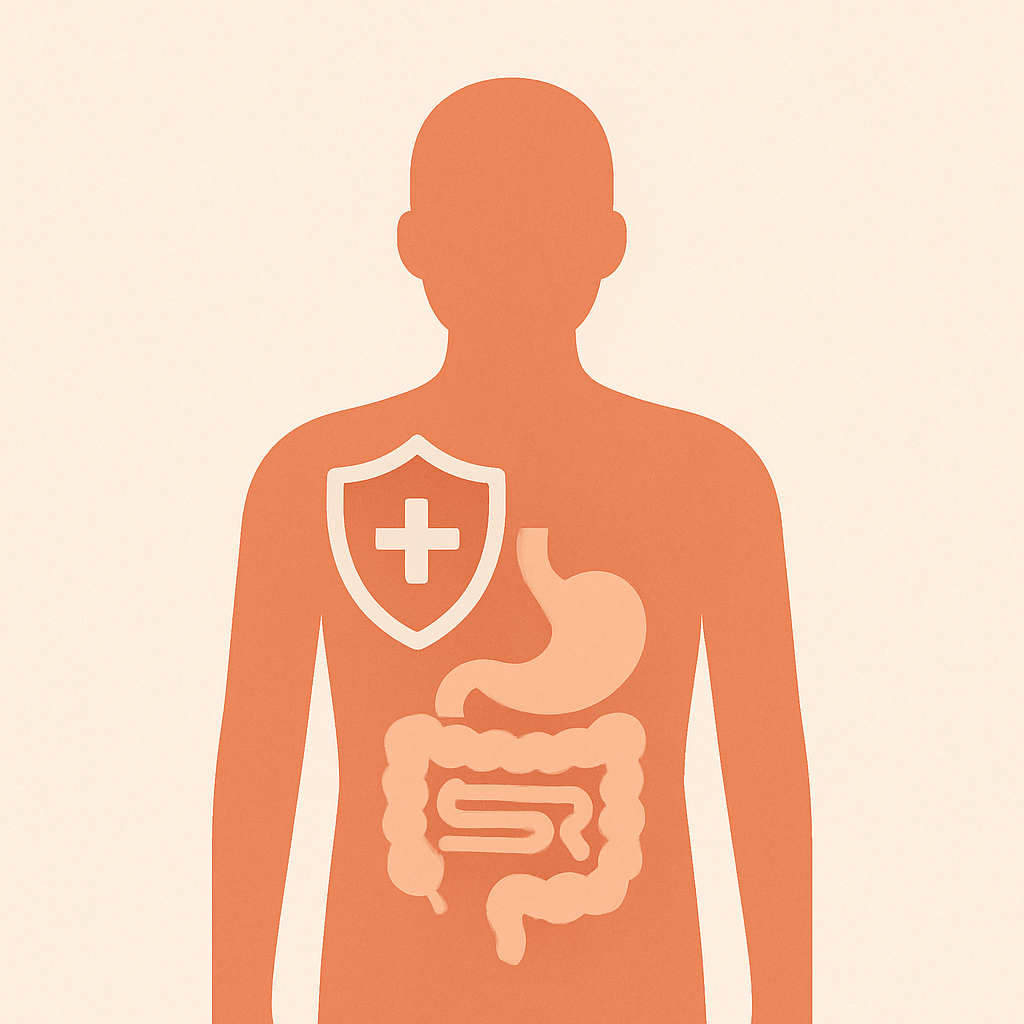
Probiotics exert their effects through various mechanisms that contribute to gut health. Primarily, they compete with harmful bacteria for resources and adhesion sites in the gut, helping to prevent infections and overgrowth of pathogenic organisms. Additionally, probiotics can enhance the gut barrier function, strengthening the intestinal lining and reducing permeability, which may prevent systemic inflammation.
Furthermore, probiotics can modulate the immune system, promoting an appropriate immune response and reducing inflammation. They also produce short-chain fatty acids (SCFAs) through fermentation, which serve as energy sources for colonic cells and play a role in regulating metabolic processes. These combined actions help maintain a healthy gut environment and promote overall well-being.
Evidence Summary
The evidence supporting the use of probiotics is growing, with numerous studies demonstrating their potential benefits for various health conditions. Preliminary research suggests that probiotics may be effective in managing gastrointestinal disorders such as irritable bowel syndrome (IBS), inflammatory bowel disease (IBD), and antibiotic-associated diarrhea.
Clinical trials have shown mixed results, with some strains proving more effective than others for specific conditions. For example, certain Lactobacillus strains have been associated with improvements in IBS symptoms, while Bifidobacterium strains may help reduce the incidence of antibiotic-associated diarrhea. However, the variability in individual responses and the complexity of the gut microbiome mean that results can be inconsistent.
Conflicting evidence does exist, particularly concerning probiotics' effectiveness in preventing respiratory infections or allergies. While some studies have reported positive outcomes, others have found no significant benefits. This highlights the need for further research to understand the nuances of probiotic efficacy.
Practical Application
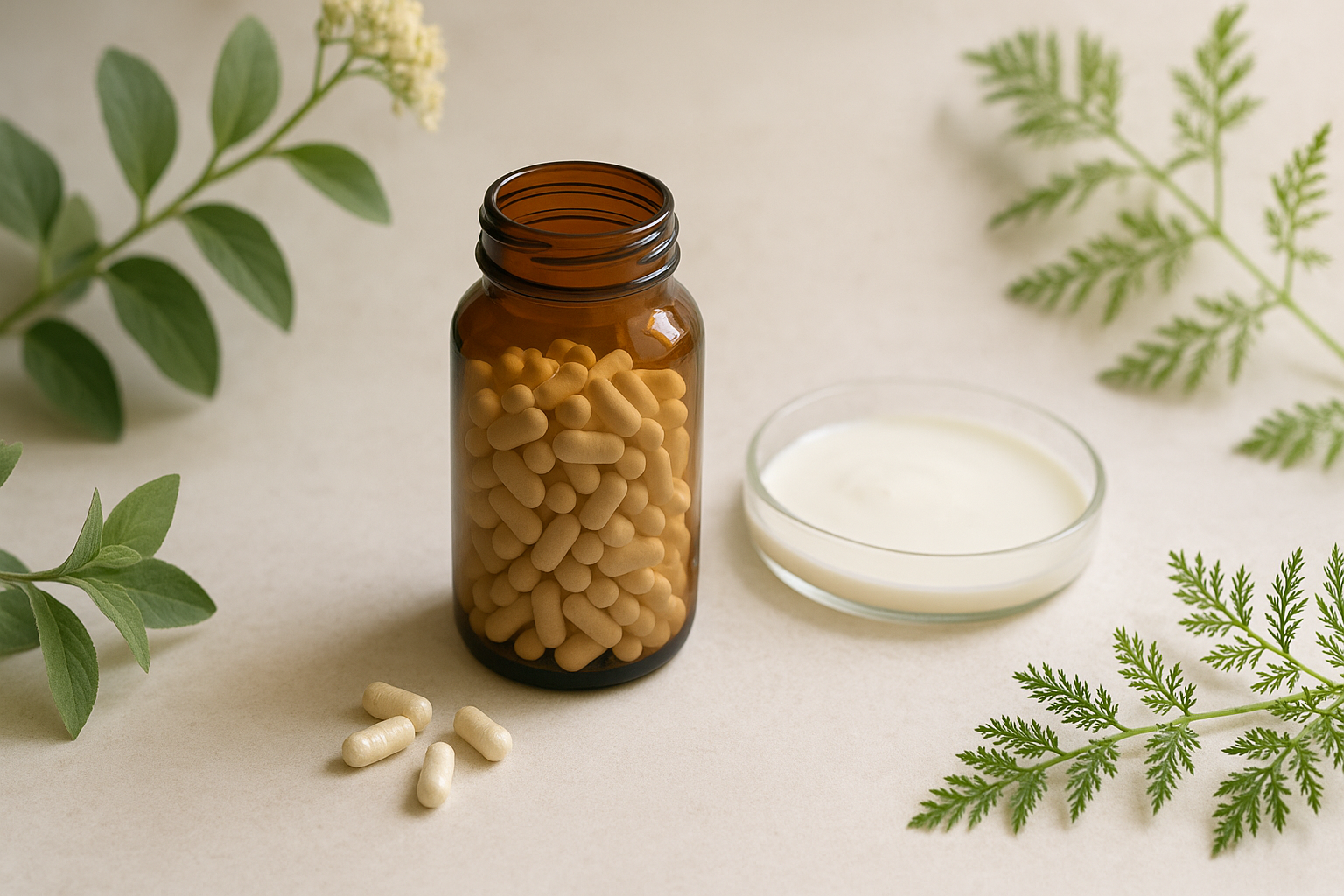
Integrating probiotics into daily life can be achieved through dietary sources or supplements. Fermented foods such as yogurt, kefir, sauerkraut, and kimchi are excellent natural sources of probiotics. For those seeking targeted strains or higher doses, probiotic supplements are available in various formulations.
When incorporating probiotics, it is essential to choose products with well-researched strains and to consider the recommended dosages. Common pitfalls include not maintaining consistency in intake, as probiotics require regular consumption to be effective. Additionally, individuals should be aware of their unique gut health needs, as not all probiotics will provide the same benefits.
Relevant Biomarkers & Tracking
Tracking the impact of probiotics on gut health can be facilitated by monitoring specific biomarkers. Key indicators include stool consistency, frequency of bowel movements, and gastrointestinal symptoms such as bloating or discomfort. Additionally, advanced testing may assess gut microbiome composition and diversity to evaluate changes resulting from probiotic use.
Emerging research also suggests that measuring levels of SCFAs in the gut may provide insights into the metabolic effects of probiotics. Regular tracking can help individuals and healthcare providers determine the effectiveness of specific probiotic strains and adjust protocols accordingly.
Body Systems Supported
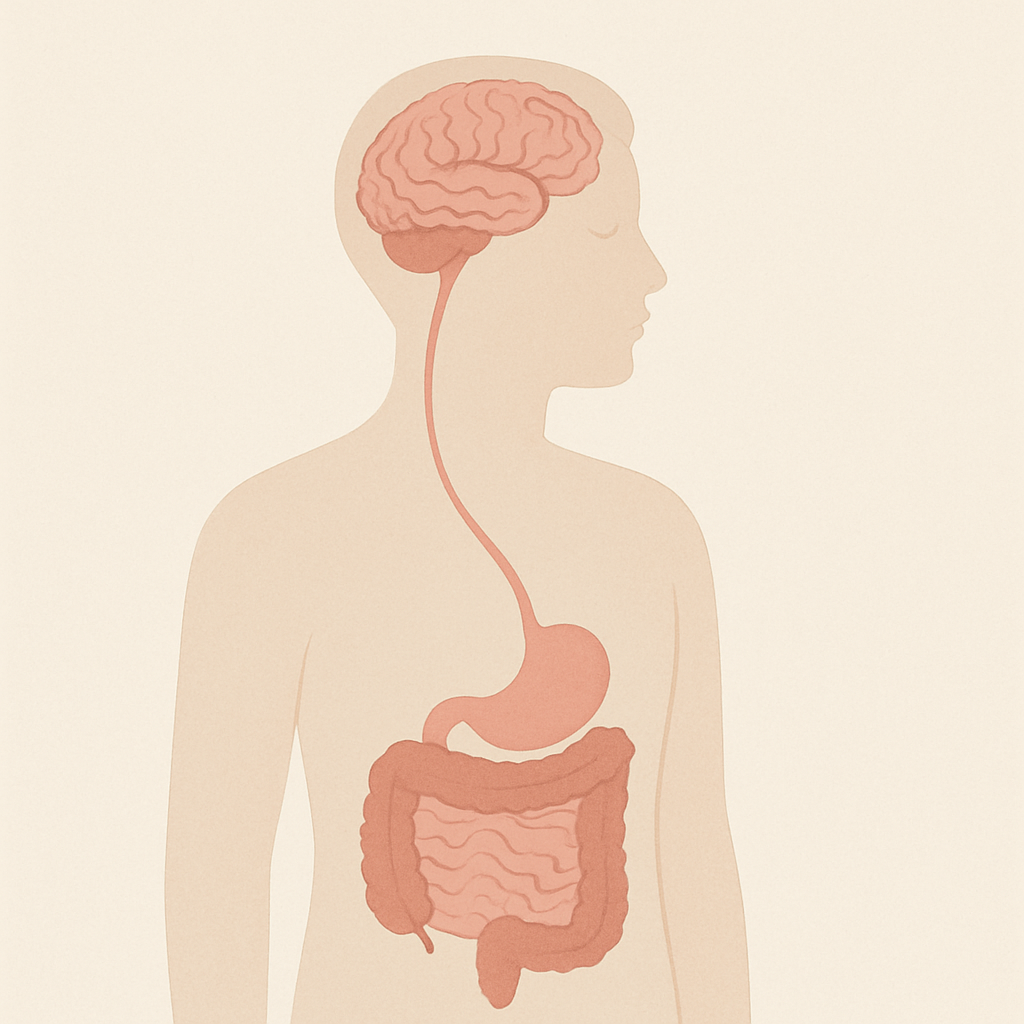
Probiotics primarily support the gastrointestinal system, enhancing digestion and nutrient absorption. However, their benefits extend beyond the gut. Probiotics also play a role in modulating the immune system, contributing to overall immune health. Additionally, there is growing interest in the connection between gut health and mental health, with some studies suggesting that probiotics may have a positive impact on mood and cognitive function.
Common Goals
Individuals incorporate probiotics into their wellness routines with various goals in mind, including:
- Improving digestive health
- Reducing symptoms of IBS or IBD
- Preventing antibiotic-associated diarrhea
- Enhancing immune function
- Supporting mental well-being
Safety, Contraindications & Edge Cases
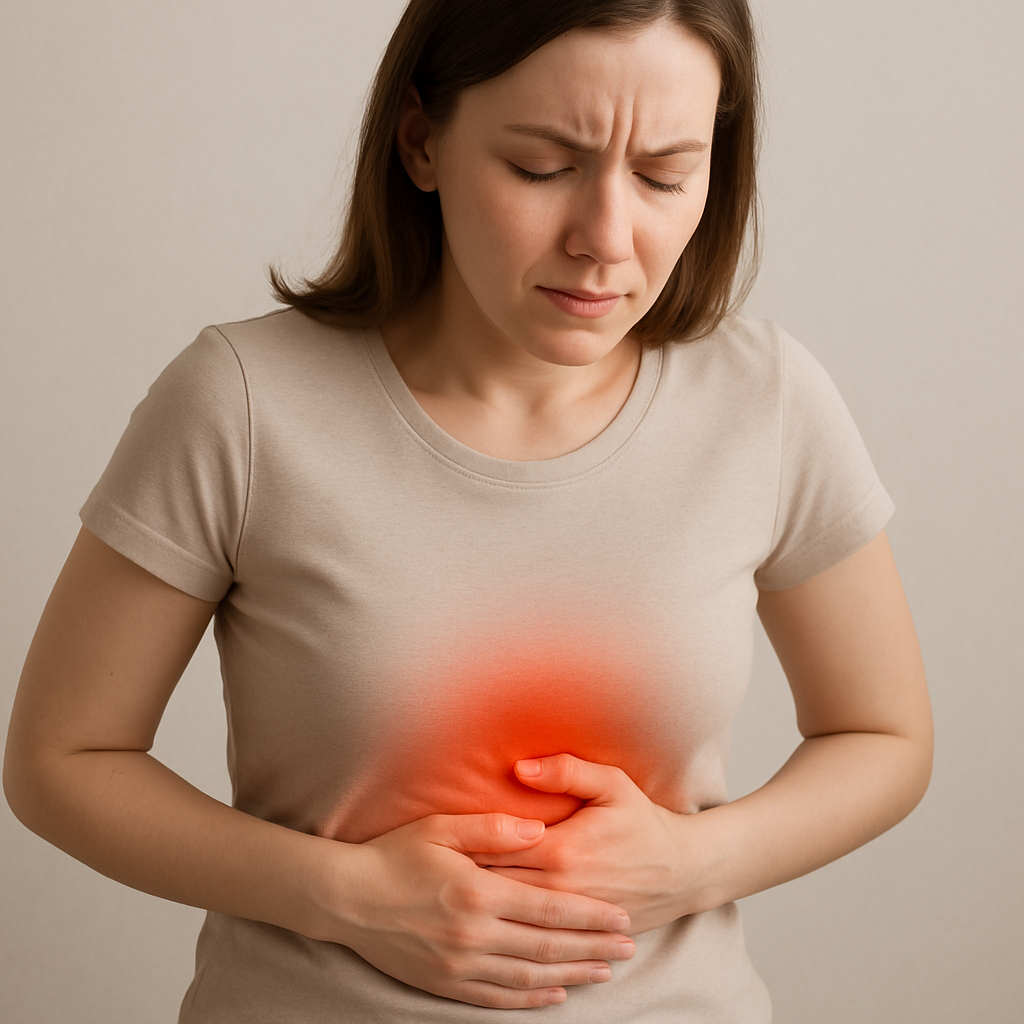
Probiotics are generally considered safe for most individuals. However, some individuals with compromised immune systems, underlying health conditions, or those undergoing specific medical treatments should consult healthcare professionals before beginning probiotic supplementation. Rarely, some people may experience mild gastrointestinal discomfort or bloating when starting probiotics, but these symptoms typically resolve with continued use.
It is also important to note that not all probiotics are suitable for everyone, and certain strains may have specific contraindications. Therefore, personalized guidance is recommended, particularly for vulnerable populations.
Pairs Well With
Probiotics can be effectively paired with various ancient and natural counterparts for enhanced health benefits. Some complementary practices include:
- Fermented foods rich in prebiotics, such as garlic and onions
- Herbal remedies like ginger and turmeric that support digestive health
- Mindfulness practices that reduce stress, which can impact gut health
FAQs (5)
What are the best sources of probiotics?
Natural sources include yogurt, kefir, sauerkraut, kimchi, and dietary supplements.How long does it take to see benefits from probiotics?
Individuals may notice improvements in gut health within a few days to several weeks, depending on the specific strain and condition.Can probiotics help with weight management?
Some studies suggest a potential link, but more research is needed to establish a definitive connection.Are there any side effects of taking probiotics?
Most individuals experience few side effects, but some may experience mild gastrointestinal discomfort when first starting.How do I choose the right probiotic?
Look for strains with clinical evidence supporting their efficacy for your specific health goals and consult a healthcare provider for personalized recommendations.
Frequently asked
What are the best sources of probiotics?
Natural sources include yogurt, kefir, sauerkraut, kimchi, and dietary supplements.
How long does it take to see benefits from probiotics?
Individuals may notice improvements in gut health within a few days to several weeks, depending on the specific strain and condition.
Can probiotics help with weight management?
Some studies suggest a potential link, but more research is needed to establish a definitive connection.
Are there any side effects of taking probiotics?
Most individuals experience few side effects, but some may experience mild gastrointestinal discomfort when first starting.
How do I choose the right probiotic?
Look for strains with clinical evidence supporting their efficacy for your specific health goals and consult a healthcare provider for personalized recommendations.