Leaky Gut Analysis
Explore the intricacies of Leaky Gut Analysis within Gut Health Science, understanding its mechanisms, evidence, practical applications, and more.

Leaky Gut Analysis focuses on understanding the integrity of the intestinal barrier, which is crucial for overall gut health. This analysis helps identify potential imbalances that could lead to various health issues, guiding individuals toward more informed dietary and lifestyle choices. By examining the mechanisms behind leaky gut, the evidence surrounding it, and practical applications, this guide aims to provide a comprehensive overview of this important aspect of gut health science.
What It Is
Leaky Gut Analysis refers to the evaluation of intestinal permeability, a condition where the lining of the intestines becomes compromised, allowing toxins, bacteria, and undigested food particles to enter the bloodstream. This condition is often associated with a range of health issues, including food sensitivities, autoimmune diseases, and chronic inflammation. By assessing the integrity of the gut barrier, practitioners can gain insights into a person's overall health and well-being.
The analysis typically involves various tests that measure the permeability of the gut lining, as well as an individual's response to specific dietary components. It is important to note that while leaky gut is a term used commonly in alternative medicine, it is gaining recognition in the scientific community as researchers continue to explore the connection between gut health and systemic diseases.
Mechanism / How It Works
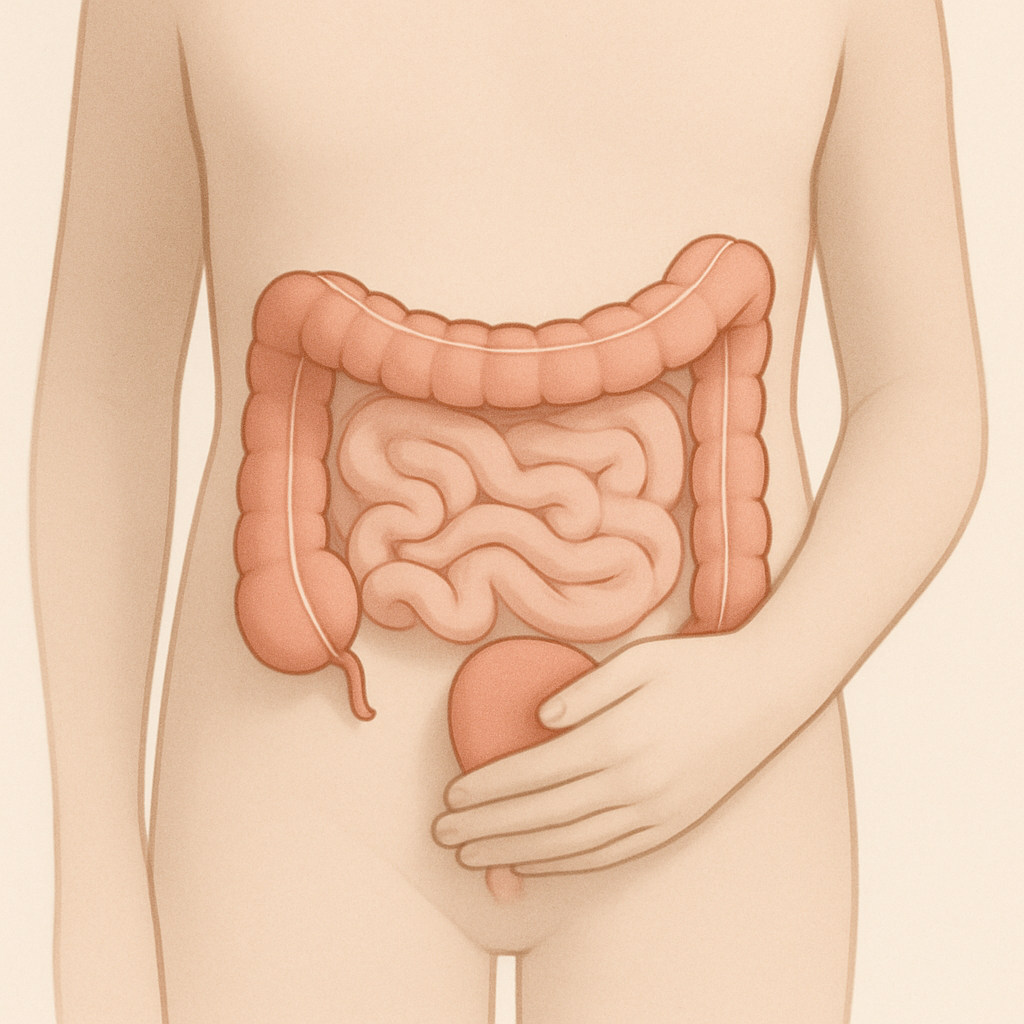
The gut barrier is primarily composed of epithelial cells that are tightly joined together, preventing harmful substances from entering the bloodstream. When this barrier is compromised, often due to factors like poor diet, chronic stress, or antibiotic overuse, it leads to increased intestinal permeability, or leaky gut.
Increased permeability can trigger an immune response as the body recognizes foreign substances entering the bloodstream. This can lead to inflammation and contribute to various health problems. Understanding the underlying mechanisms of leaky gut helps in developing targeted interventions to restore gut health.
Evidence Summary
Research on leaky gut has yielded mixed results. Preliminary studies suggest a correlation between increased intestinal permeability and conditions such as irritable bowel syndrome (IBS), celiac disease, and inflammatory bowel diseases (IBD). However, clinical evidence remains inconclusive, with some studies showing significant associations while others do not establish clear causality.
Additionally, the concept of leaky gut is still debated within the medical community. Some experts argue that more rigorous clinical trials are needed to validate the existence of leaky gut as a standalone diagnosis. Therefore, while there is growing interest in this area, it is essential to approach the evidence with a critical eye.
Practical Application
Implementing a leaky gut analysis involves various protocols tailored to an individual’s specific needs. Common recommendations include dietary modifications, such as eliminating gluten, dairy, and processed foods while incorporating more whole foods, probiotics, and prebiotics.
Daily integration might include mindful eating practices, stress-reduction techniques like meditation, and regular physical activity. However, common pitfalls include the potential for overly restrictive diets that may lead to nutritional deficiencies or an obsession with food choices. It is crucial to adopt a balanced approach when applying these protocols.
Relevant Biomarkers & Tracking
Tracking relevant biomarkers is essential for understanding gut health. Some key markers include:
- Intestinal permeability tests (e.g., lactulose/mannitol test)
- C-reactive protein (CRP) levels
- Immunoglobulin A (IgA) levels
- Microbiome diversity assessments
Regular monitoring of these biomarkers can provide insights into the effectiveness of interventions and guide adjustments as needed.
Body Systems Supported
The health of the gut has a profound impact on multiple body systems, including:
- Immune system: A healthy gut supports immune function and reduces inflammation.
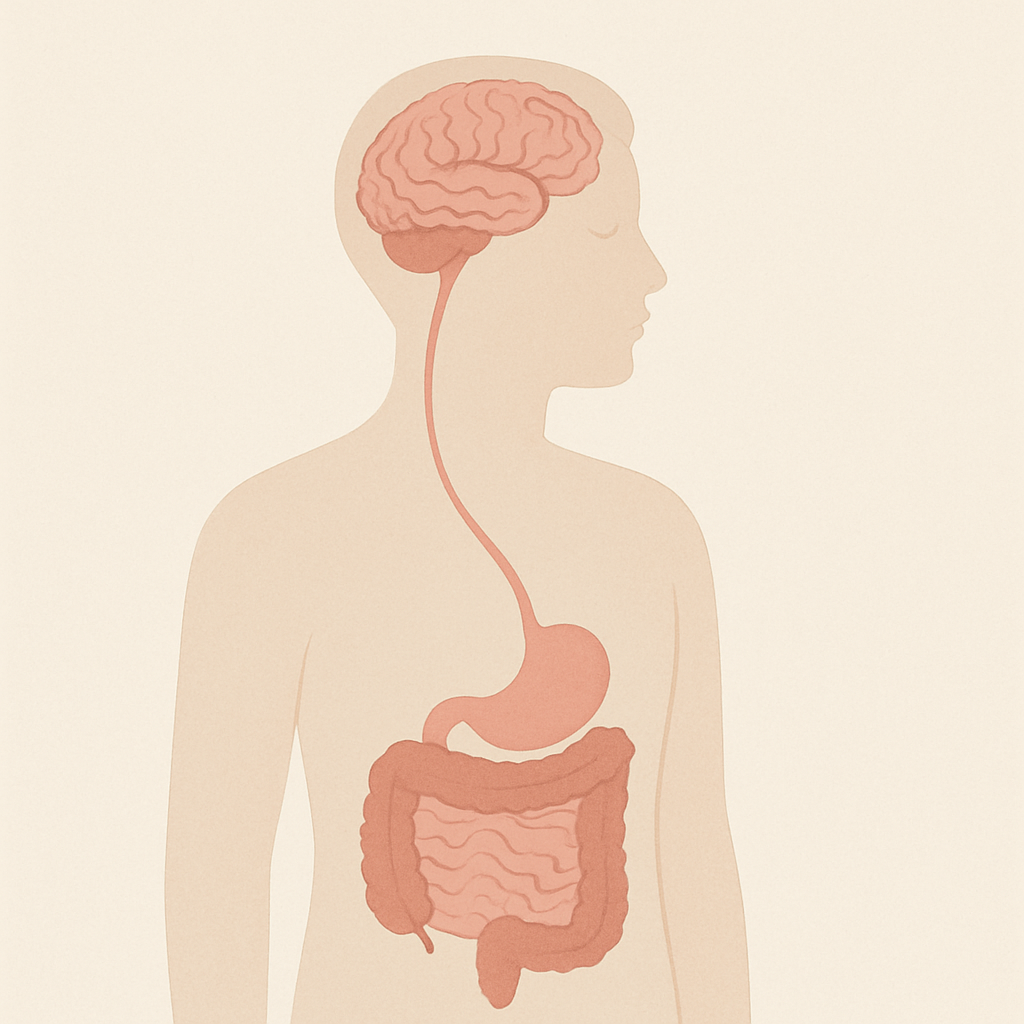
- Nervous system: The gut-brain connection highlights the role of gut health in mental well-being.
- Endocrine system: Gut health influences hormone balance and metabolic processes.
By focusing on gut health, individuals can support overall systemic health and well-being.
Common Goals
Individuals seeking leaky gut analysis typically aim to:
- Restore gut integrity and function
- Reduce inflammation and immune response
- Improve digestion and nutrient absorption
- Enhance overall health and vitality
Setting clear goals can help guide the analysis and interventions effectively.
Safety, Contraindications & Edge Cases
While leaky gut analysis is generally safe, certain contraindications must be considered. Individuals with severe gastrointestinal disorders or those who are immunocompromised should consult healthcare professionals before undergoing any testing or implementing significant dietary changes.
Edge cases may include those with psychological conditions related to food and health, where a focus on gut health might exacerbate anxiety or disordered eating patterns. A holistic approach that considers mental and emotional health is crucial.
Pairs Well With
Leaky gut analysis can be complemented by various ancient or natural approaches, including:
- Ayurvedic practices focusing on digestion and balance
- Traditional Chinese Medicine (TCM) emphasizing gut health
- Herbal remedies that support gut integrity, such as slippery elm and marshmallow root
Integrating these practices can enhance the effectiveness of modern interventions.
FAQs (5)
- What causes leaky gut? Leaky gut can be caused by various factors, including poor diet, chronic stress, infections, and certain medications.
- How is leaky gut diagnosed? Diagnosis typically involves assessing symptoms and may include specific tests to measure intestinal permeability.
- Can diet help may support leaky gut? Yes, a balanced diet rich in whole foods, probiotics, and fiber can support gut health and help restore integrity.
- Is leaky gut a recognized medical condition? While gaining recognition, leaky gut is still debated in the medical community, and more research is needed for validation.
- What are the signs of leaky gut? Common signs may include bloating, food sensitivities, fatigue, and autoimmune symptoms; however, these can vary widely.
Frequently asked
What causes leaky gut?
Leaky gut can be caused by various factors, including poor diet, chronic stress, infections, and certain medications.
How is leaky gut diagnosed?
Diagnosis typically involves assessing symptoms and may include specific tests to measure intestinal permeability.
Can diet help heal leaky gut?
Yes, a balanced diet rich in whole foods, probiotics, and fiber can support gut health and help restore integrity.
Is leaky gut a recognized medical condition?
While gaining recognition, leaky gut is still debated in the medical community, and more research is needed for validation.
What are the signs of leaky gut?
Common signs may include bloating, food sensitivities, fatigue, and autoimmune symptoms; however, these can vary widely.