Immune Digestion
Delve into the relationship between immune function and digestion, exploring mechanisms, evidence, practical applications, and more.

Explore the intricate connection between immune health and digestion within the realm of gut health science. Understand how the body’s immune system interacts with the digestive tract, the evidence supporting these interactions, and practical ways to support this vital relationship.
What It Is
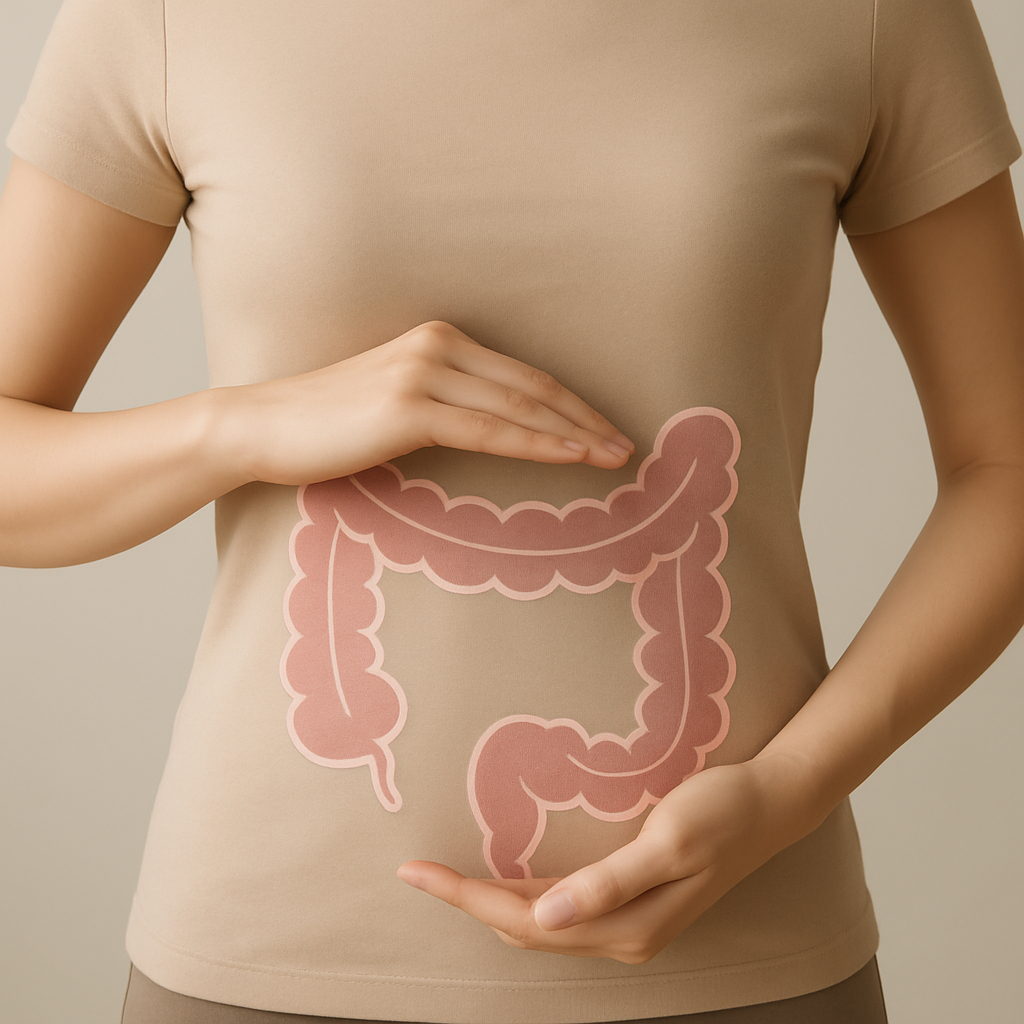
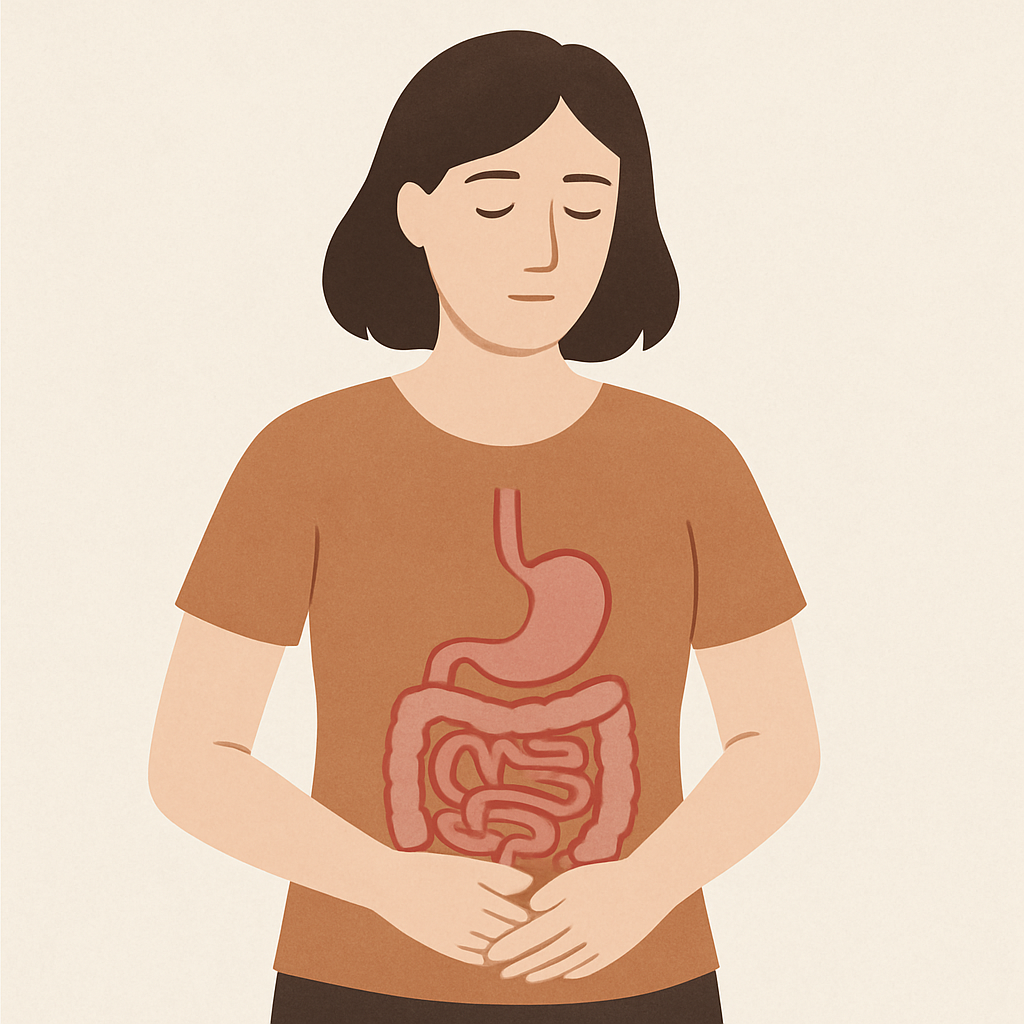
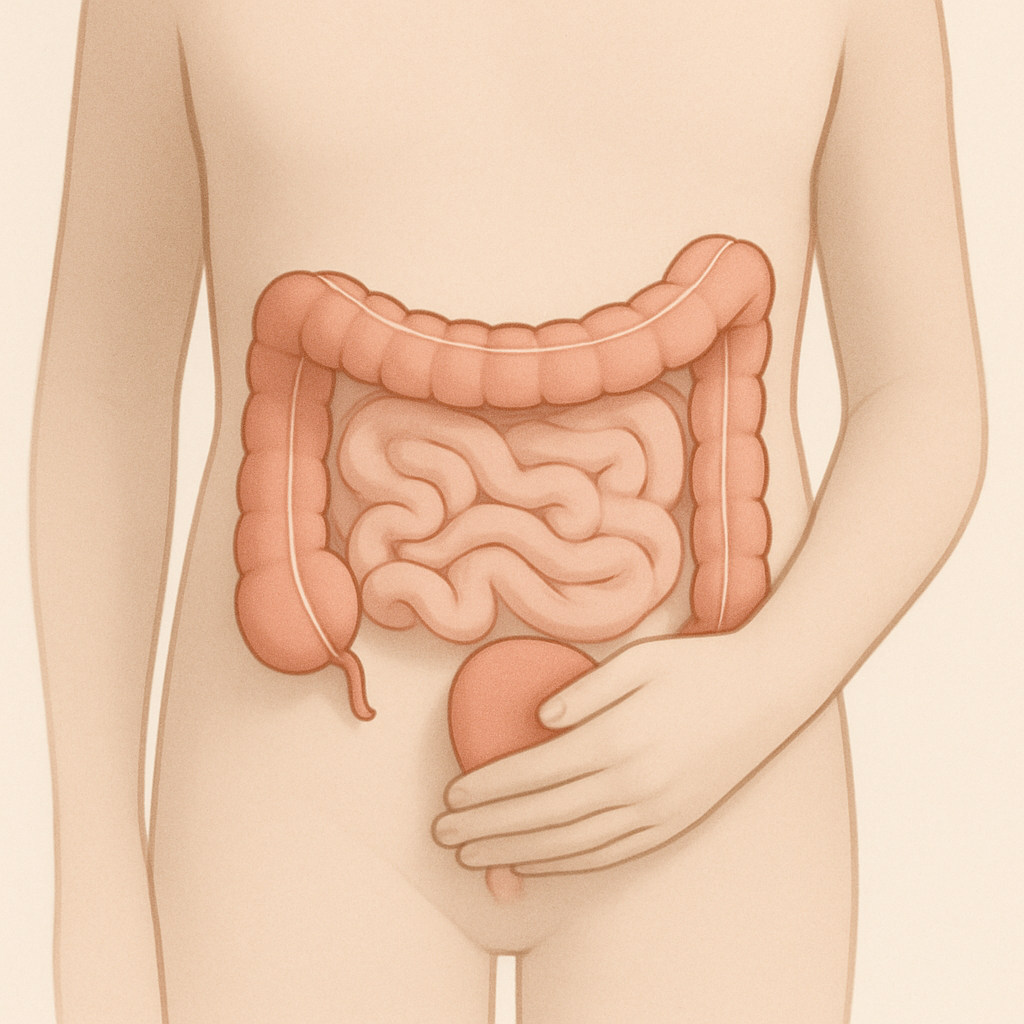
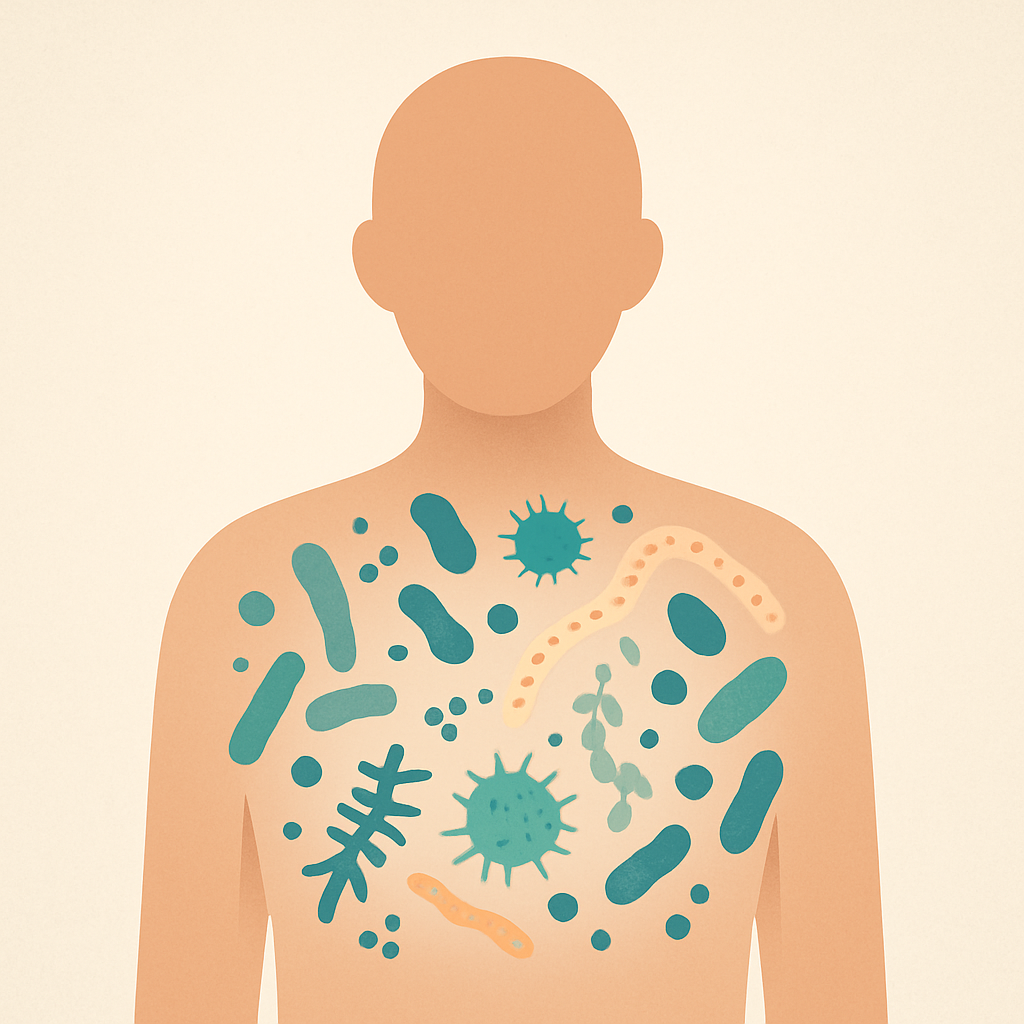
Immune digestion refers to the intricate interplay between the immune system and the digestive tract, highlighting how the gut plays a crucial role in maintaining overall health. The gut is home to a vast array of microorganisms, collectively known as the gut microbiome, which not only aids in digestion but also significantly influences the immune response. This relationship is essential for protecting the body from pathogens while maintaining tolerance to non-harmful substances.
The gut-associated lymphoid tissue (GALT) is a key component of the immune system located in the digestive tract. It consists of various immune cells that help monitor and respond to the contents of the gut, ensuring that beneficial substances are absorbed while harmful pathogens are eliminated. Thus, immune digestion is about achieving a harmonious balance that supports both digestive health and immune function.
Mechanism / How It Works
The mechanism of immune digestion involves several key processes, including the production of antibodies, regulation of inflammation, and communication between gut microbiota and immune cells. When food enters the digestive system, it is broken down into smaller components, which are then absorbed into the bloodstream. During this process, immune cells in the gut assess these components, determining which should be allowed into the body and which should be rejected.
Gut microbiota play a vital role in this mechanism by influencing the maturation and function of immune cells. For instance, certain beneficial bacteria can promote the production of anti-inflammatory cytokines, which help to modulate the immune response. Conversely, an imbalance in gut microbiota can lead to increased inflammation and immune dysfunction, contributing to various health issues.
Evidence Summary
Research into immune digestion is ongoing, with several studies highlighting the importance of gut health in supporting immune function. Preliminary evidence suggests that a healthy gut microbiome is associated with a robust immune response. For instance, studies have shown that individuals with diverse gut microbiota tend to have a lower incidence of autoimmune diseases and infections.
However, clinical evidence is still emerging, and some findings can be conflicting. While certain probiotic strains have demonstrated benefits in enhancing immune responses, others have shown little to no effect. Additionally, the impact of diet on the gut microbiome and, consequently, on immune health is complex and varies among individuals. More rigorous clinical trials are needed to establish definitive connections and to identify specific interventions that can be universally applied.
Practical Application
To support immune digestion, individuals can adopt several practical strategies. These include:
- Diverse Diet: Consuming a varied diet rich in fruits, vegetables, whole grains, and fermented foods can promote a healthy gut microbiome.
- Probiotics and Prebiotics: Incorporating probiotic-rich foods like yogurt and sauerkraut, along with prebiotic fibers found in garlic and onions, can enhance gut health.
- Hydration: Staying well-hydrated supports digestion and helps maintain the mucosal barrier in the gut.
- Regular Exercise: Physical activity has been shown to positively influence gut health and immune function.
- Stress Management: Chronic stress can negatively impact gut health, so practices like meditation and yoga can be beneficial.
Common pitfalls include relying solely on supplements without addressing diet and lifestyle factors, as well as neglecting individual variations in response to dietary changes. It is crucial to tailor approaches to personal health needs.
Relevant Biomarkers & Tracking
Tracking gut health and immune function can involve several biomarkers, such as:
- Immune Cell Profiles: Monitoring levels of various immune cells can provide insights into immune function.
- Gut Microbiome Analysis: Testing for microbiome diversity and composition can help identify imbalances that may affect immune health.
- Inflammatory Markers: Levels of cytokines such as IL-6 and TNF-alpha can indicate inflammation status in the body.
Regular monitoring of these biomarkers can help individuals assess their gut health and make informed dietary and lifestyle choices.
Body Systems Supported
Immune digestion primarily supports the:
- Digestive System: Ensures proper nutrient absorption and gut health.
- Immune System: Enhances the body's ability to fight infections and maintain immune balance.
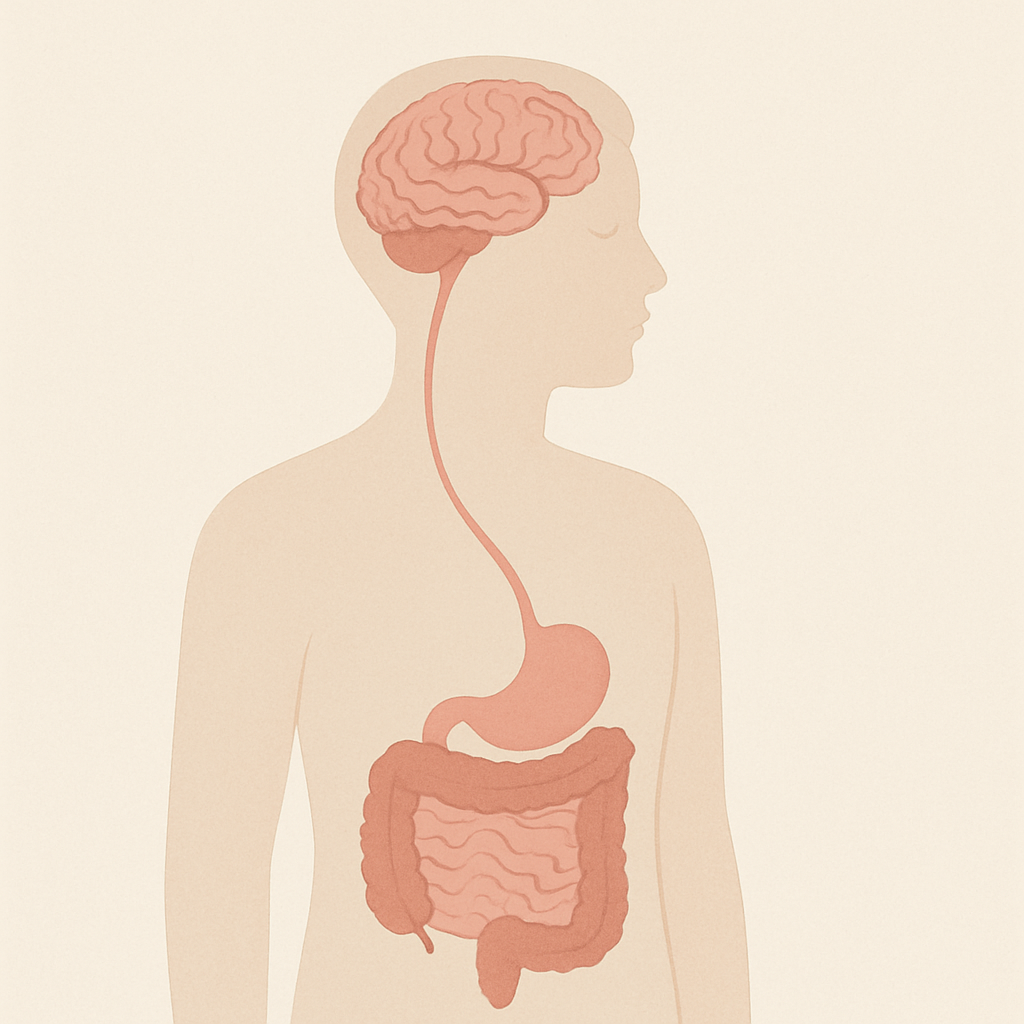
- Nervous System: The gut-brain axis links gut health with mental well-being, influencing stress responses.
Common Goals
The main goals of promoting immune digestion include:
- Enhancing overall immune function.
- Reducing the risk of infections and autoimmune diseases.
- Improving digestive health and nutrient absorption.
- Maintaining a healthy balance of gut microbiota.
Safety, Contraindications & Edge Cases
While supporting immune digestion is generally safe, there are some considerations to keep in mind. Individuals with compromised immune systems or specific health conditions should consult healthcare professionals before making significant dietary changes or starting new supplements. Additionally, certain probiotics may not be suitable for individuals with underlying health issues, such as severe allergies or gastrointestinal disorders. Always prioritize personalized guidance from healthcare providers.
Pairs Well With
Immune digestion pairs well with various ancient and natural counterparts, including:
- Ayurvedic Practices: Focus on balancing digestive fire (Agni) through diet and lifestyle.
- Traditional Chinese Medicine: Emphasizes the role of digestion in overall health and utilizes herbal remedies to support gut health.
- Holistic Nutrition: Incorporates whole foods and mindful eating to promote digestive and immune health.
FAQs (5)
- What foods support immune digestion? Foods high in fiber, probiotics, and antioxidants, such as fruits, vegetables, and fermented foods, are beneficial.
- Can stress affect my gut health? Yes, chronic stress can lead to gut dysbiosis and negatively impact immune function.
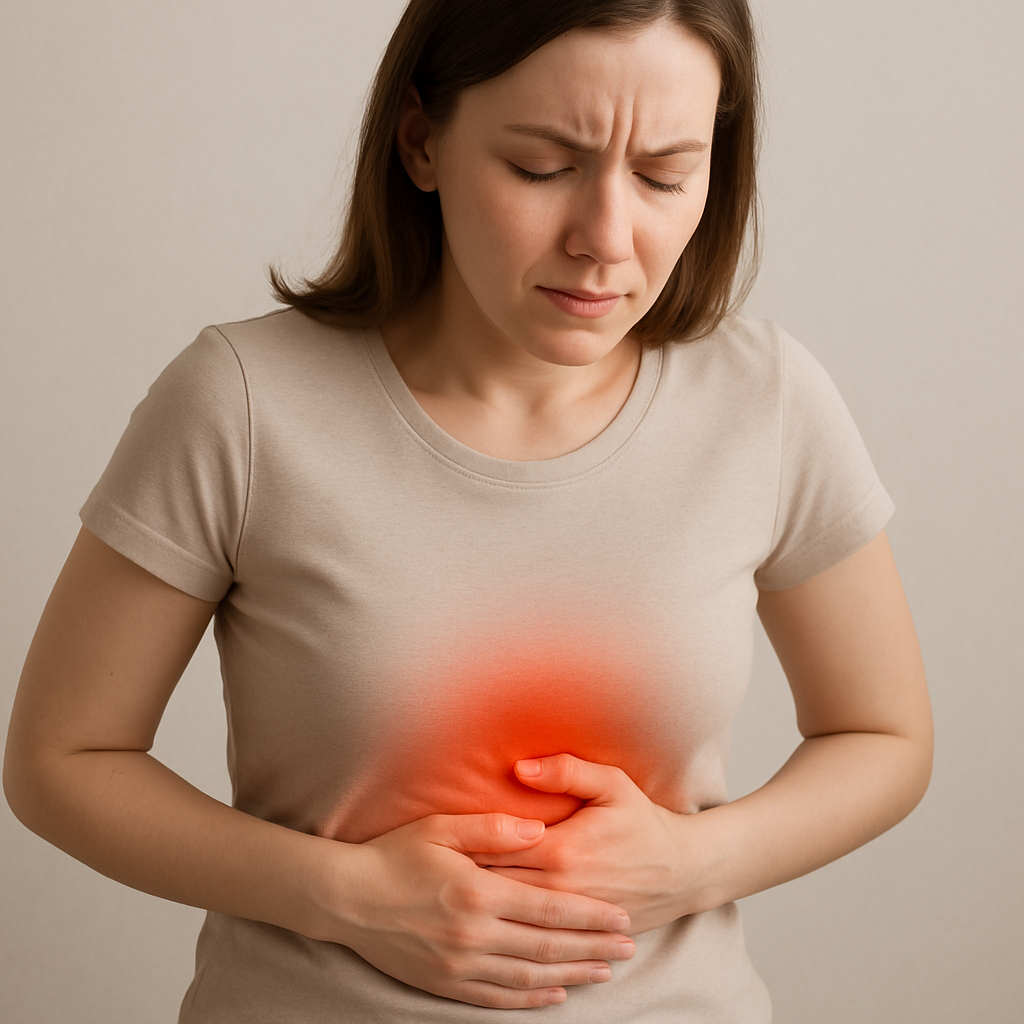
- How do I know if my gut health is compromised? Symptoms may include digestive issues, fatigue, frequent infections, and skin problems.
- Are probiotics safe for everyone? While generally safe, individuals with certain health conditions should consult a healthcare provider before use.
- How long does it take to improve gut health? Improvement can vary; dietary changes may take weeks to months to show noticeable effects.
Frequently asked
What foods support immune digestion?
Foods high in fiber, probiotics, and antioxidants, such as fruits, vegetables, and fermented foods, are beneficial.
Can stress affect my gut health?
Yes, chronic stress can lead to gut dysbiosis and negatively impact immune function.
How do I know if my gut health is compromised?
Symptoms may include digestive issues, fatigue, frequent infections, and skin problems.
Are probiotics safe for everyone?
While generally safe, individuals with certain health conditions should consult a healthcare provider before use.
How long does it take to improve gut health?
Improvement can vary; dietary changes may take weeks to months to show noticeable effects.