Gut-Brain Axis
Delve into the gut-brain axis, its mechanisms, and implications for modern wellness.
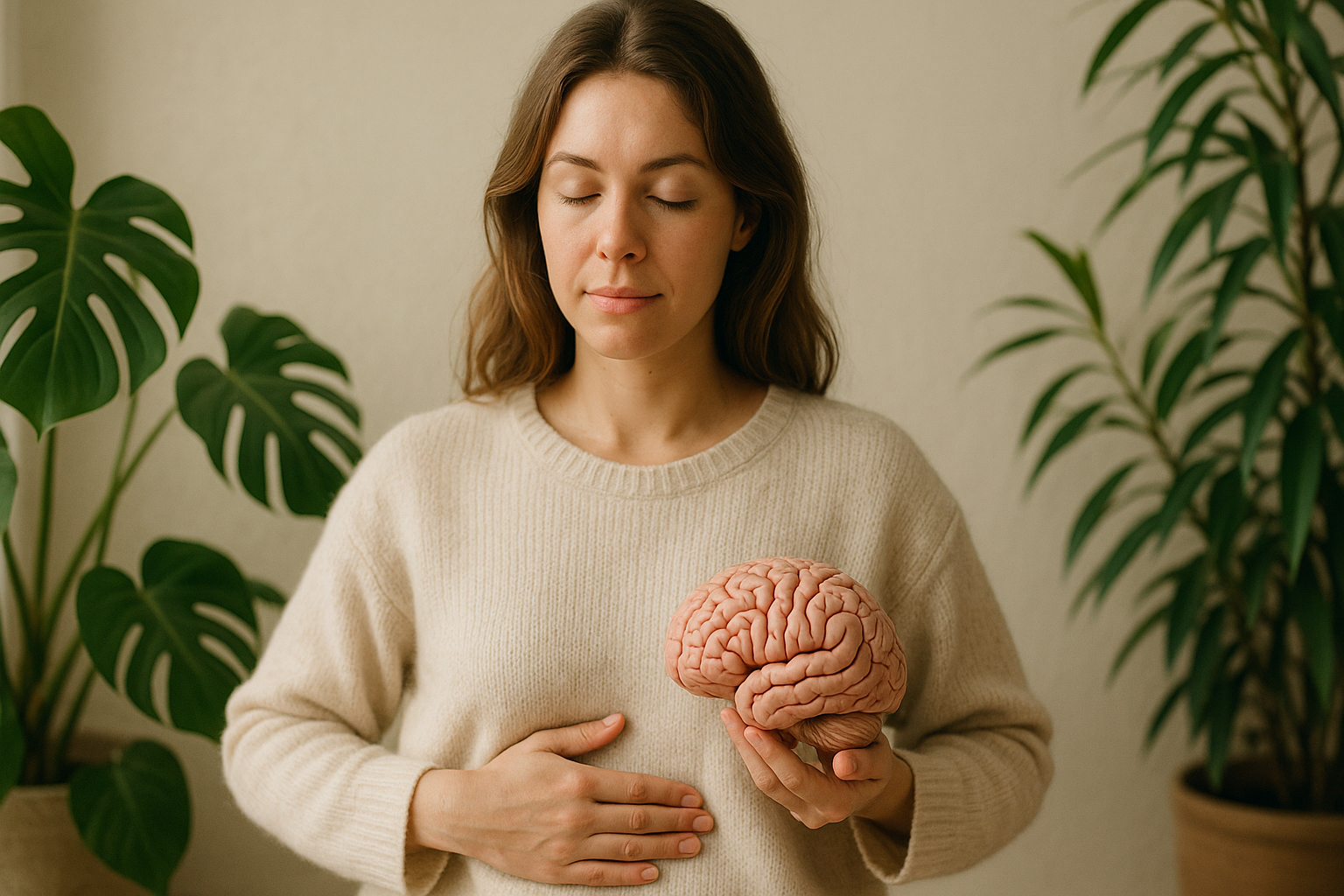
Explore the intricate relationship between gut health and mental well-being through the gut-brain axis. Understand its mechanisms, evidence, practical applications, and common goals for holistic health.
What It Is
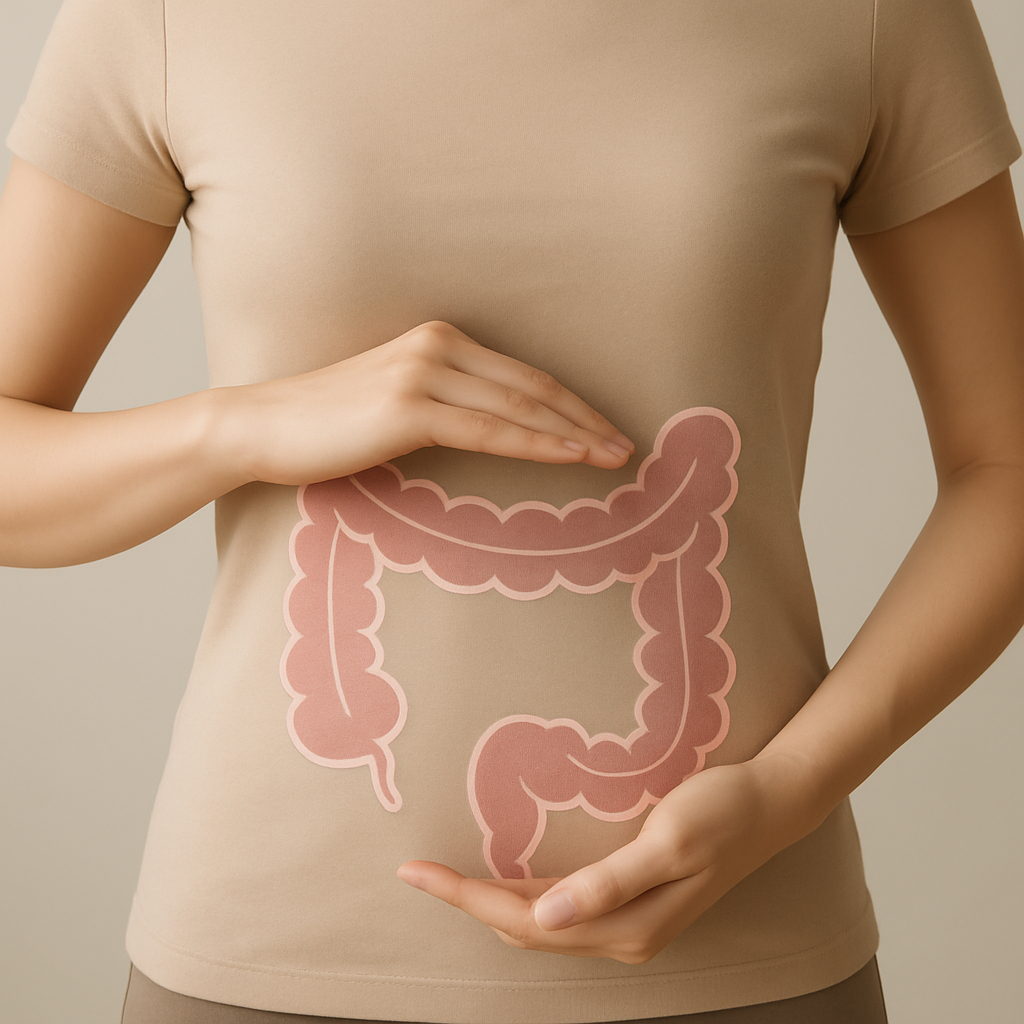
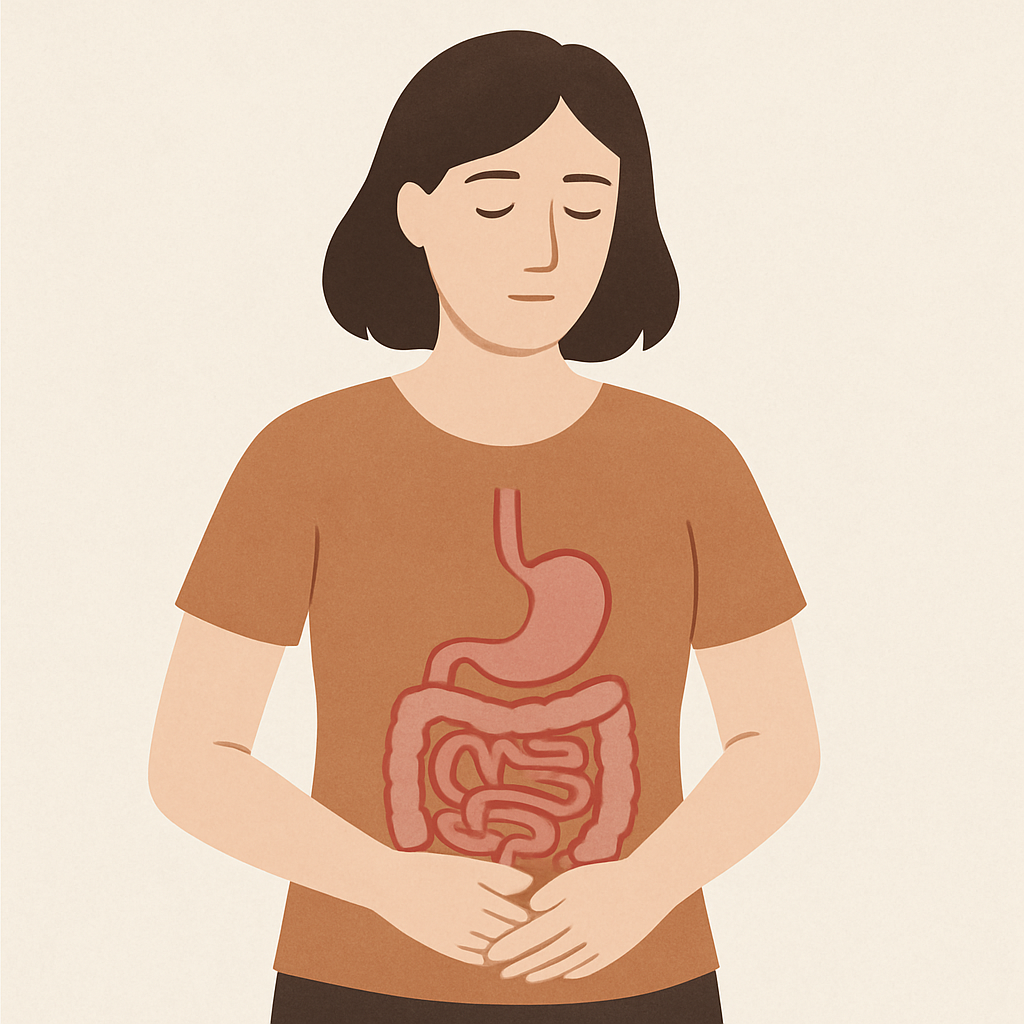
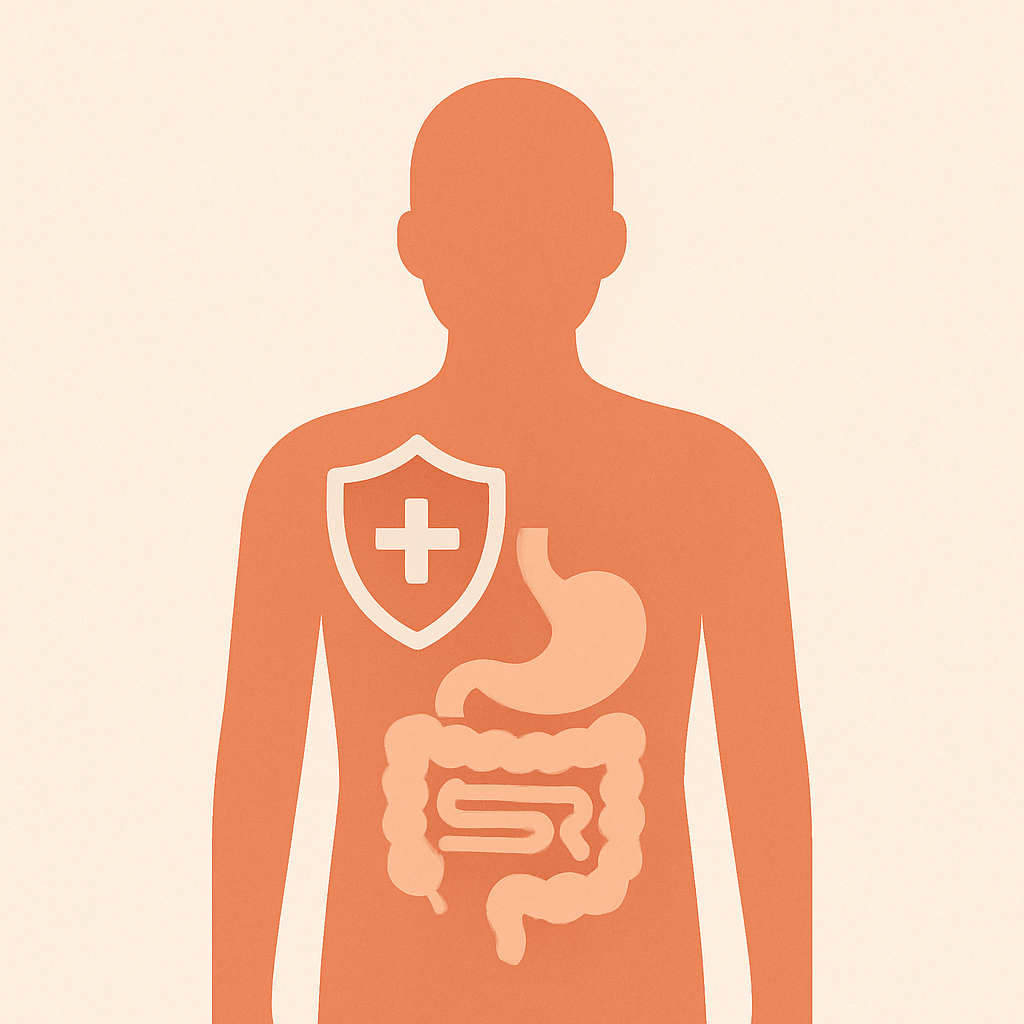
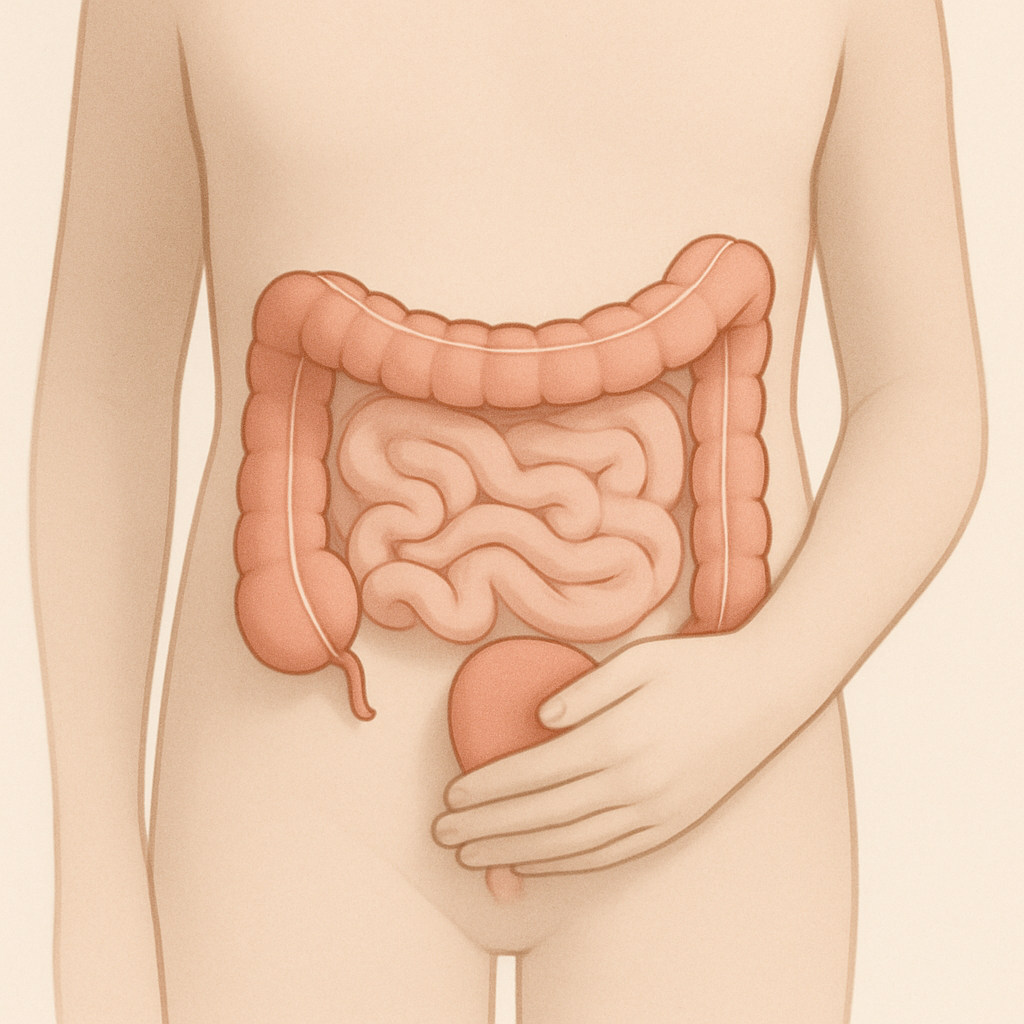
The gut-brain axis is a complex communication network linking the gastrointestinal system and the brain. This bi-directional pathway involves neural, hormonal, and immunological signaling, facilitating the exchange of information between the gut microbiome and the central nervous system. As researchers delve deeper into this relationship, they uncover how gut health can significantly influence mental health and cognitive functions.
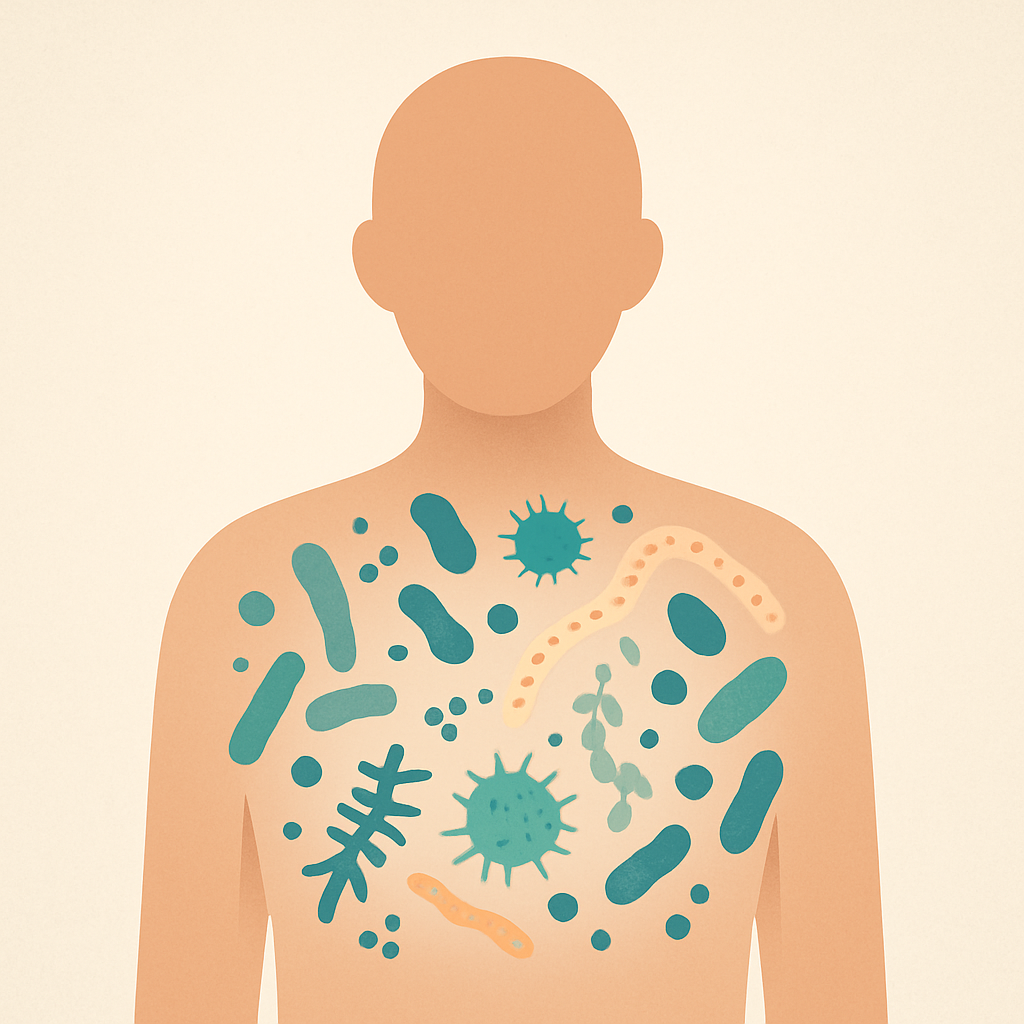
At its core, the gut-brain axis highlights the importance of gut microbiota, which are the trillions of microorganisms residing in our intestines. These microbes produce neurotransmitters and metabolites that can affect mood, behavior, and overall cognitive function. As such, the gut is not only a digestive organ but also a key player in maintaining psychological well-being.
Mechanism / How It Works
The gut-brain axis functions through multiple pathways, including the vagus nerve, the enteric nervous system, and various biochemical signals. The vagus nerve serves as a primary channel of communication, relaying information between the gut and the brain. When gut microbiota metabolize food and produce short-chain fatty acids, these metabolites can influence brain activity and emotional regulation.
Additionally, the gut microbiome can modulate the immune response, releasing cytokines that may affect brain function. Stress and inflammation in the gut can lead to changes in mental states, illustrating the interconnectedness of digestive health and psychological well-being. Overall, the mechanisms of the gut-brain axis underscore the vital role of a healthy gut in fostering mental clarity and emotional stability.
Evidence Summary
Research on the gut-brain axis is rapidly evolving, with a growing body of evidence supporting its significance in health and disease. Preliminary studies suggest that imbalances in gut microbiota may be linked to conditions such as anxiety, depression, and neurodegenerative disorders. Clinical trials have begun to explore the effects of probiotics and dietary interventions on mental health, indicating promising outcomes.
However, evidence remains conflicting in some areas. While some studies show positive correlations between gut health and mood improvement, others reveal no significant changes. The complexity of individual microbiomes and the multifactorial nature of mental health challenges present hurdles in establishing definitive conclusions. Overall, while there is a compelling case for the gut-brain axis, further research is needed to fully understand its implications.
Practical Application
Integrating gut-brain axis principles into daily life can be approached through dietary changes, lifestyle modifications, and mindfulness practices. Here are some practical protocols:
- Probiotic and Prebiotic Foods: Incorporate foods like yogurt, kefir, sauerkraut, garlic, and bananas to support gut health.
- Diverse Diet: Ensure a varied diet rich in fiber, fruits, and vegetables to promote a balanced microbiome.
- Regular Exercise: Engage in physical activity to enhance gut motility and overall health.
- Stress Management: Practice mindfulness, meditation, or yoga to reduce stress and its impact on gut health.
Common pitfalls include relying solely on supplements without considering a holistic approach, neglecting dietary diversity, and underestimating the role of stress in gut health. It is crucial to adopt a comprehensive strategy for optimal benefits.
Relevant Biomarkers & Tracking
Tracking gut health and its influence on mental well-being can be facilitated by monitoring specific biomarkers. Some relevant indicators include:
- Microbiome Composition: Analyzing gut microbiota diversity through stool samples can provide insights into gut health.
- Inflammatory Markers: Blood tests measuring cytokines and other inflammatory markers can indicate gut-related inflammation.
- Neurotransmitter Levels: Assessing levels of serotonin and other neurotransmitters can help understand mood regulation.
Regular assessments can inform dietary and lifestyle adjustments, enhancing the connection between gut health and brain function.
Body Systems Supported
The gut-brain axis supports multiple systems within the body, including:
- Digestive System: A healthy gut microbiome is essential for efficient digestion and nutrient absorption.
- Nervous System: The communication between the gut and brain facilitates optimal neurological function.
- Immune System: A balanced gut microbiome plays a crucial role in modulating immune responses.
- Endocrine System: Gut health can influence hormonal balance and metabolic processes.
Common Goals
Individuals seeking to improve their gut-brain axis may have various common goals, including:
- Enhancing mental clarity and focus.
- Reducing symptoms of anxiety and depression.
- Improving digestive health and nutrient absorption.
- Achieving better stress management and emotional regulation.
Safety, Contraindications & Edge Cases
While exploring the gut-brain axis can offer numerous benefits, certain precautions should be considered. Individuals with specific health conditions, such as autoimmune disorders or severe gastrointestinal diseases, should consult healthcare professionals before making significant dietary changes or starting probiotics. Additionally, over-reliance on supplements without addressing diet and lifestyle factors can lead to imbalances and adverse effects.
Pairs Well With
The principles of the gut-brain axis pair well with various ancient and natural health practices, including:
- Ayurveda: Focuses on balancing digestion and mental clarity through diet and herbal remedies.
- Traditional Chinese Medicine: Emphasizes the role of gut health in emotional balance and overall wellness.
- Mindfulness Practices: Techniques such as meditation and yoga support both mental and digestive health.
FAQs (5)
- What role do probiotics play in the gut-brain axis? Probiotics can help restore balance in gut microbiota, potentially improving mood and cognitive function.
- Can diet alone improve gut-brain health? While diet is crucial, a holistic approach involving lifestyle changes and stress management is also important.
- How can I assess my gut health? Stool tests and monitoring symptoms related to digestion and mood can provide insights into gut health.
- Is there a link between gut health and anxiety? Yes, research suggests that imbalances in gut microbiota may contribute to anxiety symptoms.
- What lifestyle changes can support the gut-brain axis? Incorporating a diverse diet, regular exercise, and stress-reduction techniques can support this connection.
Frequently asked
What role do probiotics play in the gut-brain axis?
Probiotics can help restore balance in gut microbiota, potentially improving mood and cognitive function.
Can diet alone improve gut-brain health?
While diet is crucial, a holistic approach involving lifestyle changes and stress management is also important.
How can I assess my gut health?
Stool tests and monitoring symptoms related to digestion and mood can provide insights into gut health.
Is there a link between gut health and anxiety?
Yes, research suggests that imbalances in gut microbiota may contribute to anxiety symptoms.
What lifestyle changes can support the gut-brain axis?
Incorporating a diverse diet, regular exercise, and stress-reduction techniques can support this connection.